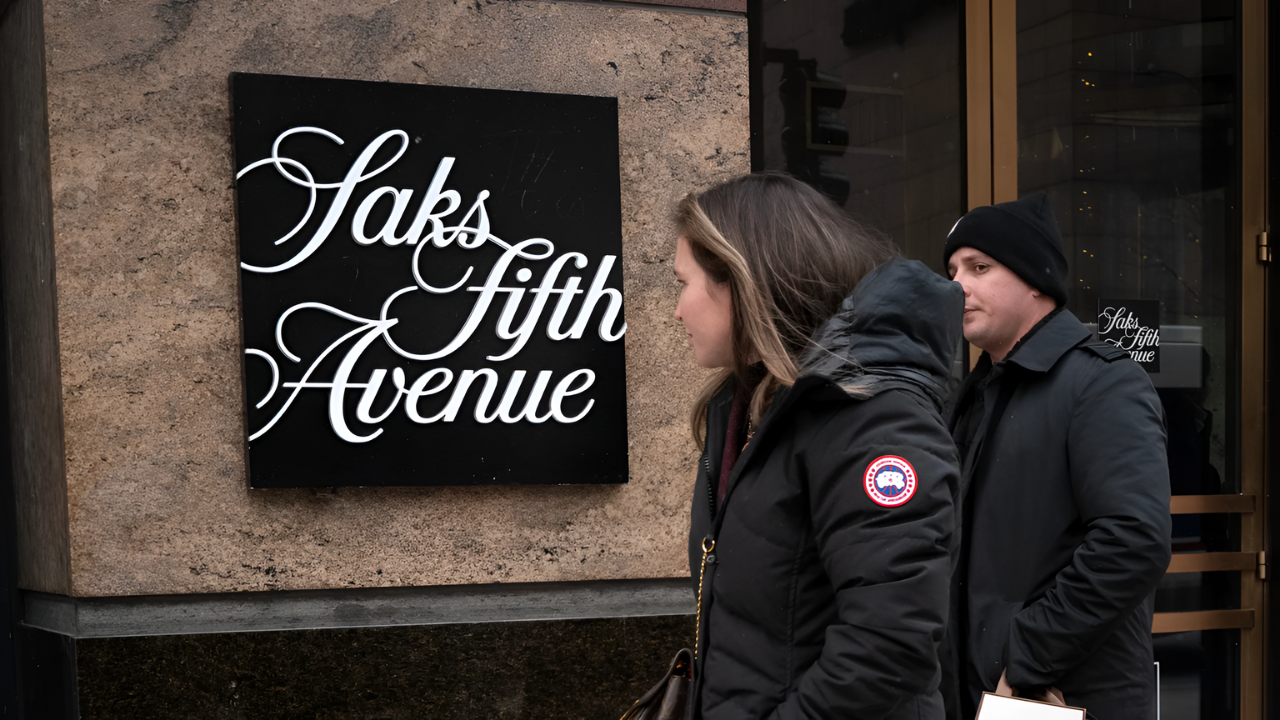
After 7.5 hours of contentious arguments in a Houston bankruptcy court on January 15, 2026, U.S. Bankruptcy Judge Alfredo Perez delivered Amazon a crushing blow. Despite fierce objections from the e-commerce giant’s attorneys, Perez approved $400 million in emergency financing for Saks Global—effectively relegating Amazon’s $475 million preferred equity stake to the bottom of the creditor hierarchy.
Amazon attorney Caroline Reckler’s parting words captured the devastation: “We have little to no confidence that Saks can successfully emerge from bankruptcy”.
From Mega-Merger to Meltdown in 13 Months

The courtroom drama marked the culmination of one of retail history’s fastest catastrophic collapses. Just thirteen months earlier, on December 23, 2024, Saks completed its $2.7 billion acquisition of Neiman Marcus with Amazon as a major investor.
The deal was supposed to create America’s luxury retail powerhouse. Instead, it produced a $3.4 billion debt disaster that forced Saks Global into Chapter 11 bankruptcy on January 13, 2026.
The $475 Million Write-Off That Shocked Wall Street

Amazon has now formally declared its entire Saks investment “presumptively worthless” in regulatory filings—one of the company’s most visible investment failures.
The stake included 23% preferred equity ownership plus a commercial agreement requiring Saks to pay $900 million in referral fees over eight years for a “Saks at Amazon” luxury storefront that never gained traction. What was meant to crack Amazon’s persistent luxury market problem instead became a cautionary tale.
The Debt Bomb That Destroyed Two Retail Icons
Mickey Chadha, vice president in corporate finance at Moody’s Ratings, identified the fatal flaw immediately: “You had two companies struggling individually, and then combined them while adding a significant amount of debt.
The capital structure was unsustainable from the very beginning.” Saks financed the acquisition with $2.2 billion in high-yield junk bonds, $925 million in asset-based loans, and $275 million in seller financing.
When Luxury Giants Stopped Shipping Merchandise
By summer 2025, the debt-service requirements consumed virtually all available cash flow, forcing Saks to delay vendor payments.
Chanel, Gucci, Louis Vuitton, and other luxury houses stopped shipping inventory after CEO Marc Metrick’s February promise to pay overdue bills in 12 monthly installments went unfulfilled. Stores sat half-empty during the crucial holiday season. The operational breakdown became irreversible.
A Who’s Who of Luxury Fashion Left Holding the Bag

The January bankruptcy filing revealed the staggering human toll: between 10,001 and 25,000 creditors holding approximately $3.4 billion in claims. Chanel leads unsecured creditors owed $136 million, followed by Kering at $59.9 million and LVMH at $26 million.
Technology giants weren’t spared—Meta is owed $12 million and Google $9.6 million for unpaid advertising. Beauty conglomerates Estée Lauder ($16 million), Puig ($12 million), and Beiersdorf ($22.2 million) face massive exposure.
The Integration Disaster That Sealed Saks’ Fate

Court filings exposed catastrophic execution failures. Saks experienced “one-time merchandising system integration issues” that disrupted inventory flows at Neiman Marcus and Bergdorf Goodman precisely when holiday sales volumes peak.
By the second fiscal quarter ending August 2, 2025, inventory had plunged 9% year-over-year, with $550 million less in expected receipts than planned. The technology integration that was supposed to create synergies instead accelerated the collapse.
Why Amazon’s Business Model Failed in Luxury

Jackson Parsey, a luxury retail analyst, articulated the fundamental incompatibility: “The overarching issue is that the whole proposition of Amazon is at its core antithetical to luxury. Convenience, price competitiveness and being able to shop around doesn’t support brand elasticity.”
Luxury requires exclusivity, controlled distribution, and premium experiences—the exact opposite of Amazon’s democratized marketplace optimized for comparison shopping and third-party sellers.
The CEO Who Returned to Save His Former Company
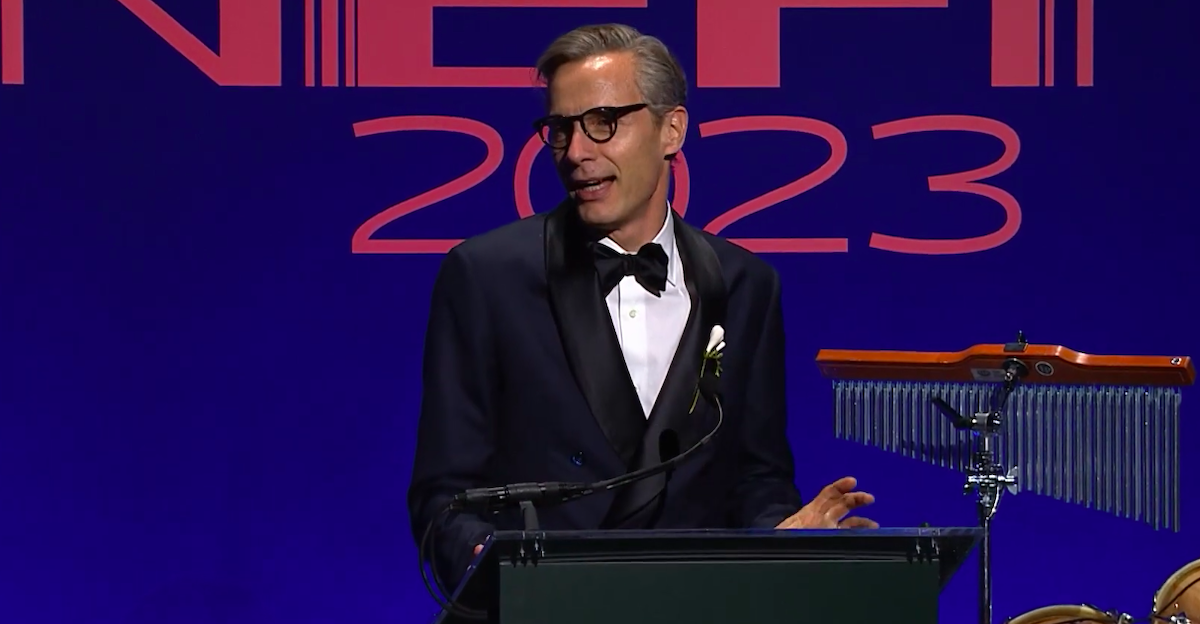
In a dramatic twist, Geoffroy van Raemdonck was appointed Saks Global CEO on January 13—just thirteen months after leaving when Saks acquired Neiman Marcus, where he served as CEO.
Van Raemdonck successfully navigated Neiman through bankruptcy in 2020, bringing critical restructuring expertise. He immediately reassembled his former Neiman leadership team: CFO Brandy Richardson, President Darcy Penick, and Chief of Global Brand Partnerships Lana Todorovich.
Richard Baker’s Fourth Retail Empire Collapses

Saks executive chairman Richard Baker has now presided over four major retail failures: Lord & Taylor (liquidated 2020), Zellers (closed), Hudson’s Bay Company (liquidated Canadian operations 2025), and Saks Global.
Critics argue Baker’s strategy prioritized real estate monetization over operational sustainability—extracting property value through flagship building sales while retail businesses deteriorated. The pattern appears systematic rather than coincidental.
The $1.75 Billion Bankruptcy Lifeline
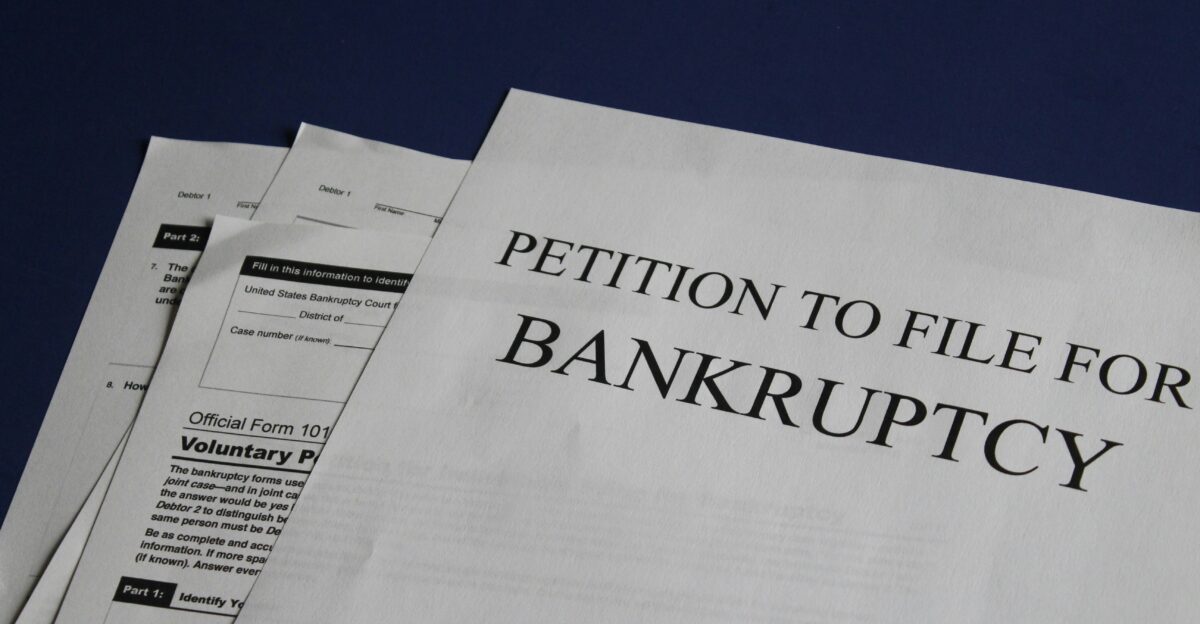
Despite Amazon’s objections, Judge Perez approved a $1.75 billion financing package: $1 billion in immediate debtor-in-possession loans from Pentwater Capital and Bracebridge Capital, $240 million from asset-based lenders led by Bank of America, and $500 million in exit financing available upon emergence.
The DIP financing carries super-priority status, ensuring these lenders recover before pre-petition creditors including Amazon and luxury vendors.
Amazon’s Legal Battle Continues

Amazon filed aggressive objections alleging Saks “continuously failed to meet its budgets, burned through hundreds of millions of dollars in less than a year, and ran up additional hundreds of millions of dollars in unpaid invoices.”
The company warned it may “pursue more drastic remedies,” including seeking appointment of a trustee or examiner. These motions remain pending as restructuring negotiations continue.
Department Store Apocalypse Reaches Critical Mass
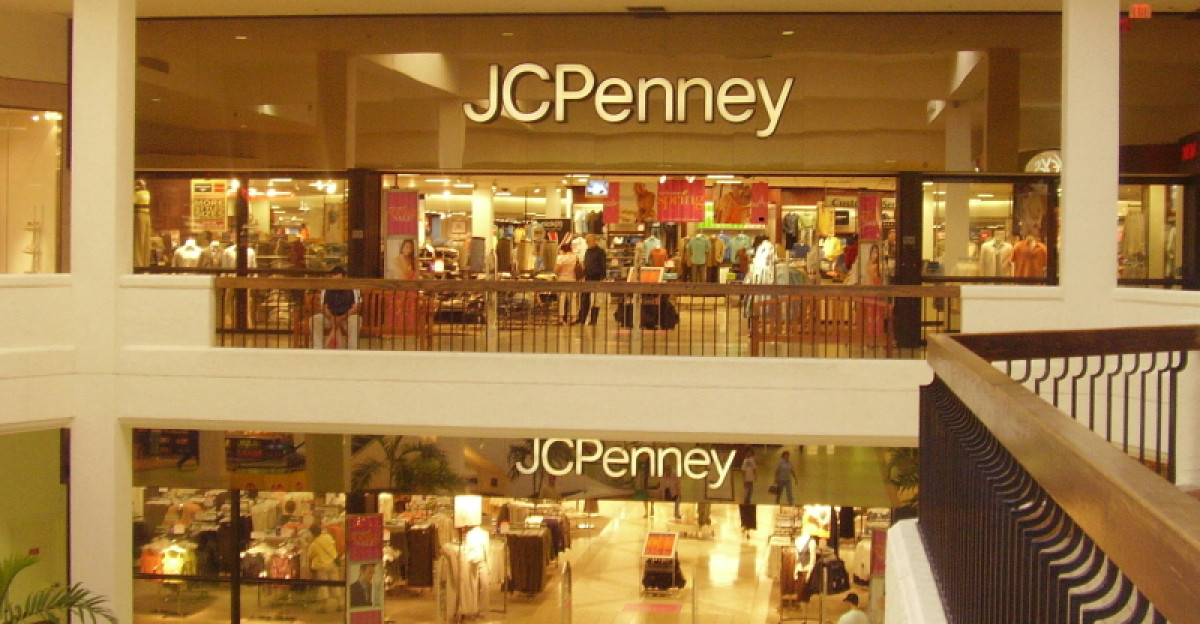
Saks joins an accelerating wave of luxury department store bankruptcies: Neiman Marcus (2020, later acquired by Saks), J.C. Penney (2020), and Lord & Taylor (2020 liquidation).
With Nordstrom remaining as the only significant independent luxury chain and Bloomingdale’s operating at a lower tier, luxury brands face drastically narrowed U.S. wholesale distribution options. The department store era in American luxury retail is effectively concluded.
Luxury Market Faces First Contraction Since 2008

The bankruptcy occurs against a historic industry downturn. The personal luxury goods market contracted 2% in 2024—the first decline since the 2008 financial crisis, excluding COVID-19 impacts. McKinsey research shows the sector lost approximately 50 million customers between 2022 and 2024 as aggressive price increases (52% cumulative growth since 2019) pushed aspirational buyers out of the market entirely.
Brands Accelerate Direct-to-Consumer Pivot
Daniel Langer, CEO of Équité and Luxury Professor at Pepperdine University, declared the bankruptcy a definitive turning point: “This bankruptcy is the final signal that the department store can no longer be relied on as the main volume driver for luxury beauty.
For brands, it is a signal to pivot away.” Luxury houses including Chanel, LVMH, and Kering will accelerate investments in brand-owned boutiques and e-commerce.
The Vendor Payment Crisis That Broke the Camel’s Back

Mark Cohen, former department store executive and director of retail studies at Columbia Business School, characterized the restructuring challenge bluntly: “There’s so many different creditors involved—it’s pages and pages—in addition to the vendors who are owed.
This thing is going to be an epic battle with disparate interests refusing to coalesce around an outcome.” Vendor trust, once destroyed, proves nearly impossible to rebuild.
Amazon’s Track Record of Retail Investment Failures

The Saks write-off joins Amazon’s retail missteps including Kozmo.com ($60 million lost), Pets.com, and the Fire Phone ($170 million write-off).
However, this failure differs fundamentally: unlike technology infrastructure bets extending Amazon’s core competencies, luxury retail required abandoning the very principles that made Amazon successful—scale, convenience, and price optimization. The company proved unwilling or unable to transform.
Three Possible Outcomes for the Luxury Giant

Industry analysts identify three scenarios: reorganization with substantial debt-to-equity conversion (moderate probability), piecemeal asset sales including Bergdorf Goodman as a standalone entity (moderate-high probability), or strategic acquisition by a luxury conglomerate (low probability).
Historical bankruptcy data shows equity holders typically recover 0-7%, suggesting Amazon faces total loss or near-total loss of its investment.
All 70 Stores Remain Open—For Now
Van Raemdonck announced all Saks Fifth Avenue, Neiman Marcus, and Bergdorf Goodman locations will remain open during bankruptcy proceedings. Customer programs including gift cards, loyalty benefits, and returns will be honored.
Employees continue receiving paychecks. However, the company will “evaluate this operational footprint”—standard corporate language signaling store closures ahead. Industry observers expect 20-30% location reduction.
What Amazon’s Loss Means for Tech Retail Investments

Laura Meyer, founder and CEO of Envision Horizons, an Amazon strategy firm, summarized the strategic lesson: “Luxury fashion is the last big category for Amazon. But in many ways, it requires an approach that is anathema to how Amazon usually does things.”
The failure reinforces that technology and logistics excellence cannot overcome fundamental business model incompatibilities. Some retail categories resist Amazon’s disruption.
Sources:
“Amazon says Saks investment is worthless after bankruptcy.” CNBC, January 15, 2026.
“Saks Global files for bankruptcy protection.” CNBC, January 14, 2026.
“Chanel, Kering top luxury who’s who of Saks Global unsecured creditors.” Reuters, January 14, 2026.
“Saks acquisition of Neiman Marcus led to bankruptcy.” CNBC, January 15, 2026.
“Amazon Loses Fight To Block Saks Bankruptcy Financing.” Yahoo Finance, January 17, 2026.
“From luxury powerhouse to the brink: how Saks’ big merger bet failed.” Reuters, January 8, 2026.