Amazon has just settled a massive $2.5 billion case with the FTC, with Chairman Andrew Ferguson saying, “The evidence showed that Amazon used sophisticated subscription traps designed to manipulate consumers into enrolling in Prime, and then made it exceedingly hard for them to end their subscription.”
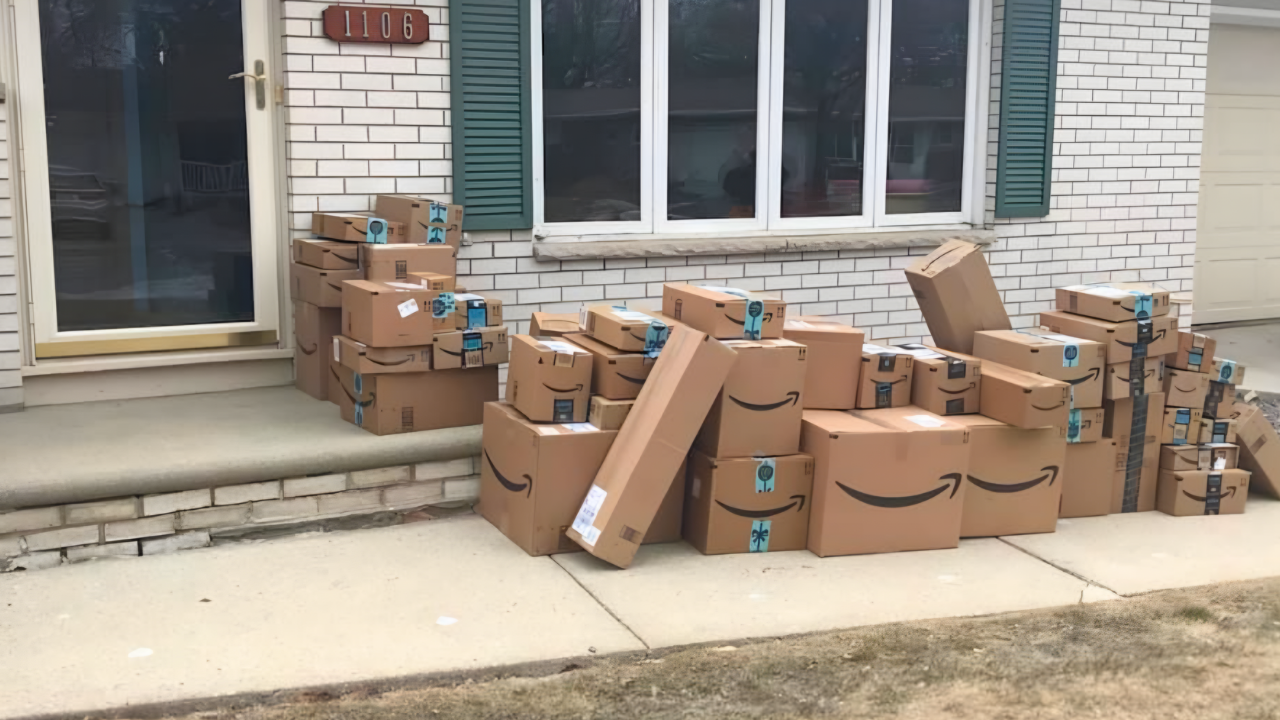
As the company navigates this historic settlement, it is also rolling out an extended holiday return window, giving shoppers more time than ever to return purchases and shaping a season full of high stakes for millions.
Who Is Really Involved?
Amazon leads this story, employing 1.55 million people, with 350,000 in corporate roles as of October 2025. CEO Andy Jassy has steered the company since 2021, shaping policies that impact both customers and corporate staff.
The FTC, chaired by Andrew Ferguson, filed the lawsuit in 2023. Ferguson stated, “The evidence showed that Amazon used sophisticated subscription traps… Today, we are putting billions of dollars back into Americans’ pockets” on 25 September 2025. Consumers and third-party sellers also feel the ripple effects.
What’s Changing For Holiday Returns?
This year, Amazon is offering its longest holiday return window yet, covering November 1 through December 31 purchases, returnable through January 31, 2026. For shoppers, it feels like a big new change.
In reality, similar extended returns have been part of Amazon’s annual holiday strategy since 2022. Still, the timing alongside the FTC settlement gives this season added attention and impact.
Breaking Down the FTC Settlement
The FTC settlement totals $2.5 billion: $1 billion in civil penalties, $1.5 billion in consumer refunds. The headline’s $1.5B figure refers only to refunds.
FTC Chairman Andrew Ferguson emphasized transparency, noting this is “the second-highest restitution award ever obtained by FTC action.” This illustrates the settlement’s significance, separate from return policies.
Amazon’s Official Statement
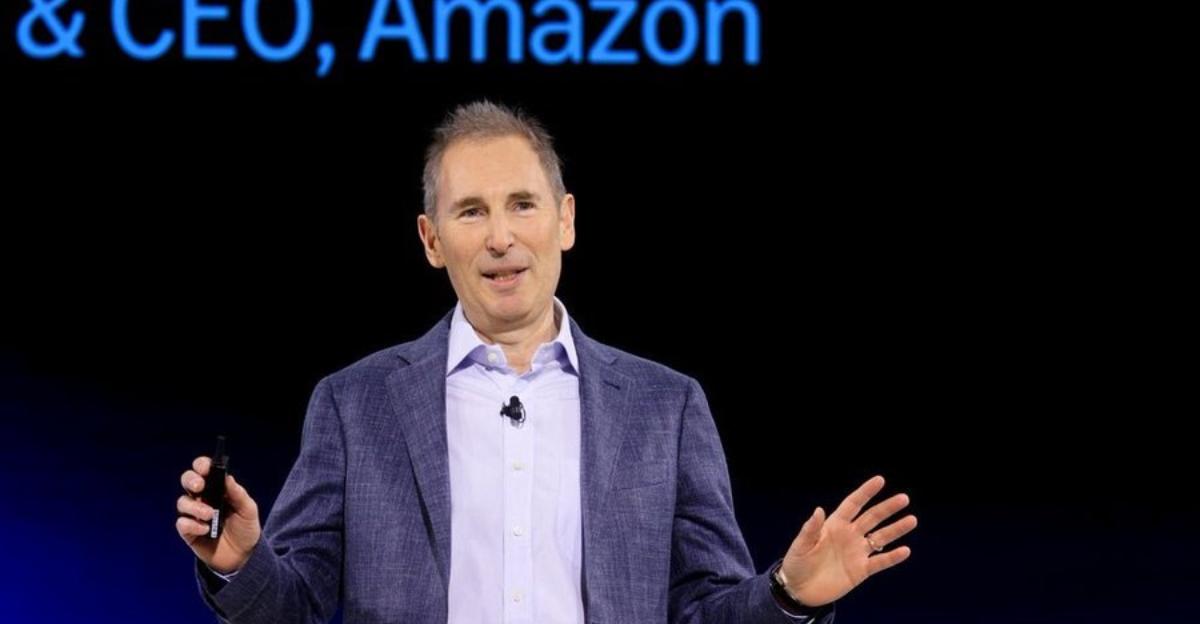
On 24 September 2025, spokesperson Mark Blafkin said, “Amazon and our executives have always followed the law… this settlement allows us to move forward and focus on innovating for customers.”
Amazon admitted no wrongdoing despite settling. Their statement emphasizes continuity in operations and reassurance to consumers about Prime membership processes. Yet, confusion persists over perceived causation.
No Causal Link Exists
The timeline undercuts assumptions: FTC settlement announced 25 September, extended returns follow in October, and layoffs on 28 October.
Competitors like Walmart and Target offer similar holiday return periods. Extended returns are an independent, recurring policy, not mandated by regulation. But was this separation clear to the public?
When Did Key Events Happen?
June 2023: FTC complaint filed over Prime enrollment. September 25, 2025: settlement announced. October 28, 2025: 14,000 layoffs. November 1, 2025: holiday return window begins.
The 33-day gap between settlement and layoffs, plus the predictable annual returns, disproves direct causation. Yet many still assume policy and regulatory actions are linked.
Where Are These Changes Happening?
The extended returns and FTC settlement apply to U.S.-based customers across all 50 states, U.S. territories, and military bases. Corporate layoffs affected the U.S., U.K., and Canada.
Amazon operates globally in 20+ countries, but this story is centered on U.S. operations. The distinction is crucial for understanding the scope of impact.
Why The Return Policy Continues
Extended returns predate the FTC settlement by three years. Walmart, Target, and Best Buy all follow similar 60-day windows.
Amazon maintains this practice for competitive necessity, logistics efficiency, and consumer confidence during peak spending. These operational reasons are independent of regulatory pressure, despite public assumptions.
Why The FTC Settlement Happened

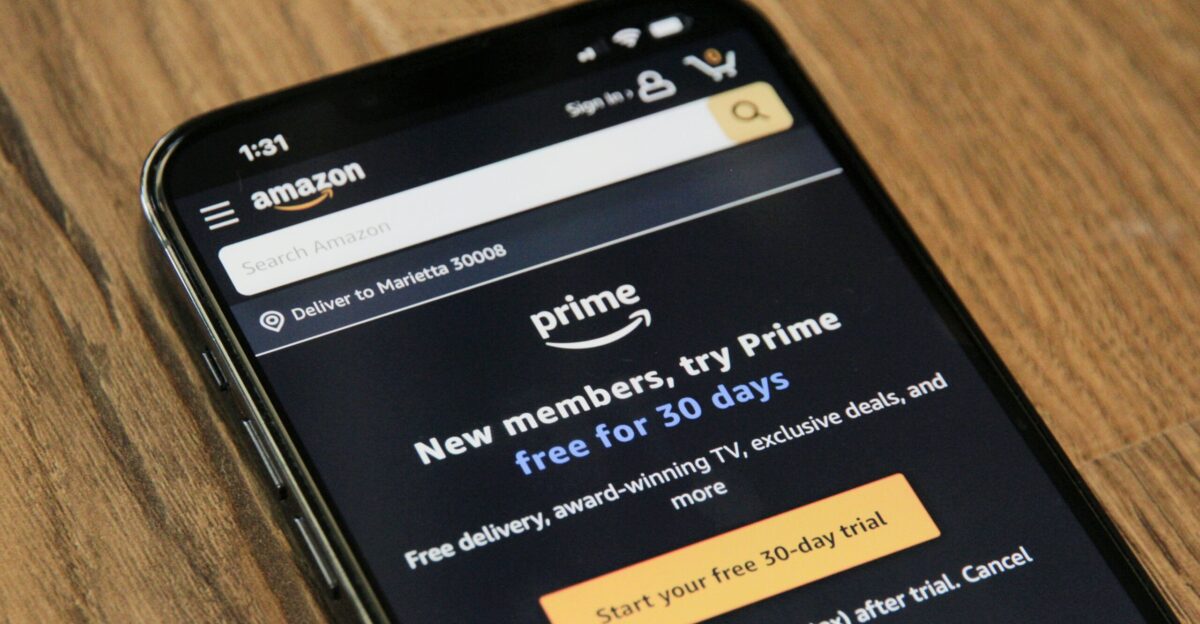
The FTC found Amazon used complex “Iliad” cancellation processes to trap customers in Prime, affecting 35 million users between June 2019 and June 2025.
Ferguson explained on 25 September 2025, “Amazon employed sophisticated subscription traps designed to manipulate consumers into signing up for Prime.” The settlement addresses Prime transparency, not returns policy.
Why 14,000 Layoffs Occurred
CEO Andy Jassy said on 30 October 2025, “The announcement…was not really financially driven…It’s culture.” Yet prior memos cited AI efficiency gains, post-pandemic workforce bloat, and long-term operational streamlining.
Despite $18 billion quarterly profits, corporate restructuring and automation remain primary drivers. The layoffs are part of a broader transformation strategy, not a reaction to the FTC.
How Holiday Returns Work For Consumers
Purchases from November 1–December 31, 2025, are returnable through January 31, 2026. Exceptions include Apple products and certain perishables, automobiles, and health items.
Refunds process quickly: gift cards in hours, credit cards in 3–5 days, debit cards in 10. High volumes are expected, up to 460 million items, reflecting typical holiday return patterns.
Impact On Third-Party Sellers
Extended windows strain warehouses, increase storage fees, and raise fraud risks. Sellers face operational bottlenecks and higher reverse logistics costs.
Sellers also contend with return abuse, especially for apparel and electronics, creating complex challenges during peak season. How Amazon balances these challenges affects seller relations and fulfillment performance.
How The FTC Refund Process Works
Consumers receive up to $51 automatically if eligible, covering Prime members affected between June 2019–June 2025. Refunds are expected by 25 December 2025.
Amazon deposits $1.5 billion into the refund fund, pays $500 million to the FTC within 14 days, and simplifies Prime enrollment and cancellation to one-click processes. Oversight is handled by an independent third party.
Where This Leaves Shoppers Now
Amazon’s extended return window gives customers more flexibility during a year shaped by heightened scrutiny and a historic FTC settlement. The timing underscores how closely consumer policies and regulatory pressure now move side by side.
Shoppers may feel the benefits immediately, but the larger question is how these shifts will influence Amazon’s approach in the seasons ahead.