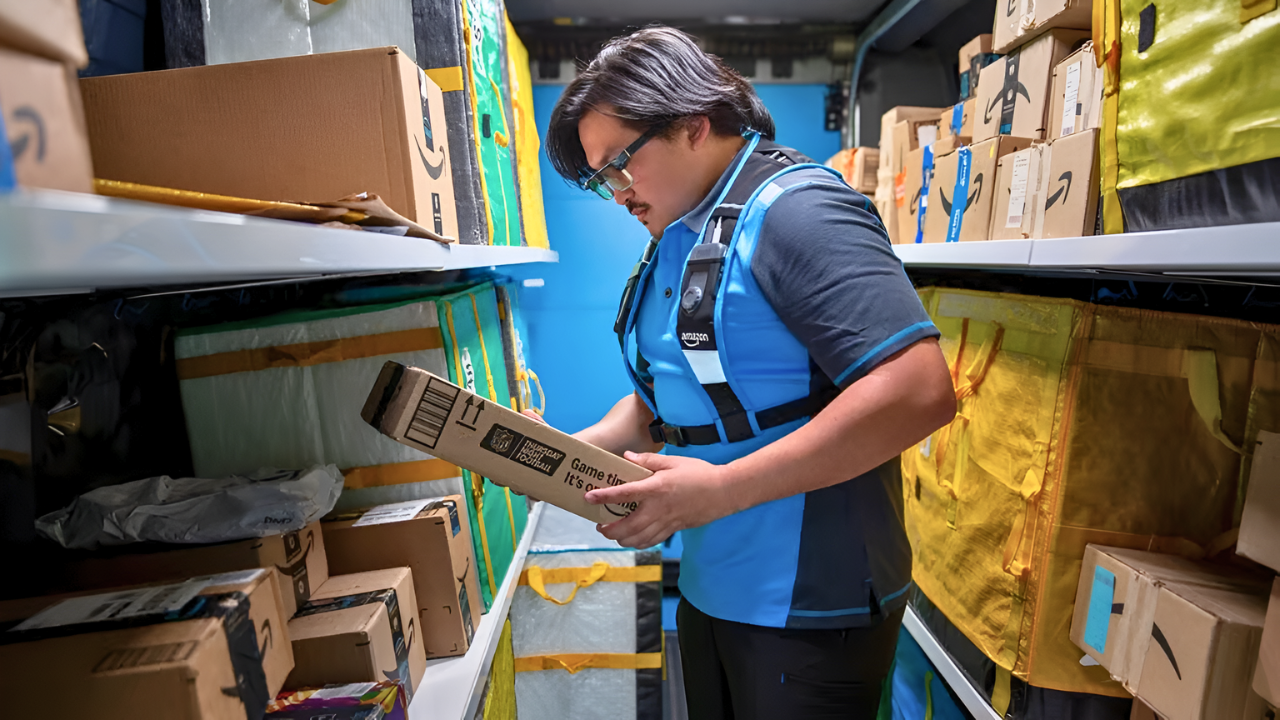
The phone buzzed as Jake Clay checked the renewal quote for his fleet’s insurance—half a million dollars. Just three years earlier, the Air Force veteran had been clearing $200,000 a year delivering Amazon packages across West Texas. Now, the same routes were driving him into debt. “I earned significantly less as I got more seasoned,” he said.
What happened inside Amazon’s once-celebrated delivery network—and why are contractors walking away in droves?
From Success Story to Crisis
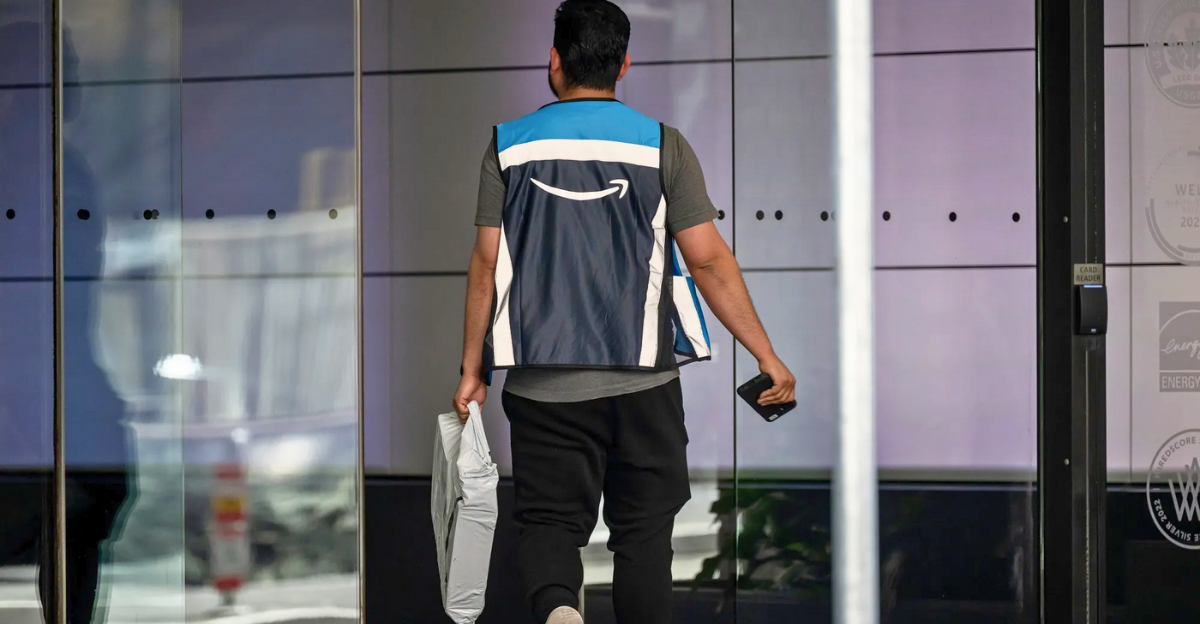
In 2022, Air Force veteran Jake Clay invested $75,000 to start a DSP business in Odessa, Texas. His first year brought in more than $200,000 profit.
By 2025, his vehicle insurance costs had soared fivefold, reaching nearly $500,000 annually—erasing his gains. Clay quit in September 2025, rejecting Amazon’s $75,000 “exit offer” that came with a gag clause.
“The Most Upside-Down Business I’ve Ever Heard Of”
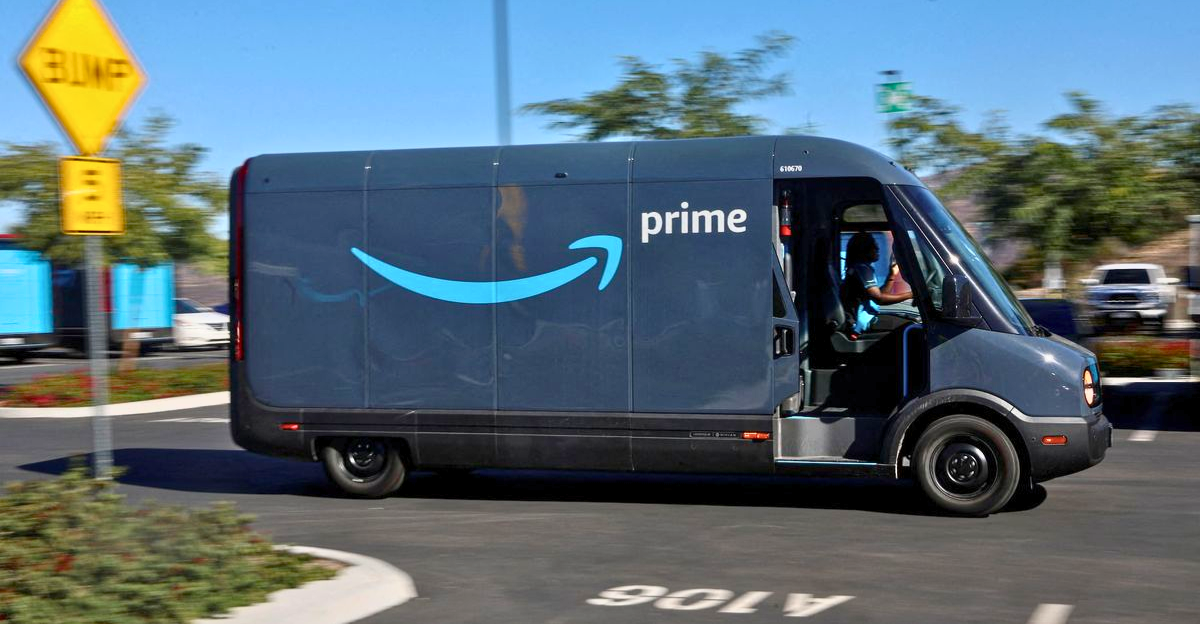
“I earned significantly less as I got more seasoned,” Clay told Bloomberg. His comment captures a paradox spreading through Amazon’s network: experience is punishing, not rewarding.
Some owners say profits drop every year as insurance, labor, and repair costs climb—while Amazon’s algorithms track every minute of their routes.
Inside Amazon’s Delivery Partner Program
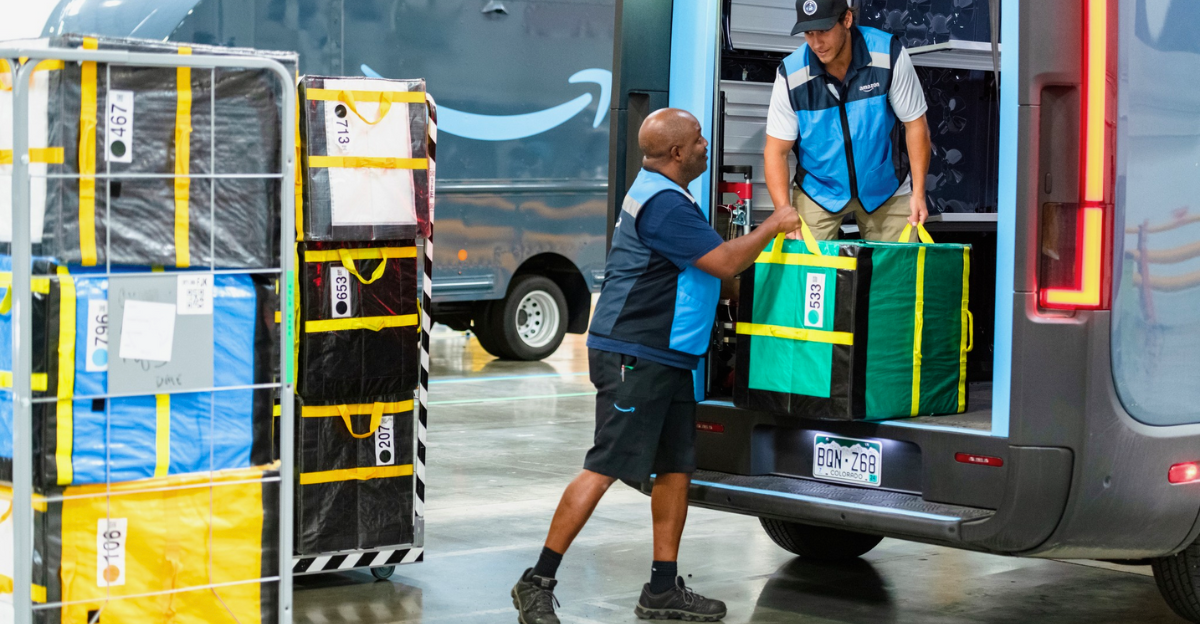
Launched in 2018, Amazon’s DSP program promised entrepreneurs a pathway to independence: start with $10,000, earn up to $75,000–$300,000 a year, and run your own fleet.
Amazon says the program now includes over 4,400 firms worldwide and has invested $16.7 billion in the program. But for many, the numbers no longer add up.
Insurance: The Silent Profit Killer
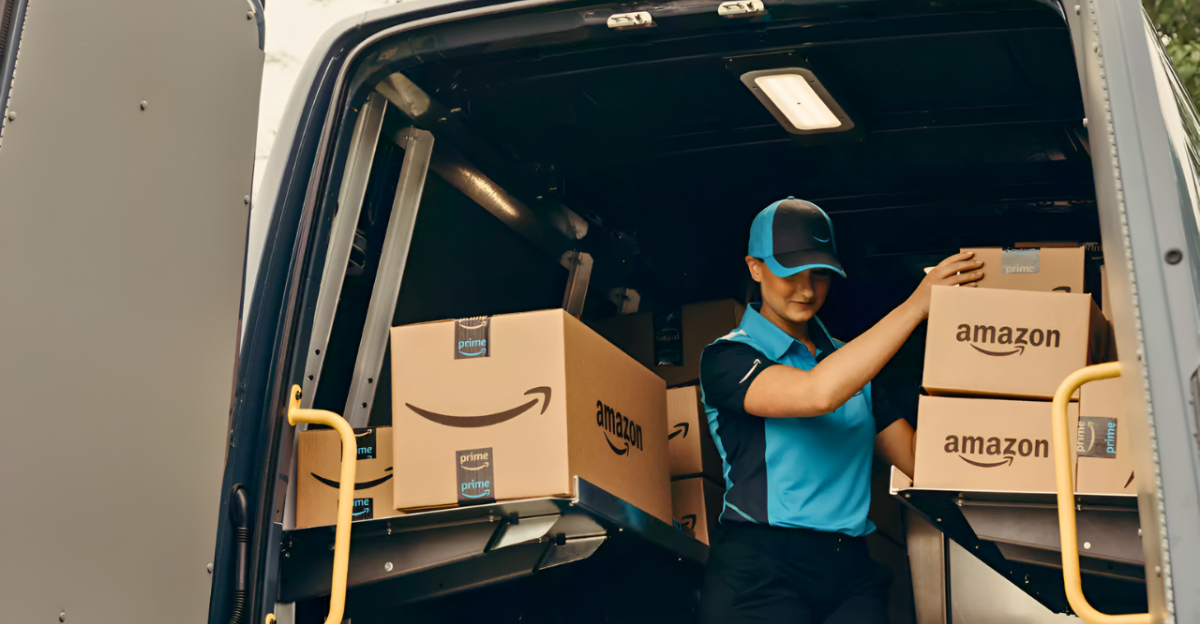
Insurance is the main driver of collapse. Contractors report premiums up 500% since 2022. One firm’s accident led to a $1.4 million settlement, coinciding with industry-wide rate spikes.
Others say insurance now devours more than half their annual revenue. The result: once-profitable routes now operate at a loss.
Repairs That Break the Bank

Repair bills that once cost $2,000 can now reach $20,000 per van. Some mechanics charge ten times the amounts shown in Amazon’s app estimates.
Facing backlash, Amazon agreed in September 2025 to retroactively cover 20% of repair costs dating back to April. For many, it was a rare concession—but not enough to stay afloat.
The $75,000 Gag Offer
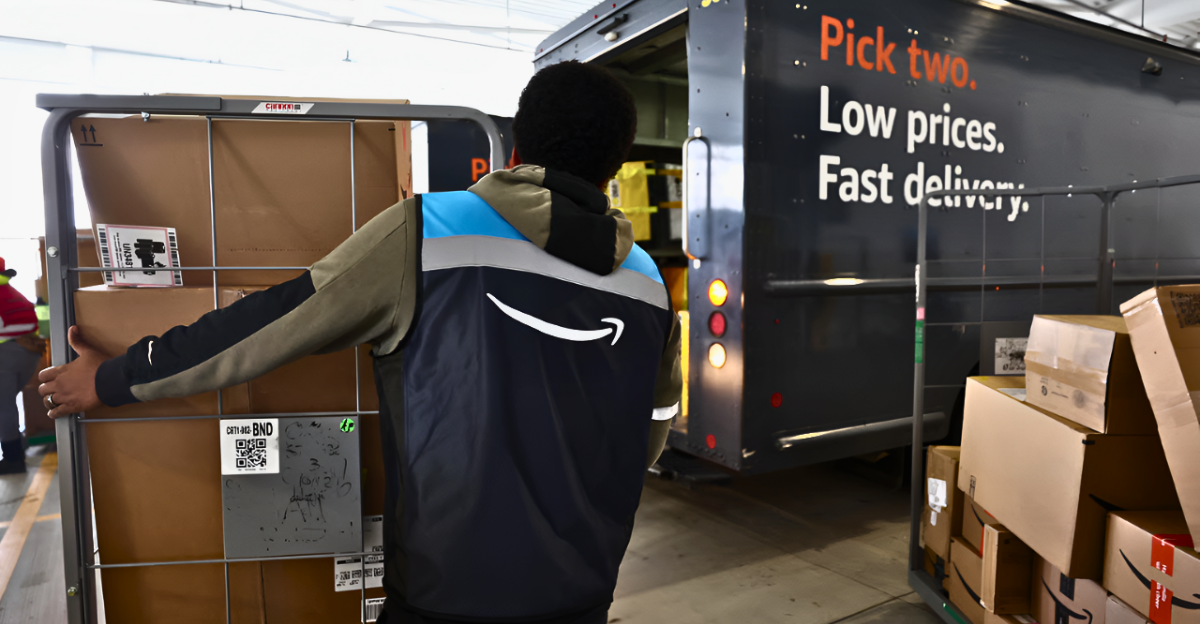
When contractors quit, Amazon sometimes offers a $75,000 exit payment—but only if they sign a nondisclosure agreement.
Several owners told Bloomberg they refused, unwilling to be silenced about what they call “a broken system.” If even 10% of DSPs accepted such offers, that’s $33 million a year in hush money.
The Numbers Don’t Match the Narrative
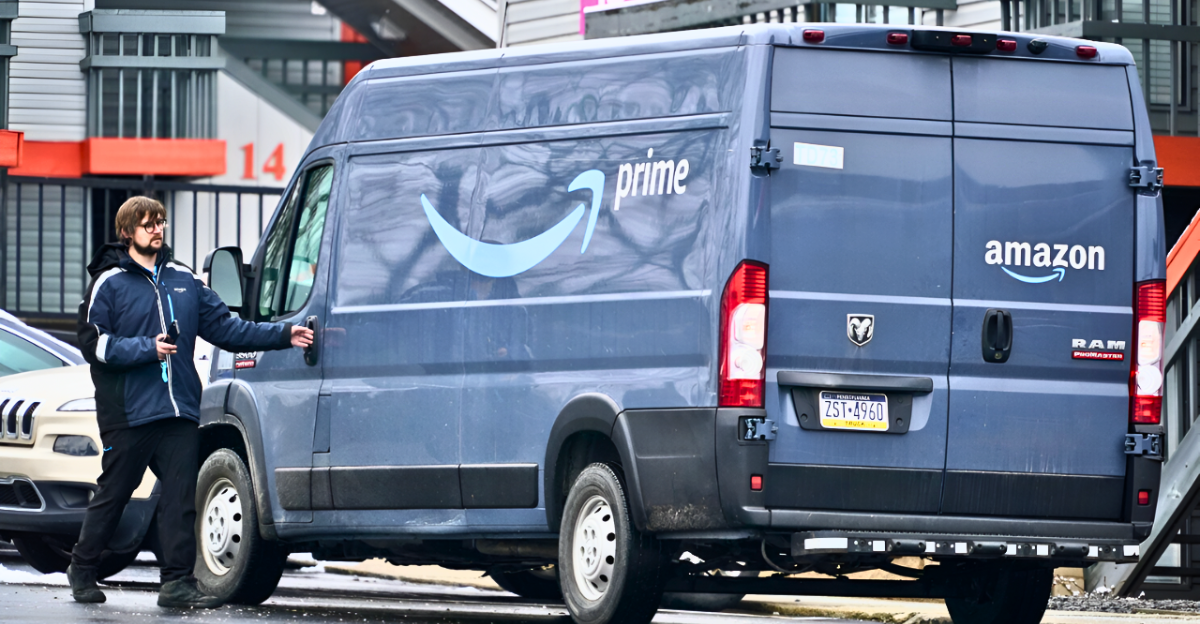
Amazon insists 80% of DSPs earn over $100,000 in annual profit, citing independent financial performance reviews with 648 companies conducted during 2024.
Yet in Bloomberg’s independent interviews across 11 states, 5 of 23 said they had quit and 4 were satisfied. The discrepancy fuels accusations that official metrics mask growing instability.
A Revolving Door Business Model
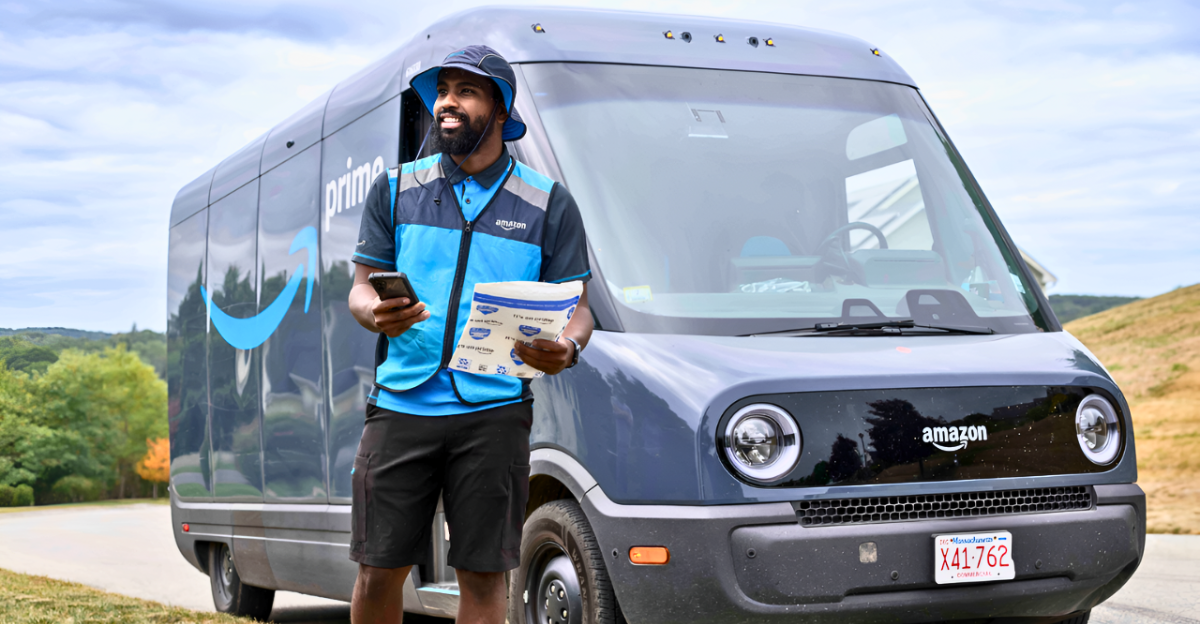
Amazon says fewer than 10% of partners leave each year. With 4,400 firms, that’s just under 300 annually. Critics call the program a “revolving door” that replaces struggling veterans with fresh recruits who don’t yet see the trap.
The Human Cost
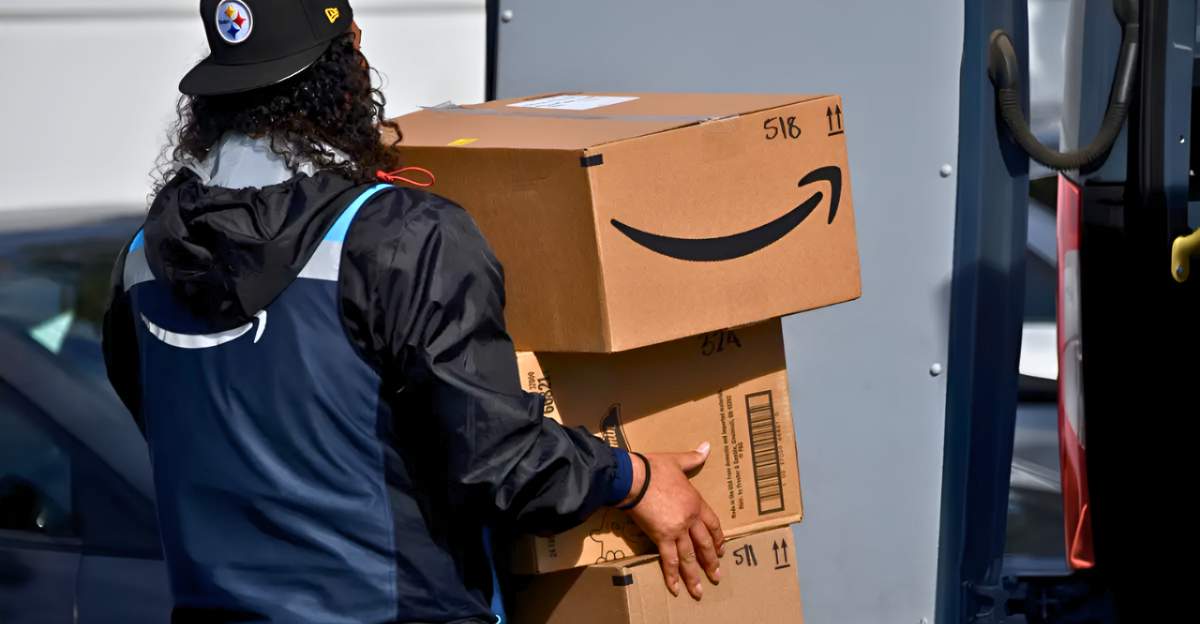
Many contractors describe the emotional strain as worse than the financial loss. “It’s like watching your dream implode,” one told Bloomberg.
Some had 30 to 90 employees relying on them for income. As profits eroded, layoffs followed. The same entrepreneurs once celebrated by Amazon as “partners” now feel abandoned.
Amazon’s Latest Response: Rate Hikes and Investment
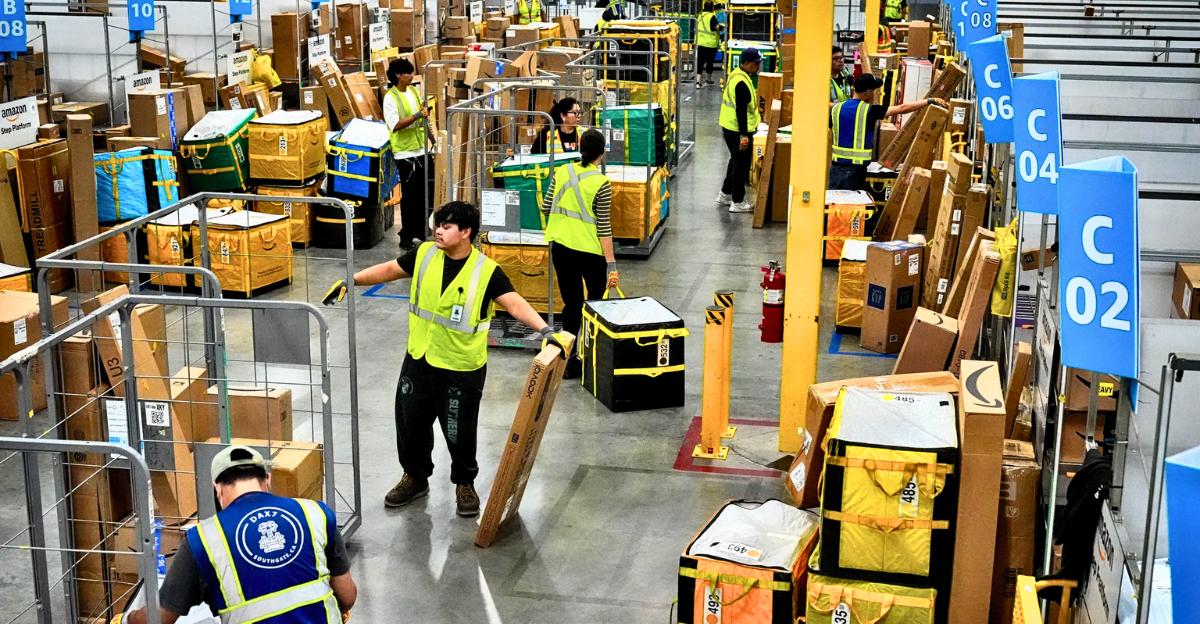
In September 2024, Amazon announced its first percentage-based rate increase: 20% to 12 cents per package, as part of a $2.1 billion investment meant to raise driver wages to nearly $22 per hour—up 7% from the previous year.
The increase doesn’t take effect until January 2026. In September 2025, Amazon announced an additional $1.9 billion investment, targeting driver pay around $23 per hour and bringing total program investment to $16.7 billion. Contractors call these moves too little, too late.
A System Built on Tight Control
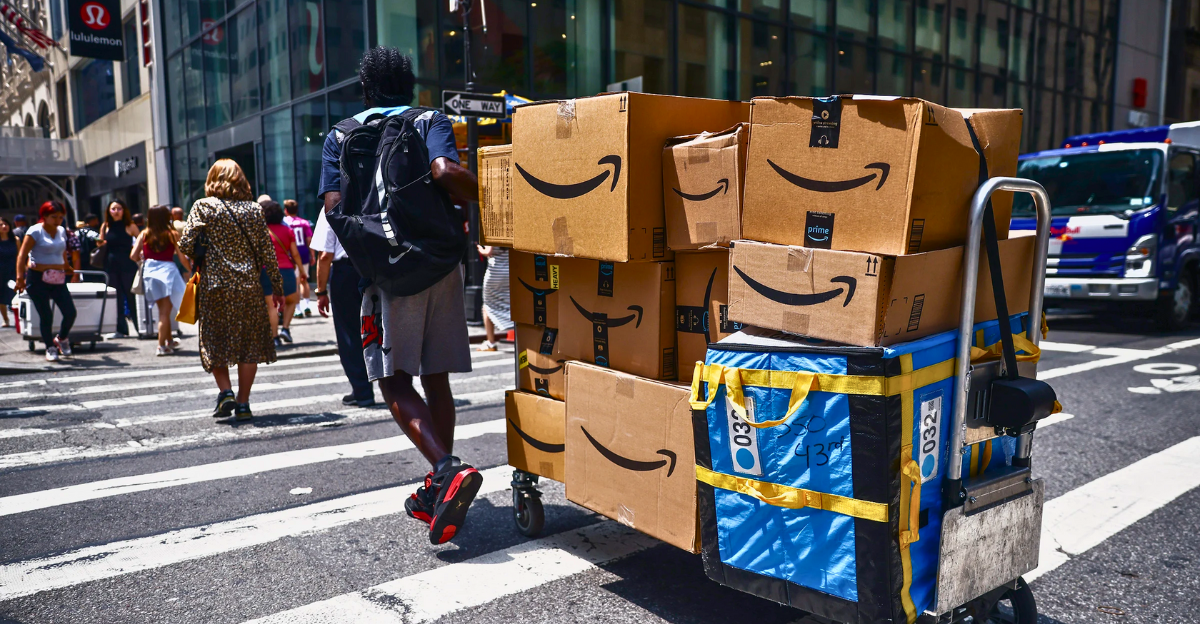
Owners say Amazon’s AI monitoring and delivery targets create a “pressure cooker” environment. Performance metrics—speed, safety, driver ratings—are algorithmically tracked. Falling short can jeopardize contracts, leaving owners with leased vans they can’t sell and employees they can’t afford to keep.
When Success Becomes a Trap
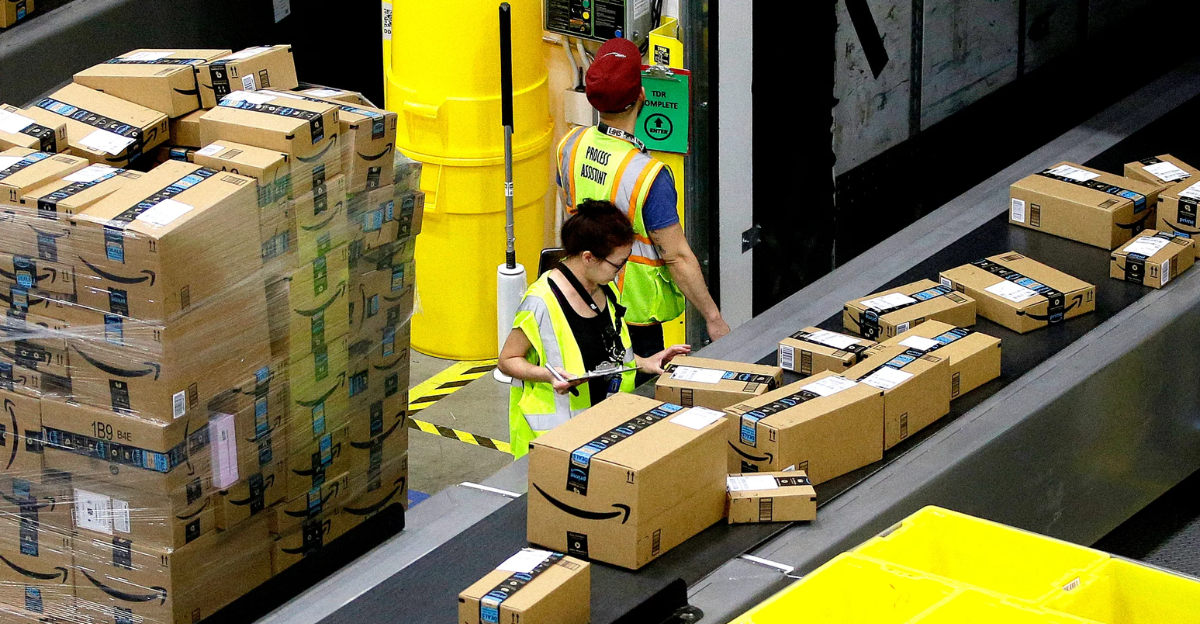
Unlike traditional small businesses, DSP owners don’t own their assets. Vans are leased, routes are Amazon-controlled, and contracts can’t be resold. That means there’s no equity to recover—just sunk costs. “You can’t sell, you can’t negotiate, you can’t speak out,” one ex-owner said.
Veterans and Families Hit Hard

Many early DSP recruits were veterans, drawn by the promise of autonomy and stability. Clay called it “an elite unit” when he joined.
By 2025, he and others say they’ve lost their savings, credit, and peace of mind. For some, the emotional fallout is worse than the financial one.
Pandemic Boom, Post-Inflation Bust
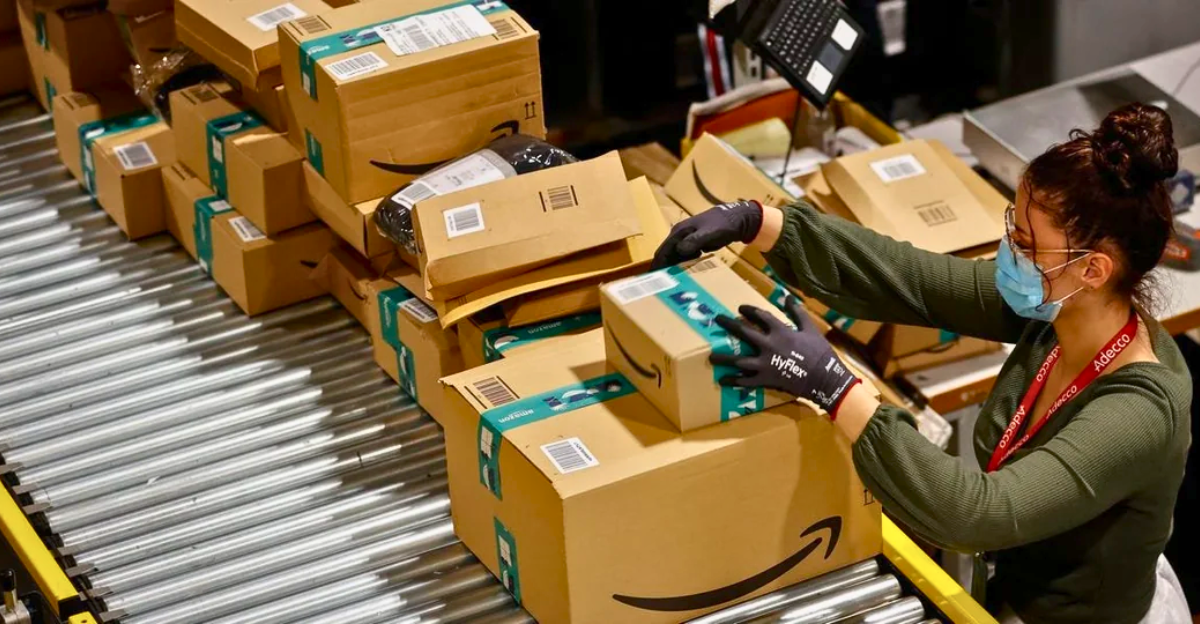
During the pandemic, DSPs were thriving—delivery volumes soared and profits followed. But post-2022 inflation brought higher fuel, labor, and insurance costs.
Now, the same growth that once made Amazon unstoppable is squeezing its smallest partners to the brink.
Not Everyone Is Suffering
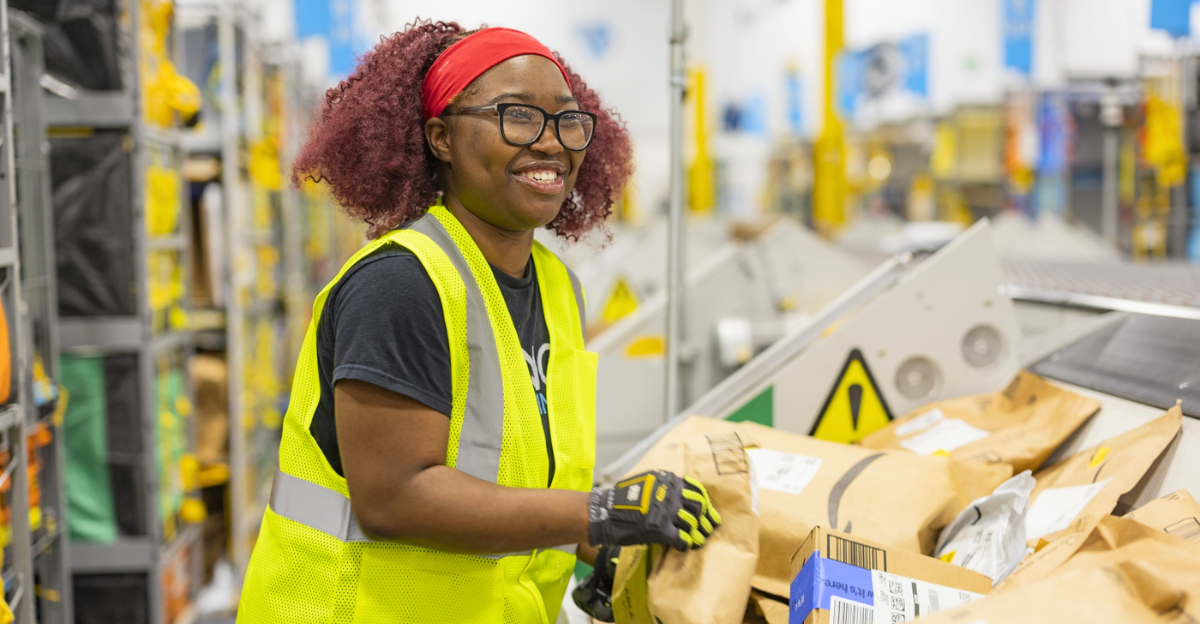
Amazon points to the other side of the story: several DSPs told Bloomberg they’re doing well, expanding fleets, and earning higher margins.
Those firms say operational discipline and scale protect them from volatility. The result is a widening gap between thriving and collapsing partners.
Amazon’s Continued Investment
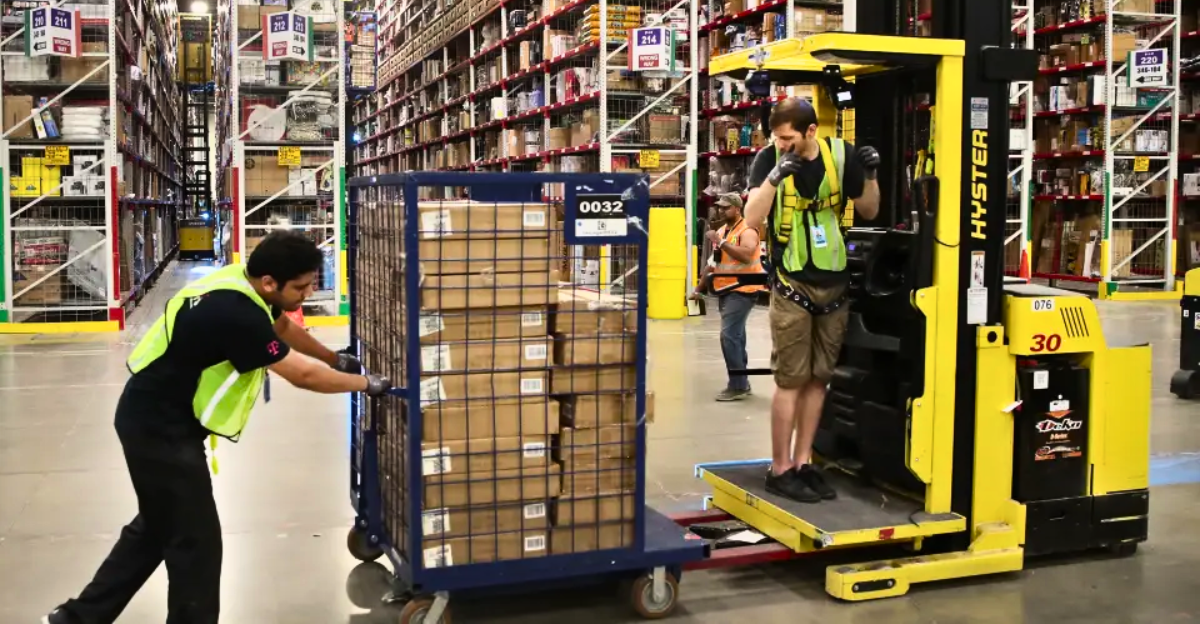
Despite turbulence, Amazon continues investing heavily in logistics. In September 2025, it announced $1.9 billion in additional DSP investments, bringing total program investment to $16.7 billion.
The funding supports safety technology, vehicle maintenance coverage, and rate increases to boost driver pay to nearly $23 per hour. The company says it remains committed to “a strong and sustainable delivery network.”
Broader Industry Pressure
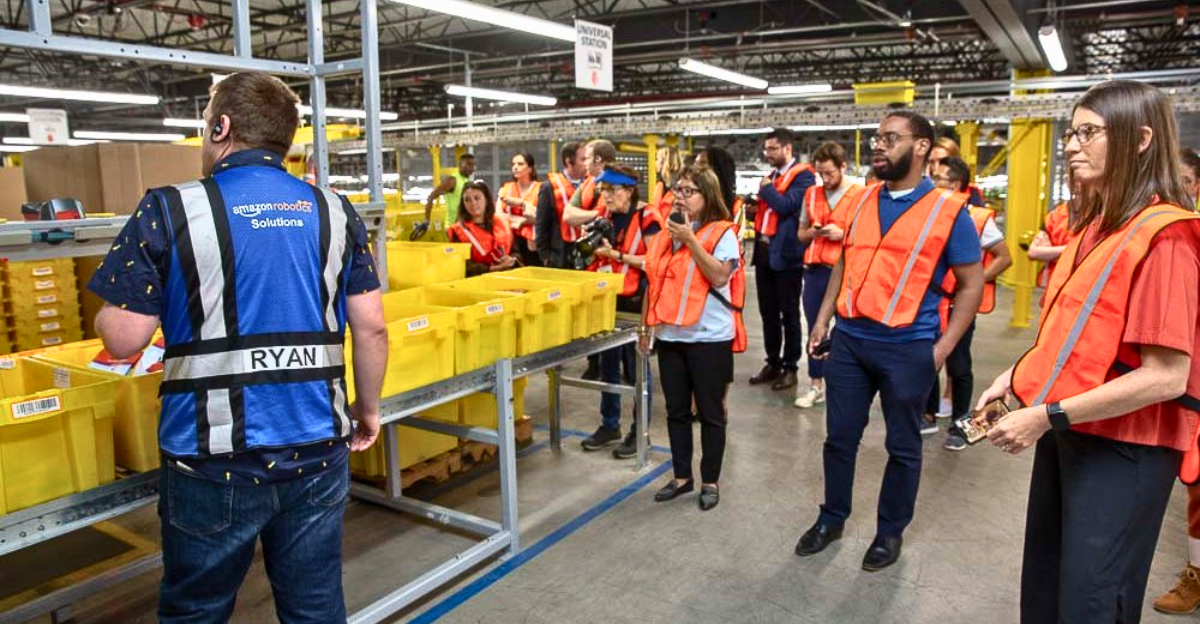
Amazon’s troubles aren’t isolated. Rising insurance and logistics costs hit delivery networks worldwide. FedEx, UPS, and regional couriers face similar inflationary stress—but Amazon’s heavy reliance on small contractors makes the fallout more personal and visible.
Can the Model Survive?
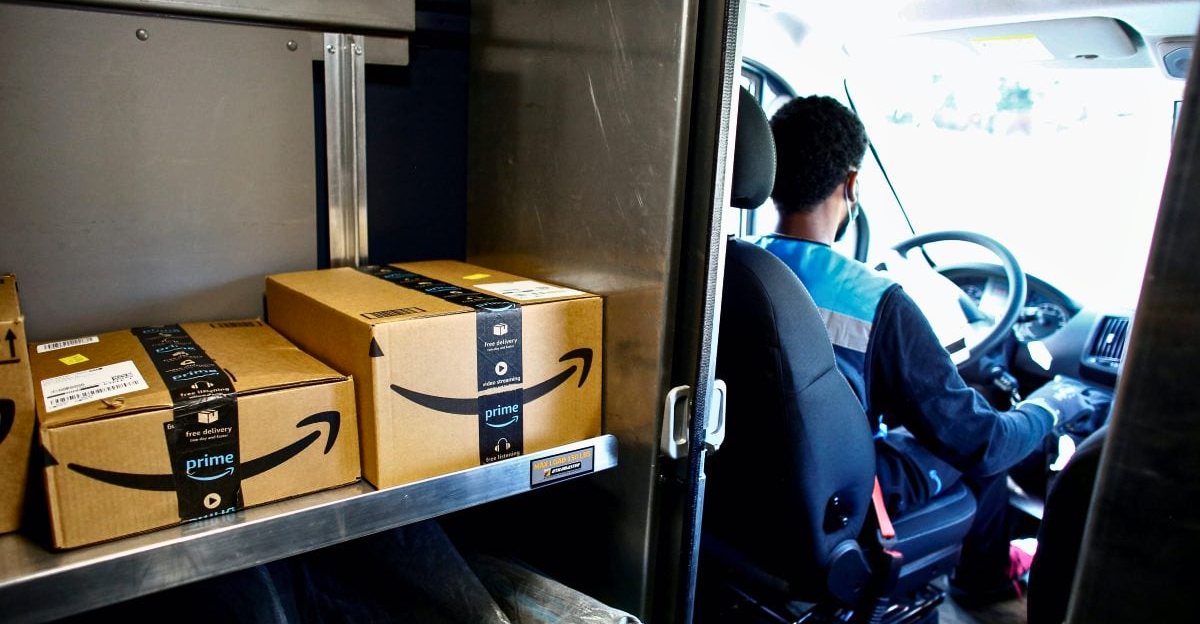
Analysts say January 2026’s rate hike will be a crucial test. If profits don’t rebound, Amazon may need a deeper overhaul—potentially rethinking its contractor structure entirely. For now, both sides seem locked in a fragile truce: Amazon needs the DSPs, and many DSPs need Amazon.
The Future of the Delivery Dream
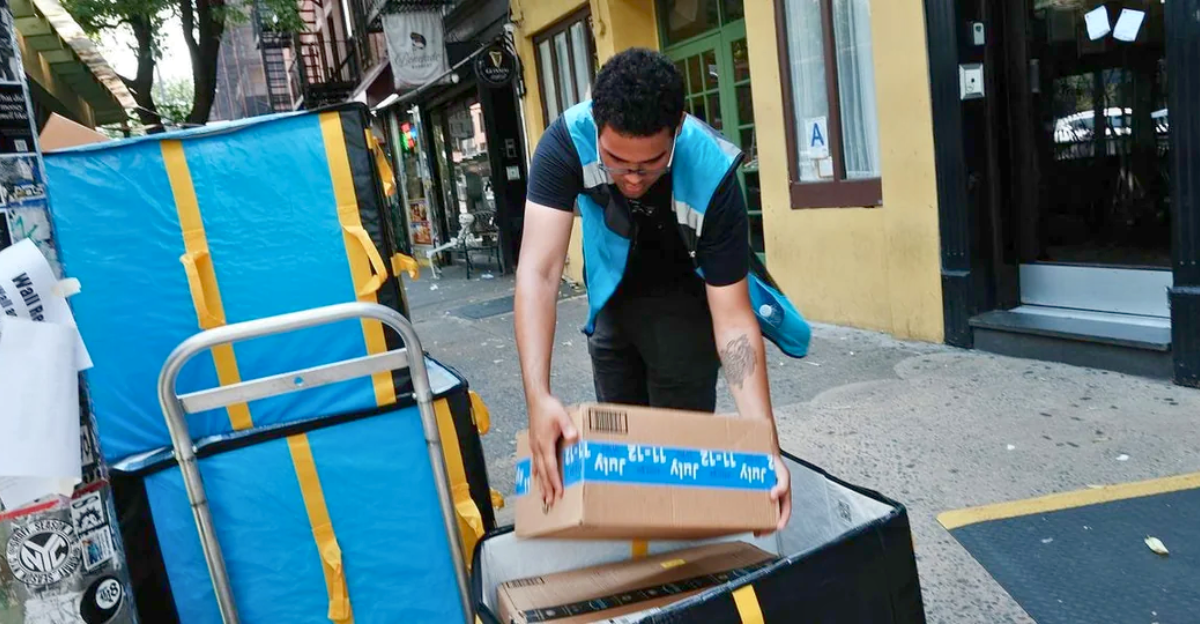
Amazon’s DSP program remains one of the largest small-business ecosystems in America—but also one of the most precarious. For every success story, there’s a contractor like Jake Clay watching hard-earned gains disappear. The question now isn’t just whether Amazon can deliver faster—it’s whether its partners can survive doing it.