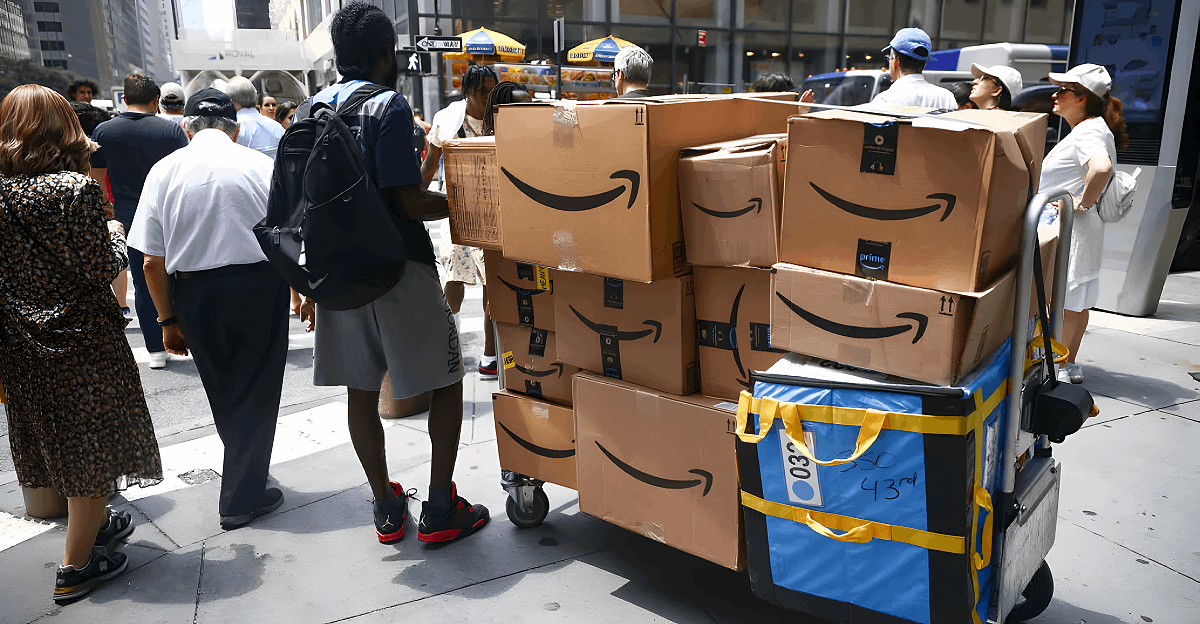
Amazon touted Prime Day 2025 as record-breaking, but membership growth fell short of expectations. Exclusive data obtained by Reuters shows about 5.4 million new U.S. Prime sign-ups around the sales event – roughly 116,000 fewer than the same period last year and 106,000 below Amazon’s internal target.
Analysts point out that as Prime’s U.S. penetration approaches saturation, adding new members is harder. R.W. Baird analyst Colin Sebastian highlights Prime’s importance, noting that members on Prime spend far more and shop more frequently.
Amazon sold plenty during Prime Day, but didn’t attract as many new subscribers as planned.
Growth Stalling
Even after doubling Prime Day to four days, Amazon’s Prime membership growth is slowing. With roughly three-quarters of U.S. Amazon shoppers already Prime members, the service is increasingly mature.
For example, one study reported U.S. Prime penetration at about 74% by 2023.
While efforts like expanded student discounts and longer trial periods help, analysts say the easy gains have been made. Market watchers say this suggests Prime is near saturation: Amazon will now need more targeted promotions — not just longer Prime Days — to attract any remaining non-member shoppers.
Streaming Crackdown Trend
The shake-ups in streaming offer context. Netflix’s May 2023 crackdown on password-sharing proved lucrative: the company added about 9.3 million new subscribers in Q1 2024 (more than double Wall Street’s forecast) after enforcing limits.
Other streamers have followed. Disney+ began charging for add-on viewers in September 2024, and HBO Max rolled out a paid “Extra Member” plan in April 2025.
Together, these moves show a clear industry trend: converting shared-account users into paying customers. For example, Netflix credited its crackdown with its subscriber surge, and Disney saw no subscriber loss after its rollout. Amazon is now emulating this proven strategy by enforcing stricter household limits on Prime.
Mounting Pressure
Prime’s sticker price has climbed steadily, adding to user pressure. The annual fee started at $79 in 2005 and today stands at $139 (a level set in 2022).
Wall Street now expects another hike – JPMorgan analysts say a $20 increase in 2026 (to about $159) would fit Amazon’s pattern of raising fees roughly every four years.
Meanwhile, competitors like Walmart+ are boosting their own memberships with faster delivery and new perks. In this landscape, Amazon needs to justify higher fees and reduced sharing options if it wants to keep customers on board.
Invitee Program Ends
Amazon is ending its long-running Prime Invitee program effective October 1, 2025. Launched in 2009, the Invitee plan let members share free shipping with one other adult outside their household.
Amazon had previously stopped adding invitees in 2015, but existing invitee accounts continued to work until now. With the cut-off, Prime benefits will only be shared via Amazon Family (Household), which works only among co-residents. In practice,
An invitee losing their shipping perk must either subscribe independently or rely on someone at the same address. Not everyone even knew Invitee existed – as retail consultant Rick Watson quipped, “I didn’t even know it was a thing”, highlighting how unnoticed this 16-year-old benefit had become.
Effects Nationwide
This change affects Prime customers nationwide. Amazon has begun emailing affected members, warning that invitees will lose their free shipping perk after Sept. 30.
The company directs invitees to Amazon Family and offers a steep discount on individual Prime plans. Invitee users can sign up for their own Prime membership at $14.99 for the first year (versus the normal $139) if they enroll by December 31, 2025.
The deal is intended to ease the transition so that invitees can keep Prime benefits by moving to a paid plan during the promo period.
Customer Reaction
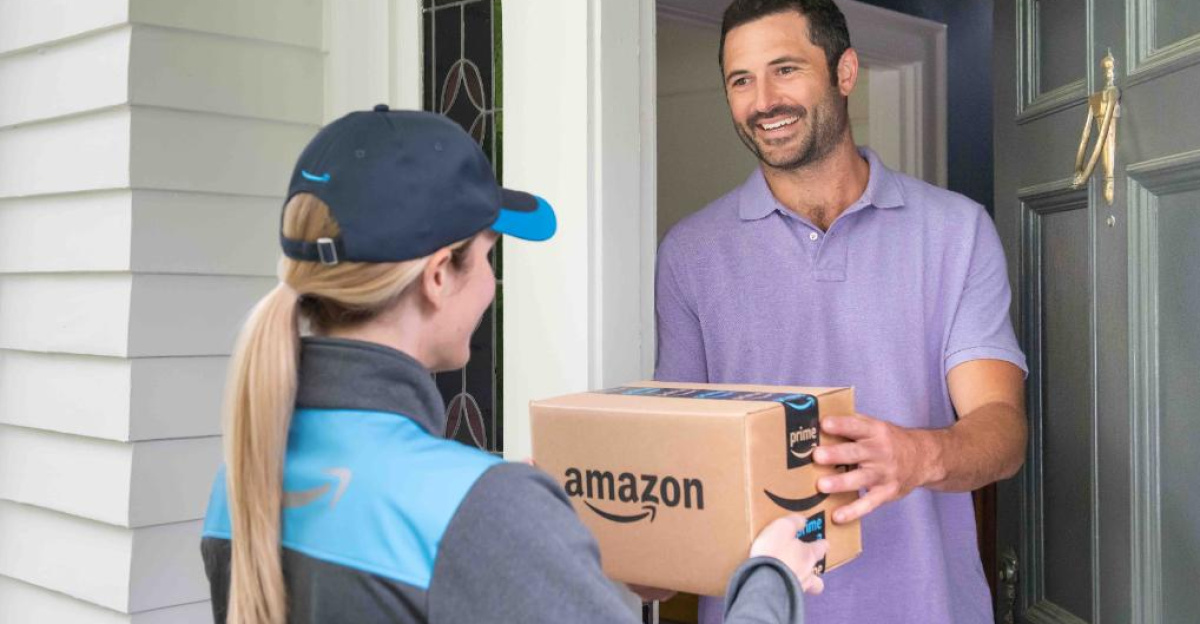
Customer chatter has been mostly confusion rather than outrage. Many invitees say they were surprised to learn of the change.
Some express frustration at losing a “free ride” on Prime shipping, while others admit they barely used the perk. Because Invitee usage was relatively low, the overall uproar has been modest.
Social media threads indicate users are deciding whether to join Amazon Family, pay full price themselves, or even switch to an alternate service. So far, the tone is more puzzled than panicked: shoppers say they just want clarity on what to do next.
Industrywide Strategy
Amazon isn’t the first to tighten sharing rules. Netflix’s crackdown in mid-2023 quickly paid off, adding 9.33 million global subscribers in Q1 2024 alone.
Other streamers followed: Disney+ and Hulu implemented sharing fees in late 2024, and Disney’s CEO Bob Iger reported “no backlash at all” from those changes.
Even Netflix executives called their crackdown “working well” at attracting new paying users. These moves illustrate an industrywide strategy of converting shared-account users into paying members. Amazon appears to be following this now-common playbook.
Market Evolution
Analysts say shared accounts have long been a major revenue leak for subscription services. One estimate calculates that U.S. streaming platforms lose about $25 billion a year to password sharing.
Given that, companies are now shifting from chasing pure subscriber counts to boosting profit per user. By tightening sharing, Amazon and others aim to reduce this “leakage” and grow average revenue per user.
This reflects broader changes in the subscription economy: as growth slows, platforms are focusing on higher margins and stable revenue rather than just piling up more members.
Household-Only Sharing
Amazon’s new Amazon Family program vastly narrows sharing. It allows only one additional adult (like a spouse or roommate) plus up to four teen and four child profiles, all at the same primary address.
Amazon is explicit that this address must be “the place you consider to be your home and where you spend the majority of your time”.
Prime benefits can only be extended to co-residents; friends or relatives living elsewhere are excluded unless they get their own subscription. Amazon’s goal is clear: the old practice of sharing benefits outside one household is now eliminated under the Family plan.
Transition Confusion
The rollout has revealed some hurdles. A few Prime members have reported receiving notices that didn’t match their Amazon Household setup, causing confusion. For example, a person could already be listed as a family member on one Prime account but still get an email alerting them that their shared benefit is ending.
This suggests Amazon’s system might not instantly reconcile the old Invitee links with new Household definitions.
Amazon says it will grandfather valid family setups, but these glitches hint at the complexities in verifying who truly shares a household. In short, the transition has been smooth for many but confusing for some.
Amazon’s Message
Amazon is putting a positive spin on the change. After the Prime Day results, an Amazon spokesperson told Reuters that “Prime membership continues to show strong growth and customer engagement in the U.S. and internationally”.
Amazon insists membership is still rising sharply despite tightened perks. Company leaders point out that Prime still offers huge value through fast shipping, original video content, and other perks, and they express confidence that the service remains attractive.
Through this messaging, Amazon aims to reassure investors and customers alike that Prime’s momentum endures, even as sharing rules tighten.
Strategic Shift
Industry watchers say this move fits Amazon’s shift in strategy. Rather than chasing pure subscriber counts, the company is focusing more on revenue per user.
Netflix, for instance, recently said it would stop disclosing quarterly subscription numbers and urged investors to focus on profitability instead.
Amazon appears to be taking a similar approach: by phasing out free sharing, it boosts the average revenue from each Prime member. In effect, the company is prioritizing margins over sheer headcount growth — a pivot toward monetizing its existing base more efficiently.
Analyst Forecasts
Looking ahead, analysts expect more of the same. JP Morgan’s Doug Anmuth predicts a $20 Prime price increase in 2026 (bringing it near $160), in line with Amazon’s historical hikes.
Other observers think Amazon may tighten perks further, such as bundling new paid add-ons or phasing out old discounts.
As Prime’s U.S. membership saturates, experts say Amazon will squeeze out every possible revenue boost from its core base, through higher fees and learner benefits. In short, more price hikes and stricter benefit rules seem likely if Prime is to stay profitable at scale.
Future Questions
Looking ahead, the October deadline raises sharp questions. Is Amazon choosing revenue over convenience by pulling back a long-held benefit? Observers wonder if the company’s mindset has truly shifted from growing the membership base at all costs to maximizing profits per user.
The coming weeks may provide answers: will customers grudgingly adapt, or switch to other services? Either way, this is a test of whether Prime’s famed convenience still outweighs its cost in a saturated market.
Ultimately, analysts see it as a high-stakes bet on balancing user goodwill against profit margins.
Regulatory Context
Amazon’s decision comes in a climate of tighter scrutiny. Regulators have been eyeing subscription services: for example, the FTC sued Amazon in 2023, accusing it of overly aggressive auto-renewal and cancellation practices.
Lawmakers and consumer groups are pushing for clearer disclosures about membership changes. In this context, Amazon’s clear communication and the limited-time discount for invitees seem designed to head off backlash.
By proactively notifying customers and offering alternatives, the company likely aims to avoid regulatory ire while it trims this benefit.
Global Context
This move also fits global patterns. Streaming services in other countries have imposed similar limits with little subscriber loss. Disney CEO Bob Iger noted that implementing paid sharing in multiple regions generated “no backlash at all”.
Netflix likewise reported stable subscriber numbers after its crackdown. In effect, experts say worldwide experience suggests customers eventually adapt.
By following this proven path, Amazon is betting U.S. consumers will adjust to the new household-only rules without triggering a flight to competitors.
Competitive Response
Competitors are paying attention. As Reuters notes, Amazon already faces growing competition from Walmart, which has ramped up its own membership offerings.
If Amazon’s stricter rules frustrate consumers, Walmart+ and others may seize the moment. For instance, Walmart+ currently allows benefits at two home addresses in many areas, offering greater flexibility.
Market watchers expect rivals to advertise these customer-friendly policies, aiming to lure shoppers dissatisfied with Amazon’s move. In short, the policy shift could accelerate competition in the paid membership space.
Generational Impact
Younger consumers may react differently. Millennials and Gen Z, accustomed to sharing digital content across networks, might find Amazon’s rules outdated.
Some experts suggest this demographic could switch platforms or cancel if the new limits feel unfair.
Ultimately, it tests whether convenience or cost wins: do these cohorts value Prime’s benefits enough to pay full price, or will they opt for cheaper, more share-friendly alternatives? The outcome will reveal how generational attitudes influence loyalty in this new subscription era.
Market Signal
Ultimately, this decision signals a maturation of the subscription economy. Amazon’s shift shows that the “growth-at-all-costs” phase is giving way to a sustainable profit focus.
Even companies famously “customer-obsessed” will tighten policies when their market settles. Industry analysts say Amazon’s move marks a turning point: it’s about delivering depth of customer value rather than just breadth of membership.
It means treating each subscriber as a full-paying customer. As one report notes, the model is evolving from chasing “pure subscriber volume” to rewarding resilience and profitability.