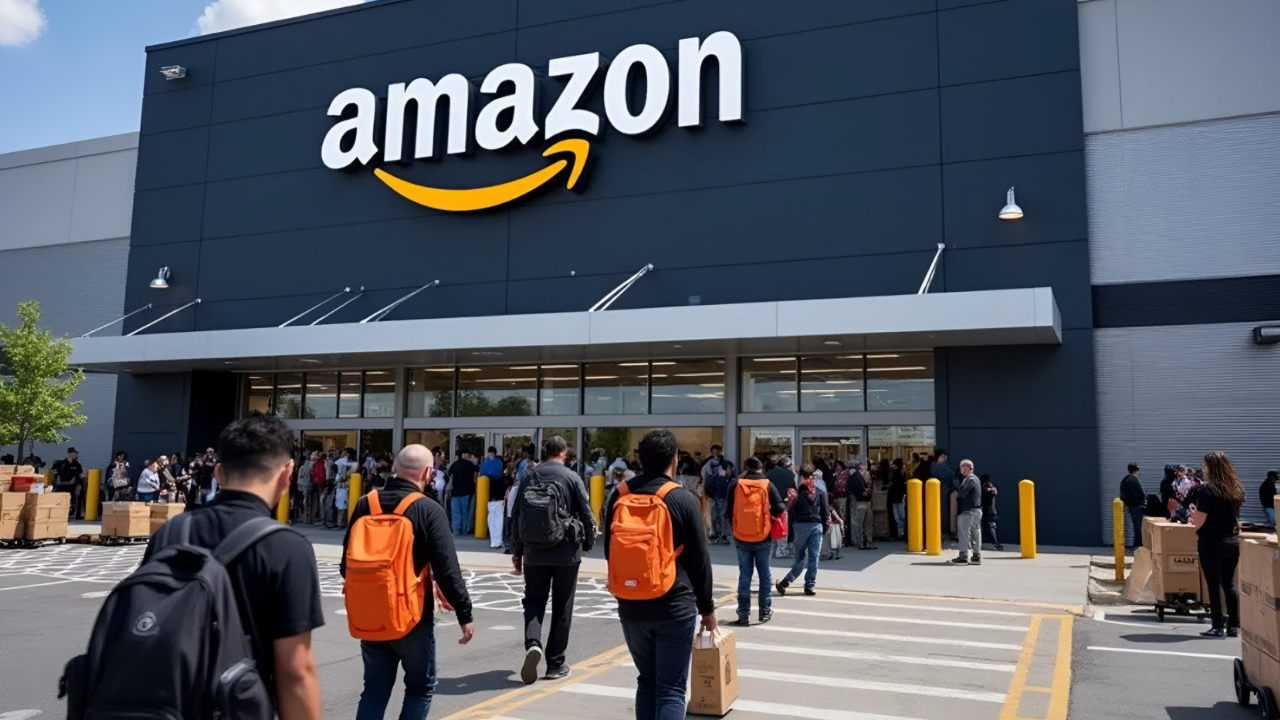
On October 28, 2025, Amazon announced plans to cut 14,000 corporate jobs—about 4% of its white-collar workforce. While reports had suggested the cuts could reach up to 30,000, the company has confirmed 14,000 positions will be eliminated. This represents one of Amazon’s largest single-round corporate layoffs, though the company eliminated 27,000 positions cumulatively across two separate announcements during 2022 and 2023 (18,000 in January 2023, followed by 9,000 in March 2023). The decision, driven by advances in generative artificial intelligence and mounting cost pressures, has sent shockwaves through Seattle and the broader technology sector.
AI and Automation Reshape the Workforce
Amazon’s senior vice president Beth Galetti pointed to generative AI and the need for tighter cost controls as key reasons behind the sweeping cuts. CEO Andy Jassy warned earlier this year about AI’s impact, stating: “We will need fewer people doing some of the jobs that are being done today.” Industry analysts agree, noting that Amazon is now realizing AI-driven productivity gains sufficient to support a substantial reduction in force. The company’s move is also a response to pandemic-era overhiring and the need to streamline operations as economic realities shift.
The layoffs will hit several core divisions, including human resources, Amazon Web Services (AWS), devices, and logistics. As teams shrink, customers may notice slower feature rollouts and longer wait times for support. The restructuring reflects a broader trend: as AI becomes more capable, companies are finding ways to do more with fewer people.
A Wave of Tech Industry Layoffs
Amazon’s announcement is part of a broader wave of tech industry layoffs affecting over 100,000 workers in 2025. Other major firms have also announced significant job cuts in recent months, citing similar pressures from automation and the need to trim budgets.
Intel announced approximately 24,000 job cuts in 2025, representing about 22% of its workforce. Meta laid off 600 employees from its AI infrastructure units in October. Microsoft cut around 9,000 employees throughout 2025, less than 4% of its global workforce. Google reduced hundreds of roles in its cloud division and other departments. Startups are not immune; Robin AI, for example, recently cut about a third of its workforce.
This wave of layoffs is not limited to the United States. Amazon’s global workforce of 1.54 million means the impact stretches from India to Europe, where strict labor laws have sparked debates about worker protections. Policymakers in several countries are now grappling with how to manage the social and economic consequences of AI-driven job losses.
Local Impact and Human Stories
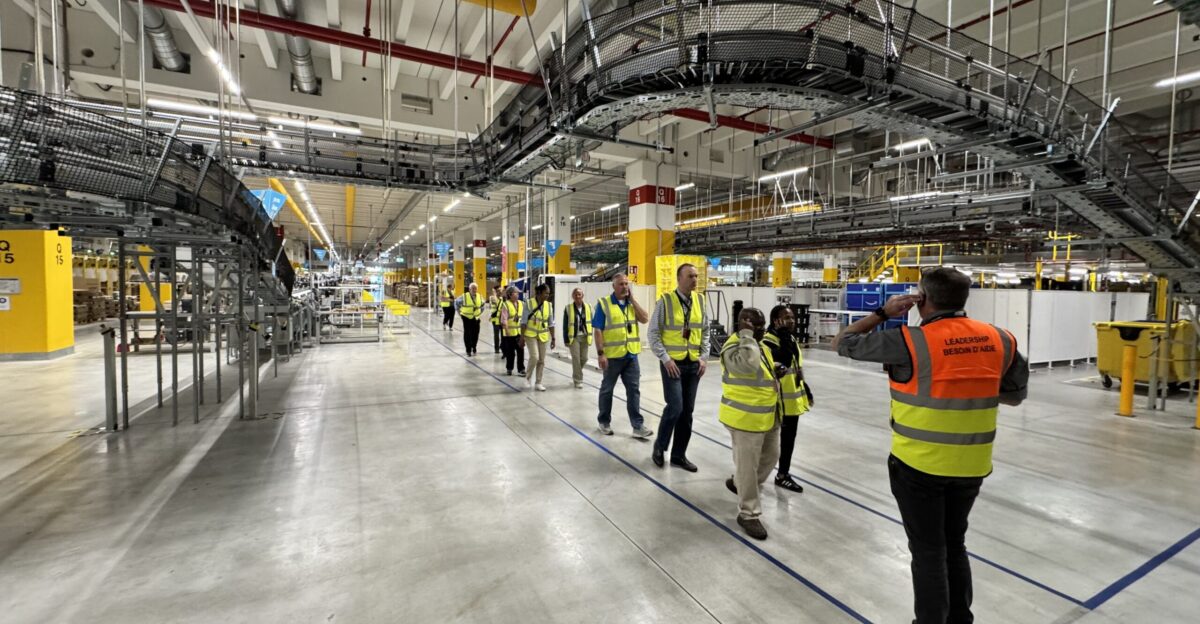
In Seattle, where Amazon is a dominant employer, the layoffs are already being felt. Amazon plans to cut 2,303 jobs in Washington state, with about 1,800 of those cuts occurring in Seattle. Local businesses that depend on tech workers—restaurants, cafes, gyms, and daycare centers—report concerns about declining revenues. Nasima Akhter, owner of the “Spice on Curve” food truck near Amazon’s South Lake Union offices, expressed worry: “I’m just making my bills somehow, but if it’s happening again, I don’t know where I’m going to go.”
University of Washington Business Professor Jeff Shulman highlighted the broader economic impact: “Fourteen-thousand highly paid workers losing their jobs is devastating for them and could be problematic for our city on several dimensions. A lot of small businesses such as restaurants, bars, nightlife and entertainment, they’ve catered to Amazon employees expecting that they’ll spend those big salaries here in downtown or in neighborhoods around Seattle and in the region.”
About 75% of Seattle’s payroll-tax revenue comes from just 10 companies, nine of them in the tech sector. The reduction in high-paid tech workers will ripple through the city’s tax base and economy. Seattle’s August economic forecast had already warned of cracks forming in the local job market before this latest round of cuts.
The human toll is significant. Tens of thousands of employees face sudden uncertainty about their livelihoods, healthcare, and savings. Affected workers received termination notices on the morning of October 28 via email, with most employees receiving a 90-day non-working period with full pay to seek new positions within the company. Those unable to secure new roles will receive severance packages and additional benefits. One affected Amazon business team manager described the atmosphere as somber: “It’s still a little fresh and still new – people are trying to digest what’s happened so far.”
Global Comparisons and Policy Responses
Amazon’s restructuring is part of a global shift in how companies approach workforce planning in the age of AI. In the European Union, where labor protections are stronger, the layoffs have reignited debates about how to safeguard workers in an era of rapid automation. Lawmakers worldwide are responding with calls for new regulations and expanded retraining programs.
At a Senate hearing in October 2025, Senator Bernie Sanders released a report warning that AI “could eliminate nearly 100 million jobs” in the U.S. over the next decade. Senator Bill Cassidy has been actively involved in AI policy discussions, including white papers and legislation focused on workforce training and AI integration.
Meanwhile, consulting and AI firms are seeing a surge in demand as companies outsource tasks once handled in-house. Accenture, for example, saw its advanced AI project bookings reach $5.9 billion in fiscal year 2025, nearly doubling from the previous year. Cloud providers and robotics startups are also benefiting, underscoring how automation is creating winners and losers across the economy.
Looking Ahead: The Future of Work in an AI World
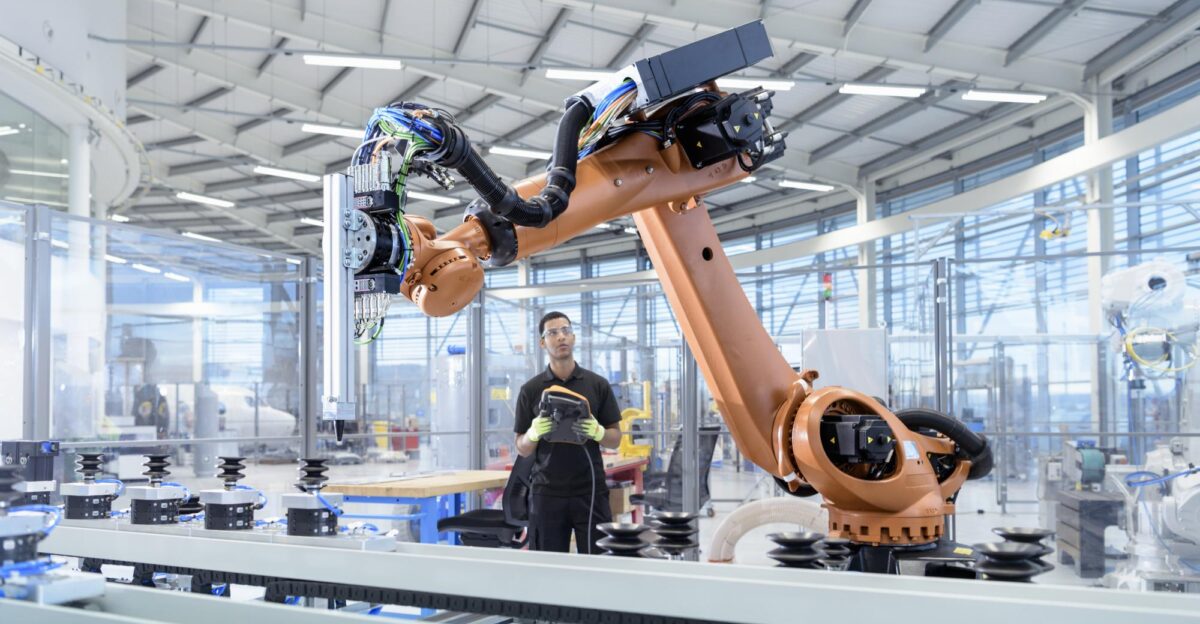
Amazon’s decision to cut 14,000 jobs is a turning point for the tech industry and a signal of broader changes to come. As companies invest billions in AI and automation, roles like AI engineers, data analysts, and cybersecurity experts are expanding, while traditional corporate jobs shrink. Beth Galetti emphasized in her memo to staff: “This generation of AI represents the most revolutionary technology since the Internet, enabling companies to innovate at an unprecedented pace.”
The stakes are high—not just for Amazon employees, but for workers everywhere. As the global economy adjusts to the realities of automation, the challenge will be to ensure that innovation benefits society as a whole. Policymakers, business leaders, and workers alike face urgent questions about how to balance efficiency with opportunity in the new era of AI-driven work.