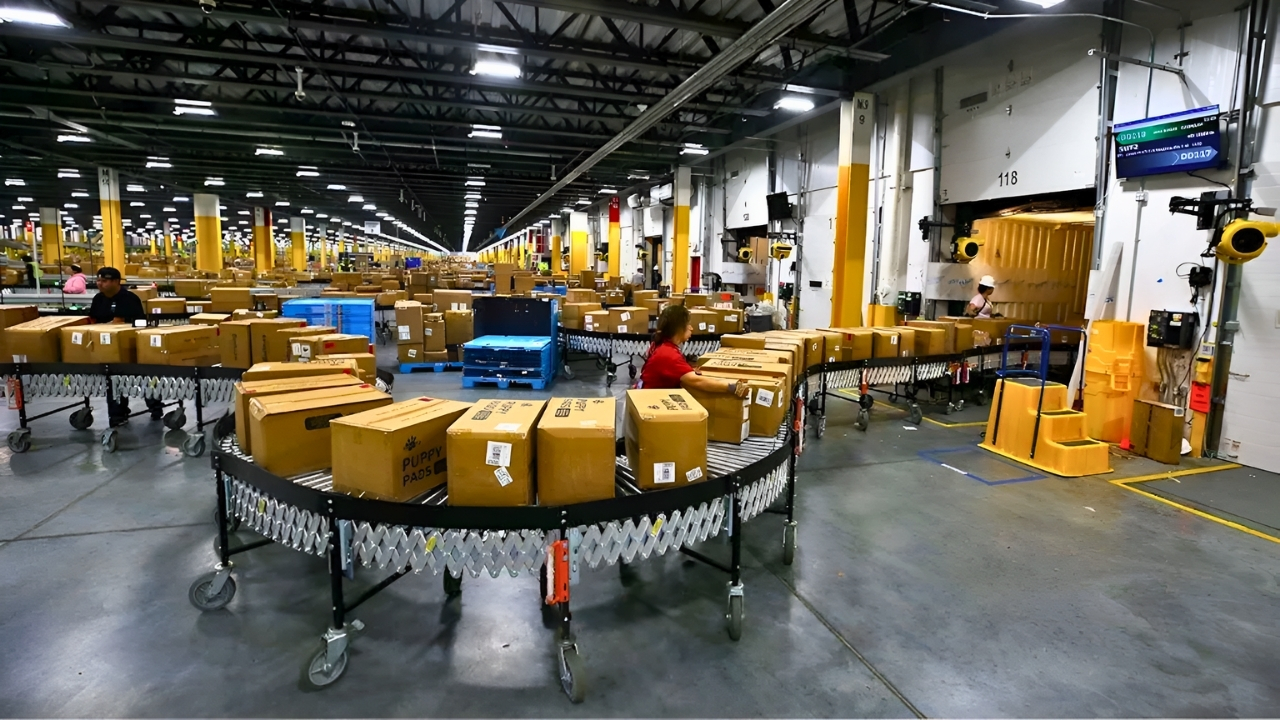
Amazon has permanently closed its LIT1 fulfillment center at the Port of Little Rock, eliminating 4,100 jobs after engineers discovered critical structural design flaws. The 3.6 million-square-foot facility, launched in 2021 as a next-generation robotics hub, was declared indefinitely closed on November 20, 2025.
External engineers concluded that the building’s design failures were too severe to fix safely. The sudden shutdown represents one of the largest employment disruptions in recent Little Rock history and immediately rattles the region’s logistics network.
“This decision was not taken lightly,” said Amazon spokesperson Sam Stephenson. The closure leaves thousands of workers without immediate employment and poses far-reaching consequences for the surrounding economy. Here’s what’s happening next.
The Structural Crisis Unfolds
Amazon initially closed the facility for a three-day maintenance inspection on October 22, 2025. During this review, external engineers identified critical errors in the building’s structural core. These flaws affected foundational and load-bearing systems, failing to meet seismic compliance standards required for the nearby New Madrid Seismic Zone.
Repeated attempts to reopen the center throughout November were delayed as Amazon explored potential solutions. Ultimately, the company determined that the risks to workers were too great, and no feasible repair strategy existed. The indefinite closure was announced on November 20, marking a rare halt for a facility of this scale.
Workers Face Immediate Financial Hardship
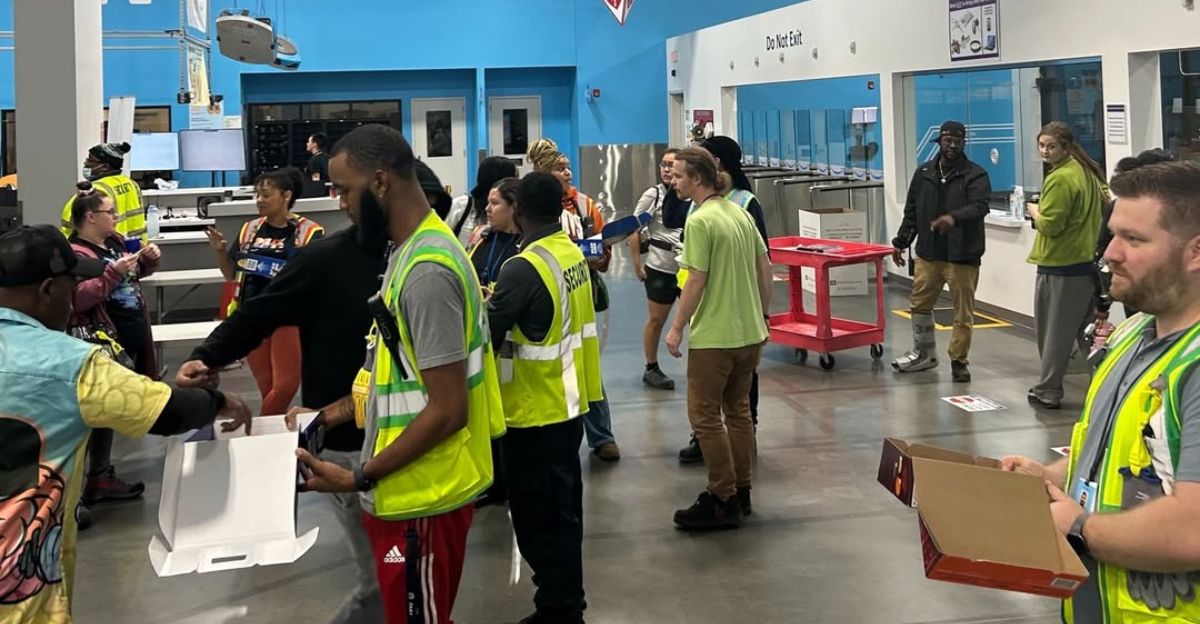
The LIT1 closure directly affects 2,600 full-time employees and 1,700 seasonal workers hired for the 2025 holiday season. Amazon is providing 90 days of full pay and six months of medical benefits, offering short-term financial relief. However, this support ends in mid-February 2026, leaving many employees uncertain about their future employment as winter approaches.
Amazon also offered transfers to other facilities, but relocation assistance only applies to moves exceeding 50 miles. This limitation significantly narrows feasible options for most Little Rock families, compounding financial and logistical challenges for affected workers.
Ripple Effects Across the Local Economy
LIT1 was among the Port of Little Rock’s largest employers. Its closure removes a major source of income from the community and affects the local service economy, including restaurants, childcare centers, fuel stations, and other businesses dependent on worker activity.
The region now faces a significant employment gap with no immediate replacement. As the 2026 seasonal hiring cycle approaches, the absence of LIT1’s operational capacity will likely slow economic activity and strain local businesses already adjusting to the disruption.
Accountability and Future Uncertainty
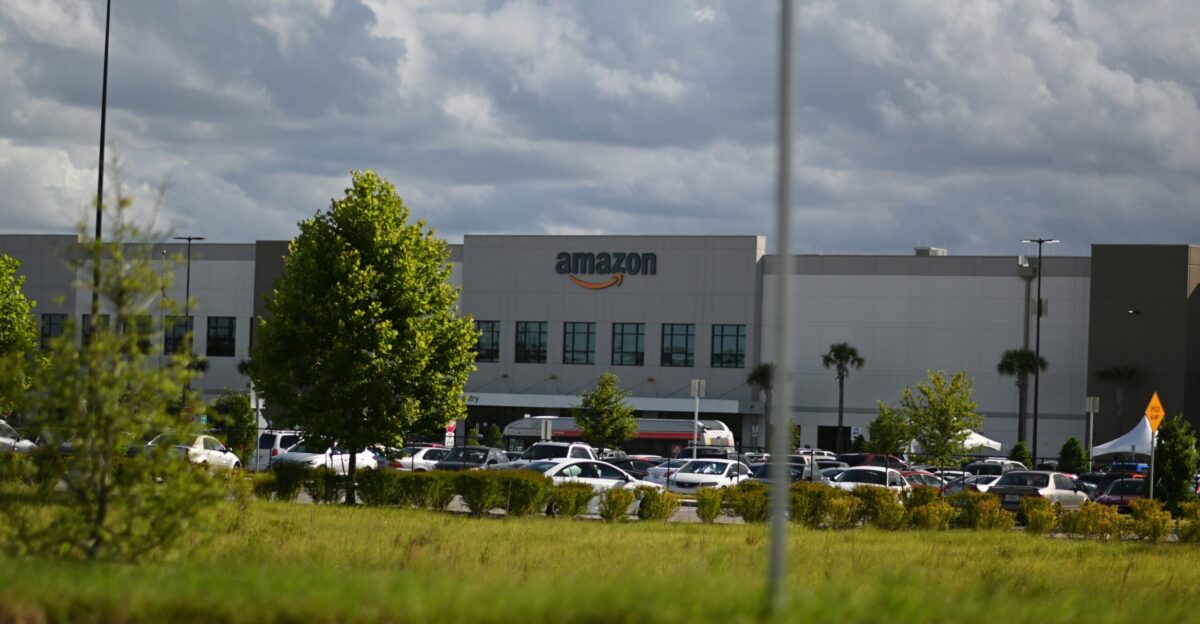
Amazon attributes the structural failures to errors by the engineering firm responsible for LIT1’s original design, which now faces potential liability. The facility’s construction cost is estimated between $250 million and $400 million, part of Amazon’s $3.4 billion investment in Arkansas since 2010.
Plans are underway for a new $151 million LIT3 distribution center in 2027, but this facility will not immediately replace the jobs or functionality lost at LIT1. Decisions about LIT1’s remediation are expected to take years, leaving the region to navigate long-term employment and economic uncertainty.
A Community in Transition
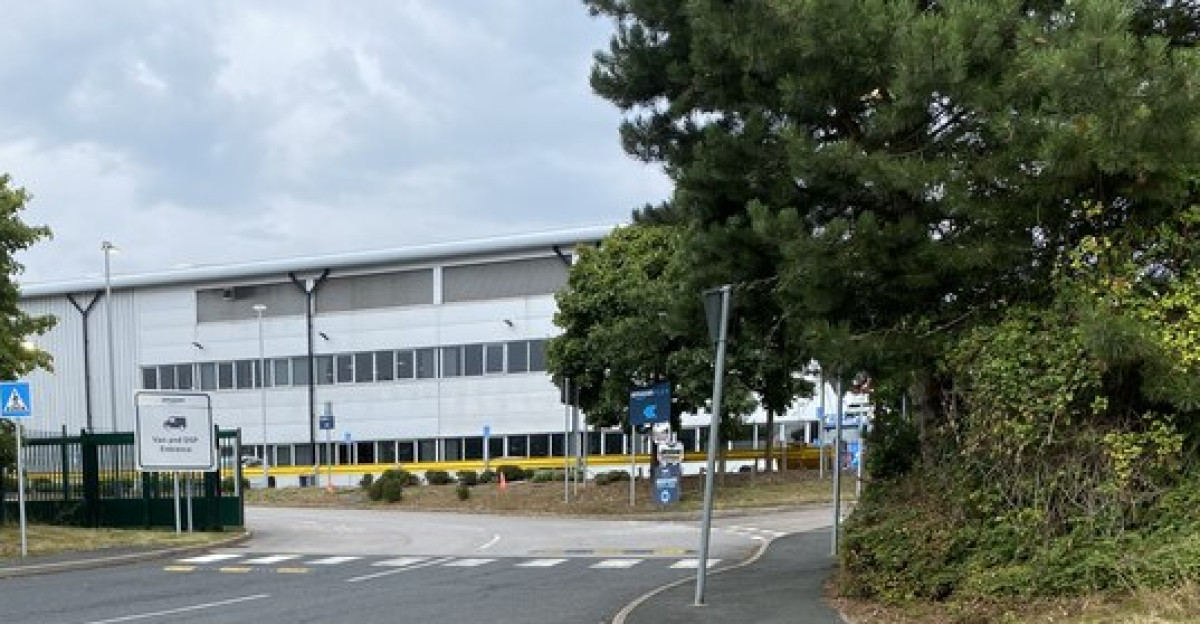
The closure of LIT1 leaves Little Rock grappling with one of its largest recent employment shocks. Thousands of workers face uncertainty, and the regional economy must adjust to the sudden loss of a major industrial hub. Amazon’s investment in LIT3 offers hope for future growth, but it cannot immediately restore lost capacity.
This event highlights the critical importance of structural safety in large-scale industrial projects and the profound human and economic costs when design failures occur. For Little Rock, the path forward will require careful planning, legal clarity, and resilient economic strategies to support displaced workers and affected businesses.
Sources:
Talk Business & Politics reporting (November 19, 2025)
Amazon Corporate Statements via Sam Stephenson, spokesperson (November 20, 2025)
KATV News Little Rock reporting (November 19–24, 2025)
Arkansas Democrat Gazette (November 20, 2025)
U.S. Geological Survey / Missouri Department of Natural Resources
Amazon Seller Central Official Communications (November 2025)