
In a move shaking the global shipping landscape, UPS has announced it will cut Amazon’s shipping volume by more than half by late 2026, ending a decades-long partnership that once accounted for roughly 11.8% of UPS’s annual revenue. The decision marks a dramatic pivot for the delivery giant, which is shifting its focus from high-volume, low-margin contracts to more profitable sectors like healthcare logistics. “Amazon is our largest customer, but it’s not our most profitable customer,” UPS CEO Carol Tomé stated, underscoring the company’s new direction.
The Amazon Breakup
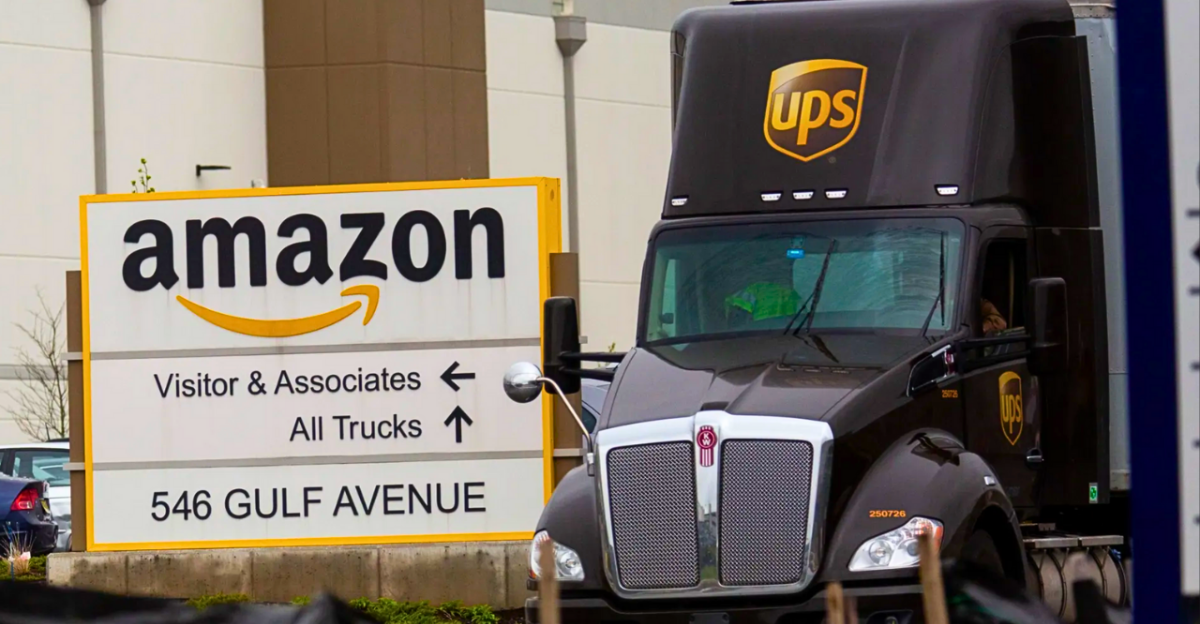
The roots of this split trace back to Amazon’s rapid expansion of its own delivery network. Over the past several years, Amazon has built a vast fleet of delivery vans and established its Delivery Service Partner (DSP) program, reducing its reliance on third-party carriers. By 2022, Amazon was delivering more U.S. packages than UPS, handling approximately 27% of the nation’s parcel volume. For UPS, the Amazon contract had become “very dilutive,” Tomé explained, as the sheer volume failed to translate into healthy profits.
UPS’s strategy now centers on higher-margin business. The company aims to double its healthcare logistics revenue to $20 billion by 2026, betting on the steady demand for pharmaceutical and medical shipments. “We’re targeting lower overall volume levels, but an improved customer base at a significantly higher revenue per piece,” said CFO Brian Dykes. This shift is already visible in UPS’s financial forecasts: while 2025 revenue is expected to reach approximately $89 billion from $91.1 billion in 2024, operating margins are projected to climb to around 10.8% for the full year 2025, with Q4 2025 expected to reach 11.0%-11.5%.
Restructuring
The transition comes at a steep human cost. In early 2024, UPS eliminated 12,000 jobs, and by late 2025, the company had reduced its workforce by 48,000 total (including 34,000 operational positions and 14,000 management roles) and shuttered 93 facilities nationwide. These cuts have affected drivers, warehouse handlers, and support staff across the country. “It’s tough to see so many colleagues go,” said Marcus Lee, a UPS driver in Atlanta. “But the company says it’s necessary to stay competitive.” UPS has offered early retirements and buyouts to soften the blow, but the layoffs have sent shockwaves through local economies.
The announcement also rattled financial markets. UPS shares plunged more than 14% on the news, while rival FedEx saw a smaller dip. Analysts described the move as a surprise, with Evercore’s Jonathan Chappell noting that UPS had long been vulnerable due to its dependence on Amazon. Regional carriers and FedEx are now positioning themselves to capture the displaced Amazon volume, while online retailers are diversifying their shipping partners.
Changing Delivery Patterns for Consumers

For consumers, the most visible change will be in who delivers their packages. Amazon now handles the majority of its own shipments, but as UPS steps back, customers can expect a mix of Amazon, USPS, FedEx, and regional carriers at their doorsteps. Some may notice modest shifts in delivery speed or costs, especially as retailers adjust to the new logistics landscape. Industry experts recommend that shoppers track their orders closely and consider flexible delivery options, such as lockers or alternate addresses, to avoid potential delays.
Small businesses and local industries are also feeling the effects. Hotels and restaurants, for example, rely on timely deliveries of linens and food supplies. “Any change in UPS’s routes or hub closures can ripple through our supply chain,” said Linda Tran, a hotel manager in Seattle. The rise of Amazon’s logistics arm, now controlling over a quarter of U.S. parcel volume, is reshaping how goods move not just nationally but globally.
Global Pressures and the Road Ahead
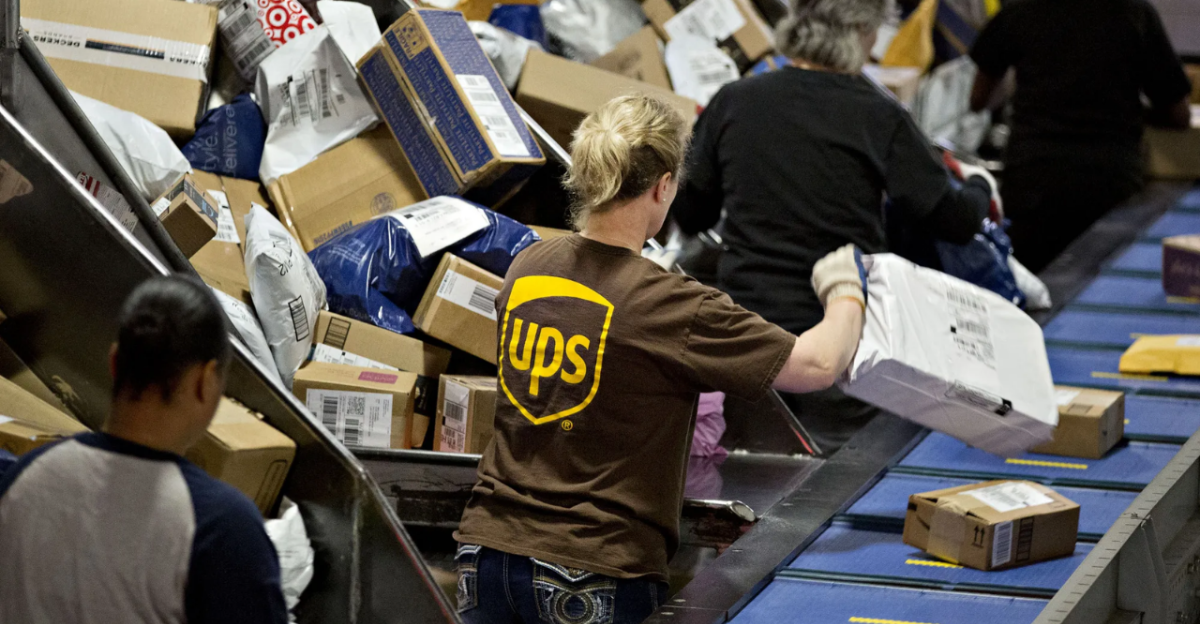
UPS’s overhaul is unfolding against a backdrop of global trade uncertainty. Rising U.S. tariffs on low-value imports have already reduced UPS’s Chinese e-commerce shipments, prompting the company to implement automated brokerage systems to process customs documentation. CEO Tomé warned, “The world has not been faced with such enormous potential impacts to trade in more than 100 years.” As UPS pivots to automation—planning to expand its automated facilities across 400 U.S. sites by 2026—suppliers of robotics and logistics technology are seeing new opportunities.
The environmental impact of these changes is also under scrutiny. A recent report found Amazon’s U.S. shipping emissions rose 75% from 2019 to 2023, even as the company rolled out electric vans. The debate continues over whether private fleets or shared carriers offer a greener path forward.
Looking ahead
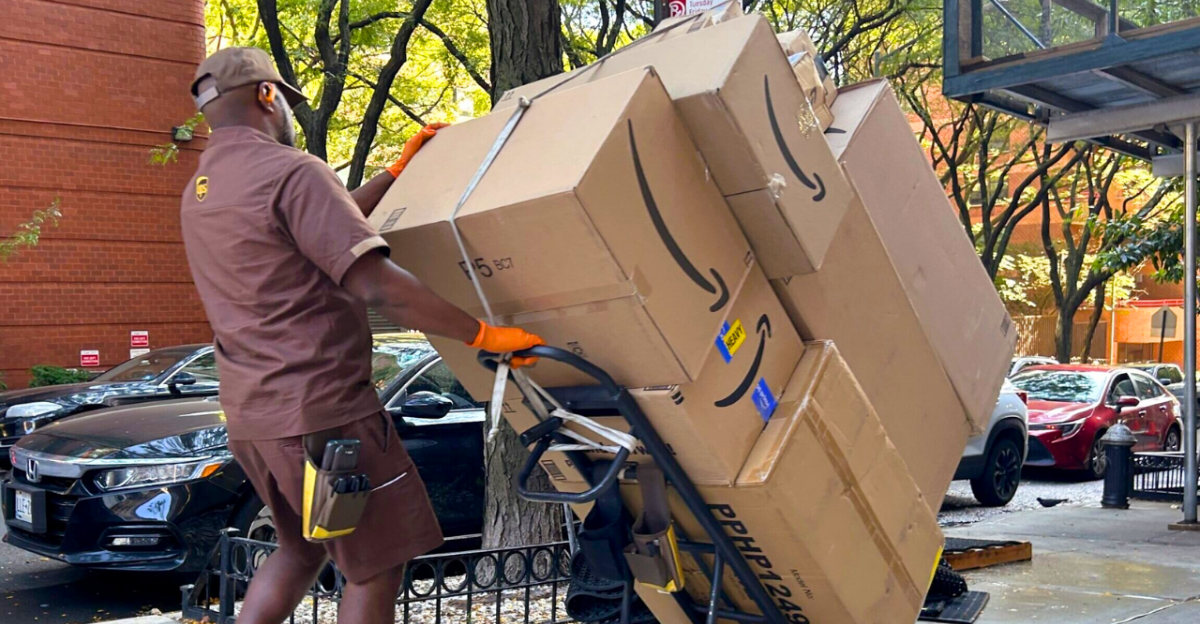
UPS’s dramatic shift signals a new era for the logistics industry—one defined by efficiency, specialization, and adaptability. As the company bets on premium services and automation, and as Amazon’s logistics empire grows, the stakes are high for workers, businesses, and consumers worldwide. The coming years will test whether this profit-first strategy can deliver sustainable growth in a rapidly changing global marketplace.