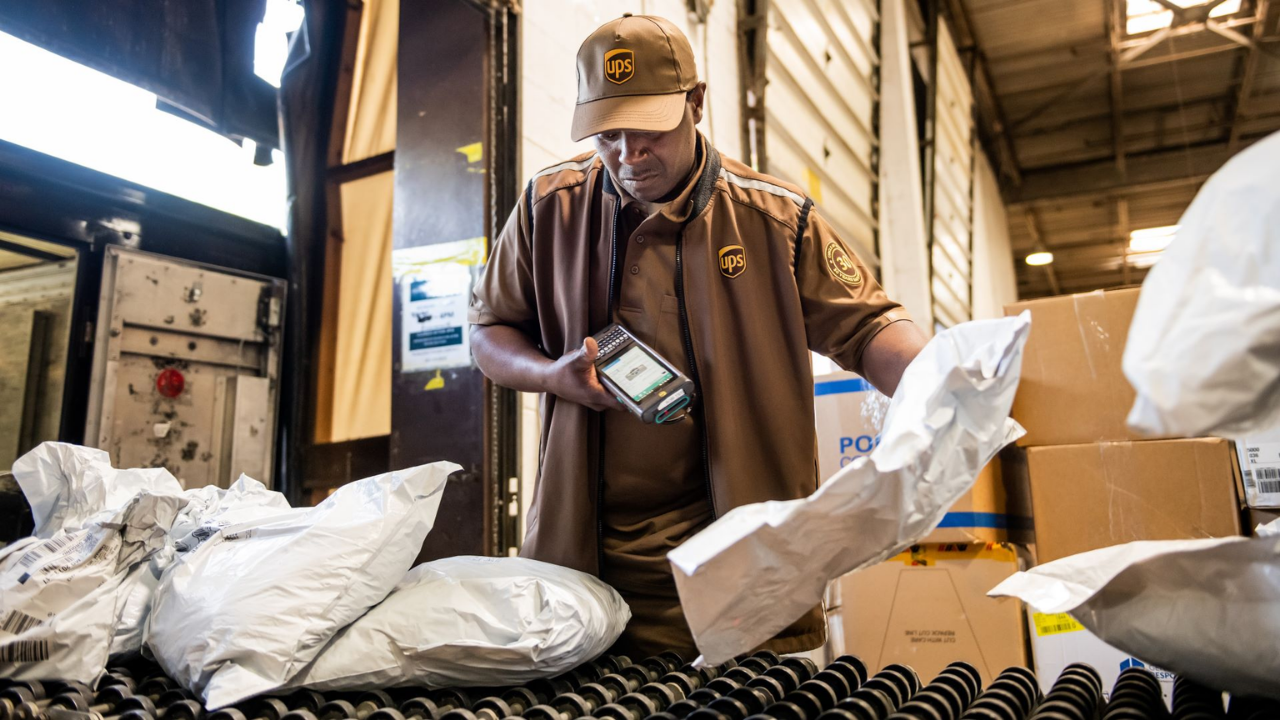
UPS has agreed to slash Amazon’s shipping volume by over half by late 2026. This unprecedented move ends a decades-long reliance on Amazon (then ~11–12% of UPS’s 2024 revenue).
CEO Carol Tomé acknowledged Amazon’s low margins – “Amazon is our largest customer, but it’s not our most profitable customer” – as UPS refocuses on higher-margin segments like healthcare (aiming to double health-logistics revenue to $20B by 2026).
Profit Focus Drives Amazon Pullback
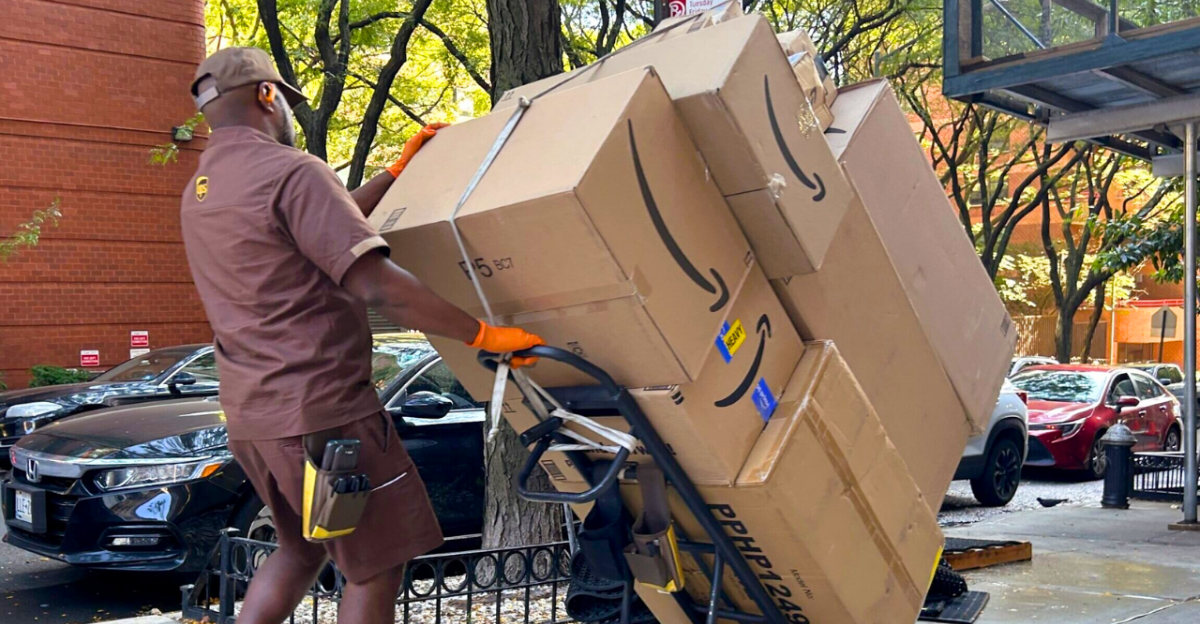
UPS’s cutback stems from Amazon building its own delivery network and UPS’s profit strategy. Amazon now operates thousands of delivery vans and a Delivery Service Partner (DSP) network, reducing third-party needs.
UPS says Amazon business “dilutes margins”: Tomé said Amazon’s volumes are “extraordinarily dilutive” and thus reduced.
Changing Delivery Options for Consumers
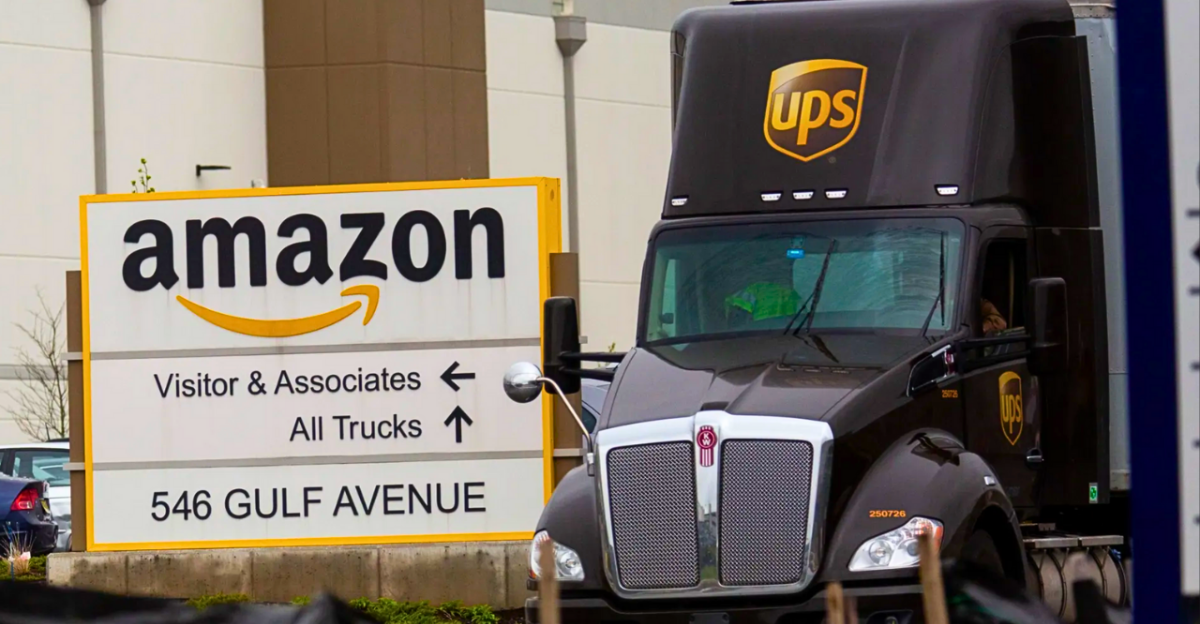
Customers will see more Amazon-owned deliveries. Historically, Amazon relied on UPS, FedEx, or USPS, but now handles most shipments itself. SupplyChainBrain notes Amazon delivered more US packages than UPS in 2022 (27% of US parcel volume), as its logistics arm eclipsed other carriers.
As UPS cuts back, consumers should expect a mix of Amazon, USPS, FedEx, and regional carriers delivering orders, and possibly modest shifts in delivery speed or costs.
UPS Restructures for Higher Margins

UPS is reshaping operations to boost profitability. It has set bold efficiency targets – saving $3B per year by 2028 – and is cutting costs aggressively. In early 2024, UPS eliminated 12,000 jobs to save ~$1B, and plans hundreds of facility closures (e.g., ~200 hubs by 2026).
CFO Brian Dykes explains the plan: it means “lower overall volume levels, but an improved customer base at a significantly higher revenue per piece”.
Market Shock and Competition
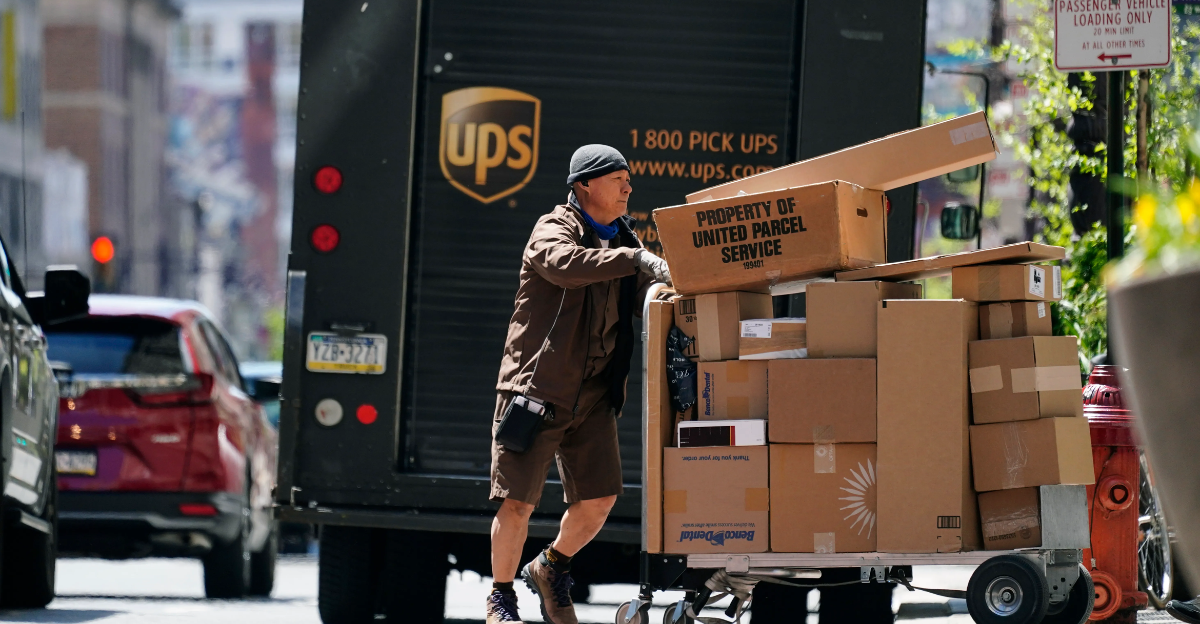
The announcement jolted markets. UPS shares plunged ~13.6% on the news, and FedEx also dipped ~2%. Analysts called UPS’s move a surprise. “The agreement…to reduce volumes by more than 50% is a surprise,” noted Evercore’s Jonathan Chappell, warning UPS had long been exposed by over-dependence on Amazon.
Rival carriers immediately geared up: regional shippers and FedEx are positioning to grab displaced Amazon volume.
Tariffs and Global Trade Pressures
UPS cited macro headwinds too. CEO Tomé warned the world faces unparalleled trade uncertainty, saying “the world has not been faced with such enormous potential impacts to trade in more than 100 years”. Rising U.S. tariffs on low-value imports have already cut UPS’s Chinese e-commerce volume (Temu, Shein).
UPS launched a tariffs-tracking website for clients to navigate trade policy changes.
Massive Layoffs and Local Impact

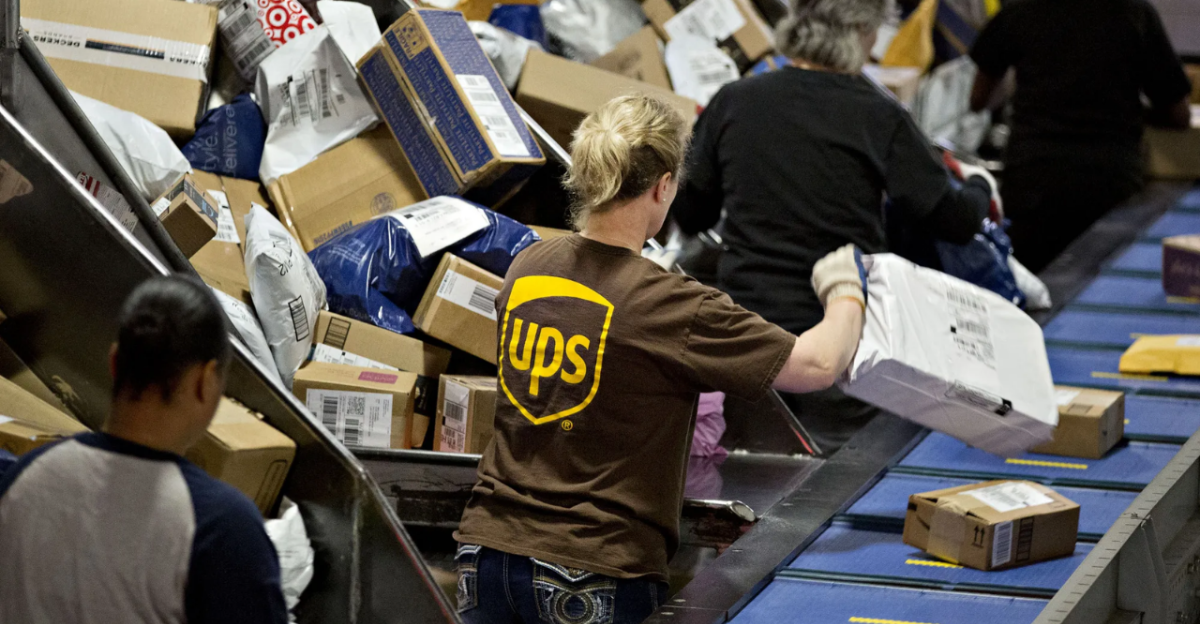
UPS’s cuts have significant human costs. In April 2025, UPS announced it would cut ~20,000 jobs (4% of its workforce) and shutter 73 facilities. By late 2025, UPS reported reducing ~34,000 operational positions and closing 93 buildings as part of this restructuring.
The layoffs affect drivers, handlers, and support staff nationwide. UPS has offered early retirements and buyouts to reach these totals.
Political and Tariff Responses
UPS’s shift also reflects political headwinds. It’s one of the first big corporate layoffs tied explicitly to trade uncertainty. Domestic tariff policies (e.g., on Chinese imports) have disrupted parcel flows, so UPS is helping shippers adjust.
Alongside cuts, UPS launched a public tariff-information site to advise customers.
Shifting Financial Outlook
The event reorients UPS’s financial trajectory. UPS now projects 2025 revenue ~$89 billion (down from $91.1B in 2024). However, earnings should improve: UPS expects revenue per package to rise ~6% despite an ~8.5% drop in volume.
So far in 2025, the cost cuts (network reconfiguration) have saved ~$2.2B, on track for $3.5B by year-end. UPS forecasts operating margins climbing from 7.5% in 2024 to ~12% by late 2026.
Retail Strategies Adjust
Retailers and shippers must adapt. As UPS cedes Amazon volume, online sellers are diversifying carriers. Some expect increased reliance on FedEx, USPS, and niche logistics firms. Notably, FedEx in 2019 ended its own Amazon contract as Amazon went in-house, and now FedEx is courting other e-commerce businesses.
UPS is recruiting growth from Temu, Shein, and other import sellers.
Local Business Supply Chain Changes
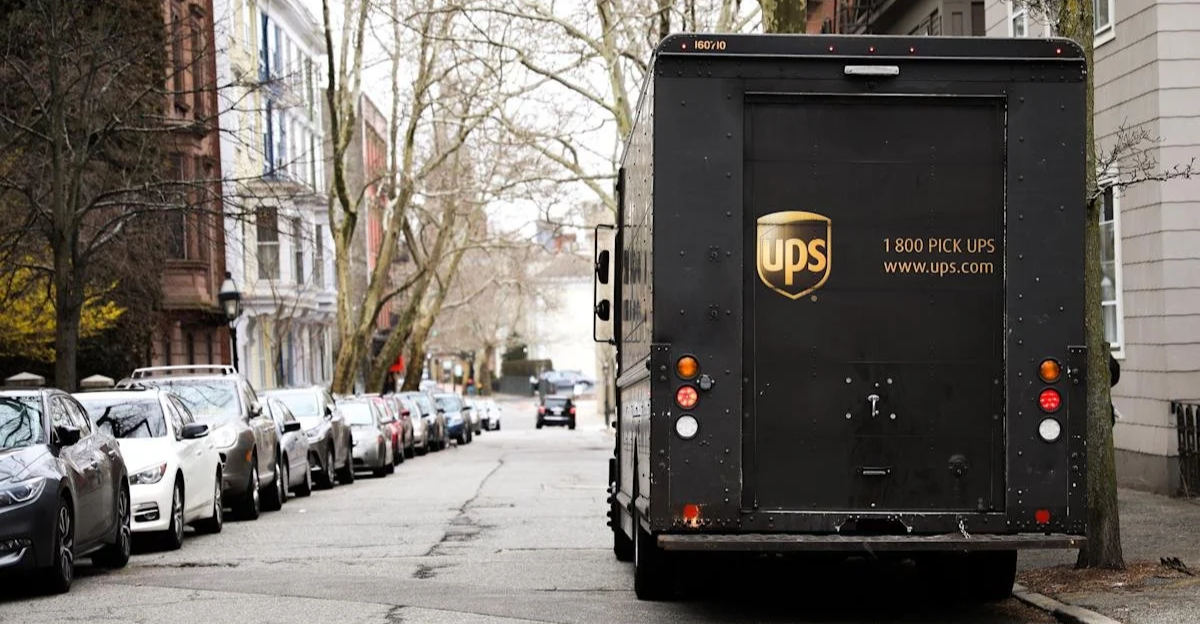
Small businesses and hospitality providers will feel indirect effects. With UPS cutting volume, local stores and hotels may see shifts in delivery patterns. For example, hotels and restaurants rely on timely shipments of linens and food supplies; any UPS hub closures or route changes can ripple into those industries.
Amazon’s logistics rise amplifies this: by 2023, Amazon’s logistics held 27% of U.S. parcel volume.
Automation and Tech Sectors Thrive
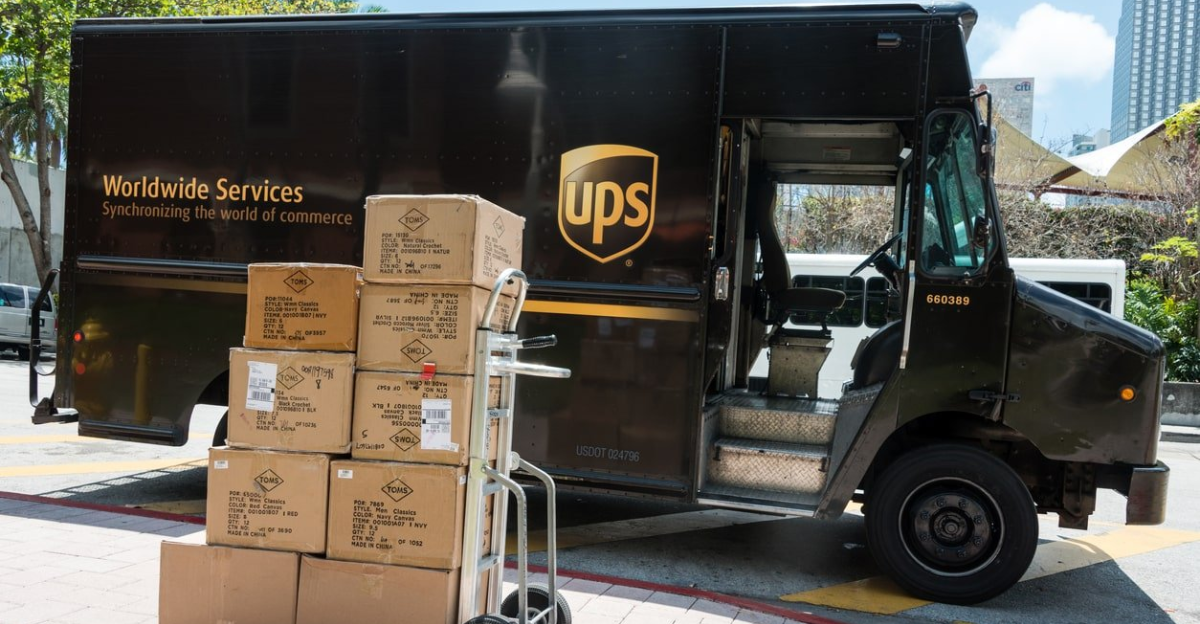
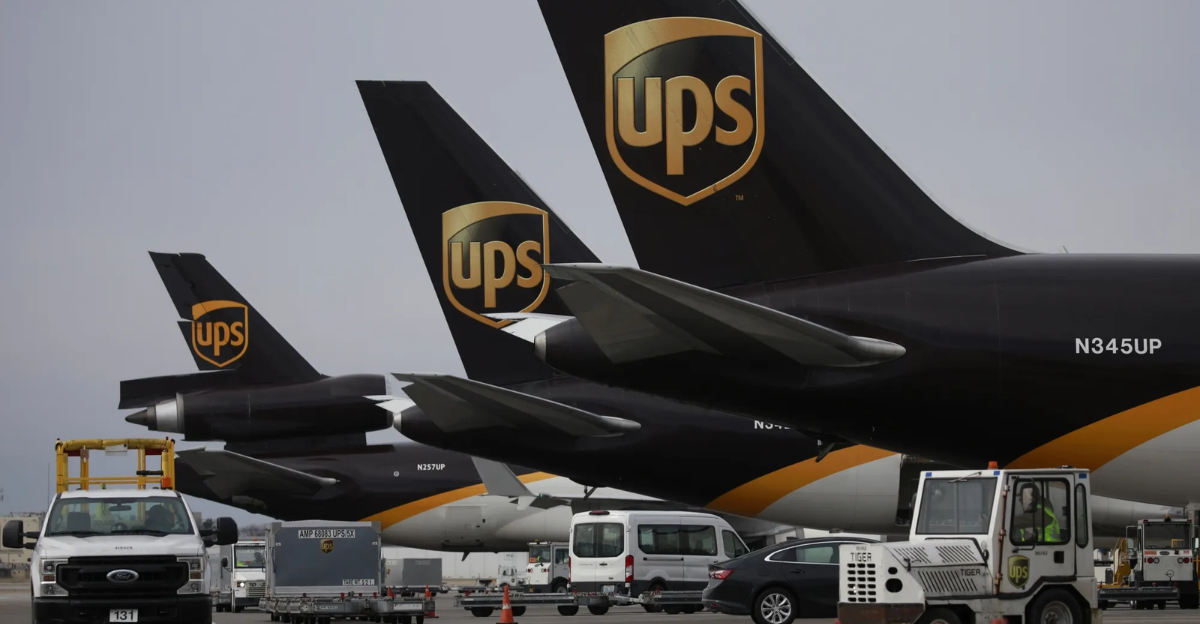
UPS’s overhaul is boosting logistics tech industries. The company is aggressively automating: it plans to triple its automated facilities to 400 U.S. sites by 2026. Robotics and warehouse-automation vendors see increased demand. Meanwhile, competitors and 3PL firms are positioning to absorb UPS volume.
Suppliers of packaging materials and routing software may see higher orders as carriers optimize flows.
Amazon’s Growing Delivery Role
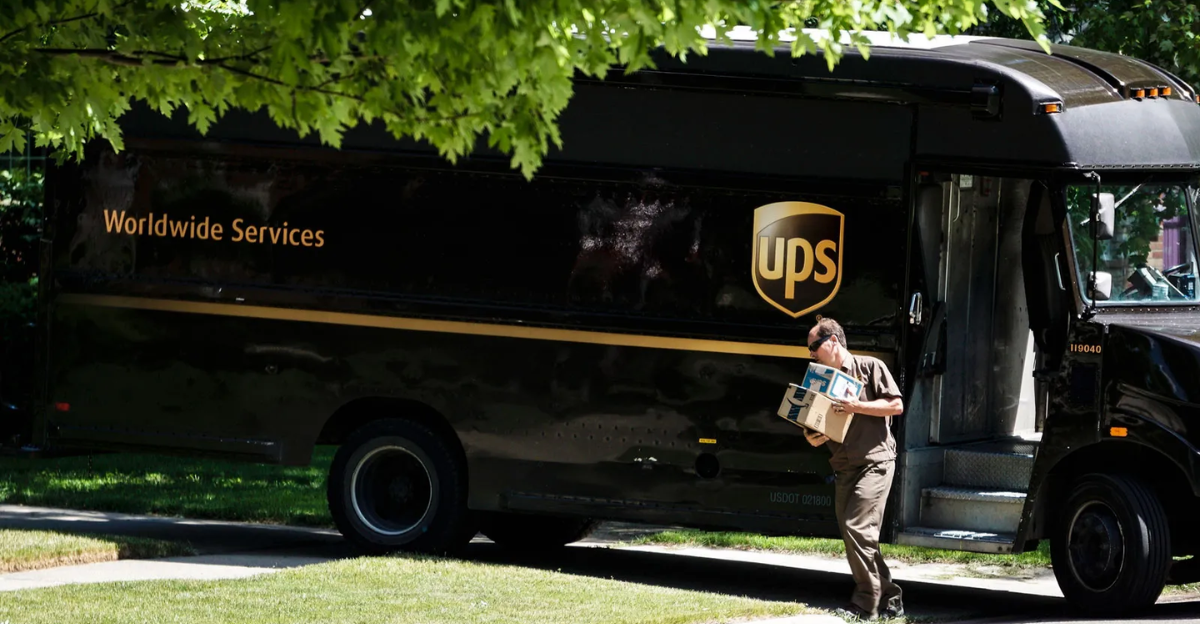
The shift also reshapes global delivery. Amazon’s own shipping network will fill more gaps. SupplyChainBrain notes Amazon delivered more U.S. packages in 2022 than UPS.
Globally, UPS operates in 200+ countries and territories, so its pullback means Amazon and regional carriers will pick up the slack worldwide. Consumers outside the U.S. may increasingly see Amazon- or USPS-managed last-mile drops.
Healthcare Logistics Surges
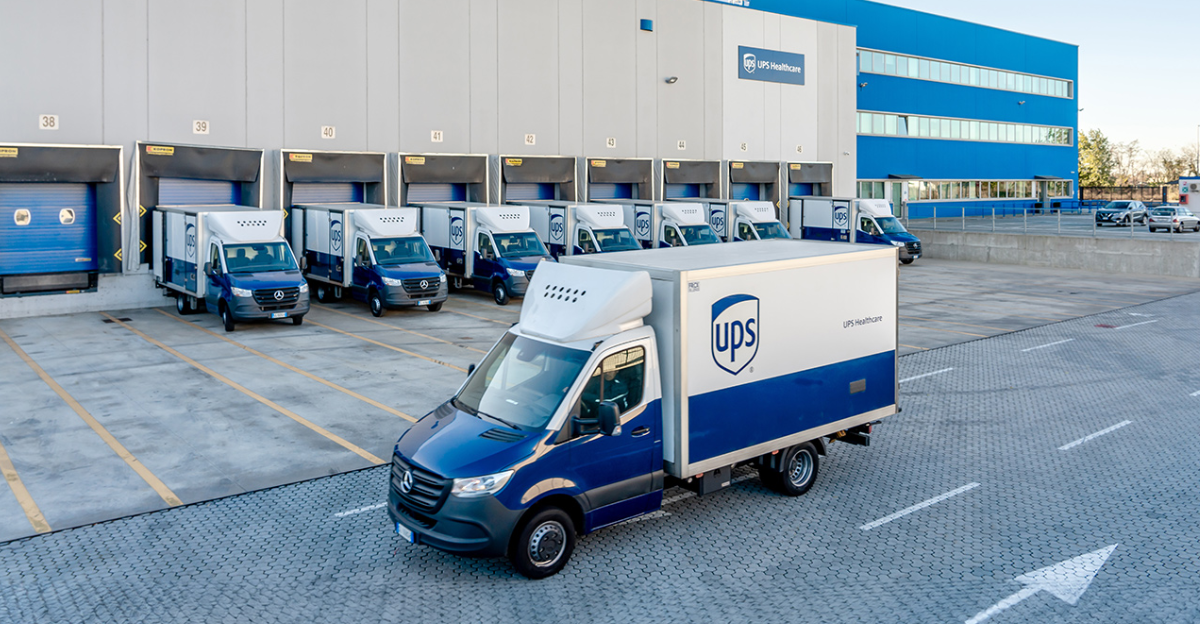
UPS’s emphasis on healthcare will speed innovation in medical deliveries. The company targets doubling healthcare-related revenue (to ~$20B by 2026) because of high margins. Currently, pharmaceutical shipments make up ~45% of UPS’s early-morning volume, reflecting heavy pharma demand.
As a result, hospitals, labs, and pharmacies can expect improved specialized services (e.g., climate-controlled transport, faster replenishment).
Environmental and Efficiency Debate
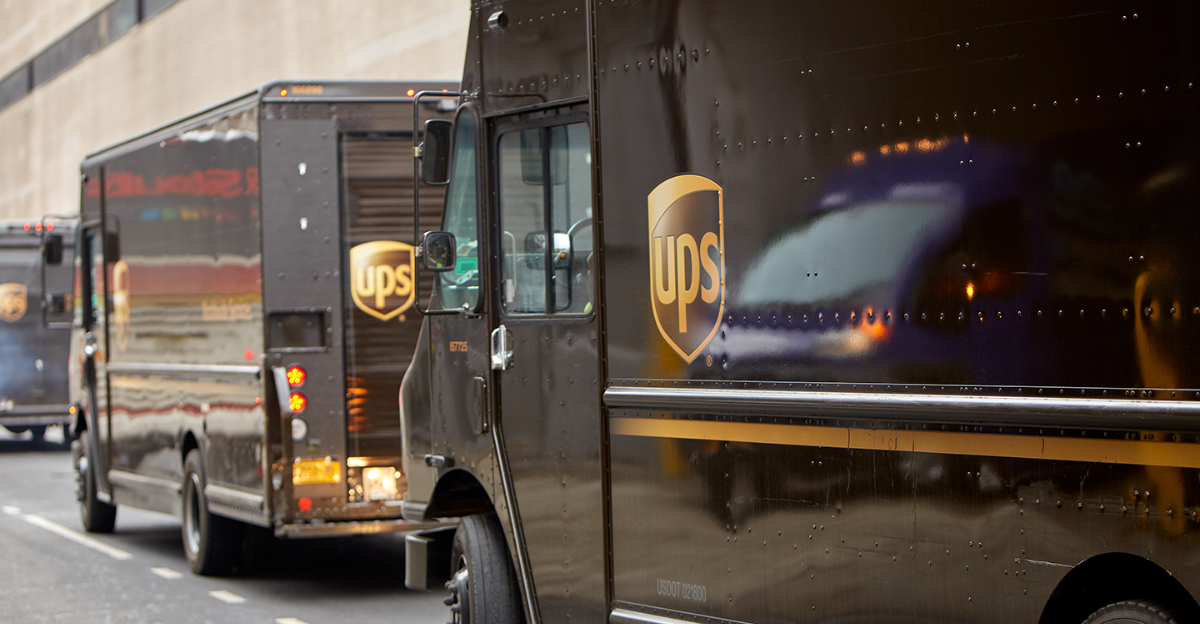
Amazon’s logistics expansion sparks sustainability debates. A recent report found Amazon’s U.S. shipping emissions rose ~75% from 2019 to 2023, even as EV vans roll out. Critics say private fleets and faster shipping come at an environmental cost. UPS, meanwhile, markets its Climate Goals.
This cultural ripple raises public questions: Is it greener for one big company (Amazon) to control shipping, or to use shared carriers? Policymakers and consumers will watch how UPS and Amazon balance speed against carbon footprint moving forward.
From Job Cuts to Profit Gains

The corporate shakeup creates clear winners and losers. Winners include UPS and competitors focusing on high-margin business: UPS’s health-logistics push benefits pharmaceutical firms, and niche carriers (regional air and ground) gain new Amazon clients.
UPS’s shareholders also win if margins rise. On the losing side, many UPS workers are displaced, and some smaller shippers lose volume. Even USPS loses revenue as UPS insources all SurePost ground packages (formerly handled by USPS).
Investor Sentiment Shifts

Wall Street’s view has evolved. After the initial sell-off, some investors applaud UPS’s profit focus. Edward Jones analyst Faisal Hersi noted UPS is putting “long-term focus on profitability over volume”.
UPS’s late-2025 forecasts (e.g., 10–12% operating margin) have led to upgraded earnings estimates. However, some hedge funds remain cautious given the revenue dip. Overall, the financial ripple is that UPS is valued more on efficiency gains per package than sheer package volume, altering market expectations for the carrier.
Consumer Advice
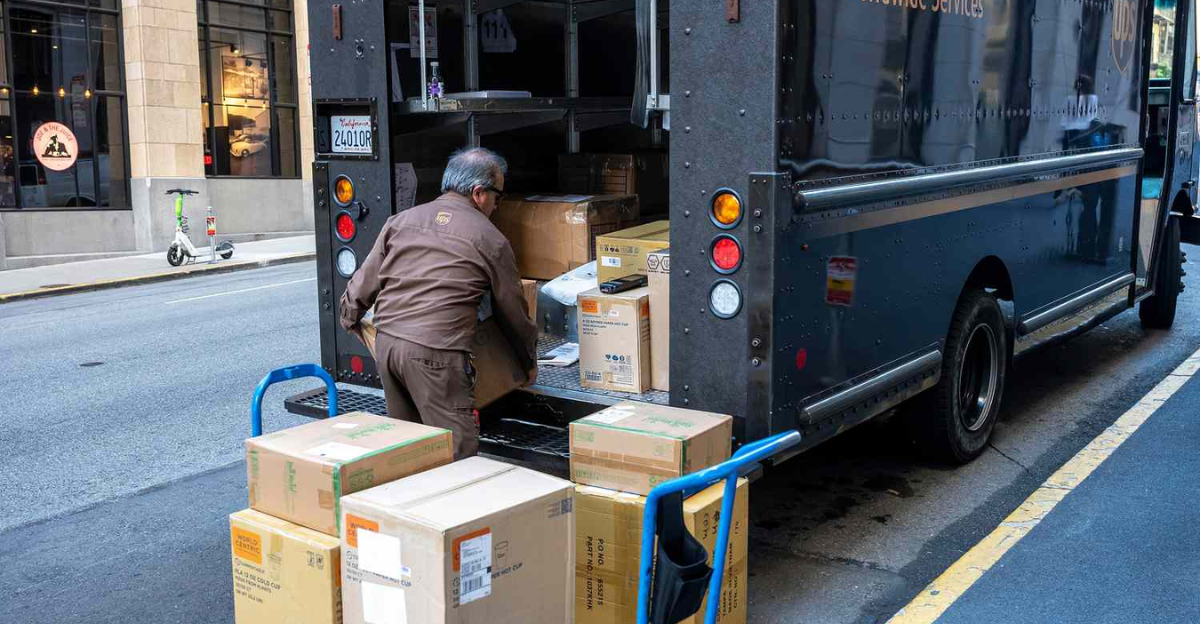
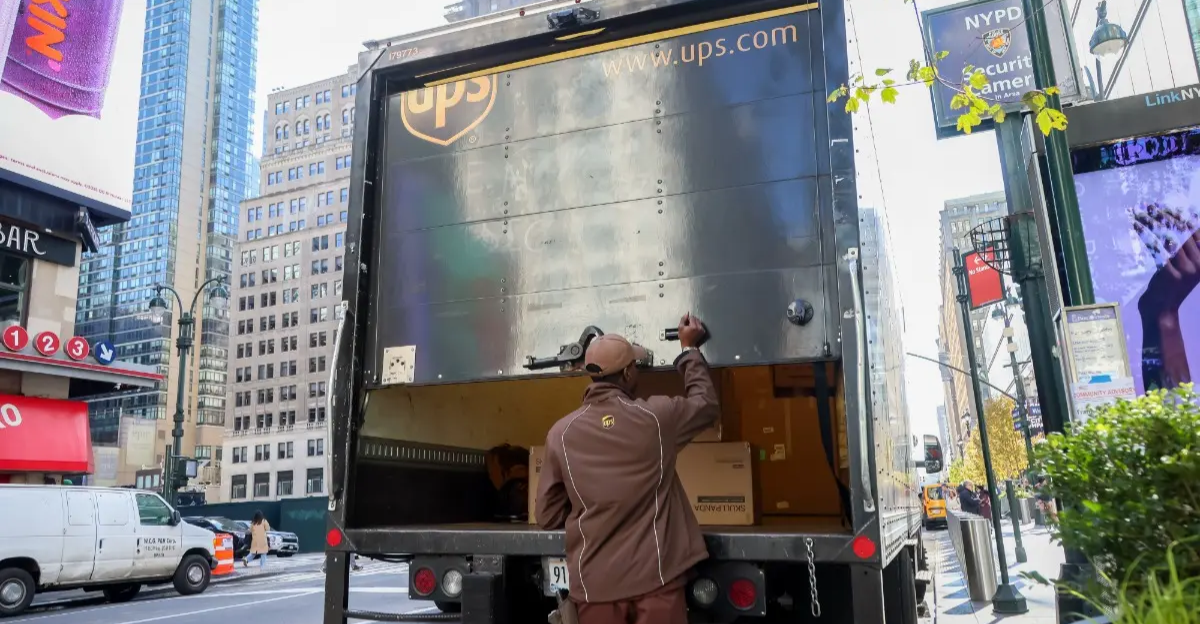
Shoppers should expect mixed shipping options. With UPS reducing Amazon deliveries, customers may see more USPS or Amazon-branded trucks. To stay informed, consumers should track order shipments and consider delivery guarantees. For example, some Amazon orders might now travel via FedEx or USPS.
Industry experts advise checking multiple delivery estimates: diversifying addresses (e.g., to lockers or offices) and allowing extra transit days can hedge against new delays.
Logistics Industry Looking Ahead
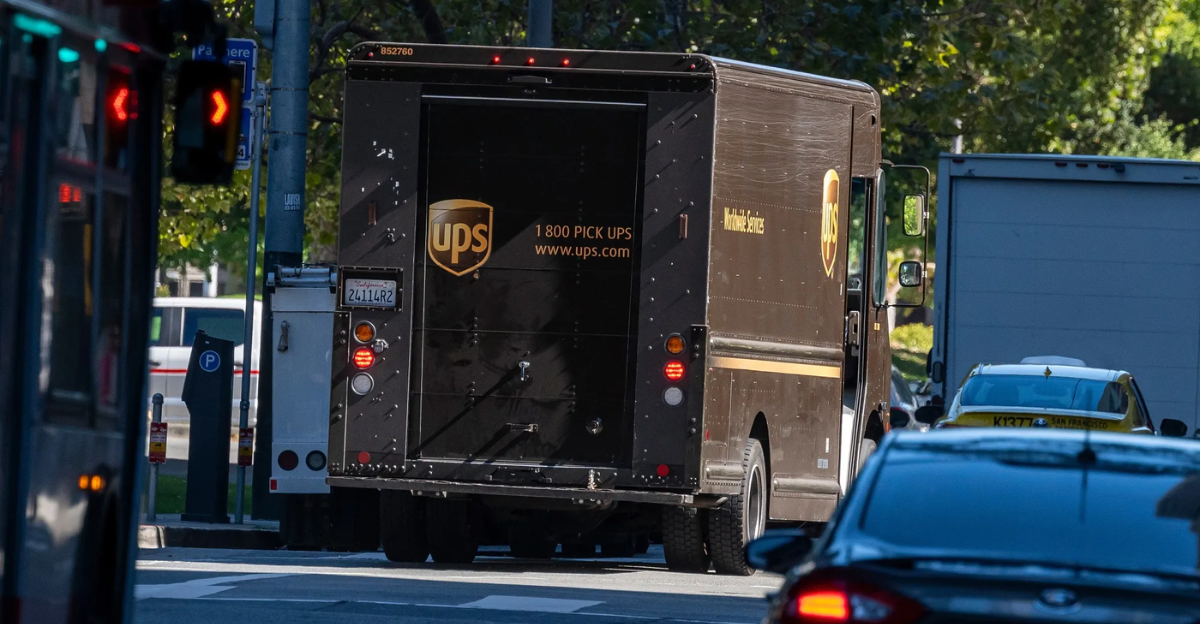
The UPS–Amazon split is “a defining moment in the evolution of logistics”. Businesses are now seeking diverse shipping solutions rather than relying on one giant carrier. UPS’s pivot to premium services shows a clear commitment to higher-margin work.
Going forward, shippers worldwide will build more flexibility into their supply chains.
A New Logistics Era

In sum, UPS’s 50% cut in Amazon volume signals broader logistics trends. The company has shifted from a volume-driven model to one focused on profits and efficiency. This decision triggered layoffs, market shocks, and raised questions about environmental impact.
Consumers will likely see more Amazon-managed deliveries and evolving shipping costs.