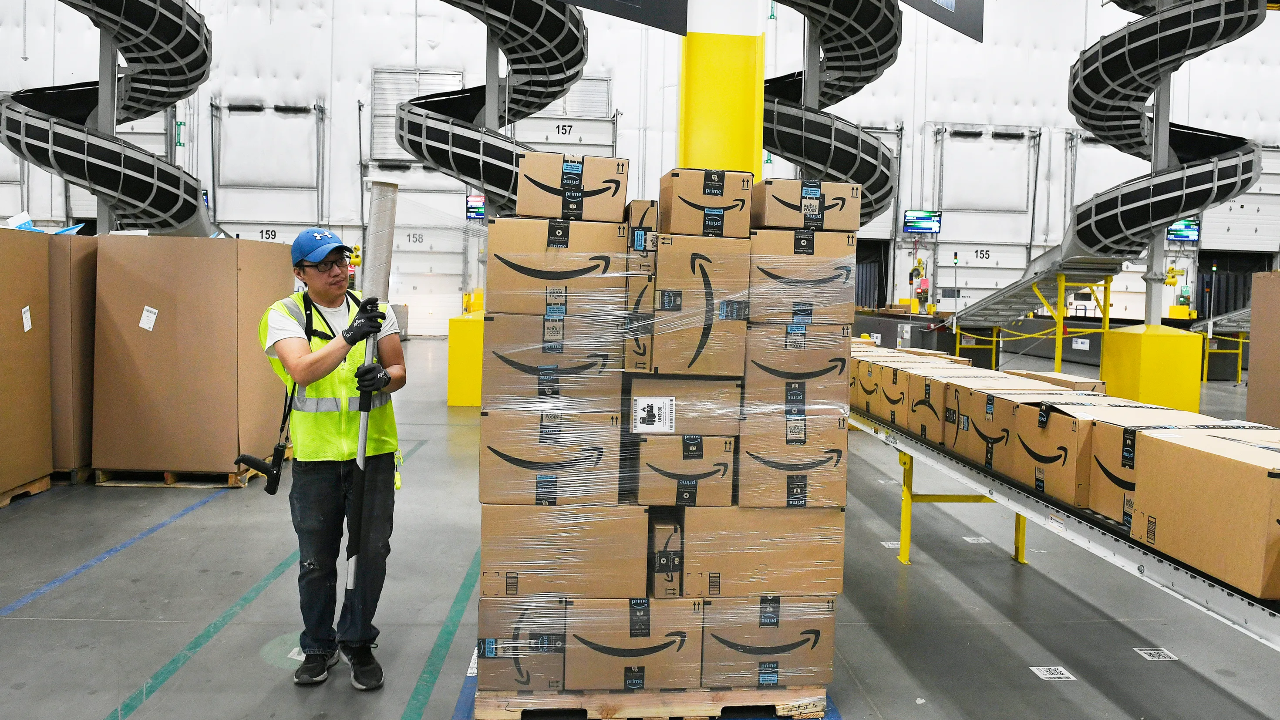
A wave of high-profile layoffs at major U.S. companies—including Amazon, UPS, Starbucks, and Target—has reignited debate over the true role of artificial intelligence in workforce reductions. While corporate leaders increasingly cite AI as a driver of job cuts, labor economists and industry experts argue that the technology’s impact remains limited, and that traditional business pressures are the real force behind most recent layoffs.
Amazon, UPS, Starbucks, and Target: Layoffs Under the Microscope
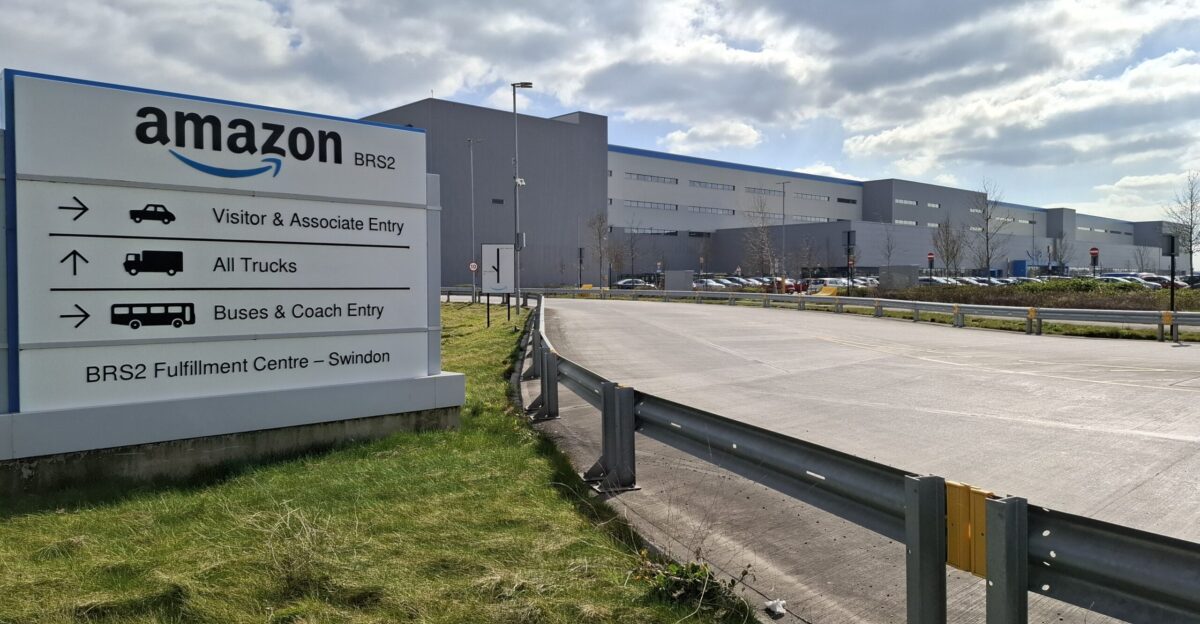
In late 2025, Amazon announced the elimination of roughly 14,000 corporate jobs, one of the largest reductions in its history. The company’s leadership initially pointed to a need for greater efficiency and investment in “biggest bets,” with AI frequently mentioned as a factor. Yet CEO Andy Jassy later clarified that the layoffs were not primarily about finances or AI, but rather about internal culture and organizational alignment.
UPS enacted even deeper cuts, slashing 48,000 jobs—more than double its original target. The company attributed these reductions to a major reconfiguration of its delivery network and a sharp decrease in Amazon-related shipments, which together generated $2.2 billion in cost savings. AI was not cited as a significant factor.
Starbucks, meanwhile, announced layoffs of corporate employees as part of a restructuring plan amid ongoing business challenges. The company had experienced comparable sales pressures in prior quarters, signaling that operational challenges rather than automation were driving workforce decisions. Target also announced 1,800 corporate job cuts, representing a reduction in its office workforce, after reporting challenging sales environments and portfolio adjustments in recent quarters. Again, the company’s struggles were rooted in operational and competitive pressures rather than technological disruption.
Experts Push Back on the AI Layoff Narrative

Despite the prevalence of AI in corporate statements, leading labor economists and technology experts challenge the notion that artificial intelligence is causing widespread job loss. Peter Cappelli, a professor at the Wharton School, notes that there is little evidence to support claims of mass displacement due to AI. His research finds that most AI implementations do not result in significant headcount reductions.
David Linthicum, a cloud and AI expert, echoes this skepticism, describing most AI-related layoff claims as “largely overstated” given the current maturity of the technology. While some productivity gains are real, he argues, they are not sufficient to explain the scale of recent workforce cuts.
Industry observers have coined the term “AI-washing” to describe the trend of companies using AI as a convenient explanation for layoffs that are actually driven by cost-cutting, strategic missteps, or pandemic-era overhiring. This narrative, they warn, risks obscuring the real economic and operational factors at play.
Data Shows Minimal AI-Driven Job Losses
Recent studies reinforce the view that AI’s impact on employment remains modest. The Budget Lab at Yale University analyzed U.S. labor market data and found limited evidence of widespread job losses attributable to AI. The New York Federal Reserve reached a similar conclusion, reporting that organizations rarely cited AI as the cause of layoffs and that the technology more often led to employee retraining than to job elimination.
National employment data shows job growth has slowed significantly, with the U.S. labor market adding fewer jobs than previously estimated over the past year. This slowdown reflects broader cyclical economic pressures rather than AI-driven disruption. In contrast, more than a third of surveyed firms used AI to retrain workers, and some even increased hiring after adopting new technologies.
Traditional Business Pressures Remain the Main Driver
Analysts point to more familiar business dynamics as the real cause of recent layoffs. Many technology companies, including Amazon, expanded rapidly during the pandemic, anticipating sustained digital growth. As demand normalized, these firms found themselves overstaffed and have since been correcting course through layoffs.
In retail and logistics, companies like UPS, Target, and Starbucks are responding to shifting consumer demand, increased competition, and the need for operational restructuring. These factors, not AI, are prompting workforce reductions.
The broader labor market also shows signs of weakness unrelated to technology. Economists attribute recent employment slowdown to cyclical factors rather than automation, with job growth significantly below earlier expectations.
AI’s Real Impact: Gradual and Limited
While some companies have reported productivity improvements from AI implementations, these cases remain exceptions. Most organizations find that implementing AI at scale is complex, costly, and slow, making rapid, large-scale job replacement unlikely in the near term.
Incremental rollouts and retraining are far more common than sudden mass layoffs. Even companies that announce ambitious AI-driven transformations often fall short of executing major workforce reductions in practice.
Looking Ahead: Separating Hype from Reality
As AI continues to evolve, its influence on the workforce will likely grow—but current evidence suggests that its impact is gradual and measured, not disruptive. The recent wave of layoffs at major U.S. companies is best understood as a response to business cycles, strategic shifts, and economic headwinds, rather than a direct result of automation.