
On November 19, 2025, Amazon sent shockwaves through Little Rock when it announced the indefinite closure of its LIT1 fulfillment center—a sprawling, five-story, 3.6-million-square-foot robotics hub at the Port of Little Rock that employed 4,100 workers.
The facility, which had been mysteriously shuttered since October 22, wouldn’t reopen for repairs: external structural engineers discovered catastrophic design errors that violated New Madrid Seismic Zone safety codes, creating an earthquake liability Amazon couldn’t ignore.
Engineering Errors Discovered Too Late

The Canadian engineering firm Santec had designed the facility with critical structural defects that made it non-compliant with Arkansas seismic codes—requirements essential for buildings in earthquake-prone regions along the 150-mile New Madrid Seismic Fault.
Engineers confirmed the errors early in the facility’s operation, but the scope of necessary repairs proved so extensive that Amazon determined complete renovation was impractical.
A Robotics Hub Goes Dark
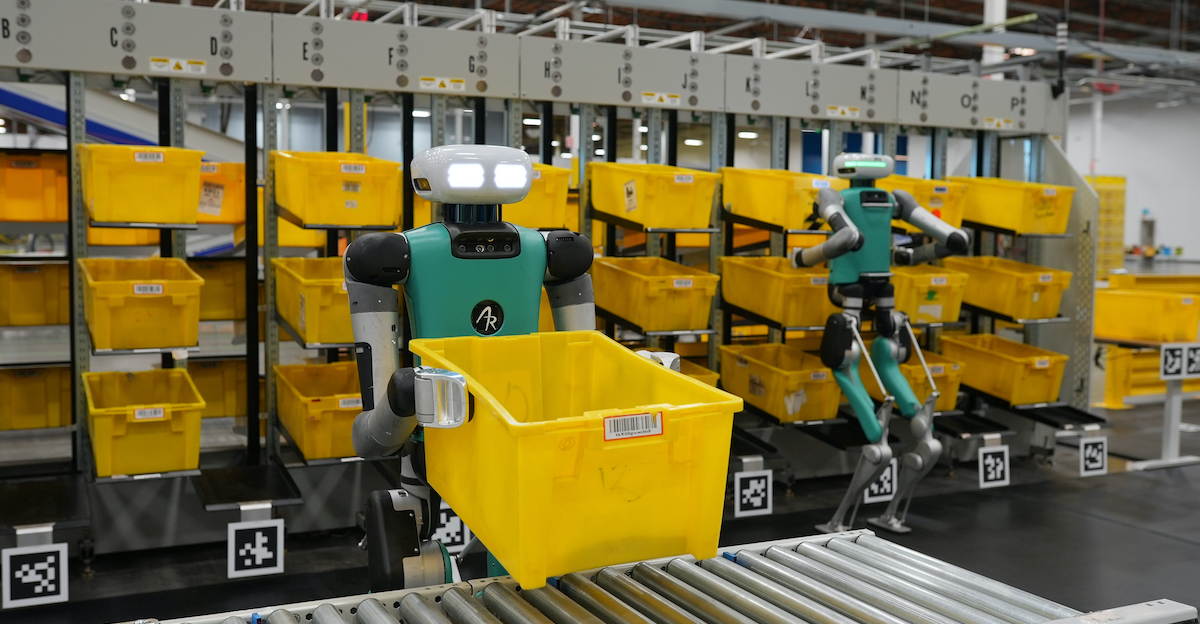
LIT1 represented Amazon’s investment in next-generation fulfillment technology when it opened in 2021, featuring advanced robotic systems that coordinated thousands of automated units to streamline package processing and reduce employee strain.
The facility processed hundreds of thousands of orders daily, utilizing Amazon’s sophisticated Sequoia inventory system and other proprietary robotic technologies that enabled faster, more efficient distribution.
A Stunning Announcement Rocks Arkansas
Amazon spokesman Sam Stephenson released an official statement confirming the indefinite closure: “After conducting a full review with outside experts, we’ve determined that the structural engineering firm that designed the LIT1 building made errors in the initial design of the facility and the building requires significant structural repairs to meet seismic codes and ensure the safety of our team members”.
He continued bluntly, “There’s no safe way to keep the building open during these repairs, and we’re left with no choice but to shut it down.”
The Scope of Human Impact
The closure eliminated approximately 4,100 positions—comprising 2,600 full-time employees and 1,700 seasonal workers—making it one of the largest single-facility employment disruptions in recent Little Rock history.
Worker Georgie Wagner, who received her offer letter on October 30, was never able to begin her shift; instead, she received a termination notice via email on November 19. Another employee expressed devastation: “I lost my… I lost a lot,” describing plans to purchase a home that now seemed impossible, given the shattered job stability just weeks away from the holidays.
Economic Domino Effect Across Arkansas
While Amazon hasn’t officially disclosed the construction investment figure, the facility represented hundreds of millions in capital expenditure that would be entirely lost. The immediate economic impact extended far beyond the 4,100 workers: suppliers, logistics contractors, and service providers dependent on the facility’s operations faced contract terminations.
The annual payroll elimination exceeded $260 million, based on average Arkansas warehouse wages of approximately $64,000 to $74,000 per employee, which has devastating effects on local tax revenue and community purchasing power.
Employee Benefits: A Silver Lining?

Amazon provided 90 days of full pay through February 18, 2026, ensuring workers received uninterrupted salary during the initial transition period. The company extended six months of existing medical benefits to maintain healthcare coverage while employees searched for alternatives.
The Career Choice educational assistance program continued through 2026 for enrolled workers, allowing them to complete ongoing professional development.
Transfer Opportunities and Relocation Challenges
Affected employees received priority consideration for transfer to other Amazon facilities nationwide, providing potential employment paths for thousands. Amazon offered relocation assistance packages to workers willing to move more than 50 miles from Little Rock.
Those relocating received support with moving, temporary housing assistance, and career placement services. However, employees relocating within a 50-mile radius received limited relocation assistance, creating a barrier for local workers who were unable to travel far from their families and established roots.
Seasonal Workers Face Immediate Crisis
Seasonal employees—those hired on temporary contracts—faced particular hardship, as many hadn’t yet begun working when the November 19 termination email arrived. These 1,700 workers received neither the extended benefits nor the same transfer opportunities available to full-time staff.
Many seasonal hires had accepted Amazon employment specifically to earn holiday season income, planning to support family celebrations—plans that evaporated within days.
The Seismic Code Compliance Crisis
Little Rock sits within the New Madrid Seismic Zone, a geologically active region where the 1811-1812 earthquakes were among the most powerful ever recorded east of the Rocky Mountains. Arkansas building codes mandate stringent seismic design standards to protect occupants and structures from potential earthquake damage.
The LIT1 facility’s original design failed to meet these critical safety requirements, leaving the structure vulnerable during seismic events.
Stantec’s Design Failure Under Scrutiny
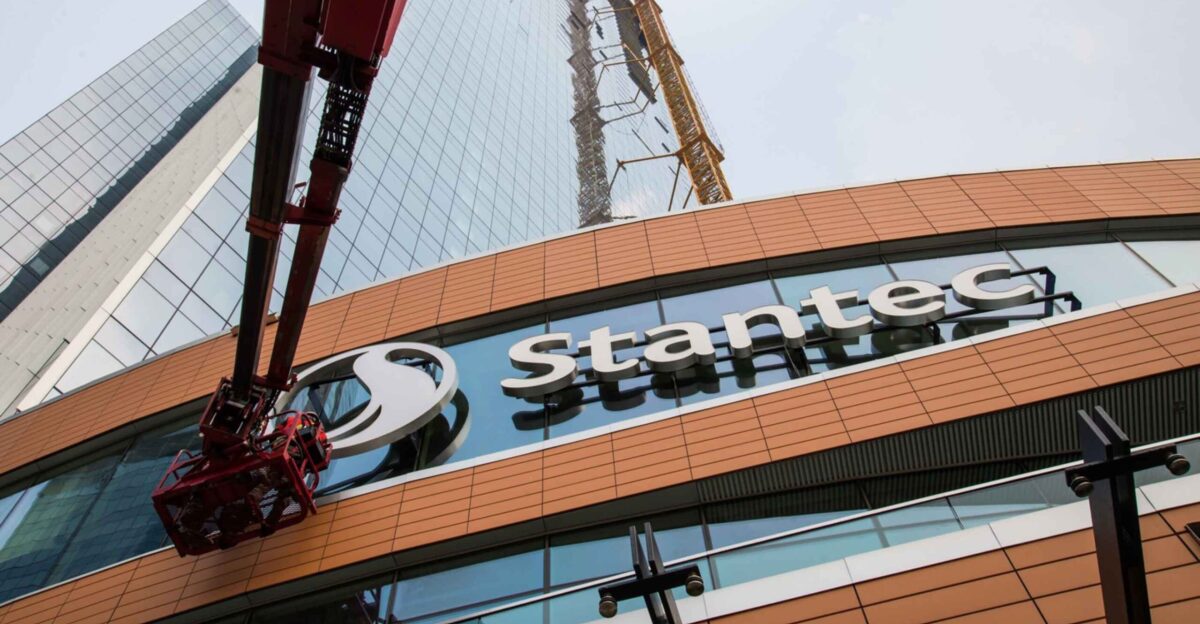
The structural engineering firm Stantec, based in Canada, had submitted designs that contained critical errors in seismic calculations and load analysis. Industry professionals acknowledged that such oversights should have been caught during standard design review processes and code compliance verification.
Reddit discussions in structural engineering communities revealed broader concerns: many West Coast-based engineers may lack familiarity with New Madrid Seismic Zone requirements, though this doesn’t excuse the oversight on such a massive project.
What Repair Timeline Really Means

Amazon stated the facility “hopes to reopen in the future,” but emphasized that repairs would require several years—a deliberately vague timeframe that suggests the company has no concrete reopening date. The 3.6-million-square-foot facility’s massive scale complicates seismic retrofitting work; structural engineers must carefully assess foundational stability, lateral load resistance, and building system integration.
Complete structural remediation of such magnitude typically requires extensive engineering analysis, permitting approval, construction oversight, and code verification—potentially taking 18–36 months or more.
The LIT3 Replacement Promise
Amazon announced plans for a new $151 million LIT3 facility at the Port of Little Rock, scheduled to open in 2027, which will partially offset the lost LIT1 capacity. The LIT3 facility would create approximately 1,000–2,000 new positions upon full operationalization, offering potential reemployment opportunities to some displaced workers.
This separate investment represented Amazon’s commitment to the Little Rock market despite the LIT1 disaster, signaling that the company viewed the closure as an engineering failure—not a strategic retreat from Arkansas operations.
Broader Industry Implications

The LIT1 closure highlighted critical gaps in structural engineering oversight for large industrial projects in seismic zones, particularly when projects involve firms unfamiliar with regional geological hazards. The incident highlighted the importance of rigorous design review processes and independent code compliance verification prior to construction commencement.
Other companies operating facilities in seismic zones may reassess their structures following this incident, increasing demand for structural audits and seismic retrofitting services.
Community and Regional Consequences

The Little Rock region faced substantial economic disruption extending beyond direct job losses, affecting construction workers, logistics contractors, and hospitality providers who served the facility’s workforce. Local tax revenue from payroll taxes and business licensing declined significantly.
Supply chain disruptions affected other Amazon facilities that relied on LIT1’s processing capacity, forcing inventory rerouting through alternative warehouses and potentially causing customer order delays.
Worker Stories: Lives Disrupted

Georgie Wagner, who expected to start on October 30, describes the emotional toll: “The timing of it all… it hurts. I expected to be there for 20 years… but instead it closed its doors indefinitely”. Another employee, unable to pursue a planned home purchase, expressed the crushing reality of lost stability: “Being unable to have a home… it’s a dream that seems out of reach”.
These personal stories reflect the broader devastation affecting thousands of families who lost income, benefits, and job security during the holiday season.
Professional Accountability and Liability
Amazon now faces potential litigation against Stantec for design failures resulting in a $300+ million facility loss and massive operational disruption. Structural engineering firms face heightened accountability for design errors on projects of this magnitude, with implications for insurance coverage and professional reputation.
The incident may influence how engineering firms approach complex facilities in geologically active regions, potentially increasing project costs through additional oversight and verification procedures.
Holiday Season Timing Amplifies Crisis

The November 19 closure announcement struck workers during the worst possible time—just weeks before Christmas when families depend on year-end holiday bonuses and stable employment to manage seasonal expenses. Seasonal employees expecting to earn critical December income found themselves without paychecks, unable to purchase gifts or cover winter utility bills.
Full-time employees facing indefinite unemployment feared losing homes, automobiles, and health insurance precisely when economic pressure peaks.
Looking Forward: Recovery and Lessons

The LIT1 closure serves as a cautionary tale about the critical importance of precise engineering compliance in major facility design, particularly in seismic zones where geological hazards necessitate uncompromising attention to safety standards. Amazon’s substantial employee support packages demonstrate how major corporations can mitigate the impacts of closures through comprehensive benefits, although the 90-day window provides only temporary relief.
The 2027 LIT3 opening offers affected workers the potential for reemployment and the region’s economic recovery, although years of separation and uncertainty lie ahead.
What Comes Next for Amazon and Arkansas

Amazon maintains operations at four other Arkansas distribution centers despite the LIT1 closure, preventing complete disruption to regional logistics. The company adjusted distribution networks to redirect inventory through remaining operational facilities, absorbing increased processing loads.
The 2027 opening of the 930,000-square-foot LIT3 facility signals Amazon’s continued commitment to Arkansas logistics infrastructure.
Sources:
Yahoo News – Amazon closes Arkansas warehouse over structural engineering compliance failures (November 24, 2025)
Talk Business – Amazon announces permanent closure of Little Rock LIT1 distribution facility for major structural repairs (November 19, 2025)
KATV News – Amazon LIT1 facility closure after structural issues deem building unsafe for work (November 19, 2025)
Arkansas Democrat-Gazette – Amazon facility structural engineers identify design errors in seismic zone compliance (November 2025)
Reddit Structural Engineering Community – Analysis of New Madrid Seismic Zone design requirements and engineering oversight gaps (November 25, 2025)
Amazon Official Statement – Sam Stephenson spokesperson confirmation of LIT1 indefinite closure and employee support packages (November 19, 2025)