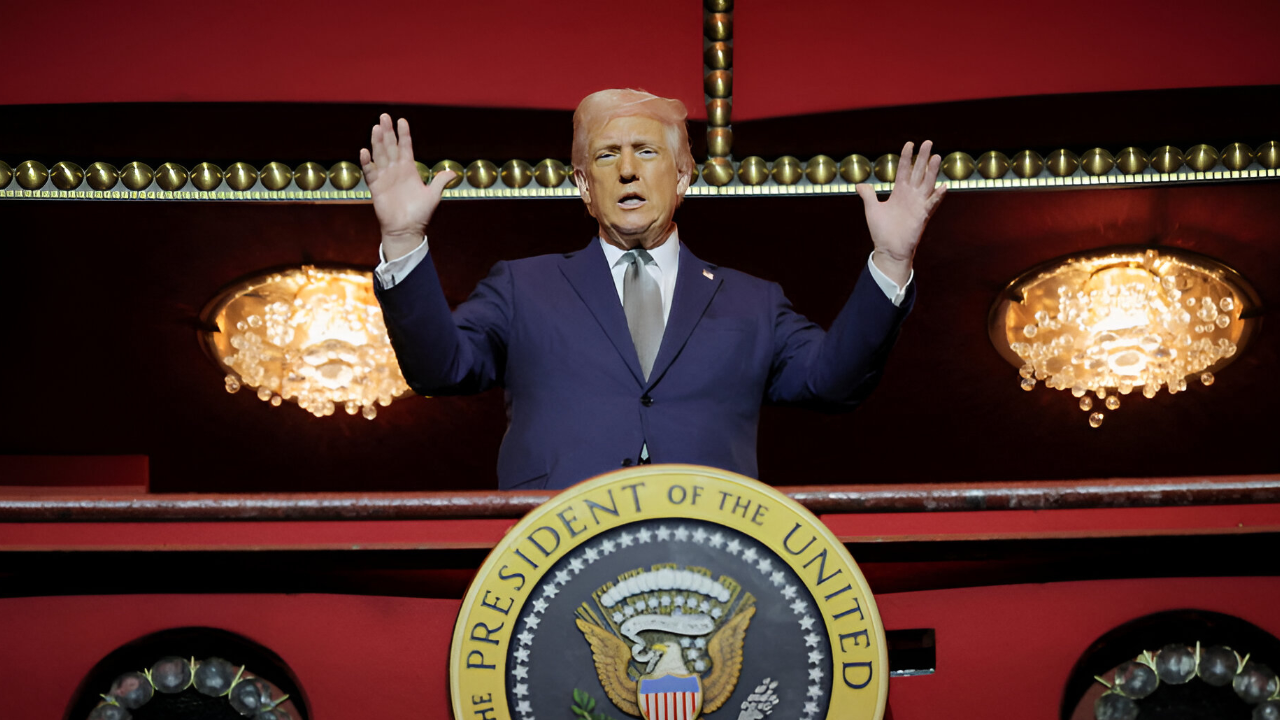
On January 9, 2026, the Washington National Opera announced its departure from the Kennedy Center, severing a 55-year partnership that began when the venue’s doors first opened in 1971.
The decision came after ticket sales collapsed 40 percent and the opera’s leadership declared Trump administration policies “incompatible with opera operations”. The marble halls that once echoed with world-class performances now stand at the center of America’s fiercest cultural battle.
The Catalyst Behind the Crisis
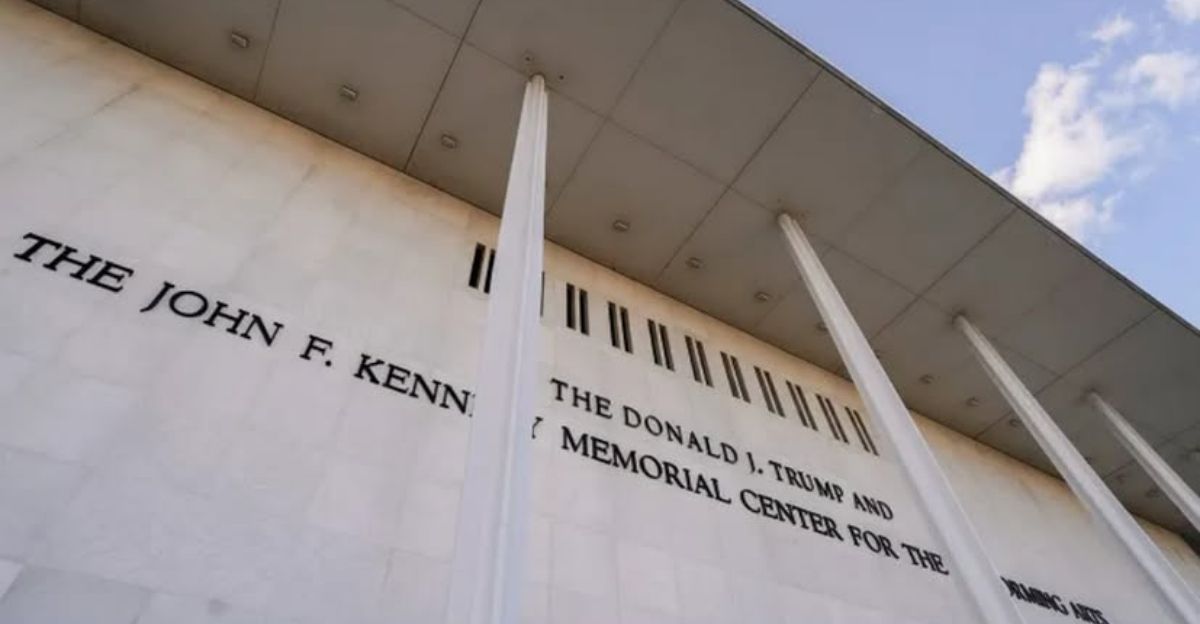
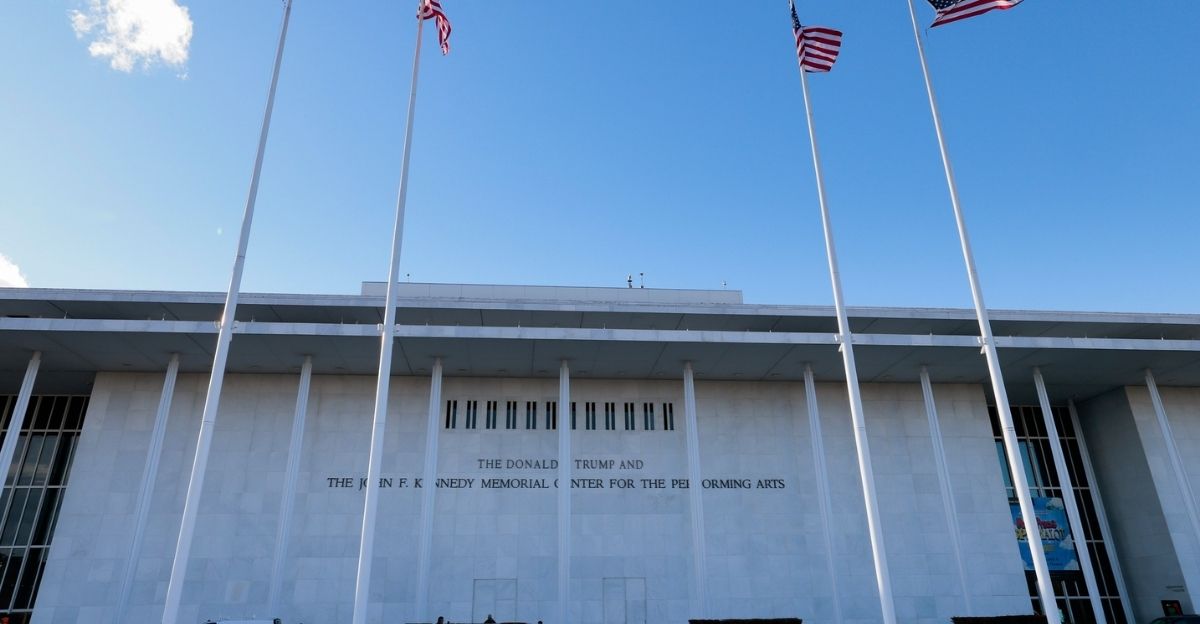
The rupture followed President Trump’s December 2025 decision to rename the venue “The Donald J. Trump and The John F. Kennedy Memorial Center for the Performing Arts.”
Trump had ousted the center’s original board in February 2025, installing himself as chairman alongside 34 political allies. The reconstituted board voted December 18 to add Trump’s name to the building’s exterior, triggering an unprecedented institutional exodus.
Federal Law Stands in the Way
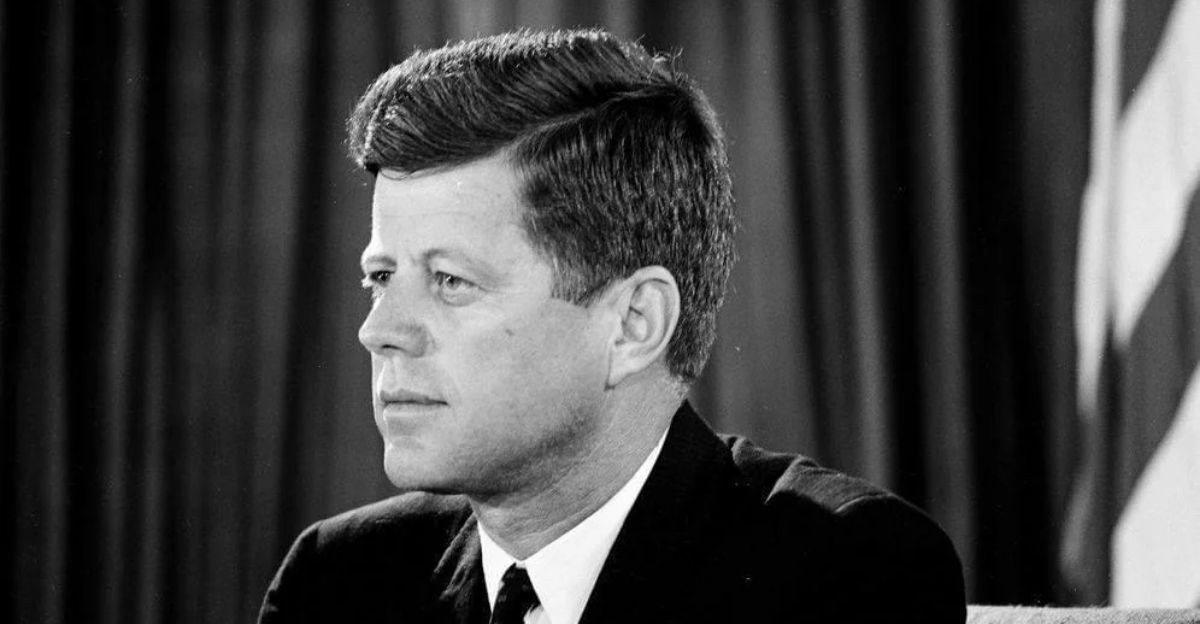
Congress established the Kennedy Center through the National Cultural Center Act of 1964, explicitly designating it “the sole national memorial to the late John Fitzgerald Kennedy within the city of Washington and its environs”.
Federal statute prohibits the board from placing another person’s name on the exterior without Congressional approval. Georgetown Law professor David Super told CNN: “There is absolutely no way they can do this legally”.
But the legal violations were just the beginning of the center’s troubles.
Financial Devastation Accelerates
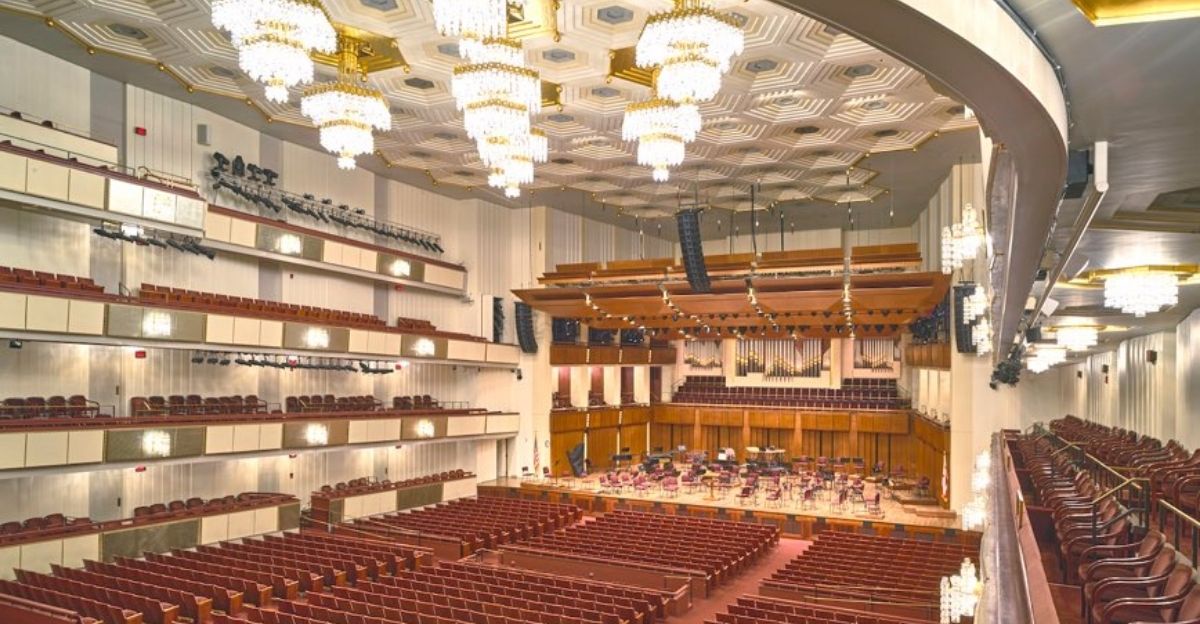
Between September and October 2025, over 43 percent of Kennedy Center seats went unsold, compared to just 7 percent during the same period in 2024.
The Kennedy Center Honors broadcast on December 23, 2025, drew only 2.65 to 3.01 million viewers—a catastrophic 25-35 percent decline from 2024’s already-record-low 4.1 million viewers. Trump personally hosted the ceremony after predicting viewership would “soar” under his leadership.
The New Business Model That Broke Opera
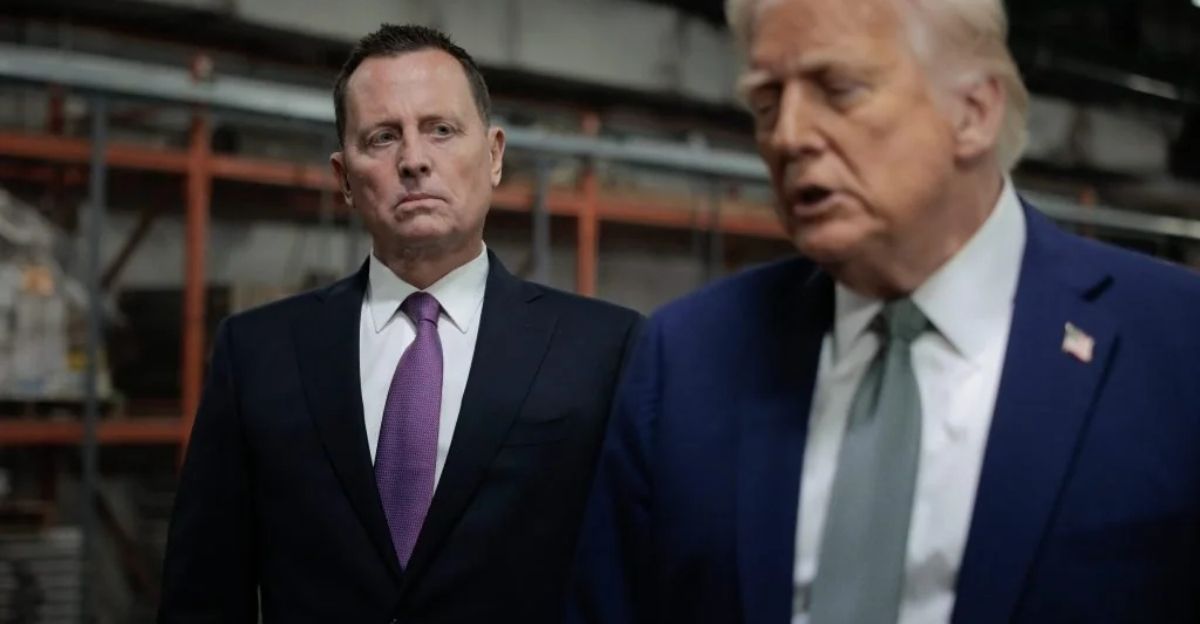
Richard Grenell, former ambassador to Germany appointed as Kennedy Center president, instituted a “break-even policy” requiring every event to generate profit. The Washington National Opera faced a new mandate: fully fund productions years in advance.
Opera companies typically cover only 30-60 percent of costs through ticket sales, relying on grants and donations that cannot be secured years before performances.
Artists Launch Mass Exodus
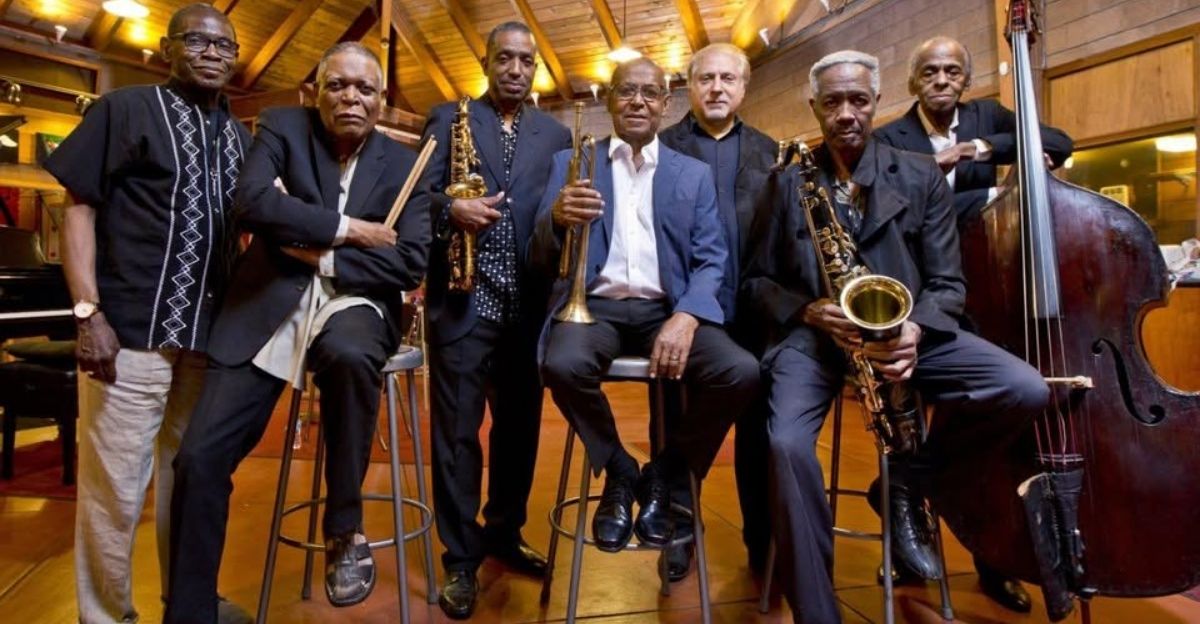
The Cookers jazz supergroup canceled their New Year’s Eve performance immediately after the renaming announcement. Doug Varone and Dancers withdrew their April 2026 engagement, stating they “can no longer permit ourselves nor ask our audiences to step inside this once great institution”.
Chuck Redd ended his annual Christmas Eve performance after performing continuously since 2006, prompting Grenell to threaten $1 million in damages.
Musical Voices Rise in Protest

Folk singer Kristy Lee canceled her January performance with a powerful statement: “When American history begins to be treated as something that can be banned, erased, renamed, or rebranded for someone else’s vanity, I cannot stand on that stage and feel right at night”.
Earlier in 2025, actress Issa Rae, “Hamilton” producers, musicians Ben Folds and Renée Fleming had already canceled engagements or stepped down from advisory roles.
Administration Dismisses Artistic Concerns
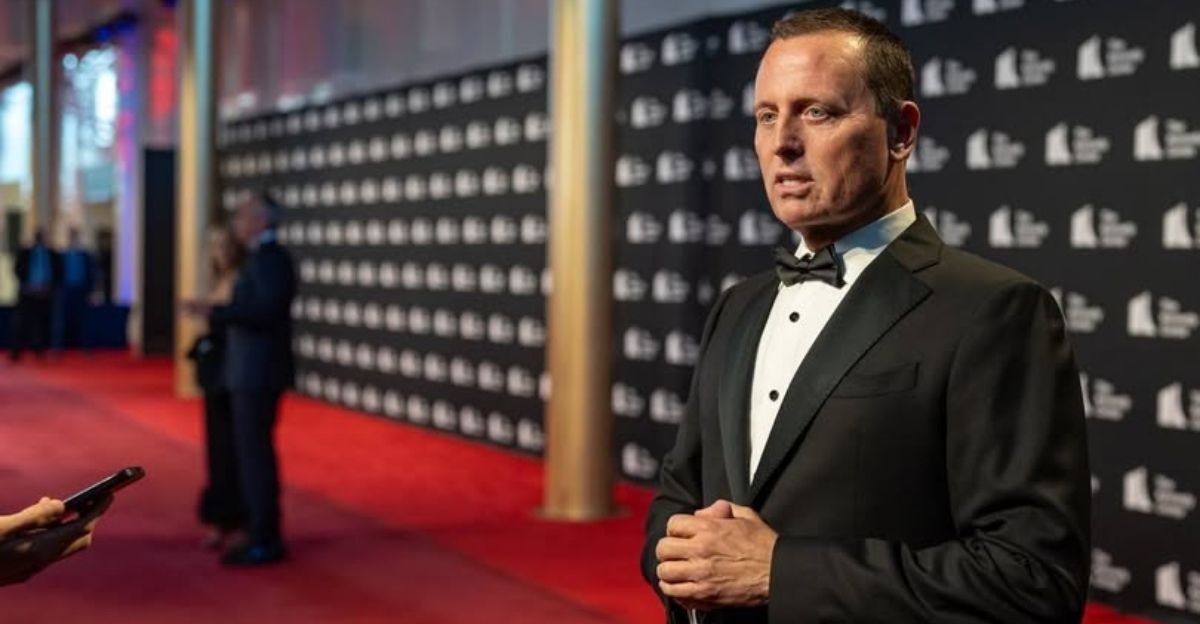
Grenell dismissed all cancellations as politically motivated, claiming artists “were booked by the previous far left leadership” and that the center had been “flooded with inquiries from real artists willing to perform for everyone”.
White House Press Secretary Karoline Leavitt announced the name change recognized “the unbelievable work President Trump has done over the last year in saving the building”. Trump’s name was affixed to the exterior on December 19, 2025.
What happened next would test the limits of presidential authority over national memorials.
Congresswoman Silenced During Critical Vote
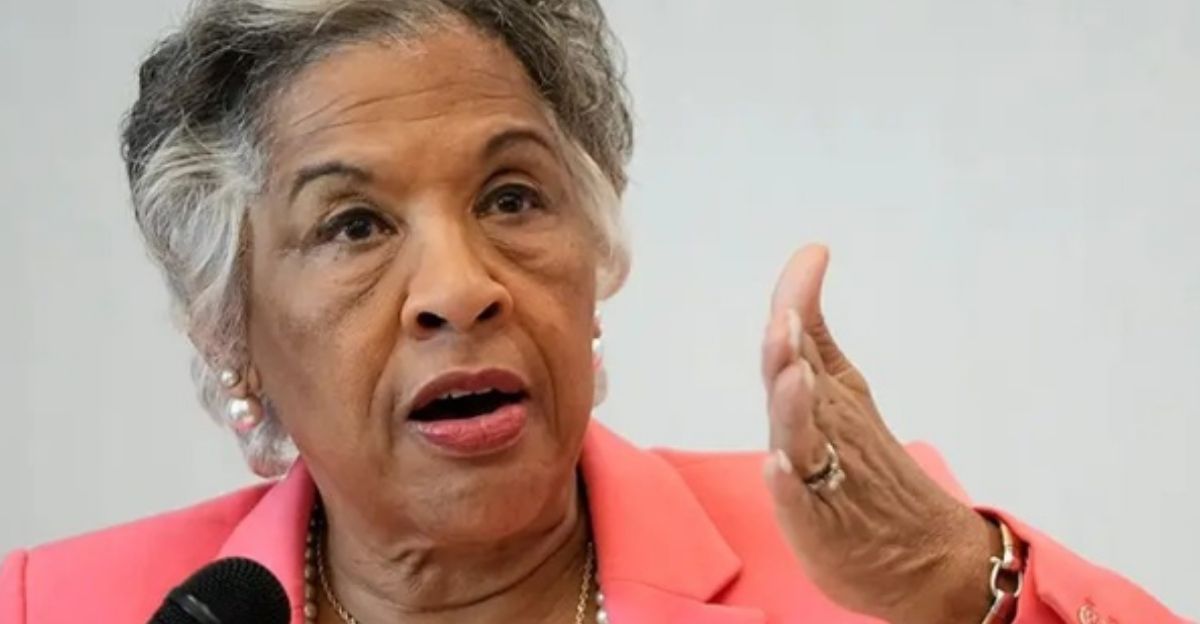
Representative Joyce Beatty filed a lawsuit December 22, 2025, alleging she was muted during the board meeting when attempting to voice opposition.
“I said, ‘I have something to say,’ and I was muted, and as I continued to try to unmute, to ask questions and voice my opposition to this, I received a note saying that I would not be unmuted,” Beatty told reporters. Her lawsuit seeks to remove Trump’s name from the building.
Kennedy Family Condemns the Decision
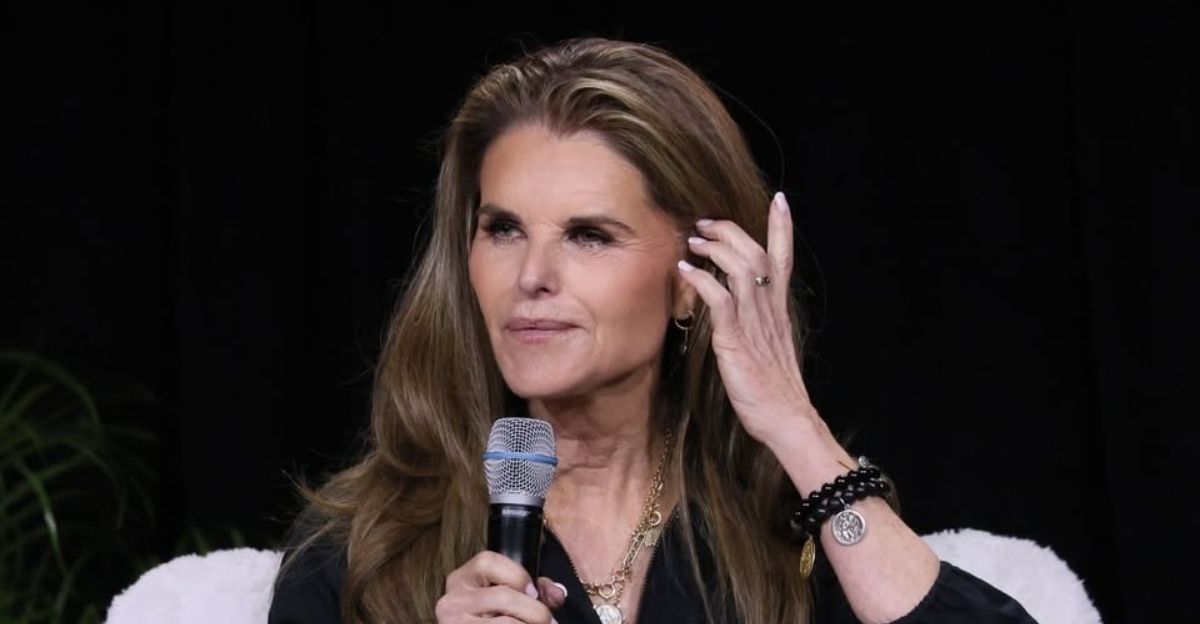
Maria Shriver, President Kennedy’s niece, declared: “It is beyond comprehension that this sitting president has sought to rename this great memorial dedicated to President Kennedy.
It is beyond wild that he would think adding his name in front of President Kennedy’s name is acceptable. It is not”. Her words captured the family’s unified opposition to what they viewed as desecration of their uncle’s memorial.
Legal Heritage at Stake
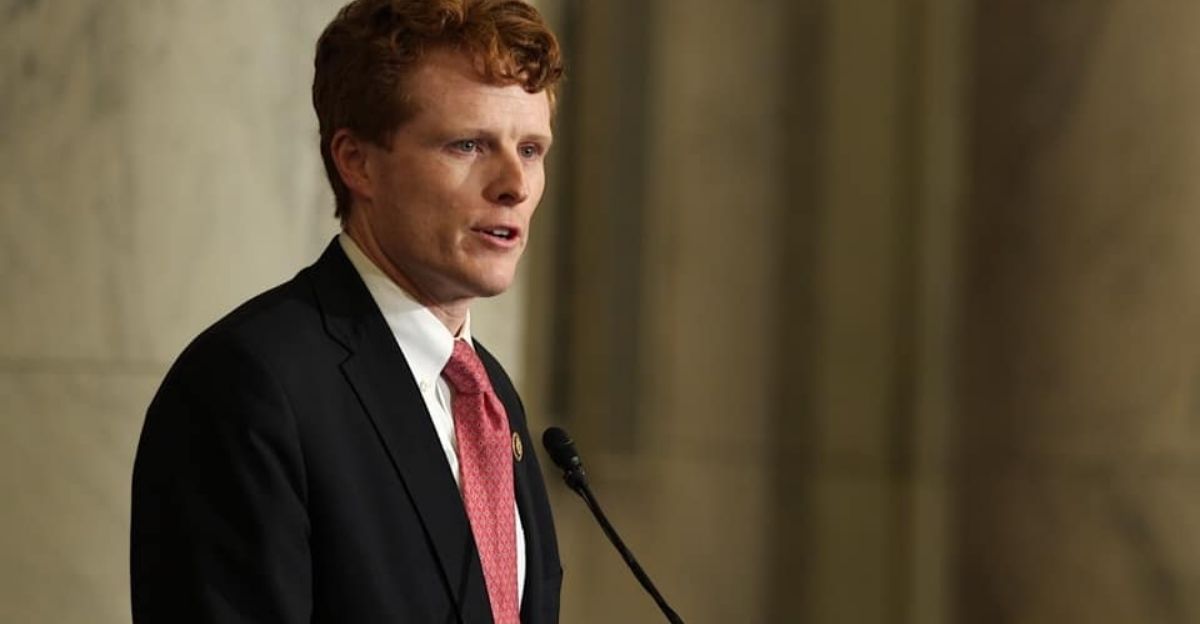
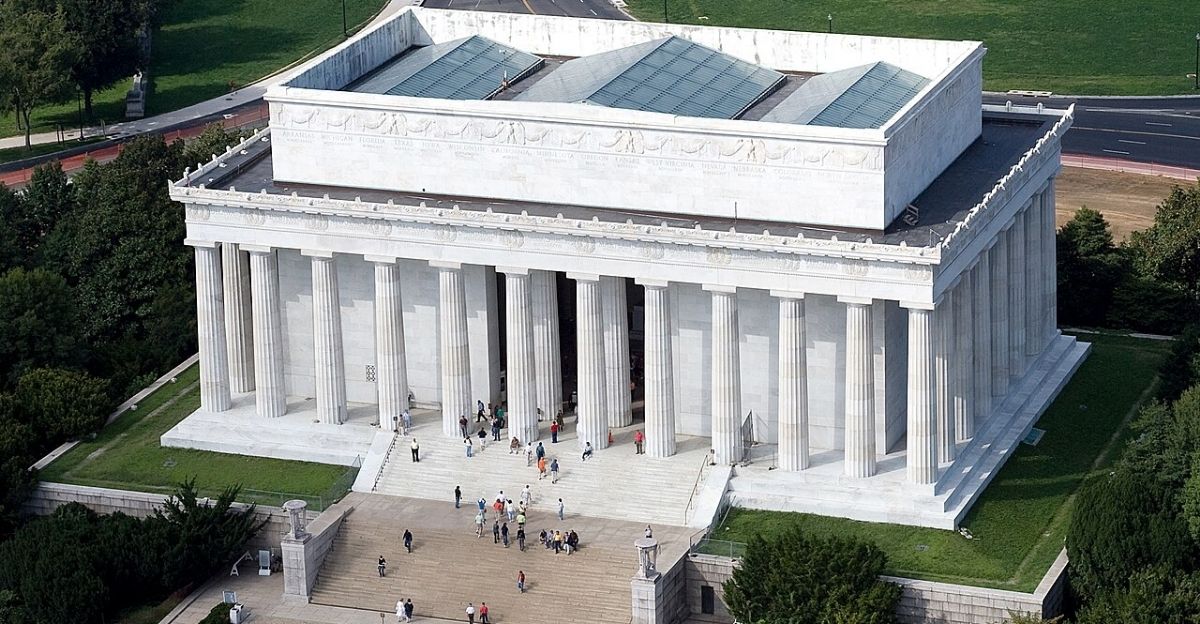
Joe Kennedy III emphasized the center’s protected status: “The Kennedy Center is a living memorial to a fallen president and named for President Kennedy by federal law. It can no sooner be renamed than can someone rename the Lincoln Memorial, no matter what anyone says”.
Jack Schlossberg, President Kennedy’s only grandson, also publicly questioned the decision’s legality while campaigning for Congress.
One Kennedy Breaks Ranks
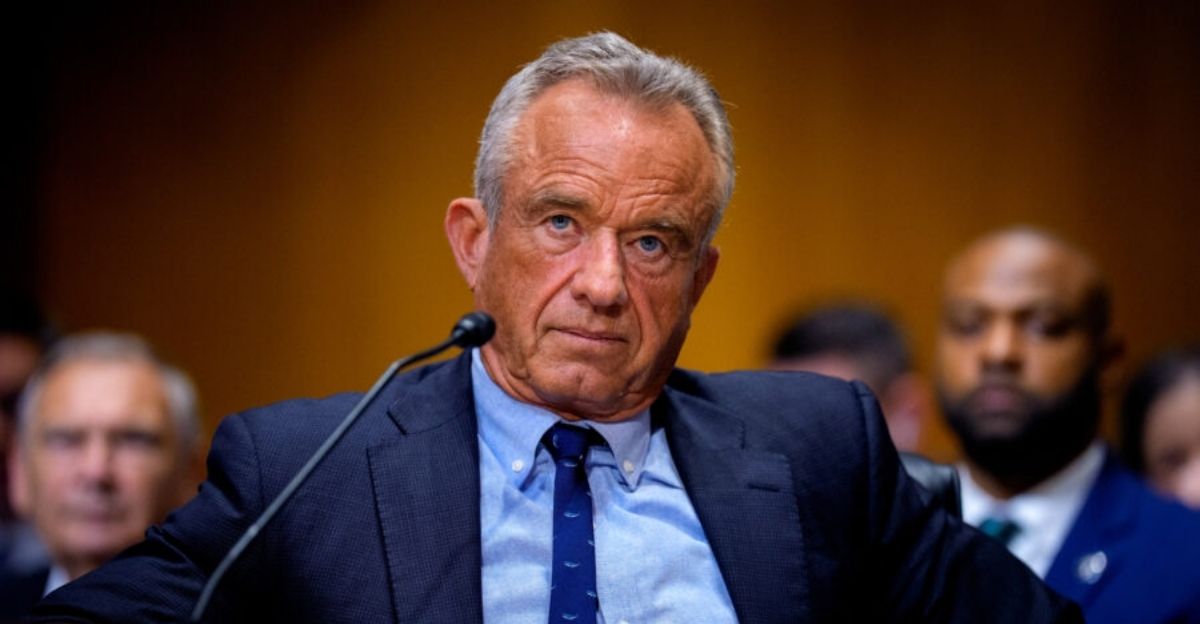
Robert F. Kennedy Jr., now serving as Health and Human Services Secretary, distanced himself from the controversy, stating he had “bigger fish to fry” and prioritized health issues over “the name on a building”.
His comments contrasted sharply with other Kennedy family members’ vocal opposition, highlighting his political alignment with the Trump administration despite family objections.
The Thirty-Million-Dollar Question
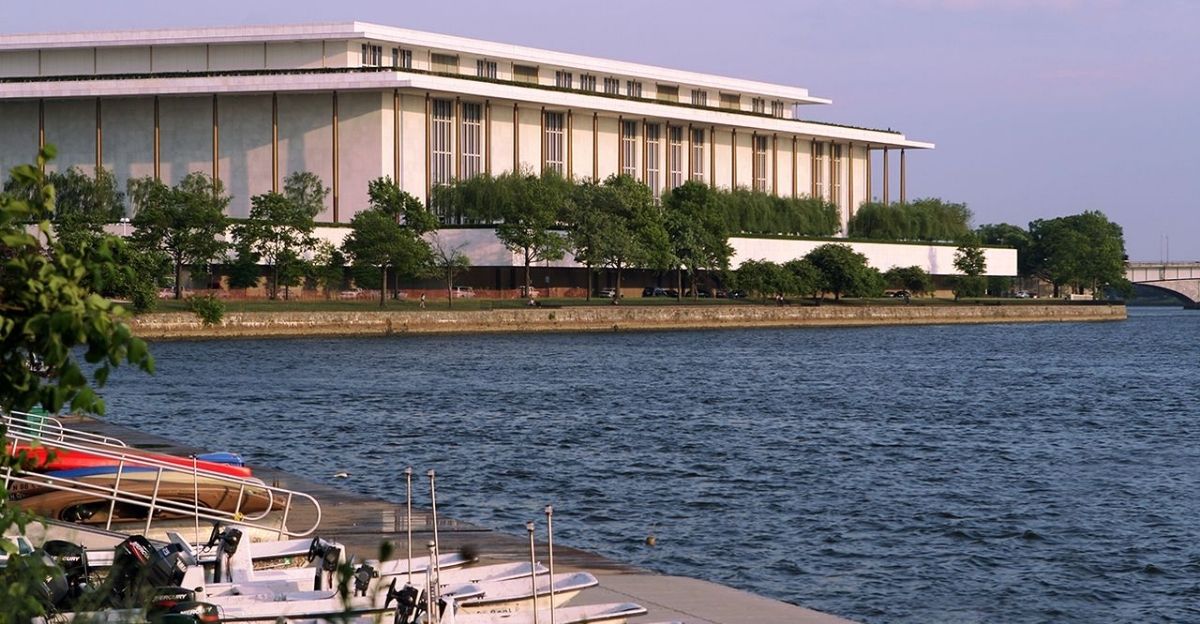
The Washington National Opera claims joint control over its $30 million endowment under the affiliation agreement signed when the partnership formed. Kennedy Center officials dispute this claim as both sides prepare for potential legal battles.
The endowment represents five decades of donor contributions specifically designated for opera programming, money that Director Francesca Zambello says dried up after Trump’s takeover.
Institutional Partnerships Crumble
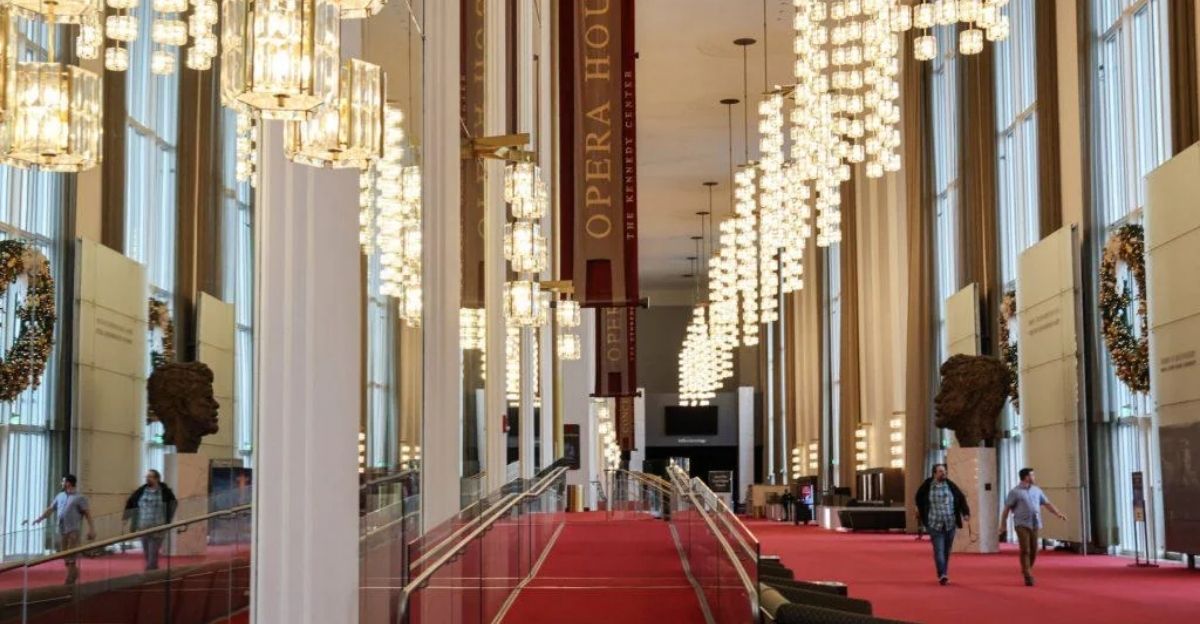
The American College Theater Festival voted to suspend its relationship with the Kennedy Center, declaring the affiliation “no longer viable”. The festival had maintained connections with the center for decades, providing opportunities for emerging theater artists nationwide.
Kennedy Center officials characterized the opera’s departure as “financially necessary,” with Grenell stating that “having an exclusive Opera was just not financially smart”.
Expert Analysis on Legal Standing
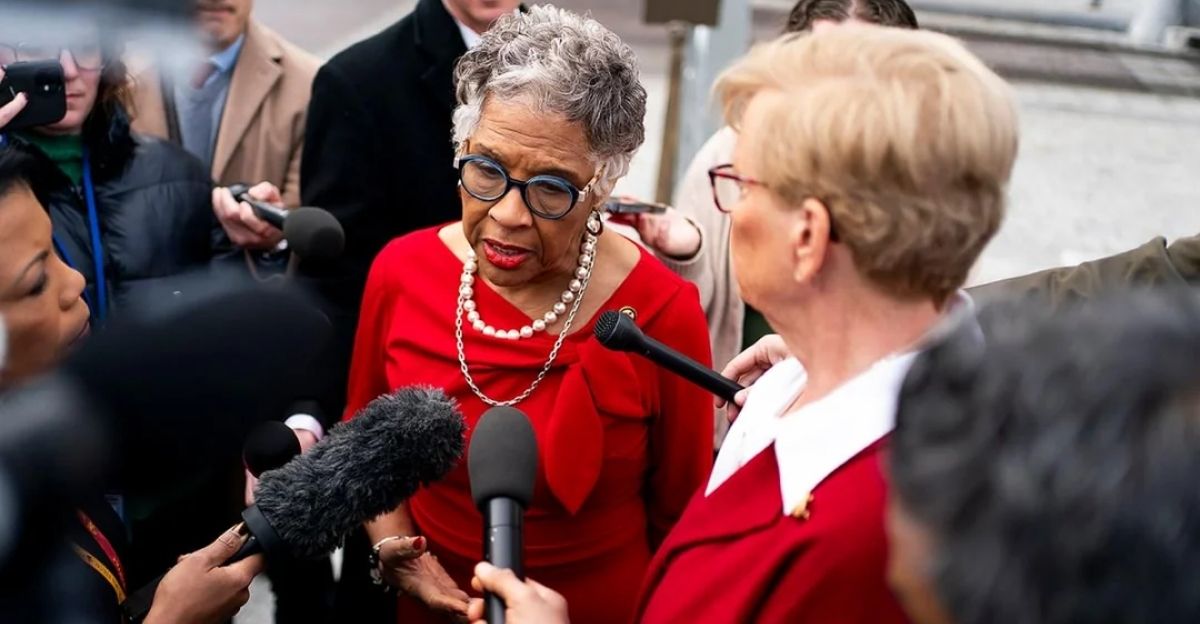
While legal experts unanimously agree the renaming violates federal law, questions remain about who possesses legal standing to challenge the board’s action in court.
Representative Beatty’s lawsuit represents the first formal legal challenge, but its success depends on proving sufficient injury. One expert observed: “This administration is concerning itself with laws only if it has a realistic prospect of getting sued”.
The implications extend far beyond one performing arts venue.
Broader Cultural Institutions at Risk
The Kennedy Center controversy raises fundamental questions about political control over cultural institutions established by Congress as permanent national memorials.
Trump secured approximately $257 million in congressional funding for renovations while implementing what he called a “Vision for a Golden Age in Arts and Culture,” asserting the venue would not embrace “woke” ideologies. The administration’s approach has sent shockwaves through museums, theaters, and cultural centers nationwide.
The Precedent That Could Reshape America
If Trump’s renaming stands unchallenged, it establishes precedent for political leaders to unilaterally reshape national institutions designated by Congress as permanent memorials.
The Lincoln Memorial, Washington Monument, and dozens of other federally protected sites could face similar political rebranding. Legal scholars warn this represents a fundamental shift in how America honors historical figures and preserves cultural heritage across partisan divides.
What Opera’s Future Holds
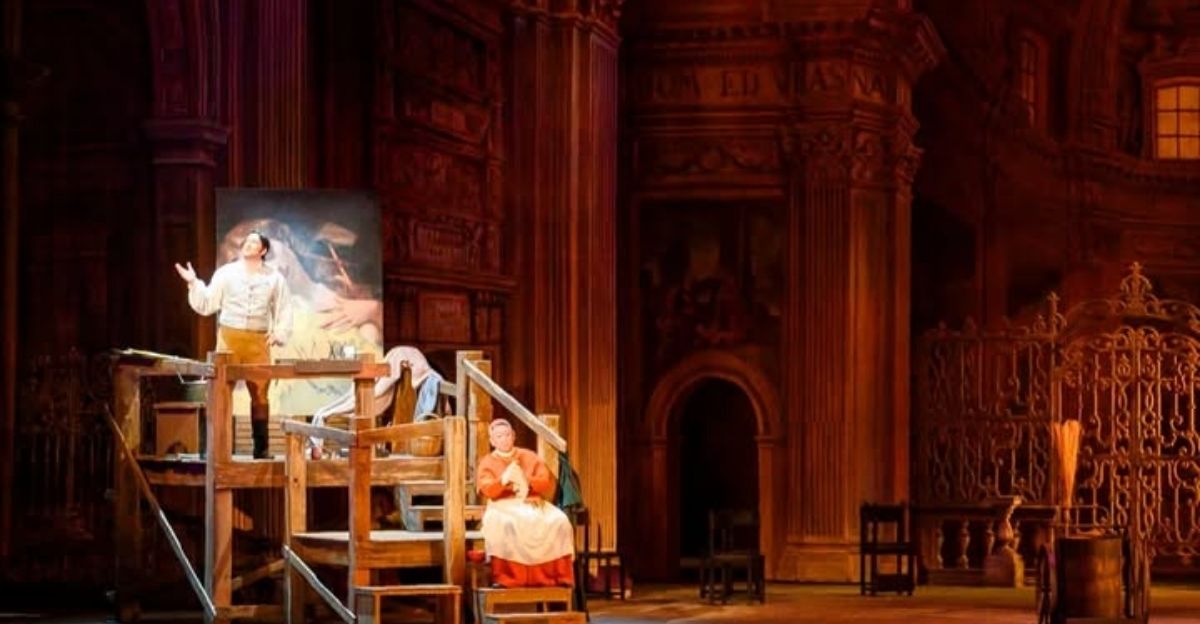
The Washington National Opera must now find a new permanent home in the nation’s capital, a daunting challenge given the specialized technical requirements of opera production.
Director Francesca Zambello faces rebuilding donor relationships and securing performance venues capable of accommodating large-scale productions. Industry observers note that few facilities in Washington possess the Kennedy Center’s acoustics, staging capabilities, and seating capacity necessary for world-class opera.
The Cultural War’s Next Battlefield
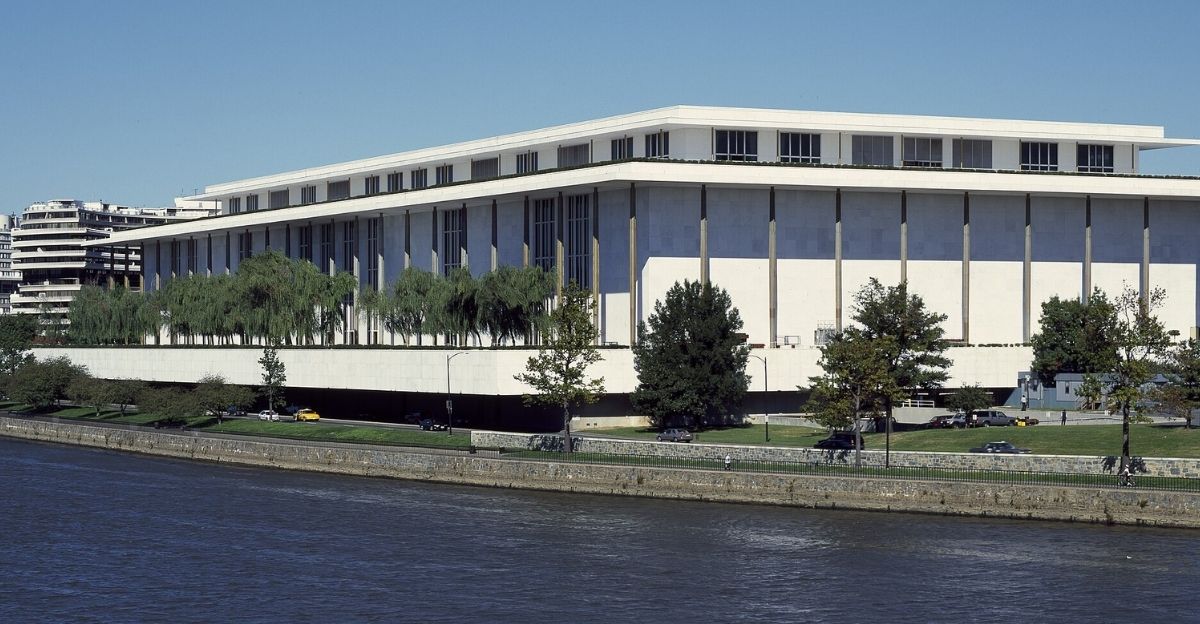
The Kennedy Center, once a symbol of nonpartisan artistic excellence embraced by presidents across party lines, now stands at the epicenter of America’s deepest cultural divides. Artists, legal scholars, and cultural institutions nationwide watch closely as Beatty’s lawsuit proceeds through federal courts.
The outcome will determine whether presidential authority can override Congressional statute in pursuit of political legacy, and whether America’s greatest cultural institutions can maintain independence from partisan control.
Looking Ahead: The Battle Continues
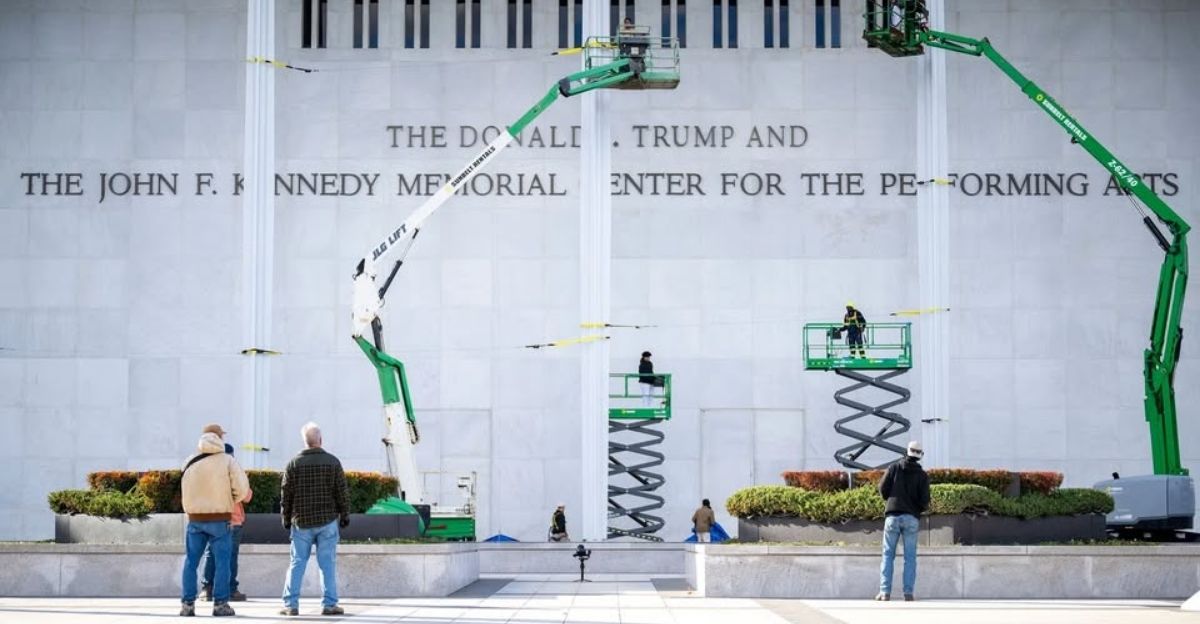
The lawsuit remains pending in federal court with no trial date set. Additional artists continue evaluating their relationships with the renamed venue as the spring 2026 performance season approaches.
Meanwhile, the opera searches for alternative performance spaces while negotiating the endowment dispute. What began as a board vote on December 18, 2025, has evolved into a constitutional crisis testing the boundaries between political power, artistic freedom, and the sanctity of Congressional memorials in American democracy.
Sources:
“Weekly U.S. Influenza Surveillance Report (FluView).” Centers for Disease Control and Prevention, late Nov 2025.
“Washington National Opera says it’s leaving the Kennedy Center.” CBS News, January 2026.
“Kennedy Center board votes to rename it ‘Trump-Kennedy Center’.” CNN, December 2025.
“Washington National Opera Is Leaving the Kennedy Center.” New York Times, January 2026.
“Democratic Rep. Joyce Beatty sues to remove Trump’s name from Kennedy Center.” ABC News, December 2025.
“Lawmaker sues to remove Trump’s name from Kennedy Center.” BBC News, December 2025.