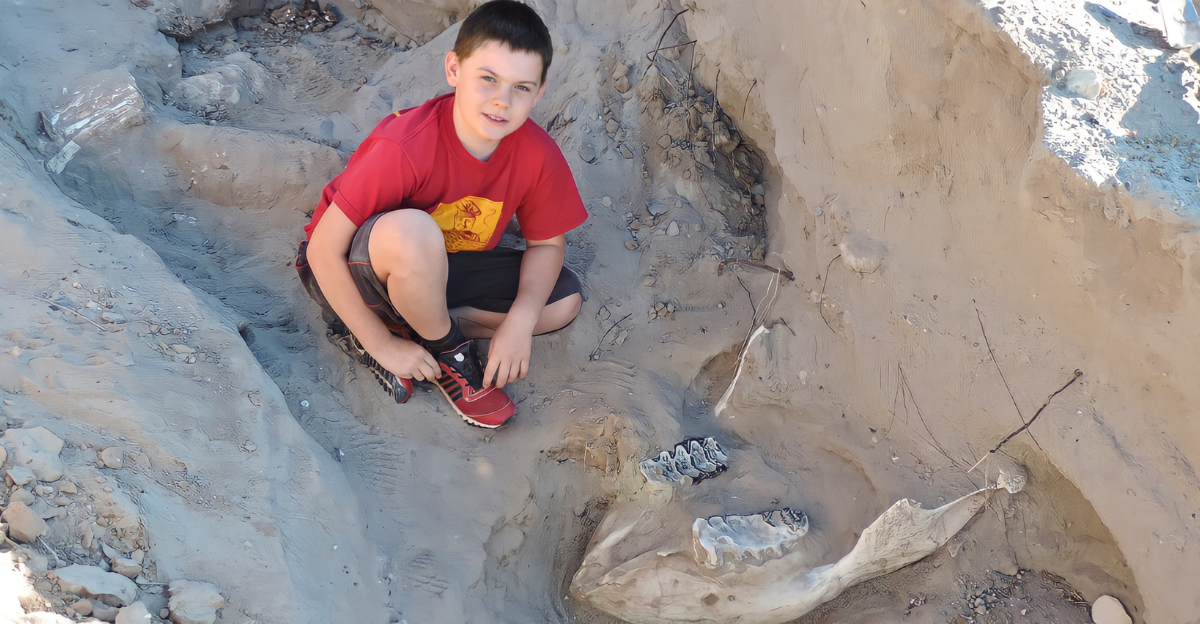
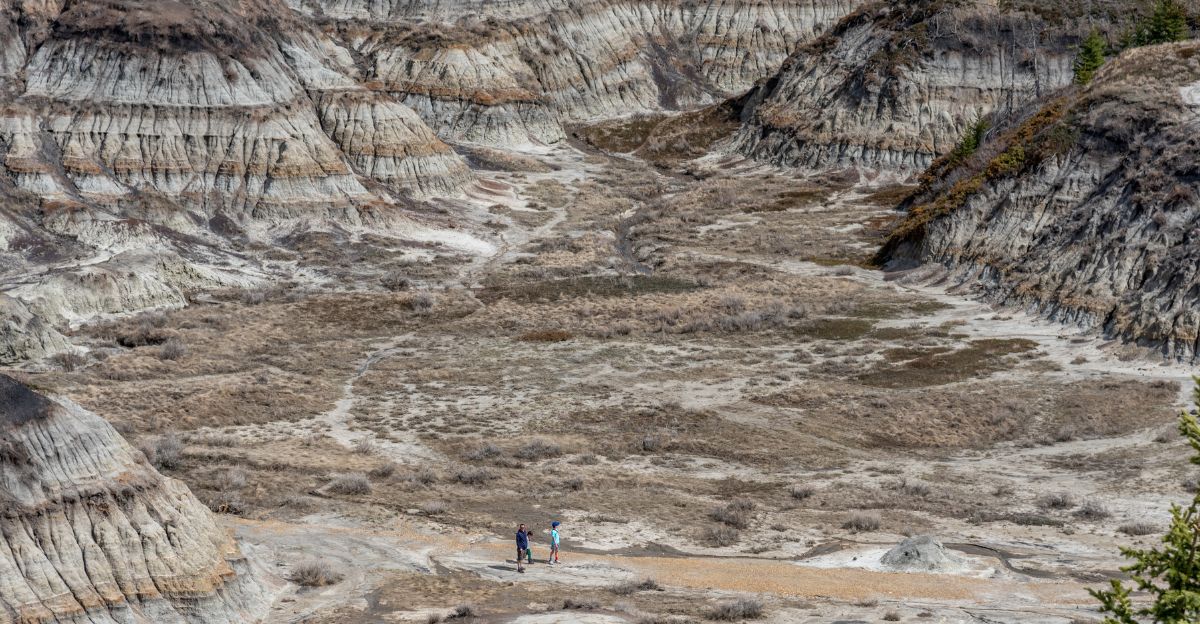
Nathan Hrushkin, a 12-year-old from Alberta, Canada, set out on an ordinary summer hike with his dad. Their walk through the rugged Horseshoe Canyon turned into a once-in-a-lifetime adventure. Nathan had always dreamed of being a paleontologist, and that day, his curiosity led to a discovery that captured the world’s attention.
Instead of just another hike, this trip gave them more than fresh air and family bonding it gave them a glimpse into the past. What made it especially powerful was that a professional in the field didn’t make it, but by an ordinary kid with a passion for dinosaurs and a sharp eye.
The Land of Dinosaurs
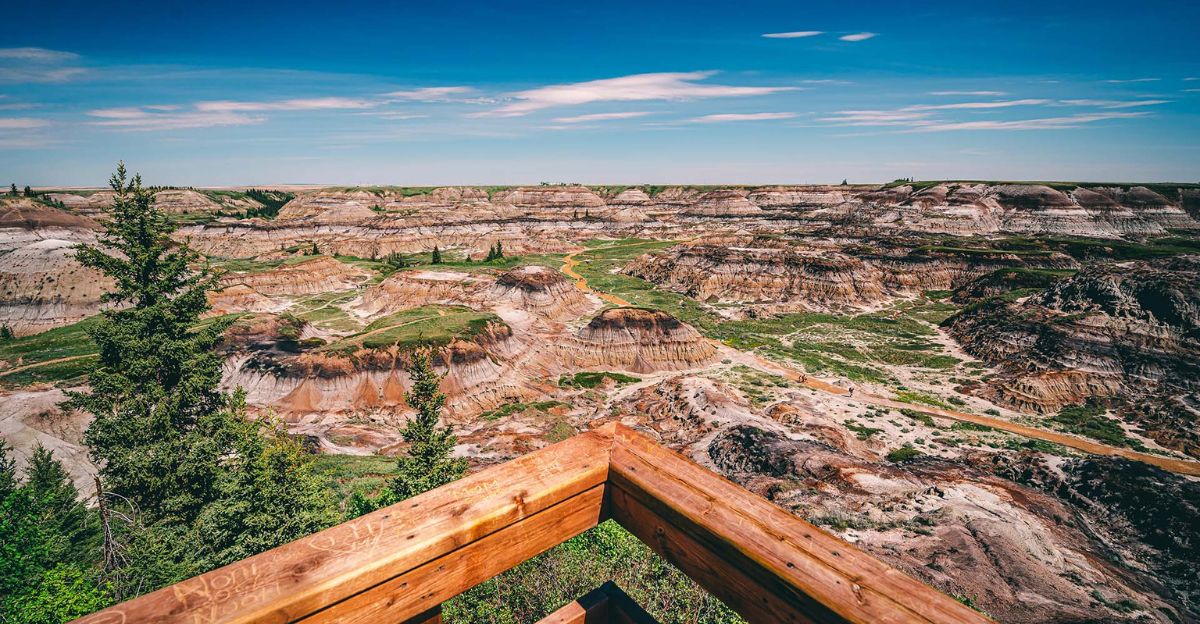
The province of Alberta is famous for its breathtaking badlands, a rugged area where dinosaur fossils have been found for more than a century. Horseshoe Canyon, where Nathan made the discovery, is part of land protected by the Nature Conservancy of Canada. Layers of rock in this landscape were created over millions of years, making it a treasure chest of prehistoric secrets. For Nathan and his dad, family hikes through the canyon became a beloved summer tradition.
They returned each year with curiosity, exploring the terrain in hopes of finding something meaningful. This time, their commitment paid off in the most unexpected way, showing that amazing discoveries aren’t only limited to scientists with fancy equipment. “My dad and I have been visiting this property for a couple of years, hoping to find a dinosaur fossil, and we’ve seen lots of little bone fragments,” said Nathan.
A Strange Shape in the Rocks
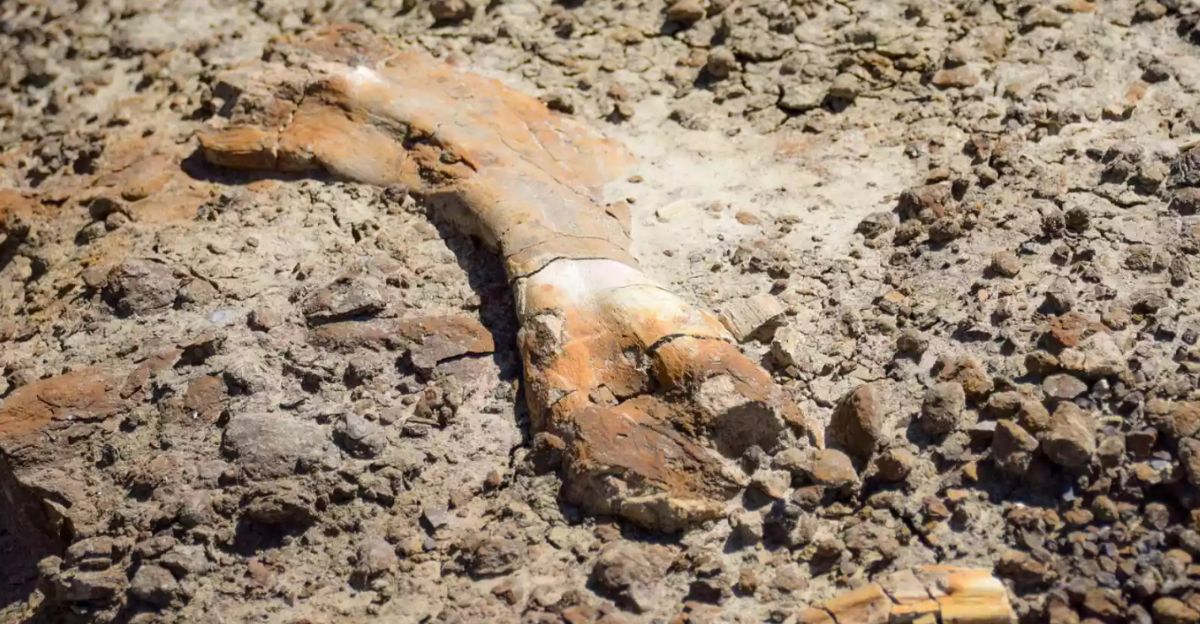
In July 2020, during one of these hikes, Nathan noticed something that looked very different from the rocks surrounding it. A piece of bone was sticking out of the canyon wall. This one looked strikingly real, unlike the small fossils or fragments he had found before. “It was very, very obviously a bone. It looked like a bone you’d see in a TV show,” Nathan explained. His curiosity instantly turned into excitement. He quickly called his dad over to take a closer look.
Together, they realized this wasn’t just another small fossil, it could be part of a dinosaur hidden for millions of years. That sense of discovery is something few people experience firsthand, and for Nathan, it felt like stepping directly into history.
Fossil Hunting Is a Family Thing
The Hrushkin family’s discovery wasn’t just a lucky accident. Year after year, Nathan and his father had visited Horseshoe Canyon to look for interesting rocks and fossils. With each visit, their eyes became sharper and their knowledge grew stronger. Nathan even admitted, “Every year we’ve come here, we’ve found something a little bit better than the last year”.
The more they searched, the better they became at spotting shapes or textures buried in the ground that others would overlook. Unlike past trips, when the objects tended to be small and fragmentary, the bone Nathan uncovered hinted at something far bigger.
Experts Confirm the Find
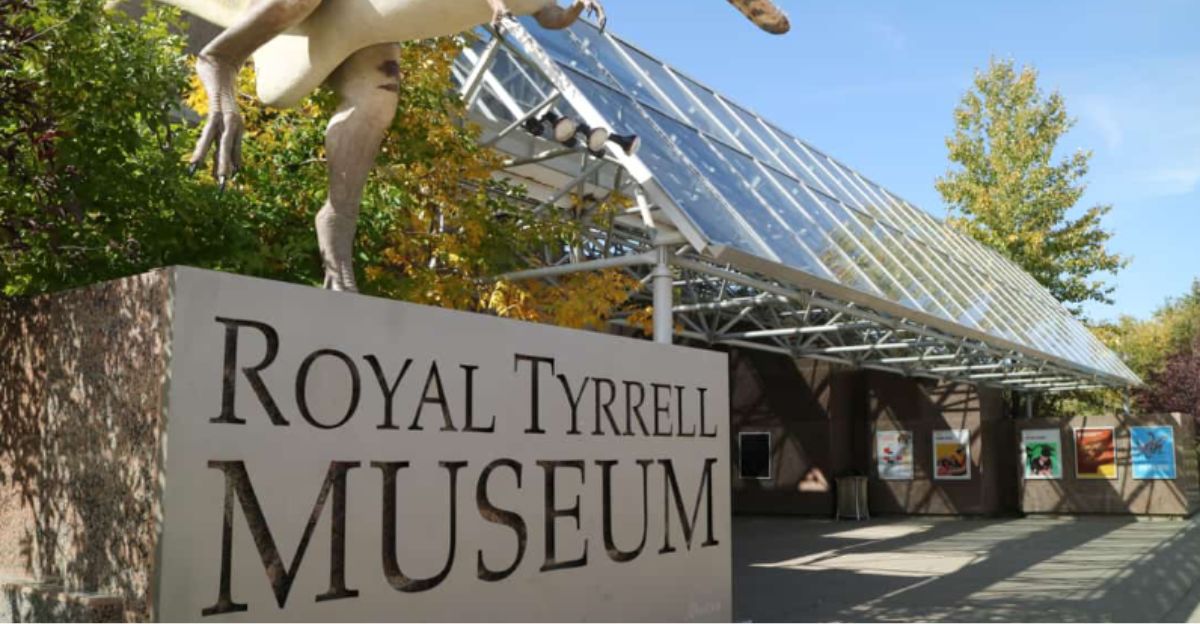
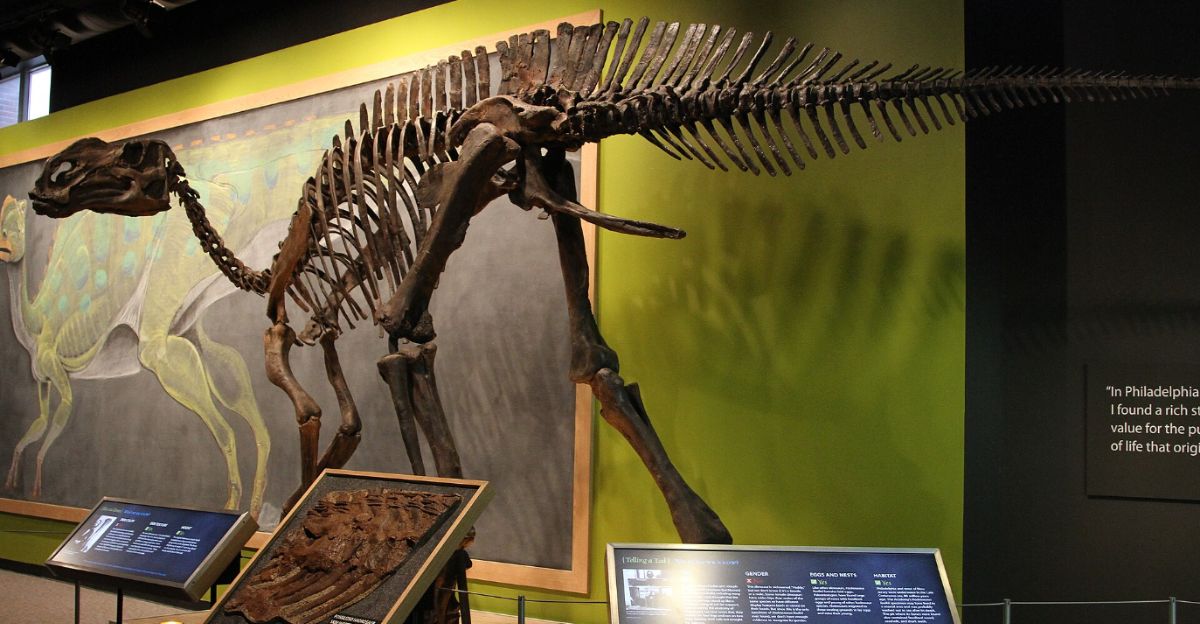
Soon after reporting the fossil, specialists at the Royal Tyrrell Museum confirmed Nathan’s discovery, one of the most respected paleontology centers in the world. The bone turned out to be part of a juvenile hadrosaur’s arm, an animal that lived around 69 million years ago. Hadrosaurs, also called “duck-billed dinosaurs,” were the most common animals in Alberta during the late Cretaceous period.
For scientists, this meant Nathan hadn’t just found a random fossil, he had found one that could help fill important gaps in the history of dinosaurs living in the region. “These animals were probably the most common in Alberta in the late Cretaceous period,” said François Therrien, a museum paleontologist.
Fossil Fans Celebrate Together
Teams from the Royal Tyrrell Museum arrived to help carefully excavate the site, and Nathan joined them to watch professionals at work. The bones were wrapped in special jackets made from burlap and plaster, a method that protects fossils during travel to museum labs for cleaning and study. Museum staff praised Nathan for his quick thinking and responsible actions. They described the Hrushkins’ process as “the perfect example of what to do when discovering fossils,” since they left the specimen as they found it and reported it immediately.
Not only did Nathan help science, but he also became a role model for other young fossil hunters. The energy and cooperation among everyone at the dig site showed how discoveries are even better when the whole community gets involved.
Breathless With Excitement
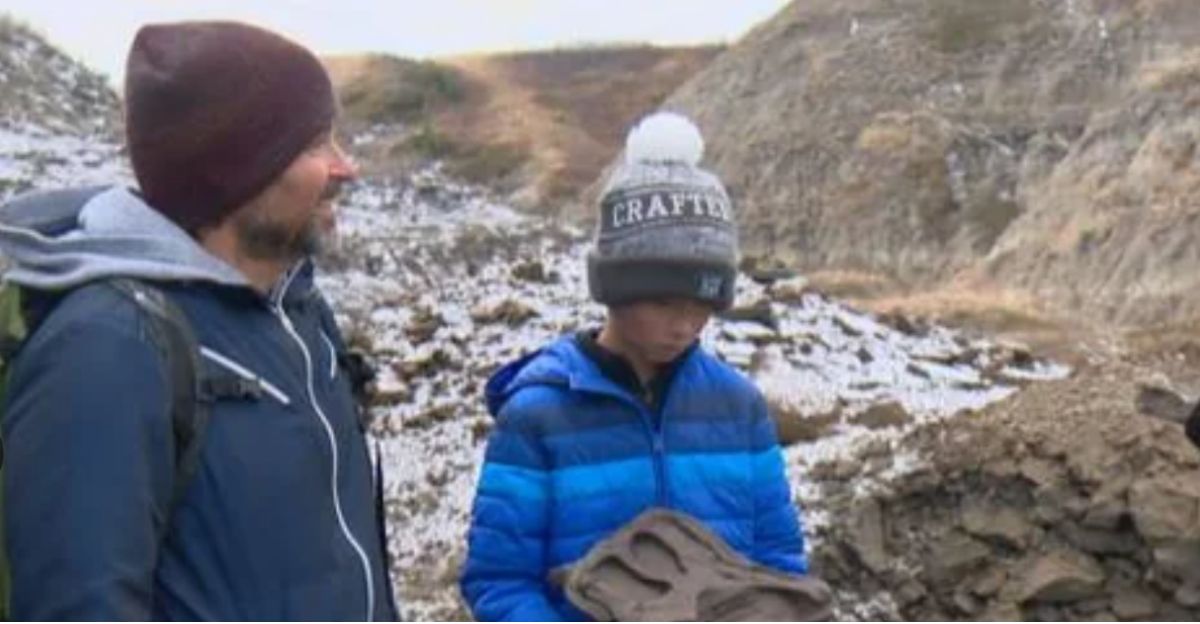
Nathan remembers the exact moment he found the bone, “I was basically just breathless. I was so excited that I didn’t feel that excited, I was just so in shock,” he shared with reporters. His father, Dion, echoed these emotions, explaining how every summer in Horseshoe Canyon taught them something new about fossils.
“Every year we’ve come here, we’ve found something a little bit better than the last year.” Not only did they act with care and caution, but Nathan and Dion made sure not to disturb the bone before calling in experts.
Conservation Leads to Discovery
Local organizations, especially the Nature Conservancy of Canada (NCC), celebrated the fossil and the role of protected lands in making discoveries possible. Because Nodwell property is kept natural and cared for by the NCC, rare fossils like Nathan’s juvenile hadrosaur remain safe and undisturbed.
In their official statement, the NCC said, “The discovery of this dinosaur on a conservation site demonstrates the need for land conservation, not just to ensure the conservation of wild spaces for future generations, but also as an opportunity to learn about our natural heritage”. Conservation lands are protected so that wildlife and ancient remains can survive for future explorers.
Filling a Scientific Gap
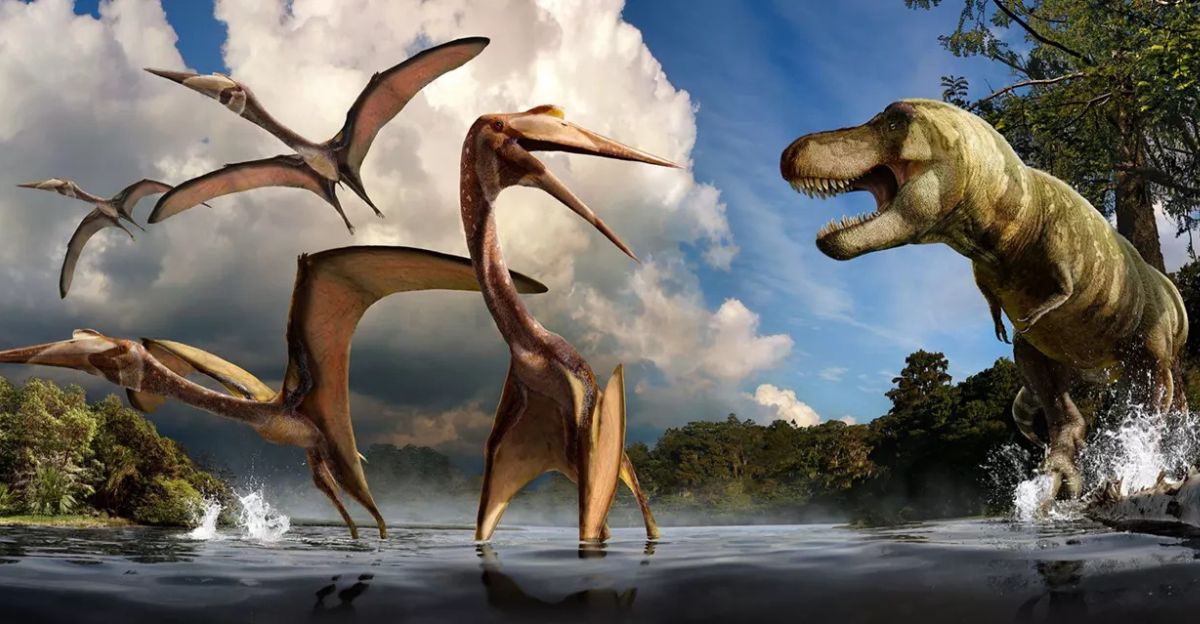
Nathan’s fossil didn’t just amaze experts with its age, it filled a significant gap in Alberta’s dinosaur record. The bones came from a part of the canyon where few fossils had ever been found. Royal Tyrrell Museum paleontologist François Therrien explained, “It represents a gap about 69 million years ago, when we don’t know what type of dinosaurs lived around here.” Because few bones from that period exist, Nathan’s findings provide new evidence for which species thrived in Alberta in the late Cretaceous.
Scientists can better understand prehistoric life in that region by analyzing the bones and surrounding rocks. This is especially important for building a bigger picture of how dinosaurs once ruled Earth, and what kind of ecosystems existed millions of years ago.
More Bones Beneath the Surface
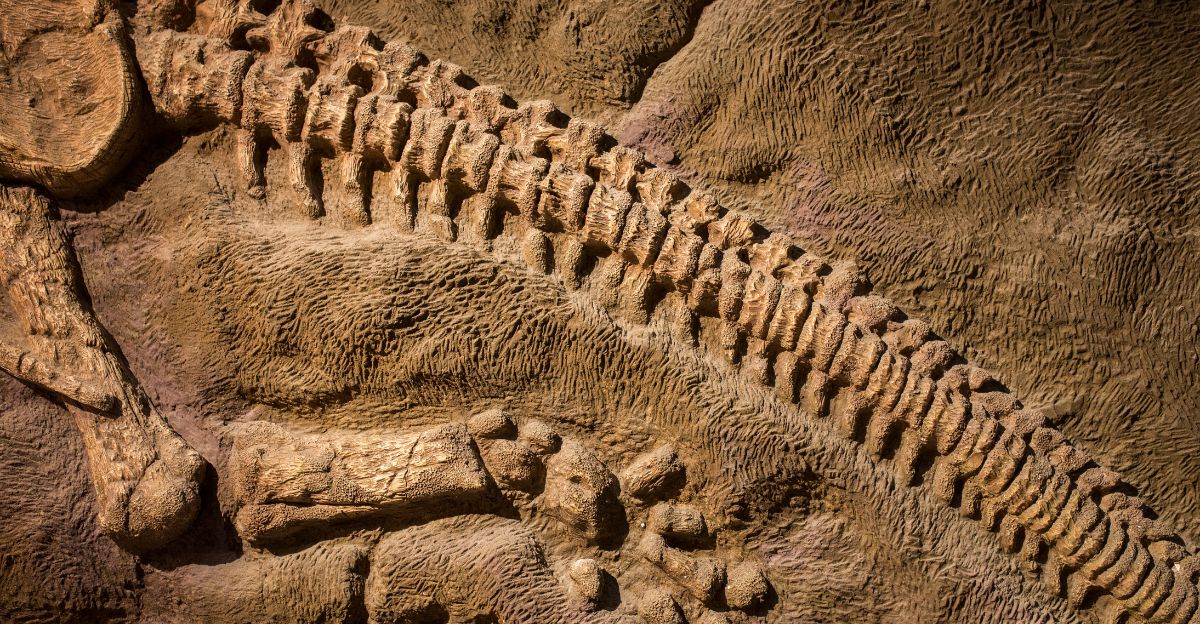
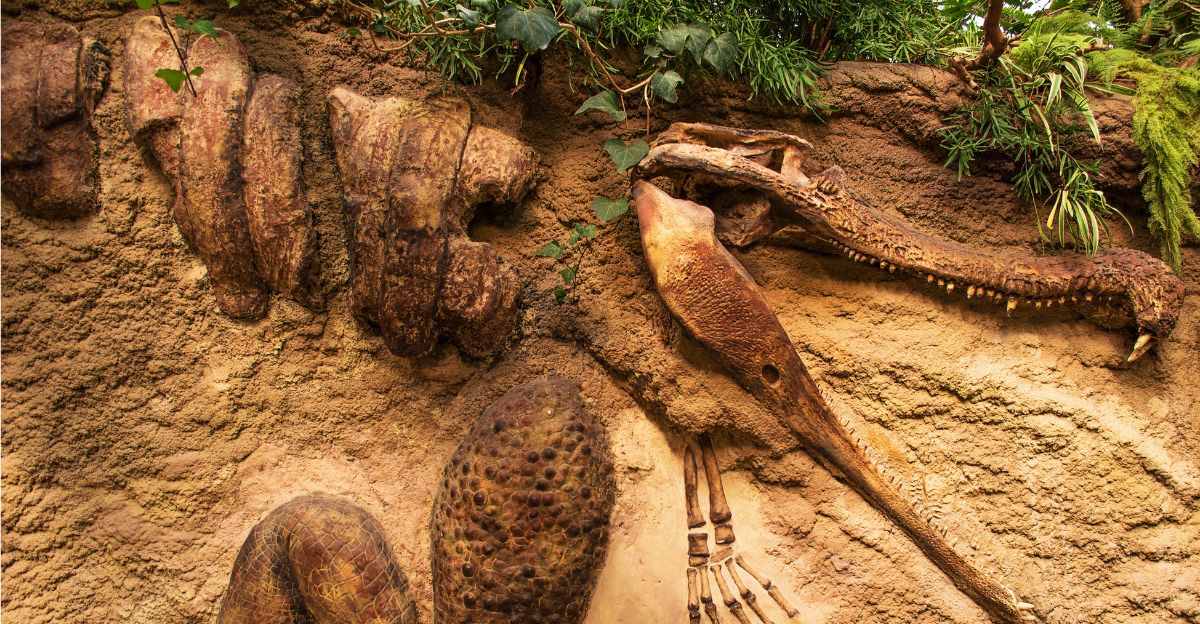
Nathan’s discovery wasn’t just a single bone, it led the museum’s team to find between 30 and 50 more bones, all from the same young dinosaur. Such a concentrated “bone bed” is very rare, especially for juvenile hadrosaurs, which aren’t usually found clustered together. Every bone was carefully wrapped in protective jackets and taken to the museum for cleaning, study, and eventual display.
Experts say that with so many bones to examine, new discoveries may still exist—whether in how hadrosaurs looked, behaved, or moved across ancient Alberta.
Fossil Rules Matter
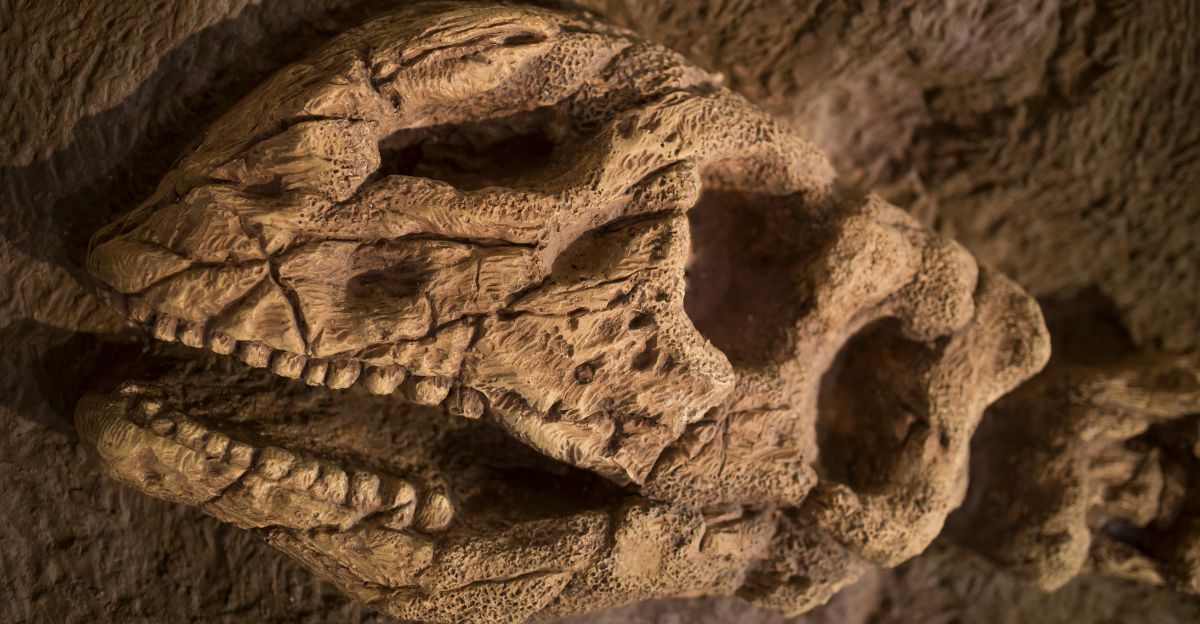
Nathan’s excitement was balanced by careful action. Instead of touching or removing the bone, he and his dad acted according to Alberta’s rules for fossil discoveries. They left the bone exactly where it was, recorded their location using GPS, took photos, and contacted the Royal Tyrrell Museum right away.
Experts always recommend this approach because fossils are fragile, and removing them without professional help can damage them or destroy valuable scientific clues. “People shouldn’t disturb any fossils they find,” the Nature Conservancy of Canada explained in its official statement.
Journey From Canyon to Laboratory
Once the museum’s experts arrived and confirmed the fossil’s age and type, the precious bones were packed in burlap and plaster protective jackets and sent off to the Royal Tyrrell Museum’s laboratory. Cleaning, restoration, and study began, sometimes taking months or even years.
Nathan continued to visit and watch the dig, thrilled to see his discovery go from canyon wall to scientific study. “It’s going to be great to see them, after months of work, finally take something out of the ground,” he said.
Inspired by Dinosaurs
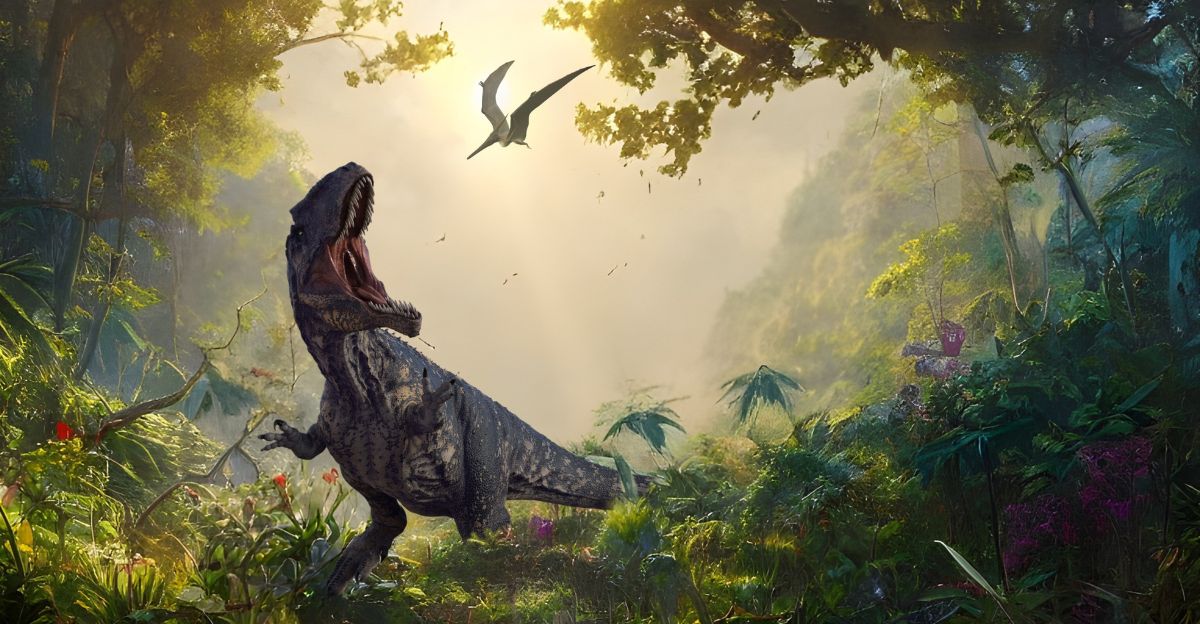
Nathan’s childhood dream of studying dinosaurs has now inspired other young explorers and students. The story of his find has been shared in workshops, classrooms, and museum exhibits across Alberta. Teachers and paleontologists use Nathan’s adventure to show that curiosity, patience, and responsibility can lead anyone to major scientific breakthroughs.
Local schools, science groups, and community programs celebrate how his excitement for fossils encouraged more kids to learn about paleontology and geology. Museum workshops teach students not just about dinosaurs, but about the process of discovery, teamwork, and protecting scientific heritage.
Building a Family Legacy
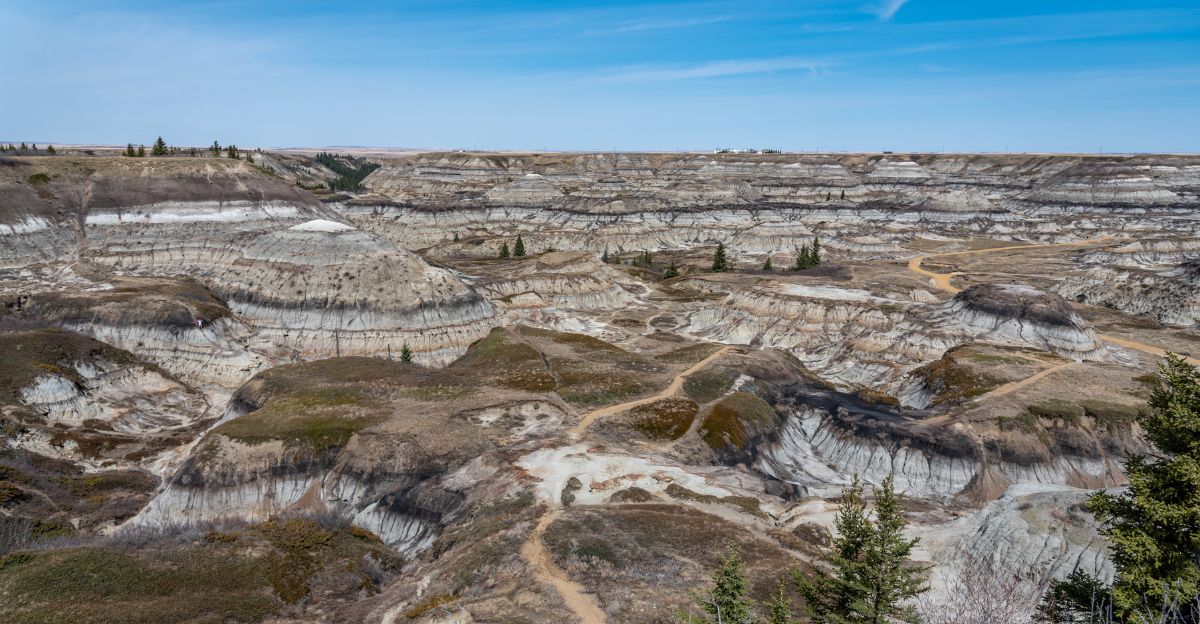
The Hrushkin family’s passion for fossil hunting has set them apart as local legends. Their repeated visits to Horseshoe Canyon turn simple hikes into important adventures. Nathan joked, “Now we have to try to outdo ourselves from the skeleton,” showing just how their commitment keeps pushing them to new goals.
Their shared love for the outdoors and science blends family interests with a quest for knowledge, encouraging others to combine adventure with discovery. Year after year, their persistence has paid off, proving you don’t need to be a professional to make real contributions to paleontology.
The Future of Fossil Finds
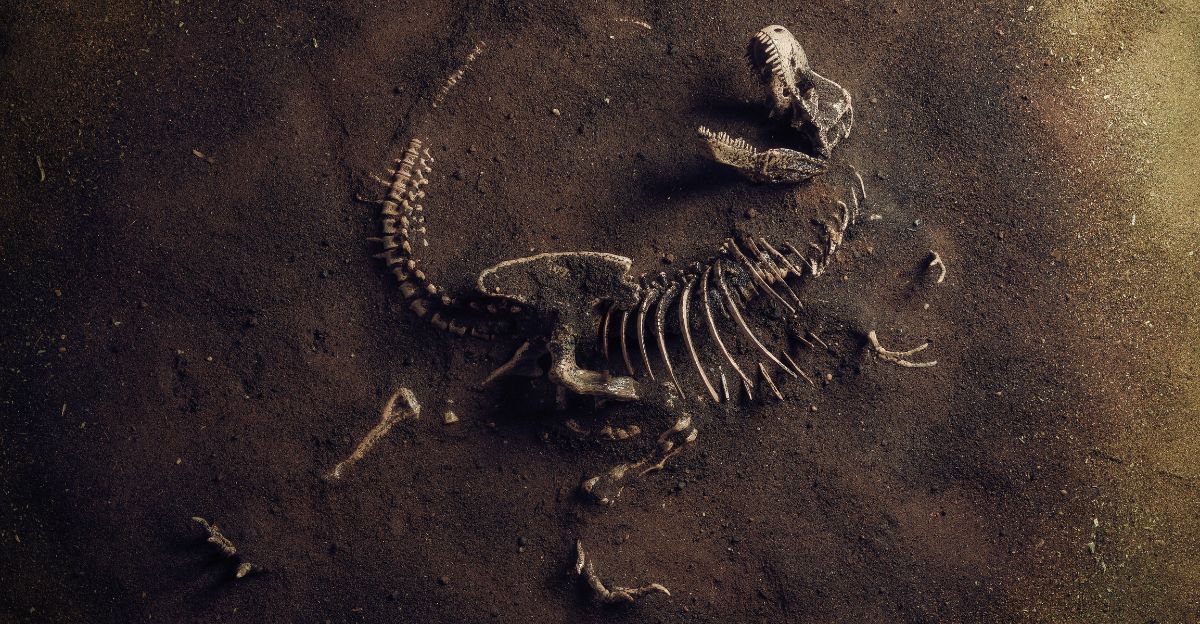
As Nathan’s dinosaur bones undergo further laboratory studies, scientists hope to learn how young hadrosaurs lived and grew during the late Cretaceous period. Conservation groups like the Nature Conservancy of Canada and government agencies keep working together to protect these fossil-rich lands from development and erosion, ensuring future discoveries remain possible.
Nathan’s story proves that scientific progress sometimes relies on ordinary people, especially young explorers and their families. It also shows why protecting natural areas is so important, without places like Horseshoe Canyon, these extraordinary finds could be lost forever.
Building Research Momentum

Nathan’s fossil discovery kicked off new research efforts and discussions about protecting Alberta’s fossil-rich land. Because his findings showed that amateurs could make a big impact, local legislators and scientists began organizing programs for public fossil hunts and revisiting rules for reporting discoveries.
The region saw more field surveys and hearings, aimed at safeguarding special sites from damage or urban growth. Experts now encourage regular families to become part of the citizen science movement, helping professional researchers track and study new finds. “Nathan and Dion’s find will help us fill this big gap in our knowledge of dinosaur evolution,” said palaeontologist François Therrien.
Boost for Tourism and Industry
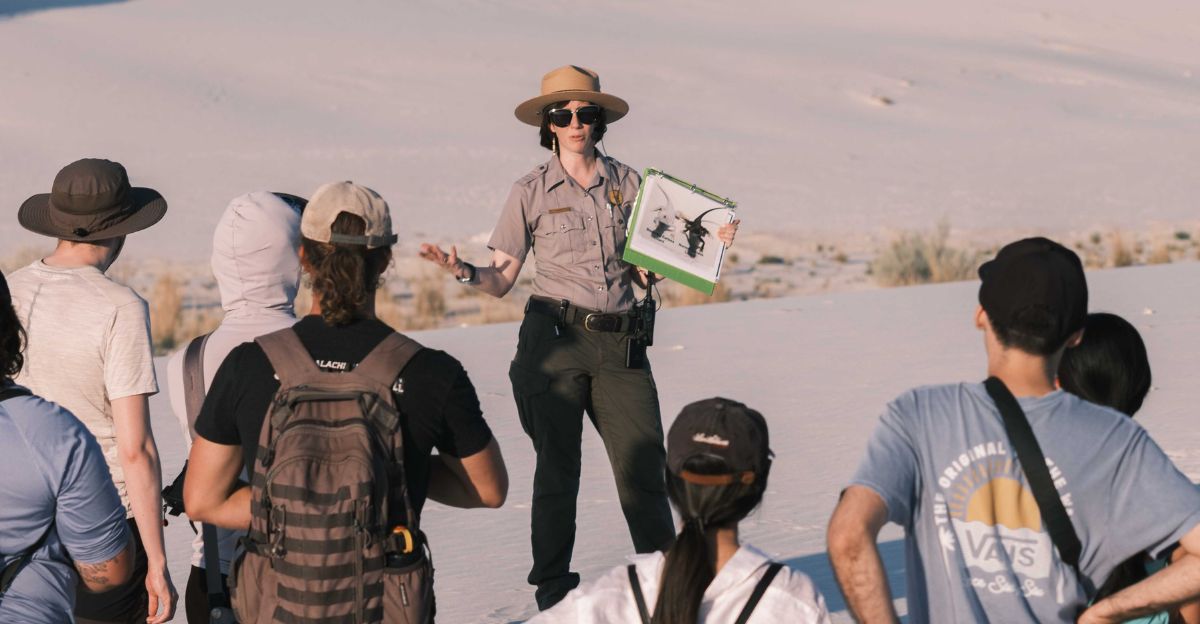
Alberta’s reputation as a world-class fossil destination brings international tourists, educators, and outdoor enthusiasts to the region. The dinosaur bones provide inspiration for museum exhibits, educational programs, and science camps, spurring new business in tourism, conservation, and local hospitality. The province’s long history of dinosaur finds helps fuel regional pride and economic growth.
Museums and tour operators use these discoveries to bring Earth’s ancient past to life, inviting visitors to imagine sharing the landscape with giant reptiles. “Hadrosaurs were probably as common in Alberta during the late Cretaceous as deer are today,” noted scientist François Therrien.
Going Viral

While the excitement was real, some claims about the bones were exaggerated or confusing. Teams at the Royal Tyrrell Museum and other organizations actively monitor news and correct misinformation, emphasizing that careful excavation and identification are what make fossil finds truly meaningful.
“I wasn’t even excited, even though I know I should have been,” Nathan said, reflecting the surreal shock of finding something so ancient.
Echoes of History
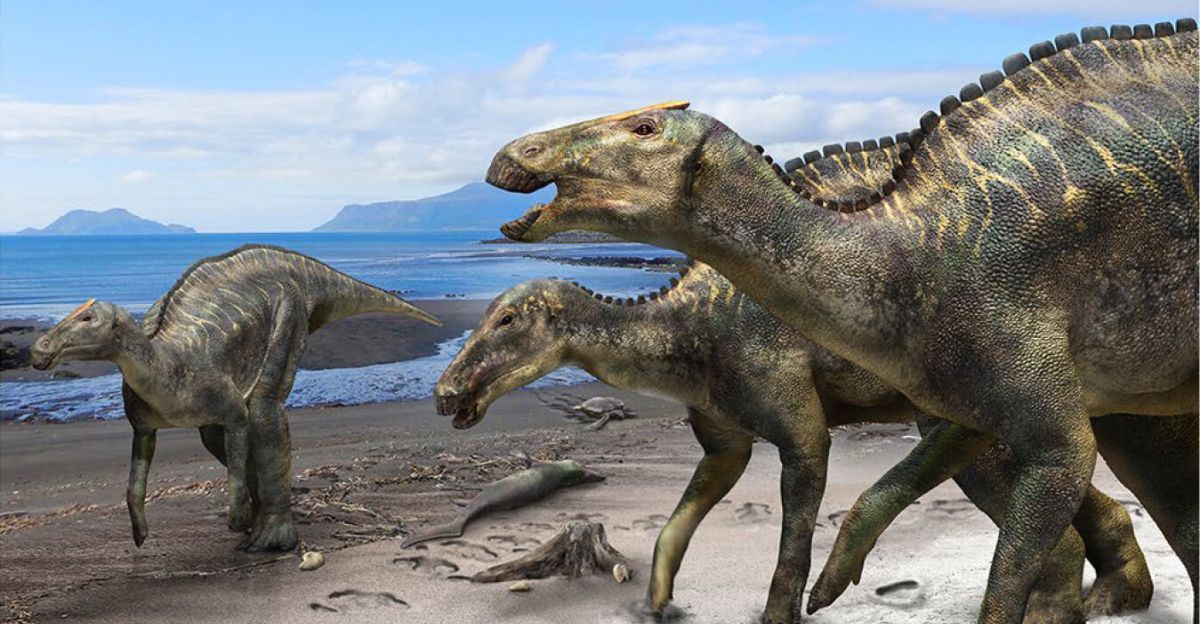
Nathan’s hadrosaur joins a remarkable legacy of landmark discoveries in Alberta, from the first fossil skeletons in Drumheller to the world-famous beds of Dinosaur Provincial Park. Scientists often compare his find to major paleontological breakthroughs, noting how rare it is to uncover a complete young dinosaur.
This context puts Nathan’s bones in line with the province’s most celebrated fossil finds, some of which have shaped scientific understanding for generations. The geology at Horseshoe Canyon makes each discovery a little piece of a much larger puzzle.
The Lasting Lesson
Nathan Hrushkin’s discovery didn’t just fill a gap in dinosaur history, it proved the value of land conservation, careful reporting, and family adventure. “For me, it’s just amazing because I’ve been aspiring to be a paleontologist for as long as I can remember,” Nathan said about his journey. Sometimes, all it takes is going outside, looking closely, and sharing what you find with caring people.