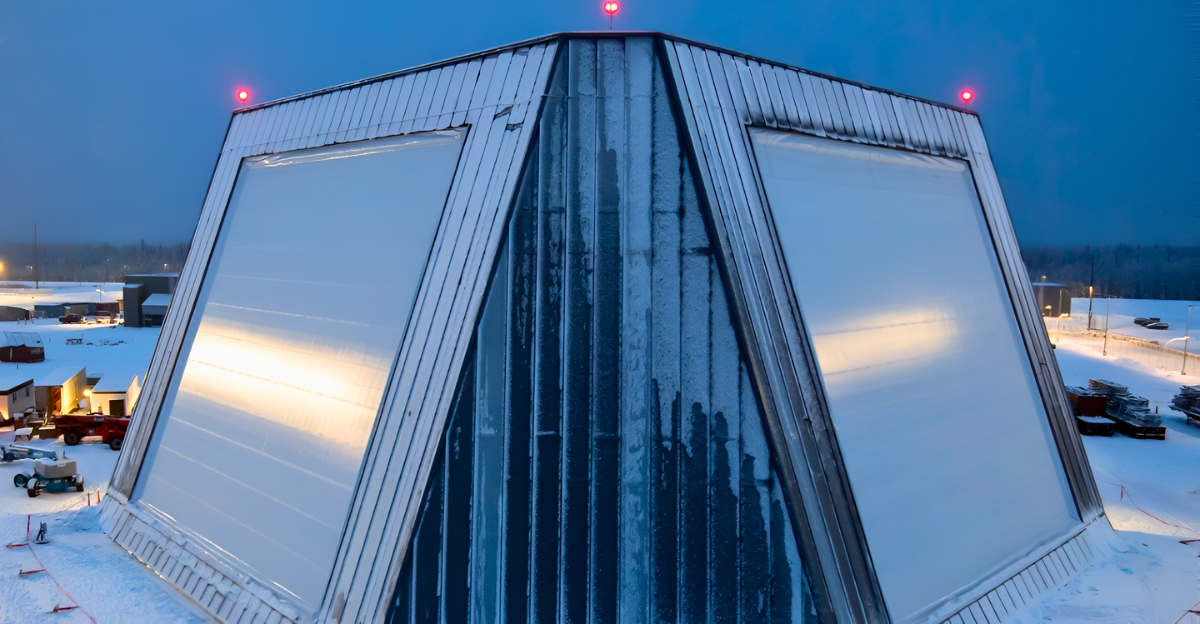
Alaska’s recently upgraded electronic shield, which serves as a continuous surveillance and early warning system against China and Russia, represents a significant advancement in US homeland defense. High-altitude surveillance balloons, sophisticated radar aircraft, and multi-domain warning centers that combine conventional terrestrial sensors with cyber, space, and signals intelligence are at the core of this defense.
Alaska’s strategic location and advanced technologies now serve as America’s forward line as Russian and Chinese warships, bombers, and research vessels invade the Arctic and North Pacific borders with previously unheard-of regularity. In addition to observing, this “watchtower” establishes a new benchmark for digital sovereignty, guaranteeing prompt reaction and in-the-moment adjustment to hostile actions. Decision-makers can foresee threats before they arise thanks to the system’s ability to integrate data from multiple sources, which significantly speeds up reaction times.
The Defensive Heritage of Alaska

Alaska’s defensive role dates back to World War II, when direct combat with Japan took place in the Aleutian Islands. Alaska later played a crucial role in tracking Soviet bombers and missile launches during the Cold War. Alaska’s position as the protector of America’s northern borders was cemented with the establishment of NORAD and an extensive radar network.
In order to transform Alaska from a legacy outpost into a nerve center of the twenty-first century, a new technological revolution is required due to the resumption of Russian and Chinese military cooperation as well as the opening of Arctic shipping routes. The operational strategies that currently support the electronic shield have been honed over decades by lessons learned in challenging environments. Today’s defense priorities and technology deployment are given context and legitimacy by this historical basis.
Stratospheric Surveillance
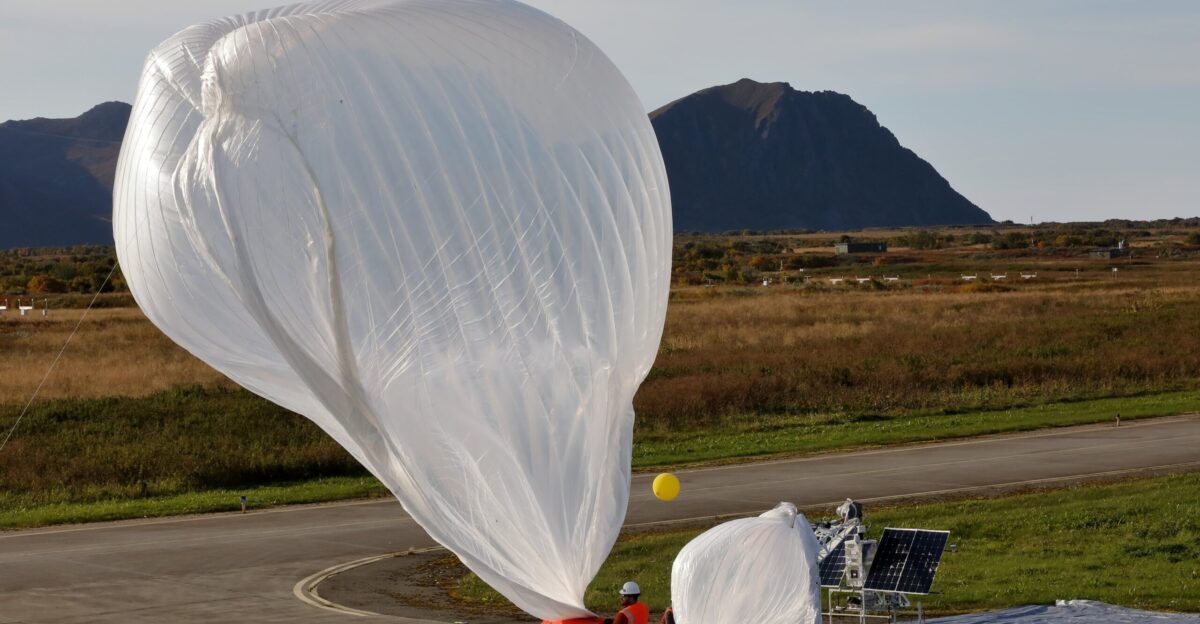
High-altitude surveillance balloons operating at heights of up to 100,000 feet, well above standard drones, were deployed by the US in 2025 as part of Stratospheric Surveillance. These balloons are perfect for monitoring vast areas of Arctic terrain where radars and satellites are limited because they provide EO/IR imaging, SIGINT, and persistent domain awareness. Rapid operational scaling is made possible by these platforms’ real-time data relay to command centers via secure communications and sensor array integration.
This is predictive defense as well as surveillance, enabling early detection of unusual activity by foreign fleets. These balloons are an essential tool in the harsh electromagnetic conditions of the Arctic because of their increased endurance and altitude advantages, which also aid in avoiding many electronic countermeasures.
China and Russia: The Nearest Enemies

Alaska is the front line for tracking hostile activity because its western islands are the closest to Russia of any US landmass. The Aleutians have been approached by joint Russian-Chinese naval task forces, and their fleets have been working together for years, with bombers and warships patrolling the international waters that border Alaska.
By using proximity for yearly military provocations, the “no limits” Moscow-Beijing strategic partnership strains US defense capabilities while indicating a desire to challenge US dominance in the North Pacific and Arctic. Given that Alaska is a crucial square on the geopolitical chessboard, this dynamic forces the US to maintain a high operational tempo and ongoing vigilance.
The Arctic Frontier: New Possibilities and Dangers

Alaska is becoming a gateway for both military conflict and economic growth as a result of climate change opening previously frozen shipping lanes in the Arctic. Alongside Russian ships, Chinese icebreakers now patrol the area, more than twice as many as US operational vessels.
Although NORAD and the US Coast Guard have increased their awareness of the maritime domain, the size of China’s presence begs the questions of intent, long-term strategic competition, and resource allocation in the changing Arctic. In addition to posing ecological and humanitarian problems, the melting ice complicates international diplomacy and military readiness in this delicate environment.
Fusion of Intelligence: Beyond Radar
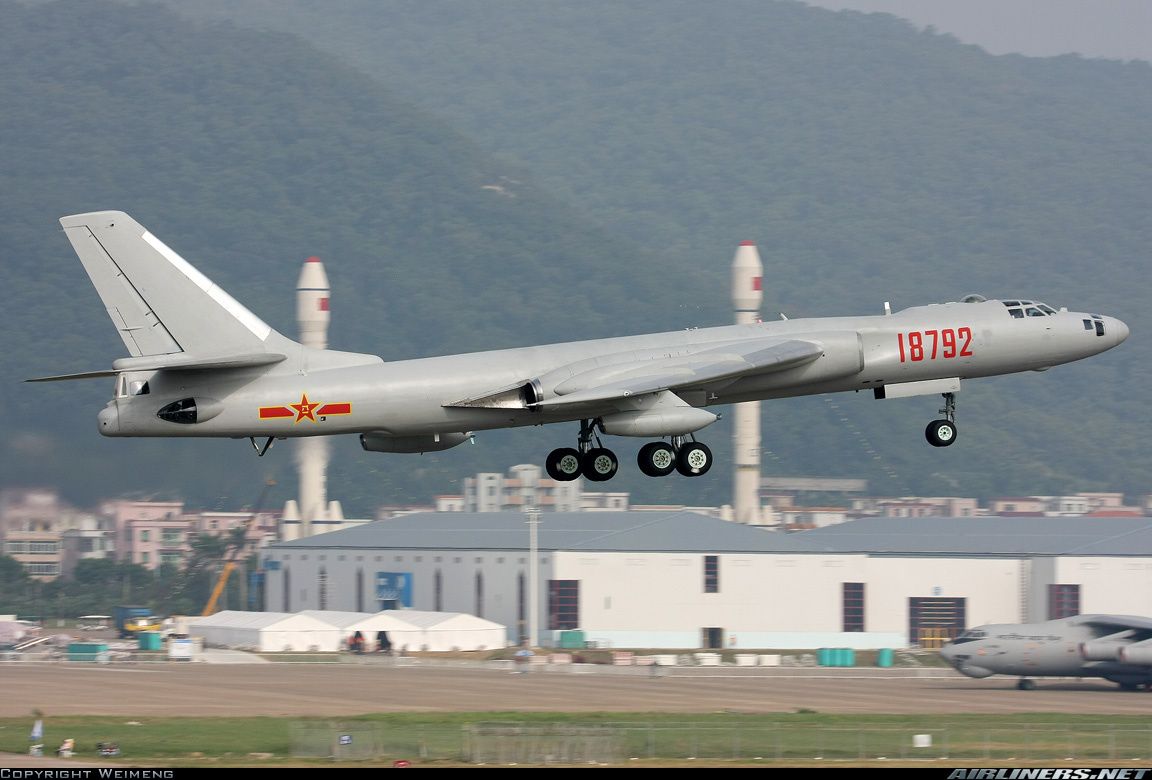
The modern shield is more than just radar; it uses machine learning algorithms to combine data from sensors in space, the ocean, and the air to identify trends in enemy activity. Because of NORAD’s multi-agency collaboration, which includes partners from the Coast Guard and Canada, even the smallest electronic signals from Chinese H-6 bombers and Russian TU-95s can be detected before they reach sovereign space.
Strategic “presence with presence” a doctrine that responds to enemy maneuvers with equal vigilance, is made possible by this integration, which speeds up decision-making. The system can forecast intricate threat vectors by utilizing state-of-the-art analytics, giving commanders situational awareness and future risk assessments at previously unheard-of speeds.
Technology and Geography-Related Surveillance Challenges

Due to its unusual topography, Alaska faces significant obstacles to conventional defense systems, including great distances, harsh weather, and a lack of infrastructure. Although electronic shields aid in bridging these gaps, threats from signal jamming, cyber vulnerabilities, and electronic countermeasures still exist. The use of sophisticated deception techniques by Chinese and Russian forces, such as spoofing transponder signals or deploying networked unmanned systems, necessitates ongoing innovation and attention to detail in electronic warfare.
The necessity of robust, layered defense architectures that maximize both hardware and software capabilities is highlighted by the ongoing balancing act between technological advancement and adversary adaptation.
Solutions: Interoperability and Adaptation
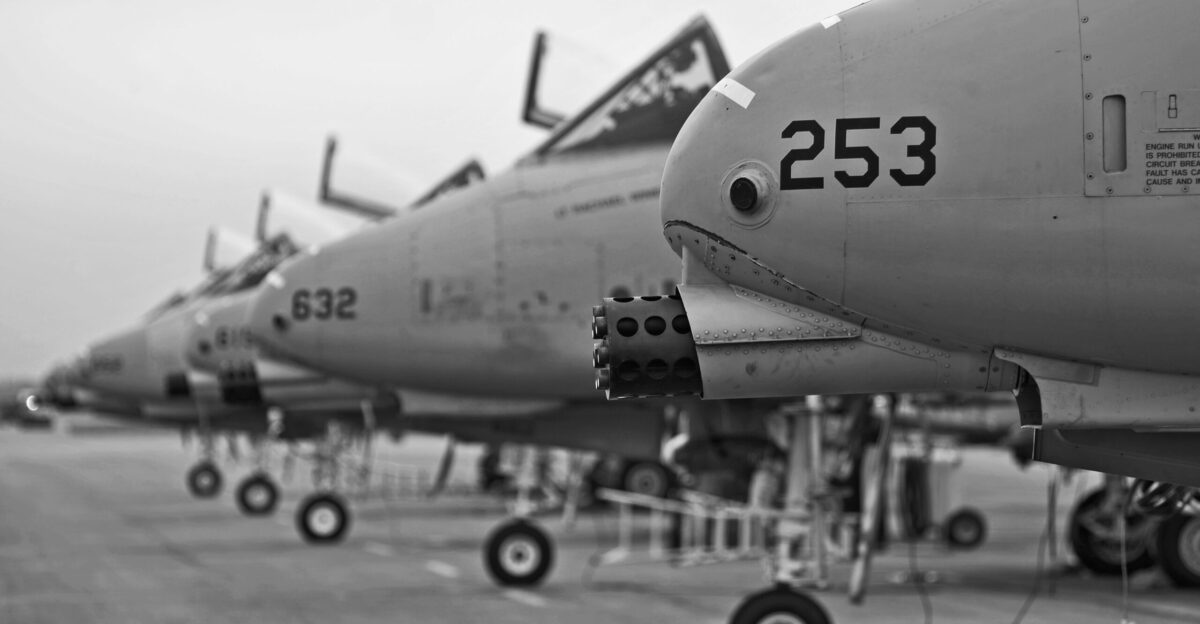
The US uses modular technologies that can quickly adjust to shifting threats in order to stay ahead. For joint readiness, ARCTIC EDGE exercises integrate cyber, space, maritime, air, and land operations. The Army, Air Force, Navy, Marine Corps, Coast Guard, and Canadian Armed Forces all work together to create an interagency defense “mosaic” in which information is dynamically shared rather than isolated.
Interoperability is crucial because it guarantees that information from any field instantly reaches the appropriate decision-makers. Forces can operate together under unified command structures thanks to this coordination, which also improves the collective security posture and eliminates redundancies.
Implications for Politics and Strategy
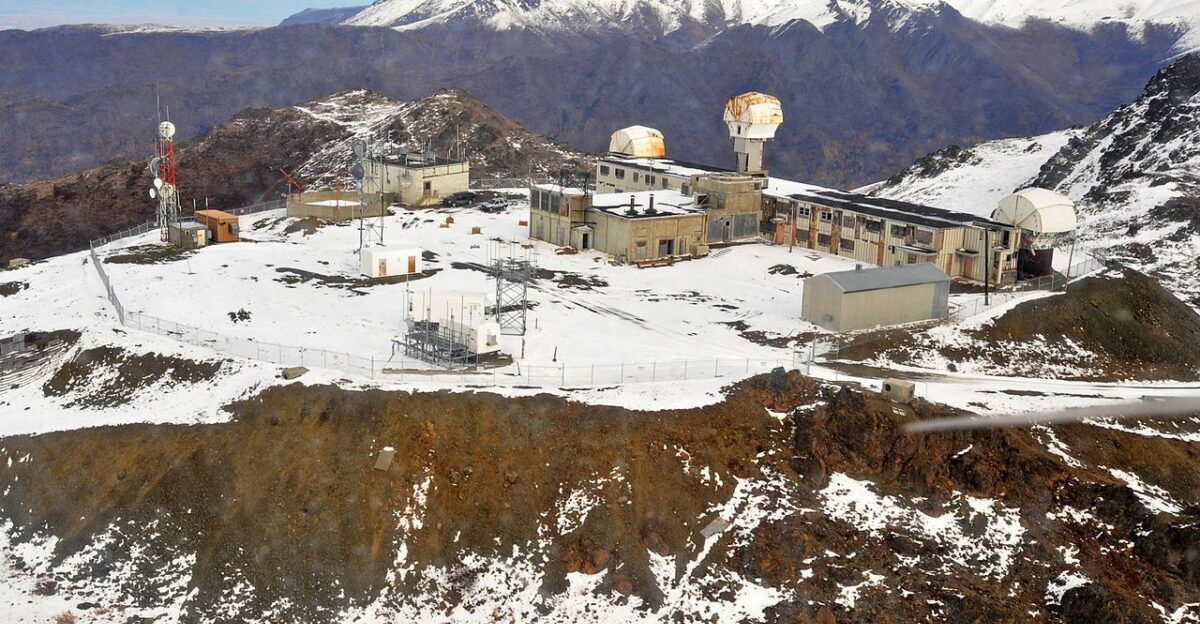
Adversaries’ close proximity to Alaska has a direct impact on both local politics and national strategy. Citing the growing presence of Chinese and Russian forces as a clear reminder of Alaska’s vital role, senators and governors demand more funding and capacity. With leaders highlighting the state’s special vulnerability and significance for sovereignty, public awareness is growing.
This narrative serves as the foundation for continued investments in technology and people, making Alaska the epitome of America’s new “forward defense” era. Due to geopolitical tensions, Alaska has become a focal point for larger strategic rivalries, impacting diplomatic stances and alliances around the world.
Commerce and Civilian Life

Alaskan commercial operators, including airlines, resource extractors, and fisheries, are included in the security matrix as surveillance increases. The state’s economic survival is becoming more and more dependent on the efficient operation of defense infrastructure, which raises concerns about privacy and safety due to advanced electronic monitoring.
Military drills both disrupt and encourage innovation, enabling commercial technologies to benefit from advancements in defense. Better communications and early warning are advantageous to the civilian sector, but ongoing oversight is a threat. Future public policies that balance security with civil liberties and economic freedoms are shaped by this changing relationship.
Deterrence through Strategy
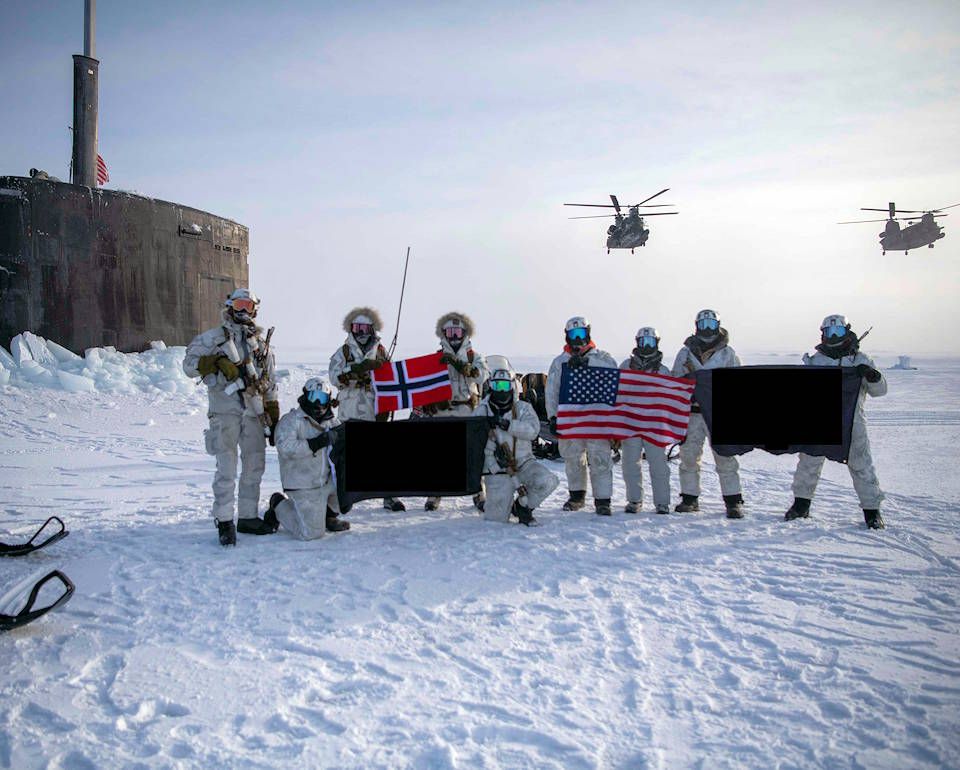
Constant electronic monitoring serves as a subtle yet effective deterrent, making enemies work harder and spend more money to stay under the radar. A technological arms race is accelerating as China and Russia are forced to develop new evasion technologies.
The ability to see and be seen, or “deterrence by transparency,” increases the stakes of every move, decreasing the possibility of a surprise attack or poor decision while increasing the psychological pressure to follow the rules. Furthermore, through predictability, transparency in monitoring can promote measured responses, reducing the likelihood of unintentional conflict.
Escalation Risks
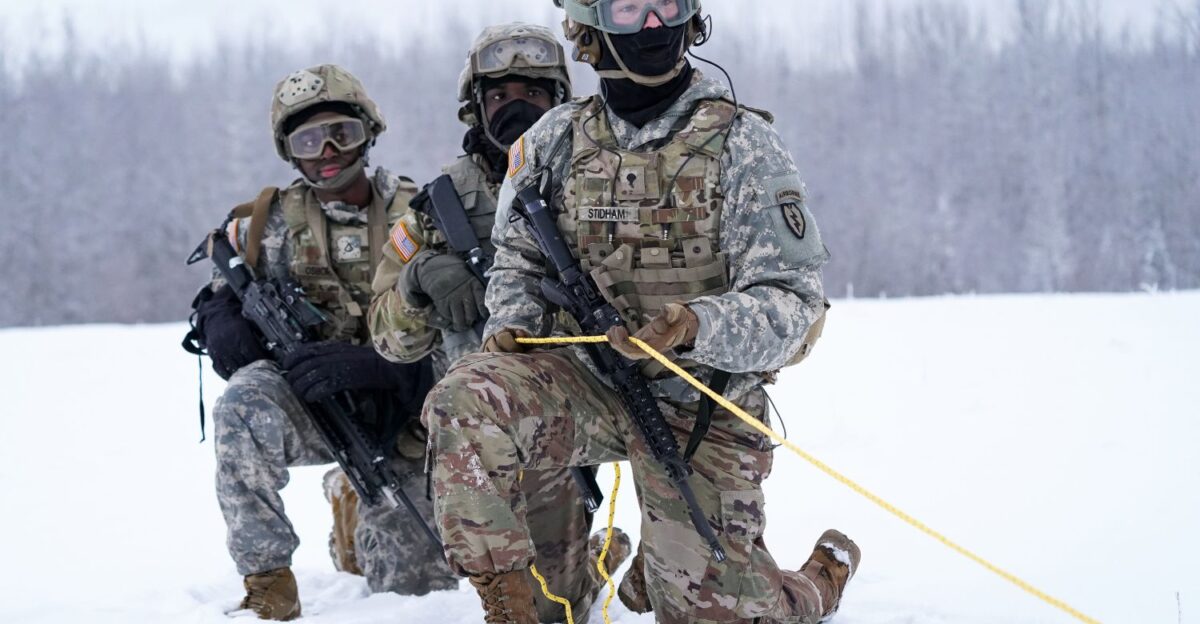
Some analysts caution that increased surveillance might unintentionally trigger an escalation. The likelihood that routine maneuvers will result in misunderstandings or unintentional confrontations is increased by hypervigilance on both sides. In order to prevent adversaries from testing boundaries, the electronic shield requires high-level diplomatic guardrails and crisis communication channels.
Without these, the chilly but stable frontier could become unstable. Strong political frameworks must be in place in tandem with military vigilance, as historical precedents show that surveillance without communication can occasionally exacerbate tensions rather than reduce them.
Artificial Intelligence Meets Electronic Defense
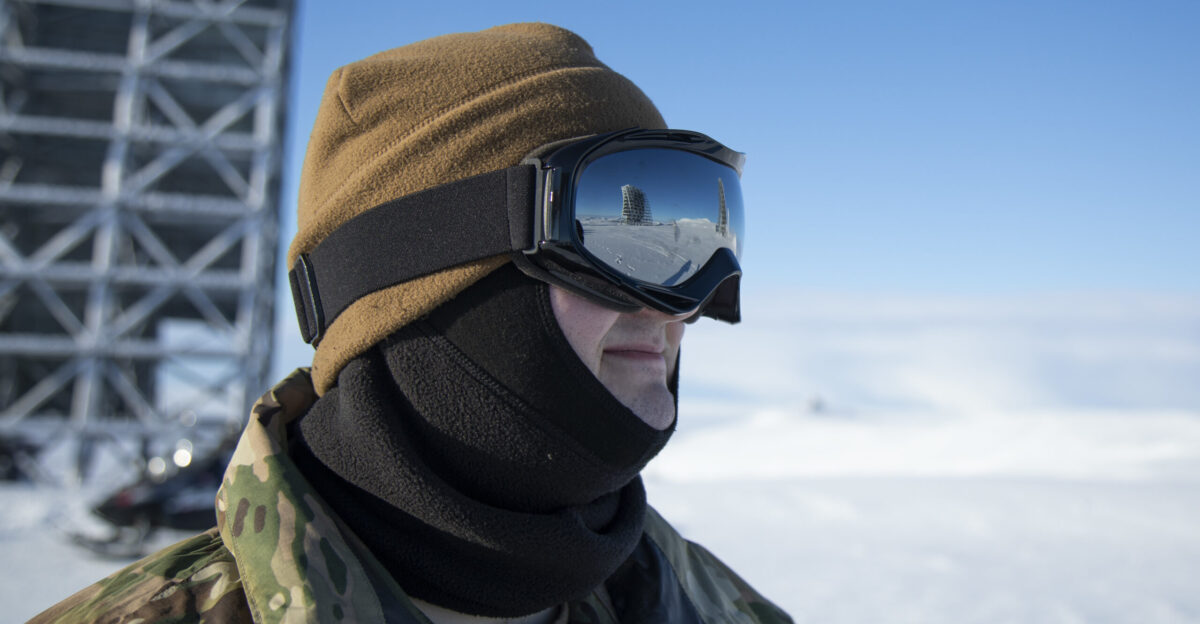
Neural networks search through massive data streams for valuable insights in Alaska, which serves as a testing ground for AI-powered surveillance. The US creates a paradigm of “predictive deterrence” by combining artificial intelligence and electronic warfare; machines identify patterns that humans are unable to, warning of abnormalities before they become threats.
The success of the digital shield here may pave the way for wider uses across the country in disaster relief, border security, and even environmental management. By combining human judgment with unmatched machine precision, this convergence of tech domains marks a revolutionary moment in security.
The Trump-Putin Meeting and Countermeasures to Espionage

Security measures were demanded at recent summits in Alaska for both technical counter-espionage and the personal safety of the leaders. Disposable “burner” devices, secure communication networks, and sophisticated radar aircraft demonstrate the extent to which both sides will go to protect essential meetings.
The need for an electronic shield that functions both offensively and defensively in the information domain is further supported by the existence of Chinese and Russian security services, which operate under a system of “zero trust.” Within contested spaces and technological battlegrounds, these operations demonstrate the multi-layered complexity of contemporary diplomacy.
Alaska’s Closeness and Visibility

No US territory is closer to Russia than Alaska’s Aleutians, which are just 55 miles away. US and Canadian fighters have routinely intercepted Russian and Chinese aircraft and warships that have approached the state more than a dozen times in the last year, sometimes within hours of one another.
There are currently more than twice as many Chinese icebreakers in the area as US units. These figures demonstrate Alaska’s extreme vulnerability and the existential need for ongoing surveillance. These incursions’ frequency and severity indicate a new stage of strategic competition that calls for unmatched attention to detail.
Security Perceptions
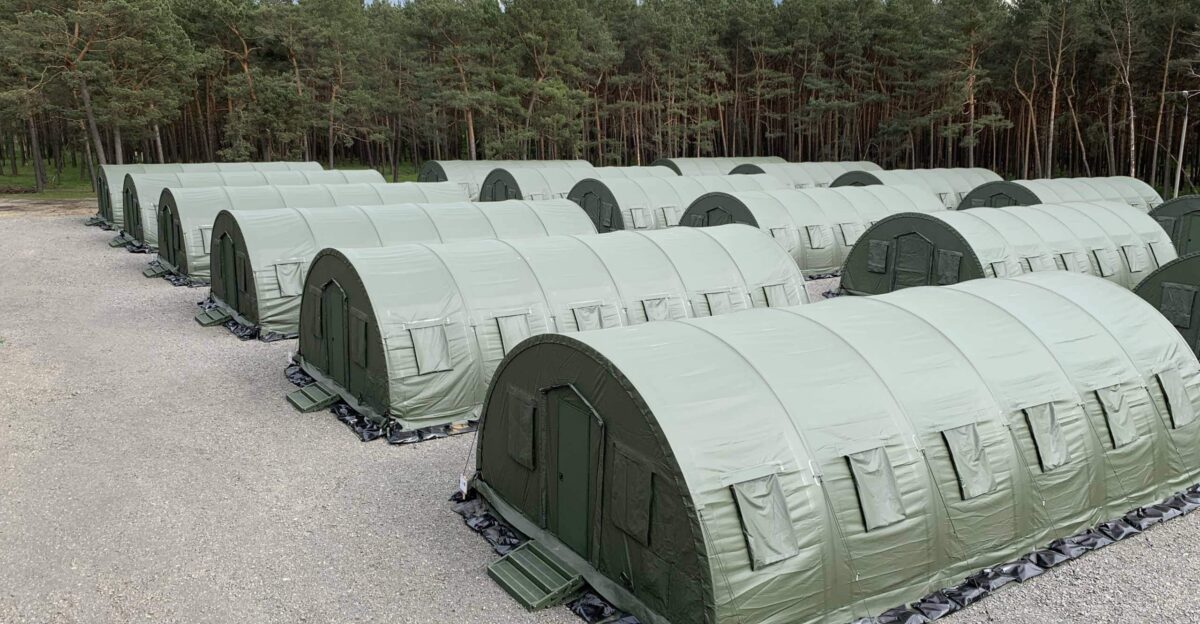
The proximity of China and Russia is much more than just a far-off news story to Alaskans. Local perceptions of national security are shaped by the reality of frequent intercepts and close patrols, which frequently engender both anxiety and pride in their state’s strategic position.
The visibility of the electronic shield, whether in the form of balloons floating in the air or patrolling aircraft, drives home the personal consequences of international competition and acts as a continual reminder that being vigilant is the cost of sovereignty. Election cycles, community resilience, and regional identity, in line with national defense, are all impacted by this dynamic.
Dollars for Defense
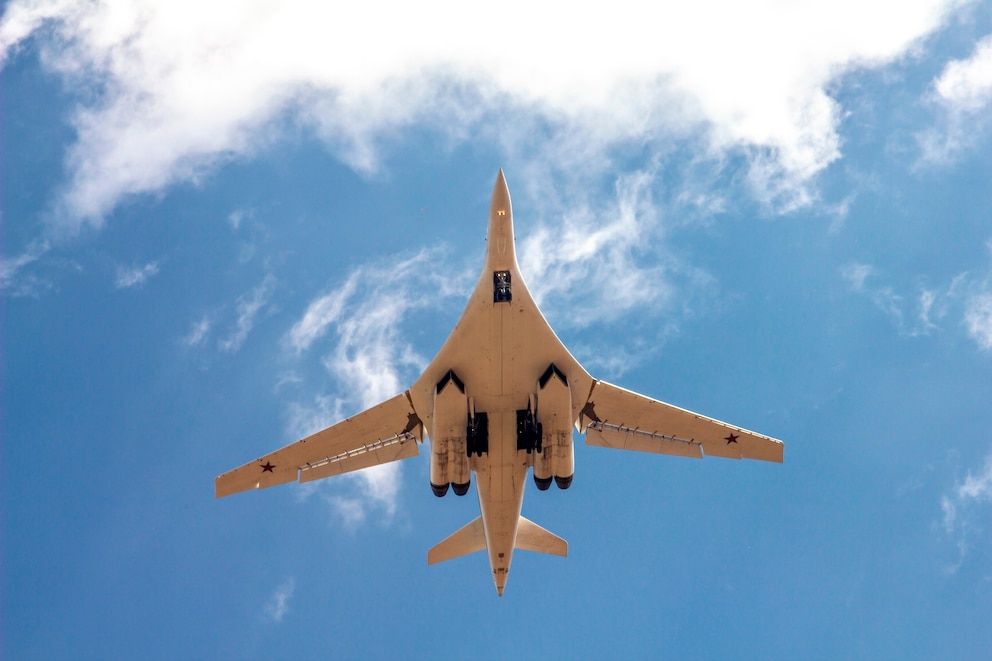
Alaska gains from increased federal investment in the form of university research grants, technology contracts, and construction jobs as defense infrastructure grows. Spending on defense has a knock-on effect, boosting regional vendors and cutting-edge production.
In addition to being military hardware, the “shield” is a catalyst for innovation, spurring commercial spin-offs in sensor technology, logistics software, and even green energy as military installations look for environmentally friendly ways to deploy in the Arctic. By fostering a positive feedback loop between the economy and defense, Alaska is positioned as a center for workforce development and high-tech industry that are closely linked to national security.
Digital Sovereignty
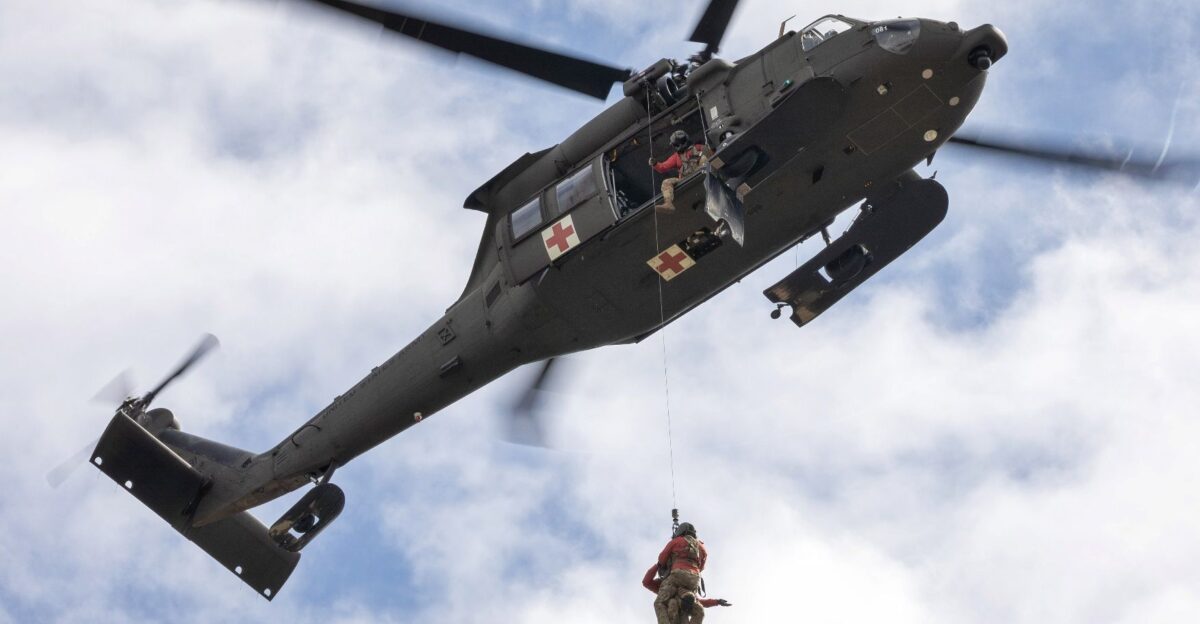
Alaska’s shield serves as a metaphor for electronic sovereignty, a more general idea. According to this framework, dominance over digital space is now just as important as dominance over physical territory. Alaska exemplifies this doctrine by transforming the conventional boundaries of national security through the establishment of a dense network of sensors and real-time analytics.
A model that is likely to proliferate as threats in space and cyberspace become more apparent is electronic sovereignty, which is adaptable, scalable, and becoming more and more essential to contemporary statecraft. It marks the beginning of a new era in which countries must protect their information infrastructures with the same ferocity as their geographic borders.
What Happens Next?

The direction is obvious: faster integration, more sensors, and more intelligent algorithms. AI-enabled risk scoring, quantum-encrypted communications, and autonomous drones will soon be part of the electronic shield. Modular sensor “swarms,” which can be deployed on-demand and provide the utmost flexibility in tracking adversaries, are already being tested by the US.
Alaska’s watchtower will serve as a test site for the upcoming defense technologies due to ongoing Russian and Chinese activity as well as the opening of new Arctic routes. To preserve strategic advantage in the future, government, business, and academia will need to work together and innovate constantly.
Vigilance with Enlightenment
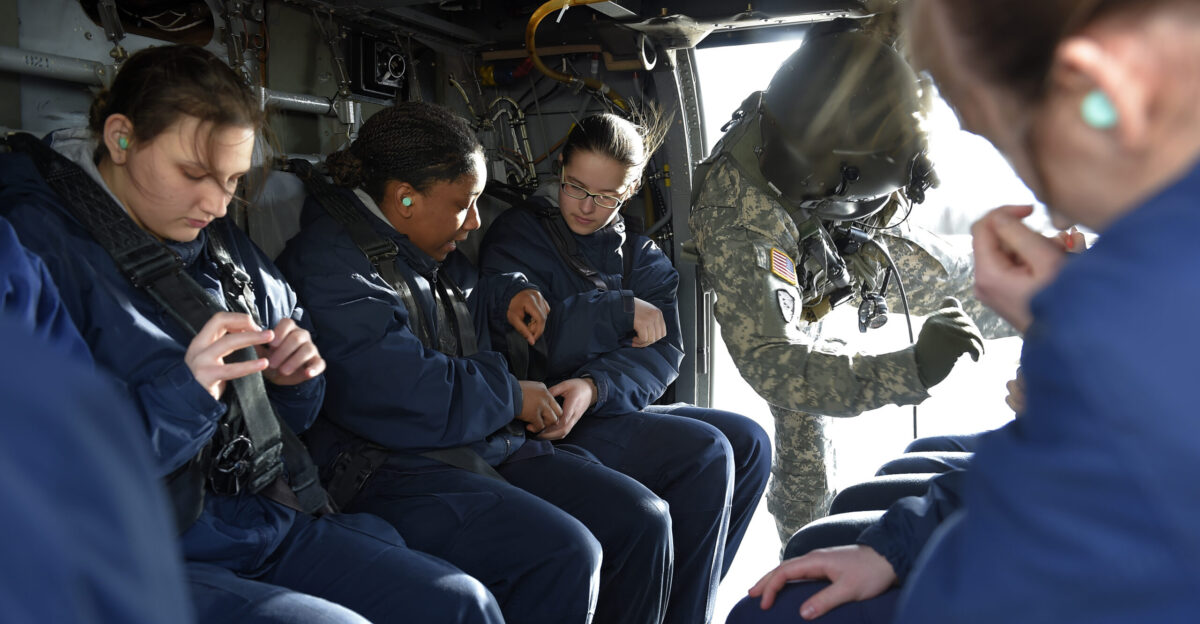
Alaska’s new electronic shield is a thoughtful reaction to the realities of great power competition, not a solution or a provocation. Through a combination of interoperability, adaptive technologies, and persistent surveillance, the United States protects not only a region but also the future of electronic sovereignty.
Alaska’s role as a digital sentinel will influence outcomes in both anticipated and unexpected ways, ranging from economic opportunity to strategic deterrence. Being brave, essential, and able to both win and educate, the “shield” is a living example of alertness. In a world that is unstable, it represents a mature balance of strength and foresight that is necessary for stability.