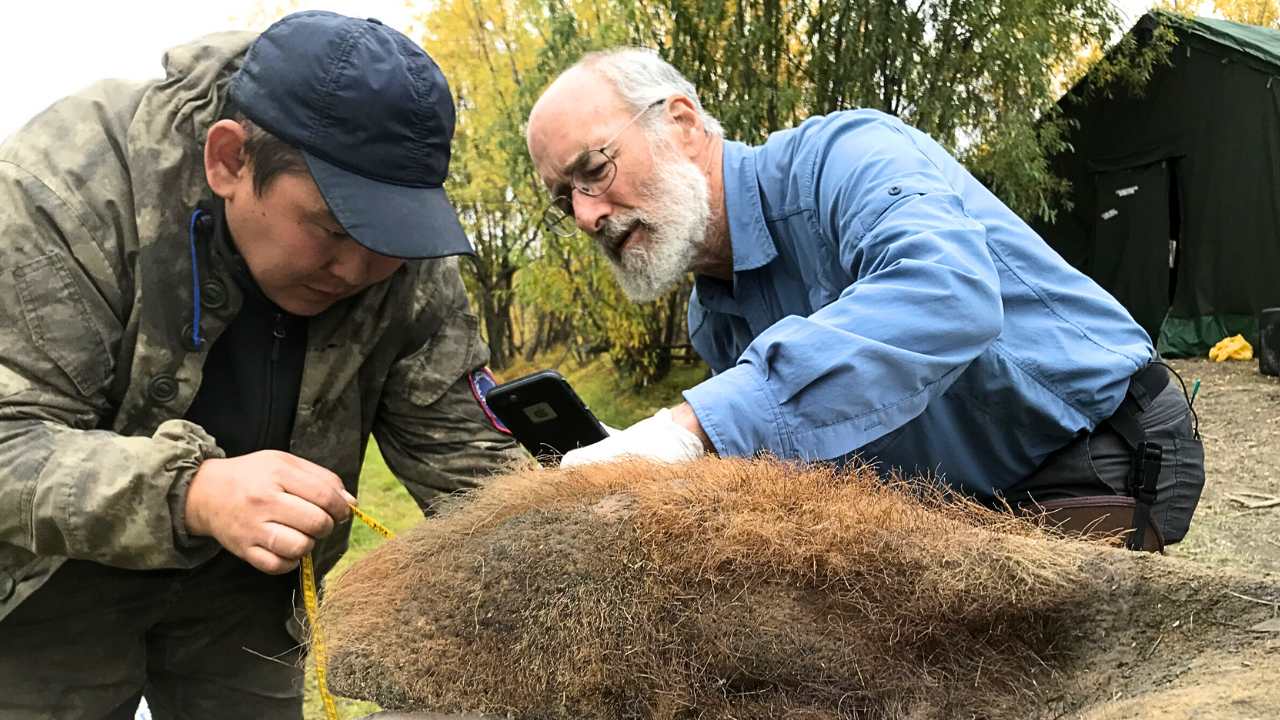
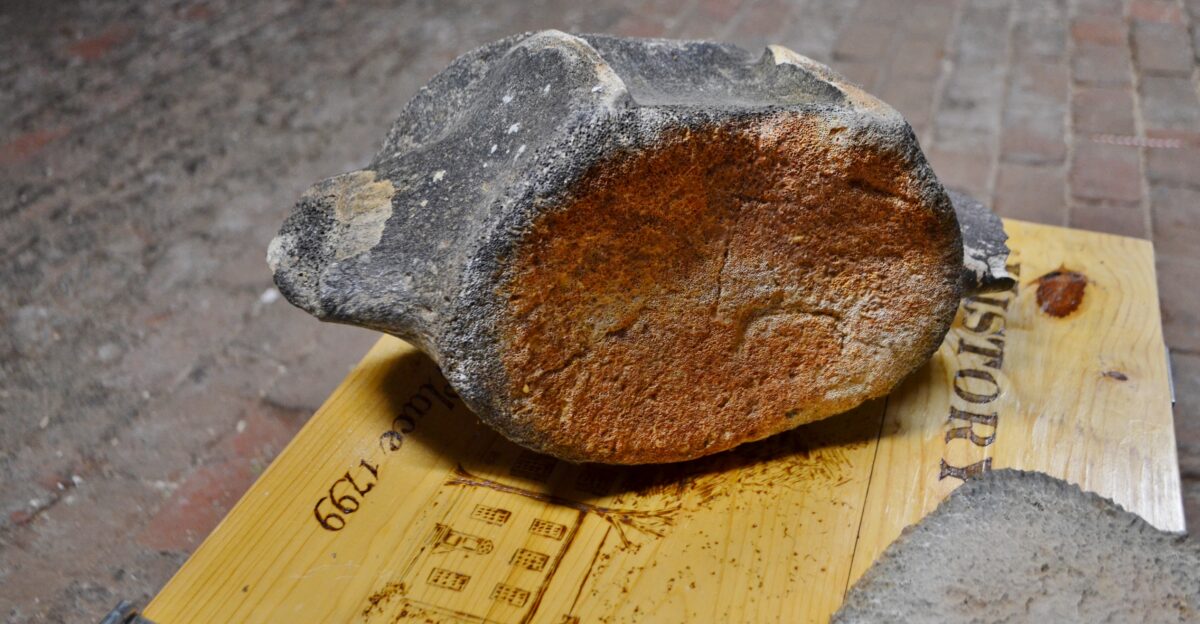
A small team at the University of Alaska Museum of the North stared in disbelief in late 2025. Two fossilized vertebral plates, thought to be the youngest woolly mammoths ever found in Alaska, had just returned radiocarbon dates of only 1,854–2,731 years old. “I was gobsmacked,” recalled Matthew Wooller.
For more than seventy years, these bones had sat quietly in a drawer, untouched, labeled as mammoths. What the team held in their hands was something no one had expected: not a mammoth at all.
A Stunning Outlier
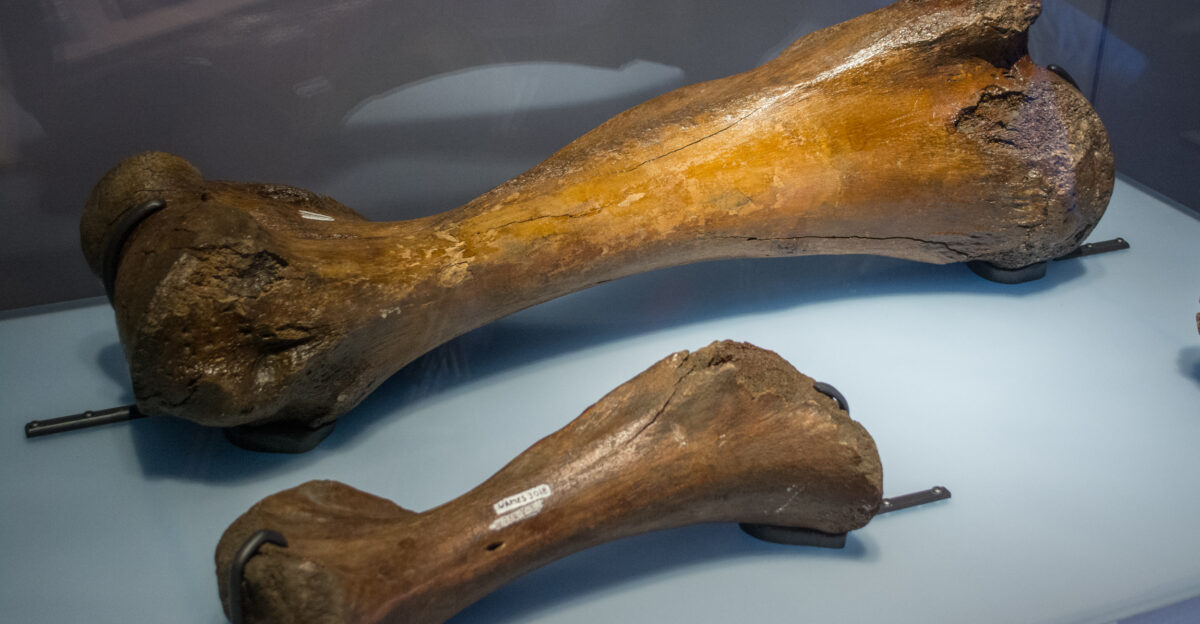
The University of Alaska Museum of the North houses roughly 1,500 woolly mammoth fossils, mostly dating back 13,000 years, aligning with known extinction timelines. Yet two vertebral disks from interior Alaska challenged this pattern. Radiocarbon dating revealed they were just 1,900–2,700 years old—an extraordinary anomaly.
“Mammoth fossils dating to the Late Holocene from interior Alaska would have been an astounding finding,” researchers wrote. The discrepancy demanded urgent follow-up. The stakes: rewrite what we thought we knew about Ice Age megafauna.
Crowdsourcing Science: Adopt-a-Mammoth
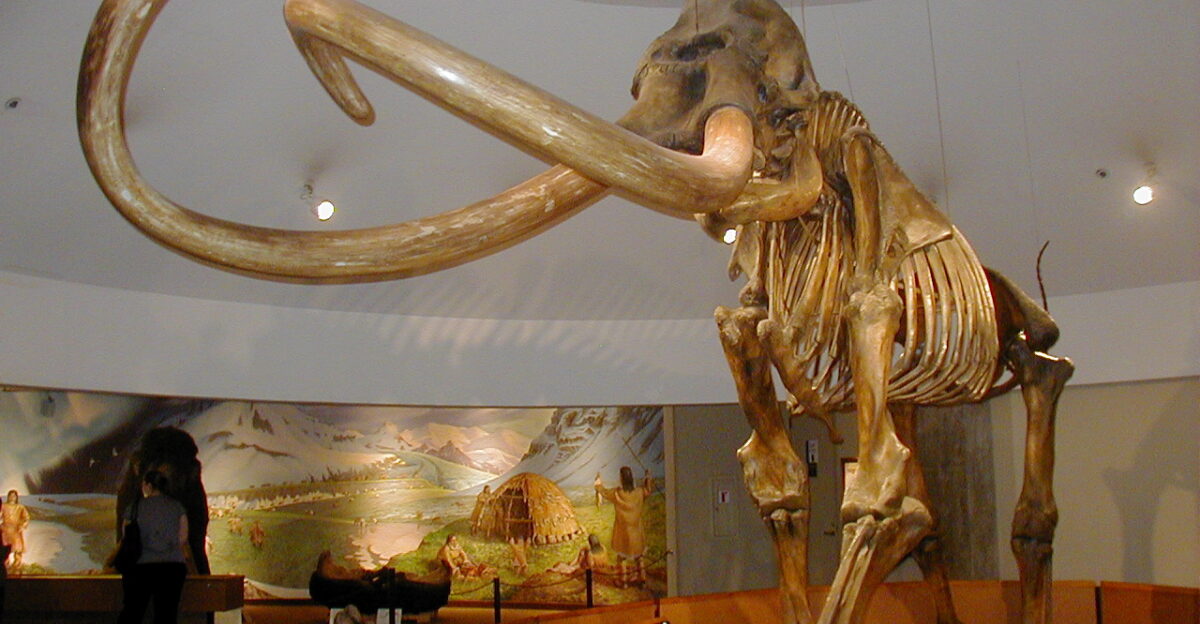
In 2022, UAF launched the Adopt-a-Mammoth program, inviting the public to sponsor radiocarbon testing at $350 per specimen. Matthew Wooller designed it to track the last surviving mammoths in Alaska. Sponsors received photos of their fossils and could enter contests for the youngest find.
Few imagined the program would reveal decades-old misidentifications. Yet by turning curiosity into a systematic testing framework, this citizen-science initiative inadvertently became a forensic audit of the museum’s fossil collection.
Otto Geist’s Legacy
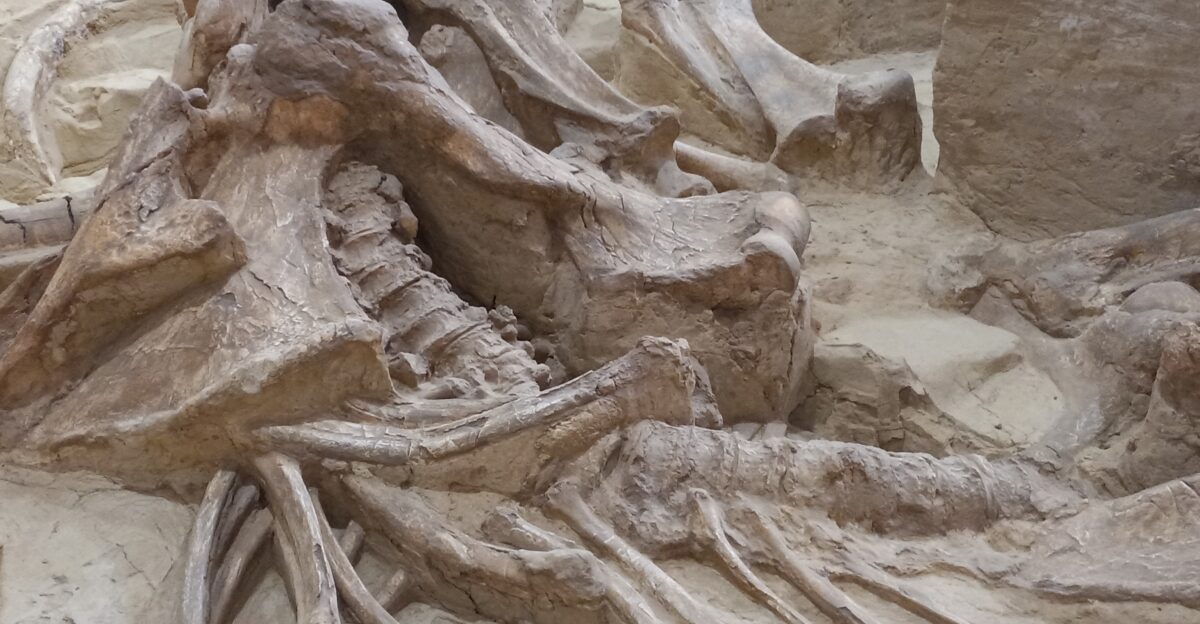
Otto Geist, legendary Alaskan naturalist, spent decades exploring interior Alaska during the mid-20th century. In 1951, he unearthed two vertebral epiphyseal plates at Dome Creek, roughly 250 miles from the ocean. He labeled them as mammoth bones and donated them to the museum, where they joined thousands of other specimens.
For over seventy years, Geist’s identification remained unquestioned. Modern DNA and chemical analyses would later prove the plates were not from mammoths—but the original visual assessment made complete sense at the time.
A Genetic Bombshell
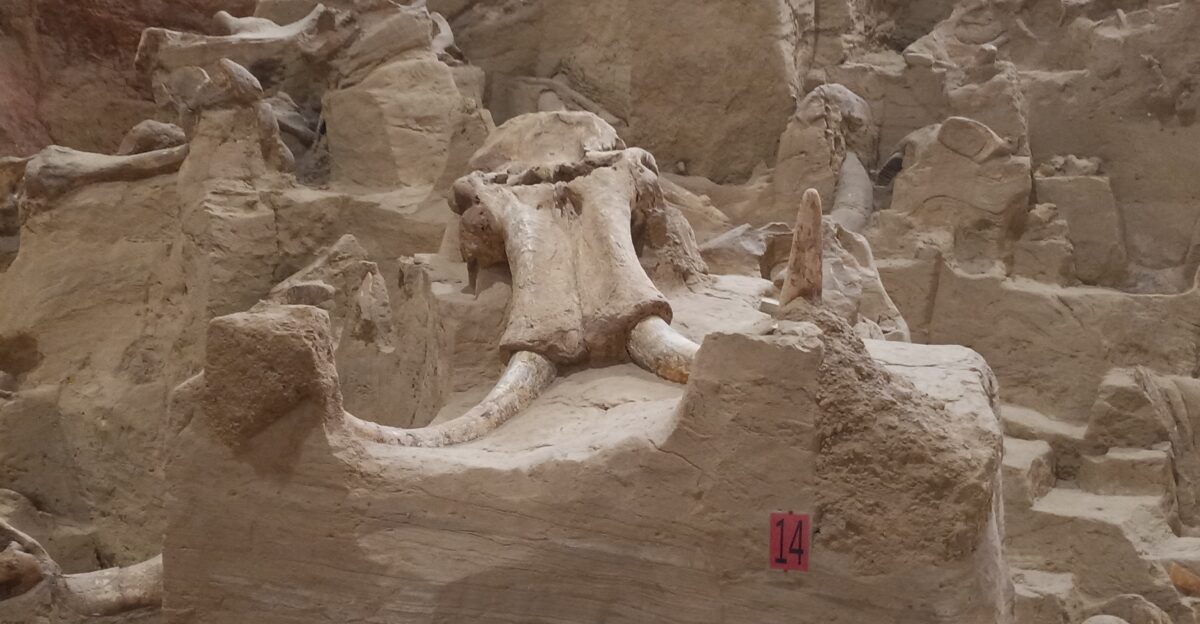
DNA sequencing in late 2025 revealed a jaw-dropping truth: the bones were whales, not mammoths. One was a North Pacific right whale, the other a minke whale. “Here we had two whale specimens—not just that, but two separate species,” said Wooller.
This misidentification stunned the paleontology world, not only because of the species but also due to the location: the Alaska interior, 250 miles from the ocean. The discovery transformed what seemed like a minor fossil curiosity into a major scientific riddle.
Chemical Clues Ignored
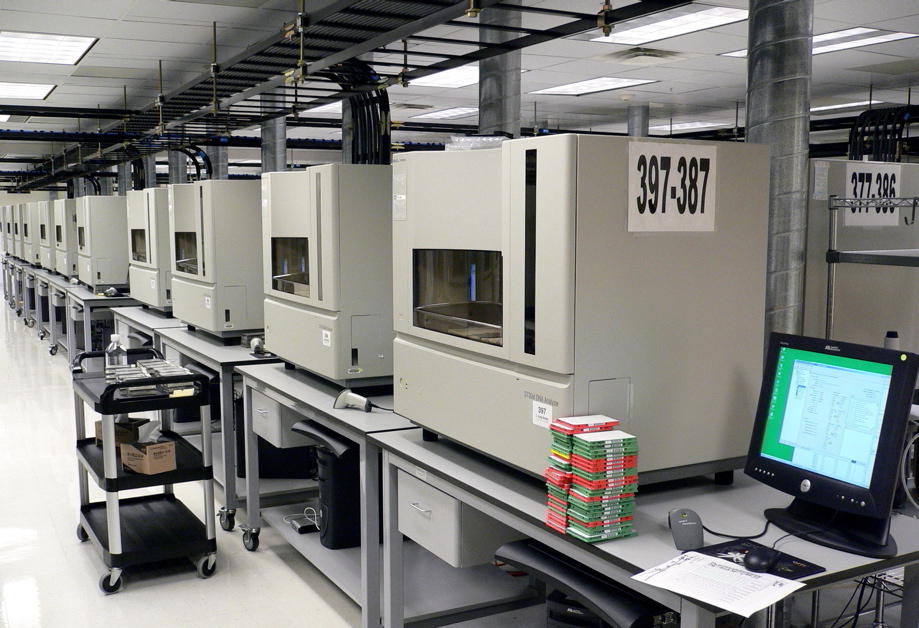
Before DNA testing, stable isotope analysis of nitrogen and carbon hinted at a marine origin. The bone chemistry didn’t match herbivorous mammals like mammoths but instead mirrored ocean-feeding organisms.
“This was our first indication the specimens came from a marine environment,” researchers explained. For decades, these chemical clues were overlooked. Proper application of standard scientific protocols might have flagged the anomaly long before DNA testing. The evidence for misidentification was literally in plain sight, waiting for modern tools.
Wooller’s Shock
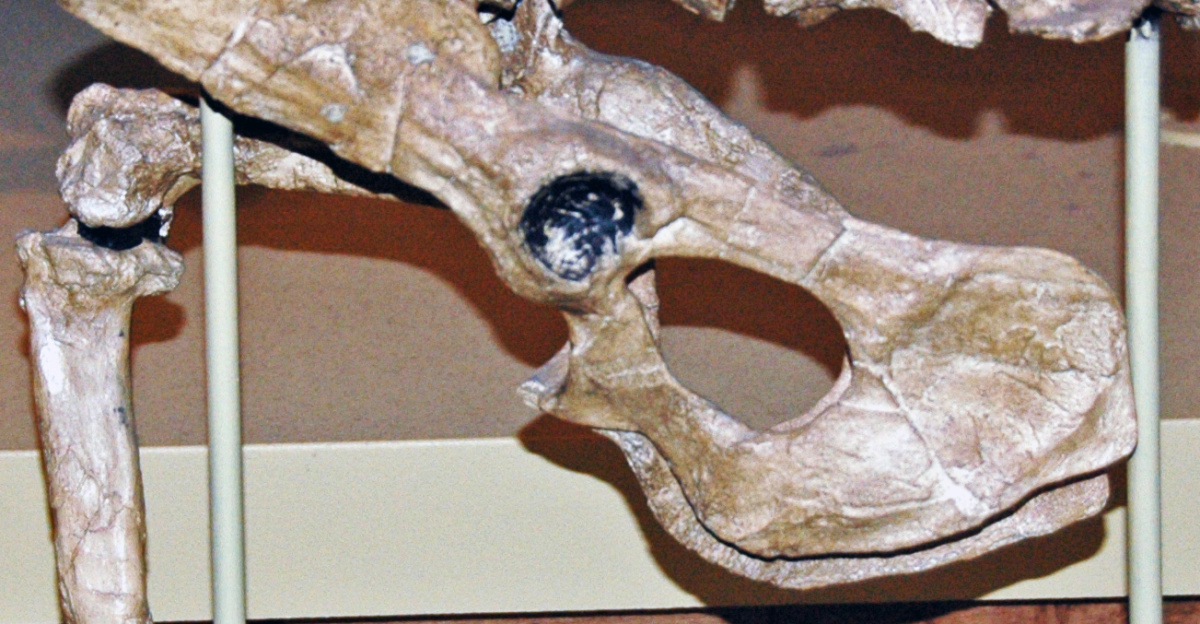
Matthew Wooller, an expert in ancient DNA and isotopes, initially found the whale identification almost unbelievable. “I was pretty much gobsmacked,” he admitted. Yet he quickly assembled a multi-disciplinary team to verify the results through radiocarbon dating, DNA sequencing, and isotope analysis.
Wooller’s rigorous scientific approach turned shock into methodical discovery. His insistence on verification became the cornerstone for correcting a seventy-year-old misidentification, highlighting how curiosity, skepticism, and method combine to reshape scientific knowledge.
Why Whales Look Like Mammoths
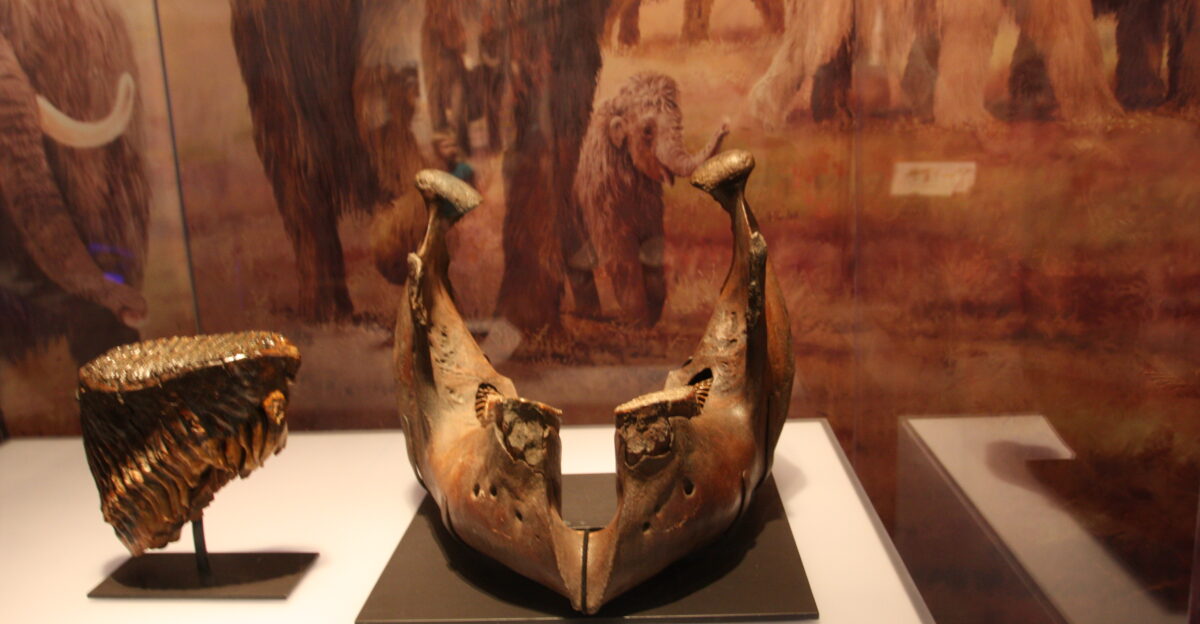
At first glance, whale vertebral plates and mammoth epiphyseal plates appear strikingly similar: large, spongy, and plate-like. Patrick Druckenmiller noted that this resemblance made the original misidentification entirely plausible.
Coupled with Dome Creek’s interior location, hundreds of miles from the sea, Geist’s visual assumption seemed reasonable at the time. Modern DNA and chemical analyses are now required to distinguish these species definitively, proving that even experienced paleontologists can be misled by morphology when context and technology are limited.
A 250-Mile Puzzle
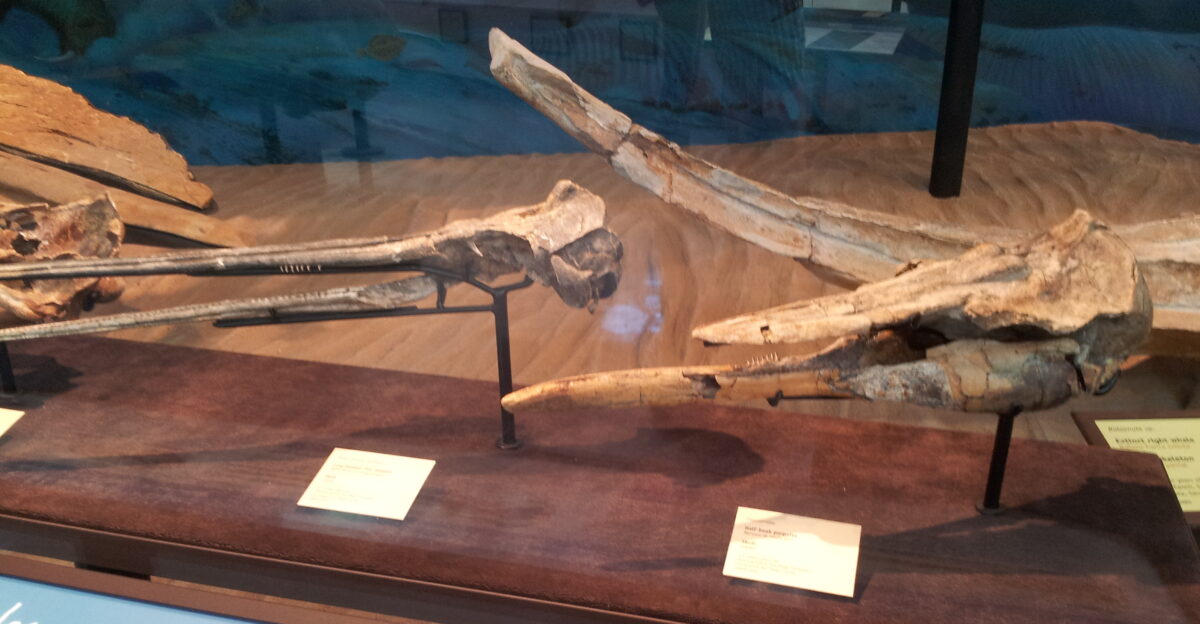
Dome Creek is far from the nearest coastline—about 250 miles inland. How did two whales, including a massive North Pacific right whale exceeding 45 feet, end up there? Researchers considered several theories: whales might have swum upriver, or humans could have transported bones for tools or trade.
Yet the most straightforward explanation points to human or institutional error. Regardless, the geographic mystery has captivated scientists, revealing how assumptions about animal distribution can be upended by careful verification.
A Cataloging Error
The most likely explanation: clerical mix-up during cataloging. Geist’s collection included both interior mammoth and coastal whale fossils. When the materials were archived together in the 1950s, some labels were likely swapped.
Historical museum records indicate coastal specimens were processed on the same days as Dome Creek finds, supporting this theory. The misidentification may have originated from administrative oversight rather than field collection error. Modern testing finally corrected the record, demonstrating how record-keeping can influence scientific conclusions.
Fractures in the Archive
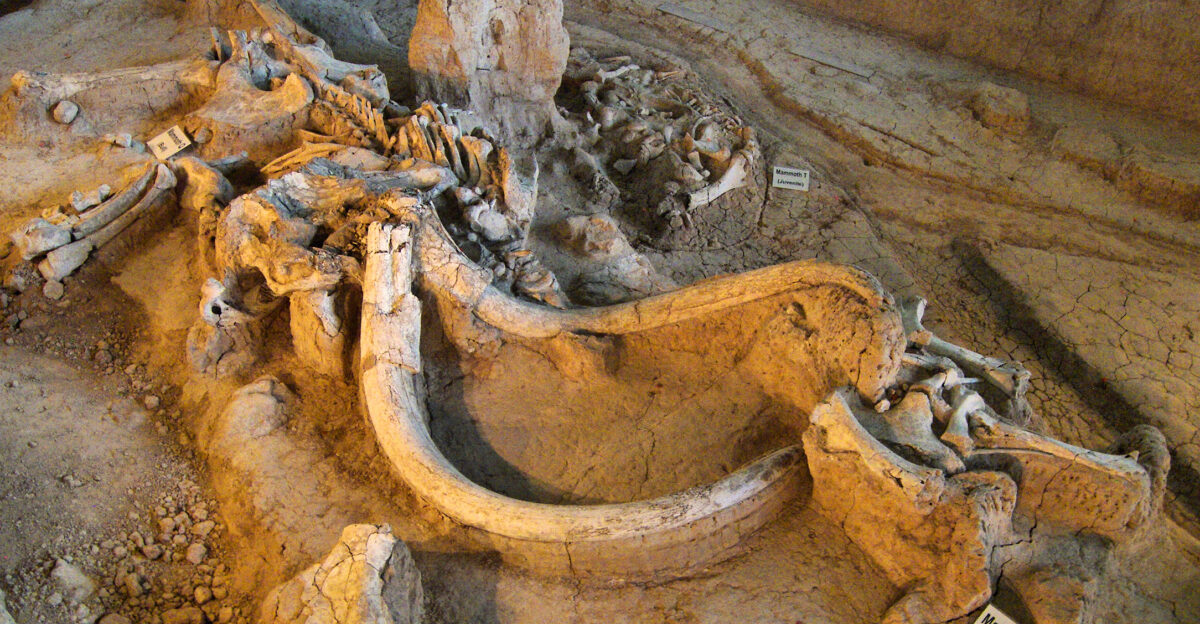
This misidentification reveals systemic vulnerabilities in museum collections. The UAF Museum houses roughly 1,500 mammoth fossils, many undated or untested. For decades, visual identification sufficed, leaving specimens vulnerable to error.
The whale bones suggest similar mistakes might lurk elsewhere. Director Druckenmiller emphasized the need for systematic re-examination, highlighting a tension between resource-intensive verification and the scientific imperative to maintain accurate records. This incident underscores how archival practices affect the integrity of decades of paleontological research.
An Unintended Consequence
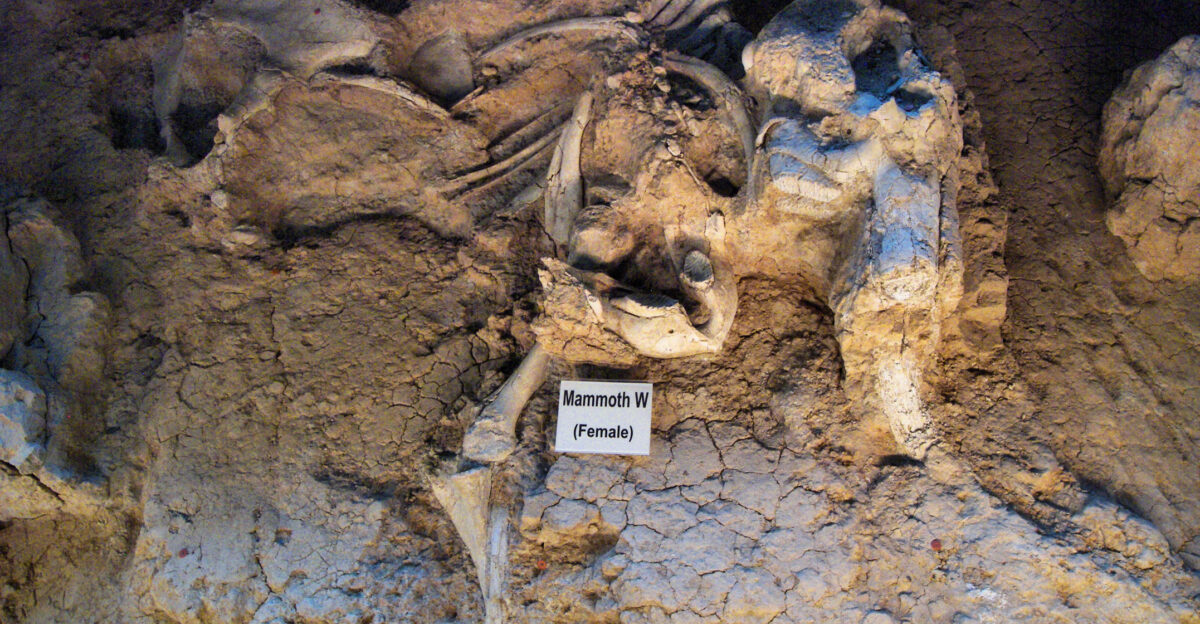
The Adopt-a-Mammoth program, originally designed to locate young mammoths, became an accidental audit system. By randomly selecting fossils for radiocarbon and isotope testing, the program uncovered decades-old misidentifications.
Researchers noted that such discoveries, while unplanned, highlight the hidden value of systematic public-sponsored testing. The success in identifying the whale bones has led the museum to expand re-evaluation efforts across its entire collection, demonstrating the power of citizen science to expose historical errors in scientific archives.
Active Specimen Management
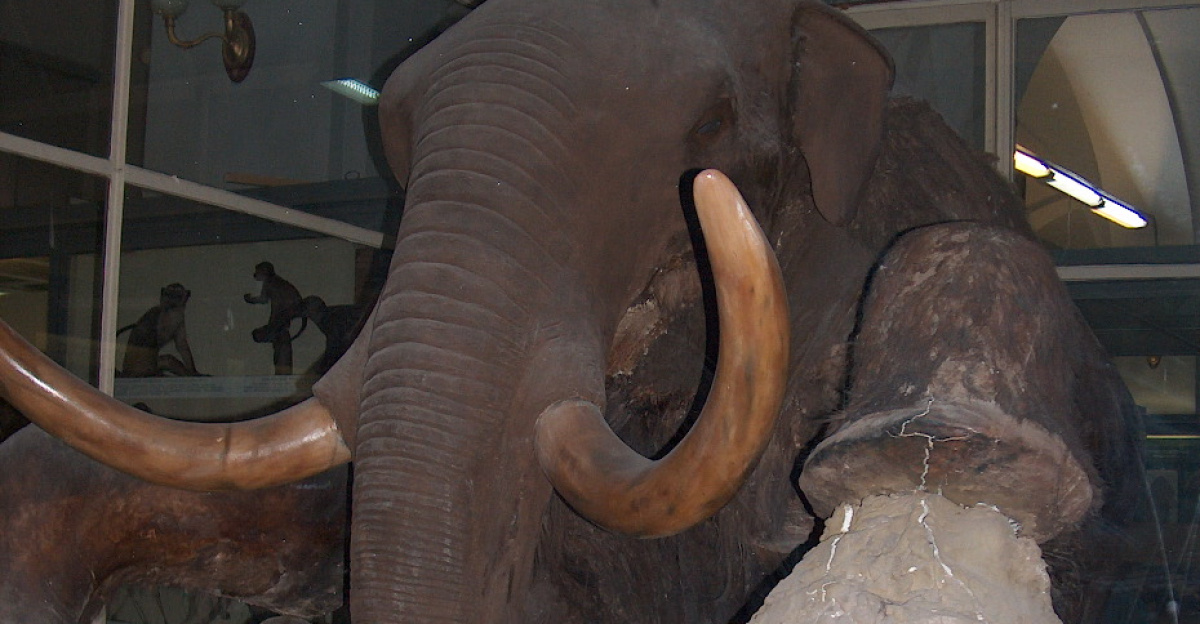
Following the discovery, the museum committed to accelerated testing of its 1,500 fossils. Radiocarbon dating, DNA sequencing, and isotope analysis are now standard for undated or ambiguous specimens.
Adopt-a-Mammoth sponsors can fund genetic testing alongside traditional methods. Support from Colossal Biosciences has expanded laboratory capacity. This represents a shift from passive archival storage to proactive verification, ensuring specimens are scientifically validated before conclusions are drawn. Alaska’s fossils are now under unprecedented scrutiny, creating a model for museums worldwide.
Verification Is Key
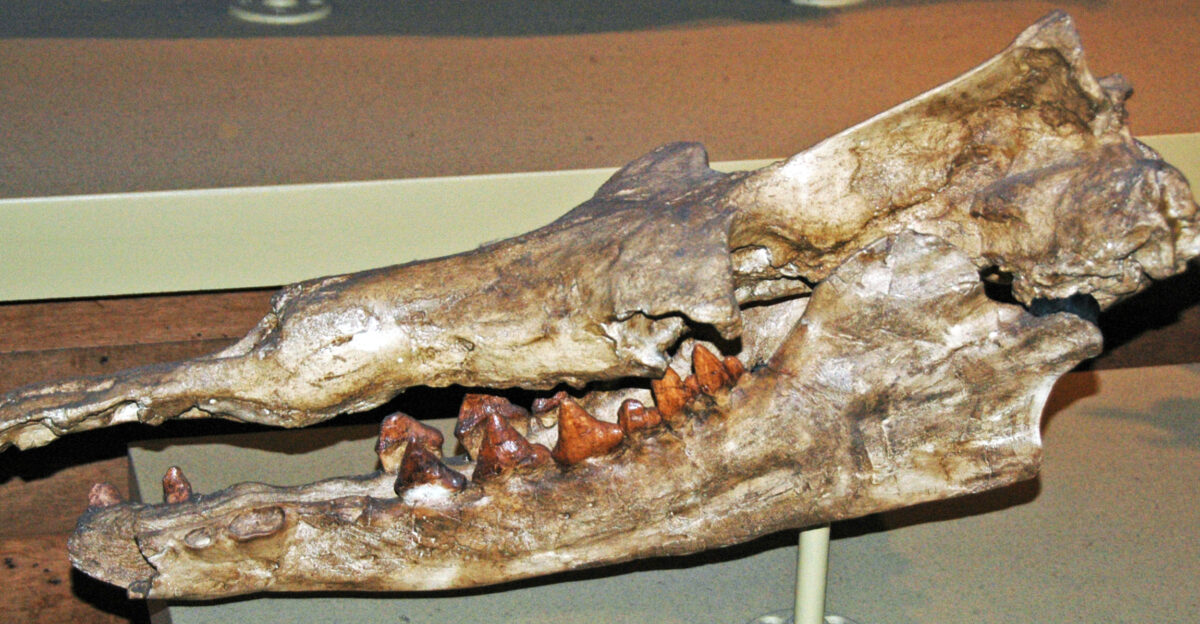
The whale identification faced no serious skepticism. Radiocarbon dates aligned with expected whale ages, isotopes indicated marine diet, and mitochondrial DNA confirmed species.
Both mammoth and cetacean experts independently verified the findings. The debate focused not on the correction but on how such an obvious misidentification persisted for seventy years. This emphasizes the necessity of modern verification, especially for specimens collected before contemporary methods existed, and the importance of combining chemical, genetic, and morphological evidence in paleontology.
Revisiting Extinction Timelines
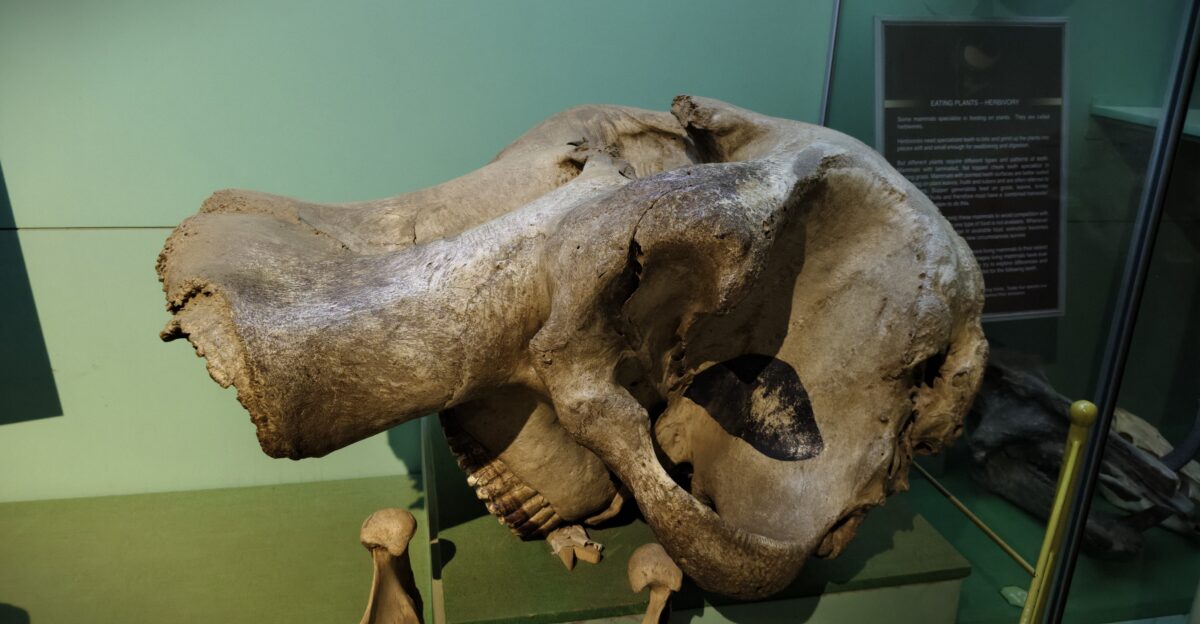
While the whale bones don’t change mammoth extinction dates, they refocus attention on genuinely young specimens. The youngest reliably dated Alaskan mainland mammoth is ~11,600 years old.
Systematic testing of undated fossils could reveal even later-surviving individuals, potentially reshaping theories of human-mammoth interactions. If no younger specimens are found, 11,600 years remains the terminus. Either way, active re-examination is essential, showing how one misidentified fossil can redirect scientific inquiry toward more meaningful questions.
Global Implications
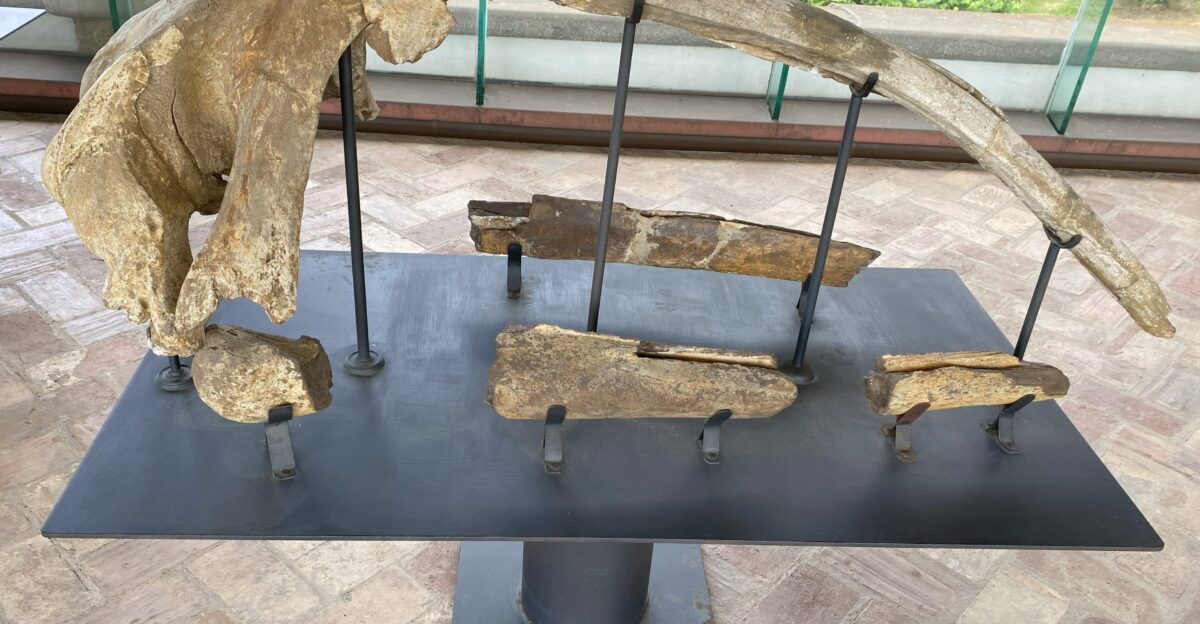
This case has international implications. Museums worldwide house undated or poorly documented fossils collected decades ago. Alaska’s misidentification demonstrates how modern DNA and isotope analysis can uncover errors and correct long-standing assumptions.
International collaborations may now prioritize re-examining specimens from marginal ranges or ambiguous morphology. Alaska’s discovery is likely the first of many such revisions, suggesting that fossil misidentification is not isolated but a systemic challenge in paleontology and museum sciences.
Rethinking Arctic Ecology
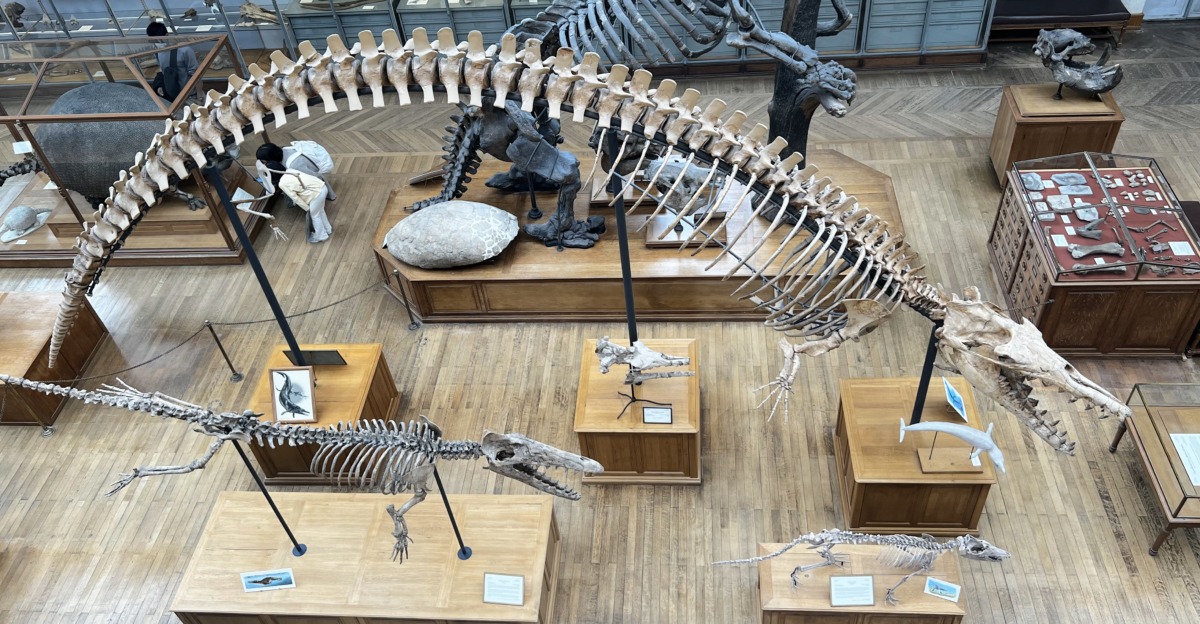
Two whale species found inland dating 1,900–1,100 years ago hint at complex marine-inland connectivity. Whether via rivers, human transport, or scavenging, marine mammals were part of a landscape shared with humans and land animals.
This challenges previous models of Arctic ecology, suggesting interconnected ecosystems and resource flows. Understanding how whales reached interior sites may shed light on ecological networks, predator-prey dynamics, and human-animal interactions in pre-contact Alaska.
Indigenous Knowledge
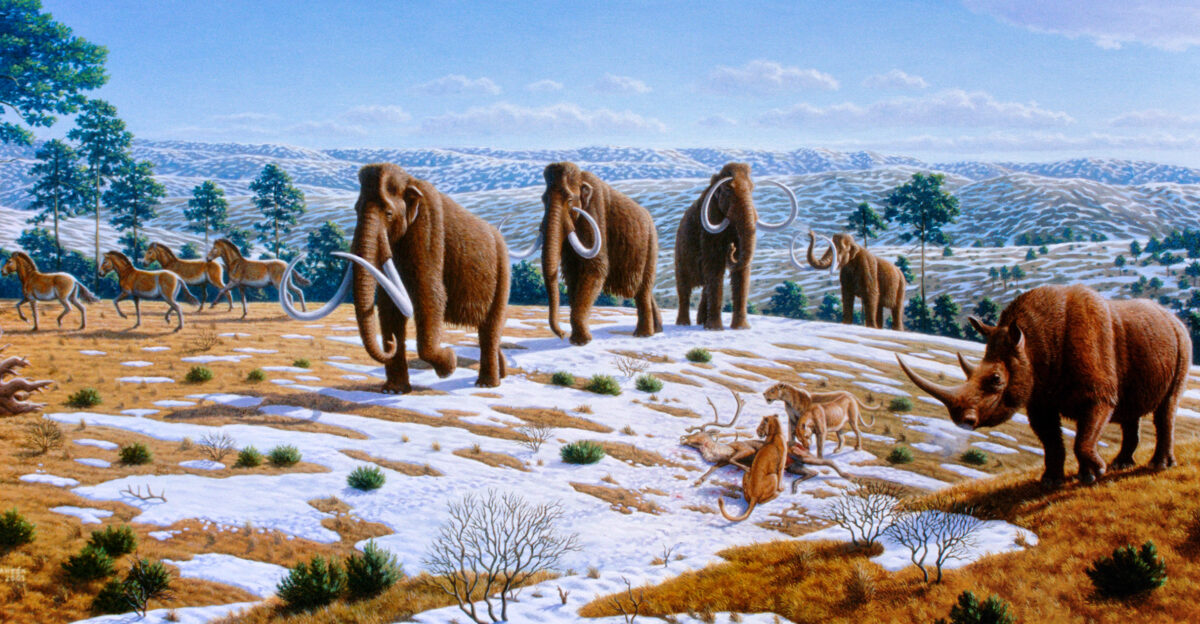
The possibility of human transport aligns with ethnographic records. Alaska’s indigenous peoples historically moved whale bones inland for tools, construction, and ceremonial purposes.
This finding underscores the value of incorporating indigenous knowledge into paleontology. Ancient human practices likely influenced the distribution of specimens, adding cultural and anthropological context to scientific analysis. Recognizing these networks helps scientists interpret site formation, trade, and resource management in a pre-industrial environment, blending anthropology with paleontology.
The Power of DNA

Genetic sequencing was critical for identifying the whale bones. Mitochondrial DNA enabled species confirmation even when nuclear DNA was degraded. Testing costs have fallen dramatically, making large-scale verification feasible.
As technology advances, museums may routinely DNA-test ambiguous fossils before cataloging, preventing future decades-long misidentifications. Alaska’s case demonstrates how genetics is transforming paleontology, shifting the field from reliance on morphology alone to integrative approaches combining chemistry, DNA, and isotopes.
New Questions, Not Just Answers
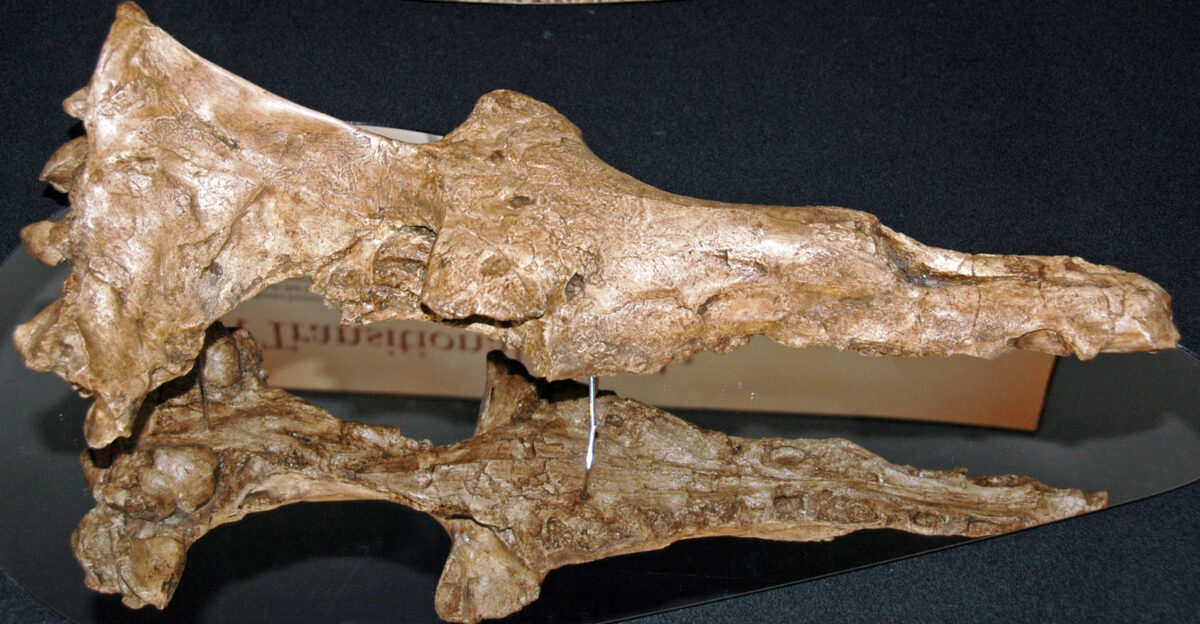
The “mammoth-that-wasn’t” story highlights science as an evolving process. Seven decades of misidentification ended, yet new questions emerged: why were whales 250 miles inland? How many other errors exist in museum collections?
What can these finds tell us about ancient Alaskan ecosystems and human networks? This discovery underscores the need for constant vigilance in archival management. In paleontology, every correction opens new mysteries, reminding us that scientific certainty is often provisional and curiosity is never optional.
Sources:
Phys.org, “A case of mistaken identity: Mammoth fossils from Alaska turn out to belong to two ancient whales”, January 6, 2026
Journal of Quaternary Science, “Adopted ‘mammoths’ from Alaska turn out to be a whale’s tale”, December 2025
Discover Magazine, “Youngest Mammoth Fossils Identified as Whale Bones in Surprise Discovery”, January 8, 2026
Science Alert, “‘Mammoth’ Bones Kept in a Museum For 70 Years Turn Out to Be an Entirely Different Animal”, January 9, 2026
Smithsonian Magazine, “Mysteriously Young ‘Mammoth’ Fossils Discovered in Alaska Turned Out to Be Whale Bones”, January 9, 2026
University of Alaska Fairbanks, “Adopt a woolly mammoth and win!”, August 25, 2022