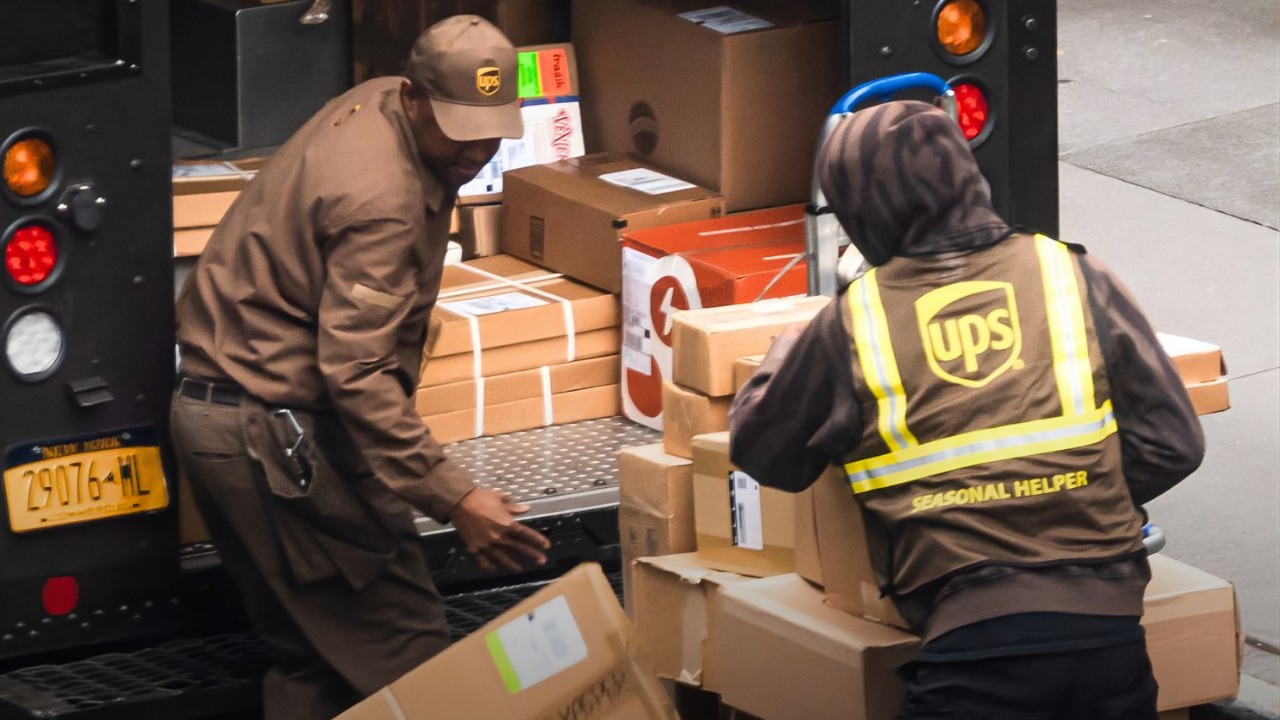
UPS closed its distribution center in Montgomery, Alabama, in February 2026. The company eliminated 128 jobs. Workers received no severance pay or relocation help. UPS filed a WARN notice on December 23, 2025, just before Christmas. This closure is part of the largest workforce reduction in UPS’s 117-year history.
The delivery giant started in Seattle in 1907 as a messenger service. By 2024, UPS employed 500,000 people worldwide. The company handled 20 million packages daily. Union drivers earned top wages—up to $170,000 per year with benefits. However, UPS now faces serious financial pressures. Online shopping has grown dramatically, yet profits continue to shrink. This presents a perplexing challenge for the logistics industry.
The Montgomery facility had served the local area for years. Workers learned about the layoffs right before the holidays. The cuts took effect on February 23, 2026. The most affected employees earned between $40,000 and $50,000 per year. Across the nation, UPS has cut a total of 48,000 jobs. These layoffs resulted in a loss of $4 billion to $5 billion in nationwide wages. Among 330,000 Teamsters union members working for UPS, 14.5% lost their jobs. Many long-time employees had planned to retire soon. Instead, they faced sudden uncertainty. Local officials were concerned about the ripple effects on Montgomery’s economy.
Industry Struggles and the Amazon Problem

The entire logistics sector struggled badly in 2025. In May alone, 733 companies filed for Chapter 11 bankruptcy. This marked a 62% jump from April’s 453 filings. That equals 24 bankruptcies per day. Trucking companies, freight brokers, and delivery services collapsed under pressure. Too many trucks chased too few shipments. Even record e-commerce sales couldn’t save them.
UPS faced unique challenges with its biggest customer, Amazon. Amazon generated a huge volume but suffered terrible profits. In January 2025, CEO Carol Tomé explained that Amazon’s business hurt domestic profit margins. UPS decided to slash Amazon deliveries by more than 50% by June 2026. The company launched a plan called “Network Reconfiguration and Efficiency Reimagined.” This initiative aimed to save $3.5 billion annually. The plan targeted 93 facility closures, including the Montgomery facility.
In Q3 2025, UPS processed 19.4 million packages daily. Yet package volumes dropped 9.8% compared to the previous year. Revenue fell from $22.2 billion to $21.4 billion. This happened during peak shopping season. Analysts struggled to understand how a volume leader could lose money while online shopping hit records. The answer lay in pricing. Amazon Logistics is expected to handle 59% of its own deliveries by late 2024. Amazon’s aggressive pricing made third-party carriers less competitive. FedEx watched UPS pull back from Amazon. FedEx wanted that volume but faced the same margin problems.
New Strategy and Uncertain Future

UPS chose a bold new direction. The company rejected Amazon’s volume and instead focused on profitable niches. Tomé called this “the most significant strategic shift in our company’s history.” UPS now prioritizes quality over quantity. The company offered voluntary buyouts to drivers for the first time in 117 years. Approximately 2,000 drivers accepted, resulting in a cost of $175 million to UPS. Union leaders accused the company of using Amazon changes to push automation.
UPS invested heavily in automated facilities with robots and minimal staff. Industry-wide automation investments surged 34% in 2024-2025. Wall Street liked the changes. UPS stock rose 7% after the announcement. The company expects to achieve full $3.5 billion in savings by 2027 through labor replacement.
UPS now targets healthcare logistics, aiming for $10 billion in annual revenue. This requires specialized, temperature-controlled shipping that Amazon struggles to match. The company also pursues premium business clients and international growth. These areas require fewer workers but necessitate specialized skills, such as pharmacy expertise.
Analysts remain divided on UPS’s strategy. Some praise ditching low-margin business. Others warn the company risks shrinking into irrelevance while competitors gain scale. The 9.8% volume drop worries credit rating agencies. As Montgomery families search for new jobs, the closures raise tough questions. Who pays the price when robots replace workers? Can selective downsizing sustain a delivery giant?
Sources
Supply Chain Dive, UPS warehouse closures and layoffs coverage, January 8, 2026
USA Today, UPS workforce reduction and restructuring coverage, October 28, 2025
Fortune, UPS CFO and Amazon pullback strategy coverage, October 29, 2025
Business Alabama, UPS Montgomery facility layoffs announcement, December 28, 2025
Final Round AI, UPS 48,000 employee layoffs analysis, October 27, 2025
Hindustan Times, UPS voluntary buyouts to drivers coverage, July 2, 2025