
The announcement echoed through the small town of Greenville as the Regional Medical Center of Central Alabama laid off 90 employees, a staggering blow to the community. In a matter of weeks, the hospital will cease its inpatient services, shifting to a Rural Emergency Hospital model.
While the facility will maintain 24/7 emergency care, the loss of inpatient beds means thousands of residents will need to travel for hospital admissions and overnight care. The hospital’s 72 beds—once the town’s lifeline—are disappearing, and so too are the jobs that supported families for generations. How will the town cope with this dramatic transition? The countdown to this drastic change has already begun.
Why Are Rural Hospitals Struggling?
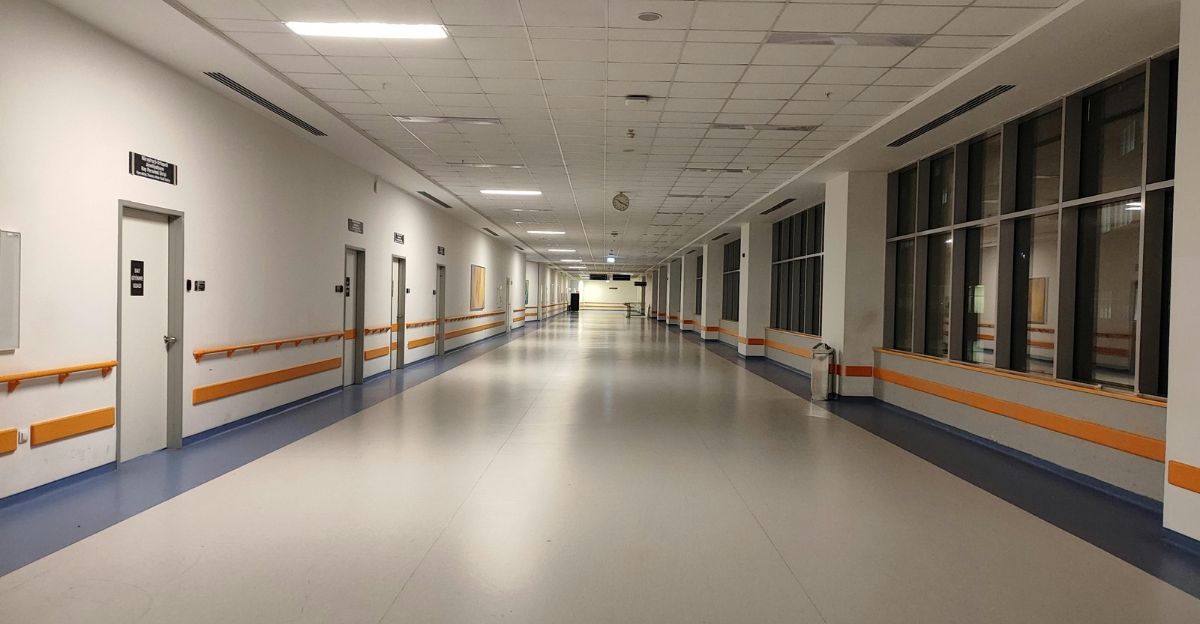
Rural hospitals face an uphill battle due to financial instability, declining patient numbers, and inadequate reimbursement rates. As hospitals struggle to meet their expenses, many, like RMCCA, are forced to reduce services or close altogether.
The transition to REH is part of a broader effort to maintain some level of healthcare access in rural communities while acknowledging the unsustainable nature of full-service hospitals.
The Immediate Impact: Reduced Access to Care
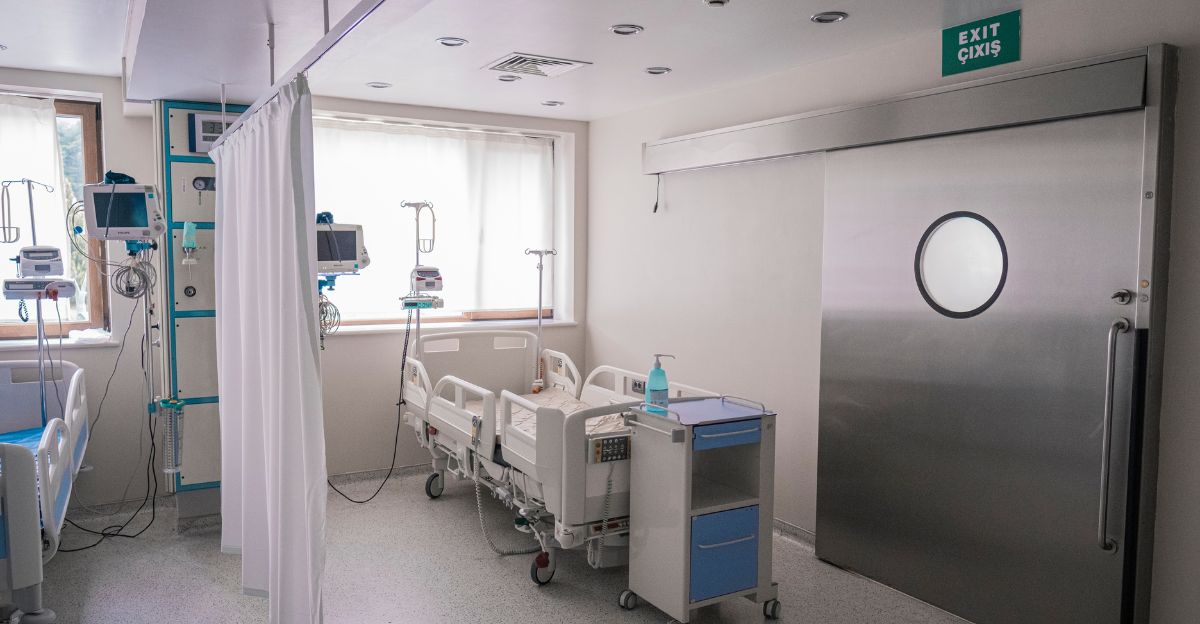
With the loss of inpatient services, Butler County residents will now face longer travel times for hospital admissions and overnight emergency treatment.
The community’s primary local hospital will no longer admit patients for overnight stays, forcing residents to drive 38-48 miles to facilities in nearby counties for inpatient services. This change could delay non-emergency care and complicate urgent situations requiring hospitalization, particularly for those with chronic conditions.
Job Losses Hit Local Economy Hard

The layoffs of 90 employees in Greenville, a town of just 7,400 residents, have a significant economic impact. The hospital was one of the largest employers in the area, and its closure will ripple through local businesses.
As residents lose jobs, consumer spending will drop, potentially leading to further economic struggles in this already vulnerable rural town.
Nearby Services Could Struggle Too

The reduction in services at RMCCA could also affect neighboring healthcare providers. Clinics, pharmacies, and ambulance services may face higher demand or increased strain as they try to accommodate displaced patients.
The collapse of one facility has a domino effect, threatening the viability of other local healthcare businesses, further exacerbating the rural healthcare desert.
Alabama’s Crisis Reflects National Trend

RMCCA’s transition is part of a larger crisis facing rural hospitals across the U.S. Over half of Alabama’s rural hospitals are at risk of closing, mirroring a national trend.
As financial instability plagues small-town hospitals, many are unable to survive, with 19 facilities in Alabama at immediate risk. Rural healthcare is quickly becoming a casualty of broader economic and policy failures.
Job Losses Affect Families and Communities

The loss of 90 jobs impacts not only the employees but also their families and the larger community. Many of these workers are deeply embedded in Greenville’s social fabric, and their absence will be felt.
With their incomes gone, these families face uncertainty, and some may be forced to relocate, disrupting local schools and community dynamics.
Calls for Policy Action Grow Louder

As rural hospitals continue to close, there is increasing pressure on state and federal governments to intervene. Alabama has introduced a Rural Hospital Investment Tax Credit, effective in 2026, to encourage private donations to struggling facilities.
Advocates also push for Medicaid expansion to stabilize rural hospitals’ funding and ensure broader access to care.
Rising Costs in Urban Areas

As rural hospitals shut down, more patients are forced to seek care in urban facilities, leading to overcrowding and longer wait times. This influx can drive up costs for urban hospitals, exacerbating an already strained system.
With rural communities losing healthcare access, the demand on city hospitals grows, creating an unsustainable burden for the entire healthcare system.
Health Risks Multiply in Rural America

For rural residents, the loss of local inpatient care options means delayed hospital admissions and interrupted access to specialized services.
Chronic conditions may worsen, and urgent health issues requiring hospitalization will require longer travel times. The reduced availability of maternal, mental health, and emergency services threatens the long-term well-being of these communities.
Cultural Impact: Rural Identity at Risk

Hospitals are vital pillars in small-town America, often seen as symbols of community pride and identity. The closure of RMCCA raises deeper questions about the future of rural communities.
As healthcare options shrink, some fear the erosion of the town’s character and cohesion, with others advocating for innovative solutions to preserve these essential services.
Global Perspective: Rural Health Challenges Worldwide

The crisis in Alabama is not unique. Rural health challenges are a global issue, affecting communities in Europe, Australia, and beyond.
The struggle to provide healthcare in remote areas is a universal challenge, and international efforts are underway to explore innovative solutions. As rural America grapples with this issue, it finds itself part of a larger global conversation on healthcare accessibility.
Who Wins and Who Loses?

While urban hospitals and telehealth services may see increased demand, the overall loss of rural hospital capacity leaves many communities worse off.
The real losers are the patients and workers who face job loss and reduced care options. In this situation, there are few winners, and the broader healthcare system is left to bear the brunt of rural closures.
What Can Rural Residents Do?
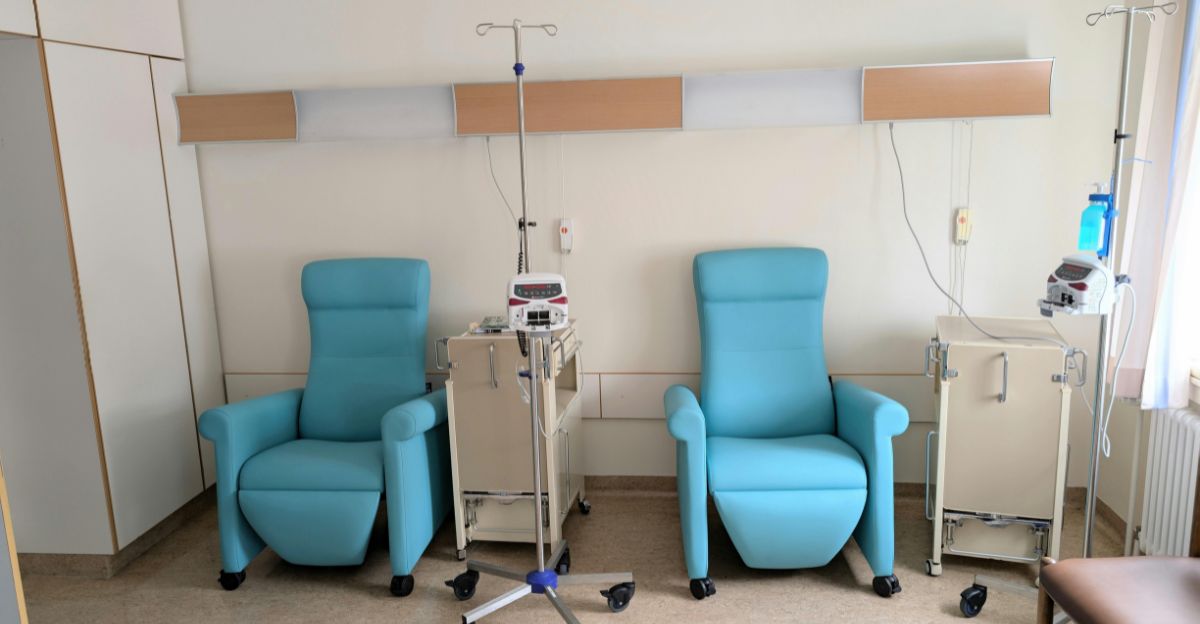
Residents affected by the closure of RMCCA are encouraged to review their health insurance options and consider alternative care providers, such as telemedicine.
Community leaders must advocate for policy changes, and local health initiatives will be crucial in filling the gaps left by the hospital’s transition. It’s a time for rural residents to act and ensure their voices are heard in the fight for healthcare.
The Future of Rural Healthcare: Will It Survive?

The closure of RMCCA is a stark warning sign for rural America. If rapid action isn’t taken, more communities will lose their hospitals and essential care services.
The upcoming years will determine whether policies like the $50 billion federal rural health transformation program can reverse the trend or if rural healthcare deserts will continue to spread.