
Just after Christmas, the city of Fort Payne, Alabama, received devastating news: Renfro Brands, a major sock manufacturer and the town’s largest private employer, will close its plant and lay off 455 workers. The company, citing a need for “efficiency gains,” will shift operations to Cleveland, Tennessee, offering only 75 replacement jobs. For a community once known as the “Sock Capital of the World,” the closure is more than an economic setback—it strikes at the heart of Fort Payne’s identity and future.
Ripple Effects in a Textile Town

The loss of nearly 500 jobs will reverberate far beyond the factory floor. Fort Payne’s economy, deeply rooted in textile manufacturing, faces a sharp downturn as hundreds of families lose their primary source of income. Local businesses, from diners to hardware stores, are bracing for a drop in sales as consumer spending contracts. Schools and public services anticipate budget shortfalls due to declining tax revenues. The closure marks a painful milestone in the ongoing decline of Alabama’s textile industry, which has struggled for decades to compete with global rivals and adapt to new technologies.
Industry Pressures and Automation

Renfro’s decision is part of a broader trend reshaping the U.S. textile sector. Since 2000, the industry has shed hundreds of thousands of jobs, shrinking from 850,000 to just 350,000 by 2010. Globalization and the rise of fast fashion have fueled demand for cheaper, faster production, pushing companies to automate and relocate to countries with lower labor costs. Competition from China, India, and Bangladesh has intensified, making it difficult for American factories to survive. Automation, once seen as a tool for progress, now means fewer jobs for workers in places like Fort Payne. The shift is not unique to Alabama; manufacturing towns across the country face similar threats as the industry consolidates and modernizes.
Workers Confront Uncertainty
For the workers losing their jobs, the timing could hardly be worse. Many have spent decades at Renfro, developing skills that may not transfer easily to other industries. With limited retraining programs and few comparable jobs in the area, many face the prospect of lower-wage service work or prolonged unemployment. The emotional toll is significant, as families grapple with financial insecurity and the loss of a way of life that has defined the community for generations. Unemployment benefits offer only temporary relief, and the path to new careers is uncertain in a region where manufacturing has long been the backbone of the local economy.
Shifting Markets and Environmental Concerns
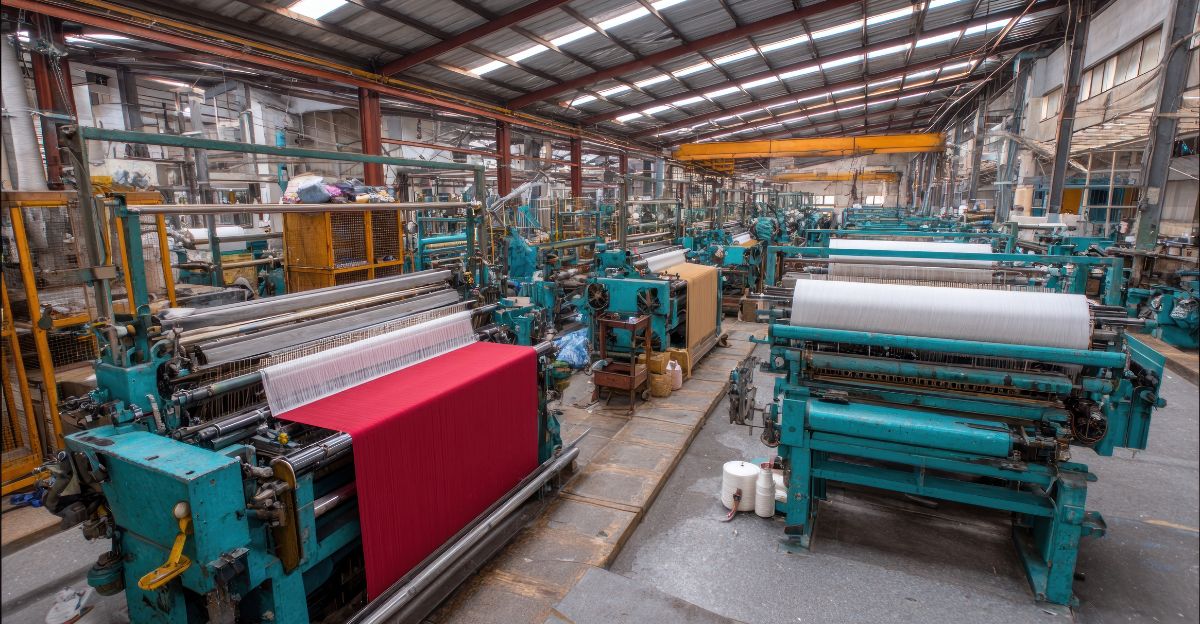
The closure also reflects a larger shift in the textile market. Synthetic fibers such as polyester and nylon are rapidly replacing traditional cotton, which once fueled Alabama’s mills. These materials are cheaper to produce and favored by fast-fashion brands, accelerating the decline of labor-intensive cotton production. While synthetics offer cost advantages, they raise new environmental concerns, including increased plastic pollution and challenges in recycling. As the industry pivots away from cotton, traditional textile hubs like Fort Payne find it harder to compete, and the environmental costs of this transition remain largely unaddressed.
Policy Limits and the Road Ahead

State and local leaders have few tools to counteract these global forces. While Alabama lawmakers have advocated for policies to support American-made cotton and manufacturing, the root causes of the industry’s decline—international competition, automation, and shifting consumer preferences—lie beyond their control. Federal trade policies and global supply chains continue to favor the lowest-cost producers, making it difficult for communities like Fort Payne to attract new investment in textiles. As the town braces for the economic and social fallout, its future remains uncertain. The closure of Renfro’s plant is a stark reminder of the challenges facing American manufacturing towns, and the need for broader solutions to help workers and communities adapt to a rapidly changing global economy.