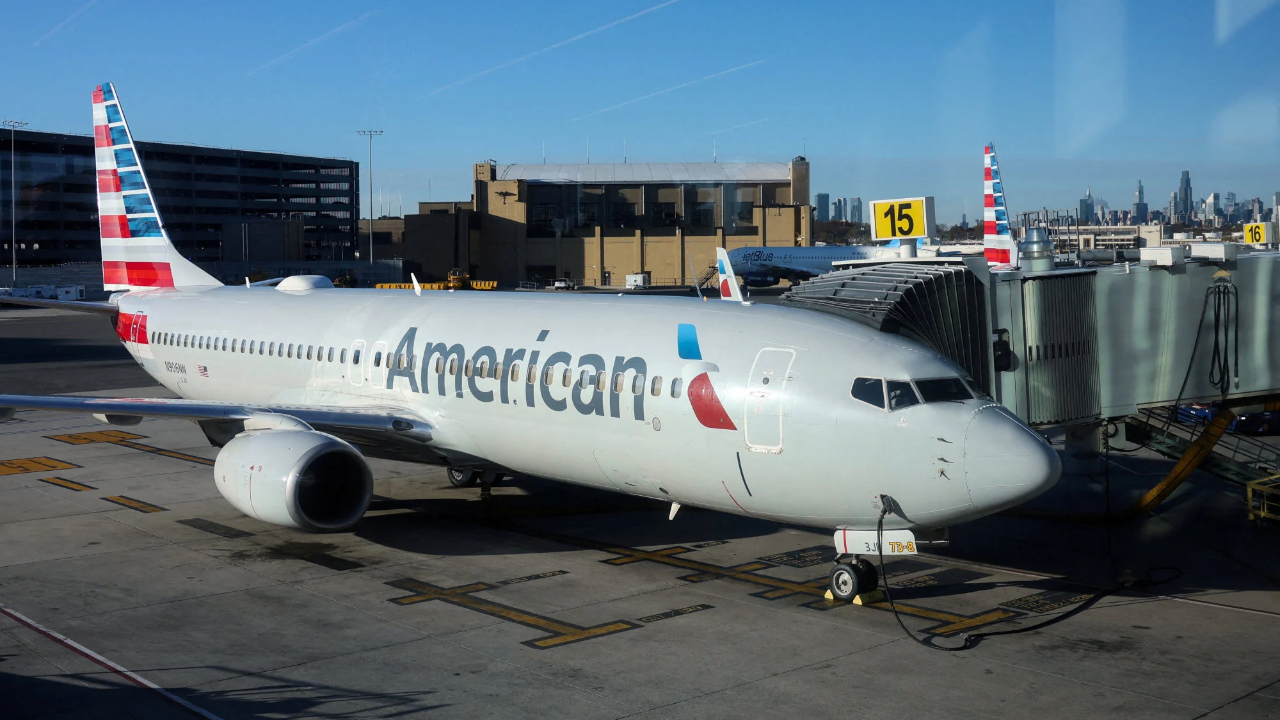
Passengers aboard JetBlue Flight 1230 had no warning. One moment, they were cruising peacefully from Cancun toward New Jersey. The next, the aircraft pitched violently downward—dropping 100 feet in seven seconds. Flight attendants flew upward. Passengers slammed into seatbacks.
“I felt like I was going to die,” Terrica Turner later told ABC News. At least 15 people were hospitalized after an emergency landing in Tampa.
Investigators Uncover an Invisible Culprit
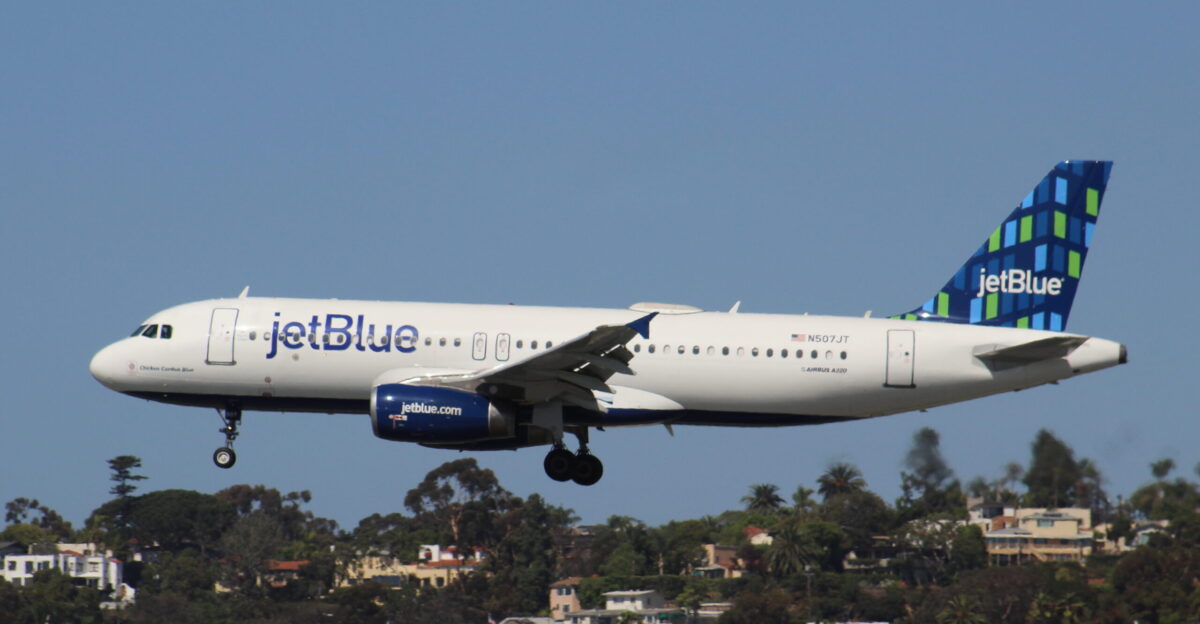
What caused a perfectly functioning Airbus A320 to lose control suddenly? For weeks, investigators analyzed data from the October 30 incident. Their conclusion sent shockwaves through the aviation industry. According to Airbus’s official statement, “intense solar radiation may corrupt data critical to the functioning of flight controls”.
The sun itself had attacked the aircraft’s computer brain—and thousands more jets carried the same vulnerability.
Airbus Orders the Largest Recall in Its History
On Friday, November 28—smack in the middle of America’s busiest travel weekend—Airbus issued an unprecedented directive. Approximately 6,000 A320-family aircraft worldwide must undergo immediate software repairs before flying again.
The timing was brutal. Millions of Thanksgiving travelers were mid-journey. Airlines scrambled to identify which planes could fly and which were suddenly grounded.
American Airlines Faces a Logistics Nightmare
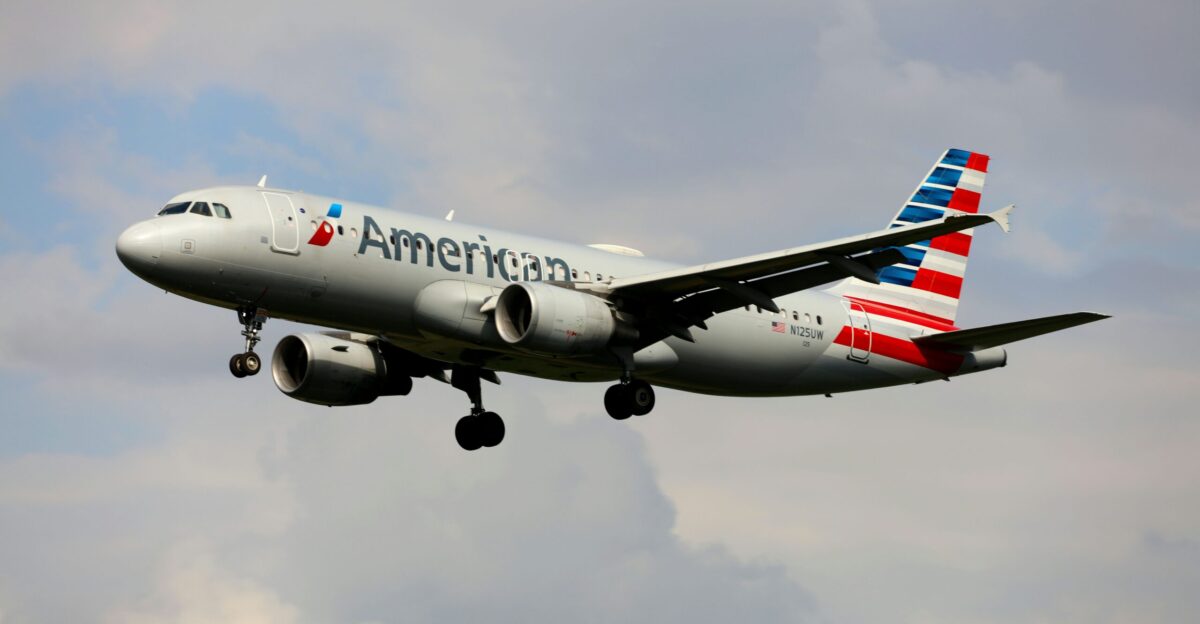
America’s largest A320 operator absorbed the heaviest blow. American Airlines confirmed that 209 of its jets required the emergency software fix. With each repair taking roughly two hours, maintenance crews faced hundreds of combined work hours during peak holiday operations.
The airline promised “swift action” and expected most updates to be completed by Saturday, but acknowledged delays were inevitable.
Delta and United Escape the Worst
Not every carrier faced a crisis. Delta Air Lines reported that fewer than 50 aircraft were affected and expressed confidence that all updates would be completed by Saturday morning. United Airlines emerged nearly unscathed with only six jets needing repairs. A spokesperson predicted “minor disruption to a few flights”.
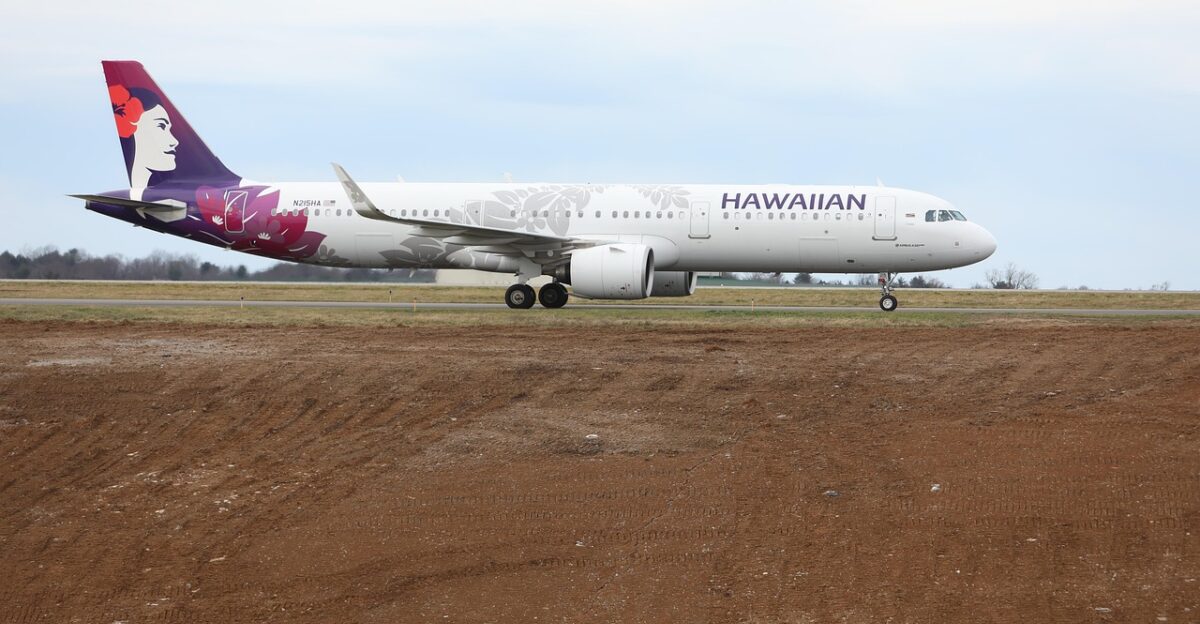
Hawaiian Airlines confirmed its entire fleet was clear. For some travelers, luck determined whether holidays proceeded smoothly.
Avianca Suspends All Ticket Sales Through December
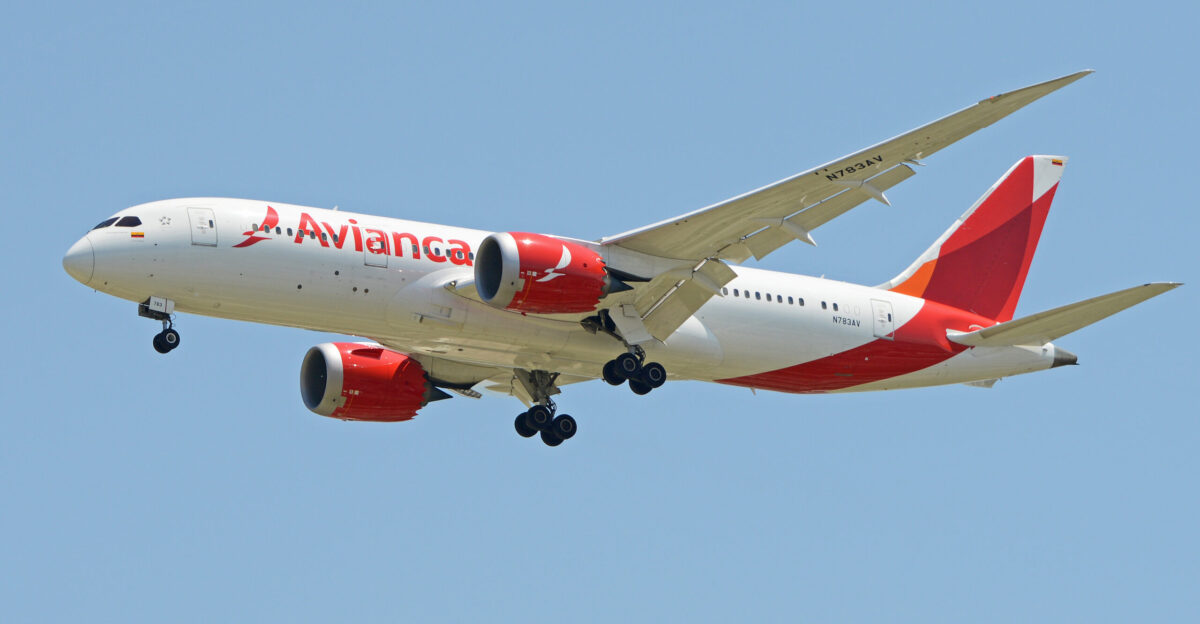
Colombia’s Avianca faced catastrophe—more than 70 percent of its fleet, roughly 100 aircraft, required emergency fixes. Overwhelmed by the logistics, the airline took a drastic step: suspending all ticket sales through December 8.
“Significant operational disruptions will inevitably occur,” Avianca warned passengers, promising direct contact about rebooking options. Tens of thousands of travelers faced stranded holidays with no immediate solutions.
Global Chaos Spreads From Europe to Australia
The recall cascaded across continents. Germany’s Lufthansa expected weekend cancellations. India’s IndiGo scrambled to fix 200 aircraft. Australia’s Jetstar cancelled approximately 90 flights, stranding more than 15,000 passengers.
Air France grounded over 50 flights to and from Paris. UK carriers EasyJet and Wizz Air warned of potential disruptions as engineers worked frantically through the night.
The Terrifying Science Behind the Flaw
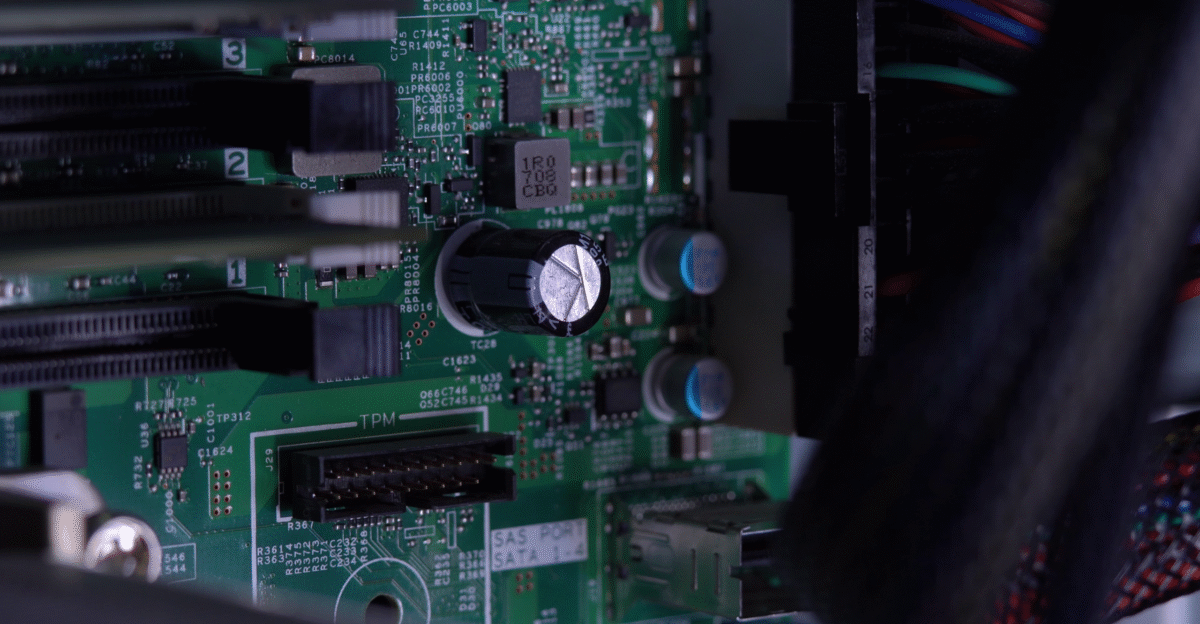
The technical explanation revealed a chilling vulnerability. Solar radiation—intensified during the current peak of the sun’s 11-year activity cycle—can trigger “bit flips” inside flight computers. Charged particles strike memory chips and flip digital ones to zeros.
In the A320’s Elevator Aileron Computer, corrupted data could cause “uncommanded elevator movement,” potentially exceeding structural limits. The sky itself had become hostile.
Regulators Demand Immediate Action Worldwide

Aviation authorities moved decisively. The European Union Aviation Safety Agency issued an Emergency Airworthiness Directive requiring software installation before affected aircraft could carry passengers. “Safety is paramount,” EASA declared, warning of “short-term disruption to flight schedules”.
The Federal Aviation Administration prepared matching requirements for over 500 U.S.-registered aircraft. No exceptions. No delays.
How Cosmic Particles Corrupt Flight Computers
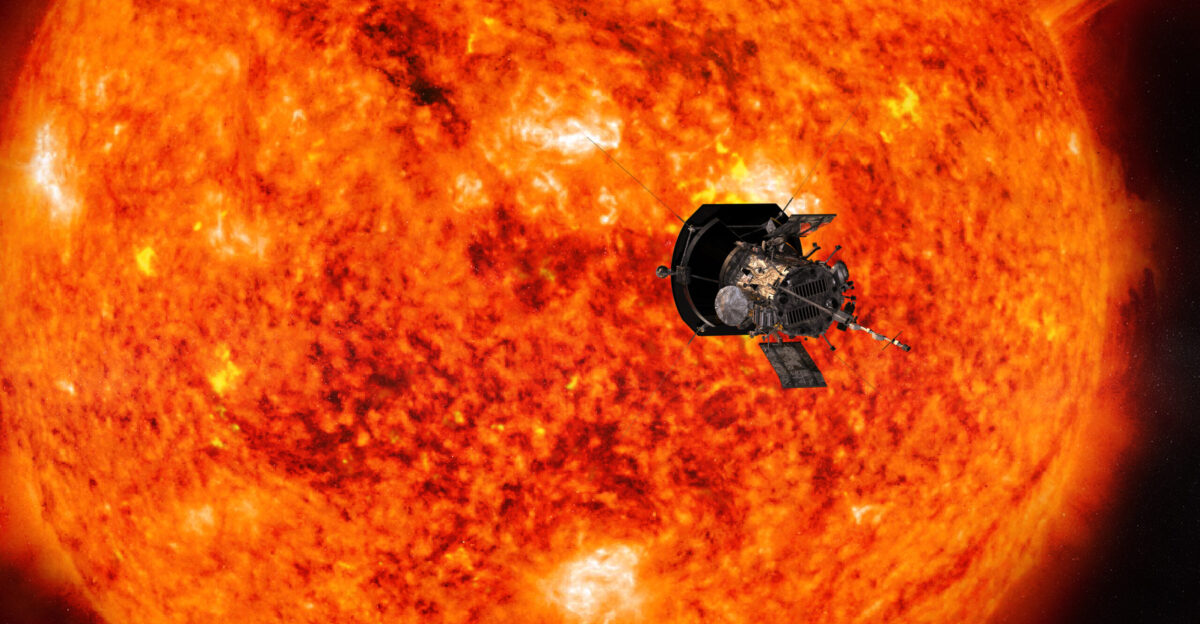
Solar particles arrive as protons and heavy ions traveling near light speed. At 28,000+ feet, Earth’s magnetic field weakens—less protection. Aircraft fuselage aluminum provides minimal shielding. Radiation penetrates directly into avionics bays.
Inside flight computers, a single charged particle striking a memory cell can flip a bit: one becomes zero, creating corrupted flight-control commands. Engineers call it single-event upset. It happens in satellites routinely but was never thought critical on commercial aircraft until October 30.
The Two-Hour Fix Racing Against Holiday Deadlines
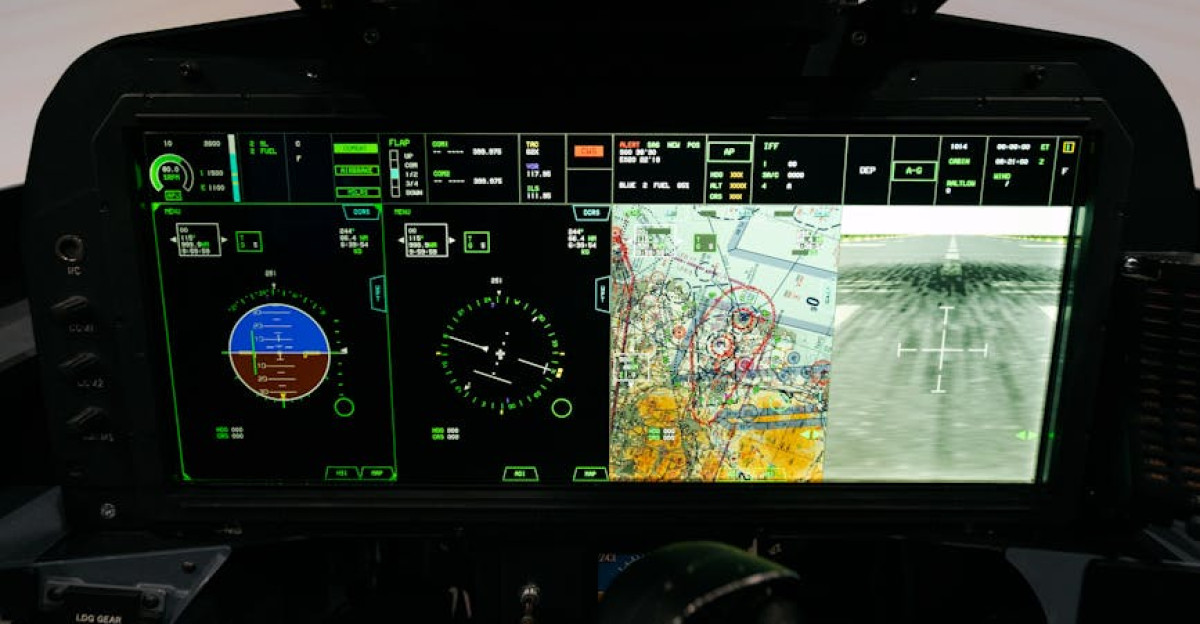
The repair itself proved mercifully straightforward—reverting aircraft to an earlier, unaffected software version. Aviation consultant Mike Stengel noted “the silver lining being that it only should take a few hours to update the software”.
Roughly 1,000 aircraft required more complex hardware replacements, extending downtime significantly. Airlines faced a mathematical impossibility: too many planes, too few hours, too many waiting passengers.
Overnight Heroes Work While Passengers Sleep
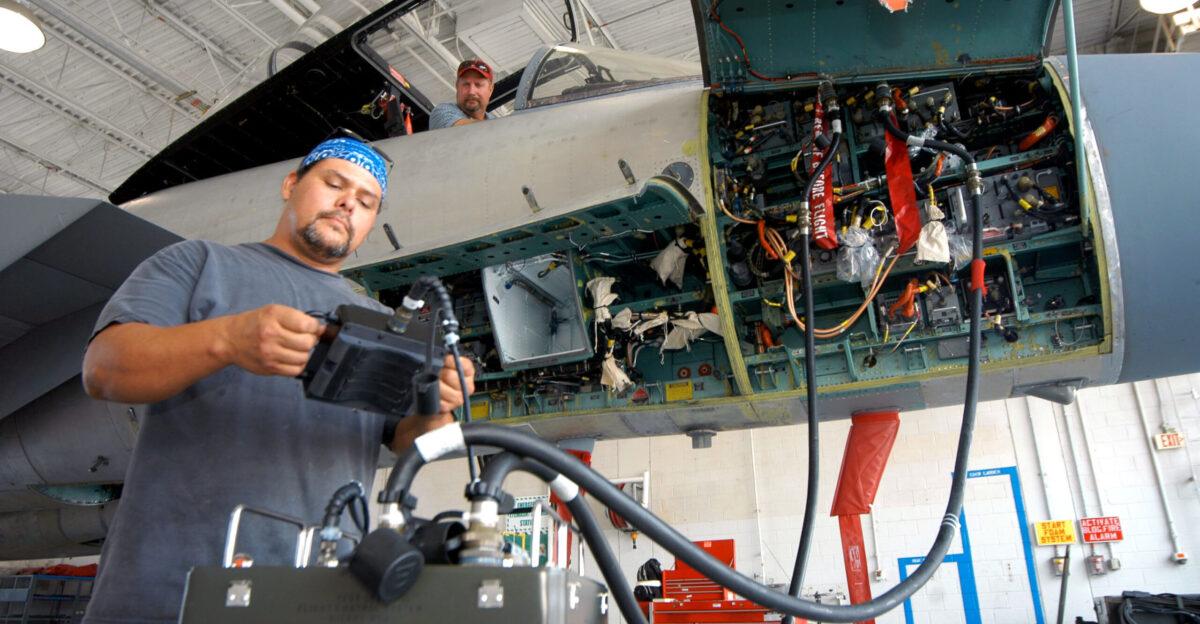
As Friday night fell, maintenance crews across the globe mounted an extraordinary effort. Wizz Air completed all required updates by Saturday morning, with its operations chief thanking teams “who worked tirelessly through the night”.
British Airways finished overnight, reporting zero passenger impact. EasyJet announced its Saturday schedule would operate normally. Behind every flight that departed on time stood exhausted technicians who never stopped working.
Did We Miss Earlier Warning Signs?
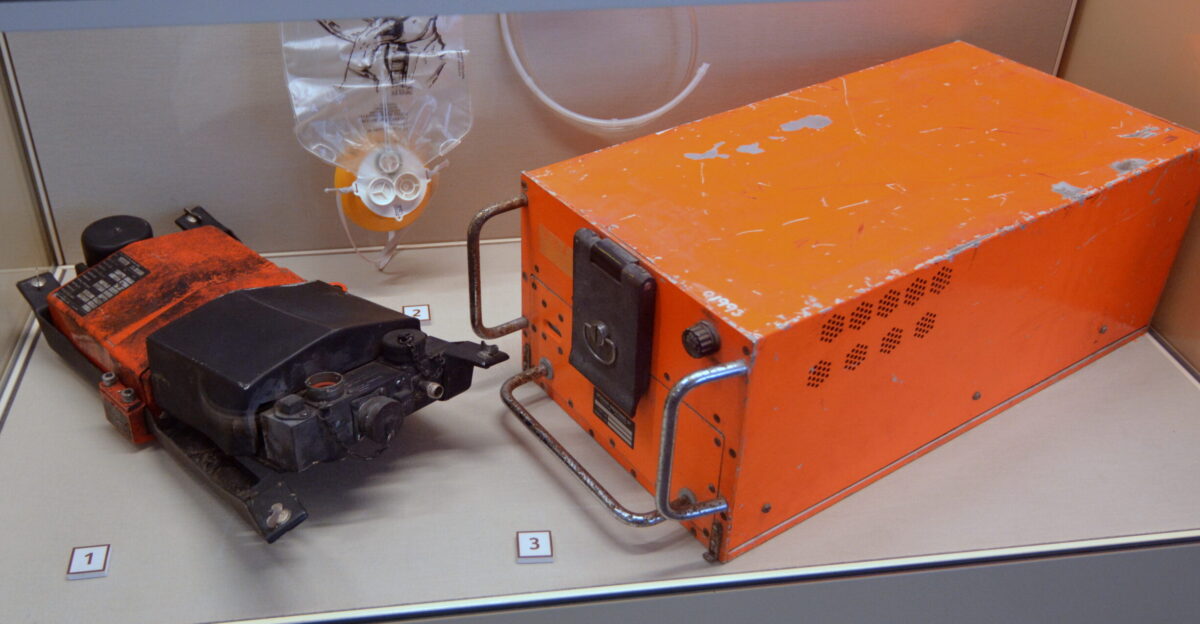
Aviation safety depends on near-miss reporting. Did other A320 pilots experience unexplained altitude drops or control anomalies before October 30? The JetBlue incident was documented. But incidents unreported or dismissed as pilot error might have occurred silently for weeks.
Airbus and regulators now face pressure to conduct a comprehensive audit of flight data recorders across the global A320 fleet. Early detection could have prevented mass panic. Instead, a holiday weekend became the first public warning. The industry admits it may have missed earlier red flags.
The World’s Most Popular Jet Under Scrutiny
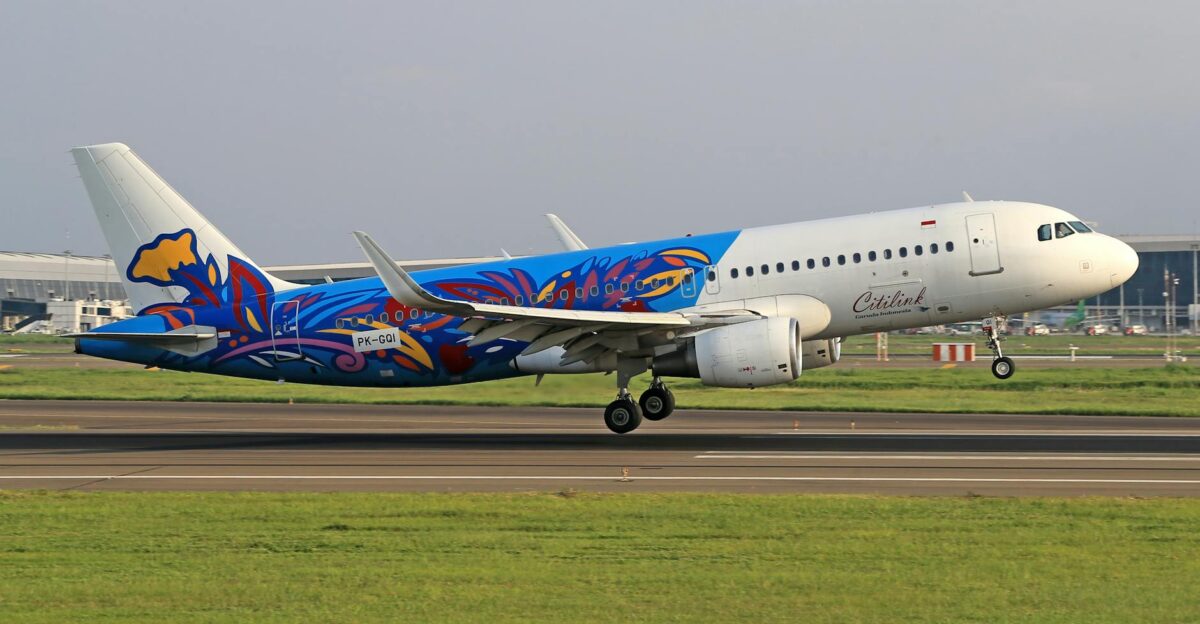
The A320 family revolutionized aviation when launched in 1984 as the first fly-by-wire airliner. Today, more than 9,000 operate globally—including 1,600 in America. The aircraft recently overtook Boeing’s 737 as history’s most-delivered commercial jet.
Now, more than half the entire fleet faced mandatory repairs in one of aviation’s most sweeping safety actions ever. A beloved workhorse suddenly looked vulnerable.
Airlines Begin Installing Solar Weather Systems
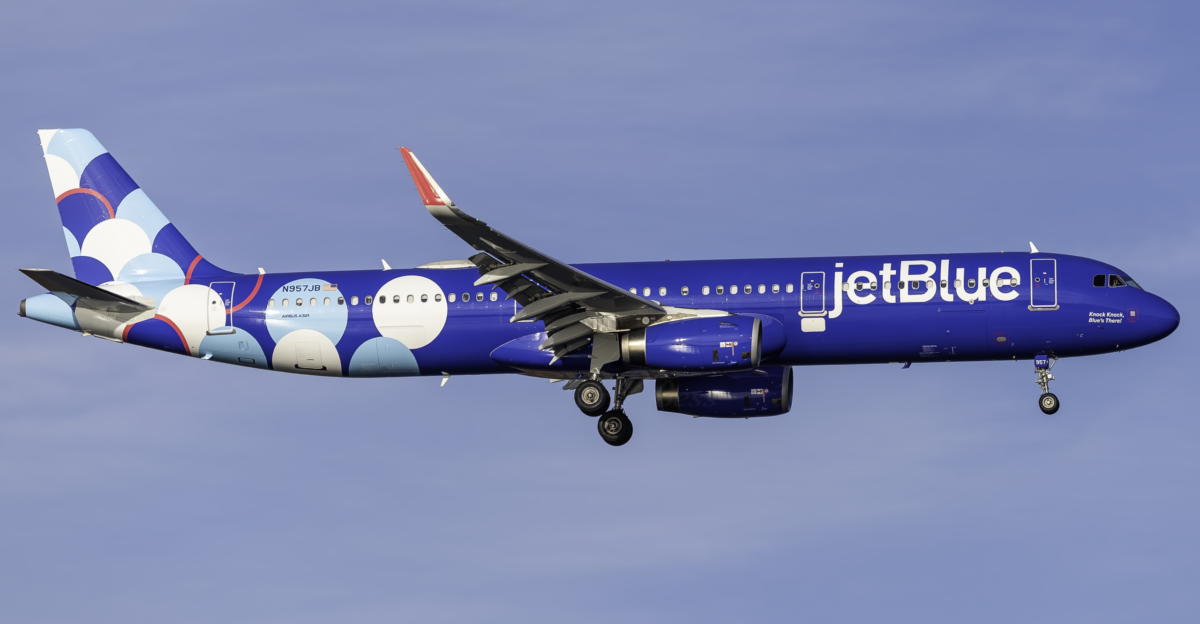
In response to the recall, carriers are retrofitting aircraft with solar radiation detection systems. Real-time alerts will warn pilots of extreme space weather events mid-flight. United, American, and Delta announced plans to integrate these monitors fleet-wide by spring 2026.
EASA and FAA endorsed the upgrades as supplementary safety measures. Pilots will receive alerts allowing descent to lower altitudes where radiation is less intense. It’s a defensive posture—admit the threat, build countermeasures, adapt operations.
Stranded Families Face Uncertain Holiday Returns
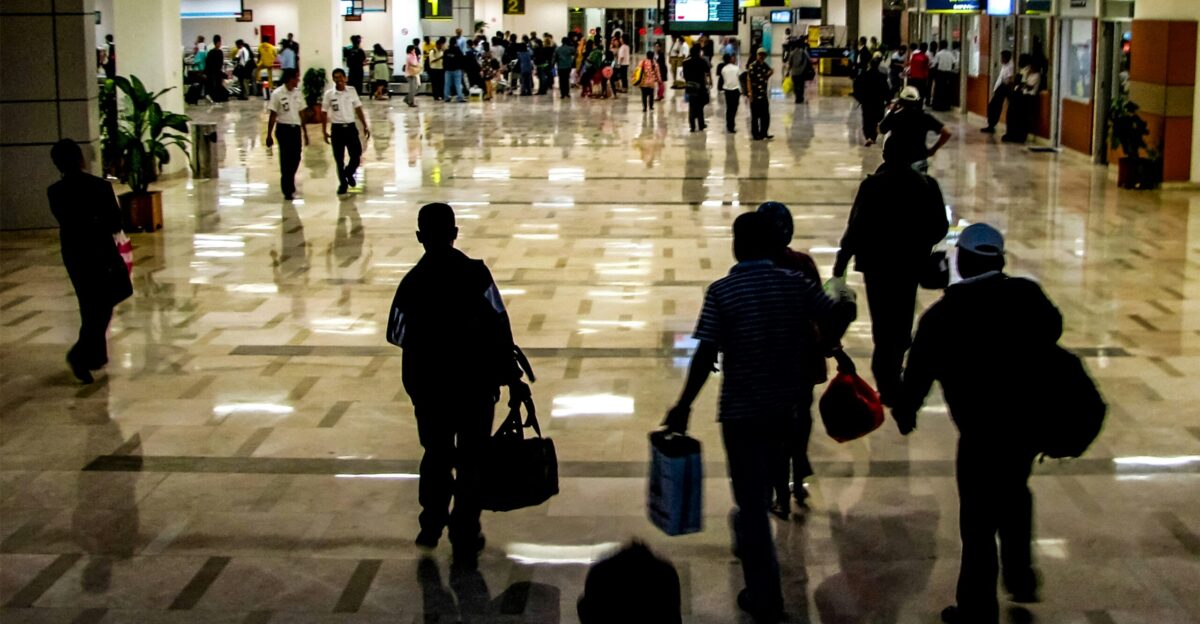
At airports across America, travelers confronted an anxious reality. Sunday and Monday were projected among the heaviest return-travel days of the holiday period. Passengers refreshed flight-status apps, hoping their aircraft wasn’t among those grounded.
Airlines urged customers to check carrier websites for updates, promising direct notification of cancellations. For thousands of families, Thanksgiving reunions ended with indefinite waits at departure gates.
Airbus Faces Billion-Dollar Lawsuits
Airbus faces potential lawsuits from airlines claiming the design flaw was hidden. American Airlines alone incurred massive maintenance and rebooking costs. Avianca’s revenue suspension threatens financial viability. Passengers injured on the JetBlue flight filed suits.
Regulators question whether Airbus conducted adequate radiation testing before widespread A320 deployment. Insurance companies braced for claims totaling hundreds of millions. Legal battles will define liability for years.
UK Transport Secretary Offers Cautious Reassurance
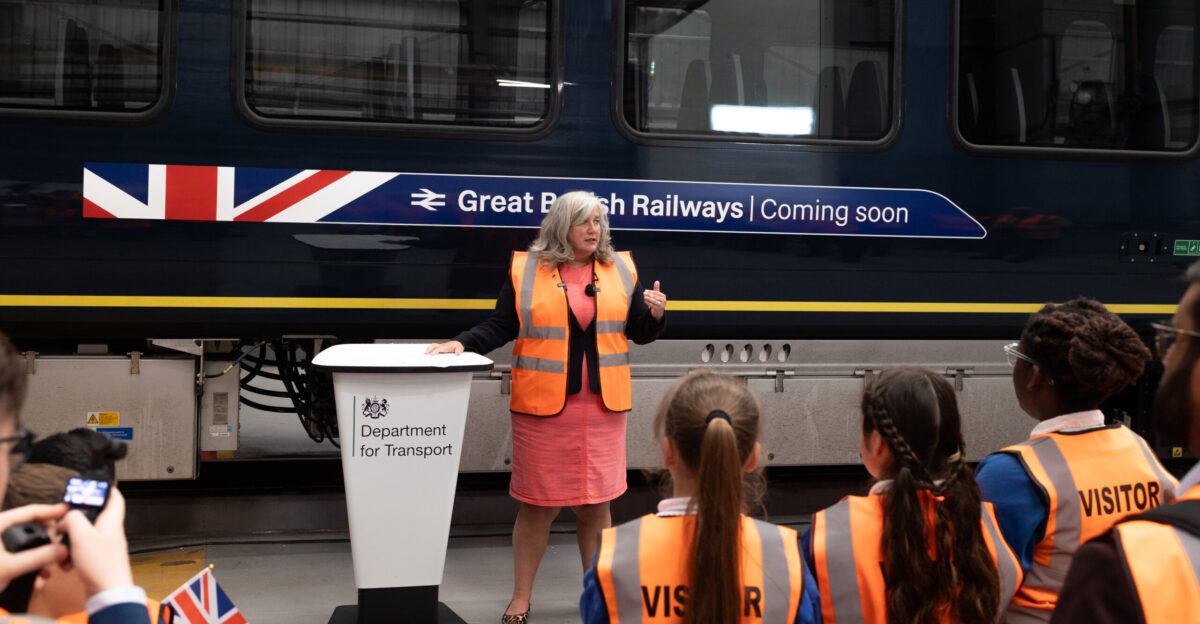
British Transport Secretary Heidi Alexander moved to calm fears on Saturday. “The good news is it seems the impact on UK airlines seems limited,” she stated. Alexander added she was “heartened this issue has been identified and will be addressed so swiftly demonstrating the high aviation safety standards globally”.
For now, the system was working—but only because crews had sacrificed their weekends to fix it.
This Holiday Will Change Aviation Forever
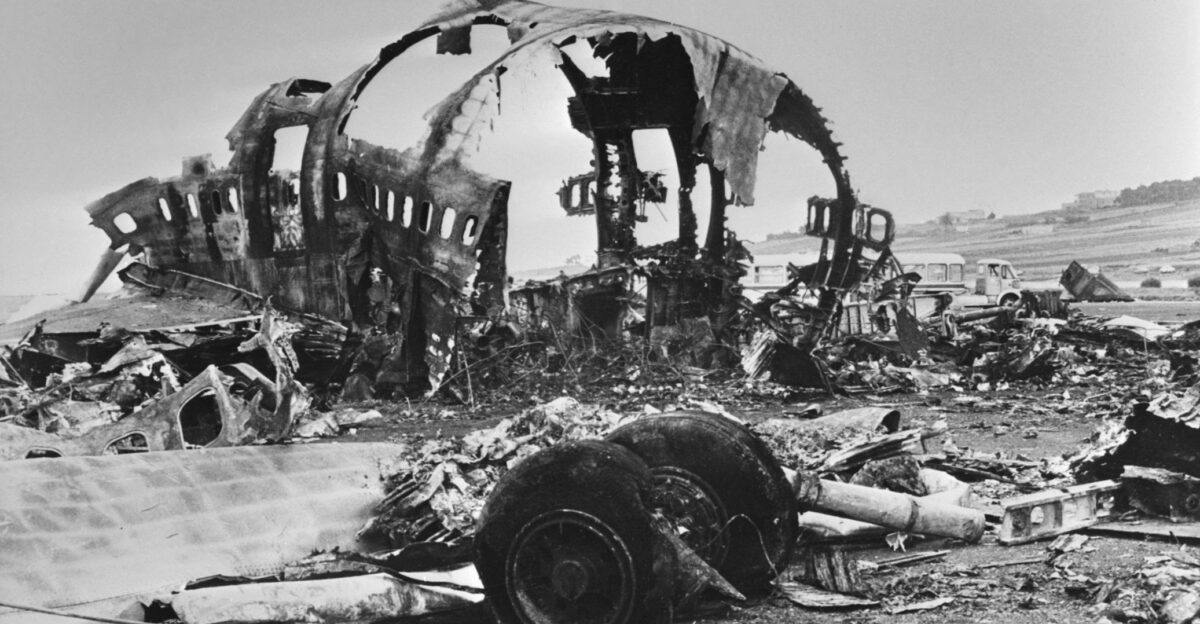
History shows crises reshape aviation. After the Tenerife disaster (1977), cockpit communication protocols transformed. Post-9/11, security integration became permanent. The A320 recall will trigger similar systemic change.
Airlines will demand radiation-hardened processors as baseline requirements. Within five years, today’s retrofit efforts become tomorrow’s minimum standards. The cosmic threat has entered the regulatory framework permanently.
The Sun Has Served Notice to Modern Aviation
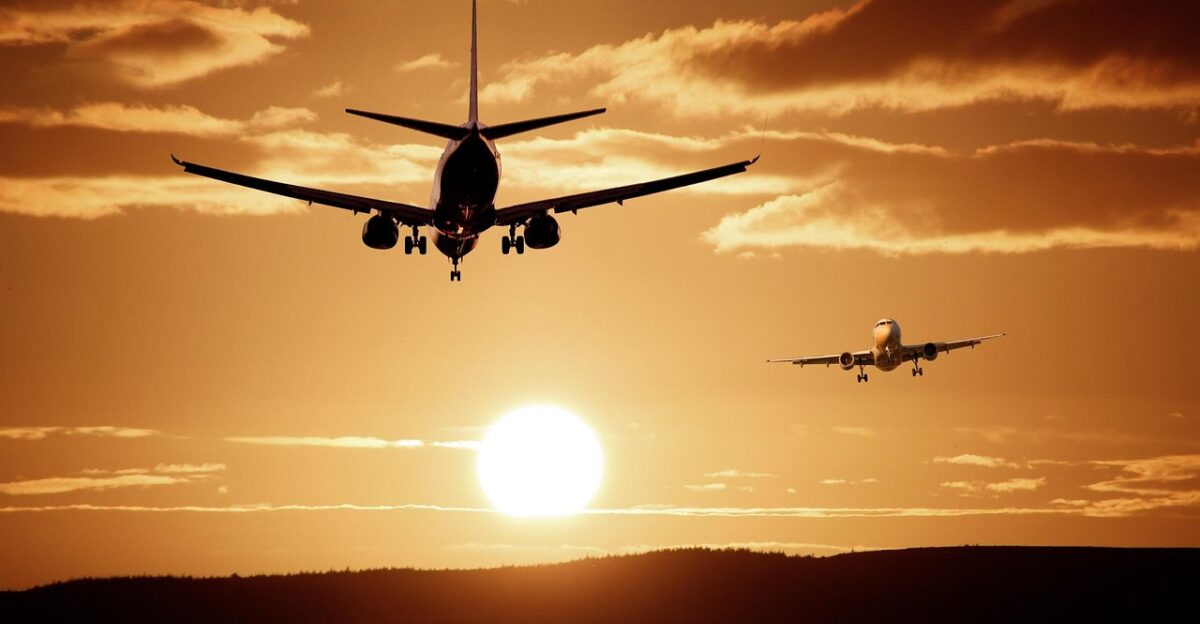
As operations slowly normalize, uncomfortable questions linger. How did solar radiation compromise supposedly hardened flight computers? Did similar incidents go undetected before? Future solutions may require radiation-resistant processors or real-time solar alerts for pilots.
The invisible threat from space has announced itself. The world’s most advanced aircraft remain vulnerable to cosmic forces no engineer fully anticipated. The sun, it turns out, has veto power over whether you fly.
Sources:
- European Union Aviation Safety Agency (EASA) Emergency Airworthiness Directive 2025-0268-E
- Airbus Official Press Release – A320 Family Precautionary Fleet Action (November 27, 2025)
- Federal Aviation Administration (FAA) Aircraft Certification and Safety Directives
- National Transportation Safety Board (NTSB) – JetBlue Flight 1230 Investigation Report
- Reuters/AP Aviation Safety Archives – November 2025 Recall Coverage
- International Air Transport Association (IATA) – Operational Impact Assessment