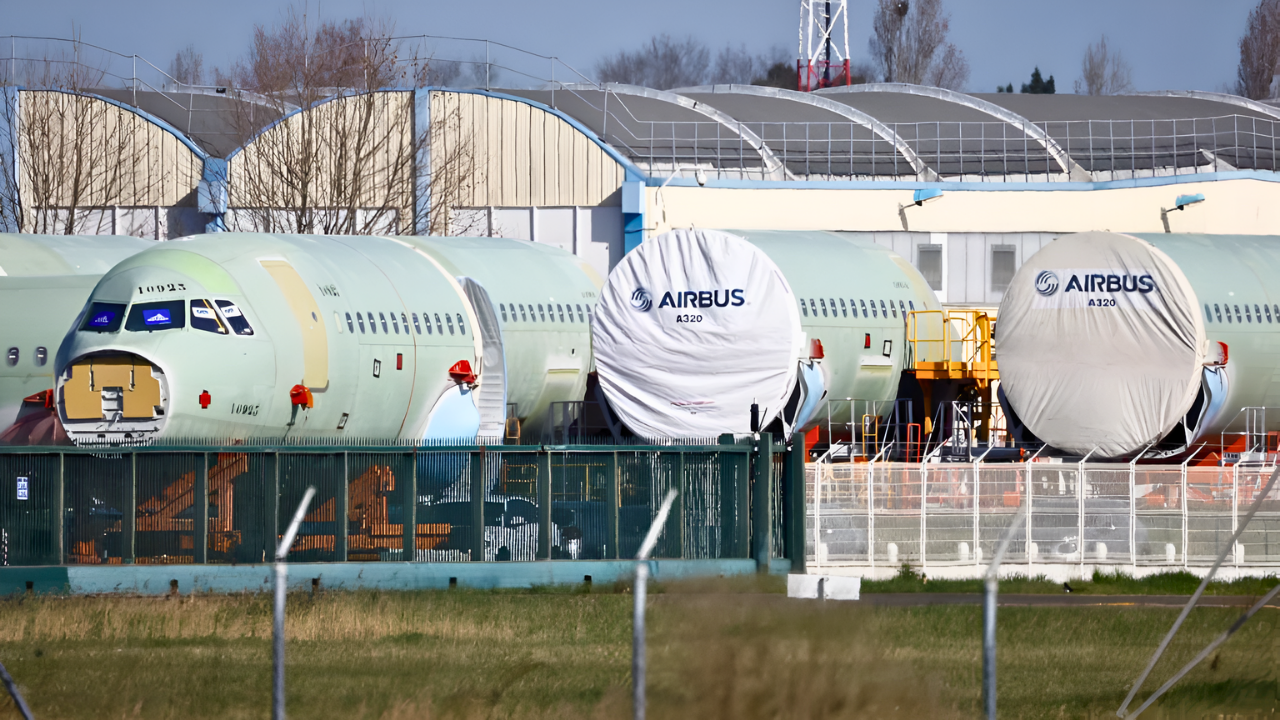
Airbus has grounded 6,000 A320 jets in what the company calls “one of the largest recalls in its 55-year history,” leaving airlines scrambling and holiday travelers facing sudden delays. The emergency stems from a critical software flaw and a fuselage defect, forcing rapid global action across more than 130 airlines.
From flight cancellations in Japan to supply chain headaches in Europe, the ripple effects reveal how a single technical problem can shake the aviation world—and the story is far from over.
What Set Off This Global Crisis
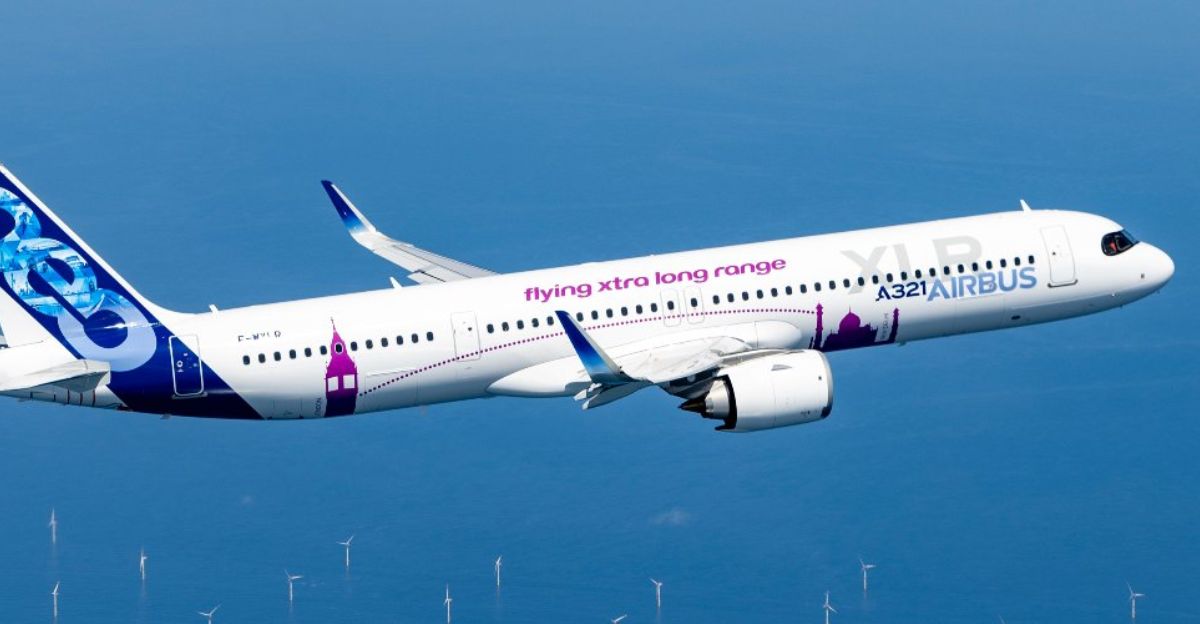
A midair emergency involving JetBlue Flight 1230 in late October forced an industrywide investigation. The aircraft experienced a sudden pitch change at cruise altitude that injured passengers and raised immediate questions about flight control reliability. Investigators quickly discovered corrupted data inside the A320’s elevator and aileron computer.
Solar radiation was found capable of flipping digital bits in the system under specific atmospheric conditions. Regulators responded by ordering every A320 worldwide to receive a mandatory software update before returning to service. The directive grounded 6,000 jets overnight, marking a stunning moment for commercial aviation and hinting at deeper complications ahead.
The Record Breaker
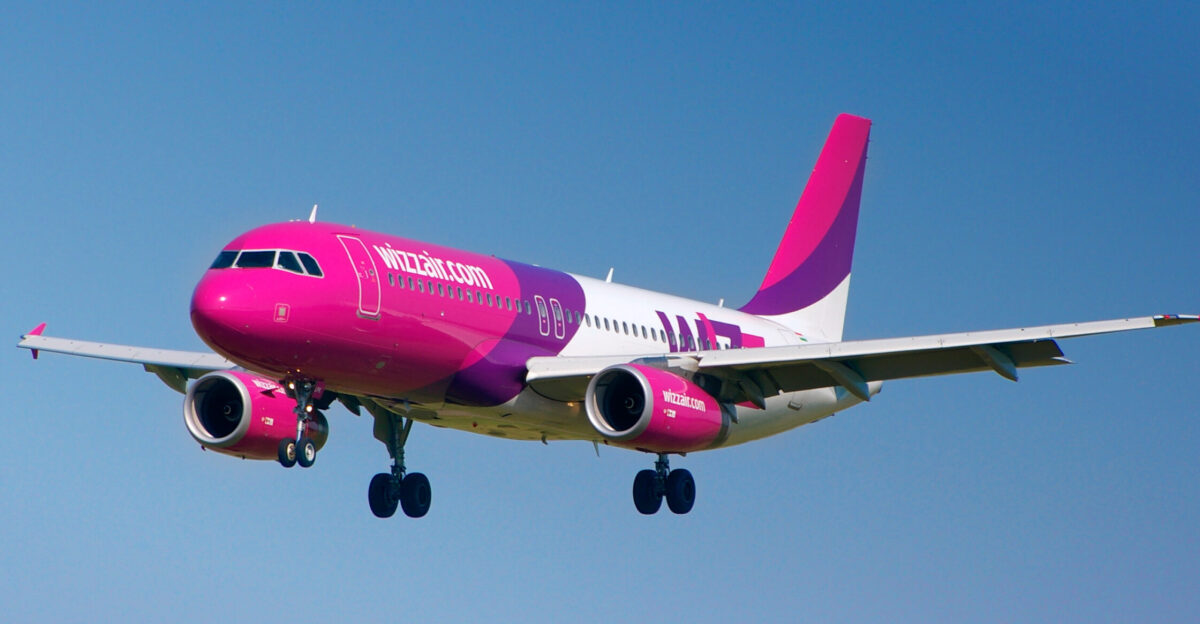
The recall instantly became one of the largest safety actions in aviation history. More than half of the global A320 family fleet was removed from schedules, creating massive operational strain for airlines and airports. Industry analysts were quick to point out the unprecedented scale of the grounding.
For comparison, the Boeing 737 MAX grounding affected 387 jets. The Airbus action covered more than fifteen times that number. The size of the response forced airlines and regulators to coordinate at a speed rarely seen in the aviation world and made clear how much the industry depends on this aircraft family.
How Airlines Reacted in the First 24 Hours
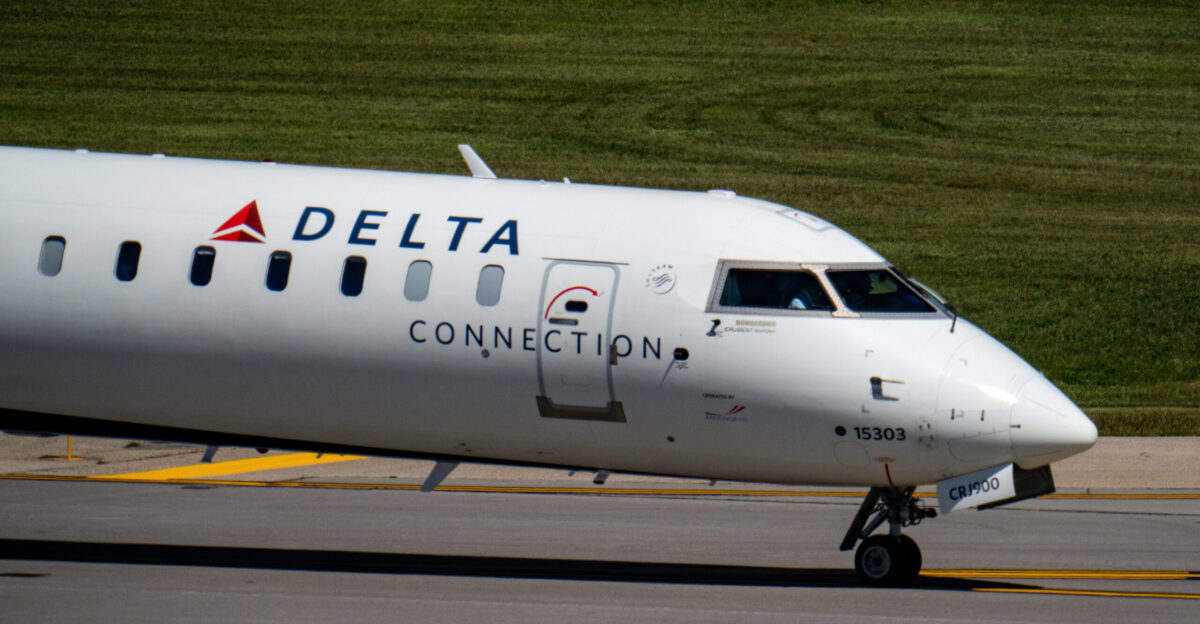
Airlines moved quickly to limit disruption. American Airlines completed nearly all required software uploads within forty-eight hours. Delta, JetBlue, Spirit, and Frontier executed similar pushes, allowing many flights in the United States to resume with minimal long-term impact despite the initial shock of the grounding.
Other regions faced heavier complications. Japanese regulators demanded individual verification for every updated aircraft, a decision that led to ninety-five cancellations at ANA alone. The Asia Pacific region struggled most because the grounding coincided with major travel peaks, amplifying delays and reducing available seat capacity across several countries.
Repair Crews Under Extreme Pressure
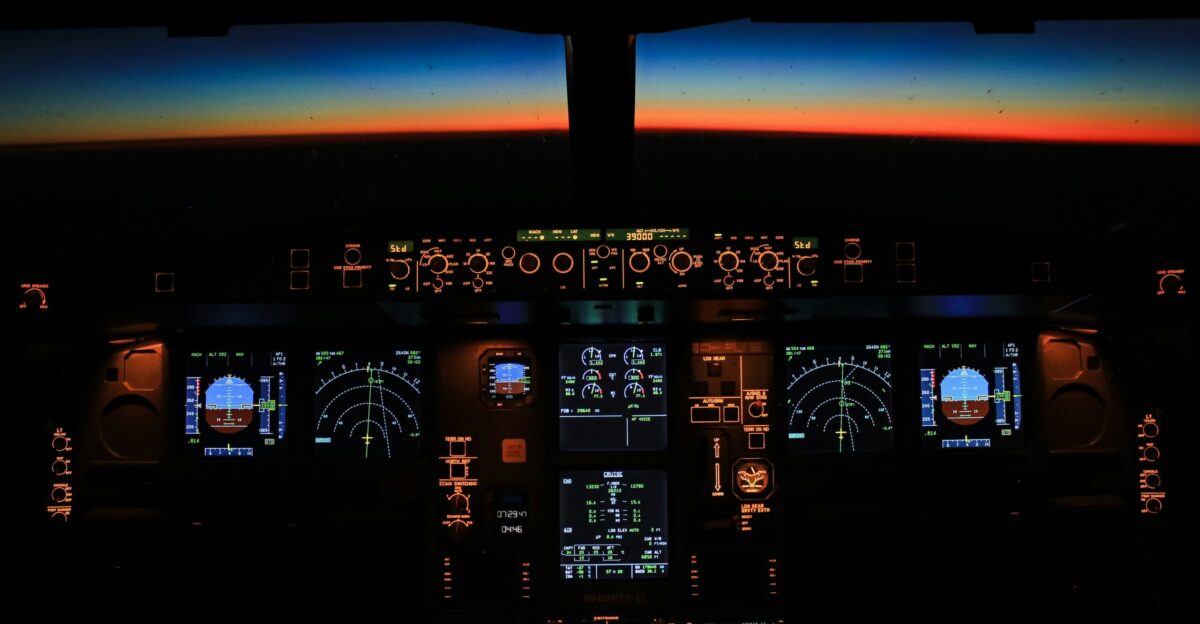
The software fix required two to three hours per jet, but the challenge lay in completing the process across 6,000 aircraft simultaneously. Maintenance teams worldwide were directed into emergency schedules, many working throughout the night while airports shifted resources to accommodate the sudden surge in technical activity.
This pressure highlighted an existing labor shortage. Aviation experts note that more than six hundred thousand additional technicians will be required by 2037 as current workers near retirement. The recall underscored how stretched the aviation workforce has become and revealed how maintenance capacity could become a future risk factor.
Where Travelers Felt the Most Pain
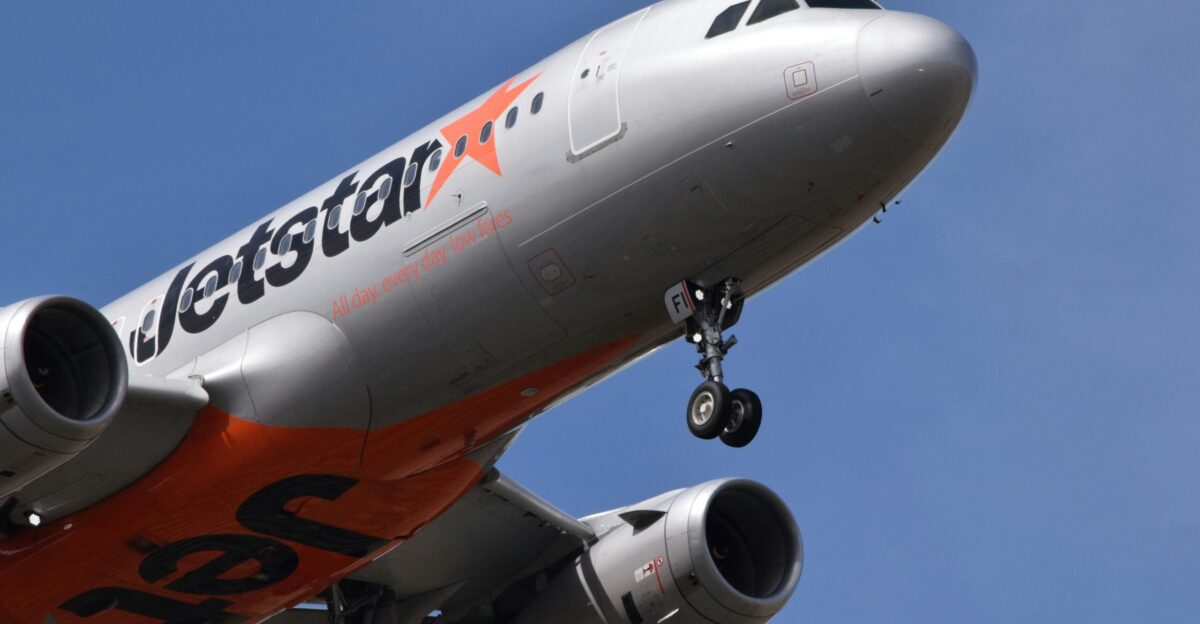
Some regions endured more disruption than others. Jetstar in Australia canceled about ninety flights. Avianca in Colombia had more than seventy percent of its fleet affected and temporarily suspended ticket sales. Volaris in Mexico issued warnings about extended delays at multiple airports.
Europe experienced milder disruptions because many carriers completed updates overnight. Even so, Air France-KLM canceled several flights. Airlines in the Middle East reported the smoothest recoveries, with maintenance teams clearing aircraft for service within a single day. The uneven recovery highlighted the region’s dependence on local regulatory flexibility.
How Many Passengers Were Affected
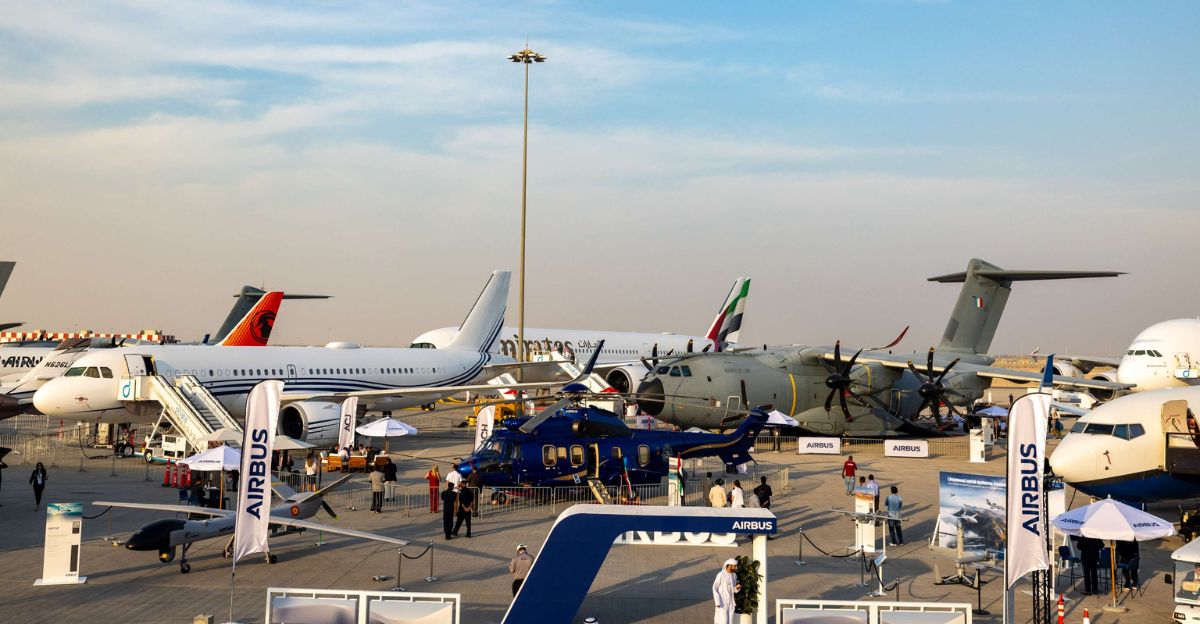
With millions of passengers flying daily on A320 aircraft, the grounding had significant effects. Delays spread quickly once aircraft rotations collapsed, especially during the holiday season. Analysts estimate that disruptions approached one million passengers across the global network during the peak of the crisis.
Confirmed cancellations affected a smaller group. About forty thousand to fifty-five thousand travelers experienced complete cancellations requiring rebooking or hotel stays. Most remaining passengers ultimately reached their destinations the same day, although many endured delays lasting several hours. These numbers offer a clearer picture of the true human impact.
The Second Crisis That Hit Days Later
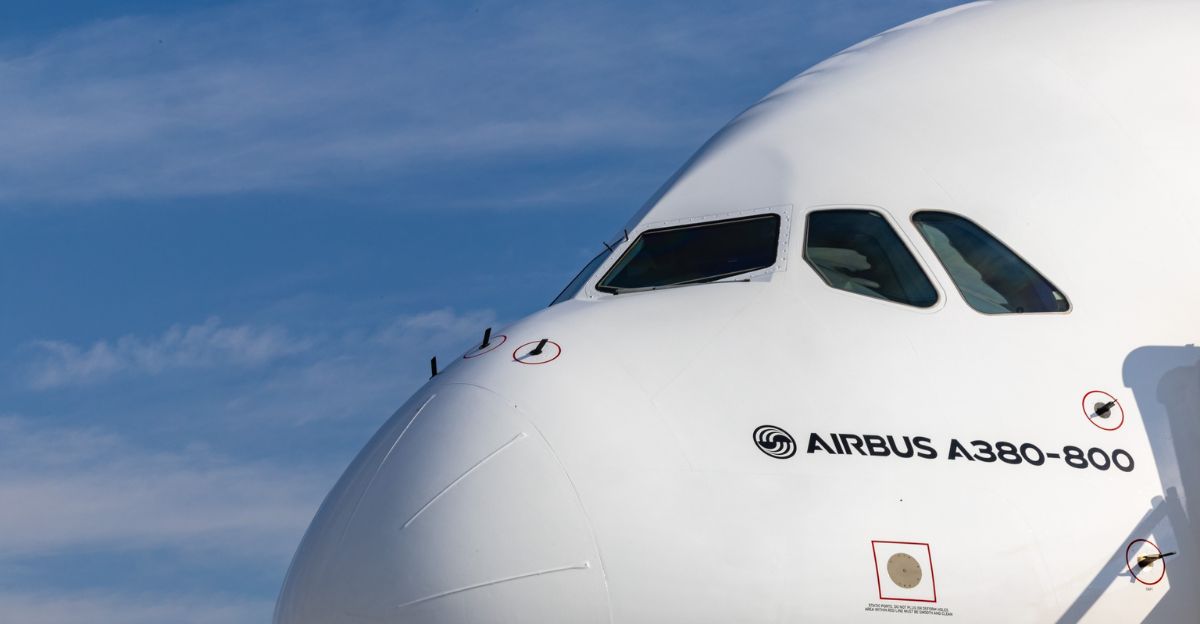
As airlines began recovering from the software issue, Airbus disclosed a separate manufacturing defect that impacted hundreds of jets in production. Engineers identified fuselage panels built at an incorrect thickness, an error not classified as an immediate safety threat but severe enough to disrupt multiple assembly lines.
A total of 628 aircraft required inspection or corrective work. Production teams in Germany, France, and the United States were forced to adjust schedules and shift resources away from ongoing builds. The discovery added new pressure to an already strained system and complicated Airbus’s year-end delivery goals.
The Supplier at the Center of the Problem

Investigators traced the fuselage issue to Sofitec Aero, a supplier in Spain. The defect occurred during the metal stretching and milling processes, which produced panels that failed to meet Airbus tolerances. Quality checks at Airbus facilities caught the deviation during routine inspections of incoming components.
The situation revealed vulnerabilities inside a complex supply network. Airbus has been working to shift more production in-house to stabilize output, yet this event shows how a single supplier error can ripple through global manufacturing. The industry is watching closely as Airbus strengthens oversight and adjusts supplier protocols.
Why Airbus Cut Its Production Forecast
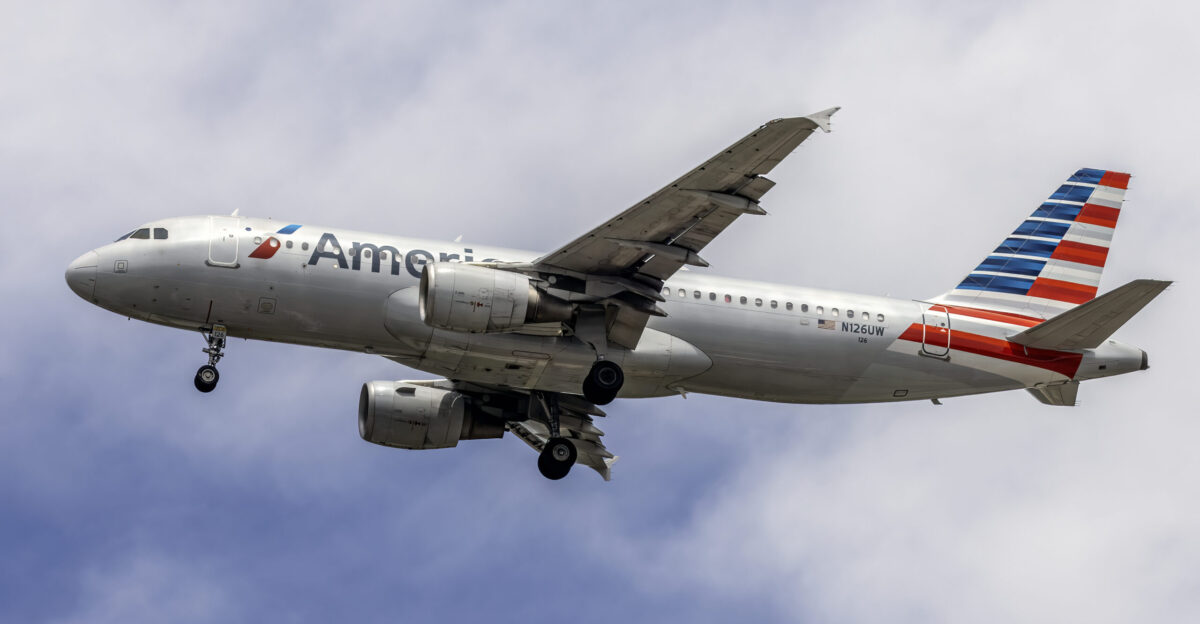
Facing both recall-related delays and production disruptions, Airbus lowered its 2025 delivery forecast from 820 aircraft to 790. Investors reacted immediately, with shares initially falling about ten percent before recovering. The move signaled the company’s serious consideration of the combined impact of the two crises.
Although Airbus maintains that its broader financial guidance remains unchanged, the timing of the reduction matters. Revenue is booked when aircraft are delivered, meaning any slowdown at the end of the year reduces expected cash flow. With factories already stretched, hitting revised targets still requires intense effort.
Inside the 6,000 Jet Software Fix
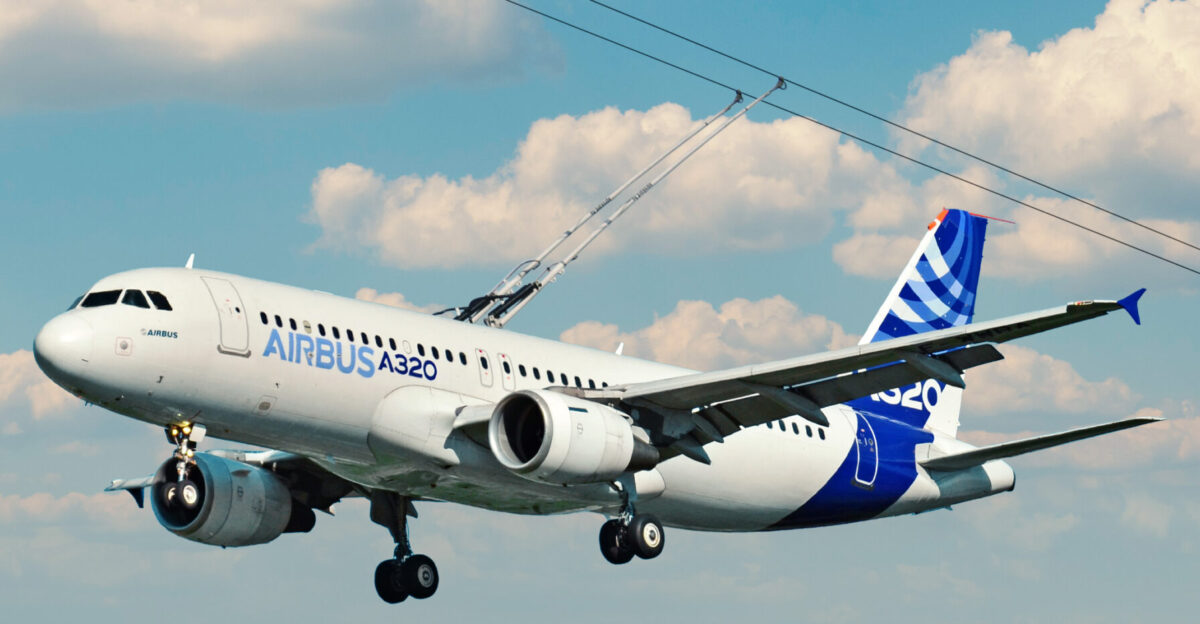
Each aircraft required a controlled update using certified maintenance equipment. Technicians directly connected to the flight control computer installed the software patch and ran verification tests to ensure the system functioned correctly. Airlines with large maintenance hubs finished this work quickly by rotating teams through round-the-clock shifts.
Countries with stricter oversight added extra steps. Japan required an independent technical review for every completed update, even if the airline had already verified compliance. This extended the timeline for several carriers. By early December, fewer than one hundred aircraft worldwide were still awaiting approval to return to service.
How the Fuselage Defect Slows Production
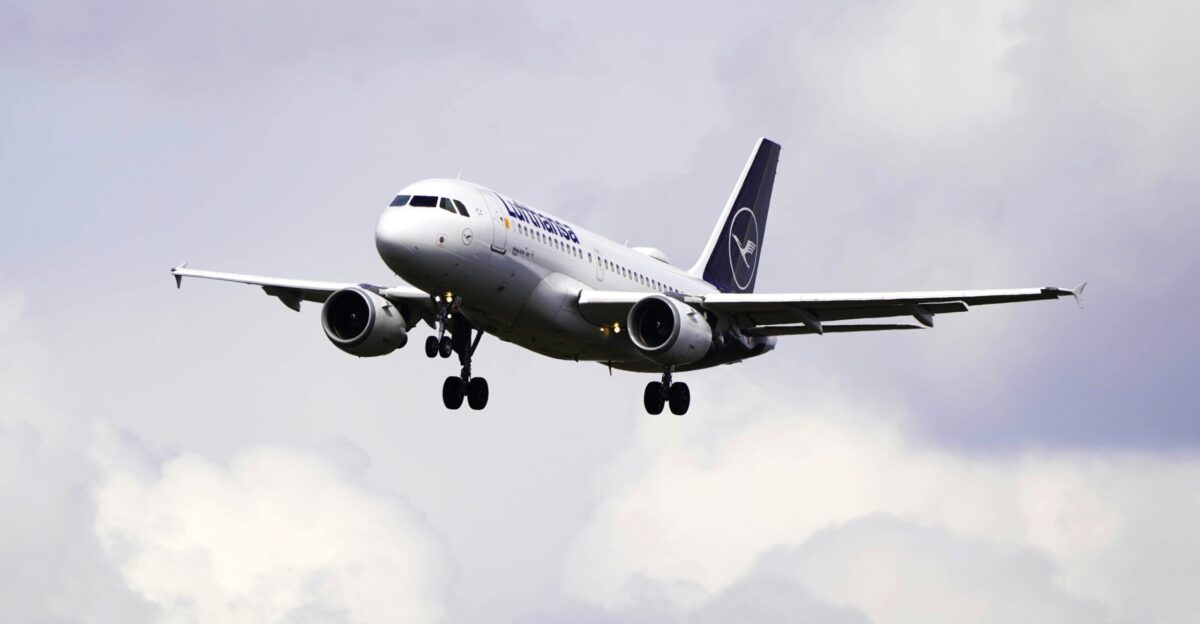
Inspecting the fuselage panels takes only hours, but reworking them can take weeks. Because aircraft were at different stages of assembly across multiple facilities, engineers had to pause or rearrange work to access the affected sections without disrupting unrelated production tasks or creating safety hazards.
These adjustments slowed throughput across the manufacturing system. Airlines planning new route expansions or seasonal schedules now face delivery delays. Suppliers further down the chain must also adjust their own production timelines and delivery expectations as Airbus realigns the flow of parts and completed structures.
The Human Toll on Global Aviation
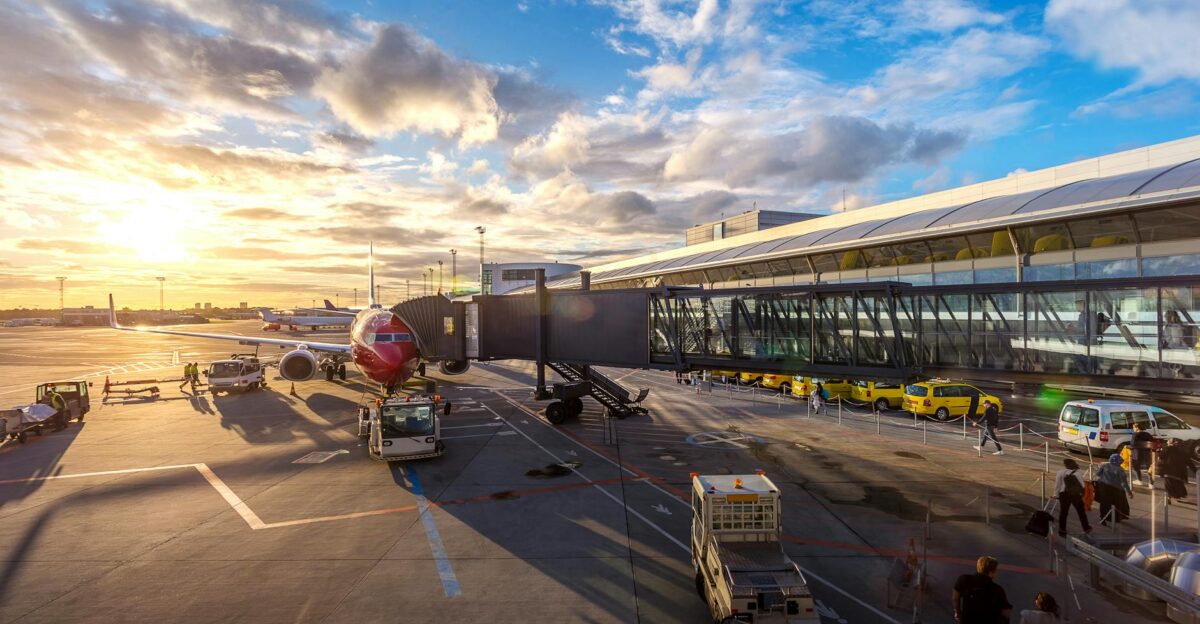
Thousands of technicians were asked to work extended hours as airlines rushed to complete updates. Many faced overtime shifts, unexpected call-ins, and limited rest periods while navigating an urgent and highly technical workload during one of the busiest travel seasons of the year.
Experts warn that prolonged periods of high stress increase the risk of burnout and potential errors. While the emergency grounding protected passengers, it also exposed how thinly stretched the maintenance workforce has become. The crisis reinforces the need for long-term staffing improvements across the aviation industry.
Ripple Effects on Tourism and Small Businesses
The recall triggered ripple effects far beyond airports. Hotels, tour operators, and car rental companies reported increased no-show rates as travelers missed flights and rebooked trips. Travel agencies handled surges in customer calls requesting rerouting or refunds during a period that already strains staff capacity.
Business travelers faced missed meetings and unexpected expenses. Surveys show many absorbed additional costs from rebooked flights or extended hotel stays. The broader travel economy felt the pressure as disruptions reverberated across tourism-dependent sectors, forcing many small businesses to absorb sudden and unpredictable losses.
What This Crisis Reveals About Aviation
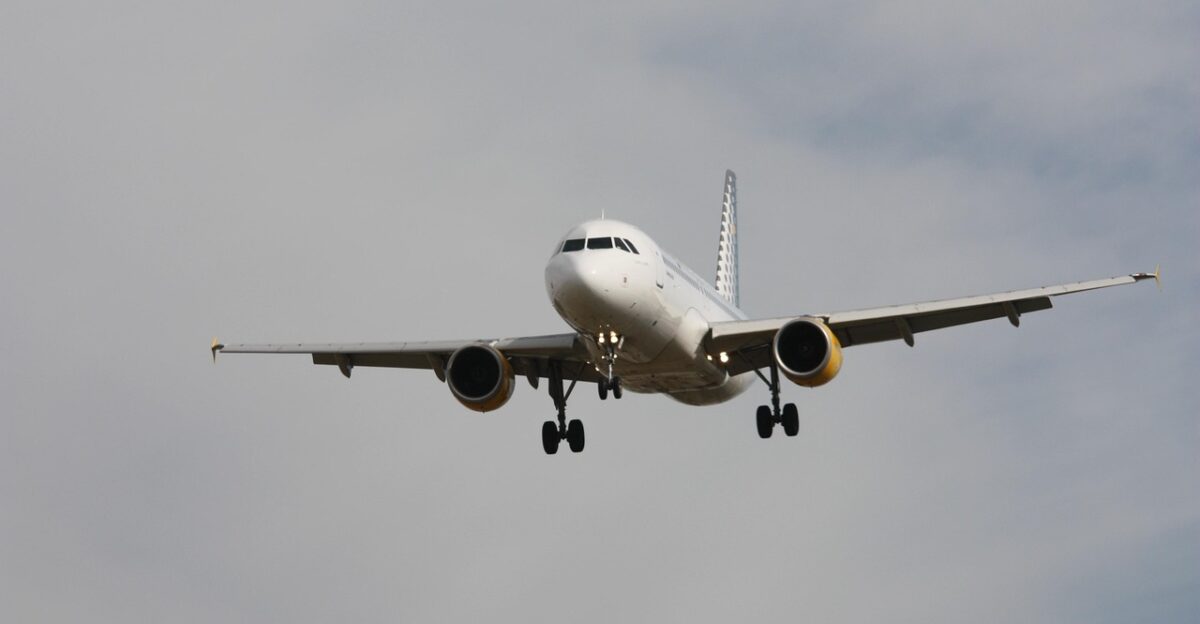
The recall exposed structural weaknesses within modern aviation. Airbus lacked real-time insight into software versions across its fleet, forcing regulators to ground all A320 aircraft instead of focusing on specific jets. This gap highlighted the need for improved digital tracking of critical systems across global fleets.
Supply chains also showed fragility. A quality lapse by one supplier disrupted the construction of hundreds of aircraft. Industry leaders now emphasize the need for stronger oversight, tighter audit systems, and diversified sourcing models. These lessons underscore how interconnected aviation has become and how one flaw can cascade worldwide.
What Happens Next
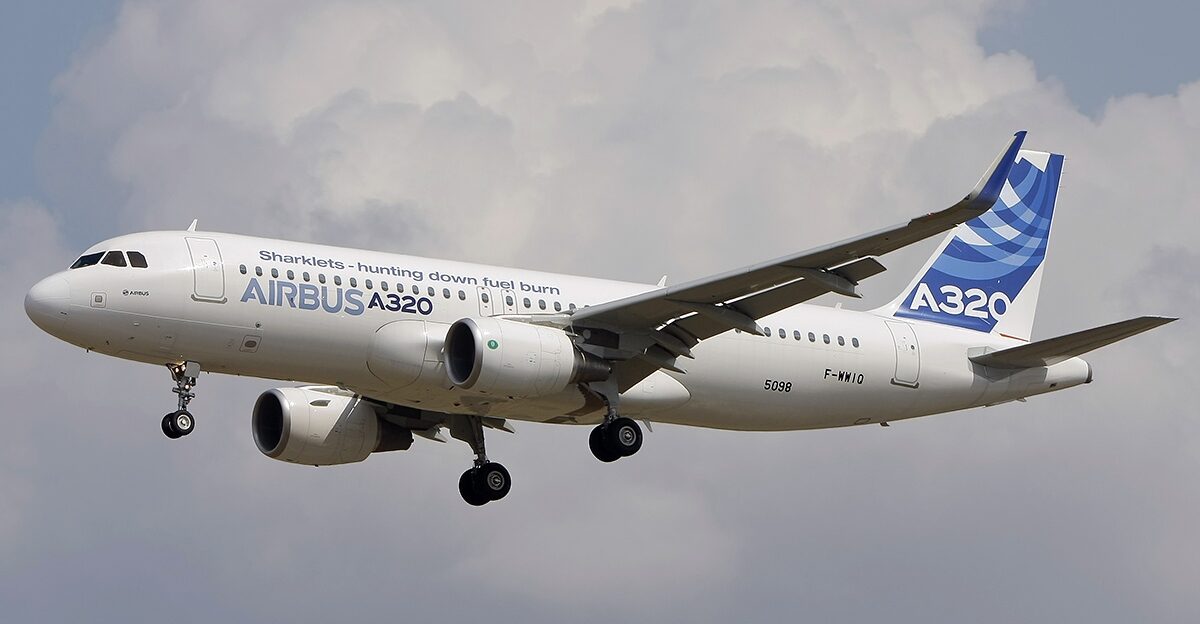
Most grounded A320 aircraft have returned to service after completing software updates. The next challenge lies in addressing the fuselage panel issue across Airbus factories. Hundreds of aircraft require inspection and possible rework, placing additional pressure on production teams trying to meet ambitious year-end delivery goals.
Passengers are not expected to face widespread future disruptions, but important questions remain. How can airlines guard against software vulnerabilities caused by natural forces like solar radiation? And how will manufacturers strengthen their supply chains to prevent similar breakdowns? The industry will be watching closely as solutions develop.
Sources:
European Union Aviation Safety Agency emergency directive
Airbus production guidance 2025
Airbus supplier quality audit reports
AP reporting on global flight disruptions
Reuters aviation manufacturing coverage
International Air Transport Association passenger data