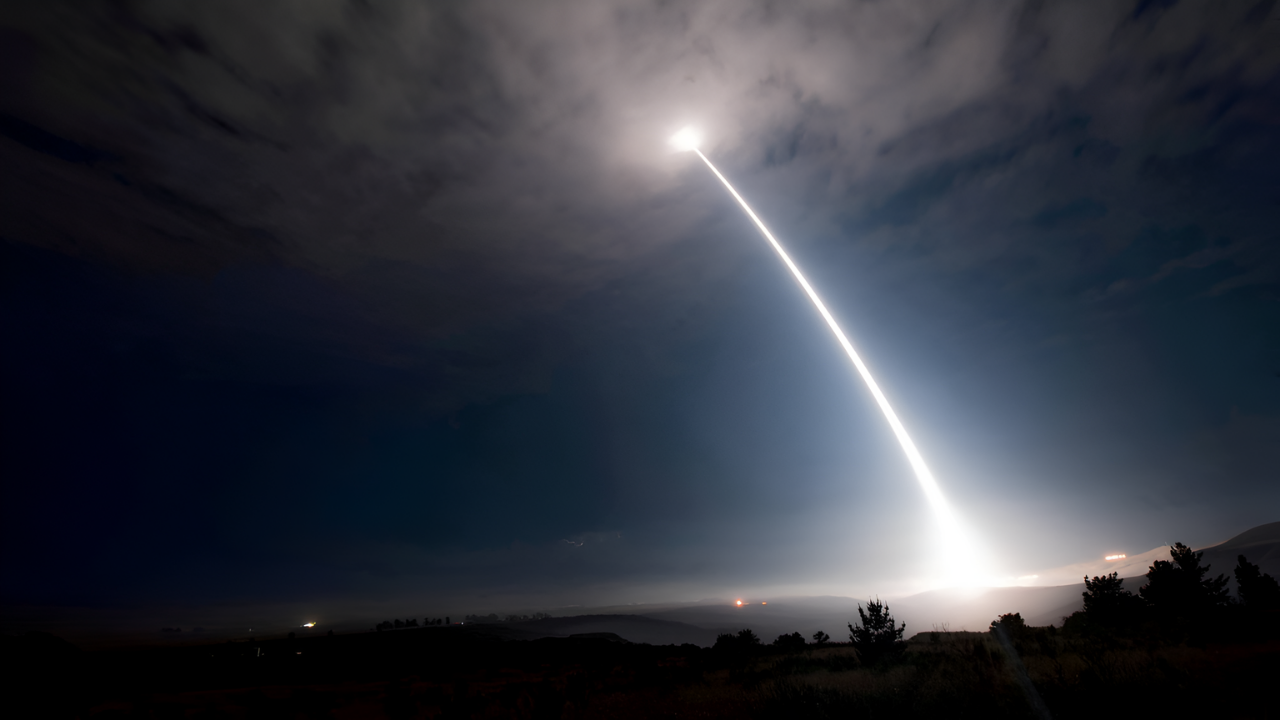
On a crisp November morning, the U.S. Air Force launched a Minuteman III intercontinental ballistic missile (ICBM) from California, sending it 4,200 miles across the Pacific. The test highlighted a weapon system quietly underpinning U.S. nuclear deterrence for more than half a century.
As the Minuteman III nears its 55th year in service since 1970, the launch showcased both the system’s reliability and the challenges of sustaining an aging arsenal. Each flight is not only a test of military might but also a demonstration of industrial resilience. Here’s what’s happening next…
Coordinated Effort Across the Nation
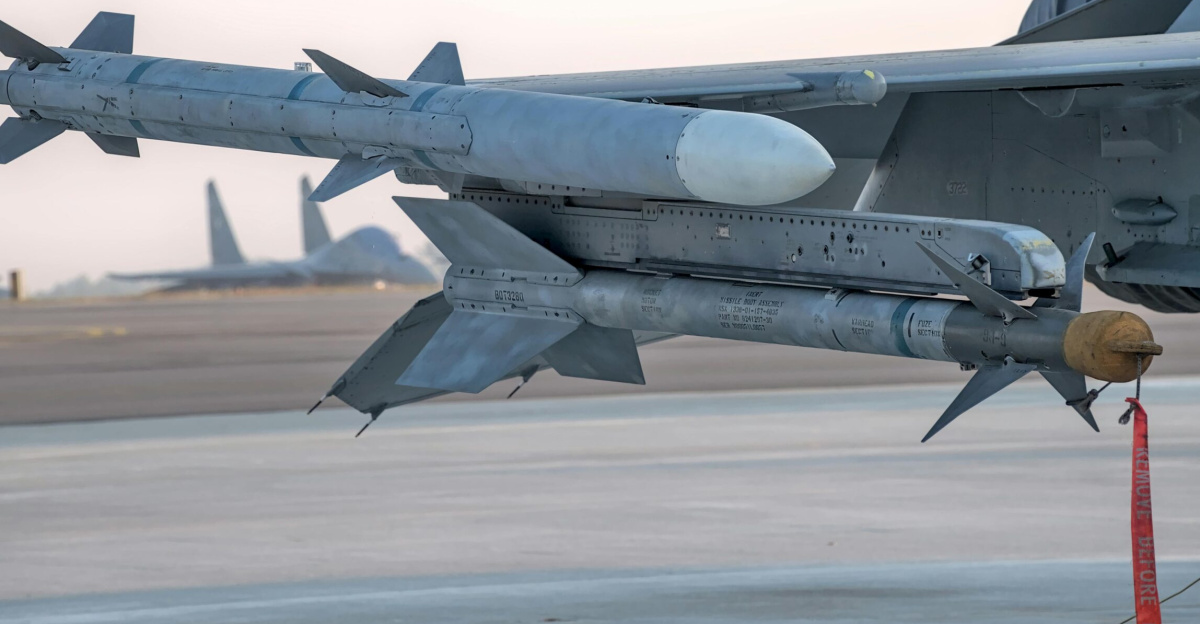
The Air Force Global Strike Command, based at Barksdale Air Force Base in Louisiana, orchestrated the operation. Personnel from all three missile wings—the 90th in Wyoming, the 341st in Montana, and the 91st in North Dakota—played vital roles. The 90th Missile Wing alone manages 150 missile silos and thousands of staff, reflecting the scale of the enterprise.
Civilian contractors were crucial to the launch. Boeing, under a $1.6 billion contract, maintains guidance systems and other subsystems, while Northrop Grumman provides propulsion expertise. These partnerships have extended the Minuteman III’s life well beyond its original design, ensuring that each test verifies not just military readiness but the robustness of industrial support.
Testing the System: From Launch to Impact
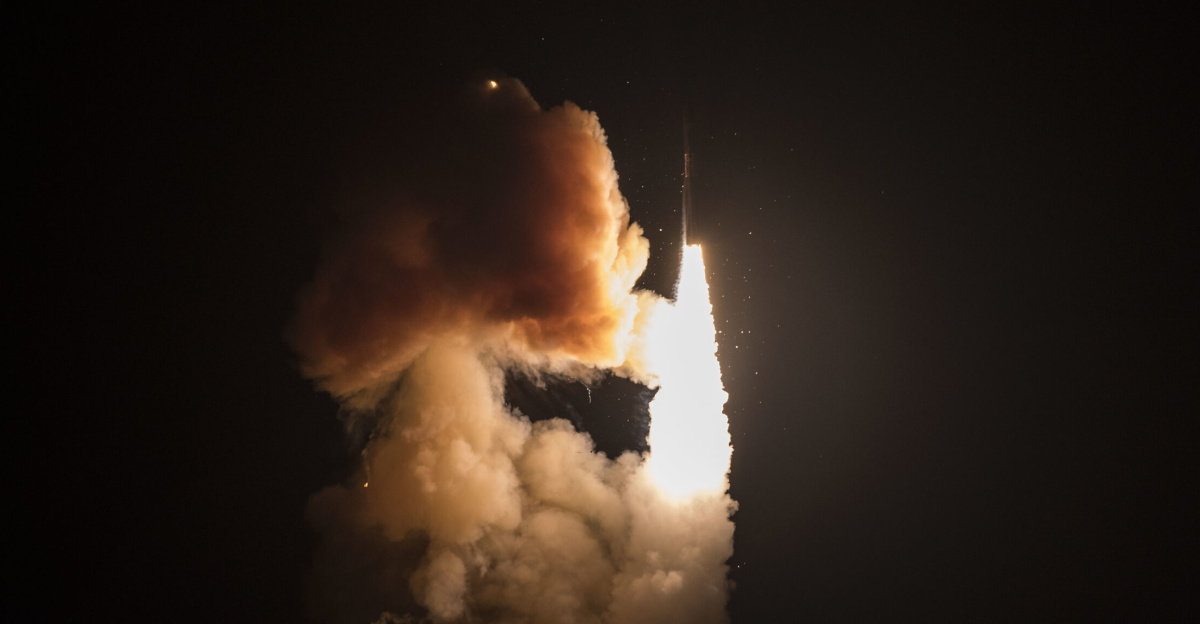
The missile lifted off from Vandenberg Space Force Base in California and traveled to the Ronald Reagan Ballistic Missile Defense Test Site in the Marshall Islands. The test evaluated reliability, accuracy, and both ground-based and airborne launch controls.
A key component was the Airborne Launch Control System (ALCS), monitored by an E-6B Mercury aircraft. This system ensures launch commands can still be transmitted if ground infrastructure fails. Telemetry collected throughout the missile’s flight offered critical insights, especially during the reentry phase, confirming the Minuteman III’s operational precision.
Aging Arsenal, Modern Demands
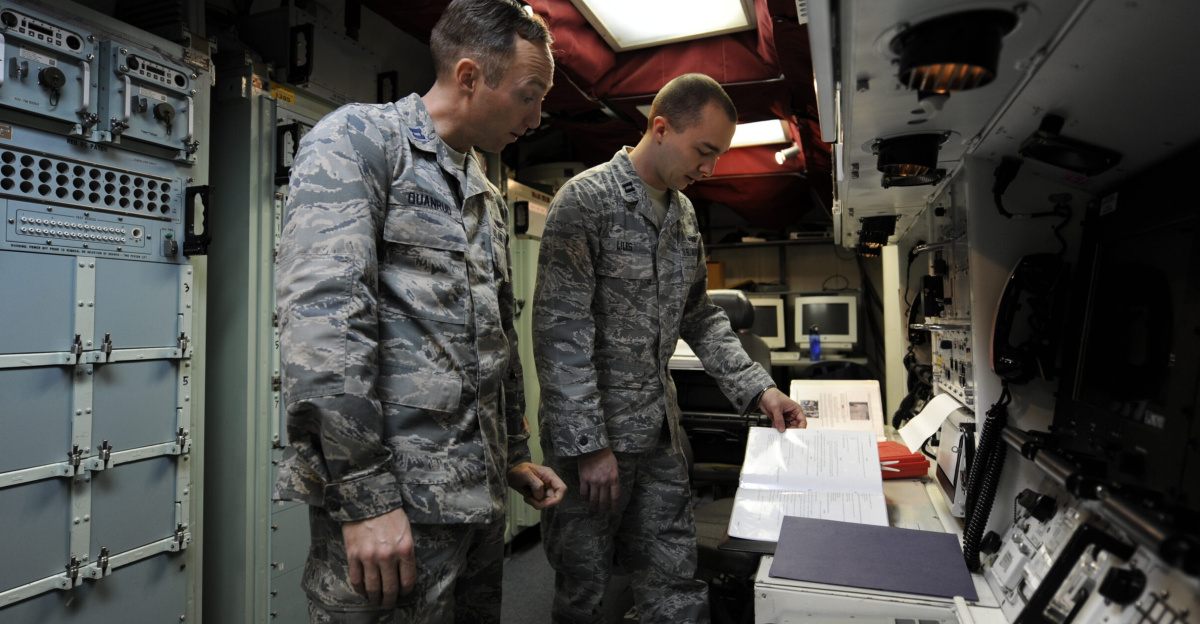
First deployed in 1970, the Minuteman III has been continuously modernized. By 1995, the fleet had logged 100 million operational hours, proving its exceptional durability. Even today, it remains on alert, reassuring allies and signaling to potential adversaries that the U.S. nuclear deterrent is credible and ready.
Yet longevity brings challenges. Many components are well past their intended lifespan, and the Government Accountability Office warns that some subsystems may soon need replacement. Each test informs predictive maintenance, but risks of parts shortages and supply chain disruptions are growing, complicating the effort to keep the system mission-ready.
Economic and Strategic Stakes
The Minuteman III program sustains tens of thousands of jobs nationwide. Vandenberg Space Force Base alone contributes $4.5 billion annually to the local economy, with projections showing further growth. Missile wings, contractors, and test sites form a complex network linking national defense to regional economic stability.
Beyond economics, each successful test signals U.S. readiness to global rivals, reinforcing deterrence against nations like Russia, China, and North Korea. The tests demonstrate that the United States remains committed to a robust nuclear posture, balancing both domestic security and international strategic influence.
Looking Ahead: Endurance and Uncertainty
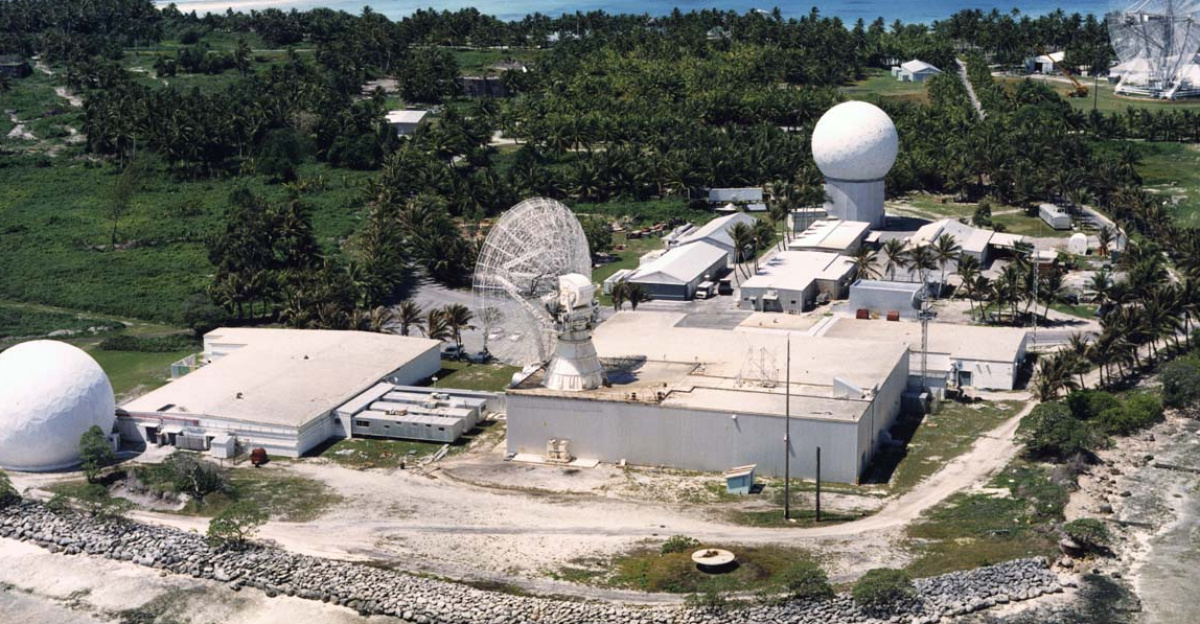
With nearly 55 years of service, the Minuteman III stands as a testament to engineering durability, highlighting modern defense challenges. Conceived when computers were room-sized and the internet was in its infancy, it now faces a future of rising costs and delayed replacements.
With the Sentinel ICBM program exceeding initial budgets—from $77.7 billion to $140.9 billion—the Air Force must weigh the risks of extending an aging system against the uncertainties of new technology. Decisions made in the coming years will impact U.S. deterrence credibility, ally security, and global power stability, shaping the next chapter of nuclear strategy.