Scientists have long asked: how far back can we see Earth’s biological past? Fossils show us fragments, but many gaps remain.
Researchers at the Carnegie Institution announced a breakthrough this week.
Ancient life left chemical signatures that survived far longer than anyone expected. These traces open a window into a time period scientists thought was sealed shut forever.
The Stakes
Finding life’s origins matters deeply. It guides our search for alien life and shapes NASA’s priorities.
If life emerged earlier on Earth than we thought, microbes might have developed on other worlds, too.
This discovery changes how scientists hunt for life on Mars, Europa, Enceladus, and Titan. We’re rewriting the timeline of life itself.
The Old Barrier
Scientists have only detected evidence of molecular life in rocks younger than 1.7 billion years.
Beyond that point, decay made it impossible to determine whether organic molecules originated from life or chemistry.
Original biomolecules broke down completely over time. This limit blocked access to three-quarters of Earth’s biological history.
Enter Machine Learning
Researchers saw that machine learning might succeed where humans failed. Even degraded molecules preserve subtle patterns that differ between biological and non-biological samples.
Carnegie scientists Robert Hazen and Anirudh Prabhu gathered 406 samples, ranging from modern organisms to meteorites.
They used specialized equipment to create detailed molecular signatures.
The Breakthrough Nugget

The AI model achieved over 90% accuracy in distinguishing between biological and non-biological materials.
Applied to ancient South African rocks, it detected clear evidence of microbial life, dated to 3.33 billion years ago.
This discovery has doubled the age at which scientists can identify life using molecules. Researchers call it “a paradigm shift in finding ancient life.”
What the Rocks Reveal
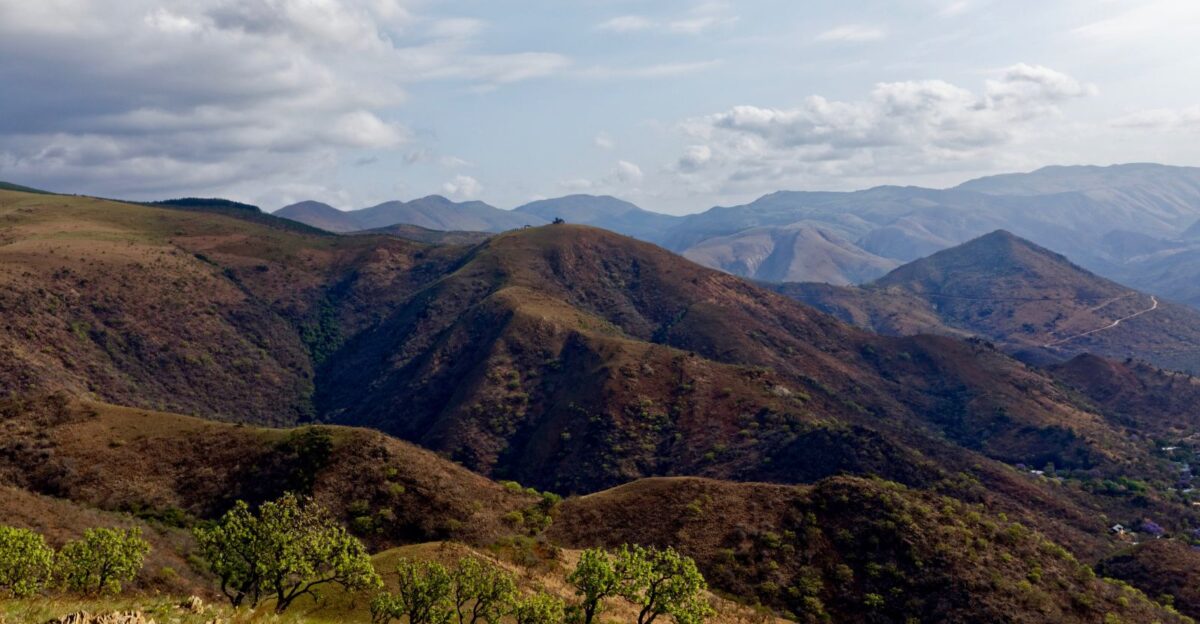
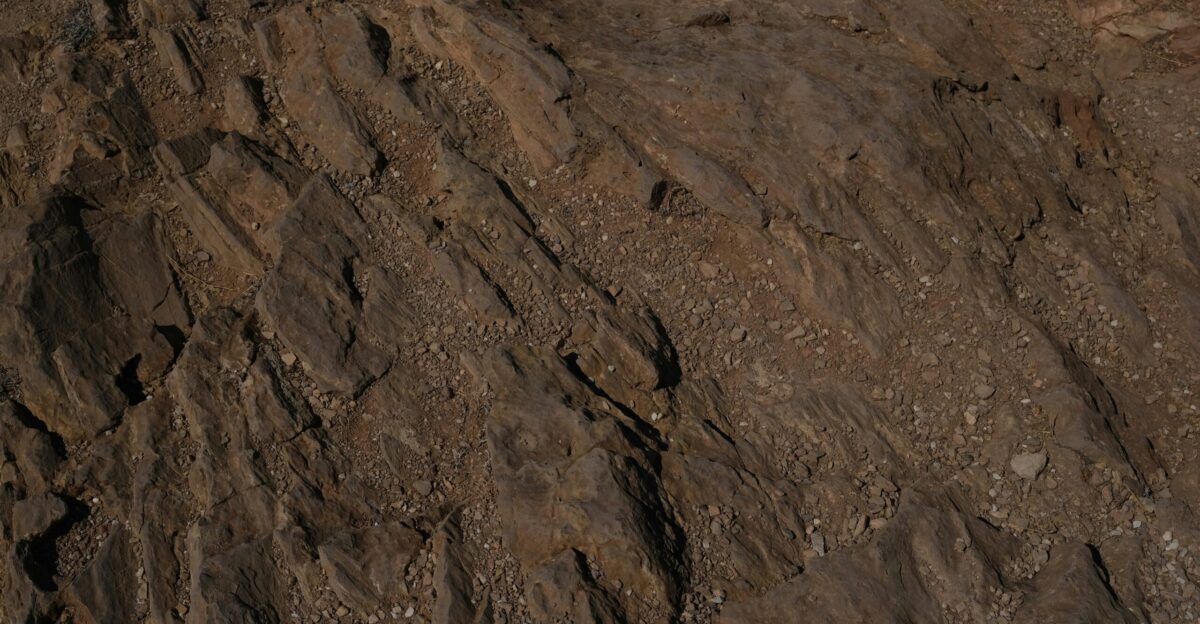
The Josefsdal Chert samples from South Africa’s Barberton Greenstone Belt rank among Earth’s oldest rocks.
They formed in shallow seas during the Paleoarchean era. These rocks preserve “biogenic molecular assemblages”—organic patterns that indicate the presence of life.
The 3.33-billion-year-old signatures match those of modern microbe fingerprints, indicating that early ocean communities thrived.
Why This Matters Locally
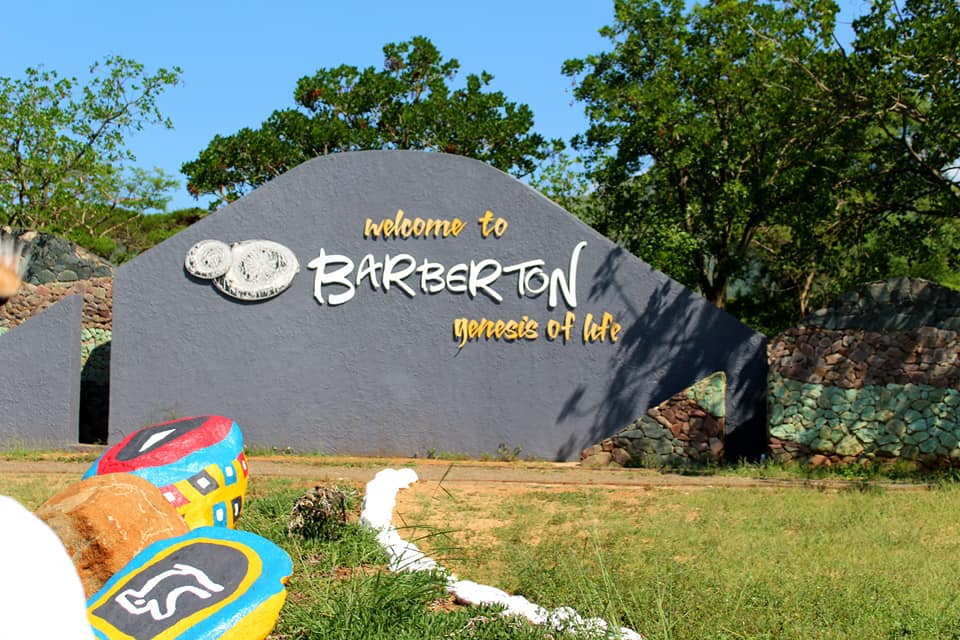
This discovery makes the Barberton region in South Africa central to understanding the emergence of life.
The rocks studied contain detectable biosignatures and are located in accessible areas. South African institutions will become focal points for early life research.
The finding validates decades of South African geological work on these ancient formations.
The Photosynthesis Surprise
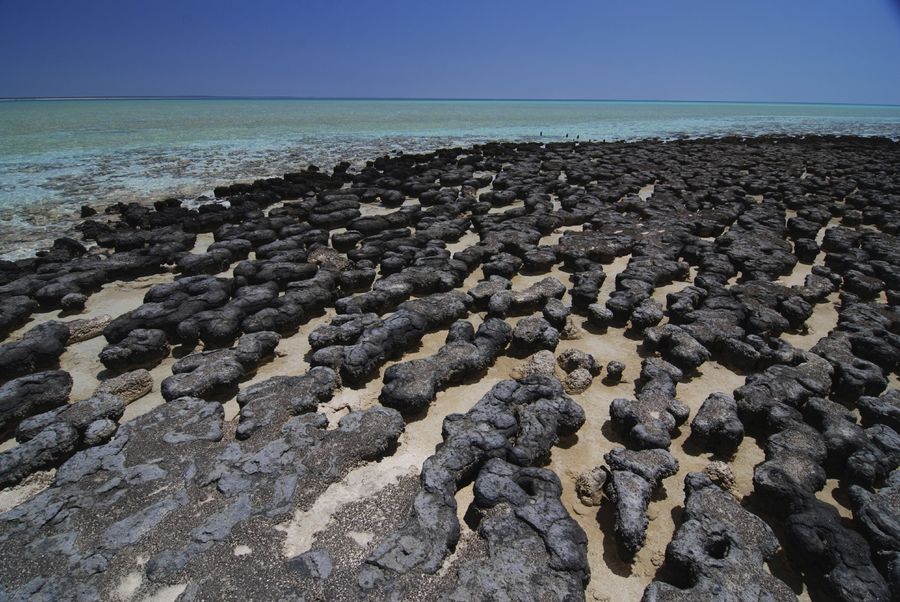
The same AI method revealed another discovery: evidence of oxygen-producing photosynthesis in 2.52-billion-year-old rocks from South Africa’s Gamohaan Formation.
This pushes the record of photosynthesis back 800 million years. Photosynthetic microbes emerged earlier than the Great Oxidation Event, which occurred approximately 2.4 billion years ago.
This reshapes theories about the development of Earth’s atmosphere.
Accuracy and Validation
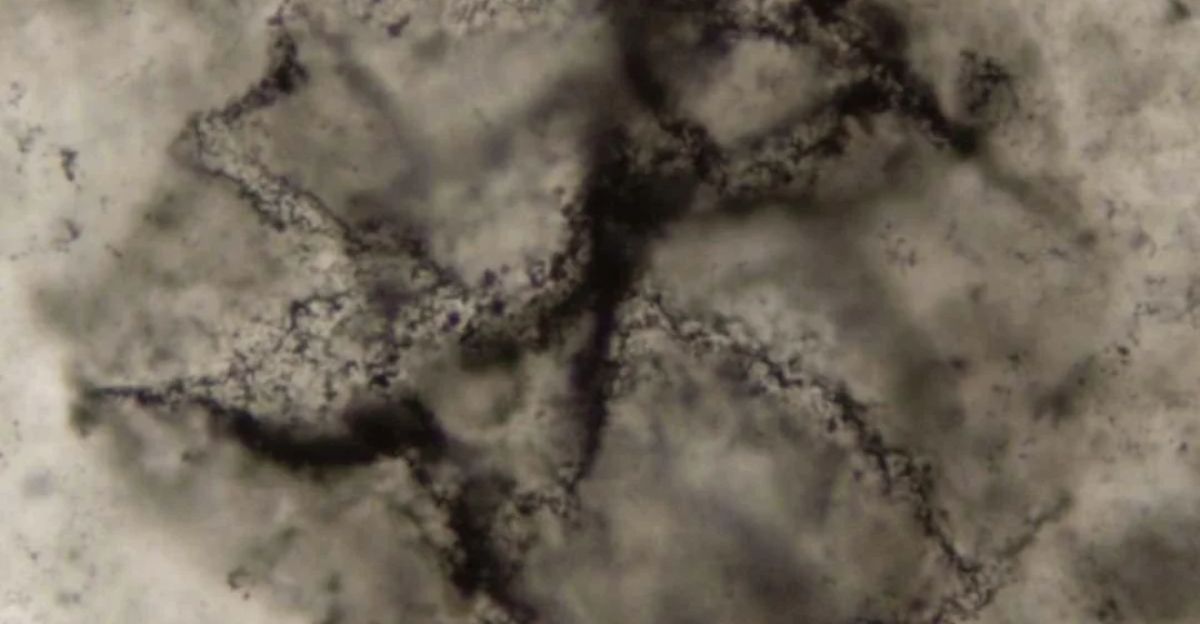
The random forest model achieved an accuracy of 93% in distinguishing between fossil biological samples and non-biological ones.
Some classifications exceeded 98% accuracy. These numbers establish scientific confidence in the method.
Researchers used rigorous testing to ensure the model didn’t just memorize data. PNAS reviewers scrutinized every aspect before publication.
“Chemical Echoes”
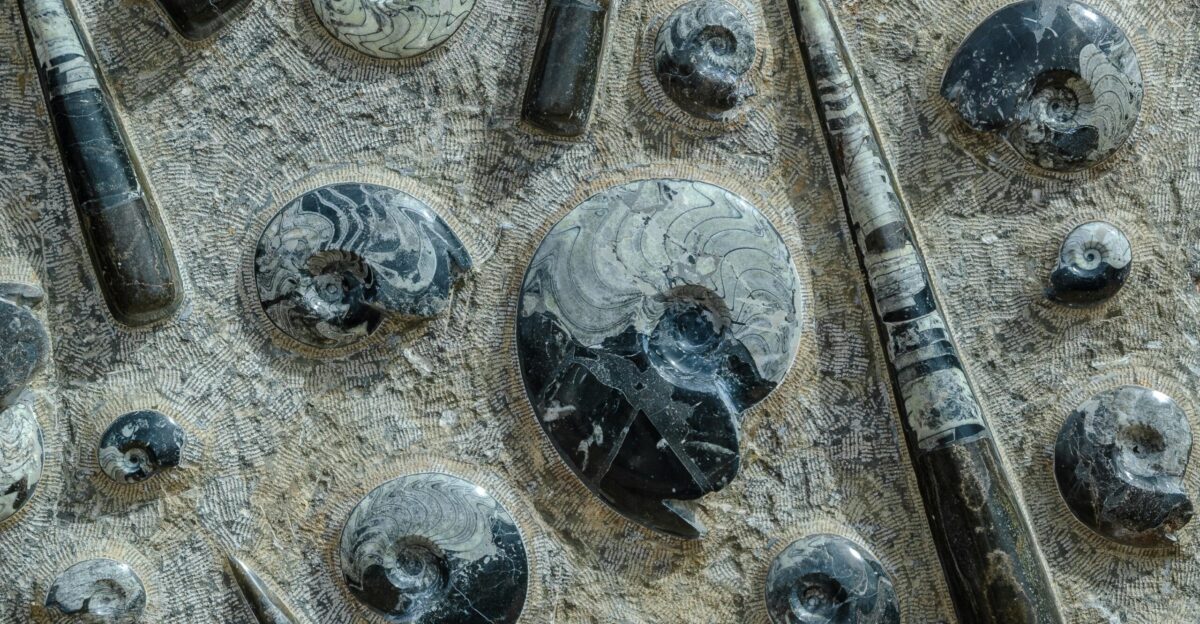
Dr. Robert Hazen captured the discovery perfectly: “Ancient life leaves more than fossils; it leaves chemical echoes.”
These echoes—degraded molecular fragments—encode information about organisms from billions of years ago.
Fossils show morphology; chemical echoes reveal metabolism and chemistry. AI can decipher molecular patterns invisible to humans.
The Uncertainty Remains
Critical questions linger despite this breakthrough. Do the molecular patterns truly represent life or unusual chemistry?
Could contamination have affected results? Do Archean rocks preserve original biosignatures or later alterations?
The PNAS paper addresses these concerns but acknowledges that independent validation would strengthen confidence. Science advances through skepticism.
Peer Review and Scrutiny

PNAS ranks among the world’s most selective scientific journals.
Reviewers thoroughly assessed the sample selection, methodology, statistics, and interpretation.
Experts evaluated AI accuracy claims and geological context. Questions arose about whether the dataset accurately represented Archean environments.
The authors revised their manuscript to address all concerns.
The Research Team Behind It
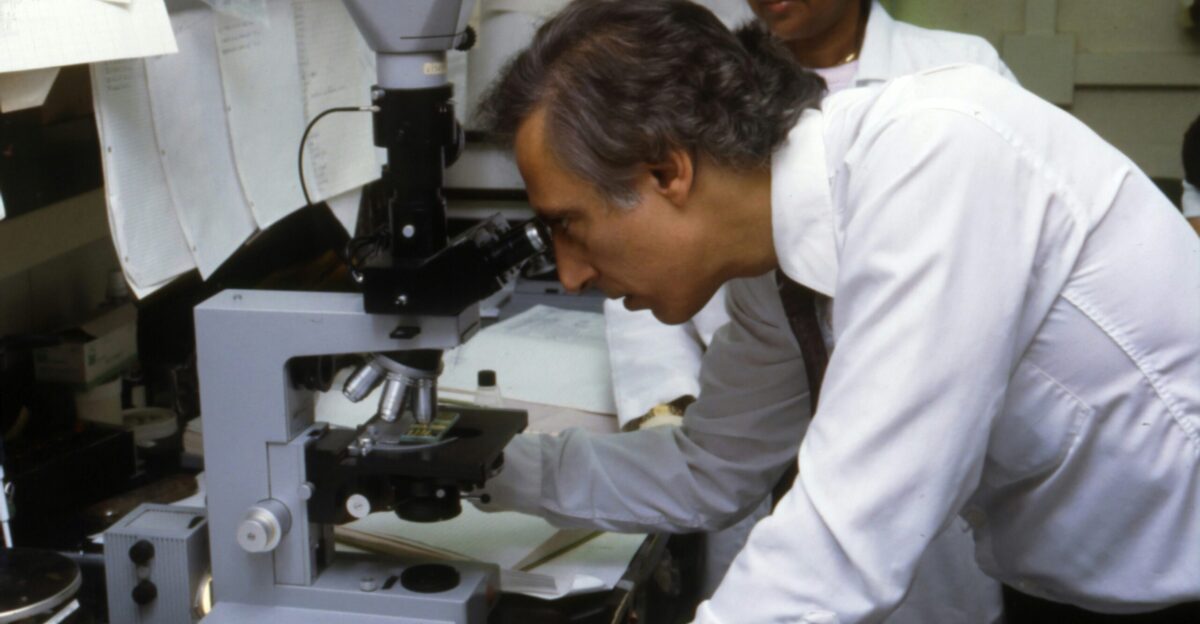
The study included 26 co-authors from Carnegie Institution, University of Toronto, Stanford, University of Michigan, and other institutions.
Lead researchers Robert Hazen, Anirudh Prabhu, and Michael Wong combined expertise in mineralogy, geochemistry, machine learning, and astrobiology.
NASA funded the work. This collaboration exemplifies how complex problems often require the expertise of multiple disciplines.
Reproducibility

Other laboratories worldwide will now test these findings. Independent teams will analyze fresh Josefsdal Chert samples using the same methodology.
Some labs will try different algorithms. Others will confirm the rocks truly date to 3.33 billion years without contamination.
Reproducibility defines robust science, and the field mobilizes to verify this work.
Mars on the Horizon
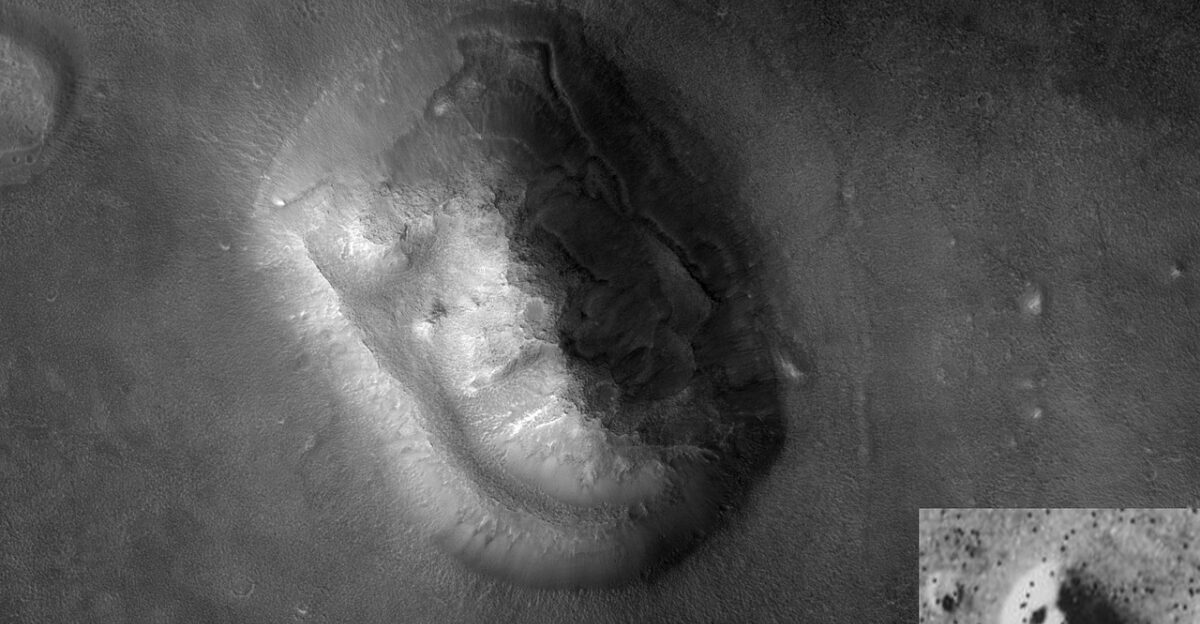
NASA’s Curiosity and Perseverance rovers have already collected Mars rock samples.
Perseverance caches these samples for future return to Earth. If Mars rocks from 3.5 to 4 billion years ago contain ancient microbes, this AI technique could detect them.
The method also applies to Saturn’s moon Enceladus, Jupiter’s moon Europa, and Titan.
NASA and NSF Funding Priorities
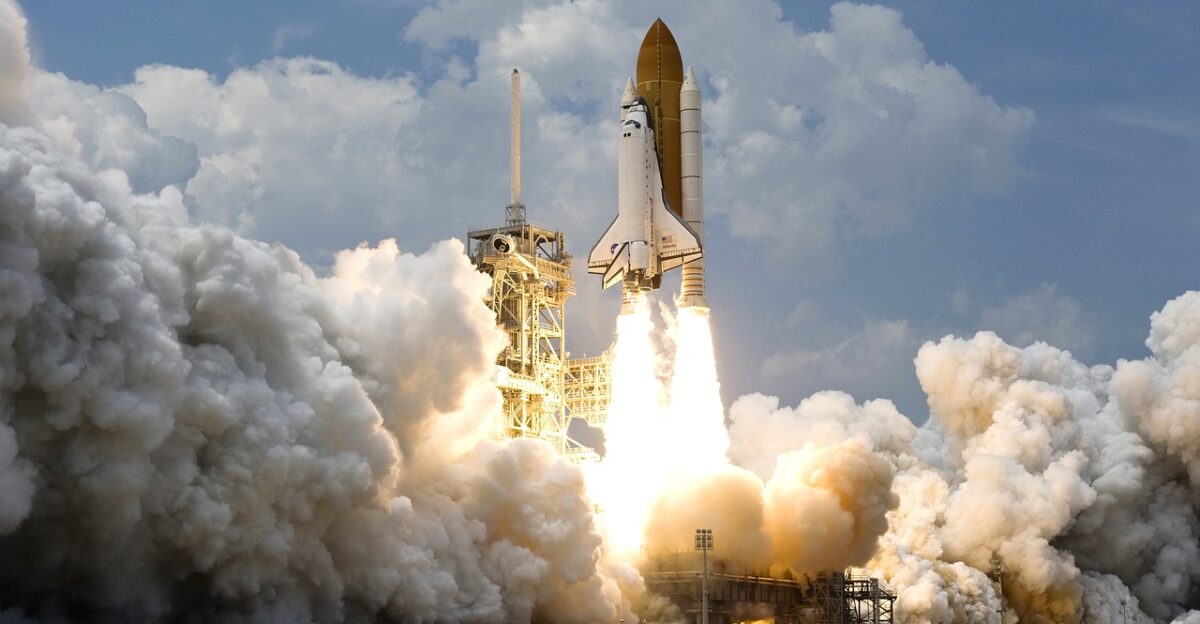
NASA and the National Science Foundation prioritize biosignature detection research through multiple programs.
NASA’s ICAR program supports large teams tackling life detection questions, including machine-learning approaches.
The annual ROSES solicitation includes specific biosignature elements. This funding suggests machine-learning paleontology will become standard within five years.
Cross-Sector Ripple Effects
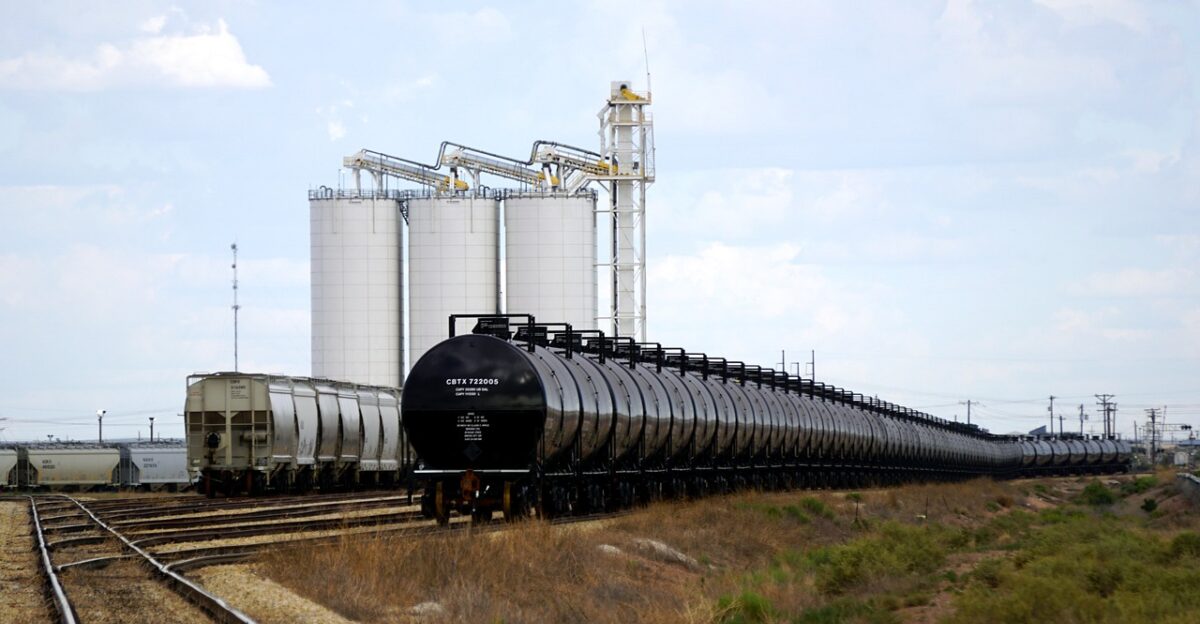
This technique reaches beyond astrobiology. Petroleum geologists could refine oil exploration using improved organic signature detection.
Environmental scientists could better trace the origins of pollutants. Archaeologists might find organic residues in ancient artifacts more easily.
Pharmaceutical companies could optimize the selection of microbial strains. AI extracts patterns from degraded data across disciplines.
Public Reaction and Misinformation

Social media buzzed with #AncientLifeDiscovery and #EarliestLife trending on X and TikTok.
However, some posts wrongly claimed scientists “found the first life” or “solved life’s origin.”
Researchers clarify that they detected chemical evidence of microbial life, not the origin of life. Scientists stress the method detects biosignatures, not alien life.
Historical Precedent: Building on Decades of Work
This breakthrough builds on decades of research. In 1996, the meteorite ALH84001 sparked debates about Mars fossils and microbes.
Scientists discovered 3.5-billion-year-old stromatolites in Western Australia. The machine-learning innovation represents evolution, not revolution.
Each tool generation—electron microscopy, isotope analysis, molecular sequencing, now AI—pushes detection boundaries further.
The Bottom Line
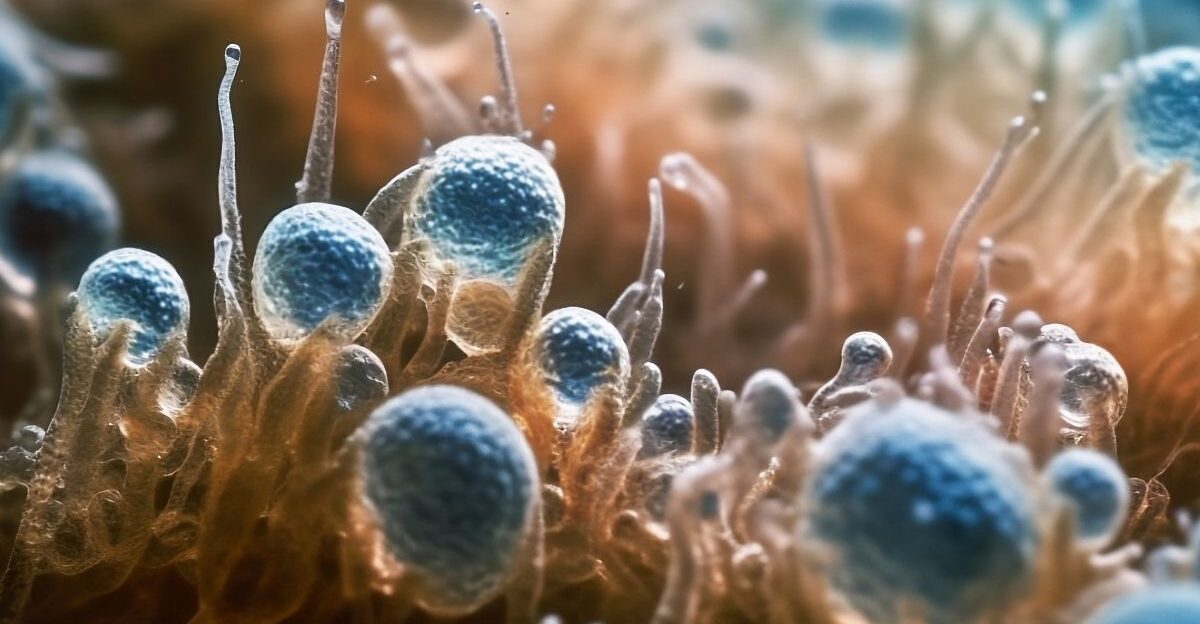
Life on Earth reaches back at least 3.33 billion years—we now have chemical proof.
People made this discovery, but machine learning made it possible by recognizing patterns humans couldn’t see.
Earth’s early biosphere was more sophisticated than evidence previously showed. This technique will guide our search for life beyond Earth.