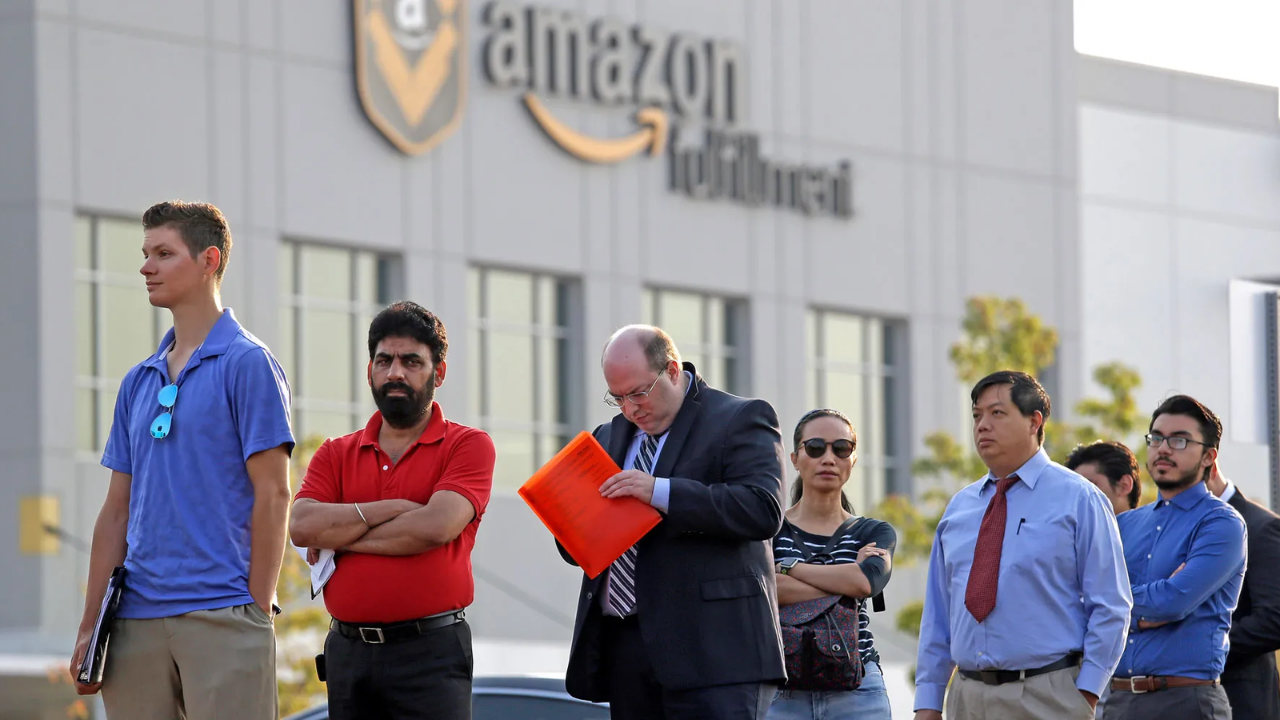
Amazon announced it will cut up to 30,000 corporate jobs on Oct. 27, 2025 – about 10% of its ~350,000 white-collar workforce.
This is “the largest reduction in Amazon’s corporate workforce in the company’s history,” surpassing the 27,000 cuts of 2022–23. The decision shocks Seattle and ripples through the tech sector.
Generative AI and Cost Pressures Drive Cuts

Amazon’s CEO Andy Jassy cites generative AI and cost control as reasons. Jassy warned in June that increased AI use means “we will need fewer people doing some of the jobs that are being done today”.
Reuters notes Amazon aims to curb pandemic-era overhiring and trim expenses. In short, automation gains and economic realities forced this unprecedented restructuring.
Services and Support May Slow

Key support divisions will shrink. The cuts hit areas like human resources (PXT), Amazon Web Services, devices, and logistics. With team sizes falling, customers could see slower feature rollouts or longer helpdesk waits.
One industry analyst notes Amazon is “likely realizing enough AI-driven productivity gains … to support a substantial reduction in force”, highlighting automation’s role in replacing corporate staff.
Big Tech Joins the Layoff Wave

Amazon’s move triggered layoffs at other firms. For example, startup Robin AI cut ~33% of jobs, Meta axed ~600 positions in its Bay Area offices, and Google trimmed around 150 roles in recent rounds.
These companies cited similar pressures: rising automation and slimmed-down budgets. The industry trend is clear: large tech companies across sectors are downsizing to match today’s economic conditions.
Consulting and AI Firms Step Up

With Amazon cutting thousands of roles, tech consultancies and AI vendors see new demand. Accenture’s advanced AI project bookings nearly doubled to $5.9B in FY25.
Cloud providers and robotics startups are winning contracts as firms outsource tasks once done in-house. In short, Amazon’s cuts create a main ripple—specialists in automation and outsourcing gain business as old roles vanish.
Global Impact
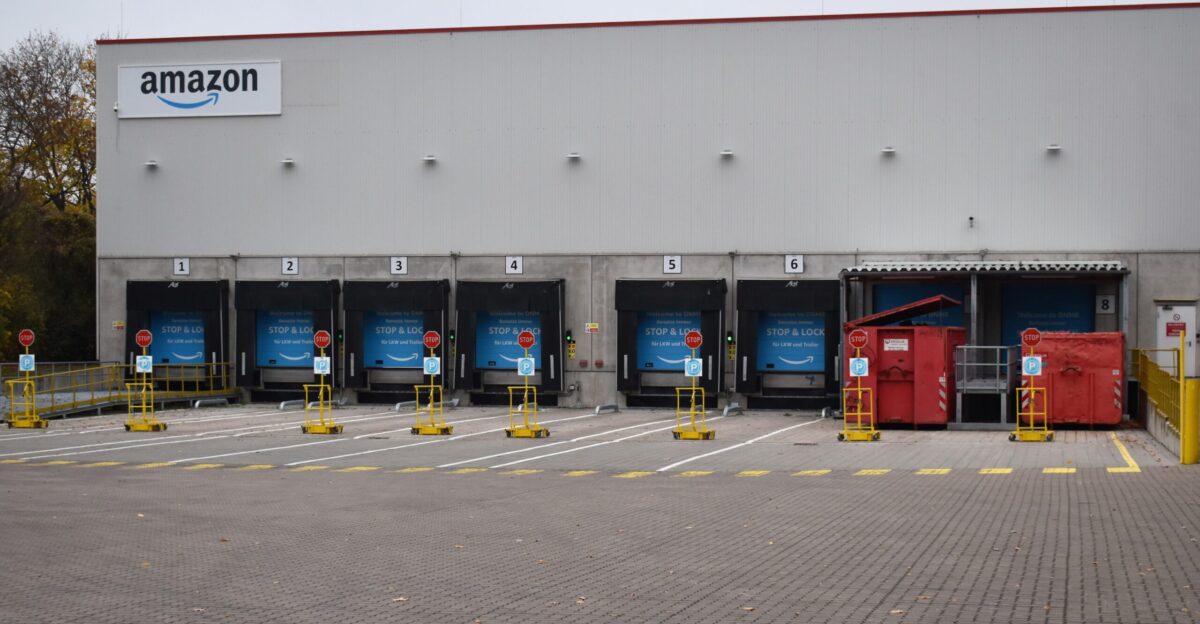
Amazon has about 1.54 million employees worldwide, so this layoff spans continents. Offices from India to Europe are affected. In regions like the EU with strict labor laws, Amazon’s move has spurred debates on worker protections.
Policymakers across multiple countries now debate how to manage AI-driven job cuts, underscoring the global reach of this event.
Human Toll
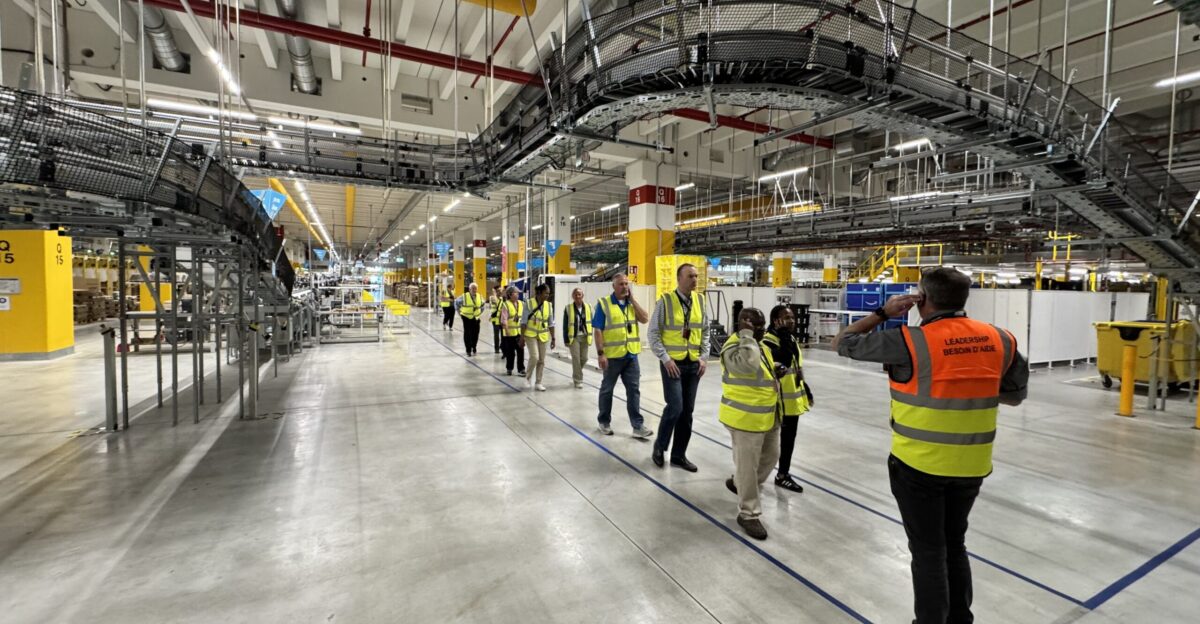
Tens of thousands of Amazon employees will suddenly lose income. Amazon’s People Experience (HR) unit has about 10,000 employees globally, and roughly 15% of them may be cut.
These layoffs impact not just individuals but entire households – bills, healthcare, and savings are suddenly threatened. Workers report immediate anxiety as they adjust to an uncertain future.
Lawmakers Respond

Lawmakers quickly responded. In an Oct 2025 Senate hearing, Sen. Sanders warned AI “could eliminate nearly 100 million jobs”, and Sen. Cassidy urged that Americans “be trained with tools to stay competitive”.
These remarks highlight rising calls for AI oversight and expanded retraining and safety nets for affected workers. Policymakers on both sides are now discussing new rules to protect jobs in the AI era.
Economic Aftershocks

Losing 30,000 jobs means billions less in local incomes. In Seattle, tech layoffs already caused “decreased retail spending in tech-heavy districts; restaurant closures; [and] a cooling housing market”, plus a ~$146 million tax revenue shortfall.
Similar shocks loom in Silicon Valley and other tech hubs. Less spending by laid-off workers will ripple through retail, housing, and public revenues.
Retailers Rethink Operations

Retailers are streamlining with more AI. Amazon plans to double U.S. sales by 2033 without expanding its workforce, signaling massive automation. Walmart and Target are also ramping up AI-driven inventory systems and self-checkout. Amazon is investing about $100 billion in cloud/AI infrastructure in 2025.
This shows retailers keeping service fast through technology as staff shrink.
Hospitality and Leisure Hit

Fewer high earners means less dining and travel. Seattle diners and cafes report noticeable slowdowns; the same report noted restaurant closures and even fewer co-working spaces in tech areas.
Thousands fewer corporate employees translate to reduced hotel bookings and conventions in tech cities. Tourism boards and business groups warn of weaker leisure spending as budgets tighten.
Professional Services and Real Estate Slide

Recruiters, consultants, and landlords face headwinds. Seattle reports a “cooling housing market” and rising office vacancies. Tenants are subletting or downsizing leases in tech-heavy districts. In sum, sectors tied to growth are reeling: fewer hires mean less demand for professional services and for office space.
For example, tech accounts for ~30% of Seattle’s economy, so cuts there erode key demand drivers.
E-Commerce World Shifts

Amazon’s scale is massive: it processed ~6.3 billion U.S. orders in 2024 (≈17.2 million per day). If Amazon slows innovation or tightens services, rivals can gain ground. Companies like Alibaba, JD.com, or Walmart are poised to capture any gap, and international shoppers will be watching for changes in price or availability.
Analysts say this could tip global e-commerce dynamics if consumers seek alternatives.
Stress and Adaptation

Stress and anxiety spike. A survey found 83% of parents feel anxious about the economy, and losing a job deepens that fear. Many laid-off workers report family strains and uncertainty.
Analysts stress quick retraining; Amazon’s CEO said those who “embrace” AI changes will be best positioned. Mental health experts advise urgent counseling and community support for affected families.
The AI Debate

Amazon’s cuts fueled broader arguments. Critics warn of a tech-led job grab: Ford CEO Jim Farley bluntly said, “AI is going to replace literally half of all white-collar workers in the U.S.”.
Defenders argue that this gains efficiency. The cultural conversation is intense: can society balance rapid innovation with adequate employment opportunities? The outcome of this debate will shape workforce norms going forward.
Unexpected Winners and Losers

AI companies boom, local businesses slump. U.S. investment in AI hit $109B in 2024 (total funding ~$252B), fueling giants like AWS and Nvidia. Meanwhile, cafes, gyms, and daycare centers that depend on Amazon workers see far fewer customers.
For example, Seattle’s Ballard area now has far fewer diners than before. The result: automation vendors and tech firms are winners, while neighborhood shops in tech hubs take a hit.
Investors React

Investors and analysts weighed the news. By late Oct 2025, ~98,000 tech jobs had been cut industry-wide this year. Amazon’s AWS cloud still grew (17.5% in Q2), so some see the layoffs as margin-friendly. Others warn that slashing talent might slow innovation.
Stock markets wavered as traders balanced the benefits of cost cuts against potential revenue impacts from a leaner workforce.
Advice for Consumers

Shoppers should stay alert. Amazon is still hiring ~250,000 seasonal workers for the 2025 holidays, signaling its focus on fulfillment. Experts advise not relying on a single retailer: keep accounts on multiple online platforms and track shipping dates early.
Budgeting for possible price or availability changes can help. In short, vigilance and flexibility will help shoppers navigate any service shifts.
Jobs of the Future
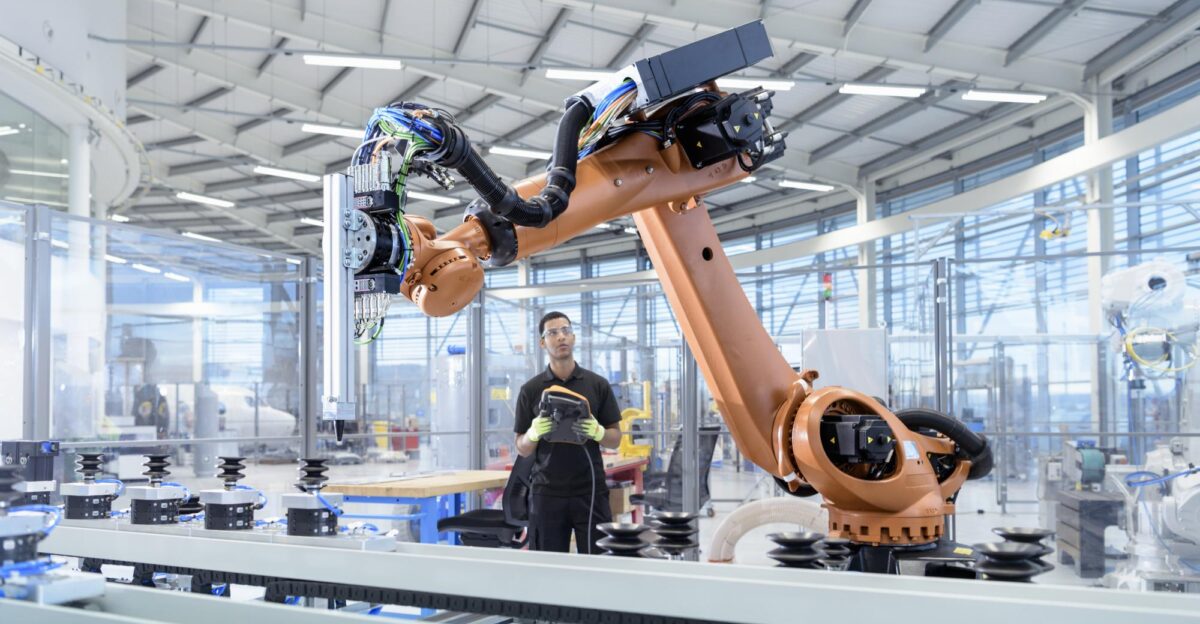
Tech jobs will keep evolving. By 2024, 78% of companies reported using AI in their operations, so roles like AI engineers, data analysts, and cybersecurity experts are expanding.
Even Amazon’s CEO notes his corporate staff “will shrink” over time due to AI efficiency gains. For displaced workers, retraining is crucial: many are studying AI, cloud, or software skills. Ultimately, adaptability and tech literacy will determine who thrives in the new job market.
Work in the AI Era
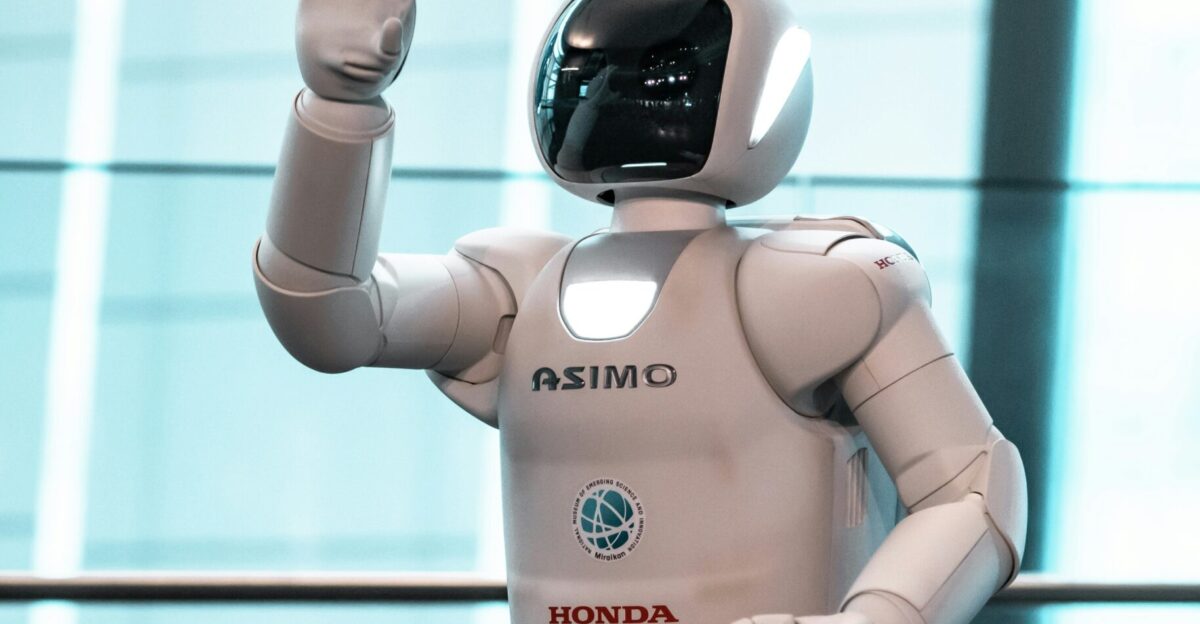
Amazon’s layoffs are a global turning point. In 2024, private AI funding hit ~$252 billion, and 78% of firms used AI, underscoring that work is changing worldwide.
Many experts now call for proactive measures – retraining programs, updated education, even taxes or regulations on automation – to ensure workers benefit from AI gains. How businesses and governments act now will shape the future of work in this new, AI-driven era.