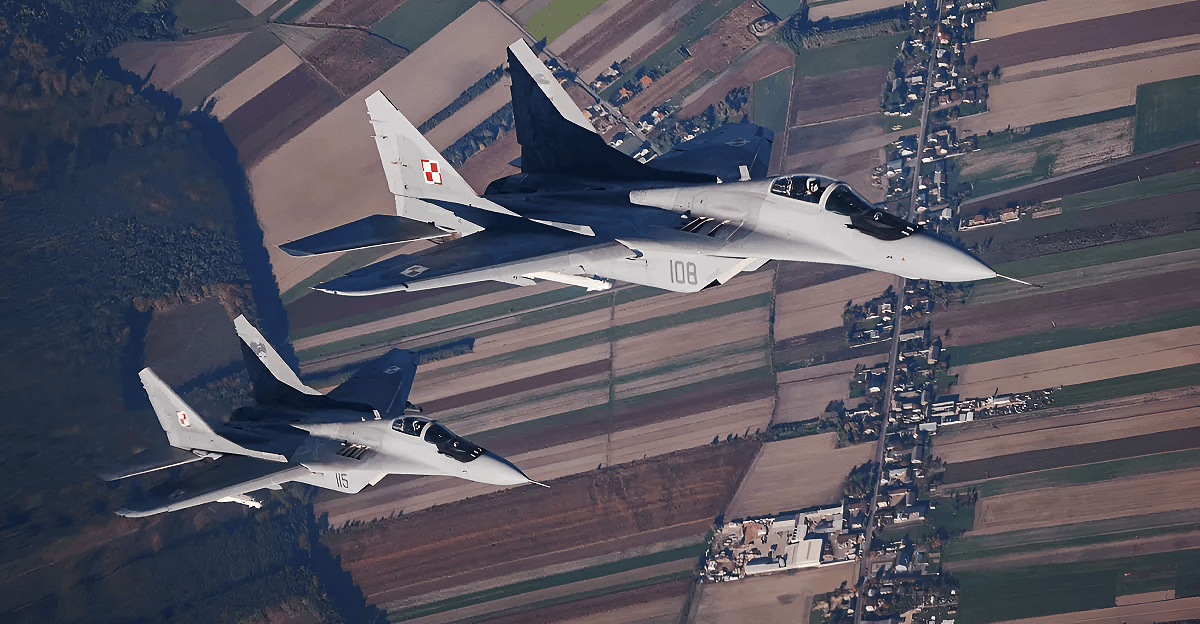
The ongoing conflict resulting from Russia’s invasion of Ukraine has escalated significantly with the recent Russian drone incursions into Polish airspace. For the first time, NATO has intervened militarily in this conflict, and Poland, a member since 1999, successfully intercepted several Russian drones.
Russia, on the other hand, says its operations were directed at Ukraine and denies plans to attack Polish territory. Poland and NATO allies, on the other hand, describe the incursions as intentional provocations that call for a strong defensive response. At the same time, Russia has threatened military retaliation against Finland, another NATO member since 2023, for alleged threats after Finland joined the alliance. These incidents introduce intricate strategic and psychological elements into military and diplomatic arenas, signaling a growing security quandary on NATO’s eastern flank.
The Historical Background of Finland-Russia Relations
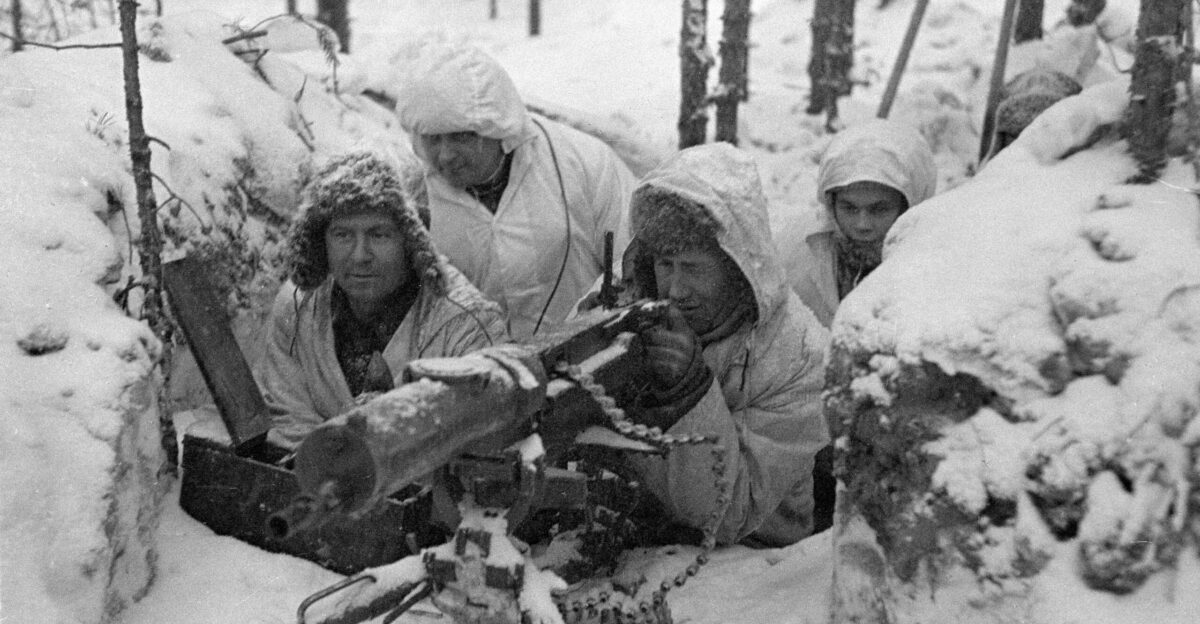
Military tensions have always existed between Russia and Finland, most notably during the Winter War (1939–40), when the Soviet Union tried to annex portions of Finland in order to secure Leningrad. Russia sees Finland’s 2023 NATO membership as a direct threat to its security, upending decades of Finnish neutrality.
Since then, Russian authorities have planned fortifications and enhanced border monitoring, strengthening military positions along the Finnish border. Russia’s aggressive rhetoric and threats of possible retaliation are supported by unresolved historical territorial concerns and Finland’s change in alliance status. These actions are part of Moscow’s efforts to prevent NATO from further encroaching on its perceived sphere of influence.
Trends and Risks in Drone Warfare
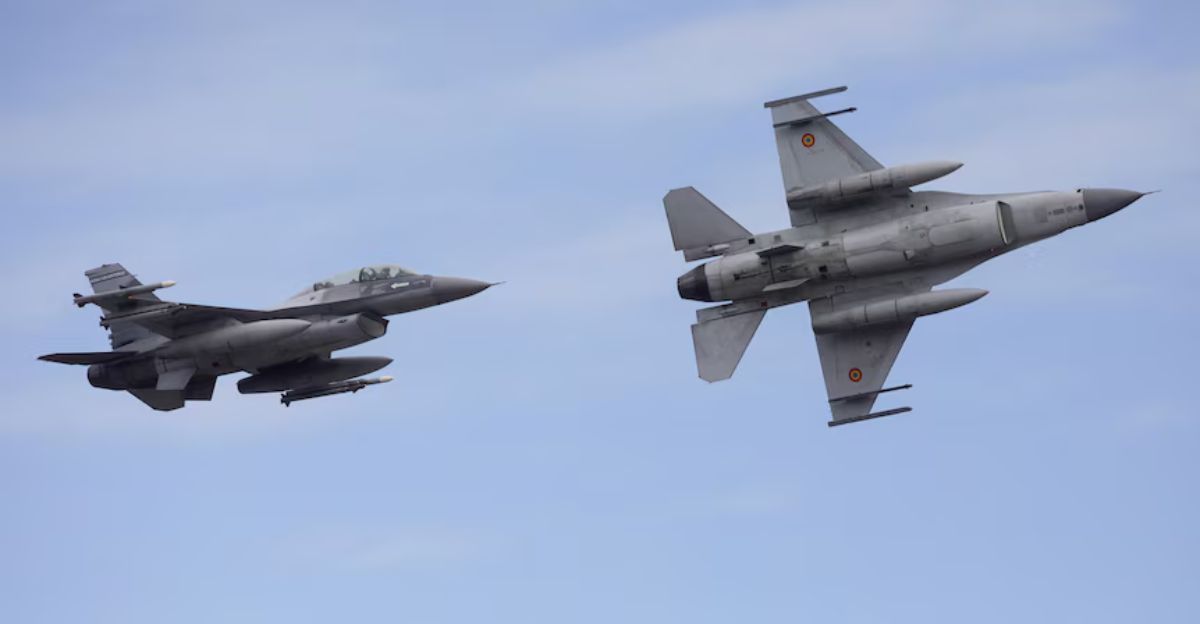
Due to their accuracy, effectiveness, and capacity to carry out surveillance or hit targets with a lower risk to personnel, drones have emerged as essential weapons in modern conflicts. However, cross-border drone incursions put current international legal and military engagement frameworks to the test. Russian drones have been breaching airspace borders in Eastern Europe more frequently, testing NATO’s defenses and looking for weaknesses.
Such measures jeopardize regional stability and civil aviation safety by increasing the risks of psychological warfare in addition to kinetic military retaliation. The dual-use nature of the technology makes attribution and response plans more difficult, particularly when drones avoid immediate defense. This raises concerns about sovereignty and the line at which military retaliation is appropriate.
The Strategic Reaction of NATO
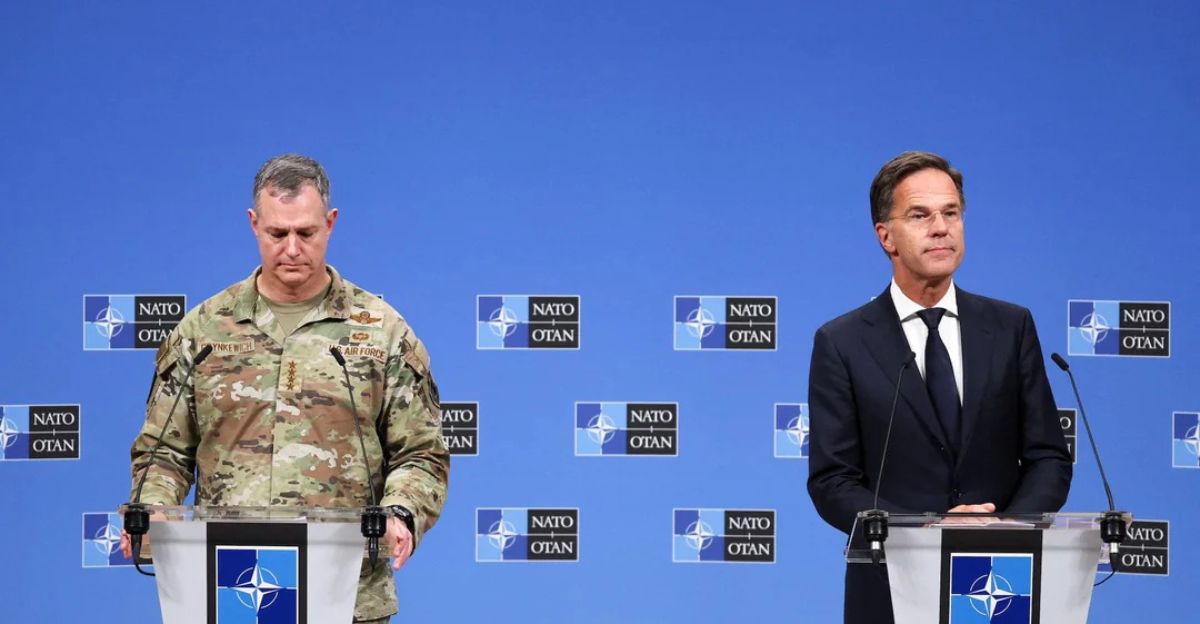
NATO has launched “Operation Eastern Sentry,” which aims to strengthen the defense of its eastern flank through integrated air and ground defenses and rapid deployment capabilities, in response to Russian drone incursions. To strengthen Poland’s airspace, member nations like Denmark, France, Germany, and others have pledged fighter jets and cutting-edge systems.
In order to prevent additional aggression, NATO’s strategy calls for improved information exchange and an adaptable military posture. This idea of collective defense raises the stakes in the area and reinforces key elements of NATO’s deterrence doctrine by sending a message to Russia that any attack on one ally will result in a coordinated military and diplomatic response.
The Effects of Drone Incursions on the Mind

Drone incursions cause psychological trauma to military personnel and targeted populations in addition to physical harm, causing stress, anxiety, and uncertainty. Temporary airport closures and collateral property damage are examples of civilian disruptions that erode public confidence in governments’ capacity to protect them.
Fear of escalation is accompanied by increased political unity and vigilance among NATO allies, while Russian actions convey intimidation and test the enemy’s resolve. The strategic goal of such provocations may be to increase internal divisions and undermine NATO cohesion, which can be achieved through psychological warfare when unmanned systems are used for these purposes.
Ethical and Legal Aspects

Armed force, including drone incursions into sovereign nations’ airspace, is forbidden by international humanitarian law and the UN Charter unless explicitly used for self-defense or with permission from the UN Security Council. Unauthorized military drone crossings violate international law and standards safeguarding state borders and violate territorial sovereignty.
Leaders who have command responsibility for drone strikes are held accountable for illegal actions when there is wrongful targeting or harm to civilians. Given the scope and accuracy of the incursions, Russia’s denials of intent and justifications are under scrutiny, which raises concerns about accountability and the application of international legal norms in drone warfare.
Finland’s Strategic Implications of Joining NATO
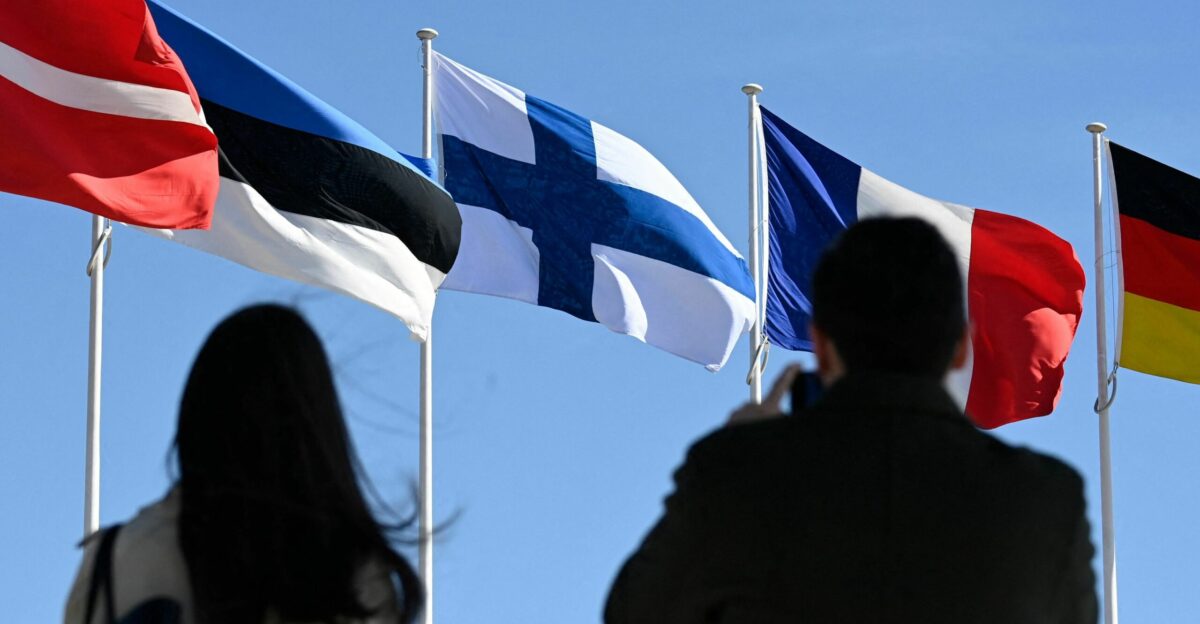
The security environment in Northern Europe changed when Finland joined NATO in 2023, adding more than 1,300 kilometers to the alliance’s border with Russia. Due to this, Russia has redesigned its military strategies along the Finnish border, erecting new fortifications and indicating that it is prepared to confront any threats that may arise.
While Finland’s firm adherence to NATO principles and its strategic location and capabilities improve regional deterrence, they also increase the likelihood of direct military incidents. Moscow is attempting to control or intimidate this enlarged front by threatening more military and hybrid conflicts, as evidenced by its threats of retaliation against Finland.
Possible Effects at the Second and Third Orders
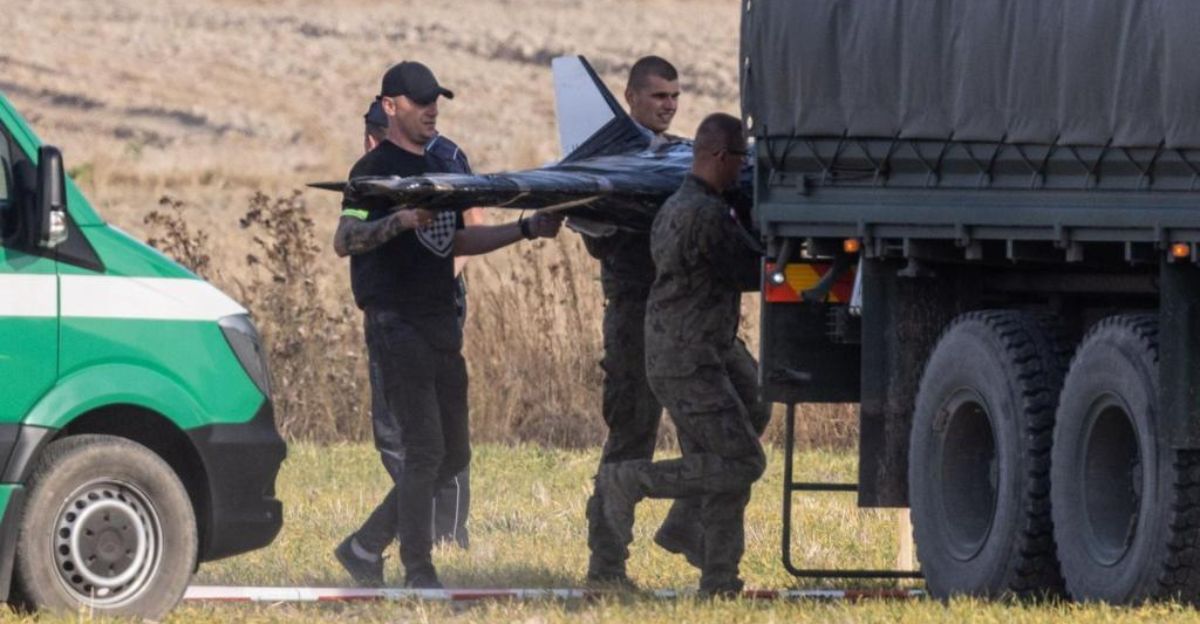
Russia’s warnings and the drone incursions present dangers that go beyond direct military conflict. These developments might hasten the acquisition of weapons in Eastern Europe, lead to increasingly frequent and advanced cyber or drone attacks, and escalate proxy wars in Ukraine and neighboring regions. In terms of politics, they might strengthen NATO’s unity while widening the rifts in Russia’s neighborhood.
Disruptions to airspace raise the cost and complexity of European civil aviation from an economic standpoint. In terms of psychology, the normalization of drone wars may desensitize both soldiers and civilians, which could lower the bar for crisis escalation or miscalculation.
A Contemporary Gray Zone Conflict: Drone Warfare
The drone incursions are a prime example of gray zone warfare, in which enemies take advantage of the uncertainty that exists below the line of full-scale conflict to further their strategic objectives without starting a direct confrontation. By testing defense response times and probing NATO’s resolve, Russia may be obtaining intelligence for upcoming operations and psychologically weakening enemy populations.
This strategy contradicts conventional military doctrine, makes responses more difficult, and calls for new international security frameworks that combine kinetic, informational, and legal tools for attribution and deterrence. It also suggests a paradigm shift in the way conflict is fought and defeated.
Flights of Drones at Langley Air Force Base
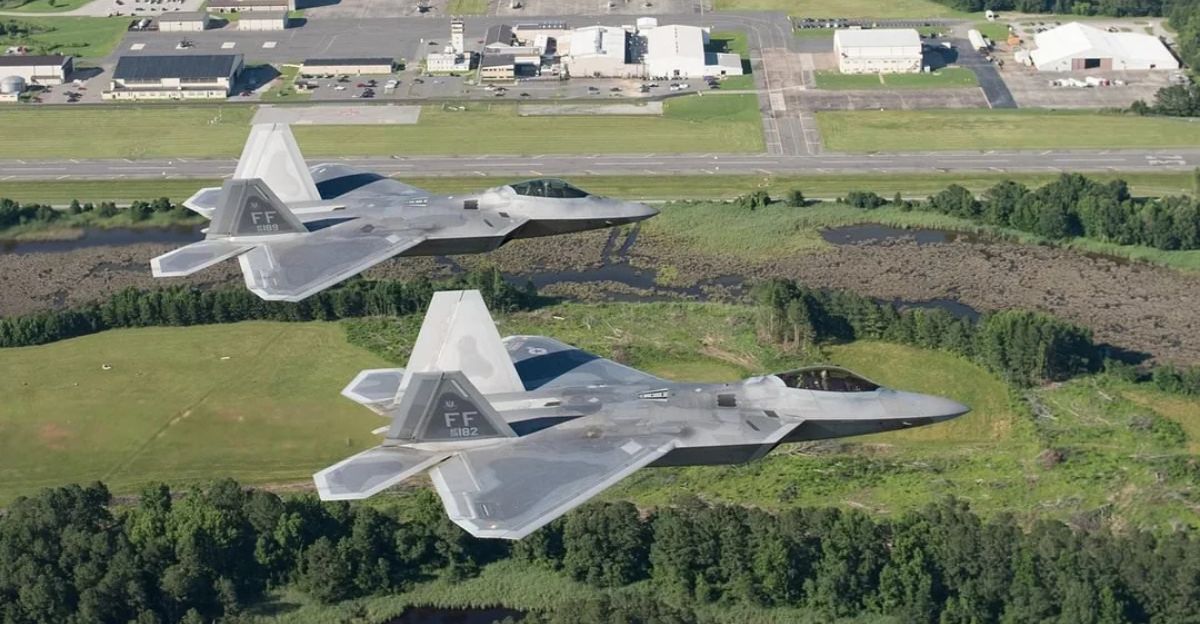
Drone surveillance and probing against high-value military targets were demonstrated by persistent drone incursions over the US Langley Air Force Base in 2023. By tracking aircraft movements and security procedures, the drones were able to identify weaknesses in defense systems.
These trends probably sparked comparable operations in Eastern Europe, highlighting the fact that drone warfare makes psychological pressure and low-risk, high-impact intelligence collection possible. These strategies emphasize the need for military adaptation as well as the worldwide effects of unmanned systems on national security.
From the Cold War to Current Wars
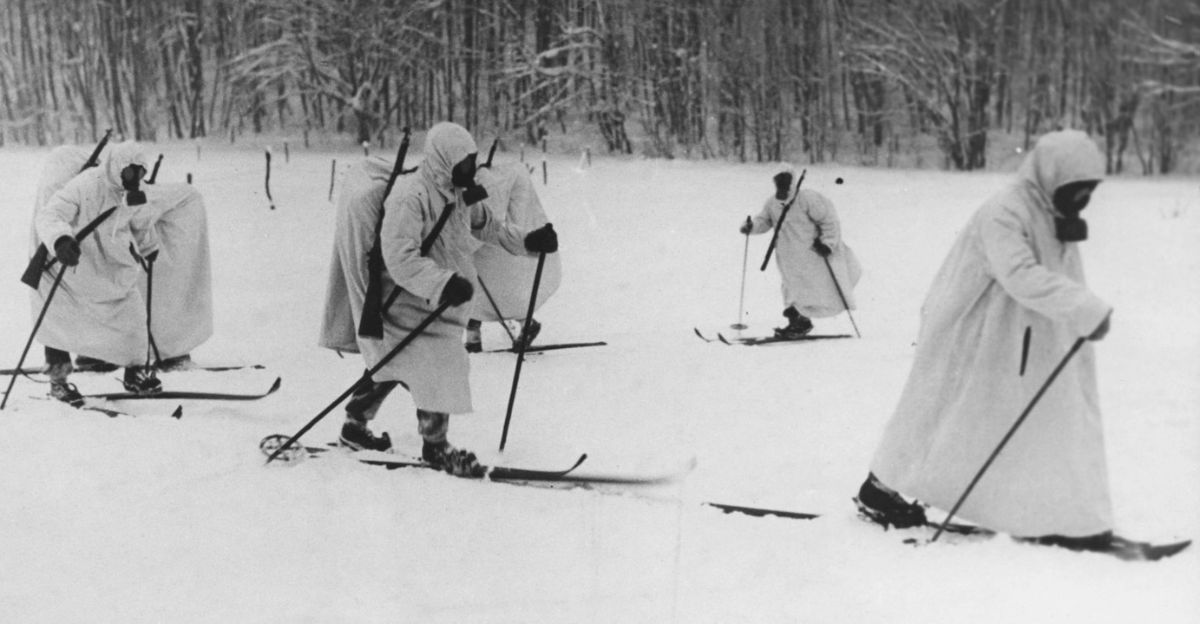
Both episodes emphasize Moscow’s strategic goal to secure buffer zones and control over neighboring states in order to protect its core territories, drawing comparisons between the current tensions and Russia’s Winter War against Finland in 1939–40. In contrast to Russia’s insistence on defensive depth, Finland has a long-term desire to preserve its sovereignty.
Present-day Russian warnings to Finland are contextualized by this historical narrative, which also frames drone incursions as part of a larger spectrum of Russian strategic insecurity and assertiveness.
Russia’s actions are considered defensive rather than provocative. A different viewpoint holds that Russia’s drone incursions and warnings are preventative defensive actions, even though they are generally perceived as aggressive. Moscow may view these measures as deterrence intended to stop violations of its security perimeter in light of NATO’s quick expansion. According to this perspective, retaliation rhetoric is being framed as warnings to avoid conflict rather than as an attempt to compel NATO and allies to recognize Russian red lines and negotiate from a position of strength rather than escalation.
Integration of Drone Defense and Cybersecurity
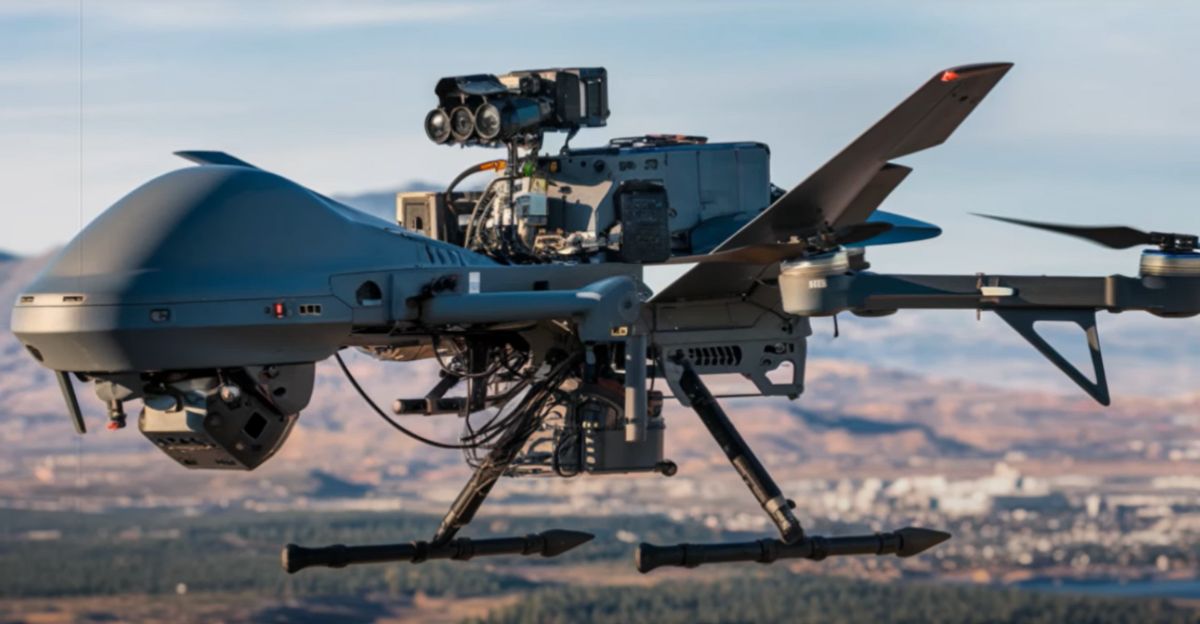
Because sophisticated drones frequently use electronic warfare tools like GPS jamming and signal interception, the drone threat and cybersecurity are related. It becomes essential to integrate air defense systems with cybersecurity. Strong cyber defenses, for example, can stop defense network hacking and drone-based communication disruptions.
In order to build robust multi-domain defenses, this convergence necessitates creative military doctrines and public-private partnerships combining AI, cybersecurity, and aerospace technologies.
Russian Drone Airspace Violations Are Increasingly Common
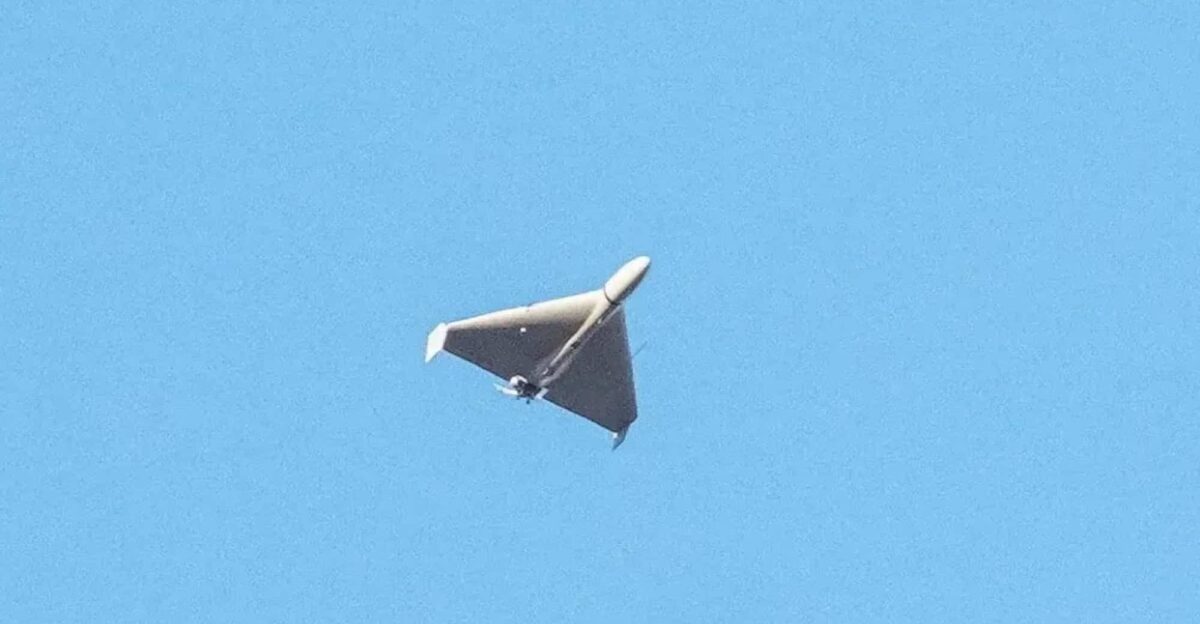
Over the past two years, data shows a consistent rise in Russian drone violations along NATO’s eastern border, which is consistent with both NATO’s eastern expansion and the escalating conflict in Ukraine.
This surge demonstrates a tactical trend of gradual escalation, which may be intended to test defenses, collect intelligence, and desensitize NATO. Future conflicts can be predicted by the quantitative increase, which highlights the need for improved defensive capabilities and closer alliance coordination.
In Conclusion
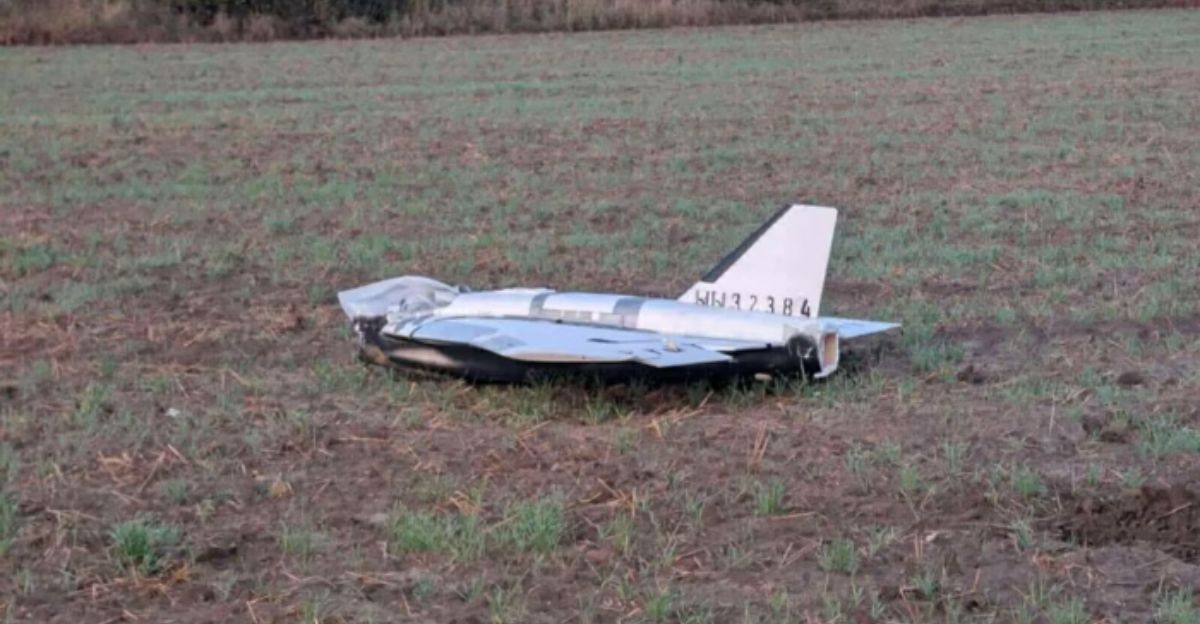
A volatile security dynamic characterized by technological advancement, old grievances, and intricate geopolitical calculations is exemplified by Russia’s drone incursions into Poland and warnings to Finland. In addition to military preparedness, a sophisticated grasp of psychological, legal, and strategic considerations is necessary to protect NATO airspace and prevent additional provocations.
It is crucial to acknowledge historical contexts, implement multi-domain defense strategies, and get ready for gray zone conflicts. In the end, although provocative, Russia’s actions also reveal its strategic concerns, necessitating determined, well-informed responses to avoid a wider military escalation.