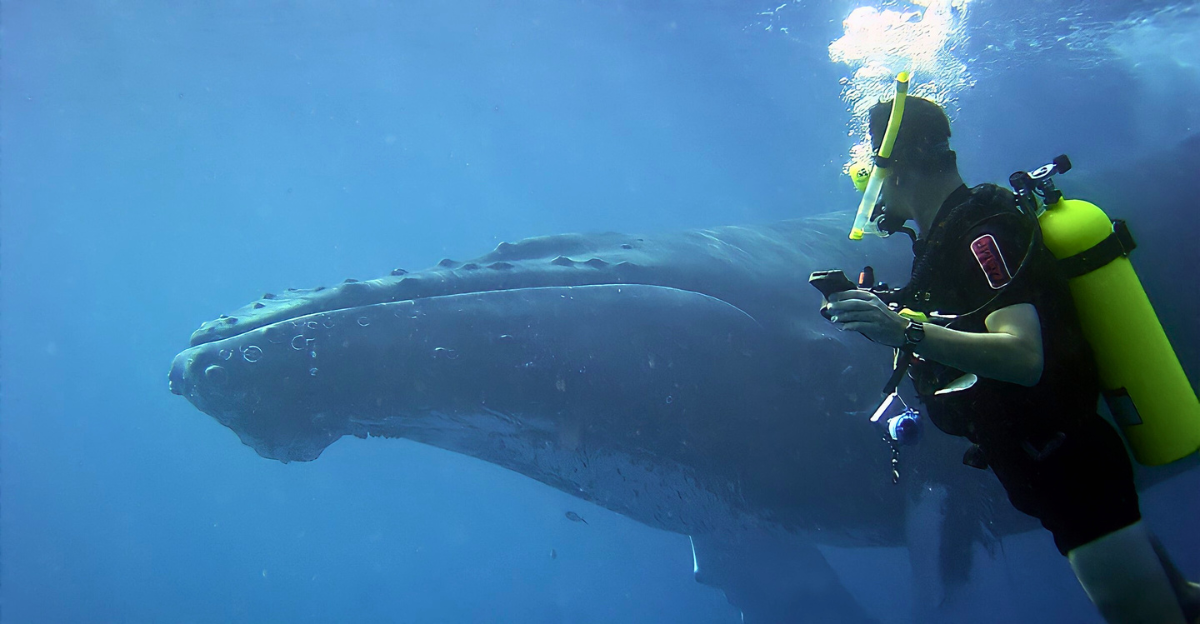
Thirty years ago, scientists and conservationists believed whales were on the path to recovery: cutting-edge satellite tagging, acoustic monitoring, and global marine protection guaranteed survival. Species like the Pacific gray whale were even celebrated as conservation triumphs. Yet beneath the optimism, warning signs went unnoticed.
As climate change accelerated and policies stalled, whales faced growing pressures that technology alone could not solve. In 2025, researchers now describe the situation not as a success story but as a crisis, with once-strong populations collapsing faster than many predicted.
Tracking Technology—Promises and Pitfalls
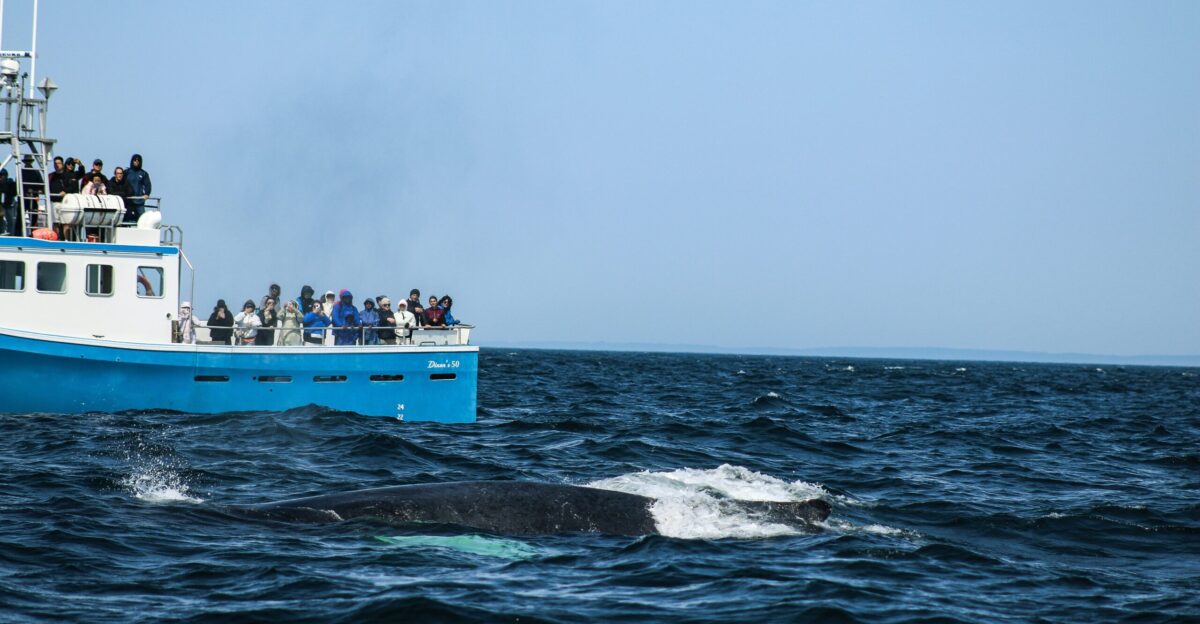
The shift from visual surveys to satellite tags in the 1990s revolutionized whale science. At the time, researchers believed it would deliver precise, long-term data needed to guide policy. But unpredictable migration routes, technical failures, and short-lived tags created serious gaps.
Harsh ocean conditions often ended monitoring early, leaving researchers to piece together incomplete stories. The result was a scientific record that sometimes exaggerated progress while missing early signs of trouble. What began as a revolution in whale science has also revealed the limits of relying too heavily on technology.
Gray Whales—From Recovery to Collapse
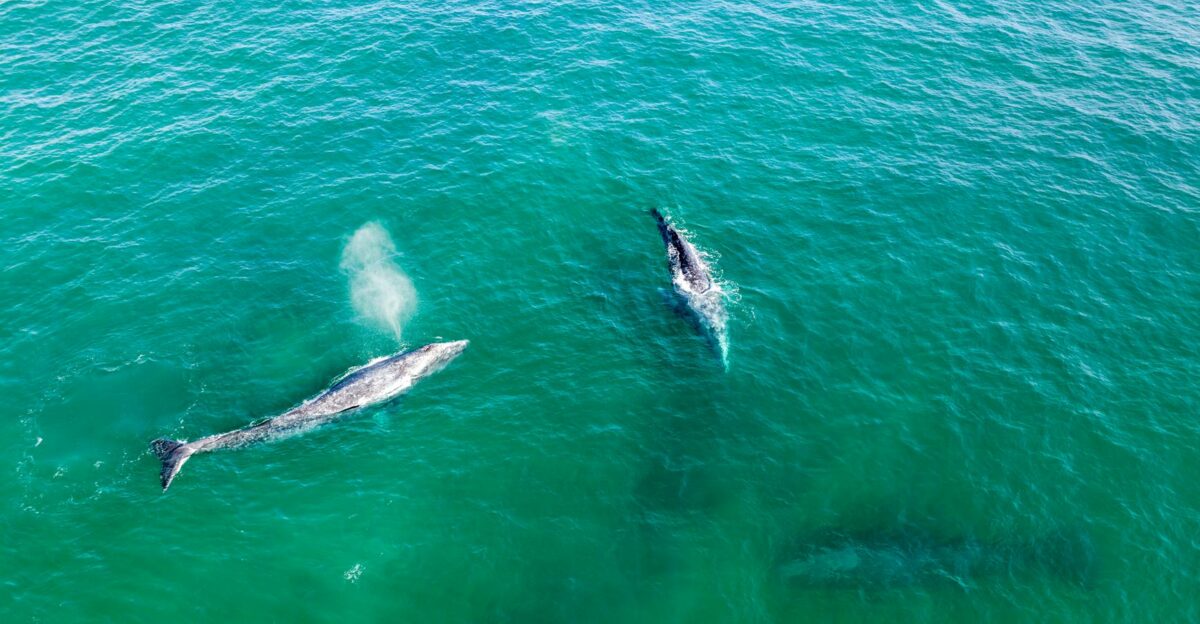
The eastern North Pacific gray whale was once a symbol of hope. Population estimates soared to nearly 27,000 just over a decade ago. However, new 2025 data from NOAA shows that only about 13,000 remain today. That staggering drop has been linked to disappearing Arctic food supplies and shifting ocean temperatures.
“Rebounds always followed those declines in the past, and we’re just not seeing that this time,” said Aimee Lang, NOAA’s lead gray whale researcher. The sudden collapse has left scientists deeply alarmed for a species once considered a conservation win.
Calving Crisis and Reproduction Rates
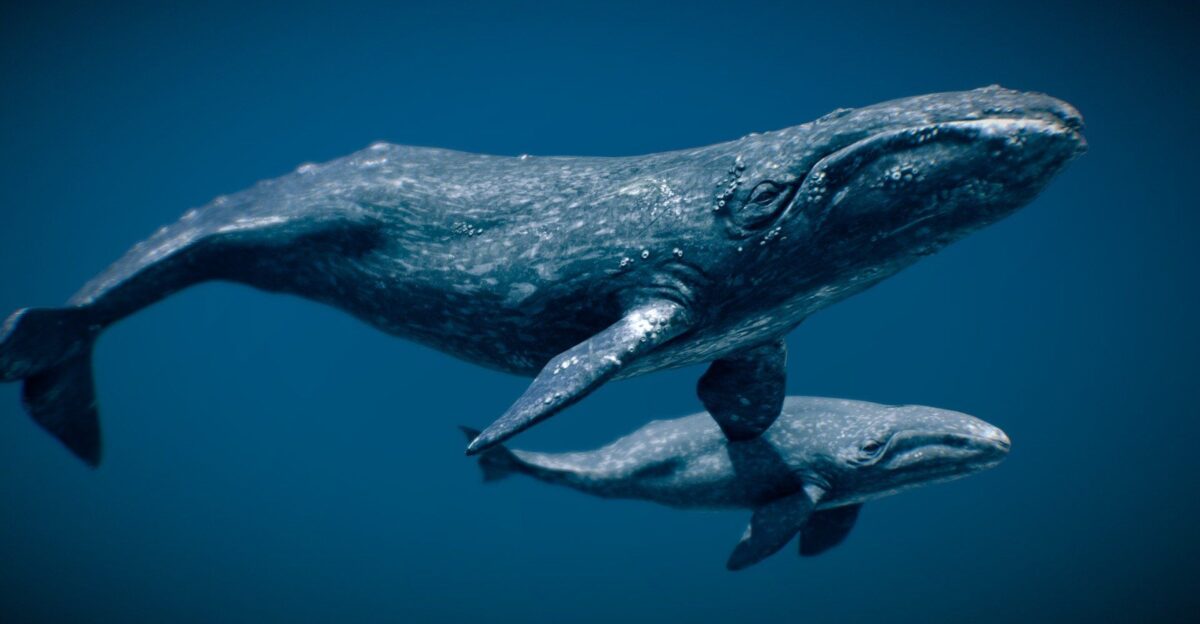
The steepest warning signs are in reproduction. In 2025, researchers counted only 85 gray whale calves migrating past Central California, the lowest total in more than three decades of monitoring. NOAA’s technical analysis concluded that calf numbers have been too low since 2019 for the population to stabilize.
Dead whales found along migration routes and empty lagoons in Baja California highlight the pressures on females, which rely on Arctic food reserves to support pregnancies. Without enough energy-rich prey, calves are fewer, weaker, and more vulnerable, leaving little chance for the species to rebound.
Vanishing Food—The Arctic’s Role
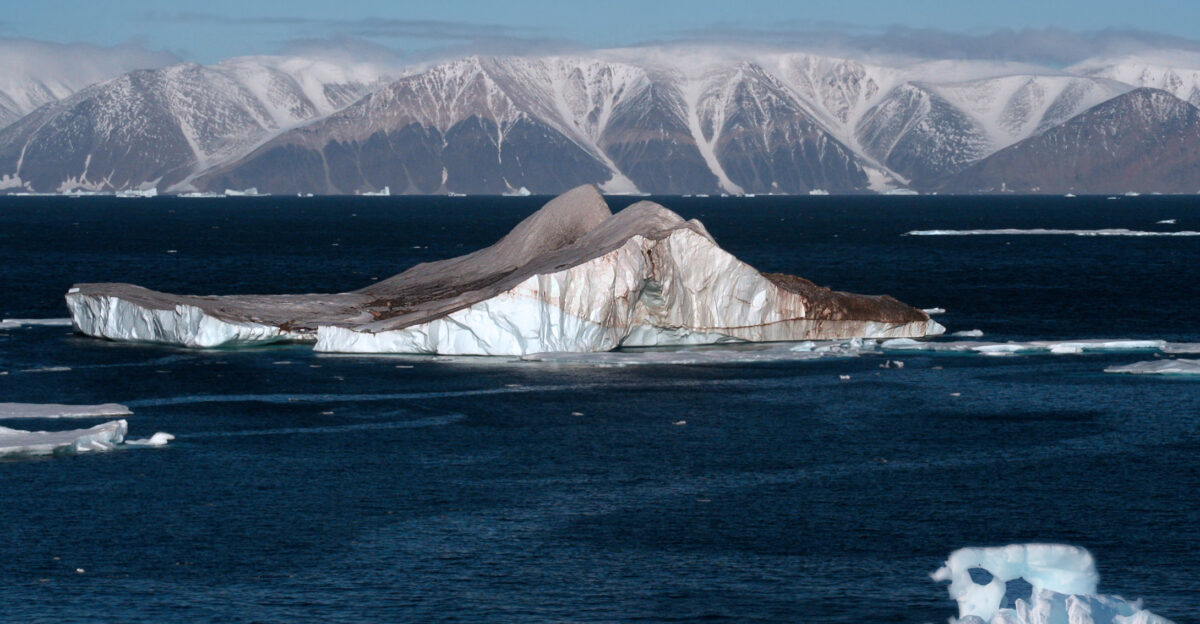
The Arctic has long been the gray whale’s pantry, but warming seas are rapidly stripping away the foundation of its food web. Sea ice that once trapped nutrients is vanishing, disrupting the algae blooms that sink to the sea floor and feed amphipods, the whales’ main prey.
Dr. Josh Stewart of Oregon State explained, “Less dying algae is making its way to the sea floor… causing a huge shift in the amount of available biomass.” With food scarcity rising, whales migrate farther and alter their behaviors, struggling to adapt to an ecosystem in flux.
North Atlantic Right Whales—Fewer Than 370 Left
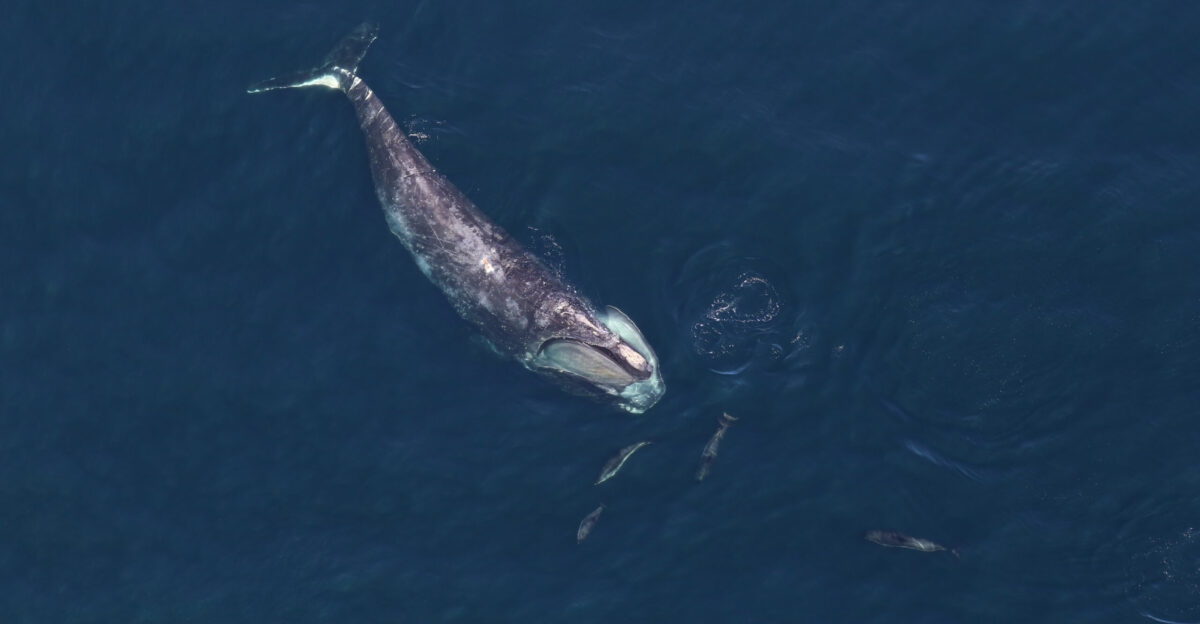
While gray whales falter in the Pacific, North Atlantic right whales are collapsing in the Atlantic. In 2025, researchers confirmed fewer than 370 remain, one of the lowest counts on record. Ship strikes, fishing gear entanglements, and poor calving rates continue to drive the decline.
Conservationist Jessica Redfern described the rollback of protective measures as “incredibly disappointing,” warning that every policy delay risks extinction. The species has been closely monitored for decades, yet repeated failures to enforce safety measures now leave one of the planet’s most endangered whales on the edge.
Failed Policy and Regulation
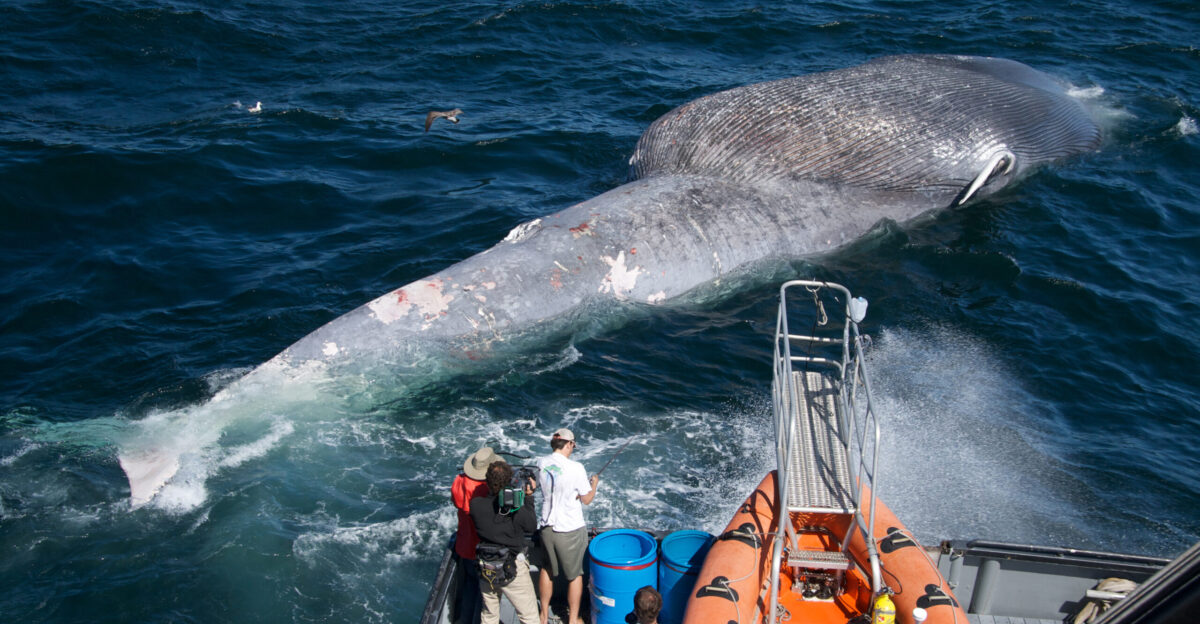
Policy setbacks in 2025 highlight the challenges. Earlier this year, the U.S. government withdrew a proposed vessel speed rule that would have forced ships to slow down in whale habitats. Supporters said it could have reduced fatal collisions, which killed at least four right whales and injured five more since the proposal was first drafted.
Critics point to politics and industry resistance as barriers to progress. Researchers stress that conservation goals remain out of reach without enforceable, science-based regulations. For right whales, missed opportunities carry irreversible consequences.
Underwater Noise—A Growing Menace
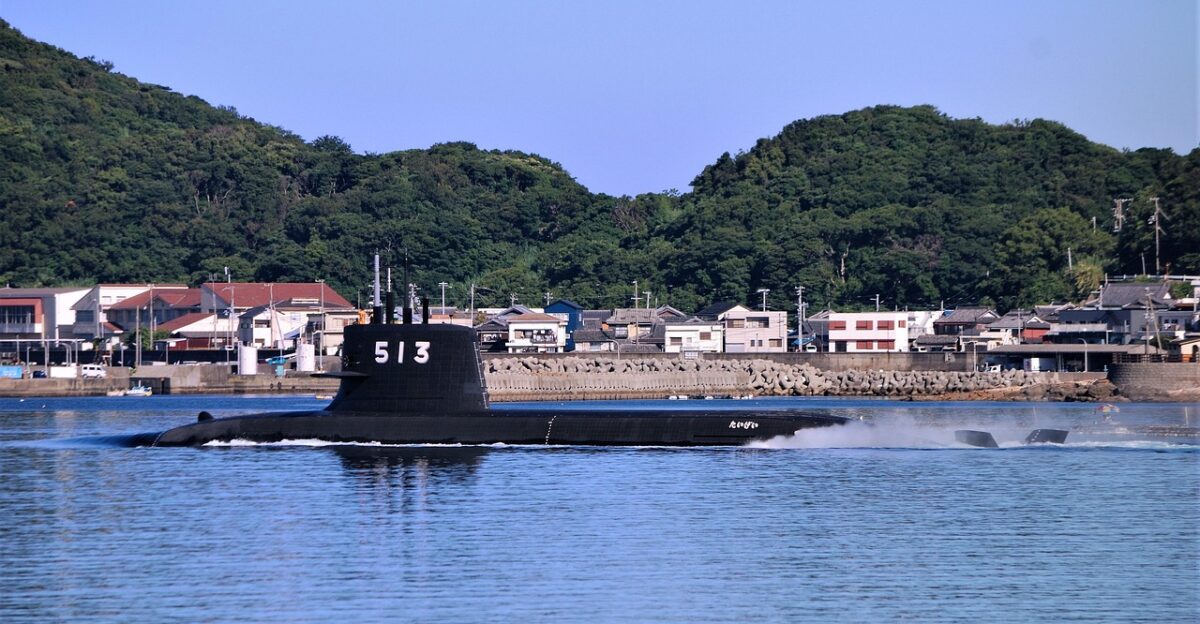
Beyond direct threats, whales now face a world filled with noise. Global shipping traffic and vessel engines produce constant underwater sound that interferes with echolocation, feeding, and mating.
“Underwater vessel noise is masking the whales’ echolocation signals, causing them to spend more time searching for food and reducing their success during hunts,” said Dr. Jennifer Tennessen of the Center for Ecosystem Sentinels.
She added that females are particularly vulnerable to the added stress. For whales already struggling with food shortages, constant background noise magnifies the difficulty of survival.
Pollution and Contaminants
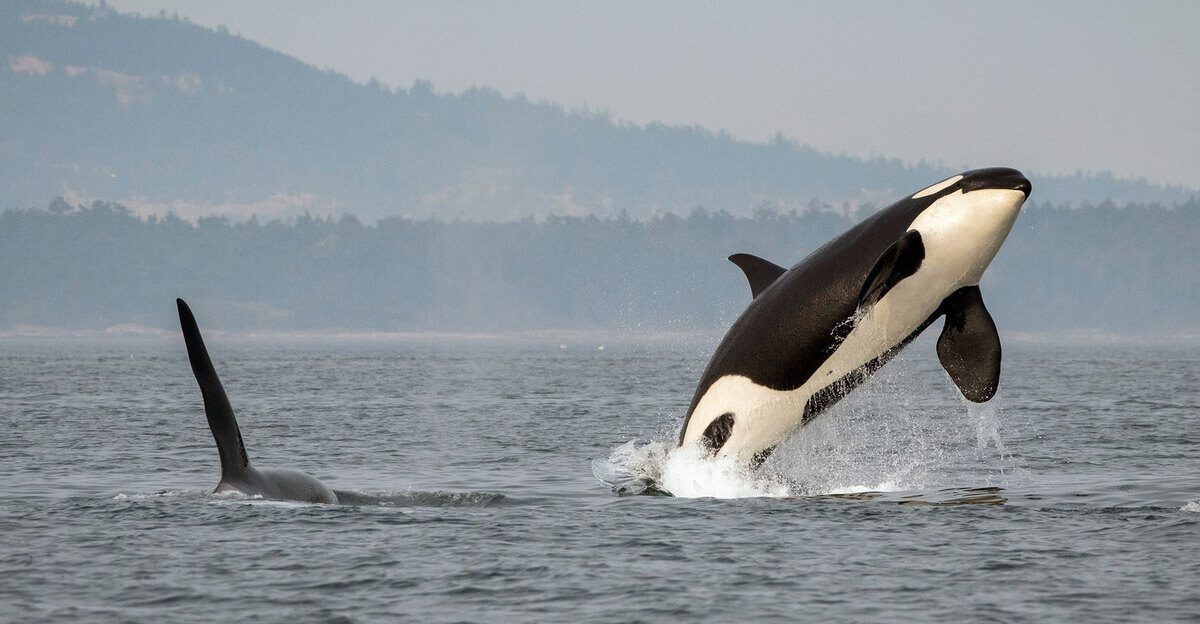
Chemical pollutants add another layer of pressure. Killer whales in the Pacific Northwest carry some of the highest levels of PCBs ever recorded in marine mammals. These toxic chemicals, banned decades ago, linger in the environment and accumulate in whale fat, weakening immune systems and reproduction.
“The iconic Southern Resident killer whales are highly contaminated with PCBs… increasingly threatened by new and emerging contaminants,” said Dr. Tanya Brown of Simon Fraser University. Even as researchers refine tracking tools and health studies, invisible pollutants continue to erode whale populations from within.
Population Crashes—The Big Picture
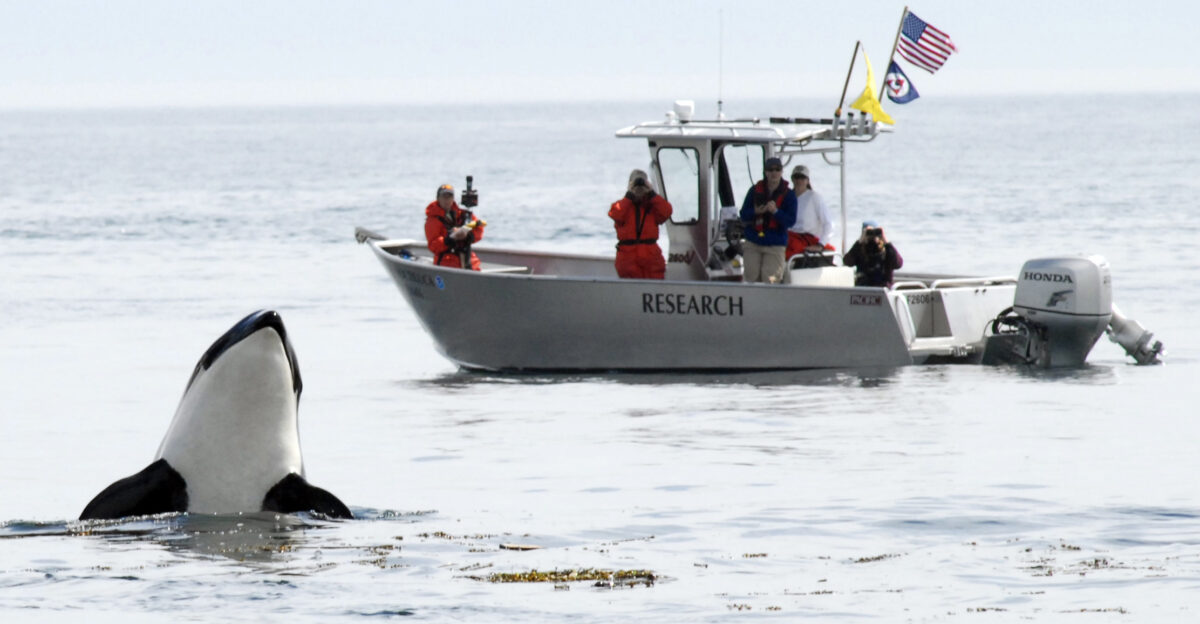
Taken together, these crashes expose how fragile earlier conservation successes really were. Climate change, pollution, and industrial expansion have layered new challenges on top of historic threats like whaling. Once-resilient populations now show signs of collapse, with gray whales, right whales, and killer whales all struggling.
Scientists in North America and Australia warn that the combination of habitat loss, noise, and shifting prey patterns could cause long-term declines unless aggressively managed. The lesson is sobering: what worked in past decades is no longer enough to secure whales’ future.
Data Gaps and Oversights
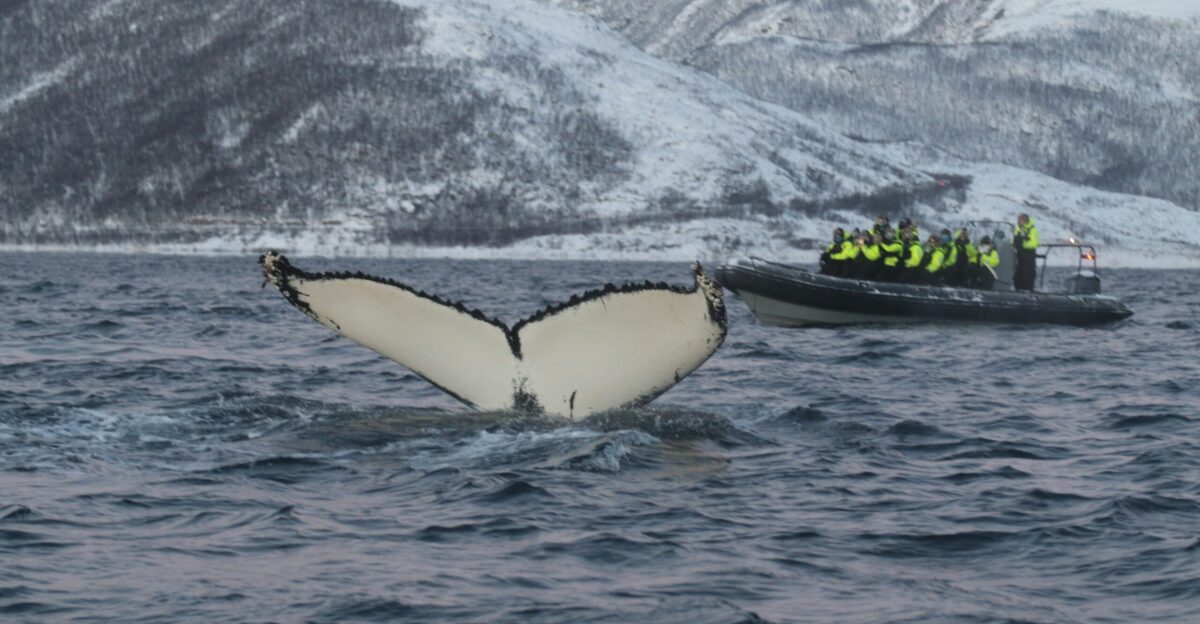
Accurate science is the backbone of conservation, but tracking failures have created blind spots. Inconsistent data collection, short-lived tags, and gaps in coverage have led to unreliable population estimates. Poor weather and equipment malfunctions often cut studies short, while inconsistent global protocols made it hard to compare findings.
These weaknesses sometimes delayed policy decisions or gave a false impression of stability. Conservation groups argue that politics too often exploits uncertainty, slowing protections while scientists call for clearer, more reliable monitoring standards to ensure action comes before collapse.
Ethics Under Scrutiny
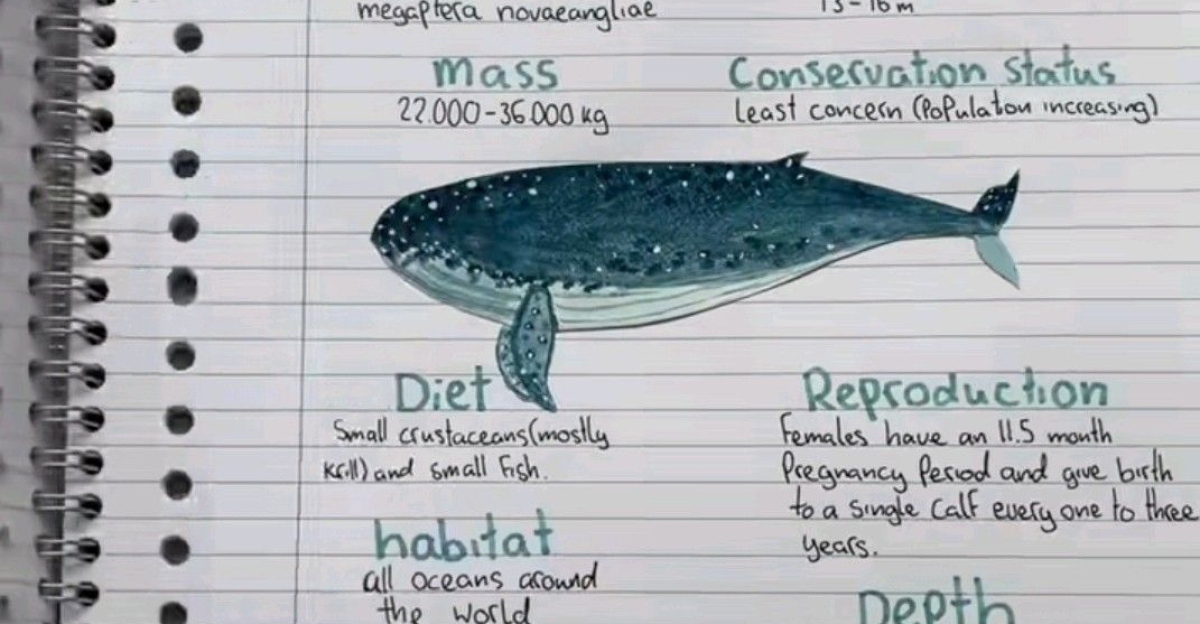
Some researchers say whale science itself needs reflection. Biologist Hal Whitehead has argued that data tied to whaling practices risks legitimizing the industry, creating ethical dilemmas. Critics also question the stress tagging places on whales and whether all research methods are justified.
Supporters counter that long-term tracking has been vital for revealing declines. The debate highlights a tricky balance: understanding whales deeply enough to protect them without contributing to their stress or exploitation. As populations fall, the ethics of how we gather data become harder to ignore.
The Difficulty of Studying Giants
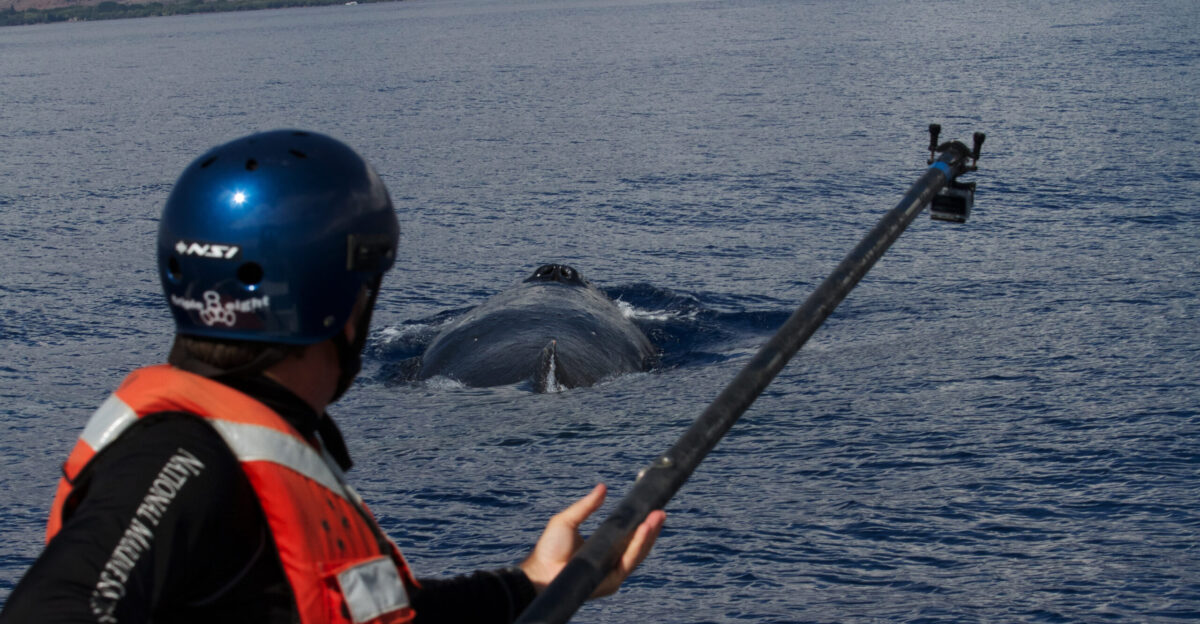
Studying whales has never been simple. “Large whales are perhaps the most difficult taxon of vertebrates to study physiologically,” wrote Dr. K.E. Hunt in 2013, and modern researchers agree. These ocean giants travel thousands of miles, spend most of their lives underwater, and are difficult to observe directly.
Tagging, drone surveys, and acoustic monitoring are all advanced sciences, but these methods have limitations. The result is a conservation effort that often reacts after crises unfold rather than predicting them early enough to prevent population crashes.
Slow Response to New Threats
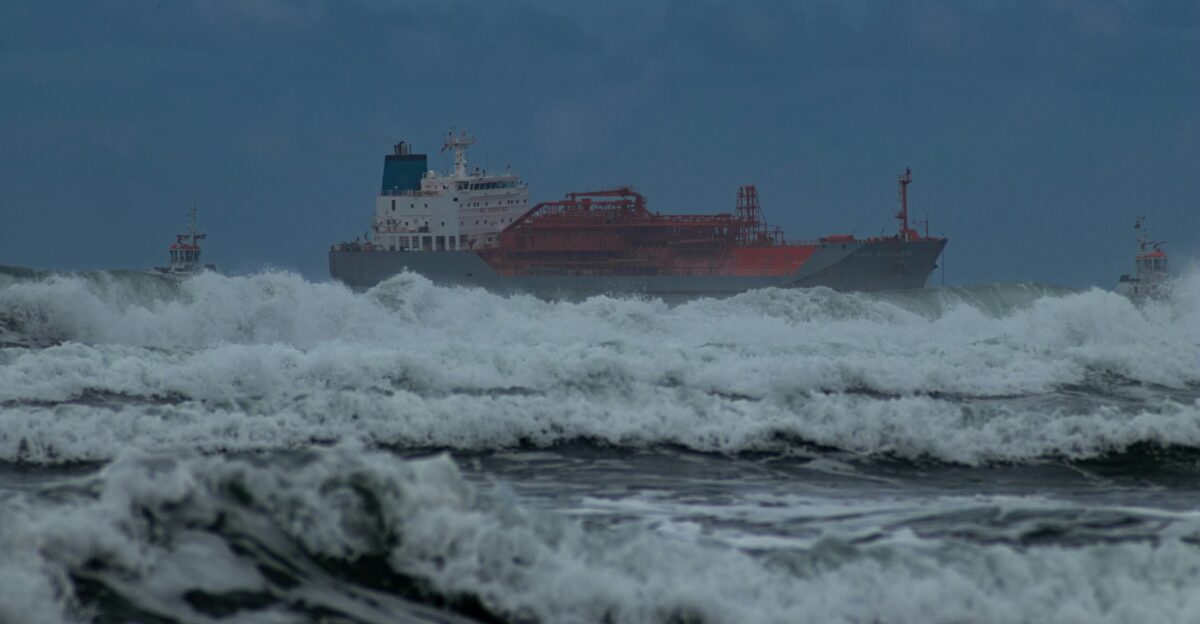
Decades ago, the end of commercial whaling offered whales a chance to recover. But today, the threats are far more complex. Marine debris, warming seas, vessel noise, and habitat loss interact in ways researchers are only beginning to understand.
Dr. Wally Franklin noted, “Whaling ceased in 1978 in Australia allowing humpback whales to slowly come back… but new threats… have emerged and they are impacting on humpback whales.” The slow pace of research and regulation exposes whales to cascading pressures that no single policy can fix quickly.
Southern Resident Killer Whales—Nutritional Stress
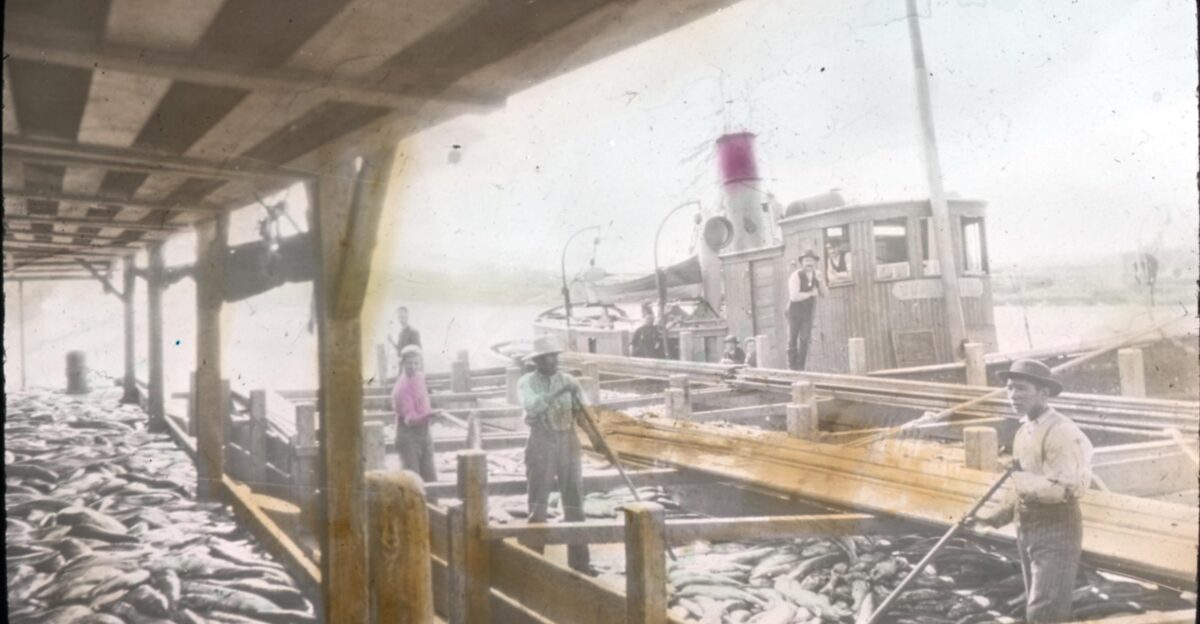
Few stories illustrate the struggle more clearly than the Southern Resident killer whales. Despite decades of protection, the population is down to just 73 individuals in 2025. Drone surveys show many pregnancies failing due to poor nutrition, as their primary food source—Chinook salmon—remains scarce.
“You cannot recover these whales without securing access to large, energy-rich Chinook salmon throughout the year,” said Dr. Deborah Giles of SeaDoc Society. Without better salmon management across the Pacific Northwest, this iconic population may not survive the coming decades.
Management Missteps
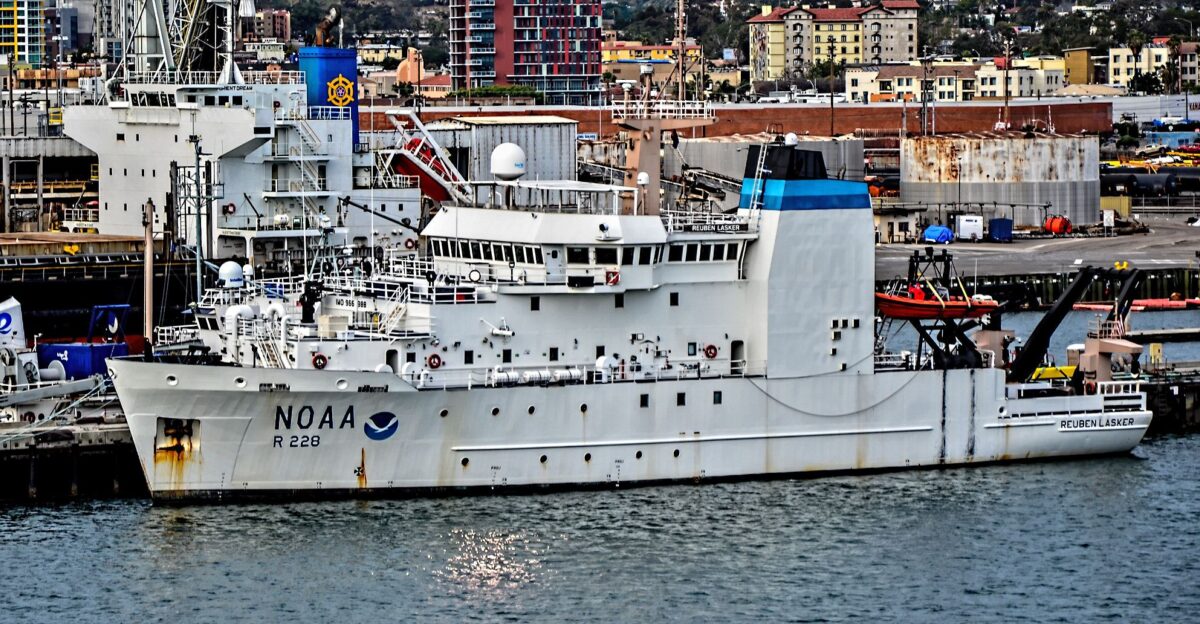
Even when threats are clear, regulatory action often lags. The National Marine Fisheries Service recently received over 90,000 public comments on one rule. Instead of speeding change, the overwhelming volume led to delays. This pattern is common: competing interests and bureaucratic hurdles stall critical protections.
Conservationists warn that each delay weakens whales’ chances of recovery. The challenge isn’t only knowing what needs to be done, it’s moving quickly enough to implement it. For whale populations already in crisis, lost time is often the difference between survival and extinction.
Changing Migration Behavior
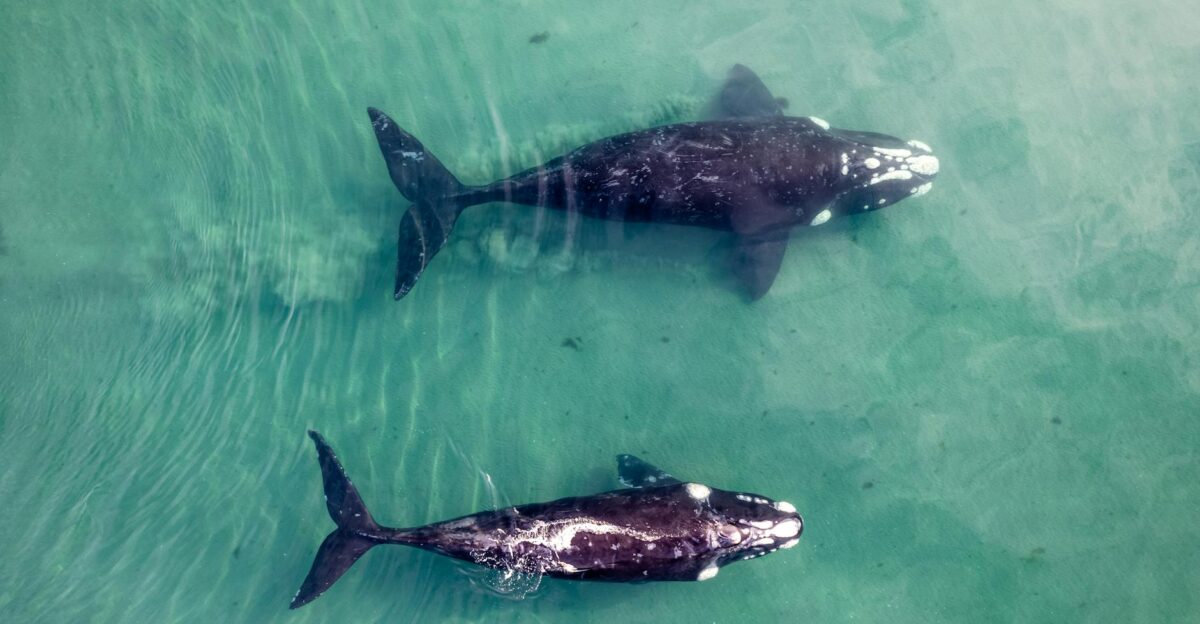
Climate change is rewriting the map for whale migration. Researchers like Dr. Meynecke have found that distances traveled are “vastly underestimated,” complicating predictions and protections. Some whales are shifting routes to follow food, while others are arriving at traditional feeding grounds too late to benefit.
These changes ripple across ecosystems and coastal communities that depend on predictable migrations for tourism. For scientists, it’s another reminder that conservation strategies must adapt quickly. Old models built on stable migration patterns no longer match the unpredictable reality whales now face.
Failure to Rebound—The Beluga Example
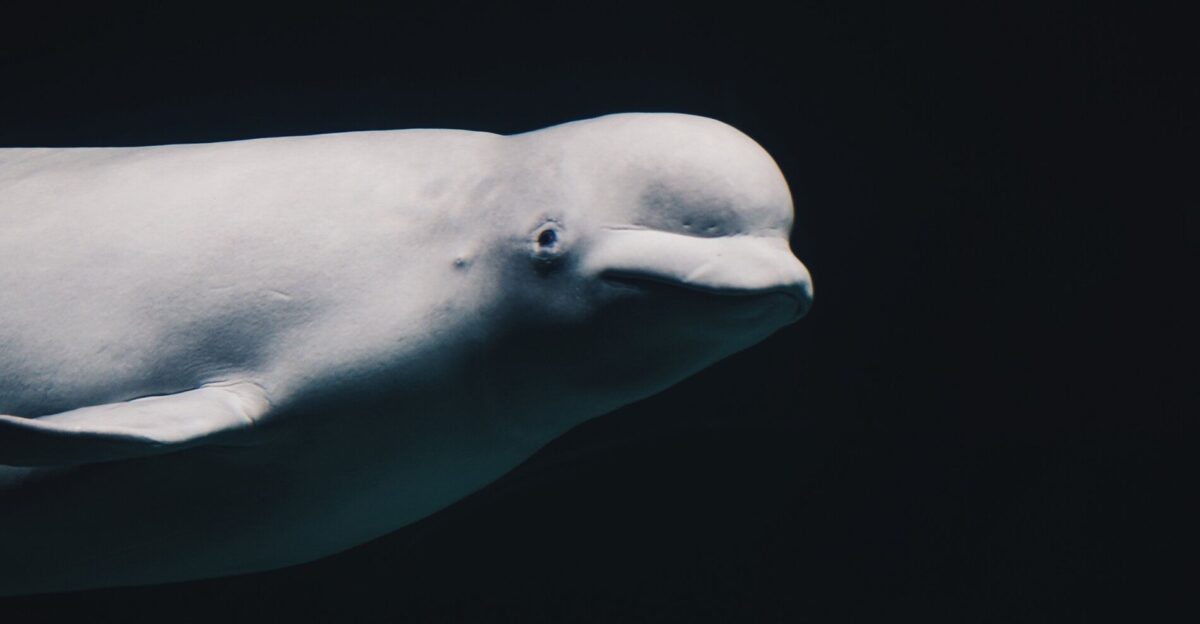
The Cook Inlet beluga whale in Alaska shows how protection alone doesn’t guarantee recovery. Hunting was banned in 1999, yet the population has not bounced back. Fewer than 300 remain today, and researchers suspect ecological shifts are disrupting feeding grounds.
Studies by the University of Alaska point to changes in fish availability and habitat degradation. For local communities, the loss of belugas is not only ecological but cultural, as these whales are deeply tied to identity and tradition. The case illustrates how complex pressures can override even strong legal protections.
International Lessons
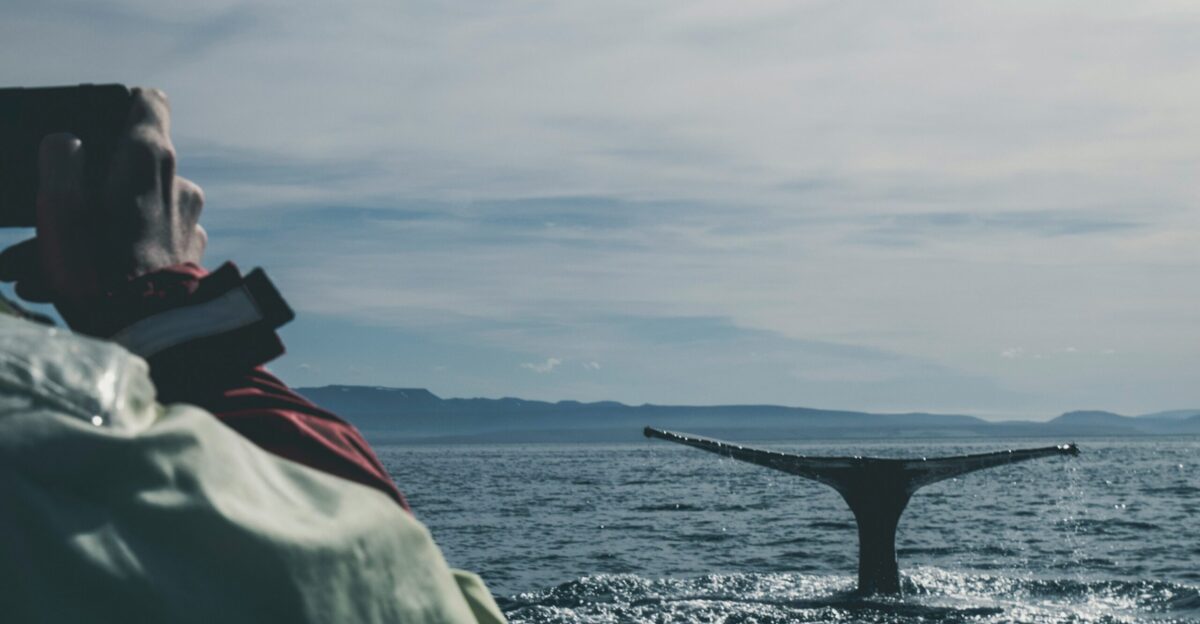
Other nations are experimenting with new protections that could offer models. In 2025, French Polynesia expanded its whale sanctuary rules, tightening restrictions on vessel traffic and tourism encounters. Boats must keep greater distances, and observation zones have been introduced to reduce stress on migrating whales.
Conservationists describe the changes as bold but necessary to balance tourism with marine stewardship. These international examples show that strong protections are possible when political will aligns with science, offering lessons for countries still debating measures.
Where Next—A Call for Innovation
After thirty years of high-tech tracking and international agreements, whale conservation is at a crossroads. For every success, new challenges have emerged faster than solutions. Collapsing populations, failed policies, and missed signals push scientists to rethink strategies.
The path forward will require stronger data, better enforcement, and a renewed focus on ethics and community involvement. Most of all, it demands urgency. The next decade will decide whether whales recover or vanish from many oceans. The story is still being written—but the clock is running out.