In late July 2025, German sportswear giant Adidas warned it would incur roughly €200 million in extra costs from new U.S. tariffs in the second half of the year. Shares plunged about 11% on the news – the steepest drop since President Trump first announced higher tariffs in April.
Analysts note that roughly half of Adidas’s U.S.-bound production comes from Vietnam and Indonesia, which now face 20% and 19% levies, respectively.
This “cost crisis” threatens to force higher prices on American shoppers as global retailers brace for impact.
Stock Slaughter
On April 3, 2025, U.S. markets plunged in reaction to Trump’s sweeping tariff plan. Athletic apparel and footwear companies led the slide: Nike, Adidas and Puma all tumbled after steeper duties were announced on their Vietnamese and Indonesian suppliers.
By late trading, retail giants Amazon and Target had also fallen roughly 8–10% as investors bet consumer prices would jump.
Analysts noted the irony: as BMO Markets analyst Simeon Siegel quipped, “companies that worked hard over the years to reduce reliance on China by leaning into countries like Vietnam just learned there really isn’t a place to hide”.
The sector’s worst session in months highlighted how inescapable the tariff drag had become for even diversified brands.
Manufacturing Migration
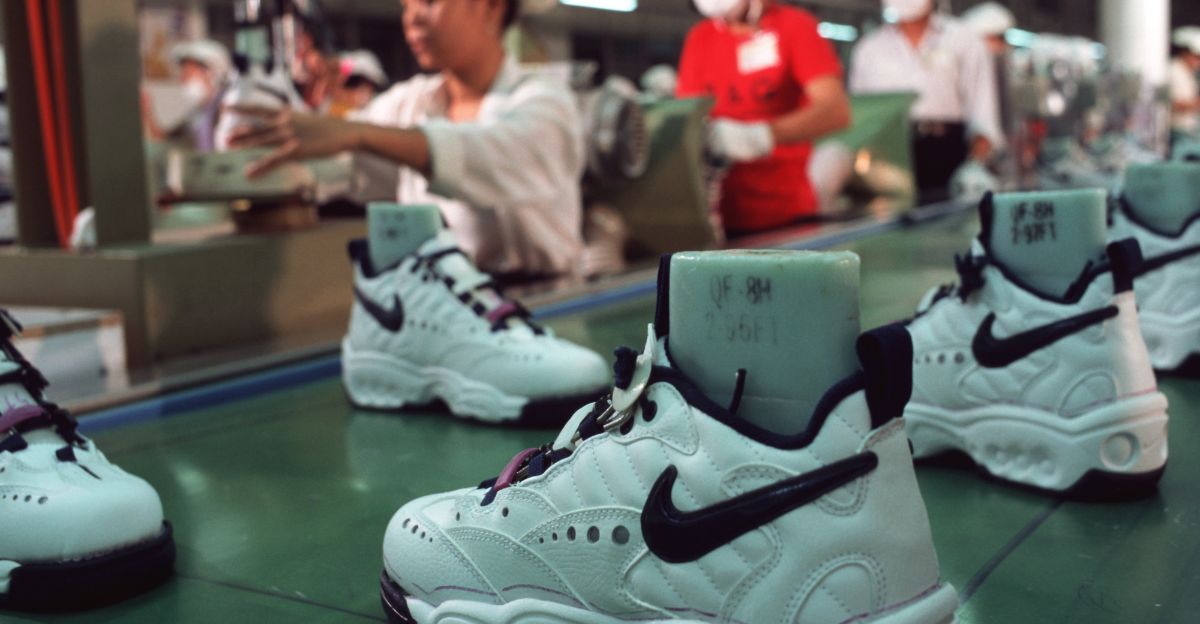
In the decade prior, sportswear giants systematically shifted production from China into Southeast Asia. Today, Vietnam is Nike’s largest manufacturing hub – roughly 50% of its footwear was made there last year – and Adidas now sources about 27% of its total volume from Vietnam.
Indonesia is the second source: it accounts for roughly 18% of Nike’s shoes and about 19% of Adidas’s output.
This strategic move was intended to diversify supply chains, but it left both companies highly exposed when Washington’s tariffs jumped.
Deadline Pressure

With August 1 looming, President Trump signaled he would not extend the deadline, tweeting that the date “stands strong”. Companies raced to adjust. Consumer-product giants warned they’d have to pass costs on quickly: Procter & Gamble announced it will raise prices on roughly 25% of its U.S. products to cover an expected $1 billion tariff hit.
Walmart’s CFO similarly told investors that Americans will start seeing higher prices by late May, underscoring that “prices of those things are likely going to go up”.
Businesses openly prepared for a wave of price hikes as the deadline approached.
Warning Shot

During Adidas’s July 30 earnings call, CEO Bjørn Gulden delivered a stark warning: the tariffs – about €200 million in extra costs – will force Adidas to raise U.S. prices.
He admitted this is “uncharted territory,” telling investors: “What I’m mostly worried about… is what is going to be the consumer reaction in the market with all these price increases”.
Gulden cautioned that if the duties spark “mega inflation in the U.S.,” American demand would surely suffer.
His blunt comments serve as a punctuating moment: by confessing that Adidas must hike prices, he underscored that consumers – not companies – will bear the brunt of this policy.
Regional Devastation
The new tariffs threaten the economies of Vietnam, Indonesia and other exporters. Vietnam alone exported roughly US$22.9 billion in footwear in 2024, and major brands employ nearly 493,000 Vietnamese factory workers. Indonesia is the next-largest hub: Nike has about 115,000 factory jobs there, and Adidas roughly 97,000.
These factories supported fast-growing middle classes in Ho Chi Minh City, Jakarta and other cities.
Now, industry insiders worry that as brands hedge by seeking new suppliers (for example, in the Philippines and elsewhere), many of these Southeast Asian workers could face pay cuts or layoffs as orders dry up. “With this change…importers are going to question: is Vietnam really a good option?” notes one trade consultant, highlighting the uncertainty ahead.
Consumer Countdown
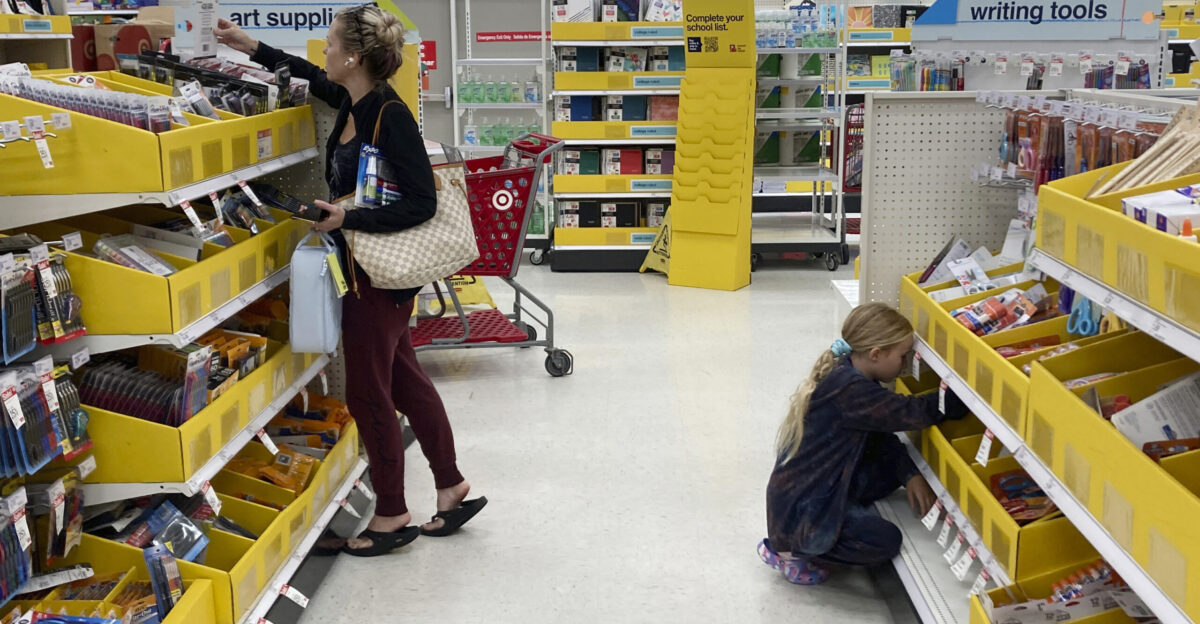
Back-to-school shoppers are heading into a perfect storm. The new duties land just as families stock up on clothes, shoes, electronics and school supplies for the fall. Yale economists estimate that this tariff package will raise U.S. consumer prices by roughly 2.3% in the short run – effectively cutting about $3,800 from the average household’s purchasing power.
The pain will be concentrated in categories like footwear and apparel. Analysts predict clothing prices may surge 40–44% once the dust settles.
Ordinary parents will feel it at checkout as each shopping trip becomes noticeably more expensive, just in time for peak seasonal demand.
Industry Exodus

Faced with squeezed margins, companies are now passing costs to consumers. Procter & Gamble will increase prices on about a quarter of its U.S. portfolio to blunt roughly $1 billion in higher import duties.
Retailers from Walmart to Target have warned bluntly that they cannot absorb this shock.
Even sportswear firms are adjusting: Adidas is planning higher-priced new products aimed at American shoppers.
This tariff shock has triggered an “exodus” of price increases, with Wall Street analysts already calculating how much more consumers will pay for everyday items.
Global Ripple
The U.S. tariff blitz is sending shockwaves through global supply chains. Importers rushed to stockpile goods ahead of expected duties, swelling American warehouse inventories earlier in 2025. Now that the tariffs are live, those stockpiles are being drawn down right as seasonal demand picks up.
Logistics firms report record shipping volumes in March, then a sharp dropoff as companies “held the brakes” on new orders until the details were settled.
Analysts warn this timing could fuel further inflation: once stored inventory is exhausted, businesses will be forced to raise shelf prices on anything from toys to auto parts.
The lagged impact of spring stockpiling may extend the price shock into the holiday shopping season.
Price Reckoning
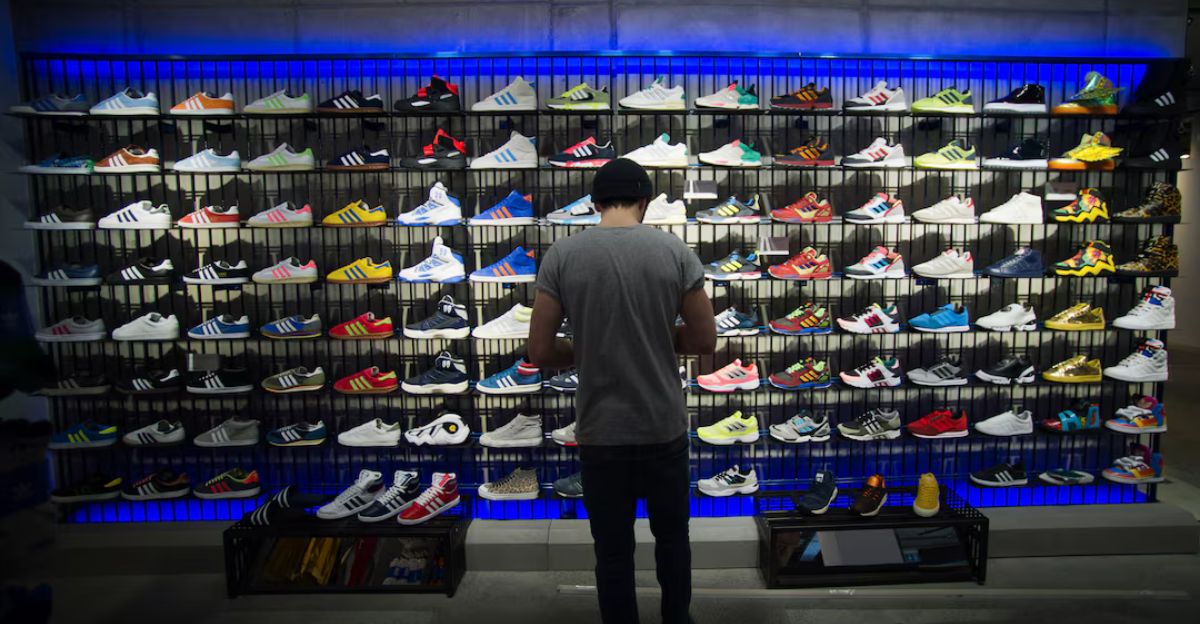
With August 1 here, Americans finally see the tariffs’ price shock on store shelves. Almost every category – from sneakers to smartphones – now carries higher U.S. import duties.
Yale’s Budget Lab projects that the combined 2025 tariffs will raise price levels by about 2.3%, effectively costing the average household roughly $3,800.
This is the steepest tariff spike since the early 1900s. The key question now is whether consumers can absorb this cost jump without curbing their spending.
Analysts warn that in aggregate this tariff package functions like a regressive tax, because higher import costs fall heavily on low- and middle-income families who spend more on taxed goods.
Global Backlash
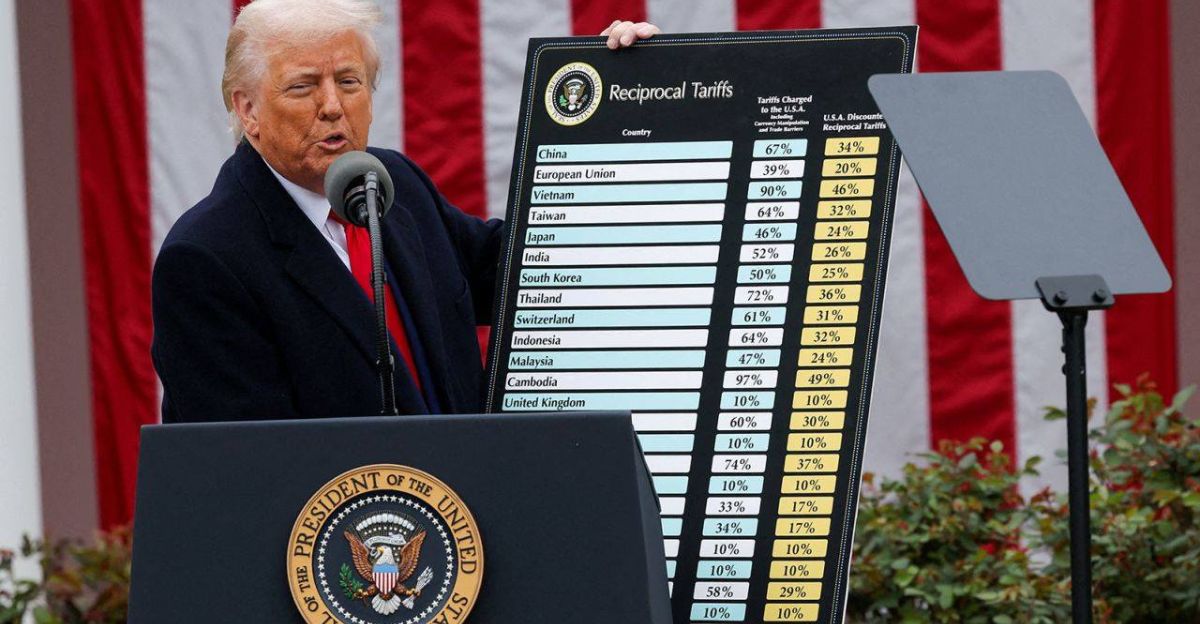
Overseas, the tariffs have reshaped trade relations. Facing Trump’s August 1 threat, longtime allies scrambled for side deals. In late July, the U.S. struck a Japan pact imposing a 15% tariff floor on Japanese imports, and similarly cut Indonesia’s U.S. tariff to 19% (with Indonesia agreeing to buy $20B of U.S. goods in return).
These concessions drew sharp criticism: the president of Detroit’s automakers denounced the Japan deal as “a bad deal for U.S. industry and auto workers”.
In Brussels, European Commission President Ursula von der Leyen warned that the EU is “preparing countermeasures to protect our interests” if negotiations fail.
U.S. partners are bristling, and global officials are signaling that new U.S. duties could spark wider trade fights.
Reshoring Surge
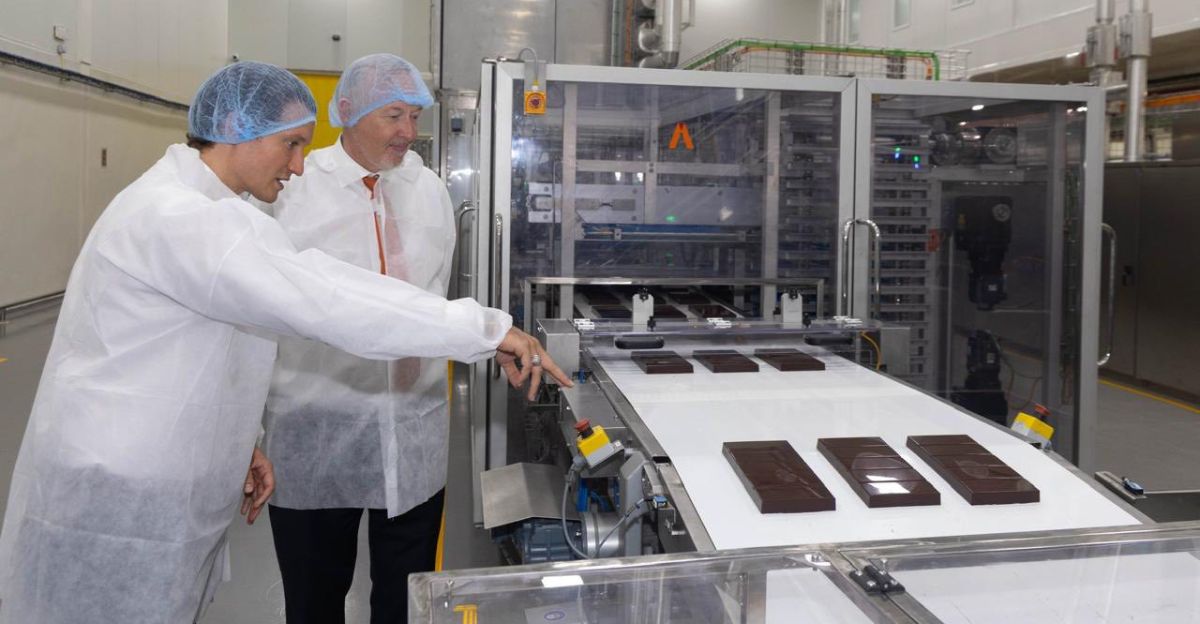
As import costs mount, many companies are reshaping where they make things. A wave of foreign firms is expanding U.S. factories to avoid future duties. For instance, Swiss chocolate-maker Barry Callebaut said it will boost its U.S. production to blunt the “disruptive environment” of tariffs.
Automakers and tech firms are doing likewise: LG is moving appliance lines from Mexico to Tennessee, and Apple’s suppliers are mapping out new U.S. investments.
This surge of “nearshoring” aims to keep profits safe – and consumers shielded – by producing closer to home.
The upshot: millions of dollars in new factories and jobs will be created in the U.S., even as American shoppers begin footing higher import fees for existing products.
Supply Chain Shuffle
With tariffs in force, brands are scrambling to the next cheapest factory bases – and that’s already driving up costs abroad. Cambodia, which was hit with nearly 49% duties, now sees factory costs jump 5–10% as retailers flood it with orders diverted from Vietnam.
Other countries are on watch. Mexico is once again attractive for nearshoring U.S. goods, while the Philippines, India and Southeast Asian neighbors are offering incentives.
But these shifts come at a price: increased demand has raised wages and raw material costs in each new hub.
The global scramble to re-route production is pushing overall supply-chain costs higher.
Regressive Costs
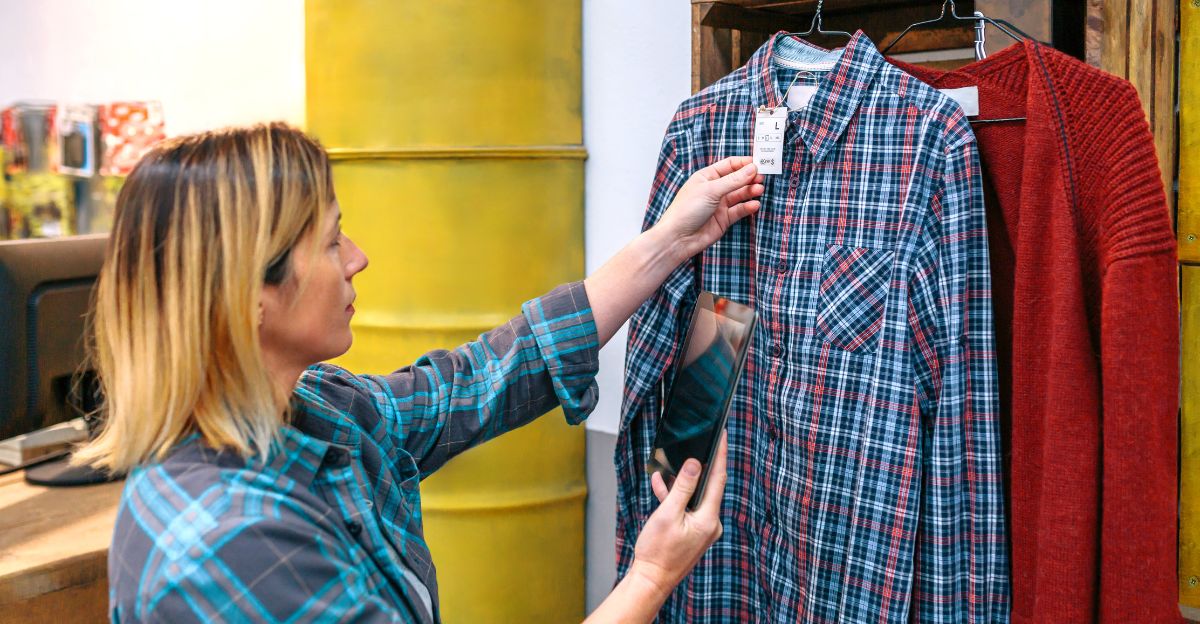
In the end, the tariff burden falls heaviest on everyday Americans. Economists emphasize that import levies function like a regressive tax – they take a bigger bite out of the budgets of lower- and middle-income families than wealthier ones.
Imported staples – clothing, shoes, furniture, electronics – will all have outsized price increases. One analysis finds the 2025 tariffs will trim about $3,800 from the average U.S. household’s purchasing power.
That means discretionary spending is tighter, savings are eaten away, and any savings in one category will be quickly offset by higher bills in another.
Consumers at the bottom rungs of income, who spend larger shares on imported goods, will feel this pinch most.
Aftershocks and Outlook

Taken together, these policies mark the steepest tariff shock in generations. Companies of all stripes – from blue-chip manufacturers to Main Street retailers – are realigning supply chains and hiking prices.
For now, Washington insists the goal is to “bring jobs home.” But in the short term, struggling factory workers in Asia and strained family budgets at home reveal the hidden costs of this strategy.
The months ahead will show whether the new factories and deals pay off with American growth, or whether this expensive gamble backfires with broader economic pain.