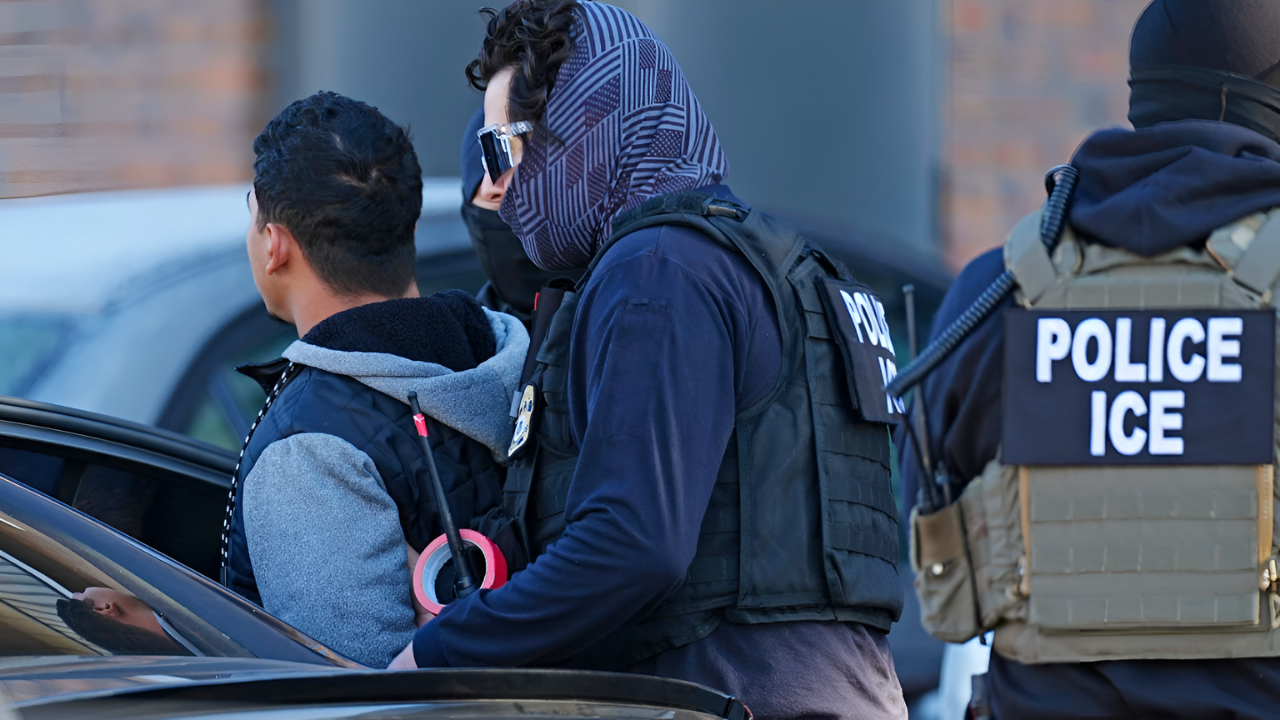
In the early hours of January 7, 2026, in Minneapolis, Renée Nicole Good, 37, was shot multiple times by ICE agent Jonathan Ross while observing federal agents. The incident, which occurred in the early morning, sparked widespread debate over self-defense claims and led to a surge of resistance against immigration enforcement.
Federal authorities maintain that Ross fired in self-defense, but local officials and eyewitnesses are questioning this narrative. Calls have been made for a full investigation into the rapid escalation of events and the conflicting commands reported at the scene.
Rise of Surveillance Networks
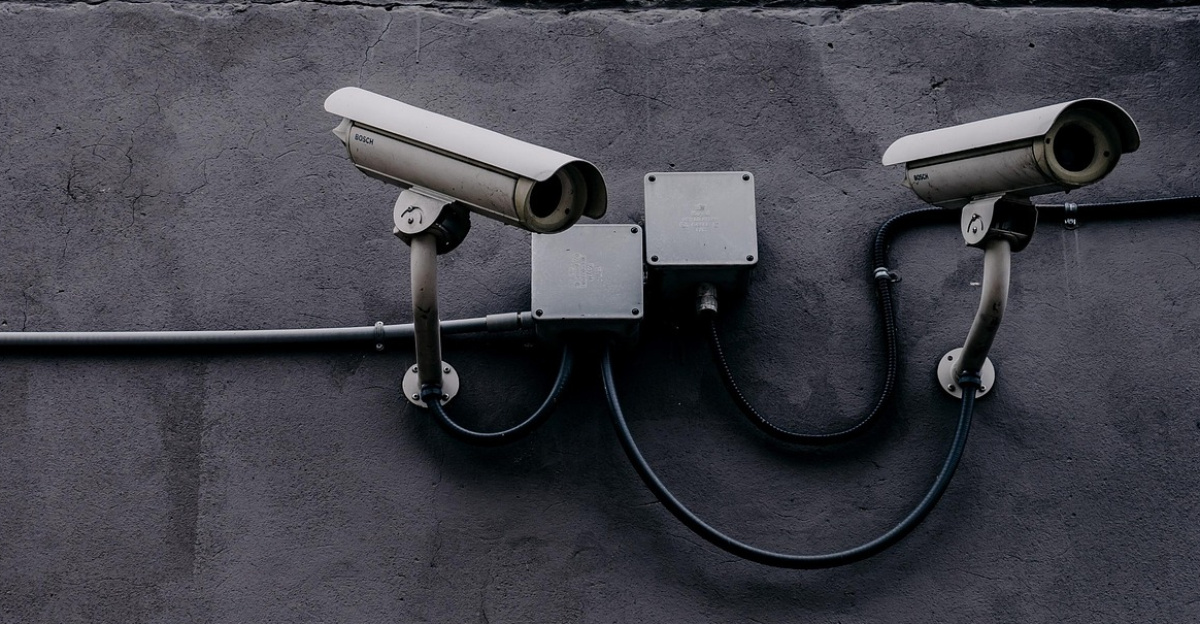
As the early morning darkness blanketed the city, activists launched surveillance efforts around 5 a.m., using encrypted apps like Signal to track ICE vehicles departing locations such as the Whipple building. This decentralized effort engaged hundreds of people, combining local organizers with national allies who logged the movements of federal agents, turning what was once a routine operation into a visible target for scrutiny.
Legal and Political Tensions
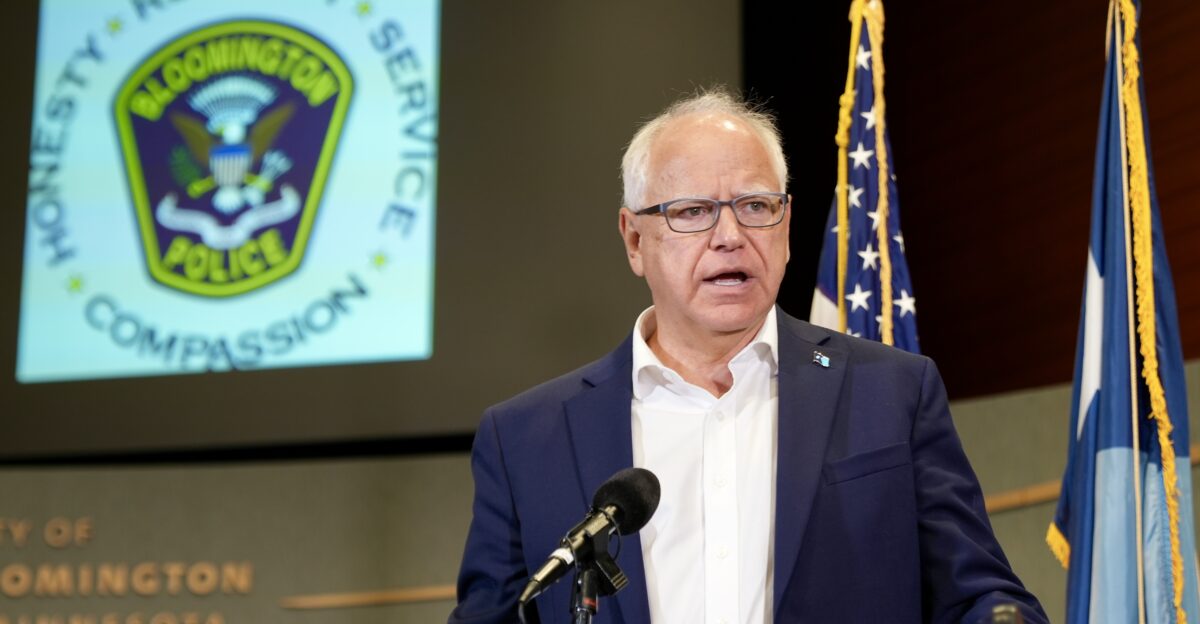
Governor Tim Walz voiced strong criticism of the federal response, aligning with civil rights advocates who are calling for accountability. Minnesota’s Attorney General, Keith Ellison, echoed the demand for transparency and evidence in the investigation surrounding the shooting.
On the other hand, federal leaders, including top DHS officials under President Trump, have defended such actions, claiming they are necessary to protect national security. This stance has deepened the rift between state and federal authorities on immigration enforcement issues.
Activist Tactics and Community Involvement
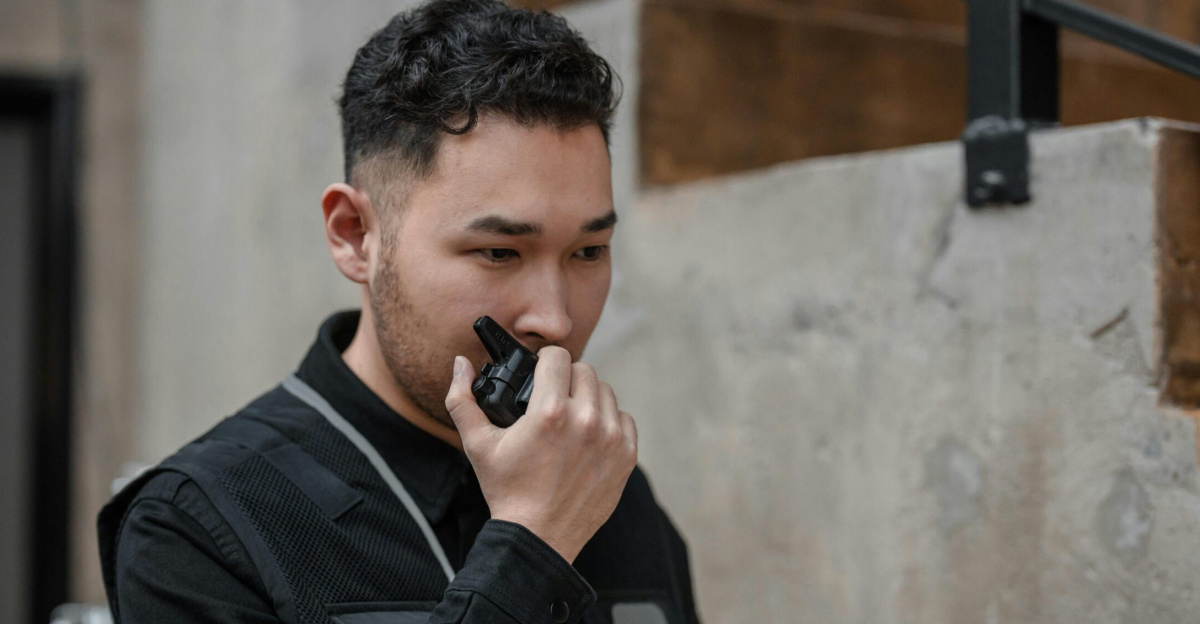
Coordinated via secure communication channels, volunteers cataloged license plates and monitored ICE activities at various locations, including raids, courthouses, gas stations, and apartment complexes. Community-maintained lists tracked deportation routes and key infrastructure such as flights from Minneapolis–St. Paul Airport.
Drawing on lessons learned from the 2020 uprisings, these groups refined their decentralized methods to avoid infiltration. They began testing new disruption strategies while encouraging similar actions in other cities.
A Cross-Country Template
The model developed in Minneapolis quickly spread, inspiring similar efforts in other cities, from border states to major metropolitan areas. Protests grew, and activists began blocking deportation flights and monitoring ICE agents at various locations, fueled by controversies over the use of force.
National collectives like CrimethInc amplified Good’s case, urging supporters to join local actions against immigration enforcement.
Federal Backlash and Forward Stakes
In response, DHS rhetoric has become increasingly harsh, labeling some of the protest activities as domestic terrorism. Vice President JD Vance, along with ICE spokespersons, has pointed to anarchist elements, accusing local leaders of encouraging disorder.
Meanwhile, schools in affected areas shifted to online learning, and businesses closed for “no work, no school, no shopping” days in a show of solidarity. As surveillance networks grow and confrontations intensify, the standoff between federal authorities and community activists continues to test the boundaries of immigration enforcement, with the potential to redefine how it operates on a national scale.
Sources:
Minnesota Public Radio (MPR News), “Renée Good Shooting and Community Response,” January 8, 2026
The Guardian, “Activists Mobilize Against ICE Presence in Minneapolis,” January 10, 2026
The New York Times, “Legal and Political Tensions Escalate After Minneapolis Shooting,” January 9, 2026
NBC News, “Surveillance Networks Organized by Activists Against ICE in Minneapolis,” January 11, 2026
Washington Post, “Eyewitnesses Share Accounts of Renée Good’s Shooting Incident,” January 10, 2026
Associated Press, “Federal Backlash and Growing National Resistance to ICE Enforcement,” January 12, 2026