
Federal prosecutors have exposed the misuse of over $956,215 in COVID-19 relief funds by a Washington, D.C. nonprofit, marking one of the capital’s most significant pandemic fraud cases.
The funds, earmarked for homeless LGBTQ+ youth and immigrants, were diverted for personal gain, revealing cracks in emergency aid systems rushed into place during the crisis.
Aid Diversion Unravels
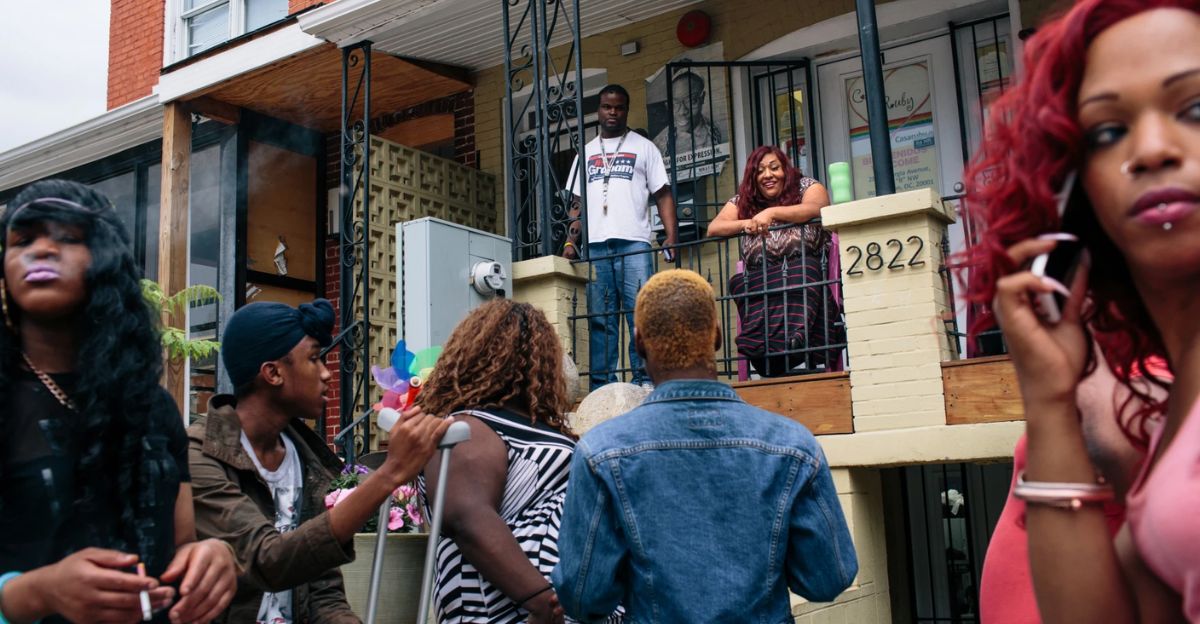
Casa Ruby secured more than $1.3 million from programs like the Paycheck Protection Program and Economic Injury Disaster Loans, which prioritized rapid distribution over stringent checks.
Yet, auditors later traced over $950,000 to unauthorized uses, including transfers to personal accounts. As debts piled up, employees missed paychecks, bills went unpaid, and essential services faltered, amplifying the fallout from lax oversight in crisis funding.
Nonprofit’s Rise and Fall
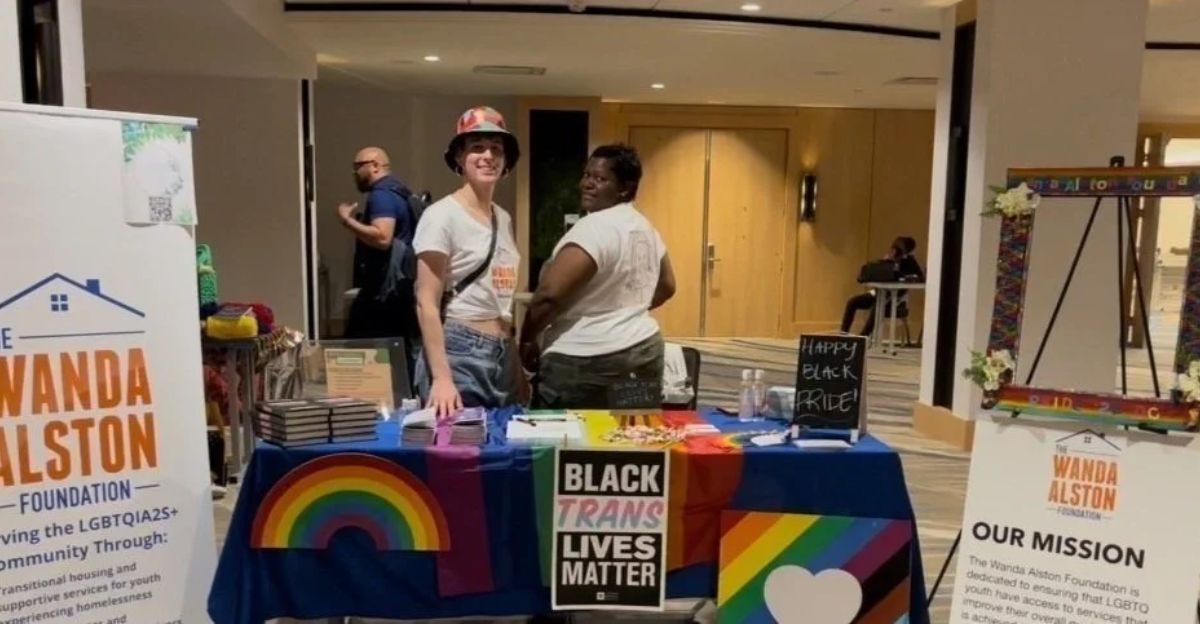
Founded in the 1990s by Ruby Jade Corado, Casa Ruby started as a modest drop-in center for transgender youth and LGBTQ+ immigrants in D.C. It expanded into housing, legal aid, and mental health services, fueled by government grants.
Revenue soared to $4.2 million in 2020 amid pandemic aid and prior D.C. funding since 2016. But growth outpaced governance: audits lapsed, board supervision eroded, and decisions centralized under Corado, enabling unchecked spending until collapse.
Pandemic Strain Exposed
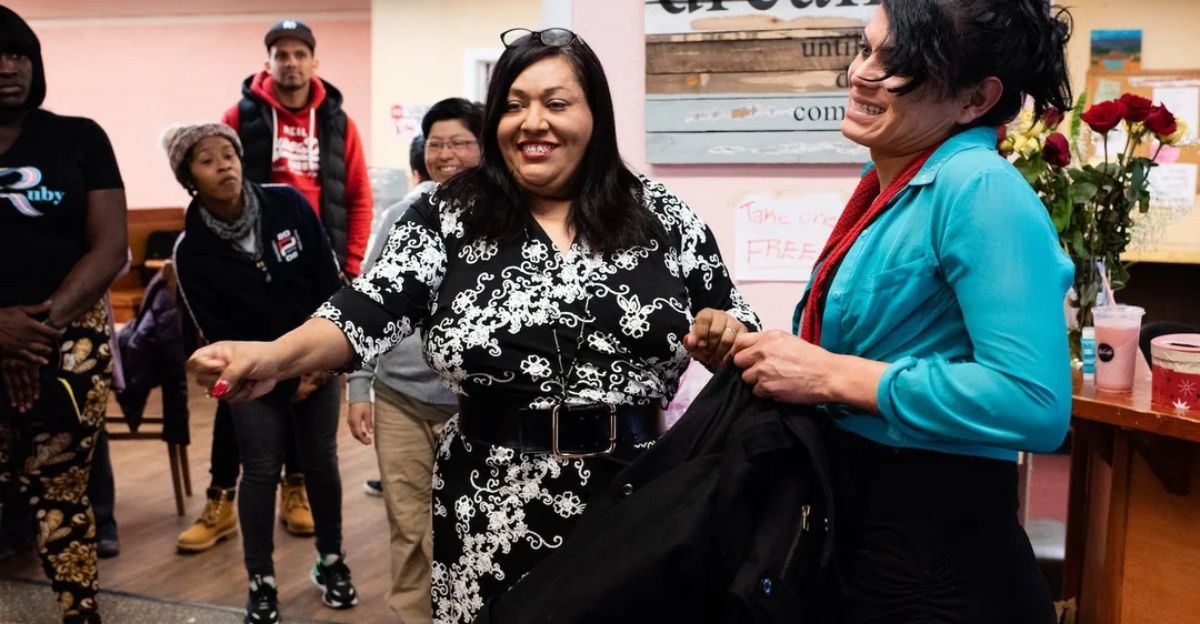
The influx of emergency grants masked deepening issues. Financial reports went unreviewed, internal controls weakened, and at least $150,000 flowed to personal overseas accounts in El Salvador—even as rent and payroll lagged.
Operations halted in July 2022, shuttering transitional housing and stranding clients amid D.C.’s housing crunch. About 30 staffers awaited wages, vendors chased debts, and vulnerable residents lost counseling and immigration support with scant notice.
Conviction and Reckoning
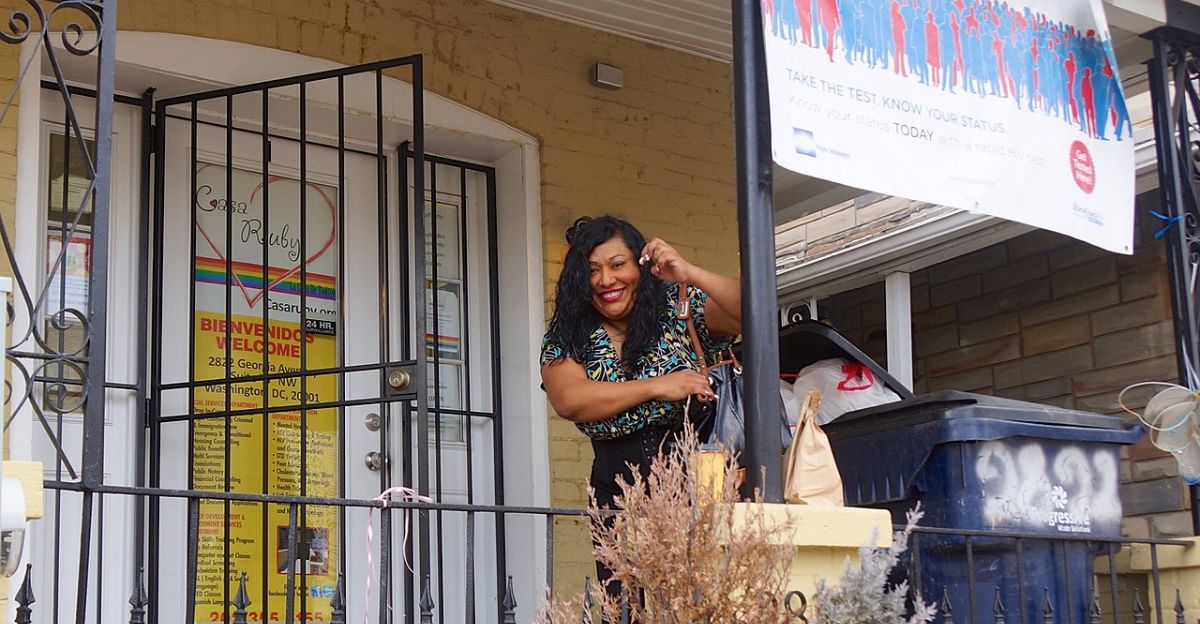
On January 13, 2026, U.S. District Judge Trevor N. McFadden sentenced Corado to 33 months in prison after her guilty plea to wire fraud. She must pay $956,215 in restitution to the Small Business Administration.
Arrested in Maryland in March 2024 upon returning from El Salvador, Corado faced charges for routing funds through personal channels. The Wanda Alston Foundation now manages remnants as receiver, prioritizing debt resolution over revival. As a noncitizen, she faces likely deportation post-sentence.
Governance and Broader Echoes
Scrutiny spread to the board, accused in civil suits of neglecting oversight, letting one executive dominate. The case mirrors national pandemic fraud patterns, with billions lost to PPP and EIDL schemes amid weak boards and skipped audits.
Corado’s activist past—praised for transgender and immigrant advocacy—turned cautionary, as defense pleas about her refugee roots failed to sway the judge. Defense raised incarceration safety concerns for her as a transgender woman, fueling talks on prison policies. For D.C.’s LGBTQ+ community, trust eroded, funders grew wary, and remaining providers strained under redirected needs. This episode underscores the peril of speed without safeguards in aid, pressing regulators for mandatory audits, real-time monitoring, and robust fiduciary roles to shield future relief from abuse while protecting those it serves.
Sources:
- Washington Post, Jan. 13, 2026: Article on federal sentencing and fraud details (covers “Feds,” sentencing, ICE deportation).
- DOJ Press Release, Jan. 13, 2026: Official release on Ruby Corado’s 33-month sentence and $956,215 restitution.
- WJLA, Jan. 13, 2026: Coverage of aid abuse, offshore transfers, and nonprofit shutdown.
- City Journal: In-depth analysis of nonprofit roots, board negligence, pandemic fraud trends.
- GO Magazine, Jan. 13, 2026: Reports on founder background, client impacts, leadership legacy.
- The Bay Net, Jan. 13, 2026: Details on financial pressures, regulatory reckoning, offshore escape.
- Advocate, Jan. 13, 2026: Sentencing coverage, prison risks, trans activist context.
- WTOP, Jan. 13, 2026: Nonprofit shuttering and receiver appointment.