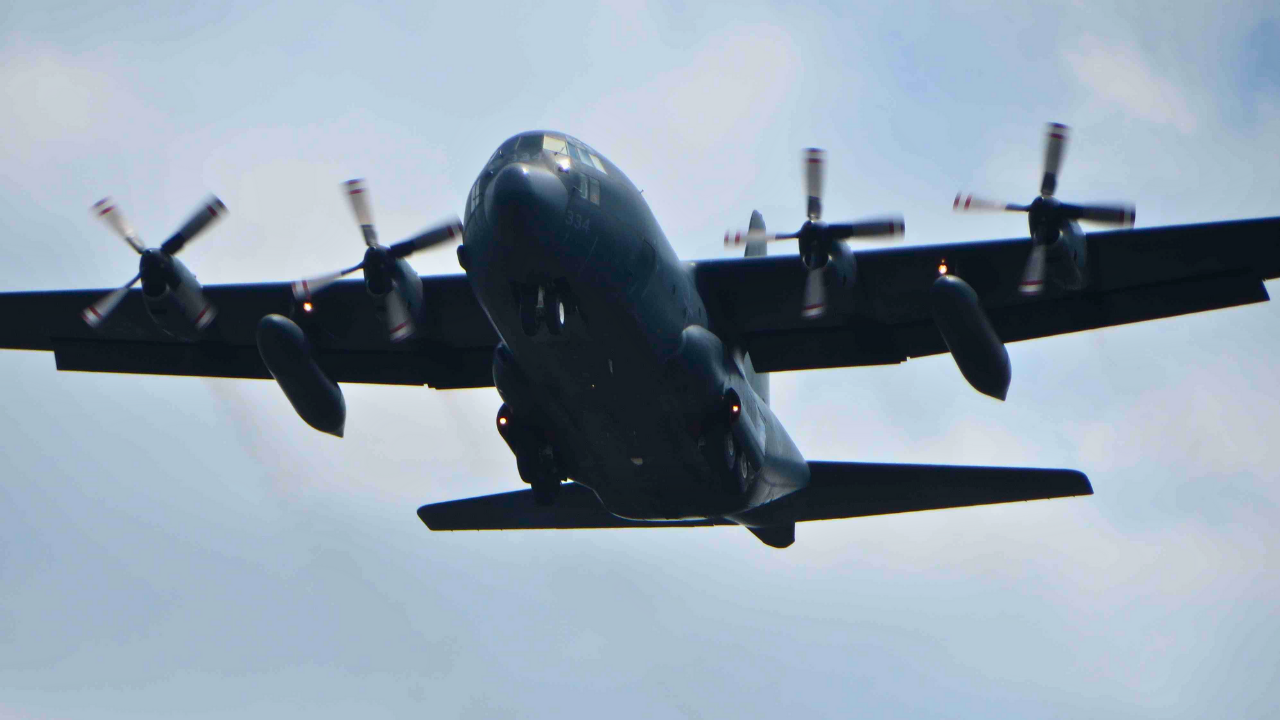
A powerful new chapter in the U.S.-Venezuela standoff is unfolding in the skies above the Caribbean. The arrival of the AC-130J Ghostrider, a heavily armed gunship, near Venezuela’s airspace has sent shockwaves through regional governments and military circles. This aircraft, known for its precision strikes and low-altitude capabilities, is more than just a show of force—it’s a calculated signal from Washington to both allies and adversaries.
Shifting U.S. Strategy
The deployment marks a notable shift in how the United States approaches security in Latin America. For years, Washington relied primarily on economic sanctions and diplomatic pressure to influence events in Venezuela. Now, the visible presence of advanced military hardware suggests a willingness to project power more directly. Analysts say this move is designed to deter aggression, reassure regional partners, and signal that the U.S. is prepared to respond swiftly to any escalation.
Escalating Regional Tensions
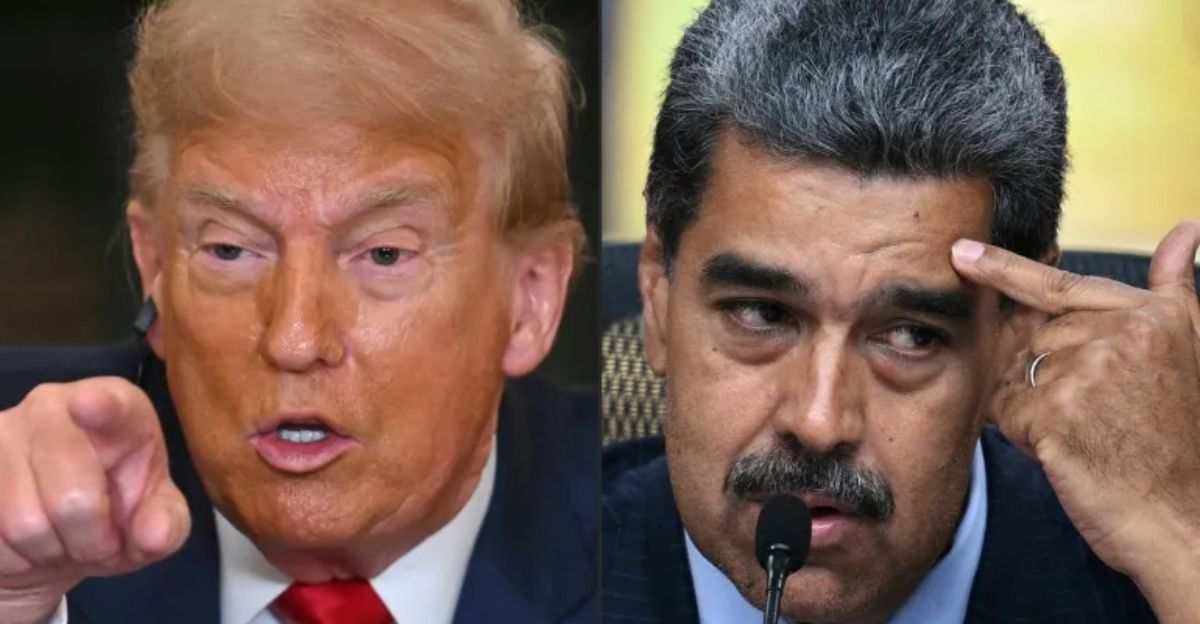
Tensions between the U.S. and Venezuela have been simmering for years, fueled by accusations of illicit trafficking, support for criminal networks, and concerns over the survival of the current regime. Recent intelligence reports have highlighted the existence of underground bunkers and military assets, prompting the U.S. to increase its military footprint in the Caribbean. The AC-130J’s operational range puts Caracas within easy reach, underscoring the seriousness of the situation.
The Ghostrider’s Role
On October 10, 2025, the AC-130J Ghostrider was photographed on a Puerto Rican airstrip, equipped with AGM-114 Hellfire missiles. This aircraft, an advanced version of the C-130 Hercules, is built for precision strikes and low-altitude operations. Its presence is a visible reminder of the shifting balance of power in the region. From Mexico to Trinidad, the aircraft’s deployment has sparked both concern and speculation about what comes next.
Regional Reactions
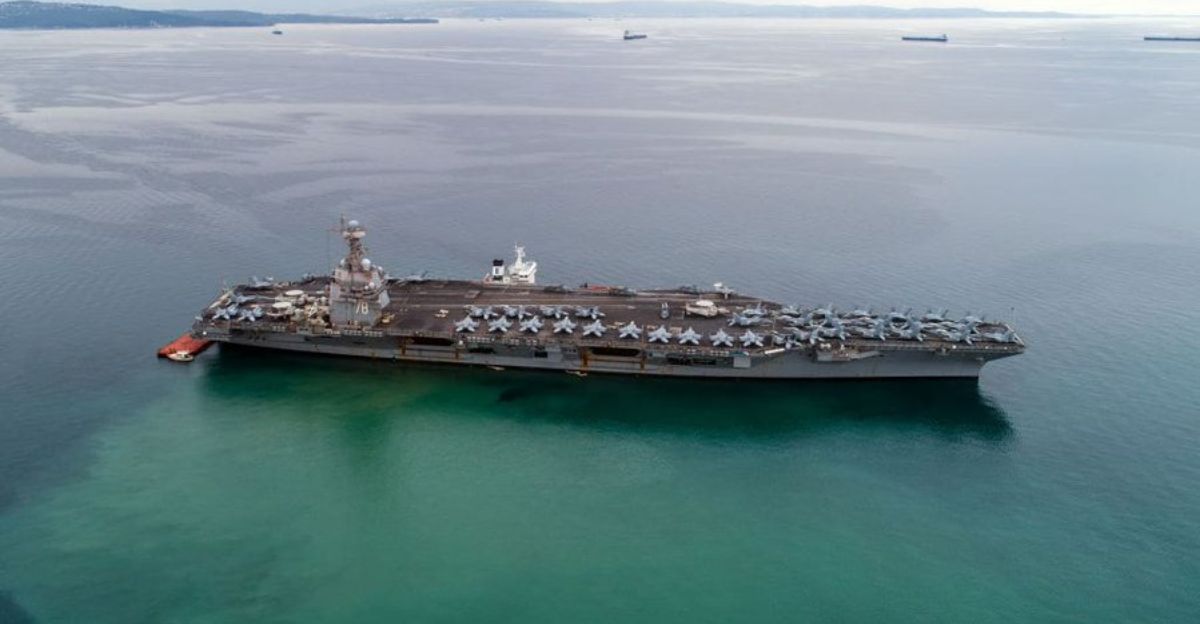
The sudden appearance of U.S. military hardware has not gone unnoticed. Venezuela has responded by ramping up its own military readiness, conducting air-defense drills and issuing stern warnings about sovereignty. Russia has also stepped in, providing air-defense systems and signaling its support for Venezuela. The situation has affected the region’s sense of normalcy, with defense experts closely monitoring developments and local commentators noting increased military activity.
Global Context
This deployment is part of a broader trend of increased U.S. military engagement around the world. From the Pacific to the Caribbean, defense budgets have surged, and military exercises have ramped up. The U.S. is signaling a renewed focus on great-power rivalry, and the Caribbean is just one of many theaters where tensions are on the rise. The presence of the AC-130J is seen as “flexible deterrence,” intended to project power while avoiding direct conflict.
Intelligence and Diplomacy
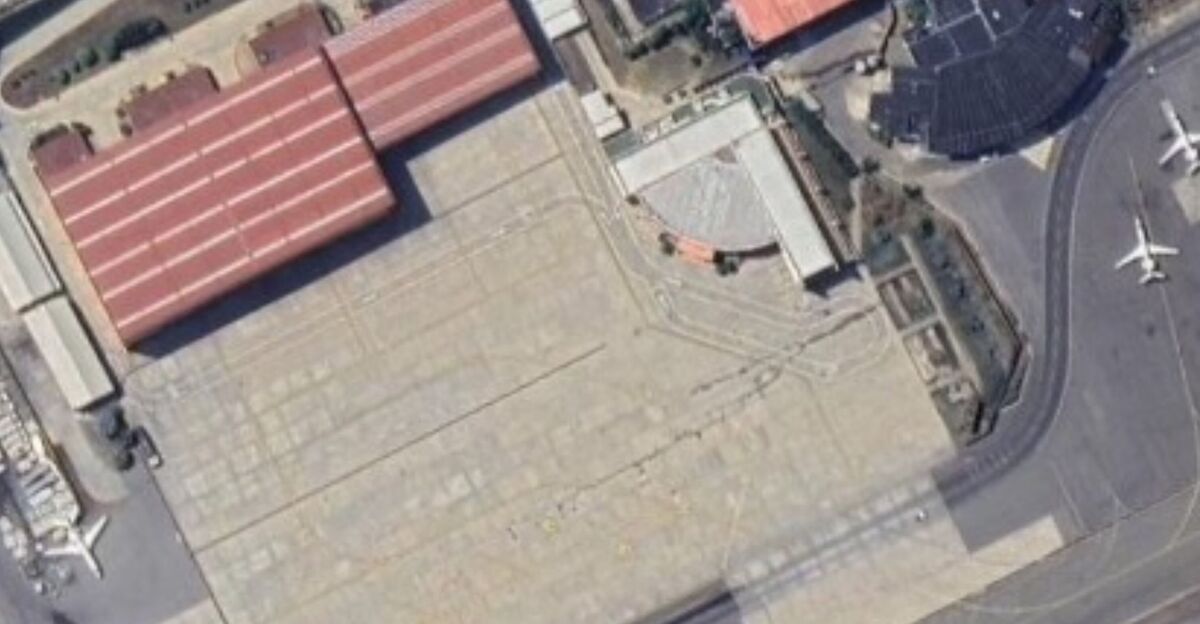
In September 2025, a former U.S. official leaked intelligence about Nicolás Maduro’s underground bunker, located beneath Caracas’ Simón Bolívar International Airport. This site, suspected of being a regime survival shelter, has been under heightened satellite surveillance. The U.S. is monitoring the Venezuelan leadership’s every move, while calls for restraint continue to grow among Latin American partners.
Humanitarian Concerns
Venezuela’s opposition leaders are growing frustrated by the U.S. military buildup, arguing that it plays into Maduro’s narrative of a foreign-imposed siege. Humanitarian groups fear that any military confrontation could lead to widespread displacement and further instability in the region. The situation remains tense, with neither Washington nor Caracas offering clear answers about the future.
Looking Ahead
The future of this military presence remains uncertain. Will the U.S. maintain its posture in the region, or will it slowly de-escalate as tensions subside? With neither side providing clear signals, the Caribbean waits anxiously, caught between deterrence, diplomacy, and the looming possibility of confrontation.
Sources
New York Post: “11 US warships and 15,000 troops now in Caribbean amid escalating Venezuela tensions” (November 30, 2025)
Army Recognition: “Hellfire-armed AC-130J Gunship in Puerto Rico signals sharper U.S. readiness near Venezuela” (October 29, 2025)
The Soufan Center: “U.S. Launches Operation Southern Spear” (November 14, 2025)
Latin Times: “Former Trump Official Reveals Alleged Satellite Image of Maduro’s Underground Bunker” (September 14, 2025)
Army Recognition: “Venezuela Declares 5,000 Igla-S Missiles in Nationwide Defense Net to Deter U.S.” (November 13, 2025)