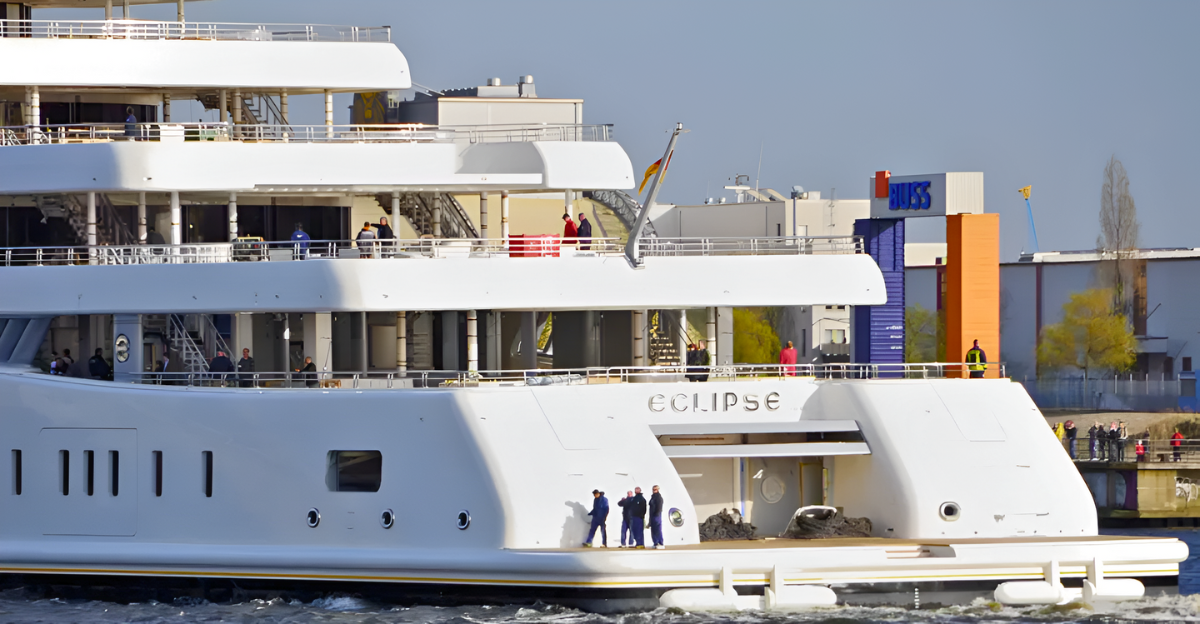
The Eclipse, a $700 million superyacht owned by Roman Abramovich, has been anchored in Marmaris, Turkey, for almost three years, burning roughly one ton of diesel every day. In order to maintain the yacht’s luxurious interiors and priceless technological equipment, such as anti-paparazzi lasers, this constant fuel consumption fueled air conditioning and safety measures. The Eclipse, a 533-foot yacht that was once the largest in the world, is a prime example of both extreme luxury and obvious economic and environmental effects.
Its recent action following years of inactivity raises more significant concerns regarding sustainability, wealth, and geopolitical pressures affecting oligarch assets under international sanctions in addition to signaling maintenance or strategic repositioning.
The Eclipse’s Historical Context
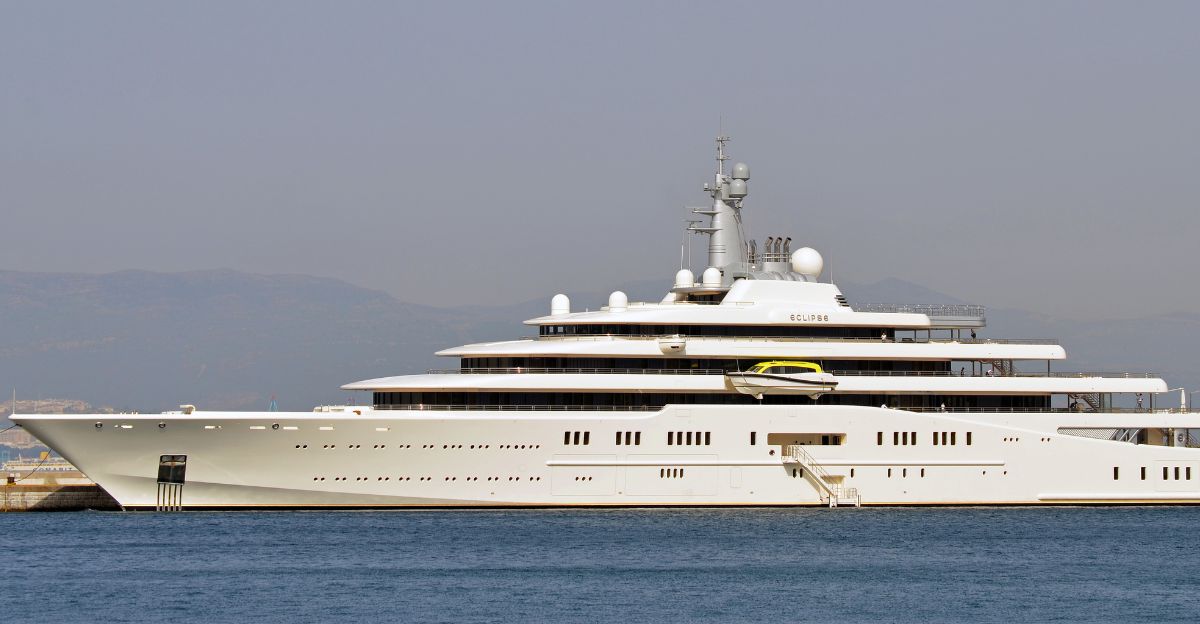
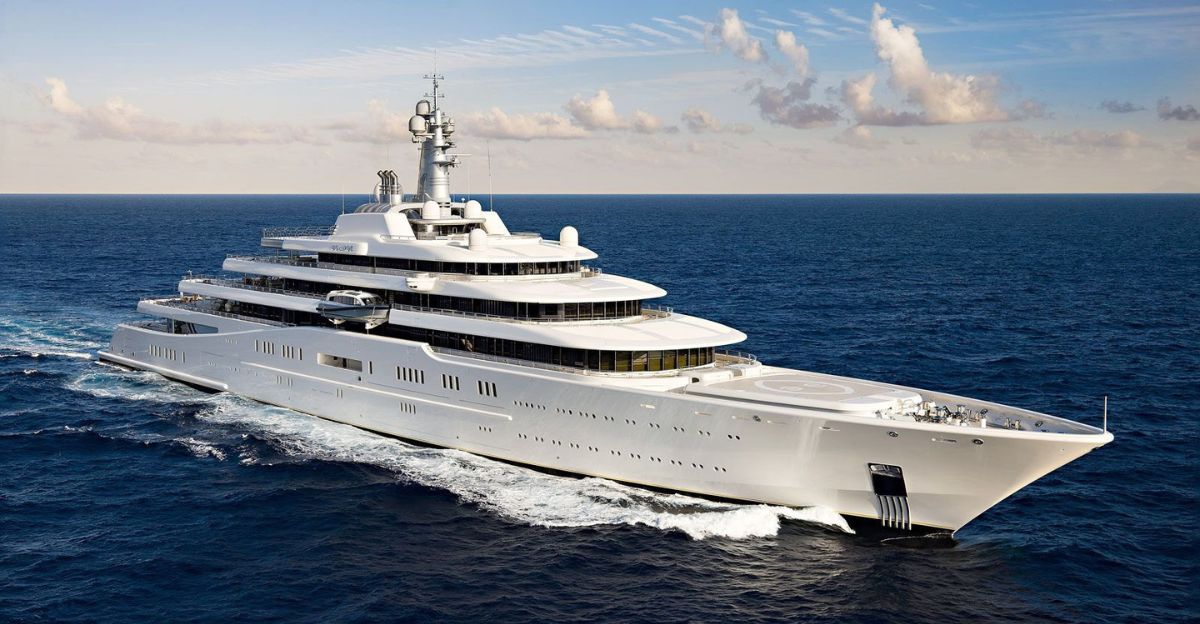
Launched in 2009, the superyacht Eclipse was designed as a floating palace with helipads, pools, and a mini-submarine, and it cost about $700 million to build.
The yacht, which belonged to sanctioned Russian oligarch Abramovich, became a representation of excess and was used for extravagant parties that were attended by high-profile visitors. The scandals that followed, such as claims of tax evasion through fictitious yacht rental schemes intended to avoid VAT on fuel and maintenance, stand in stark contrast to this glitz. Following the 2022 invasion of Ukraine, the world financial scene underwent a significant upheaval, putting Abramovich’s assets under close scrutiny.
Usage Trends of Superyachts and Their Effect on the Environment
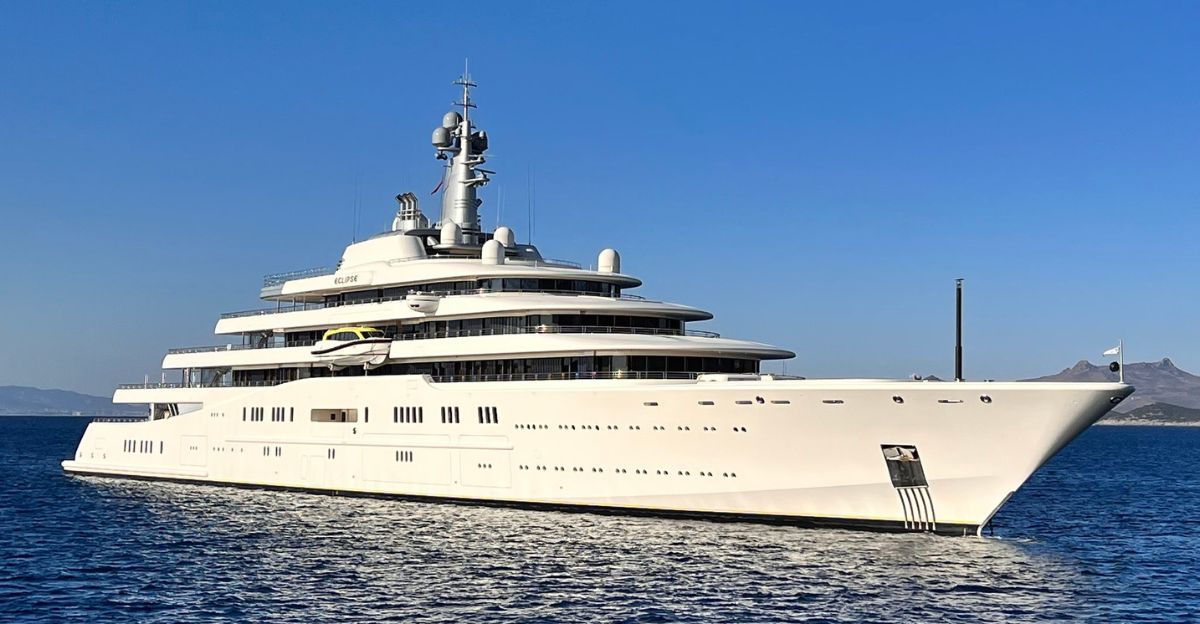
The carbon emissions from superyachts are disproportionate to their use. More often than transit vessels, they function as floating hotels, using enormous amounts of fuel to run air conditioners, generators, and other amenities. According to studies, by 2030, yacht emissions could amount to 10 million tons of CO2 annually, a number that would be made worse by their exemption from stringent maritime pollution laws.
These ships contribute to localized environmental degradation in marine habitats by introducing wastewater, noise, light pollution, and particulate exhaust in addition to their carbon footprints.
Maintaining Idle Superyachts Presents Difficulties
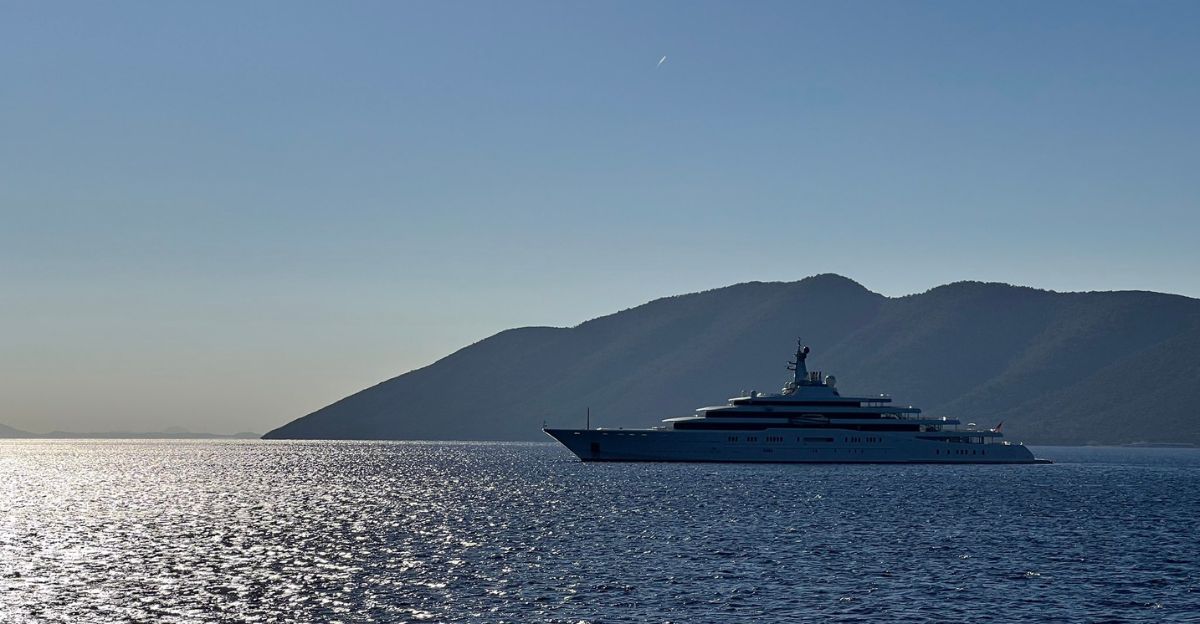
It is surprisingly expensive and environmentally demanding to keep a superyacht like Eclipse seaworthy while it is at rest. Continuous power is required to avoid mold, corrosion, and sea mist damage, which results in constant diesel consumption even when the yacht is not sailing.
Tens of millions of dollars a year, or 10% of the yacht’s value, is usually spent on maintenance. Owners are challenged by high operating costs during financial constraints or sanctions, and they draw attention to inefficiencies in asset management during forced inactivity.
Geopolitical and Economic Pressures
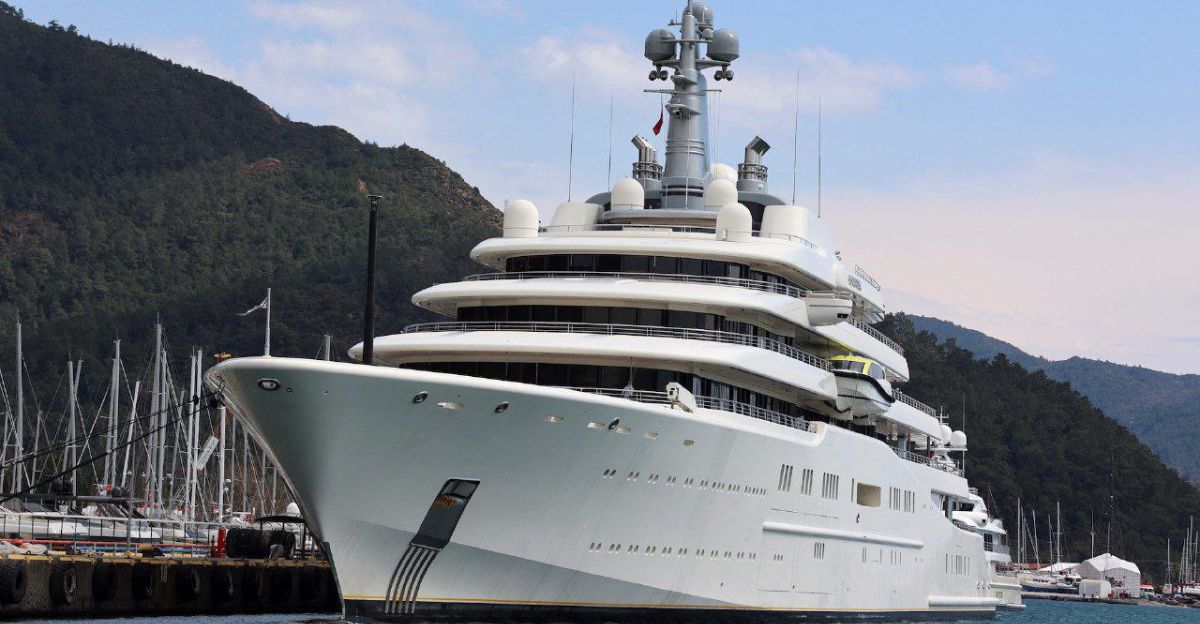
Due in part to geopolitical pressure and sanctions imposed by the UK and others after the conflict in Ukraine, Abramovich’s superyacht stayed in Turkey. Such a vessel is costly to move or refuel, and it is subject to legal scrutiny.
After years of inactivity, the recent resumption of movement may be a sign of repairs, a calculated move to prevent asset seizure, or the start of additional relocation. In the midst of global legal disputes, this motion highlights how oligarchs adjust to sanctions by taking advantage of more hospitable jurisdictions.
Special Technical Characteristics and Consequences
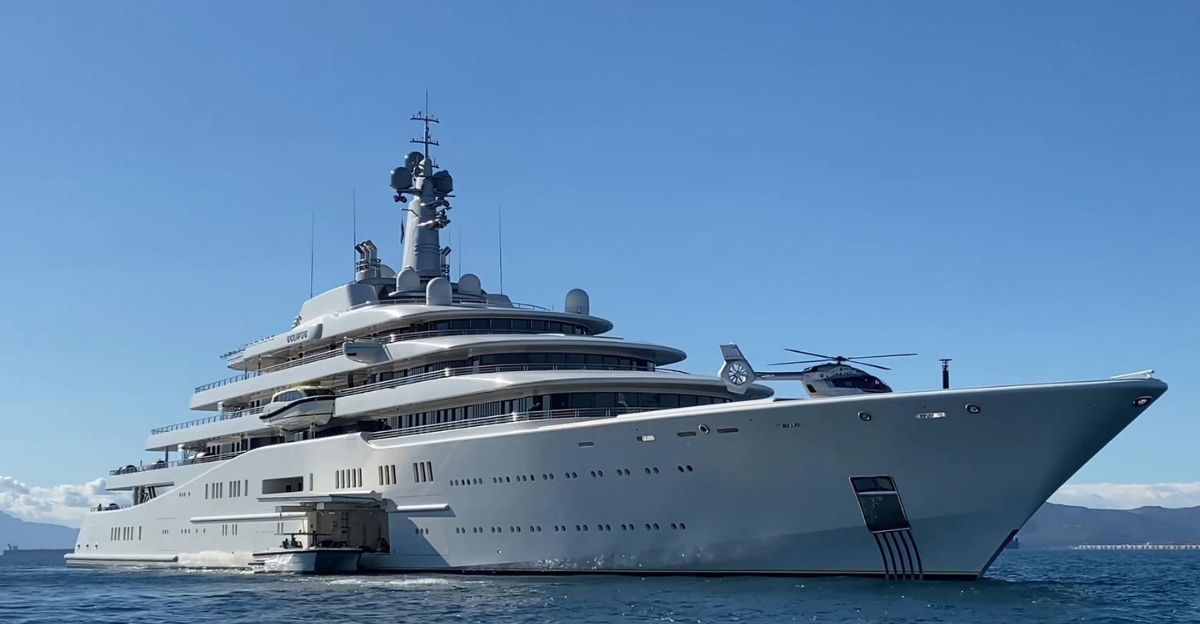
With two helipads, missile detection systems, opulent interiors, and a fuel capacity of up to one million liters, Eclipse is unmatched in size and technology. The enormous fuel tank, which costs an estimated $2.2 million per fill and takes almost 24 hours to refuel fully, rivals significant commercial aircraft fuel capacities.
These characteristics draw attention to the extravagant resource requirements of superyachts and the environmental cost of maintaining them, even when they are not in use.
A Strategic Asset: The Yacht
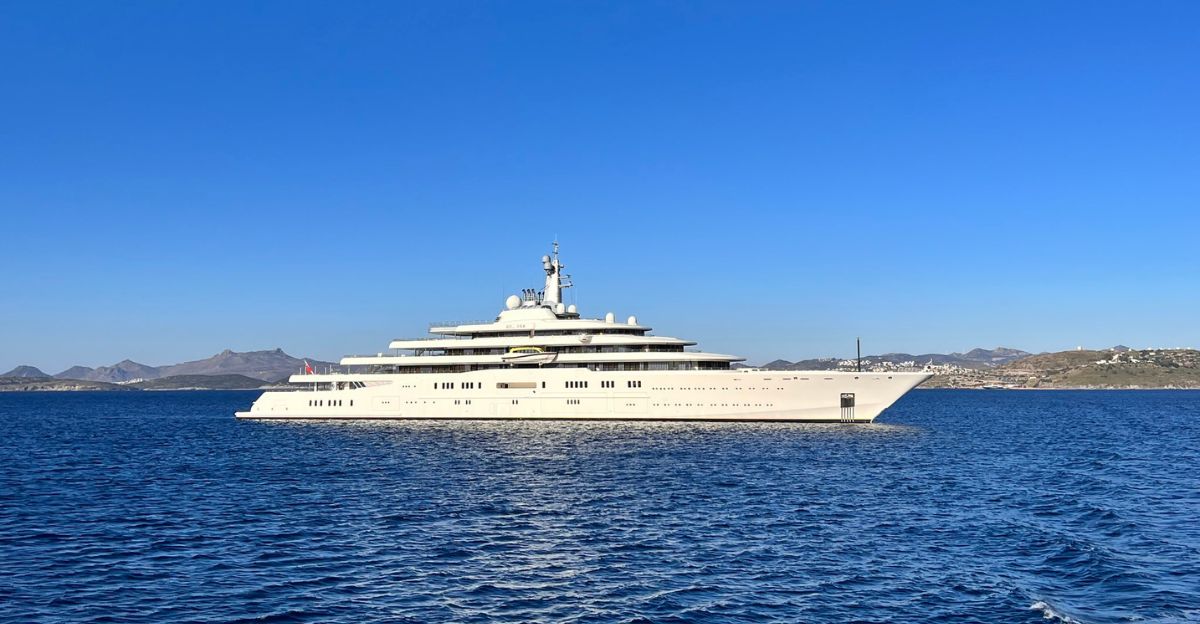
The Eclipse can be seen as a strategic asset for Abramovich, despite criticism for its excessive financial and environmental costs. Maintaining functionality during asset freezes and sanctions may act as a mobile sanctuary or preserve negotiating leverage. These boats serve as floating embassies, combining security and luxury elements that are absent from traditional real estate.
Thus, the enormous sums of money needed to maintain the yacht’s functionality represent an investment in safeguarding and leveraging wealth in a political environment that is changing quickly.
Views from Psychology on Asset Sanctuaries
Psychologically speaking, an idle superyacht’s extended operation is a reflection of strong attachment and status maintenance in the face of outside pressures.
The oligarchic need to assert identity and resist outside pressures is highlighted by the maintenance of an expensive symbol of success and control, even at great financial and environmental expense. It is a type of psychological resistance that shows up as the tangible preservation of symbols of wealth and power in a society that is becoming more and more antagonistic to unbridled privilege.
Innovations and Solutions in Eco-Friendly Yachting
Greener technologies like hybrid propulsion, cleaner fuels, and zero-emission designs have been spurred by the exceptionally high environmental impact of yachts like Eclipse.
However, due to demands for size and opulent amenities, these advancements hardly ever make it into the ultra-luxury market. Future sustainability hinges on changes in owner priorities, regulatory pressure, and technological advancements that resolve the constant conflict in luxury nautical culture between responsible stewardship and extravagance.
Impact of Economic Ripples on Local Economies
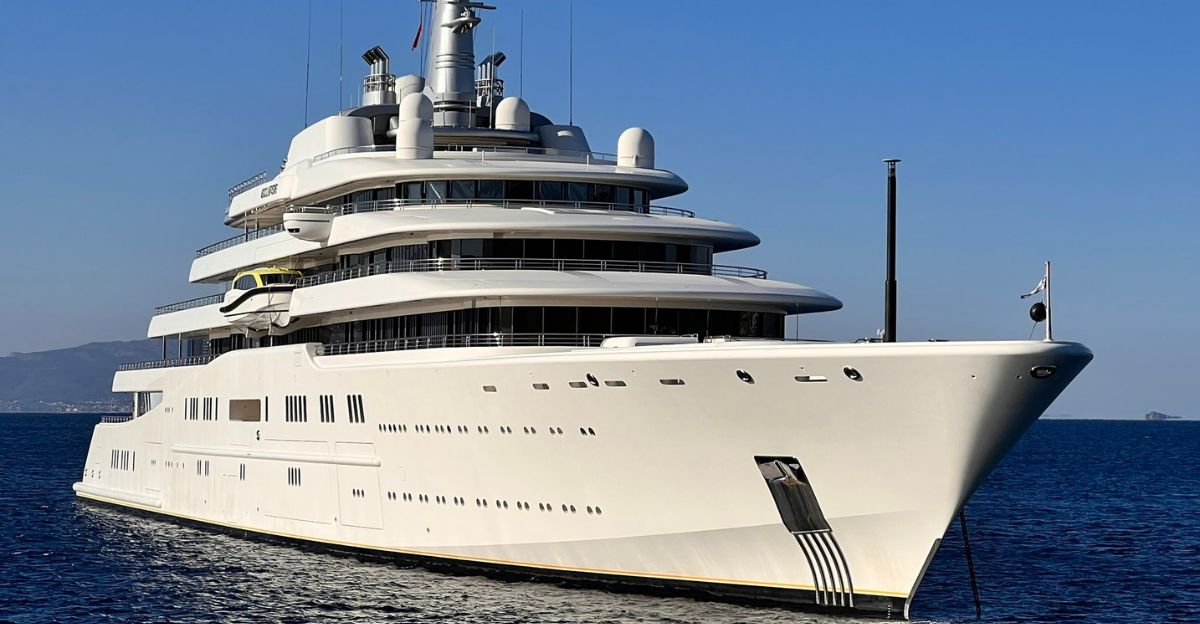
Through mooring fees, fueling services, repairs, and crew employment in Marmaris, Turkey, the Eclipse made a substantial contribution to local economic activity despite its relentless diesel burning. According to reports, mooring fees are roughly $3,000 per day, which generates significant yearly income for nearby companies.
In port cities, these superyachts serve as hubs for the economy, bringing in business while simultaneously igniting controversy over environmental damage versus immediate financial gain. Due to the heavy reliance of tourism and maritime services on these valuable resources, striking a balance between economic benefit and ecological impact continues to be a controversial topic.
Sanctions’ Impact on Superyacht Mobility
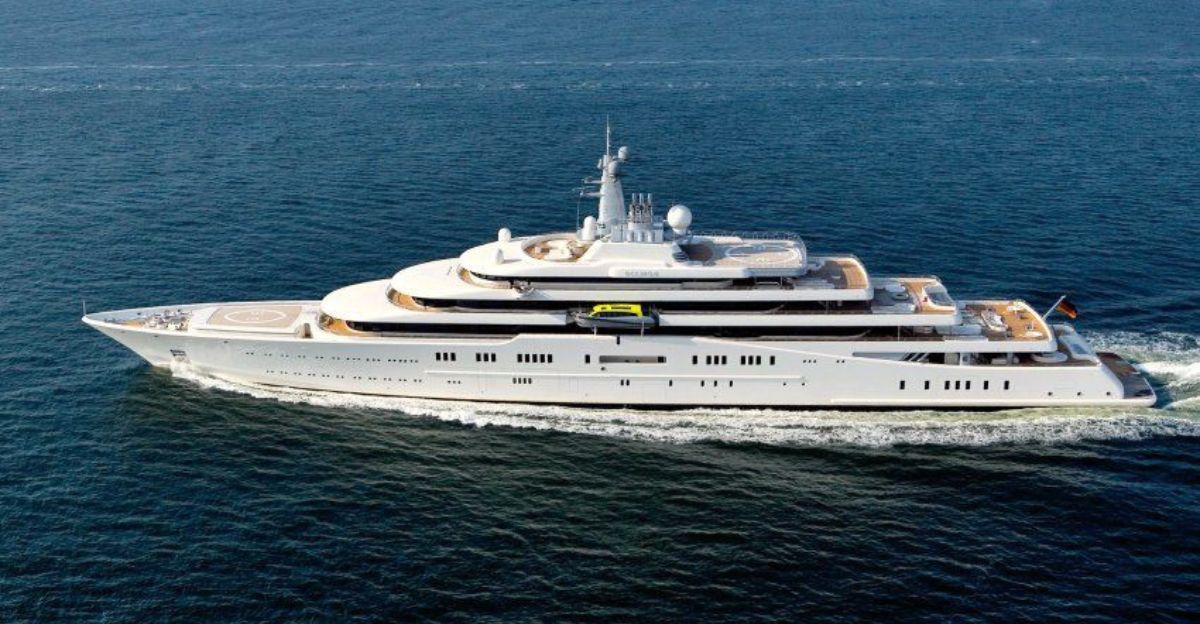
The movement and operation of superyachts like Eclipse have been made more difficult by sanctions aimed at Russian oligarchs. Owners must deal with restricted port access, travel restrictions, and possible legal disputes that can leave yachts stranded or compelled to spend years in friendlier harbors. Traditional yacht use is disrupted by these limitations, which also present difficult logistical issues.
Following an extended period of inactivity, the recent action may be the result of tactical realignment or an attempt to conform to changing international legal frameworks, indicating a change in asset management tactics in the face of rising geopolitical tensions.
Comparative Case Studies: Yachts That Were Seized and Abandoned
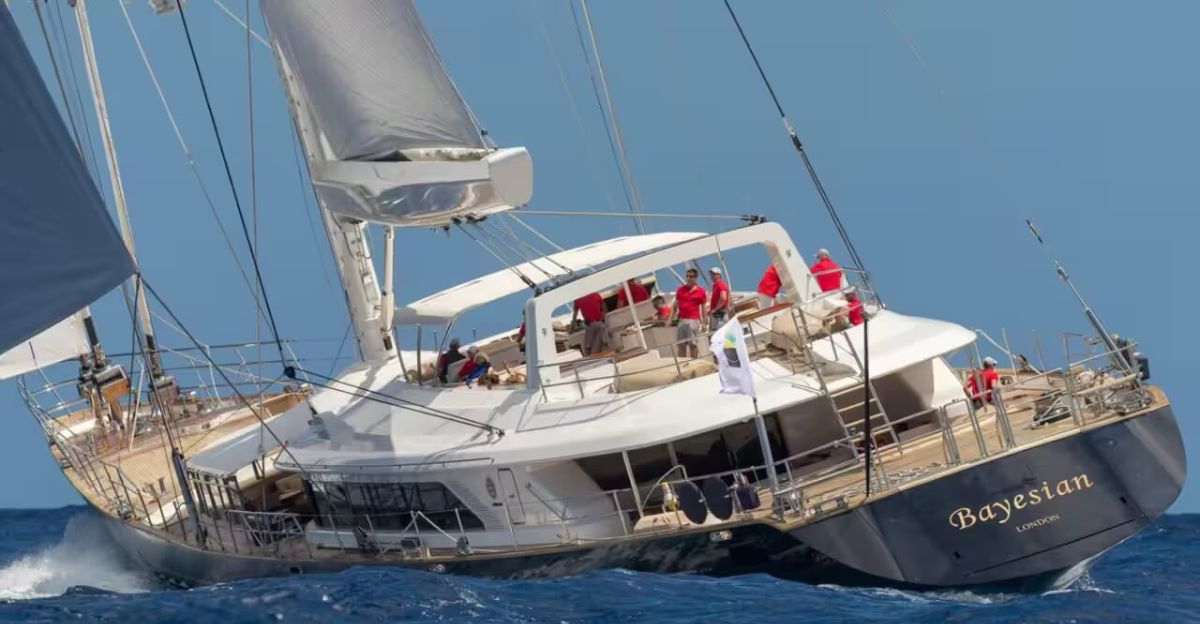
Similar oligarch-owned vessels, like the now-sunken Bayesian off Sicily or the $580 million Sailing Yacht A, show the extremes of asset immobilization brought on by accidents or sanctions. The sinking of the Bayan exposes the dangers superyachts face at sea, while the Sailing Yacht A is still under government control in Italy and requires expensive maintenance.
These incidents show a range of reactions to sanctions in the luxury yacht industry and contrast with Eclipse’s uncommon movement and consistent operation, highlighting Abramovich’s exceptional ability and willingness to manage his asset despite significant obstacles.
Public Perceptions and Ethical Issues
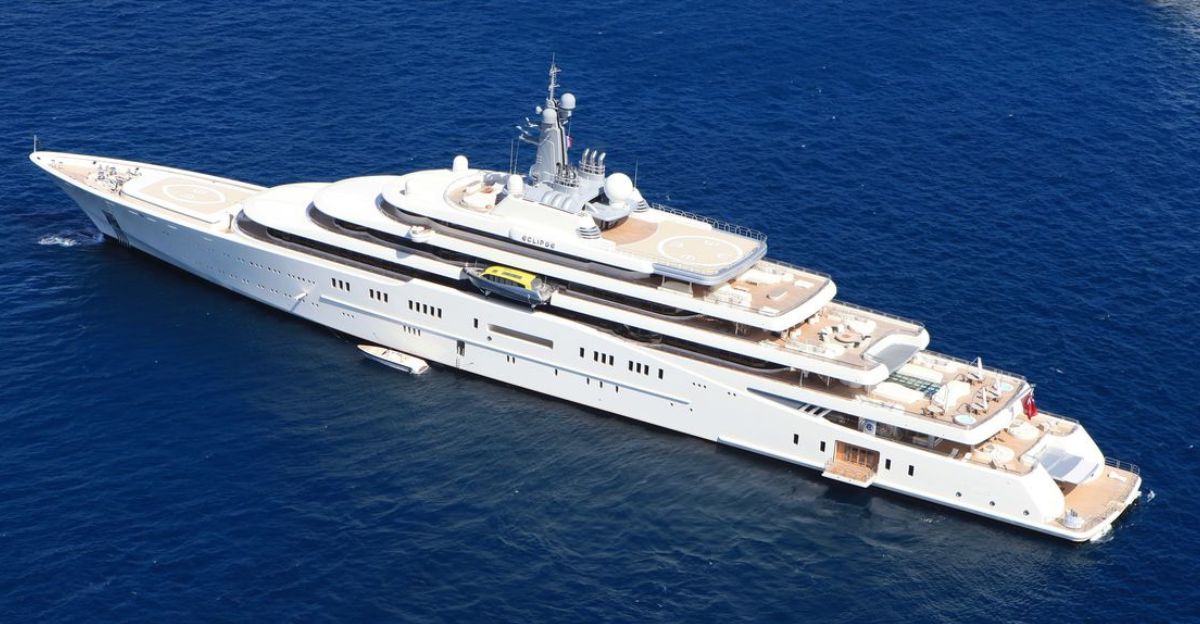
The public’s opinion of superyachts frequently vacillates between admiration and contempt, especially when they consume enormous amounts of fuel for no apparent reason. In a world that is concerned about the environment, the Eclipse’s diesel burn while it is not in use has come to represent excess.
In light of worries about global warming, this sparks moral discussions about environmental justice, wealth inequality, and the obligations of billionaires. Criticism is heightened by the yacht’s operation during a global energy crisis, which serves as a powerful reminder of the sharp differences between the consumption patterns of the ultra-wealthy and more general societal sustainability initiatives.
Environmental Danger vs. Technological Wonder
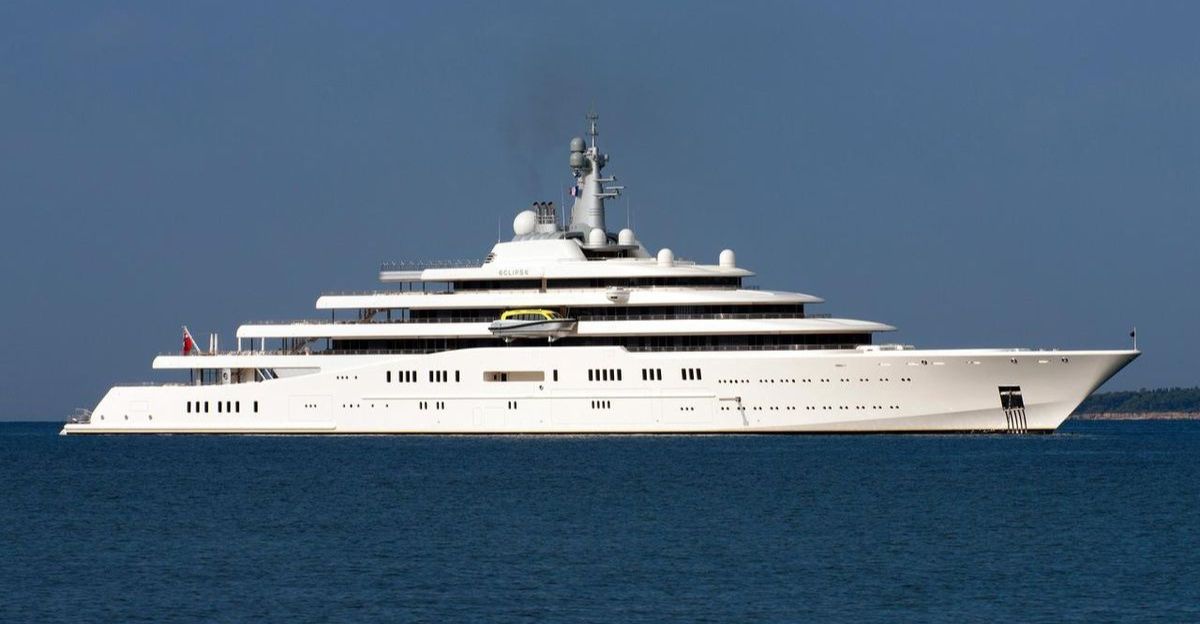
The Eclipse, which combines cutting-edge security and comfort systems, is the pinnacle of human engineering in yacht construction. However, when you add in the use of stationary generators and occasional sailing, this wonder becomes a threat to the environment, releasing thousands of tons of CO2 every year. Modern technology providing indulgence at a significant environmental cost is a paradox that characterizes a large portion of ultra-luxury consumption.
Maintaining such vessels has a huge environmental impact, making it difficult for society to balance its appreciation of technological advancements with pressing climate responsibility demands that call for innovation and regulation.
The Yacht as a Sign of Wealthy Conduct After Sanctions
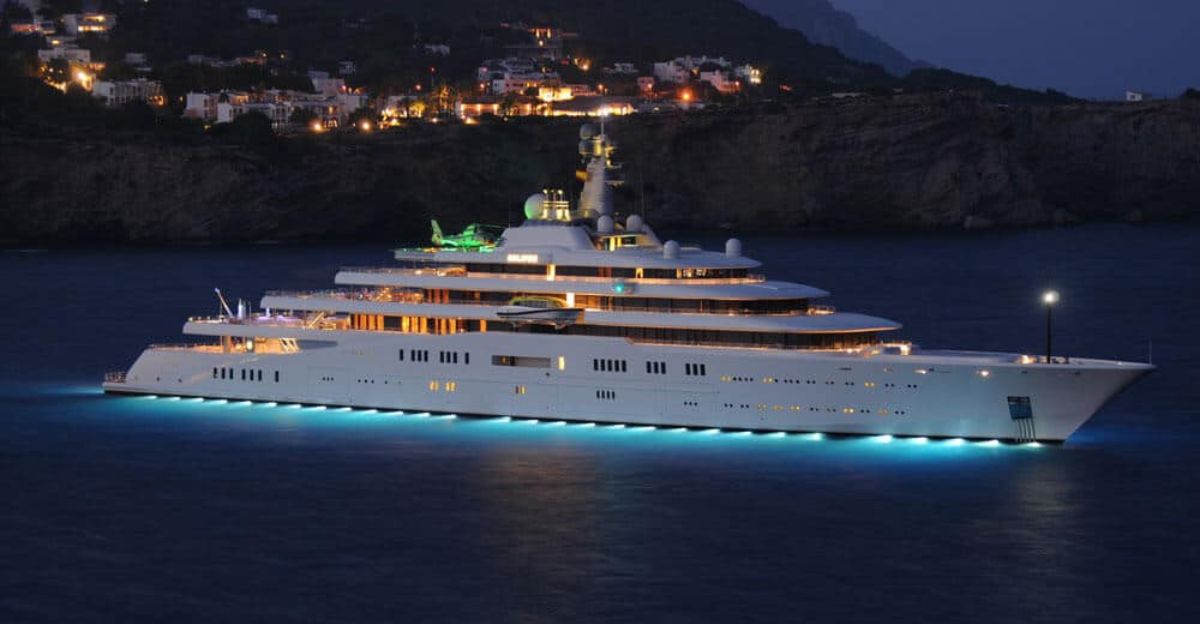
Abramovich’s reliance on the $700 million Eclipse in the face of sanctions is an example of larger trends in which extremely wealthy people use offshore jurisdictions and maritime mobility to hoard, preserve, and defend assets. This behavior shows how wealth reorganizes itself to withstand systemic disruptions, as luxury assets become more than just recreational tools but also serve as buffers against geopolitical instability.
In a world that increasingly aims to restrict oligarch financial freedom through legal and diplomatic pressures, the yacht becomes a physical fortress and a mobile symbol of defiance and resilience.
Potential Second-Order Impacts on the Yacht Sector
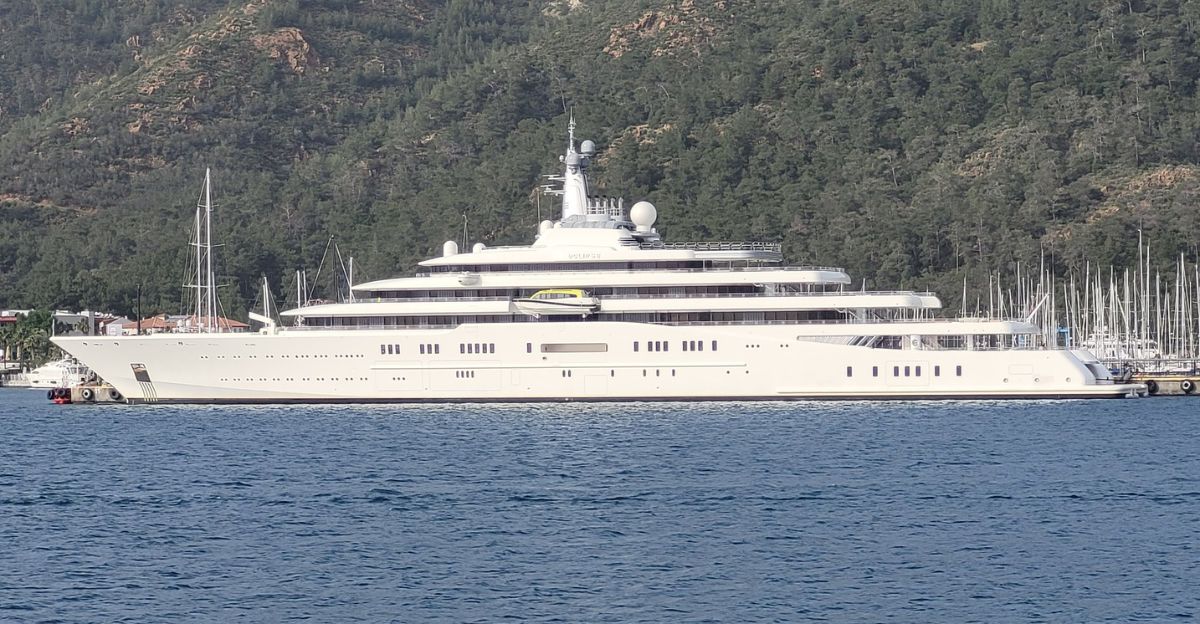
The Eclipse’s recent movement and well-publicized stasis could lead to more significant changes in the industry. Superyacht owners may be compelled to adopt alternative energy designs or alternative asset deployment strategies as a result of increased regulatory scrutiny, growing fuel prices, severe environmental activism, and international sanctions.
This incident might put pressure on marinas, insurers, and builders to reconsider policies and infrastructure in favor of sustainability without sacrificing standards of luxury. In a market where social and legal demands for environmental accountability are constantly changing, reduced dock time or improved energy efficiency could become crucial selling points.
Structure for Strategic Asset Management in the Age of Sanctions
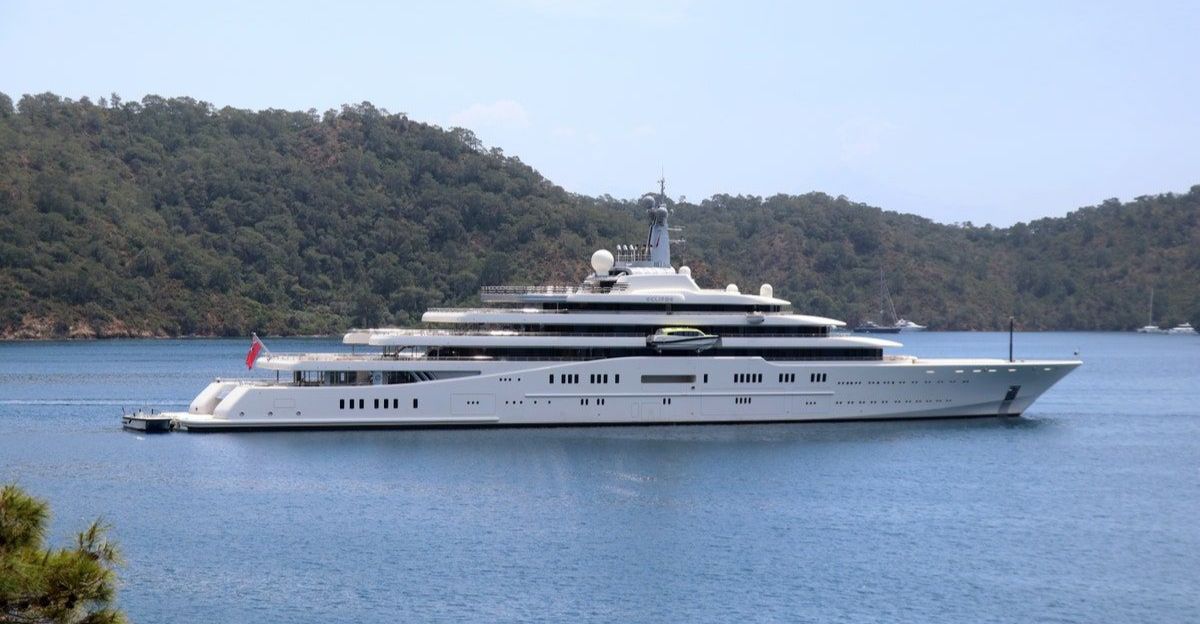
Eclipse’s story offers a conceptual model: wealth owners need to strike a balance between political optics, operational expenses, asset preservation, and compliance risk. Relocating assets to non-hostile ports, maintaining a minimal operational status to avoid degradation, and carefully timing movements to prevent seizure are examples of strategic decisions.
This intricate calculus represents a new framework for asset management under geopolitical pressure by navigating financial, legal, and psychological considerations. It emphasizes that success depends on a flexible approach influenced by changing international standards and enforcement capacities, going beyond simple ownership.
Unexpected Superyacht Fuel Consumption Data
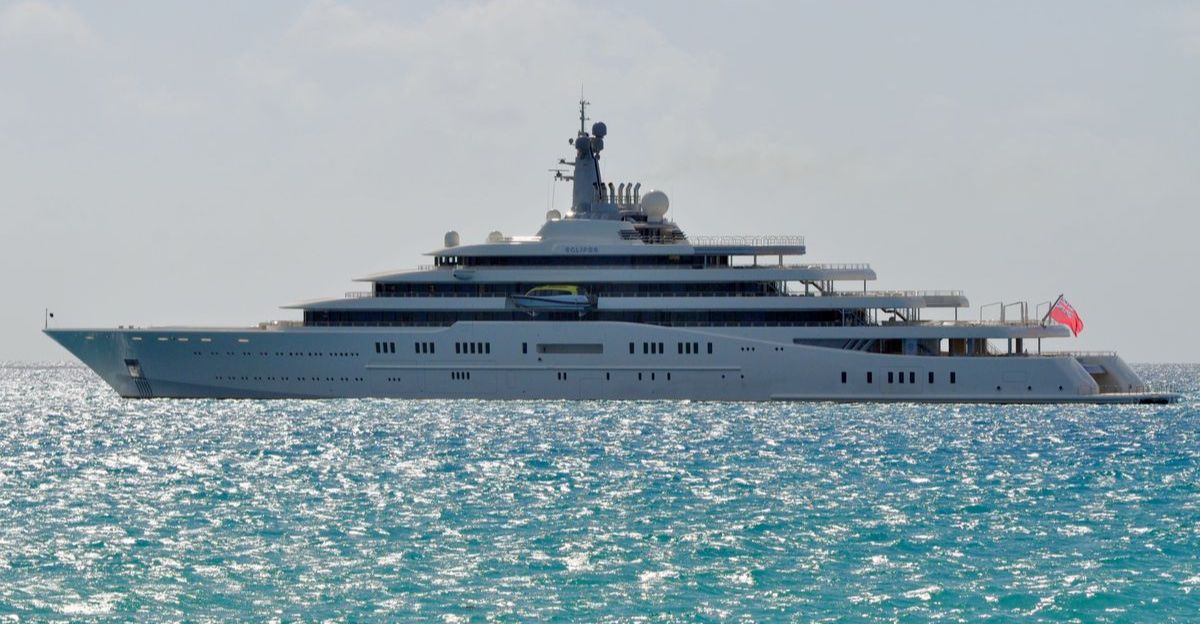
Eclipse’s fuel consumption glaringly demonstrates the environmental inefficiency of idle superyachts, as the vessel uses approximately one ton of diesel per day for stationary power requirements. For comparison, about one-third of this volume is used by commercial airlines to refuel each flight.
These numbers highlight how resource-intensive it is to maintain luxury assets and provide strong evidence in discussions about super-rich people’s climate responsibility, by demonstrating that even stationary holding wastes enormous amounts of fossil fuel; this data challenges the notion that emissions only increase during transit and highlights hidden carbon sinks in the luxury yacht sector.
Exceptional Case: Eclipse vs. Global Carbon Stories
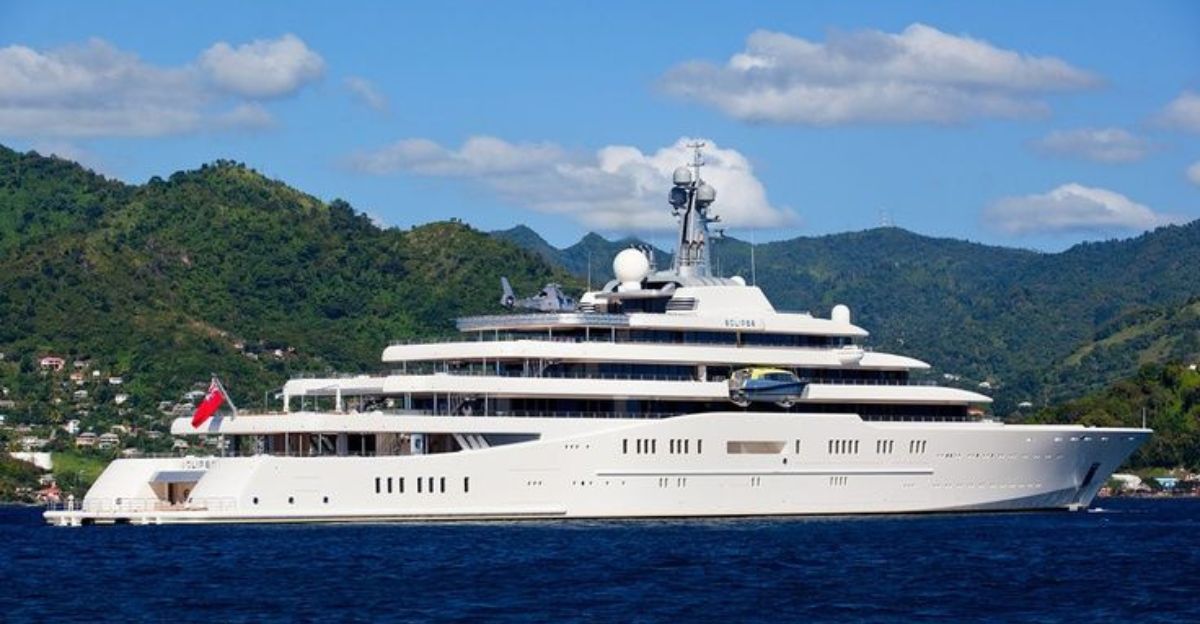
If annualized, the Eclipse’s emissions alone come close to thousands of tons of CO2, which is equivalent to the emissions of small countries. By highlighting how one person’s assets can equal or surpass the combined emissions of communities or nations, this extreme challenge to global carbon narratives.
It urges targeted mitigation policies against disproportionate pollution footprints and calls for new perspectives on carbon equity. Eclipse turns into a case study of environmental inequality as well as luxury and power, highlighting the necessity of societal accountability that addresses emissions from ultra-elite private consumption.
Conclusion
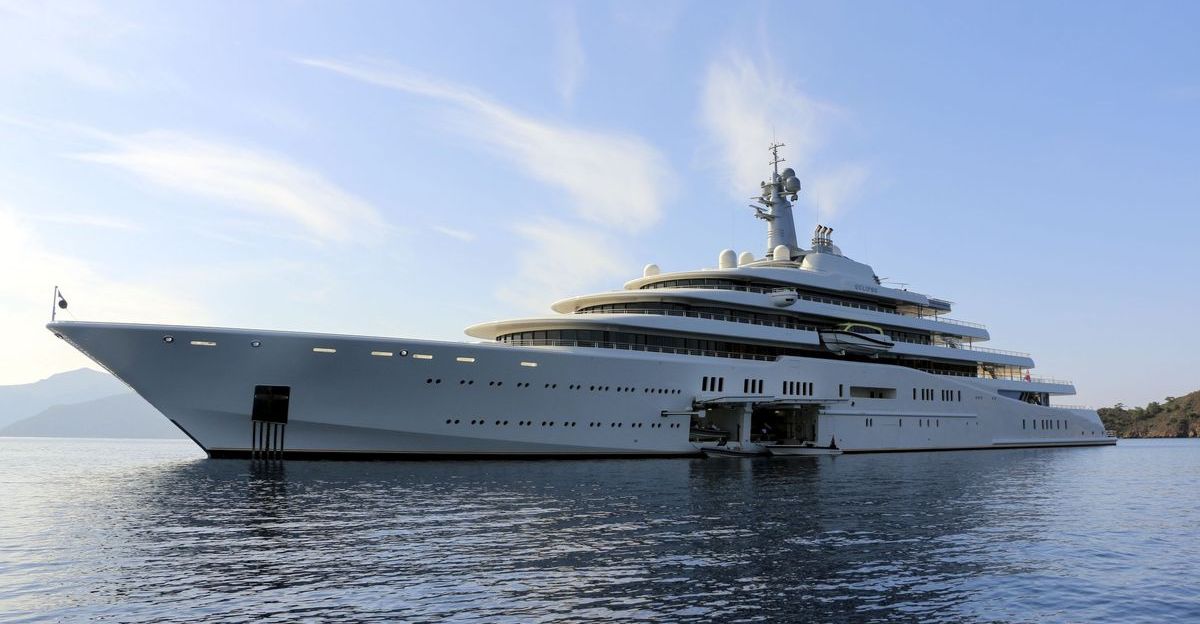
Roman Abramovich’s choice to relocate his $700 million superyacht Eclipse following almost three years of heavy diesel use serves as an example of the intricate relationship between politics, wealth, the environment, and psychological symbolism.
The yacht serves as both a monument to extreme luxury and a case study of the contradictions that the ultra-rich face in the face of geopolitical unrest and the urgency of the climate crisis. It forces us to consider how society strikes a balance between praising, criticizing, and regulating incredible private excess, as well as how power negotiates sustainability imperatives. Future discussions on privilege, wealth, and environmental stewardship will be influenced by this continuing conversation.