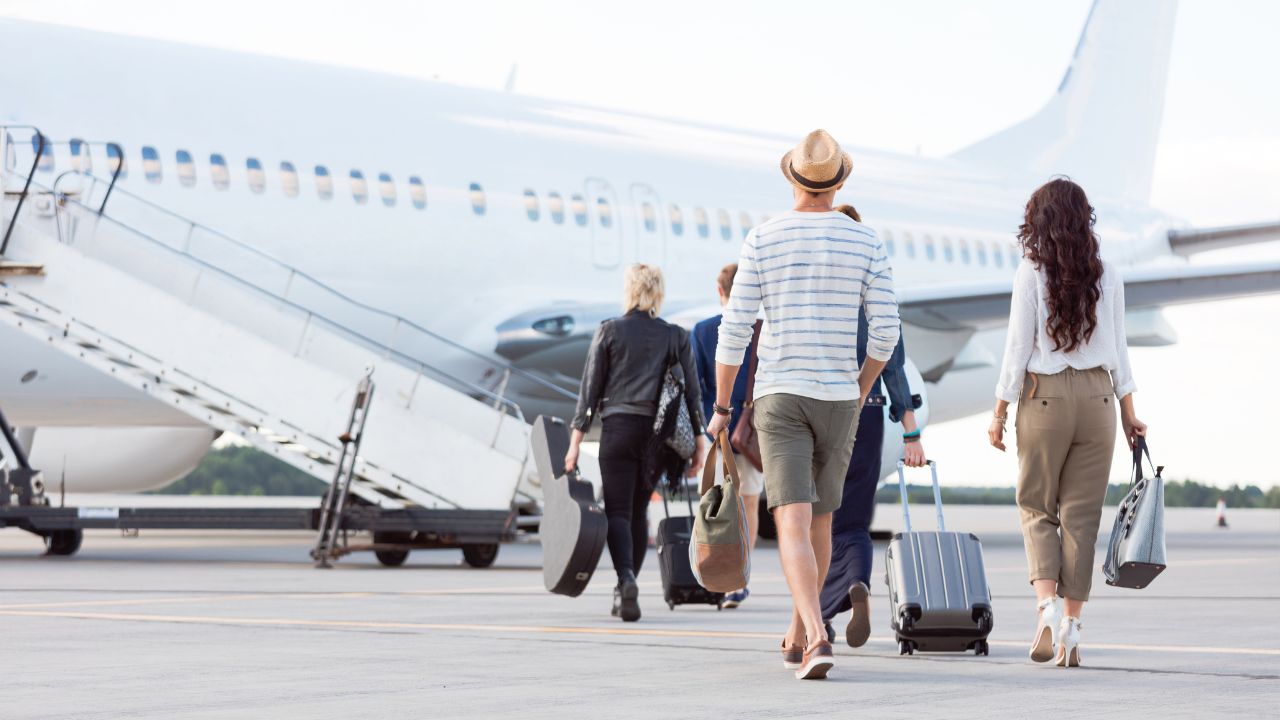
You can bring many everyday items on a plane, but strict rules apply to liquids, sharp objects, and anything that could be a safety risk. Understanding these basics helps you pack confidently and avoid stressful delays at security.
What You Can Take on a Plane
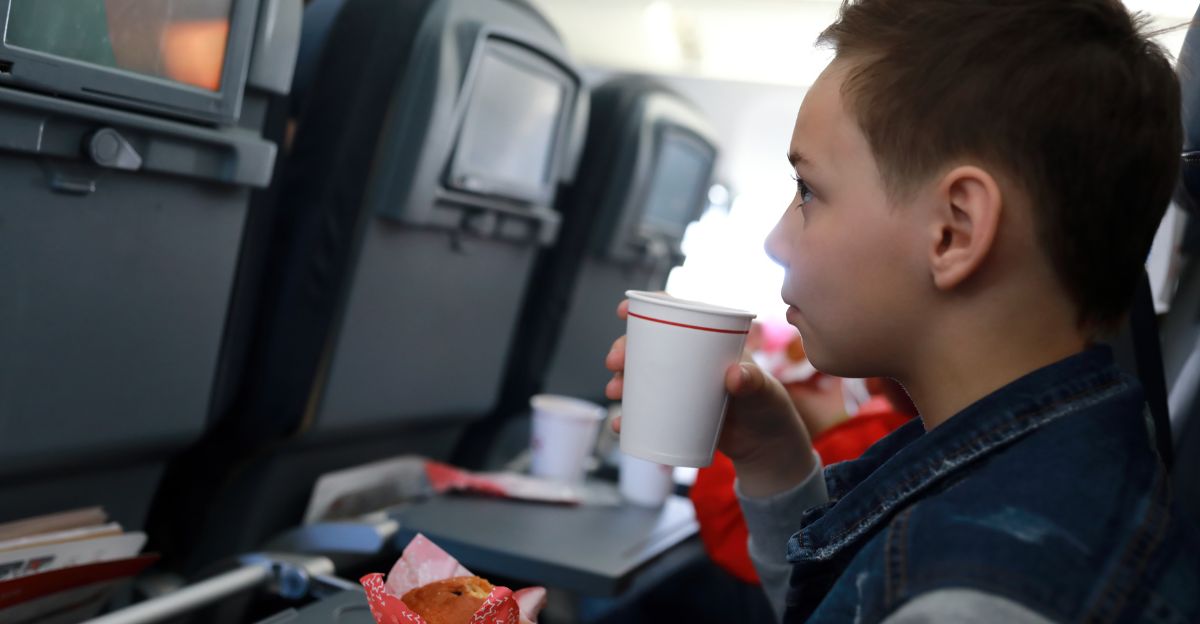
Most essentials for health, comfort, and basic needs are allowed, though some must follow specific size or packing rules. Aim to pack only what you truly need in your carry-on so screening goes faster.
Commonly allowed items include:
Medical items and medications, such as prescription medicines, EpiPens, crutches, contact lenses, and eye drops. These are typically permitted because they are essential to your health, and keeping them in original packaging can make security checks easier.
Food items such as baby formula, baby food, snacks, and pet food are generally allowed, especially on long journeys or when traveling with children. Solid snacks are easiest to bring, while liquids and gels must follow your country’s liquid rules (for example, the common 100 ml container rule at security).
Drinks such as bottled water and soft drinks can be taken on board only if purchased after you clear security, since liquids over the allowed limit are usually not permitted through the checkpoint.
E-cigarettes and vapes may be allowed in the cabin, but they must not be used or charged during the flight and should not go in checked luggage due to fire risk. Different countries can have stricter rules, so always check regulations at your destination.
Miscellaneous everyday items like books, tissues, and wet wipes are typically allowed, but a very cluttered bag with random objects can slow down screening and lead to extra checks.
Be aware that some items are allowed on the plane but only in checked baggage rather than your carry-on, especially anything bulky, fragile, or potentially hazardous. When unsure, check airline guidance or official security rules for your departure and destination airports before you travel.
What You Cannot Take on a Plane
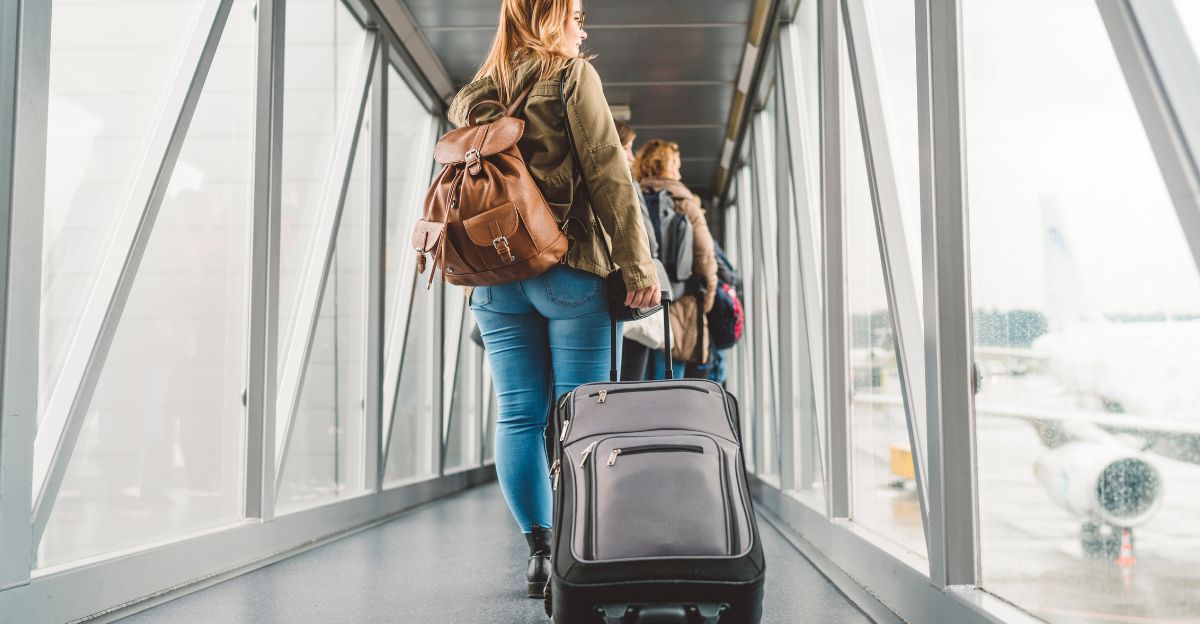
Certain items are restricted or completely banned because they pose a risk to passengers, crew, or the aircraft. If you have doubts about an item that looks dangerous, it is safest to leave it at home.
Items often not allowed include:
Firearms and weapons, which are prohibited in carry-on bags and tightly regulated even in checked luggage, if allowed at all. Attempting to bring a gun or ammunition through security can lead to serious legal consequences, extra screening, fines, or arrest.
Sharp objects such as knives, box cutters, and many types of blades are not allowed in carry-on bags, though some personal razors used for shaving and cosmetic grooming may be permitted. Always verify whether your specific item is considered a weapon or a personal care tool.
CBD, THC, and other illicit substances may be legal in some regions but remain illegal under many national or international laws, especially when crossing borders. Bringing them can result in confiscation, fines, or even detention, so they are best avoided entirely when flying.
Certain medical and technical devices, like personal oxygen tanks or thermometers containing mercury, may be prohibited because they can leak, explode, or interfere with safety.
Toy weapons or objects shaped like guns or explosives can trigger concern at security checkpoints and are often banned or heavily questioned.
Before every trip, review the latest prohibited and restricted items list for your airline and departure country so you can repack anything risky into checked luggage or remove it completely. A few minutes of checking ahead of time makes it much easier to enjoy a smooth, stress-free start to your journey.
Sources:
“Prohibited Items.” Transportation Security Administration (TSA), U.S. Department of Homeland Security, updated 2025.
“Travel and Security Screening for Carry-on and Checked Baggage.” CATSA (Canadian Air Transport Security Authority), 2025.
“Security Rules for Hand Baggage and Prohibited Items.” European Union Aviation Safety Agency (EASA), 2024.
“Dangerous Goods Regulations: Guidance for Passengers and Crew.” International Air Transport Association (IATA), 2024.