Nutrition planning sounds intimidating, but it’s really just about creating an eating approach that fits your life and helps you feel your best. Forget those restrictive diets that make you miserable. This is about building habits you can actually stick with for the long haul.
Start Where You Are
Before you overhaul your entire kitchen, take a step back and look at what you’re already doing. Think about your daily routine, how active you are, what foods you genuinely enjoy, and whether you have any allergies or health issues to work around. There’s no point creating a plan that doesn’t fit your real life.
You might want to estimate how many calories your body needs each day. There are formulas like the Mifflin-St. Jeor’s equation that can help with this. Don’t stress about being perfectly precise; you’re just getting a general idea.
Set Goals That Actually Make Sense

Here’s where people usually go wrong: they set huge, vague goals like “get healthy” and then wonder why nothing changes. Instead, try something specific like “I’ll add vegetables to lunch and dinner four days this week”. Small wins build confidence and momentum far better than attempting an overnight transformation.
Get Your Macros Right (Without Obsessing)
Your body needs three main types of nutrients: carbs, protein, and fat. Aim for about 45-65% of your calories from carbs (think whole grains, fruits, veggies), 10-35% from protein (lean meats, fish, beans, Greek yogurt), and 20-35% from healthy fats (avocados, nuts, olive oil). But honestly? You don’t need to calculate every bite, just make sure you include all three.
The Simple Plate Trick
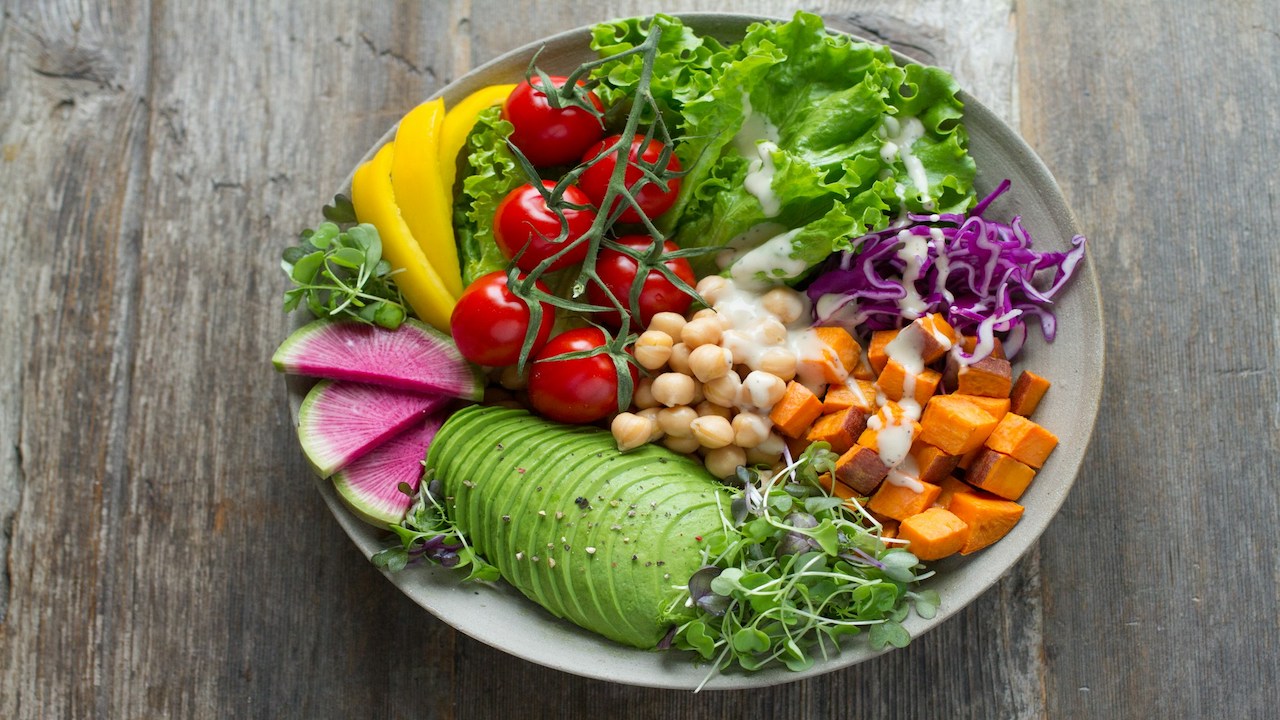
Imagine your plate divided into sections. Fill half with colorful vegetables and fruits, one quarter with whole grains or starchy vegetables, and one quarter with protein. Drizzle on some healthy fat like olive oil or add sliced avocado. Done. That’s a balanced meal.
Make Your Life Easier with Prep
Spend just 15-20 minutes once a week planning what you’ll eat and making a shopping list. Then carve out some time, maybe Sunday afternoon while listening to a podcast, to wash lettuce, cook a big batch of rice, grill some chicken, or chop vegetables. Some people do everything at once; others split it between two days. Find what works for you.
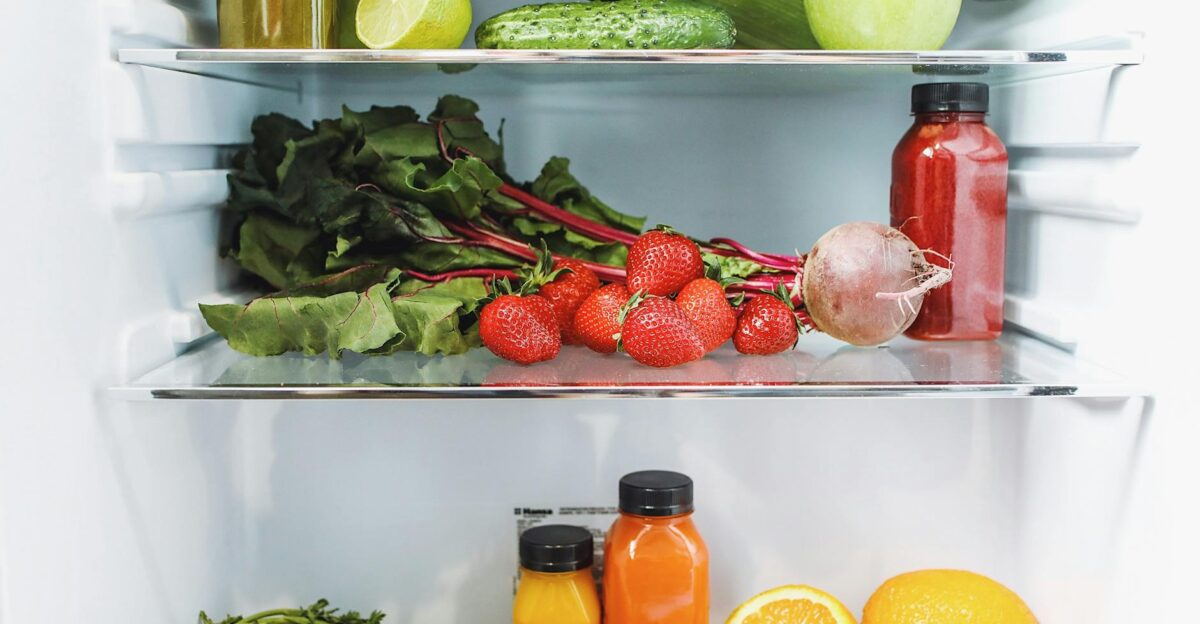
Use whatever organizing system feels natural. A planner, your phone’s notes app, or even a whiteboard on your fridge. The goal is to make weeknight dinners less stressful, not to add more work to your plate.
Give Yourself Permission to Be Human
Nutritionists talk about the 80/20 rule for a reason: eat nutritious foods most of the time (80%), but leave room for pizza night with friends or your grandma’s famous cake (20%). If your plan feels like punishment, you won’t stick with it. Period.
Switch up your meals regularly so you don’t get bored. Try a new recipe, explore different cuisines, keep things interesting.
Cook at Home More Often
You don’t need to be a chef, but cooking your own meals gives you control over what goes into your food. Studies show home-cooked meals are generally healthier than takeout, which tends to be loaded with hidden calories, salt, and unhealthy fats. Plus, it’s usually cheaper.
Know When to Ask for Help
If you have diabetes, heart disease, or other health conditions, chat with a registered dietitian who can give you personalized advice. They’ll help you create a plan that’s safe and effective for your specific situation. Sometimes professional guidance is worth its weight in gold.
Sources
“Dietary reference intakes tables – Macronutrients.” Health Canada / Institute of Medicine, 2005.
“Description of the Acceptable Macronutrient Distribution Range.” National Institutes of Health, Nov 2024.
“MyPlate.” USDA Food and Nutrition Service, 2011.
“What is the 80/20 rule diet?” BBC Good Food, Dec 2025.
“Study suggests home cooking for a healthier diet.” Johns Hopkins University Hub, Dec 2014.