
Elon Musk’s Starlink satellite network has achieved extraordinary global penetration, with over 8,800 operational satellites now orbiting Earth as of November 2025. The constellation operates across approximately 150 countries and territories, providing internet access to roughly 3 billion people worldwide.
SpaceX achieved this milestone through aggressive deployment, completing 146 missions in 2025 alone, with 141 conducted using Falcon 9 rockets, far exceeding any previous yearly launch record globally.
From 7 Million to Projected 32 Million Subscribers

Starlink surpassed 7 million subscribers globally in August 2025 and reached 8 million by November 2025, adding approximately 14,250 new users daily. The service grew from 6 million to 7 million subscribers in just two months, demonstrating remarkable market penetration.
Industry analysts project the subscriber base will reach 14 million by 2030, with longer-term forecasts projecting as many as 32 million subscribers by 2040.
Market Dominance Across Continents
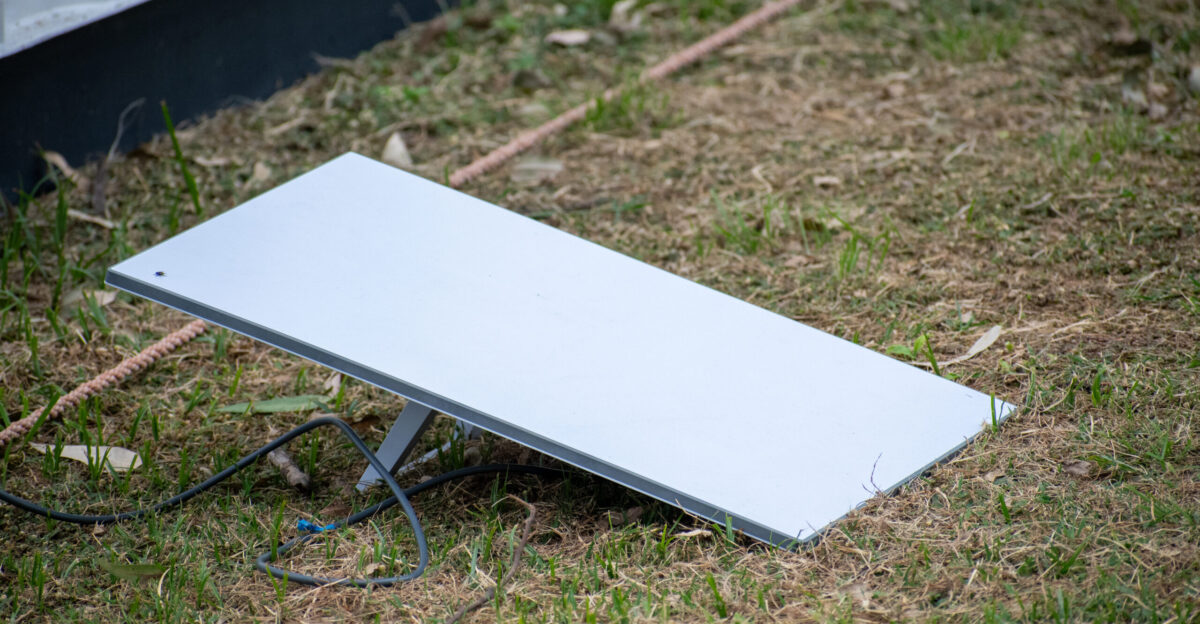
The United States leads adoption with over 1.2 million Starlink subscribers, followed by Canada with more than 500,000 and the United Kingdom with 100,000 users. The service is now available in 23 African countries, with expansion continuing across Latin America, Asia, and the Pacific region.
Starlink’s rapid penetration is directly competing with established terrestrial internet providers and traditional telecommunications companies worldwide.
Satellite Constellation Expansion Plans
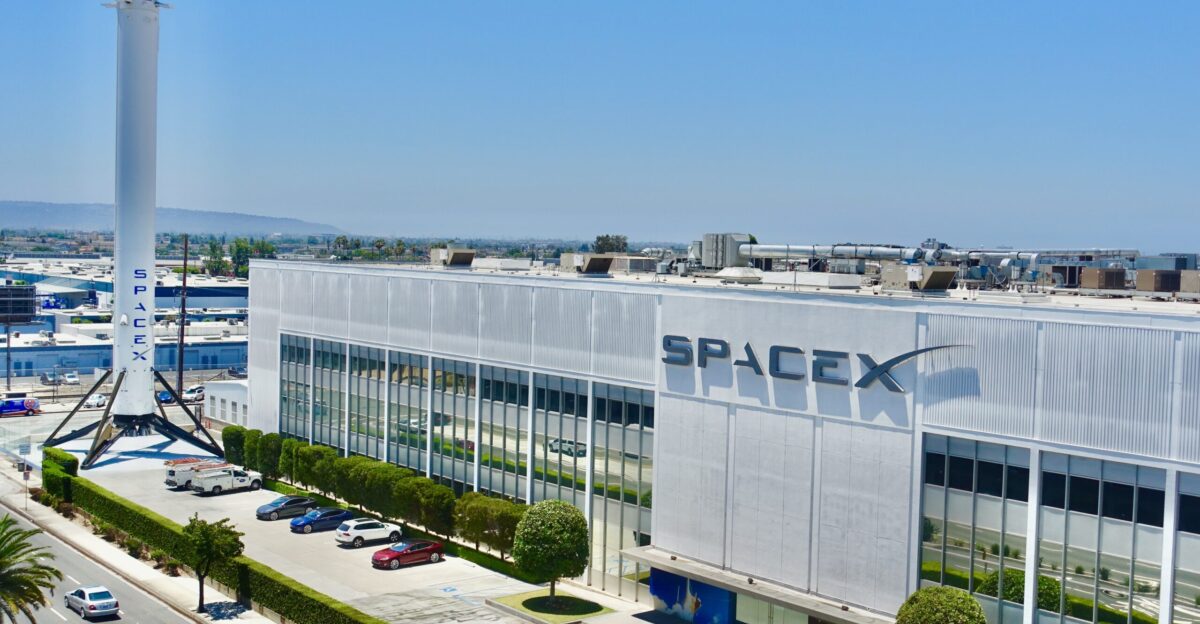
SpaceX maintains regulatory approval to deploy up to 12,000 Starlink satellites, with initial plans to expand beyond 30,000 total satellites. As of November 2025, over 10,000 satellites have been launched, with approximately 8,800 currently operational and functioning.
The company continues deploying additional satellites at rates exceeding 15,000 terminals produced daily.
Government Contracts and Financial Power

SpaceX holds approximately $22 billion in active government contracts as of 2024, making it the dominant aerospace contractor for U.S. national security operations. These contracts cover critical functions including NASA crew transportation to the International Space Station, Pentagon satellite launches, and intelligence agency operations.
Federal agencies, including NASA, the Department of Defense, and the National Reconnaissance Office, depend heavily on SpaceX for essential services.
Democratic Oversight and Conflict of Interest Concerns

Thirteen Democratic senators initiated investigations in May 2025 into whether Musk leveraged his White House advisory position to secure Starlink licensing agreements in foreign countries. The senators identified suspicious approvals in Vietnam, Bangladesh, India, Pakistan, and Lesotho—nations that had previously rejected Starlink entry.
The Federal Aviation Administration’s decision to implement Starlink for air traffic control systems sparked formal conflict-of-interest complaints with the Department of Transportation inspector general.
House Oversight Committee Raises Alarm

House Oversight Committee Democrats characterized the FAA-Starlink arrangement as “a troubling entanglement of politics and profit” that requires an immediate investigation. The committee questioned how Starlink achieved unforeseen advancements through government relationships while simultaneously holding federal contracts exceeding $22 billion.
Democratic lawmakers emphasized concerns that Musk’s personal interests could override public welfare considerations in critical infrastructure decisions.
Ukraine War Demonstrates Geopolitical Power

Starlink became essential infrastructure during Russia’s invasion of Ukraine, providing military communications, drone operations guidance, and civilian connectivity after conventional systems were destroyed. However, General Valeriy Zaluzhnyi, Ukraine’s Armed Forces commander, raised serious concerns with U.S. military officials about Starlink’s lack of regulation and accountability.
In September 2022, Musk allegedly ordered shutdown of Starlink coverage during Ukrainian counteroffensive operations near Kherson, disrupting military communications across 100 terminals simultaneously.
Musk’s Influence in International Affairs

Elon Musk activated Starlink coverage in Iran on June 14, 2025, with his tweet “The beams are on” signaling service activation to support communications during civil unrest. An estimated 20,000 Starlink terminals were reportedly operating in Iran following the activation.
This action demonstrated Musk’s unilateral capacity to influence internal affairs of sovereign nations without democratic oversight or international accountability mechanisms.
National Security Concerns Across Nations

India implemented stringent 29-point compliance requirements in May 2025 requiring Starlink to store all data domestically, provide lawful interception access, and localize at least 20 percent of ground infrastructure within five years.
The requirements reflect serious government concerns about data sovereignty and surveillance capabilities. Multiple nations including France, South Africa, and African Union member states have articulated concerns that satellite networks operating independently of national controls create ungoverned digital spaces within sovereign borders.
Data Sovereignty and Surveillance Challenges
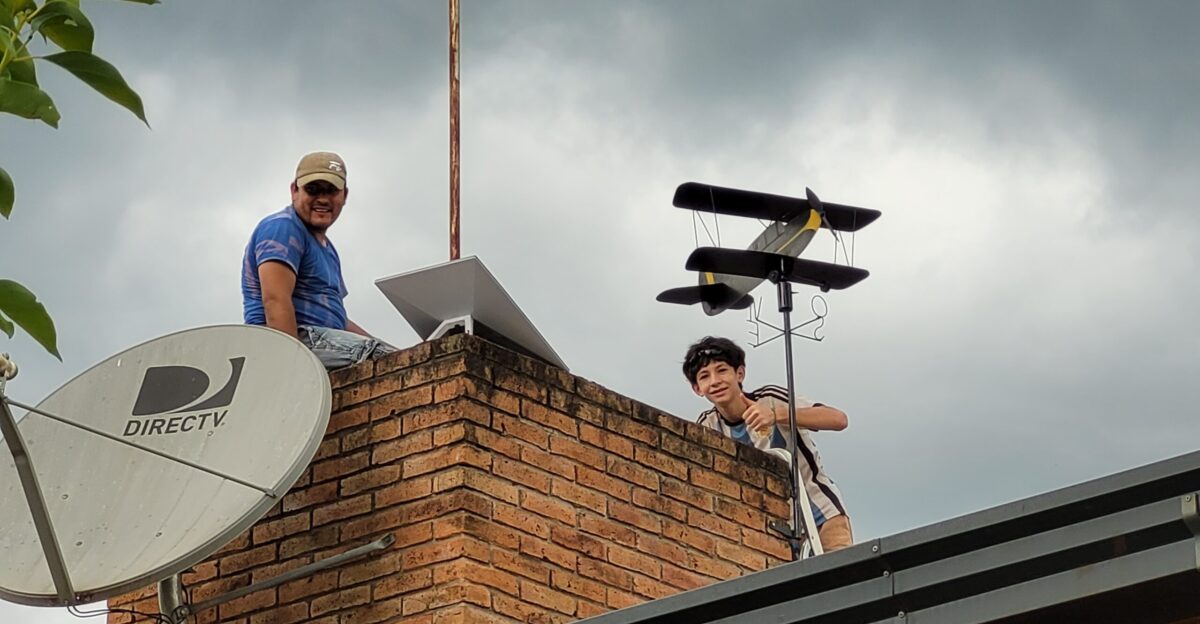
Starlink’s encrypted satellite infrastructure operates beyond effective government monitoring or interception capabilities unlike terrestrial internet service providers subject to lawful data requests. User data transmitted through Starlink typically bypasses local servers, routing via satellite to international gateways predominantly located in the United States.
This architecture creates significant data sovereignty gaps for nations attempting to protect citizen privacy and comply with data protection regulations.
South Africa’s Sovereignty Stance

South Africa has refused to license Starlink, citing national security threats, concerns about circumventing Black Economic Empowerment requirements, and implications for sovereignty. The country’s Economic Freedom Fighters party described Starlink as a threat to national security, local jobs, and South African sovereignty and independence.
Concerns emerged that without local data centers, partnerships, or meaningful accountability mechanisms, Starlink functions as an extractive enterprise.
African Union Cybersecurity Taskforce Warnings

The African Union’s Cybersecurity Taskforce warned that satellite-based communication networks can operate independently of national controls, creating ungoverned digital space within sovereign borders. This assessment reflects broader continental concerns about technology sovereignty and protection of national interests.
African nations recognize that accepting Starlink infrastructure without regulatory frameworks cedes control over communications to foreign private entities.
Regulatory Vacuum and Global Governance Gap

Starlink operates in a regulatory vacuum where no comprehensive international governance framework addresses satellite internet infrastructure. Elon Musk’s power exemplifies the dangers of concentrated control in unregulated domains, where there is little to no meaningful governmental oversight or accountability.
UK House of Lords members have expressed concerns that Musk’s current global influence enables unregulated access to critical infrastructure, affecting billions of people, without the constraints of democracy.
Environmental and Scientific Concerns Emerging

Scientists worldwide have raised significant concerns about the environmental and astronomical impacts of Starlink. A July 2025 study by Curtin University researchers, analyzing 76 million radio telescope images, found that Starlink satellites were interfering with up to 30 percent of astronomical observations in some datasets.
Researchers detected more than 112,000 radio emissions from 1,806 Starlink satellites, with 703 satellites emitting unintended signals at 150.8 MHz, a frequency specifically protected for radio astronomy.
Space Debris and Atmospheric Impact

The massive scale of Starlink’s constellation poses unprecedented risks to space debris. Current regulations indicate that Starlink is not violating rules; however, a June 2024 study in Geophysical Research Letters warned that mega-constellations reentering satellites could inject 21 times more aluminum oxide into the upper atmosphere than at 2022 levels.
In 2022 alone, reentering satellites caused a 29.5 percent increase in atmospheric aluminum above natural levels. Scientists warn that aluminum oxides can persist in the atmosphere for decades, potentially causing significant ozone depletion and triggering unpredictable climate consequences.
Starlink’s Expanding Geopolitical Leverage

Industry analysis from ARK Invest suggests Starlink could generate approximately $300 billion in annual revenue when the constellation reaches completion around 2035, representing roughly 15 percent of global communications expenditure.
This revenue projection illustrates Starlink’s trajectory toward becoming the world’s largest communications infrastructure, substantially exceeding traditional telecommunications corporations.
International Regulatory Framework Development

Multiple nations, including Tanzania, France, Vietnam, and Bangladesh, are developing new satellite licensing frameworks responding to Starlink’s expansion and acknowledging the regulatory vacuum. Countries recognize that current governance approaches cannot adequately address the implications of modern satellite internet for sovereignty, data protection, and national security.
Proposed frameworks emphasize local partnerships, data localization requirements, transparency obligations, and provisions for government access.
Congressional Calls for Comprehensive Legislation
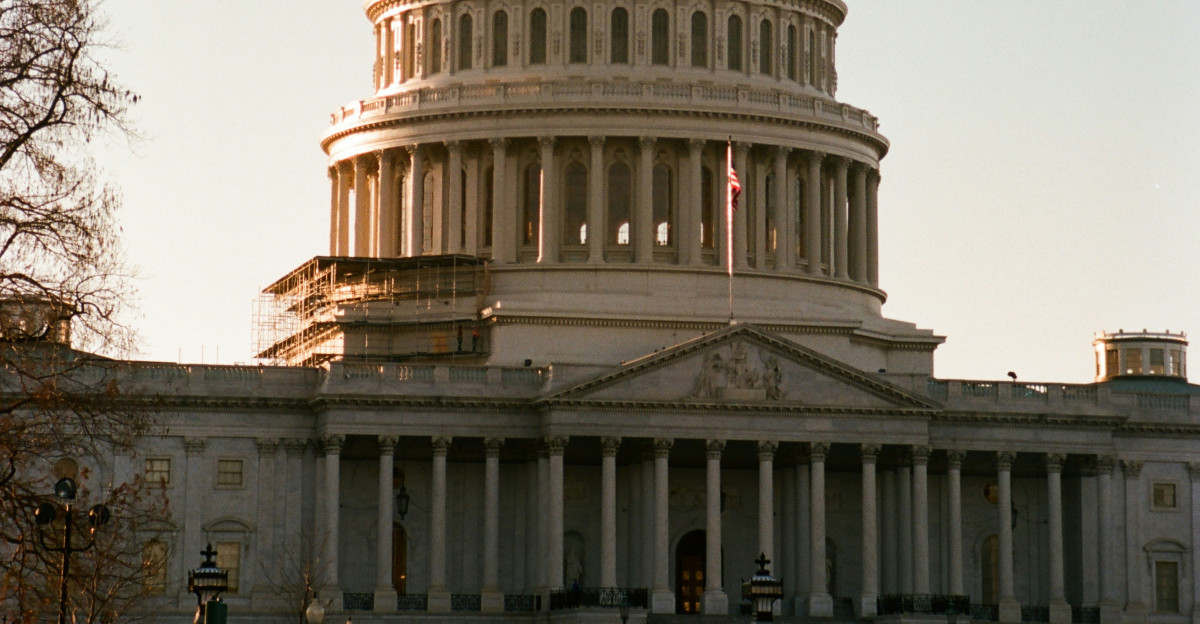
Democratic lawmakers are advocating for comprehensive legislation that establishes federal oversight mechanisms for private satellite infrastructure, which holds essential national security functions.
Proposed frameworks would require conflict-of-interest reviews, transparency in government contracting, and accountability provisions preventing unilateral service termination. Senators emphasized that public servants must prioritize American interests over personal financial gain.
Future of Communications Infrastructure Control

The central question facing democratic societies is whether comprehensive accountability mechanisms will be established before private control over critical communications becomes irreversible.
Experts emphasize that satellite internet infrastructure fundamentally differs from historical communications technologies, enabling unprecedented individual influence over global information flows.