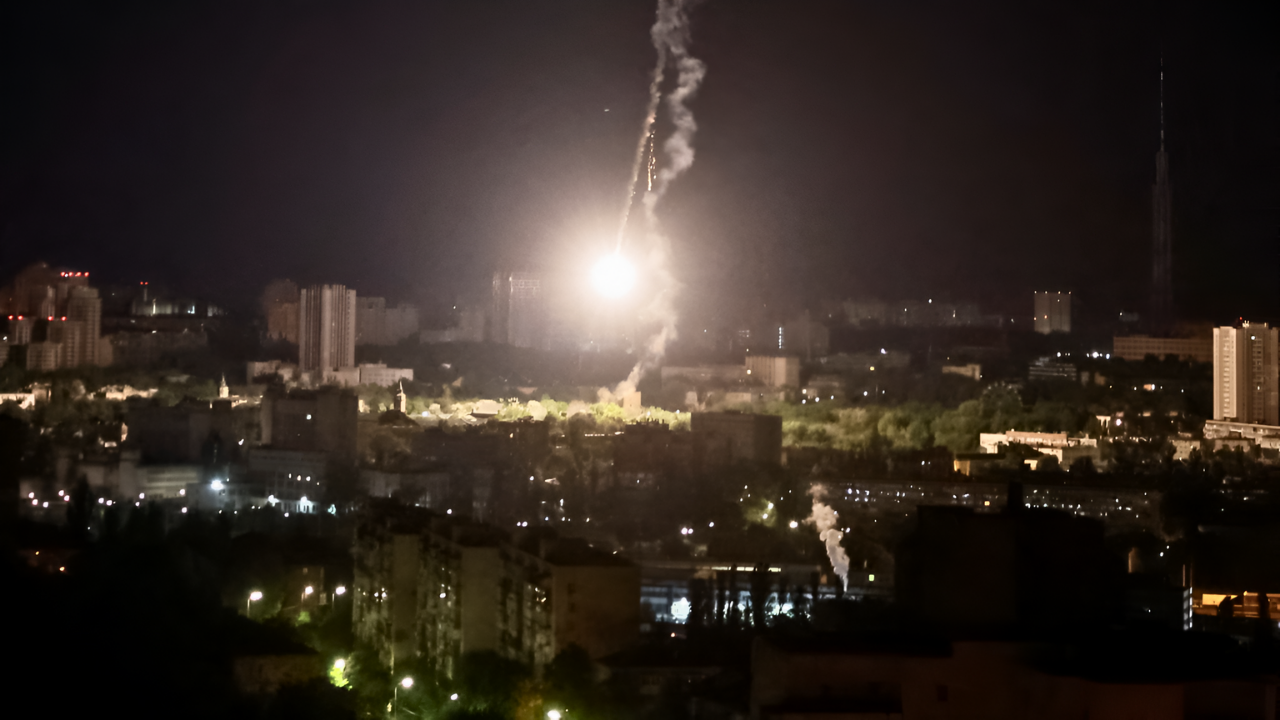
On May 16, 2023, the night sky over Kyiv became the stage for a significant moment in modern warfare. Ukraine’s air-defense crews, operating U.S.-supplied Patriot missile batteries, claimed to have intercepted Russian Kh-47M2 Kinzhal hypersonic missiles in a coordinated barrage. Ukraine’s Commander-in-Chief Valery Zaluzhnyi reported six Kinzhals among 18 total missiles intercepted that night. Russia’s Defense Ministry disputed this figure. This event was widely reported as contradicting Moscow’s claims that the Kinzhal was “unstoppable” and generated considerable discussion about missile defense capabilities globally.
Patriot Systems and Hypersonic Defense
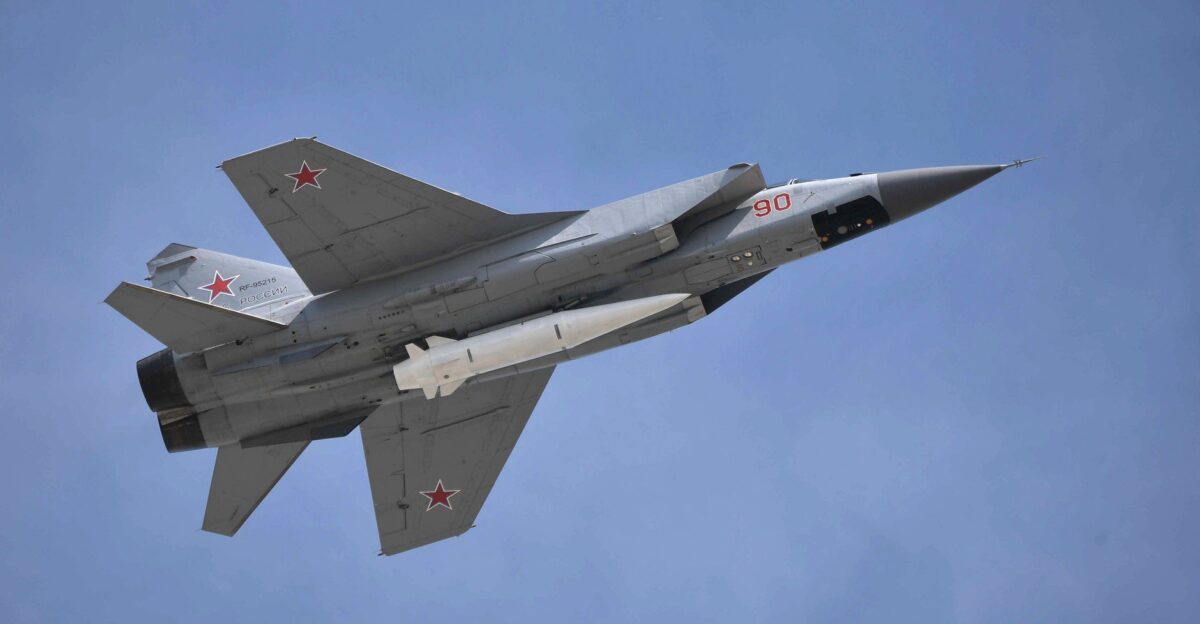
The reported interception of Kinzhal missiles marked among the first known combat instances of operational hypersonic weapons being intercepted. Pentagon officials confirmed that Ukraine’s Patriot batteries successfully engaged the Kinzhal on May 4, 2023, which marked the first verified combat intercept of a hypersonic missile by any air-defense system globally. For years, experts debated whether systems like the Patriot could counter missiles traveling at extremely high speeds. Ukrainian operators, employing advanced radar tracking, software upgrades, and coordinated launches, demonstrated that defense against hypersonic weapons was feasible with optimized technology and skilled personnel. This event challenged the widespread belief that hypersonic defense was nearly impossible.
Russia had promoted the Kinzhal as a next-generation weapon, claiming it could reach Mach 10-12 speeds and perform evasive maneuvers to avoid air defenses. However, Ukrainian Patriot operators reported observing speeds of approximately Mach 3.6 during actual combat engagements. By deploying the Kinzhal in Ukraine, Russia aimed to demonstrate technological superiority. However, the reported May 4 and May 16 interceptions prompted reassessment of the Kinzhal’s strategic value and Russia’s military credibility among analysts and defense strategists.
The Kinzhal’s Design and Ukraine’s Response
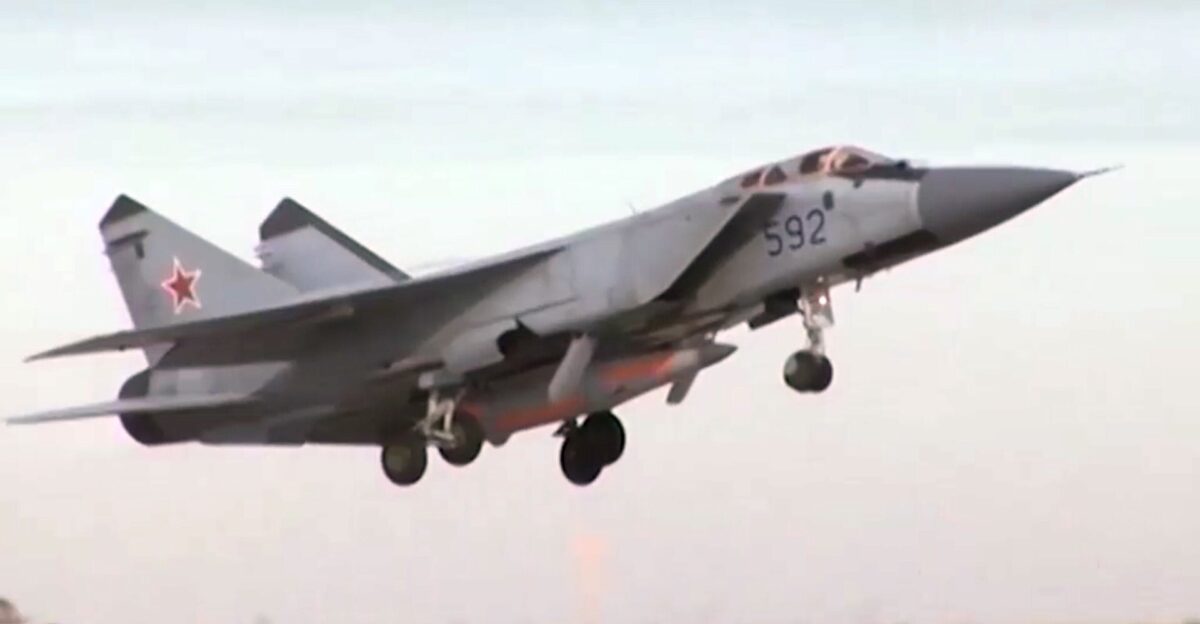
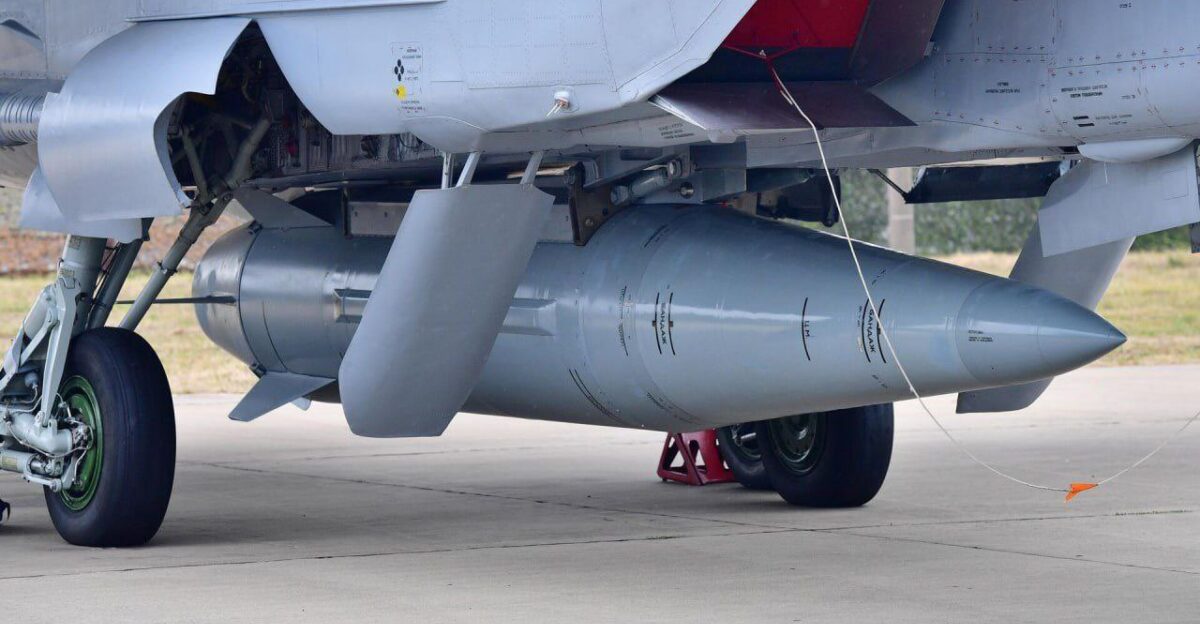
The Kinzhal is air-launched from MiG-31K aircraft and designed for rapid acceleration, high-altitude flight, and terminal-phase maneuvers. Russia claimed its speed and unpredictable trajectory made it impossible to intercept, with a reported range of approximately 2,000 km and capacity for conventional or nuclear warheads. The reported Patriot interceptions on May 4 and May 16 suggested that countering advanced hypersonic missiles was technically achievable, contrasting with earlier Russian claims of invulnerability.
For months preceding these May events, Kyiv endured frequent missile, drone, and ballistic attacks. The reported interceptions provided notable moments of demonstrated air-defense effectiveness. Air-defense crews confirmed engagement and successful outcomes, and residents reported increased confidence in the city’s defensive capabilities. Mental-health professionals have noted that functional air defenses can help reduce anxiety associated with sustained missile threats.
Western Technology and Global Implications
The Patriot system’s reported performance in Kyiv generated significant attention from NATO and defense analysts worldwide. Originally developed during the Cold War, the Patriot has undergone extensive modernization over decades. Military analysts emphasized that older platforms, when equipped with modern software and operated by skilled personnel, can remain effective against advanced weapons.
Following the May 2023 Kyiv operations, defense contractors including Raytheon reported increased interest in Patriot systems. NATO allies began accelerating procurement discussions, driven by the reported demonstration of hypersonic interception capability. The Patriot’s reported success led military planners to reconsider air-defense strategies and highlighted the importance of multi-layered defensive systems.
Strategic and Economic Impacts
In response to the interceptions, several NATO countries including Sweden, Norway, and Denmark moved to expedite air-defense deliveries to Ukraine, with defense packages valued at approximately $500 million collectively. This reflected growing recognition that advanced air-defense capabilities are considered necessary for modern defense strategies.
The reported event increased demand for Patriot systems and related interceptor missiles, affecting manufacturing capacity and supply chains. Raytheon and its subcontractors faced extended order queues and rising production costs, while some nations expressed concerns about affordability and delivery timelines. Nevertheless, defense analysts projected sustained demand for advanced air-defense systems as militaries adapted to evolving threats.
Civilian and Psychological Effects

Kyiv’s daily economy and civilian life experienced measurable changes following the May 2023 air-defense successes. Residents reported reduced anxiety during air-raid alerts and expressed greater confidence in remaining within the city. Public-health officials noted that functional air-defense systems can help stabilize urban conditions by reducing stress from ongoing threats.
Extended missile campaigns create measurable psychological impacts including heightened anxiety and chronic stress. Following the reported successful interceptions in May 2023, mental-health professionals observed improved community sentiment. Effective air-defense systems reduce perceived vulnerability, demonstrating a documented connection between defense capability and civilian psychological resilience in conflict zones.
Looking Ahead: Hypersonic Defense
The May 4 and May 16, 2023 events in Kyiv marked significant moments in missile warfare, with reported successful interceptions suggesting that hypersonic missiles can be countered by advanced, well-coordinated air-defense systems. This development is likely to drive further investments in radar systems, missile interceptor development, and international defense cooperation. For Ukraine, these events underscore the strategic importance of continued Western military support. For the global defense community, they signal an evolving phase in defense against advanced missile threats and reinforce the strategic importance of layered air-defense infrastructure.
Sources:
Pentagon Official Statement on May 4, 2023 Kinzhal Intercept; U.S. Department of Defense confirmation (May 9, 2023 Patrick S. Ryder statement)
Reuters/CNN Coverage May 16, 2023 Kyiv Kinzhal Interceptions; Valery Zaluzhnyi Ukrainian Armed Forces Commander official statements
CSIS Missile Threat Database – MIM-104 Patriot System Development & Technical Specifications; Patriot Cold War origin (1961 concept, 1976-1980 development)
PBS NewsHour / Ukrainian Air Force Commander Mykola Oleshchuk Official Statement (May 4-5, 2023); Kh-47M2 Kinzhal Technical Specifications and operational deployment records