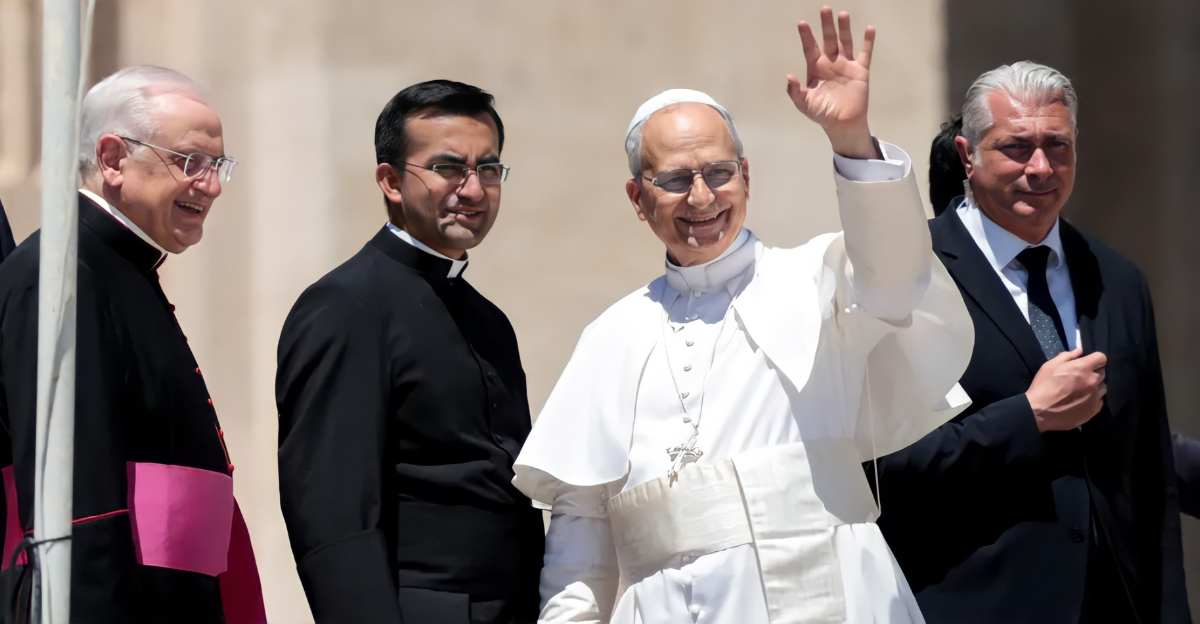
A significant turning point in Vatican history was reached when Pope Leo XIV decided to defy centuries-old custom and move into the renovated Apostolic Palace residence with four close aides. Leo embraces communal living that is consistent with his Augustinian values, in contrast to Pope Francis, who turned down the papal apartment in favor of a modest guesthouse.
In a historically hierarchical organization, this choice represents a dramatic shift toward communal living and a sense of community. By highlighting cooperation, openness, and humility at the pinnacle of Catholicism, the action challenges long-standing conventions of papal solitude. The Augustinian emphasis on communal life as a spiritual discipline reflects values that leadership experts associate with shared responsibility and collaborative governance.
The Historical Background of the Papal Houses
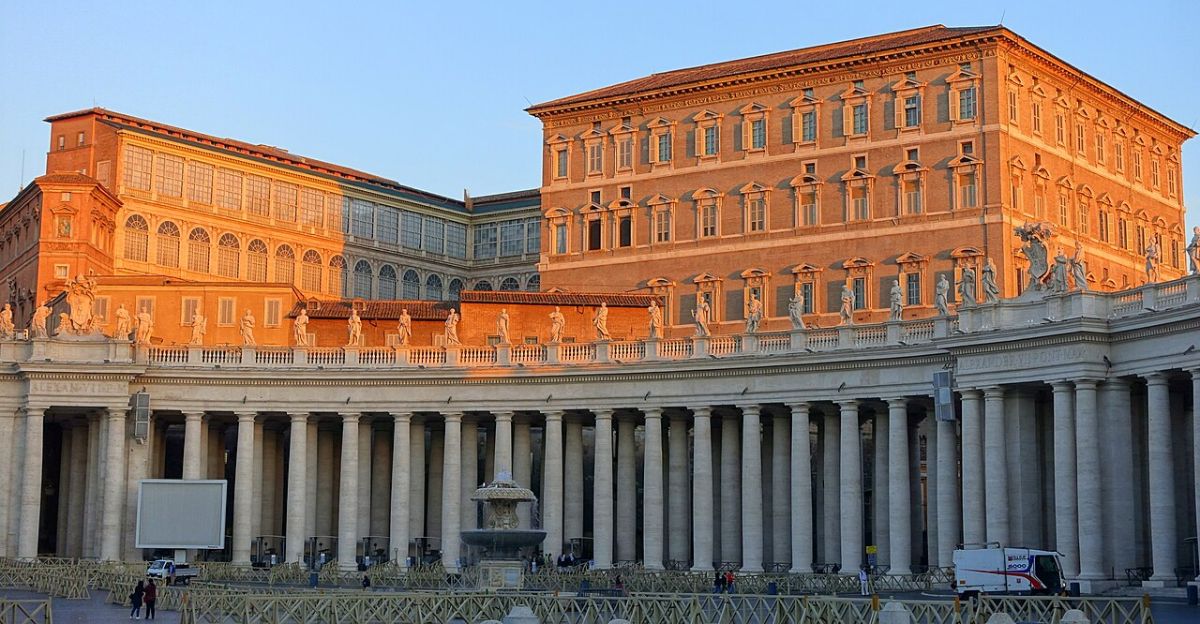
The Apostolic Palace has served as both the literal and symbolic seat of papal authority for centuries. It has been the official residence since 1870, where popes are housed in a stately seclusion that upholds authority and solemnity. In order to highlight the sanctity and uniqueness of their position, previous popes frequently lived alone or with few close assistants.
By living in the modest Vatican guesthouse known as the Domus Sanctae Marthae, Pope Francis broke this stereotype and signaled a move toward humility and approachability. Pope Leo XIV’s visit to the Apostolic Palace with his friends is a creative adaptation as well as a return to the building’s historic grandeur. Leo’s communal living, which reinstates shared spiritual and administrative life, evokes the communal life of early monastic communities and religious orders rather than retreating into traditional solitude.
The Psychological Foundations of Collaborative Leadership
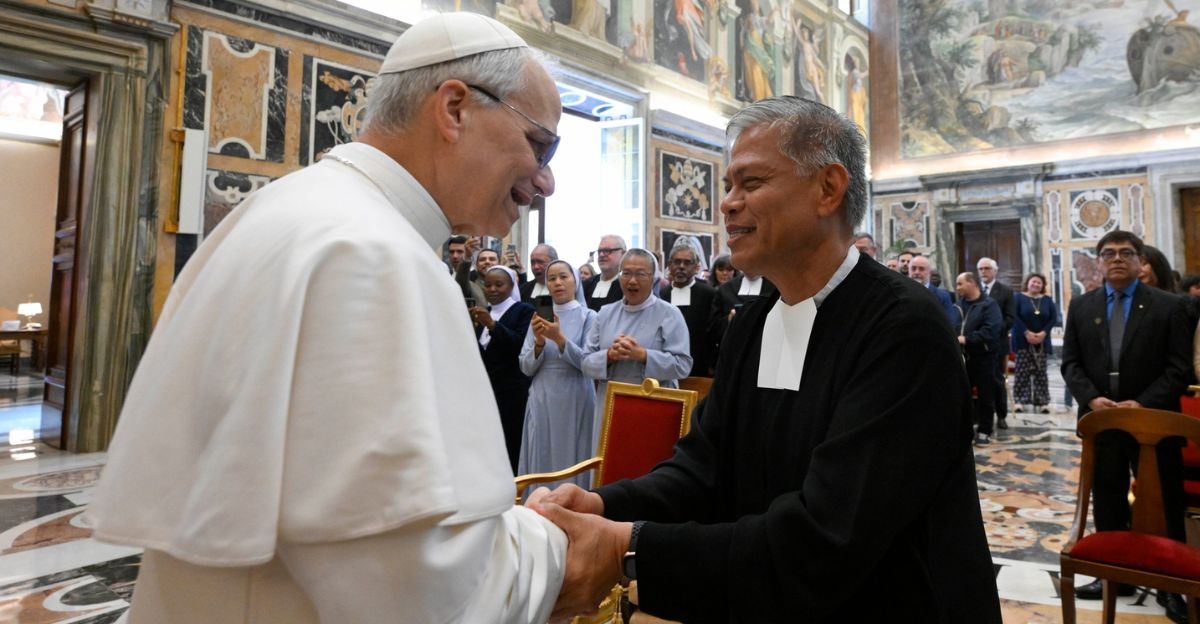
Leadership research suggests that assigning responsibilities to dependable team members can promote cooperation, psychological security, and organizational resilience. Leaders who live with important assistants may reduce psychological distance, potentially allowing for more direct decision-making and real-time advice.
By creating a micro-community within the papal residence, Pope Leo’s decision reflects his Augustinian values of communal life. Such closeness to trusted assistants could offer practical benefits for a pope who manages enormous administrative and spiritual demands, while his choice primarily reflects the Augustinian tradition of living in community as a spiritual discipline.
A Tension in Strategy
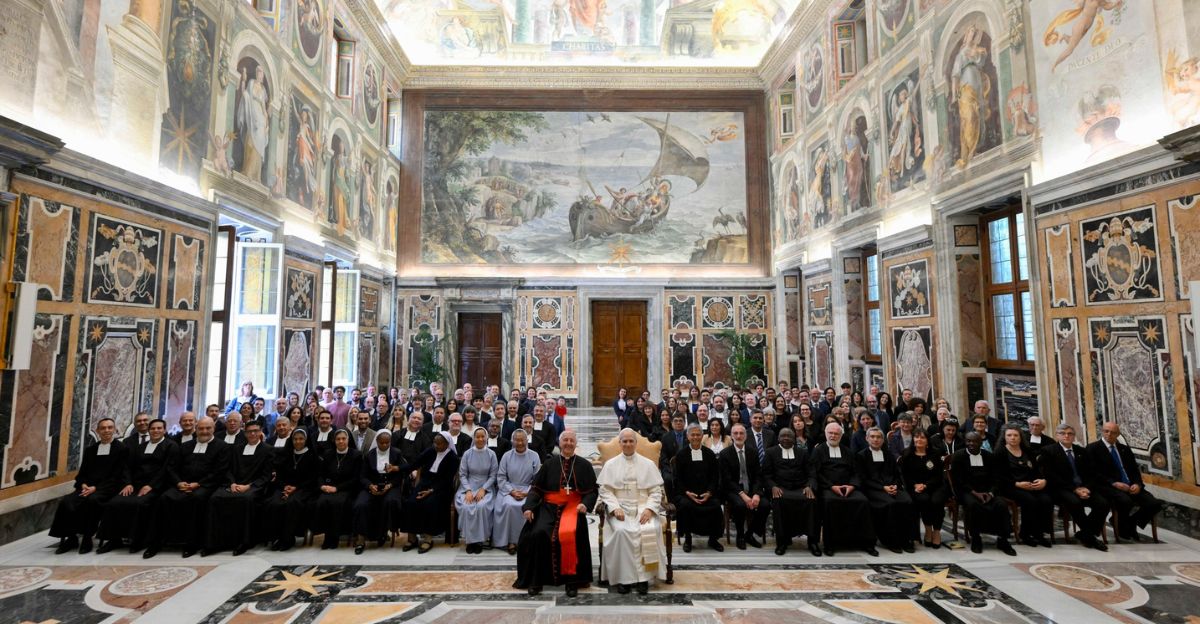
Pope Leo’s move represents a balance between upholding the dignity of the papal office and embracing his Augustinian commitment to communal living. The papacy uses symbolism and ritual to communicate spiritual authority, while Leo’s communal residence departs from recent practices of papal seclusion.
His decision reflects what observers might call “humble authority”—maintaining the respect of his office while living according to his religious order’s values. This approach echoes broader discussions in institutional leadership about balancing tradition with necessary adaptation. Leo’s residence choice demonstrates how a pope can remain accessible to close advisers while maintaining the respect and authority of his position.
Augustinian Community Ethos’s Influence
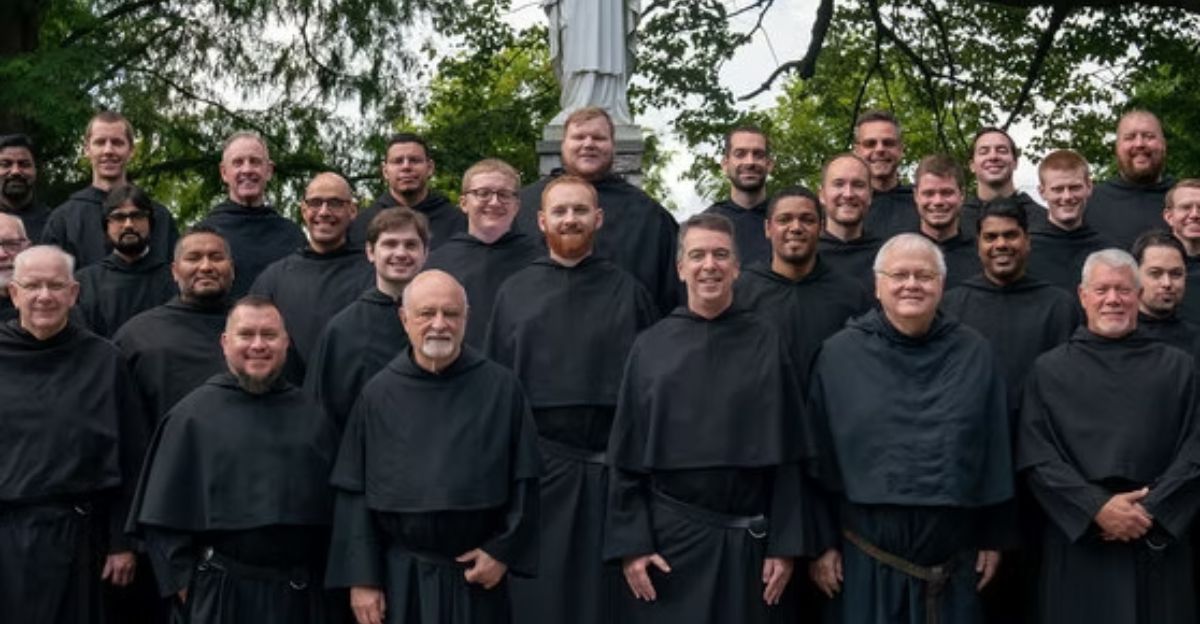
Leo’s decision is heavily influenced by his Augustinian heritage. The Augustinians place a strong emphasis on communal living as a spiritual discipline, viewing it as a means of achieving humility and unity through sharing leadership duties and life. Leo exemplifies these principles by cohabitating with his assistants, demonstrating a type of group stewardship as opposed to individual authority.
This is a reflection of his previous life as the leader of an Augustinian community, where living together was commonplace. By making leadership relational and ongoing rather than isolated and episodic, such a community ethos enhances it and provides a tangible example of the collaborative nature of faith leadership. It stands in stark contrast to the decisions made by recent popes and is consistent with the Catholic Church’s larger appeal for shared governance and synodality.
Benefits of Shared Housing in Practice
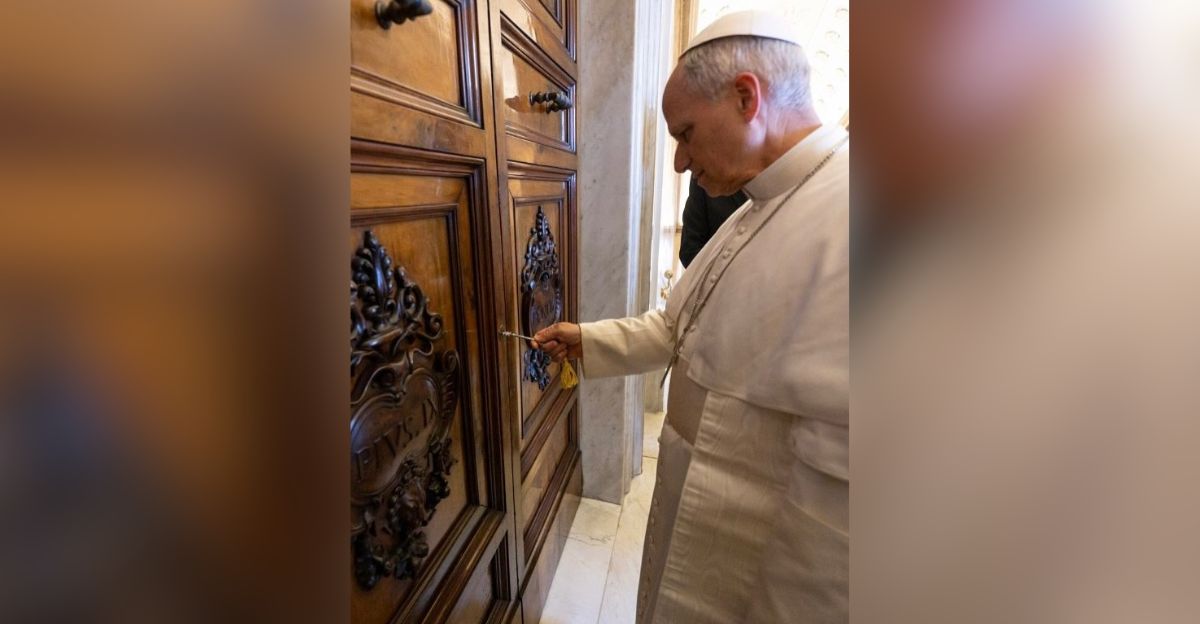
From a practical standpoint, Pope Leo’s shared residence may facilitate communication and coordination. The pope and his four companions—including his personal secretary Father Edgard Rimaycuna—will be housed in the refurbished ten-room Apostolic Palace suite.
This arrangement reflects the Augustinian practice of communal living, which differs from Pope Francis’s choice to live alone in the Vatican guesthouse. The proximity of trusted advisers could enable more immediate consultation and support. By living alongside his Augustinian brothers, Pope Leo maintains the communal lifestyle characteristic of his religious order, bringing this tradition into the papal residence.
A Symbolic Call to the Clergy and Faithful
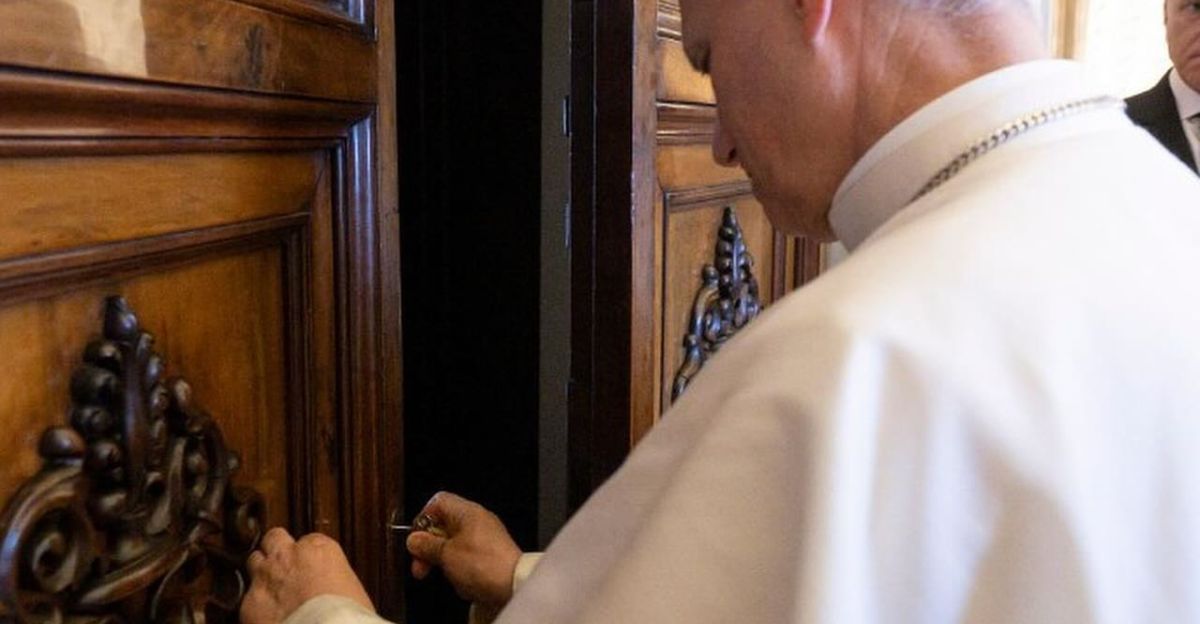
Leo’s selection sends a strong symbolic message that the highest office in the Church is open, accessible, and humble. He implicitly recognizes leadership as service rooted in community rather than hierarchy alone by rejecting solitary grandeur in favor of a more collective living model.
This suggests that pastoral care extends both inward and outward, which is relevant in a Church that is grappling with internal divisions and calls for reform. By encouraging the faithful to see the pope as a member of a team rather than a distant ruler, the move may help rebuild trust and encourage greater involvement from both clergy and laypeople. It replaces unilateral control with relational stewardship as the new definition of papal power.
Pope Francis, in comparison to Pope Leo
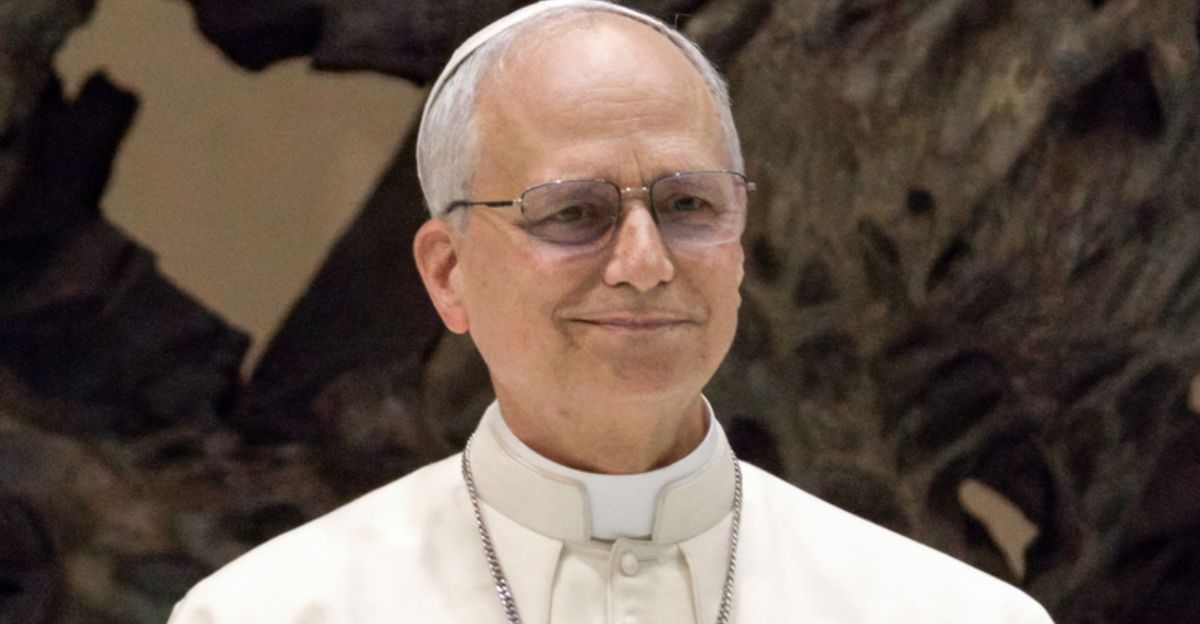
Pope Francis is a sharp contrast that works well together. Leo stresses communal humility by living with aides, whereas Francis’s simplicity prioritized personal humility through modest living. Leo’s decision highlights a traditional center reimagined as a collaborative hub, while Francis’s decision to live in the guesthouse strengthened his relationships with regular clergy and guests.
Both show solutions to contemporary issues, but Leo’s shared housing offers a fresh institutional framework that expands leadership flexibility and shared accountability, allaying some of the complaints regarding Francis’s occasionally one-sided reform strategy. Collectively, these popes show how the Church’s leadership styles have changed over time.
Obstacles and Remarks
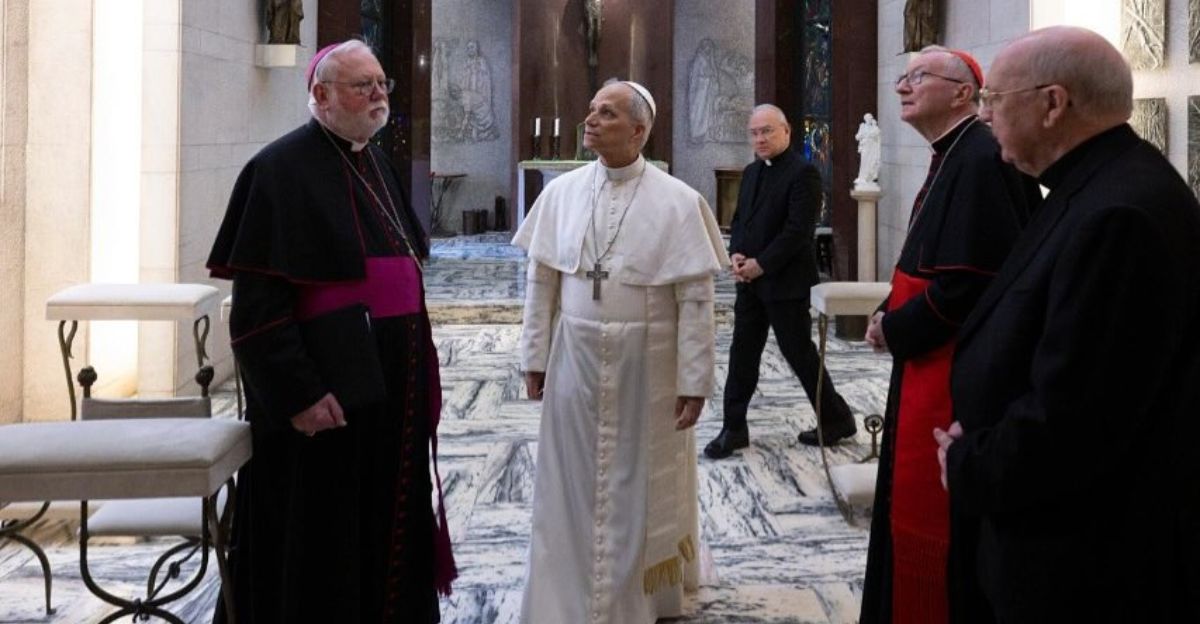
Reactions to Leo’s shared residence have been mixed; some welcome the move as a return to communal spiritual values, while others express concerns about privacy, security, and possible role conflicts in the shared area. Close quarters may blur professional boundaries or allow aides to exert undue influence, according to critics.
If not handled carefully, shared leadership can occasionally lead to role overload or rivalry among several leaders, which could result in inefficiency or conflict. Concerns regarding the erosion of tradition or the alienation of conservatives are also raised by the decision’s unprecedented nature. However, these risks can be reduced by combining transparency with well-defined governance standards, and the audacious decision might be used as a test case for modernizing church leadership.
Consequences for Vatican Governance
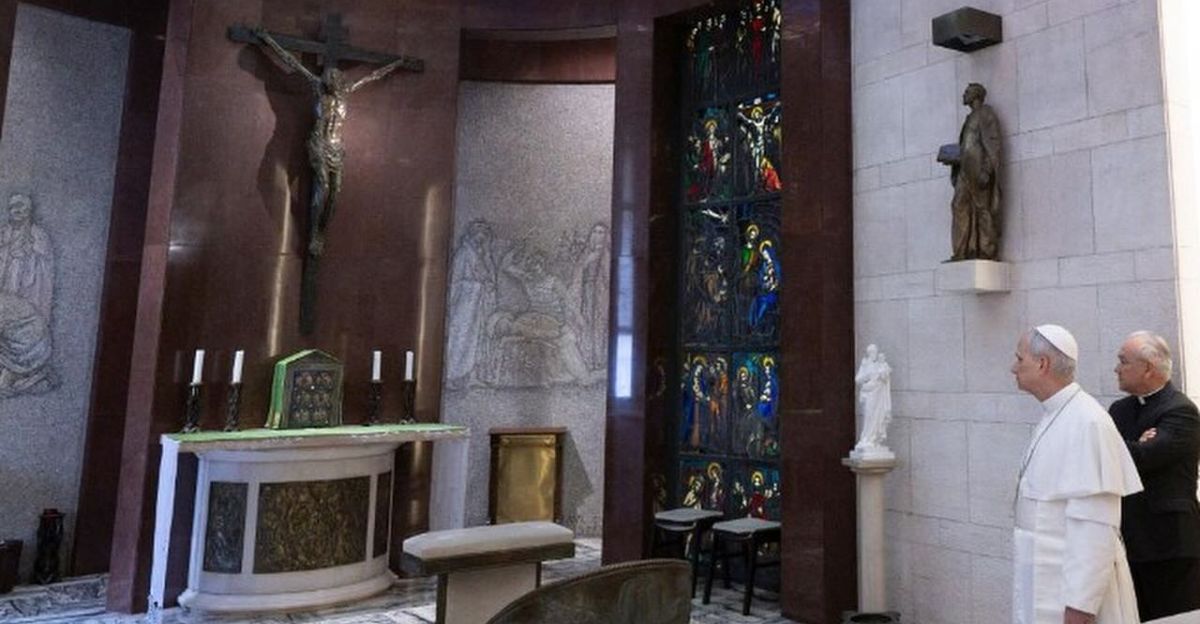
Pope Leo improves Vatican governance through instantaneous cooperation and shared decision-making by incorporating aides into everyday residential life. Because of their close proximity, the pontiff and team are able to communicate continuously, which minimizes the bureaucratic delays that are typical of hierarchical organizations.
It might encourage a flatter organizational culture at the Curia, which would be consistent with more general demands for openness and change. By restoring camaraderie and respect for one another, such embedded leadership could boost morale within the Curia, which suffered under Pope Francis’s unilateral reforms. Leo’s residence strategy, which streamlines governance while upholding papal authority, is the beginning of institutional renewal.
Leading-Edge Leadership Trends Driving the Transition
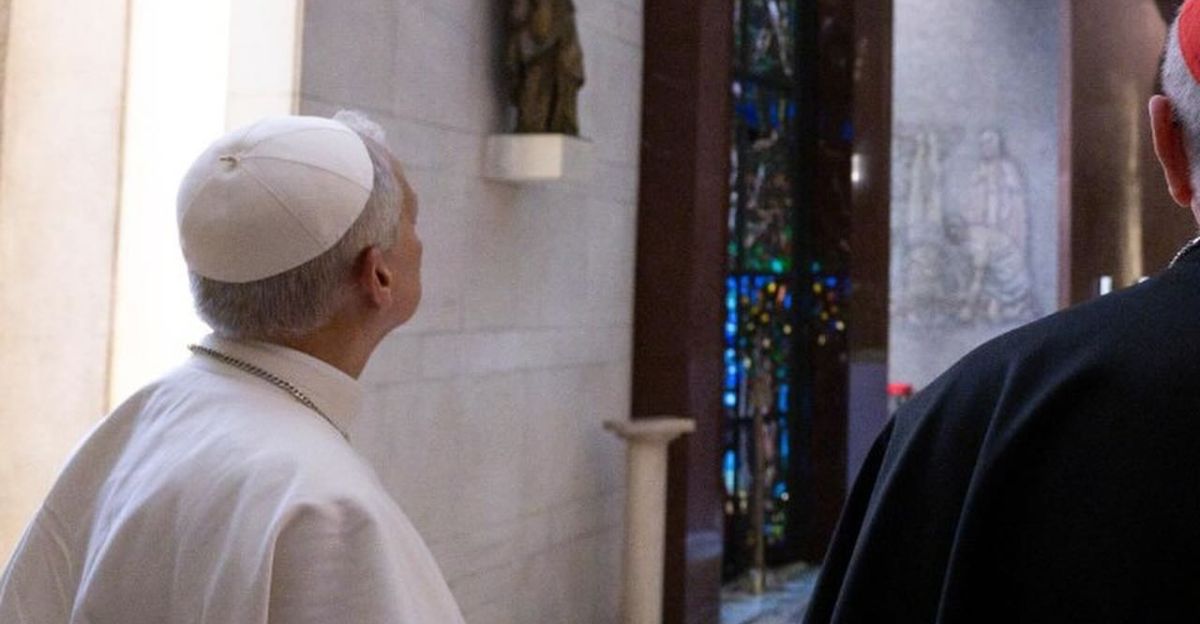
The choice reflects contemporary discussions about cooperative and inclusive leadership. Modern leaders often seek to balance authority with accessibility, and many organizations have explored team-based models. Pope Leo’s shared living arrangement—rooted in his Augustinian order’s centuries-old tradition of communal life—resonates with these broader conversations about collaborative governance.
His decision demonstrates how ancient religious practices can align with contemporary values of humility and shared responsibility. By bringing the Augustinian communal model into the papal residence, Leo maintains his order’s spiritual traditions while serving as pope.
Insights from Models of Secular Shared Leadership
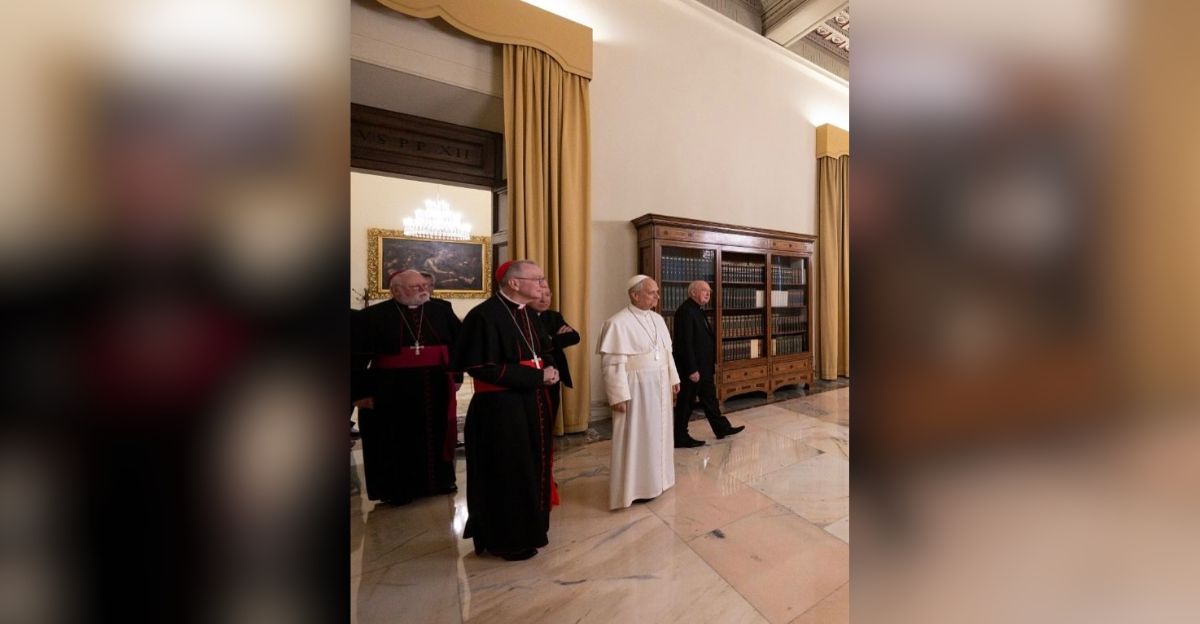
Leadership studies emphasize that daily interpersonal interaction can foster trust and collaboration. Pope Leo’s choice to live communally with his Augustinian companions reflects this principle, rooted in his order’s spiritual tradition rather than secular management theory.
Communal residence naturally enables ongoing dialogue, mutual support, and shared perspective—elements valued both in religious communities and organizational settings. Pope Leo’s decision brings the proven Augustinian model of communal spiritual life into the papal residence, creating an environment for daily fraternal support within the Vatican’s historic walls.
Early Examples of Shared Leadership in the Church
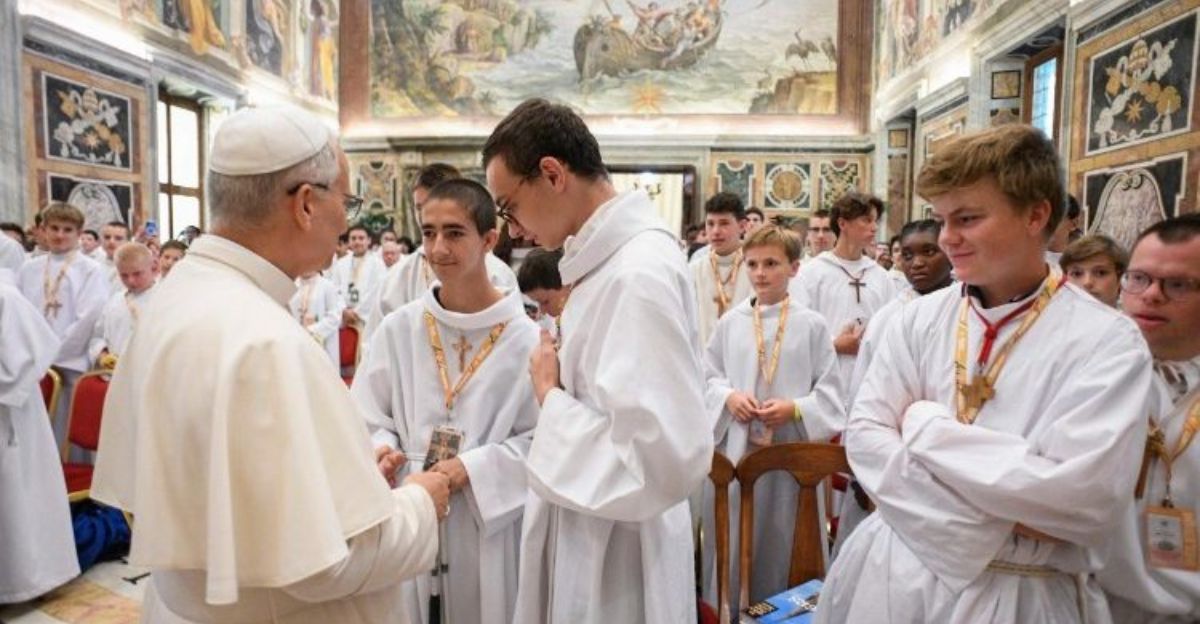
In the history of Christianity, shared leadership is not new. According to the New Testament, the early Church appointed several leaders to divide up the responsibilities of ministry, as evidenced by the choice of seven deacons to support apostles in Acts 6.
The letters of the apostle Paul emphasize the importance of plural leadership in efficient governance. Leo’s communal lifestyle, which embodies group spiritual stewardship, is a modern-day application of this biblical idea. This view places his choice in the context of the Church’s history, combining tradition and scripture to promote responsible, successful leadership that can adapt to a range of demands. Leo creates a link between traditional spiritual knowledge and contemporary organizational theory by bringing this practice back.
The Significance of Closeness in Successful Leadership
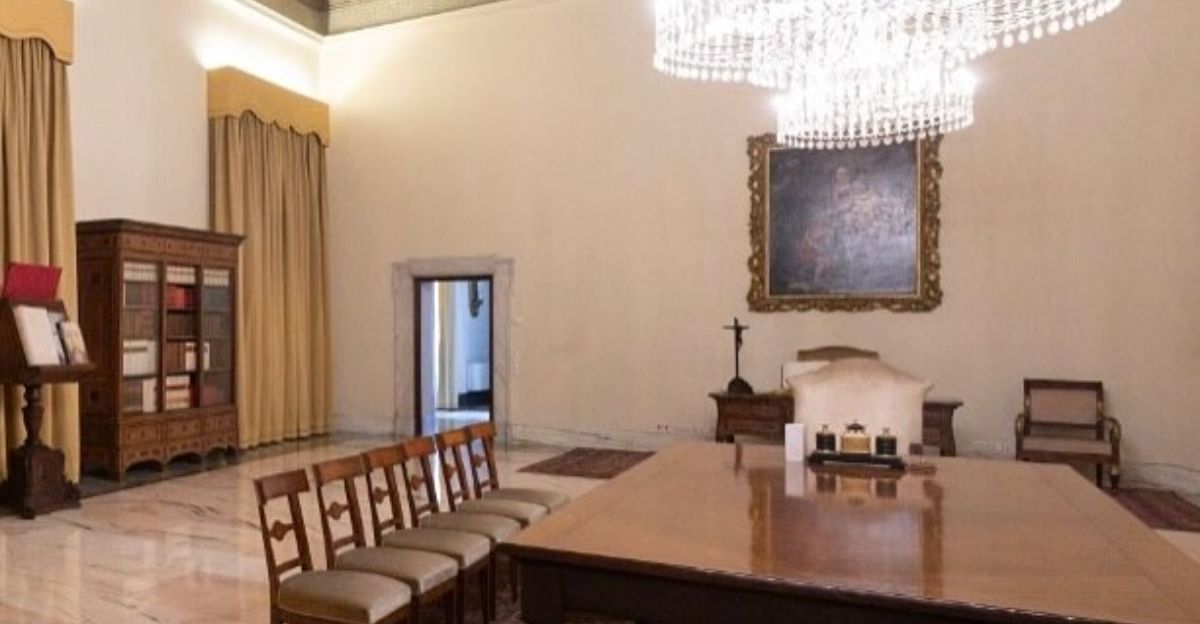
Leaders who are physically near their teams are more likely to build trust, focus, and goal commitment, according to psychological research. This closeness is heightened by Pope Leo’s shared residence, which may increase aides’ involvement, supervision, and emotional connection to papal responsibilities. While avoiding the dangers of over-involvement, balanced closeness reduces the alienation that is frequently experienced in top-down hierarchies.
This closeness enables casual but continuous communication, similar to “hug therapy,” which Vatican insiders say helped restore equilibrium following Francis’s reforms. Therefore, in this context, physical and psychological intimacy go beyond aesthetics and serve as a tactical instrument for relational governance. By facilitating quick feedback loops, this closeness also speeds up learning and adaptation.
Effects of the Second Order on Church Unity
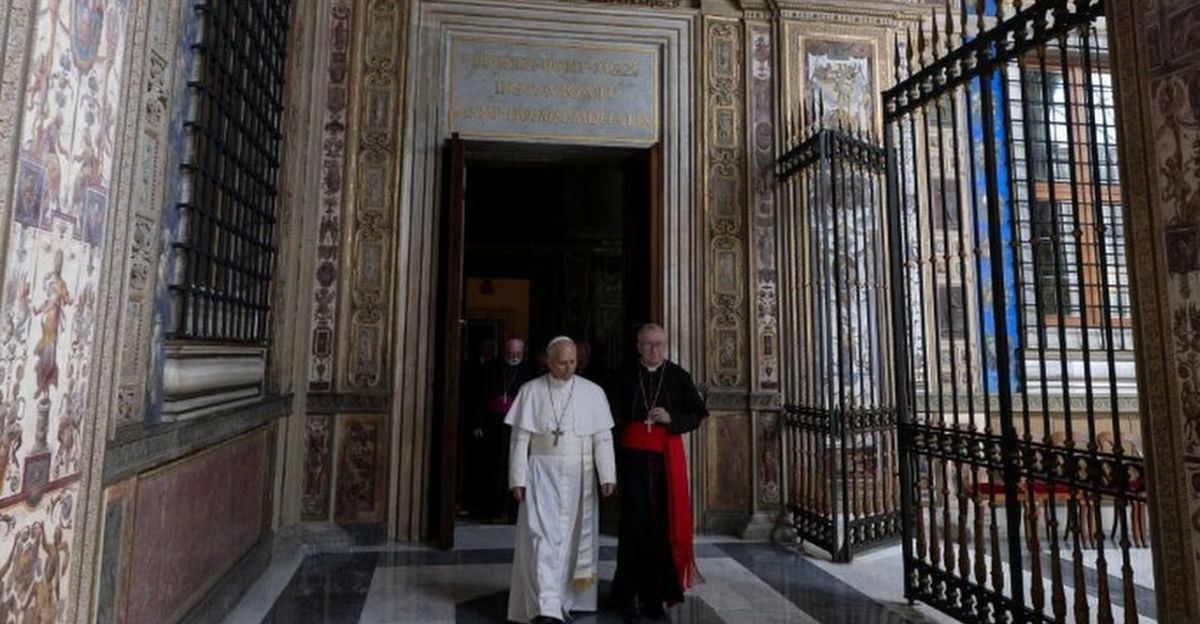
By exemplifying shared leadership and collective care, Pope Leo’s unprecedented residence could promote a more cohesive Catholic Church. It opposes the factions and power struggles that threaten the Curia by indicating an openness to cooperation. Leo demonstrates inclusivity and mutual responsibility by living with important aides in public.
This could encourage greater ecclesial participation and lessen institutional polarization. This action might inspire other church leaders to take on more open and consultative leadership roles, which would have a cascading effect of bolstering the Church’s moral authority and internal unity in a divisive religious environment. The ongoing synodal process and reform initiatives within the Church’s governance may benefit from these effects.
Possible Impact on Leadership Culture Outside of the Vatican
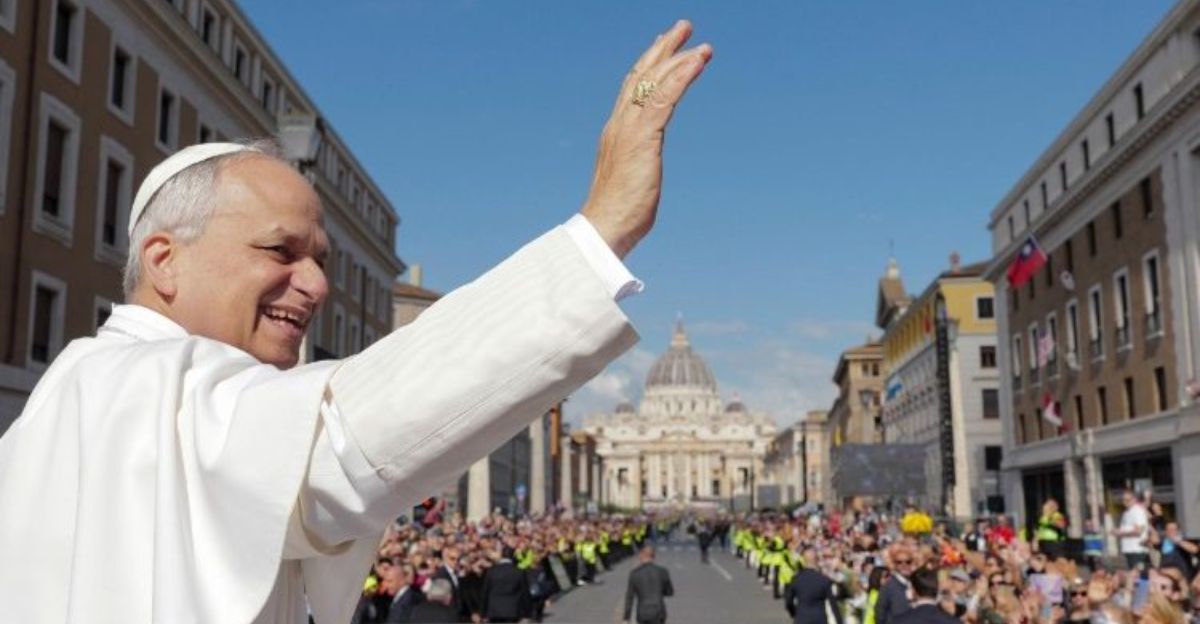
Pope Leo’s communal living model may influence how other religious communities and organizations view leadership. By living according to his Augustinian order’s communal values while serving as pope, he demonstrates that even the highest church office can embrace this ancient tradition.
Religious communities might see this as an example of maintaining communal practices in leadership positions. His choice challenges assumptions about solitary leadership by showing how communal living—a practice with deep roots in Christian monasticism and religious orders—can be brought into the papal residence.
Implications for Media and Technology
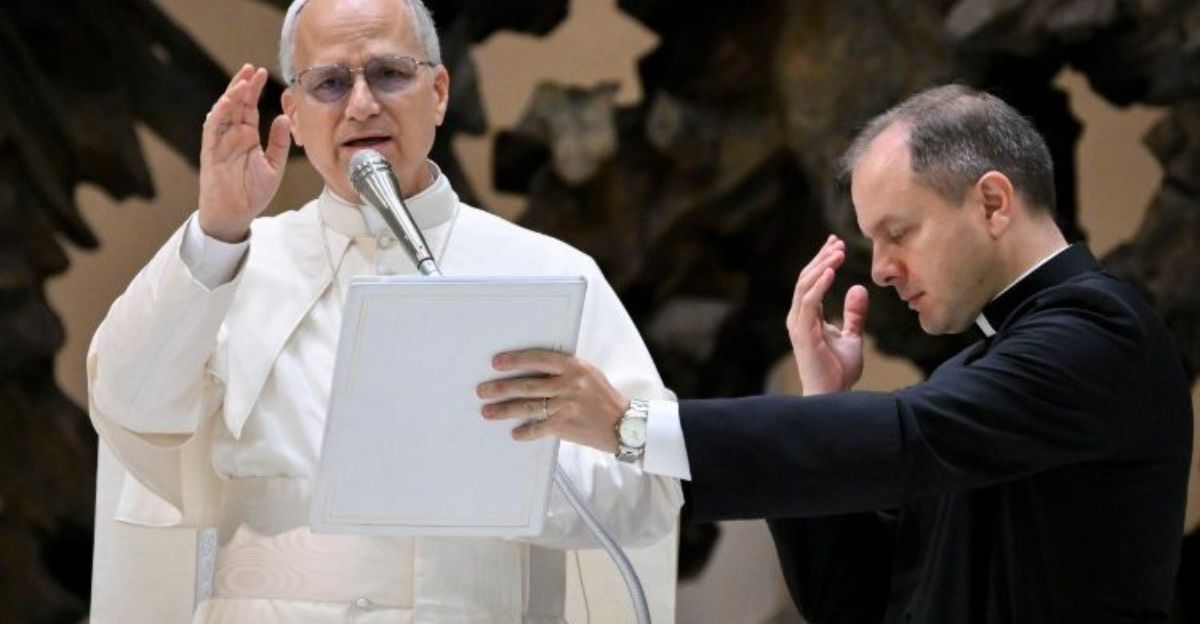
The pope’s shared residence may resonate with contemporary audiences who value accessible leadership. Communal living presents an image of humility and collegiality, contrasting with traditional images of papal solitude.
This approach aligns with Pope Leo’s Augustinian background and his working-class Chicago roots, both of which emphasize community over hierarchy. The arrangement reflects his personal values and religious formation rather than a calculated media strategy, though it naturally communicates approachability to modern audiences.
Theological Thoughts on Humility in Leadership
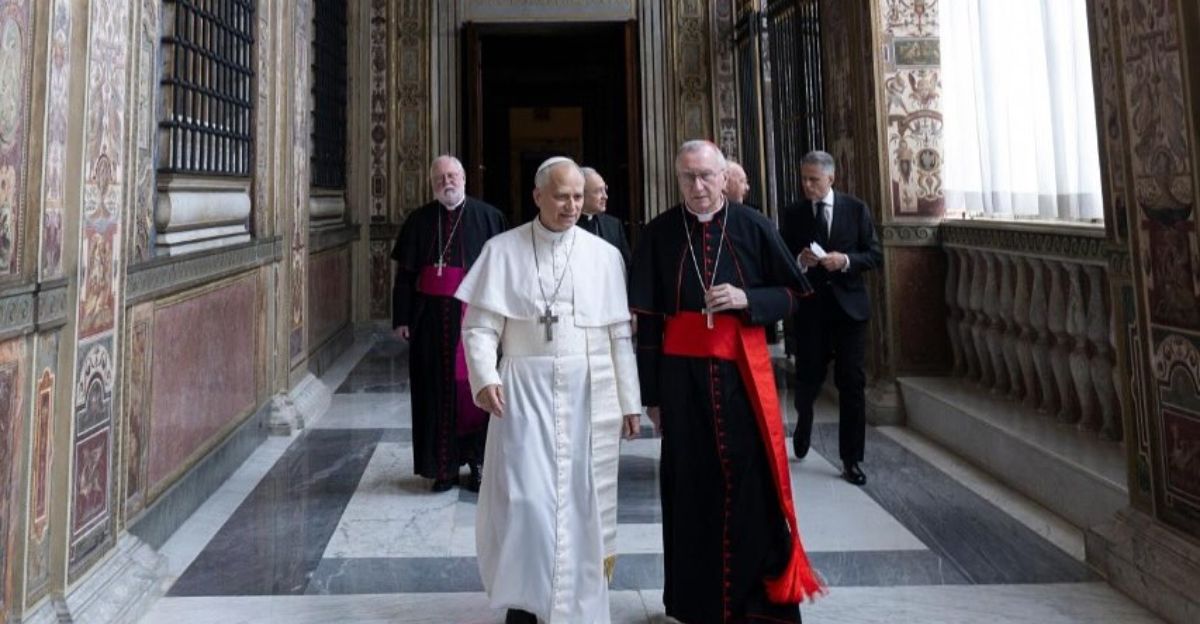
Theological ideas of kenosis and self-emptying humility exemplified by Christ are strongly reflected in Leo’s decision. The pope exemplifies servant leadership by prioritizing relationships over positional authority, by living with aides. Within the highest office of the Church, this act symbolizes prophetic witness to community and mutual dependence, going beyond simple pragmatism.
It moves away from a monarchical model and toward an incarnational one, encouraging contemplation of humility as a fundamental papal virtue that shapes the mission and identity of the Church. The significance of Leo’s choice is expanded beyond practical considerations to include spiritual rejuvenation thanks to this theological framework. It also pushes other religious leaders to reevaluate their authority models in light of shared burdens and humility.
Potential Hazards and Countermeasures
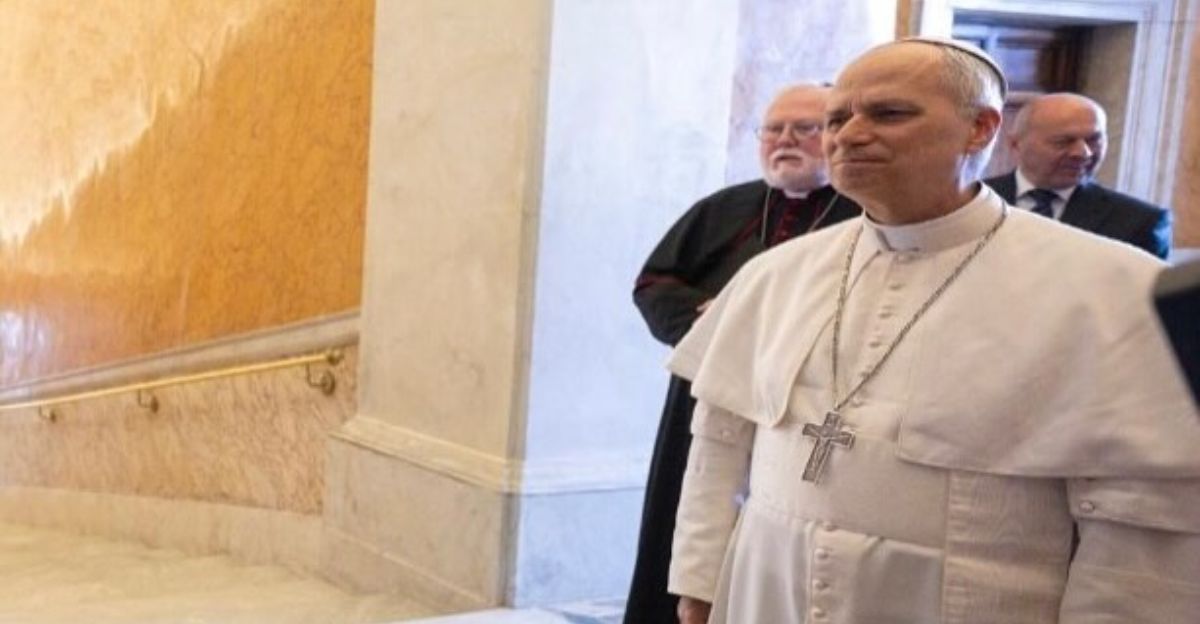
As with any living arrangement, communal papal residence presents both opportunities and challenges. Questions have been raised about privacy, role clarity, and the potential influence of those living closest to the pope. However, communal living has been practiced successfully by Augustinian communities for centuries, suggesting these challenges can be managed.
Pope Leo brings extensive experience leading Augustinian communities, which may help him navigate any complexities that arise. The arrangement represents an unprecedented experiment in modern papal living, and its long-term success will depend on how well it balances communal values with the unique demands of papal governance.
In Conclusion
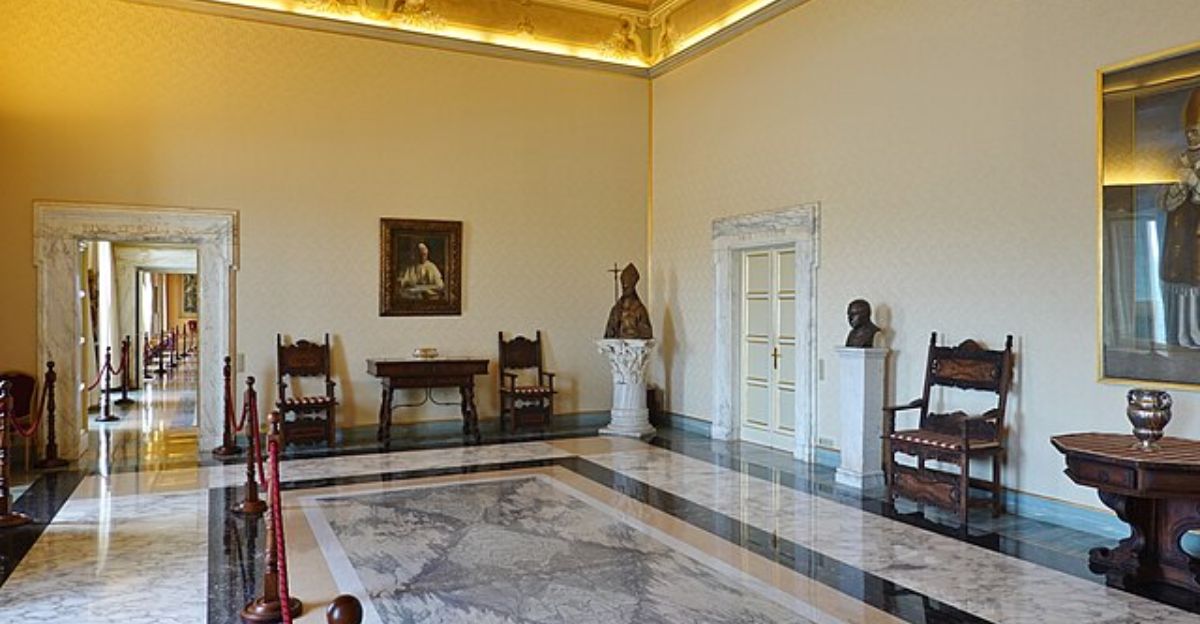
Pope Leo XIV’s choice to live in the Apostolic Palace with four aides is a daring and revolutionary change in papal governance. This decision reinterprets papal authority as cooperative, modest, and approachable, drawing on the Augustinian community ethos, contemporary leadership science, and historical precedents.
It improves governance, psychological fortitude, and Church unity by carefully striking a balance between tradition and innovation. Although there are risks, they can be reduced with careful management, making Leo’s decision a trailblazing example of modern organizational and spiritual leadership.