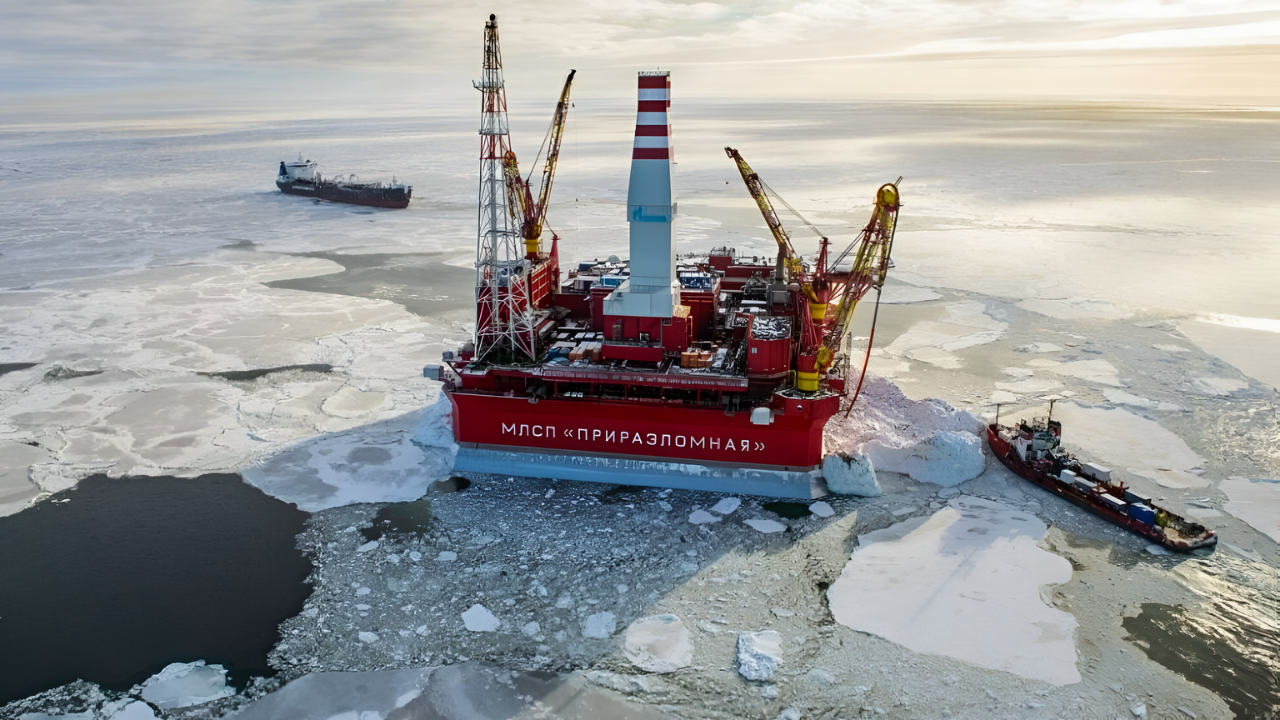
Antarctica, often perceived as a remote and inhospitable wilderness, conceals immense resources beneath its ice-covered surface: an estimated 511 billion barrels of fossil fuel. Recent seismic surveys have sparked debates among geopoliticians, economists, and environmentalists alike.
The British Antarctic Territory, which hosts a significant portion of these reserves, is at the center of scrutiny as British lawmakers assess the robustness of the 1959 Antarctic Treaty. This treaty, designed to safeguard the continent from exploitation, now faces challenges under economic pressures driven by global energy demands. With various nations eyeing this untapped wealth, the stage is set for potential conflict.
Geopolitical Chess: The Arctic and Antarctic
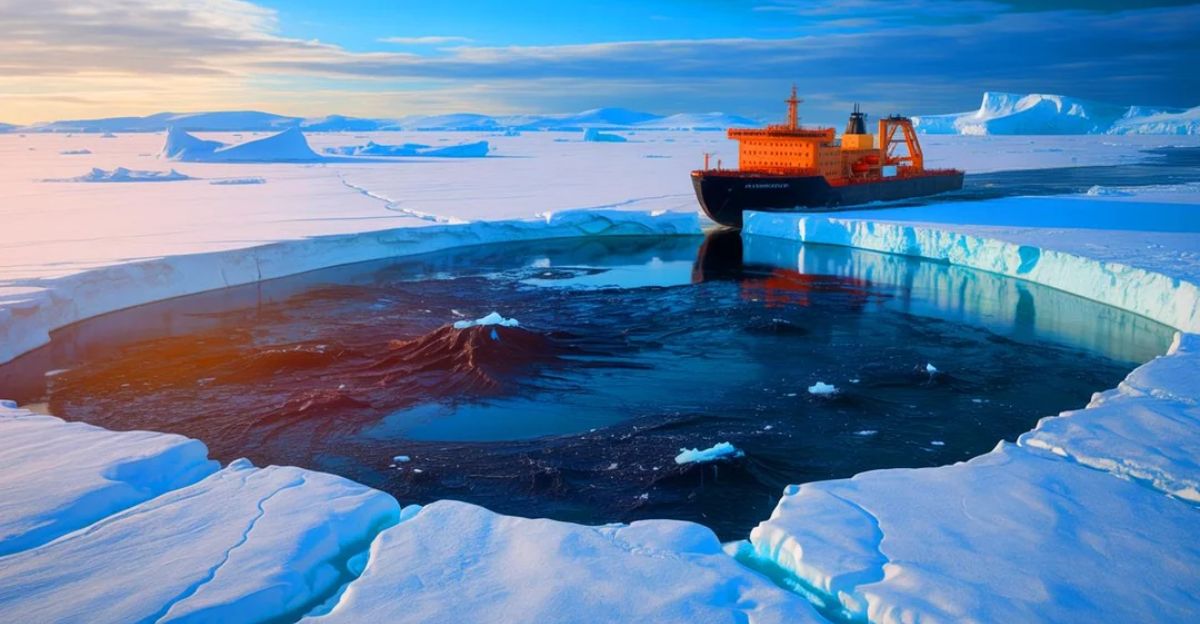
Strategic interests in Antarctica have intensified, with superpowers like Russia and China asserting their presence. In 2022, an unprecedented alliance between these nations blocked proposals for expanding marine protected areas, causing alarm among conservationists and Western governments.
This geopolitical maneuvering comes against the backdrop of Russia’s sanctions due to its actions in Ukraine, fueling its desire for alternative power leverage in resource-rich areas. The convergence of energy security and environmental commitments creates tension in polar governance, raising questions about the future of cooperation in these fragile ecosystems, which have long been reserved for scientific discovery.
The Enduring Antarctic Treaty

Established in 1959, the Antarctic Treaty represented a groundbreaking commitment by 54 nations, including major powers such as the US, Russia, and China, to dedicate the continent solely to peaceful scientific research. The 1991 Madrid Protocol further solidified this commitment by instituting an indefinite ban on mining.
Despite the lack of enforcement mechanisms reliant on voluntary adherence, the treaty has withstood numerous global challenges over the decades. However, experts warn that the upcoming potential for resource extraction could severely test its integrity. This delicate balance between scientific integrity and national interests faces unprecedented scrutiny amid evolving geopolitical dynamics.
Seismic Surveys: A Veil of Scientific Inquiry
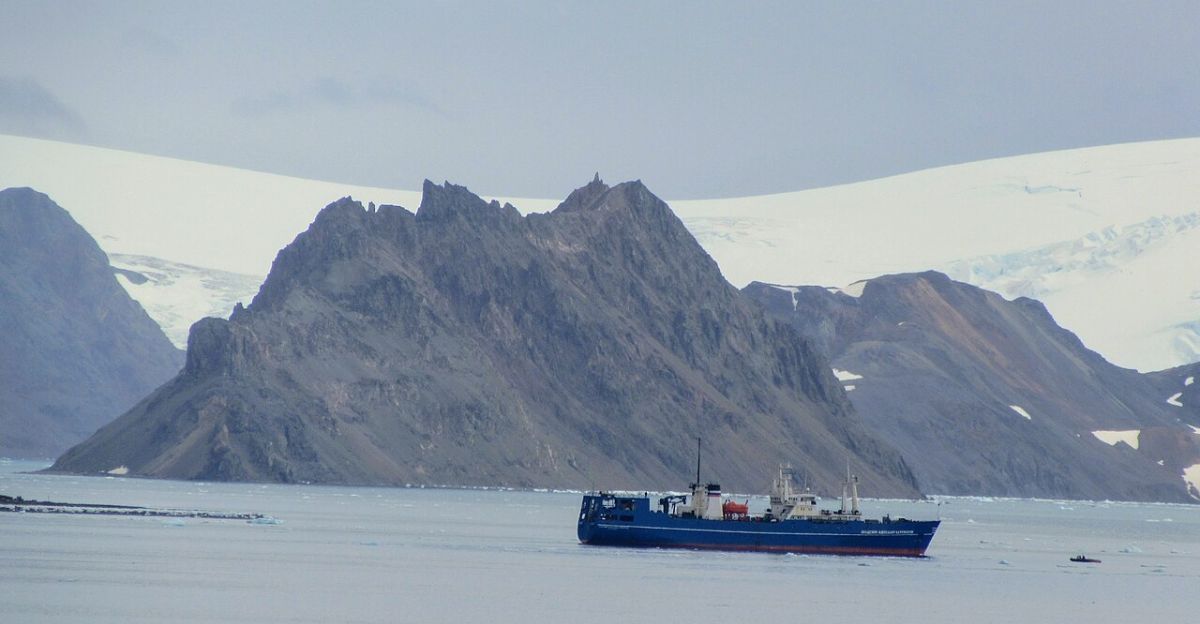
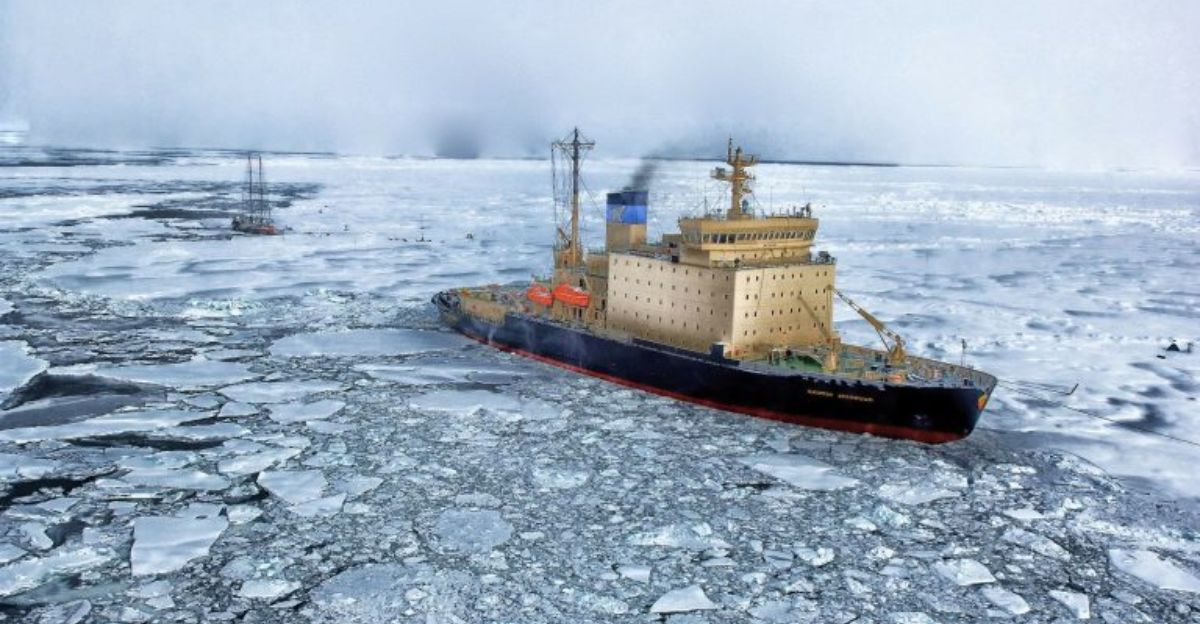
Since 2011, the Russian state geological company Rosgeo has been conducting seismic surveys in Antarctic waters, cloaking resource prospecting under the guise of scientific research. Utilizing the research vessel Akademik Alexander Karpinsky, these efforts aim to map the region’s subsurface geology.
While permitted by the Antarctic Treaty, this practice blurs boundaries between legitimate research and covert exploration for resources. Klaus Dodds, a geography professor at Royal Holloway College, cautioned that these activities may be “a precursor for forthcoming resource extraction,” highlighting the growing tension between scientific integrity and geopolitical ambitions in Antarctic waters.
The Discovery: 511 Billion Barrels Beneath the Ice
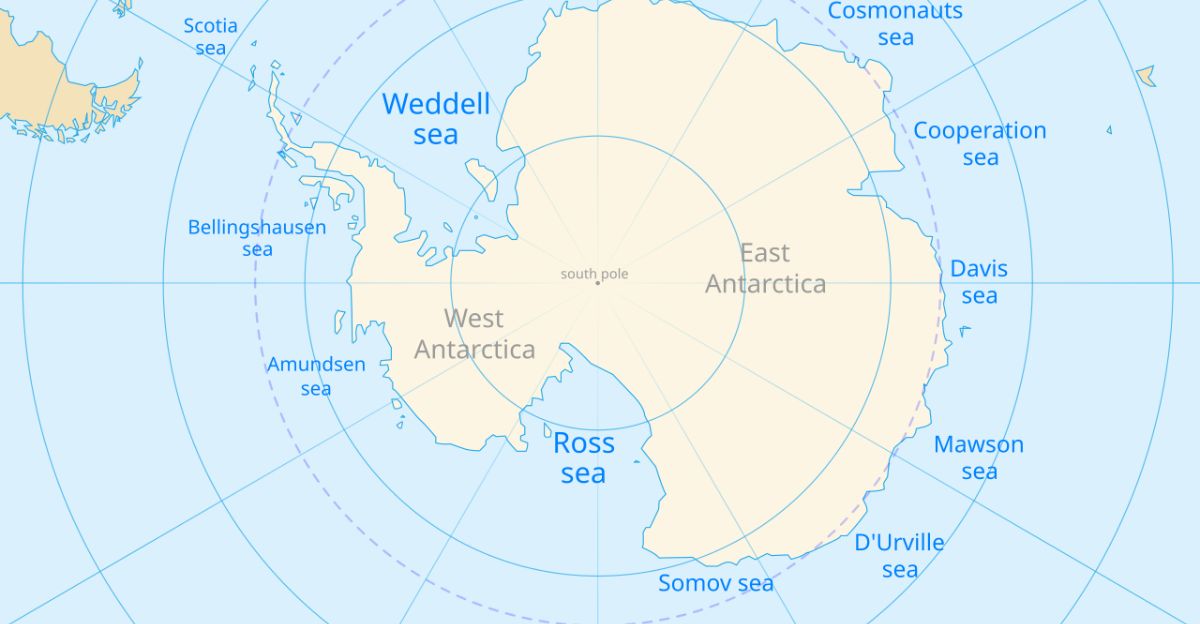
In February 2020, Rosgeo publicly announced a significant discovery: approximately 70 billion metric tons of petroleum resources lie beneath Antarctica’s sedimentary basins, equivalent to roughly 511 billion barrels of oil and gas. This monumental discovery positions the Weddell Sea as one of the world’s largest petroleum provinces, exceeding Saudi Arabia’s reserves by nearly 90%.
Although located within the British Antarctic Territory, international law, as outlined in the Madrid Protocol, prohibits the extraction of resources. The stakes are high, with nations weighing economic benefits against moral and environmental responsibilities. Each barrel fuels escalating tensions among the seven countries with overlapping territorial claims.
Territorial Implications: A New Era of Claims
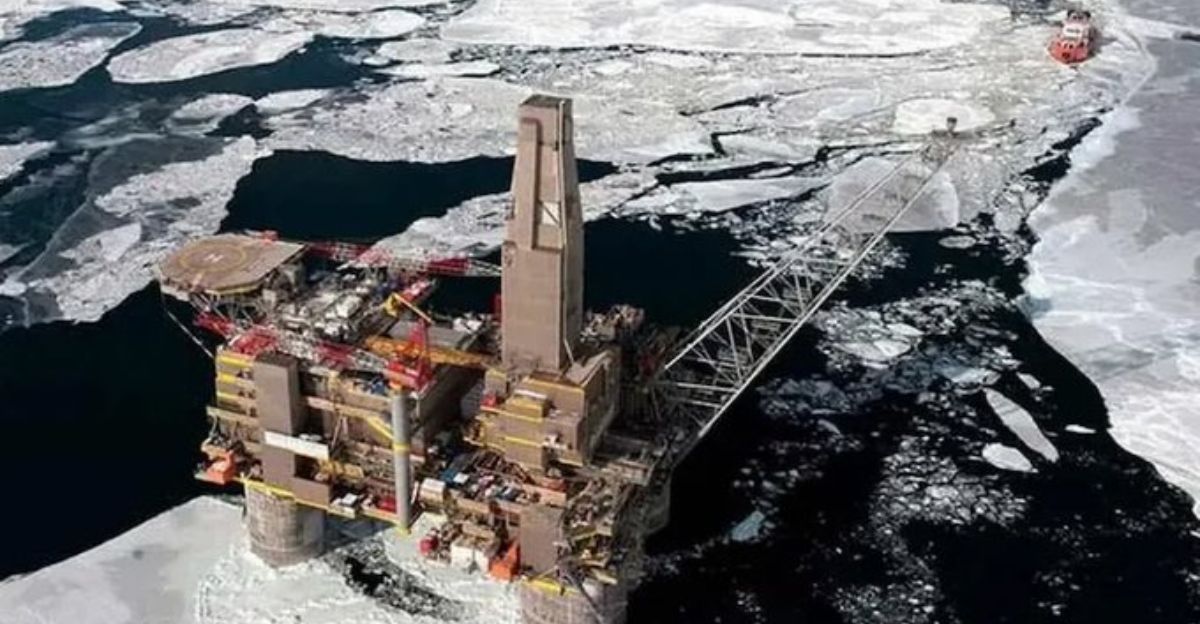
The revelation of extensive oil reserves has significant implications for the seven nations with territorial aspirations in Antarctica: Argentina, Australia, Chile, France, New Zealand, Norway, and the United Kingdom. Domestic pressures to secure energy independence and economic benefits from the potential exploitation of these resources are mounting.
Argentina and Chile, in particular, view Antarctic resources as a long-term solution to their financial challenges according to geopolitical analysis from regional policy experts. Meanwhile, environmental factions in nations like New Zealand are intensifying their opposition to mining, creating a complex landscape of competing interests that could reshape regional territorial dynamics.
The Global Oil Consumption Context
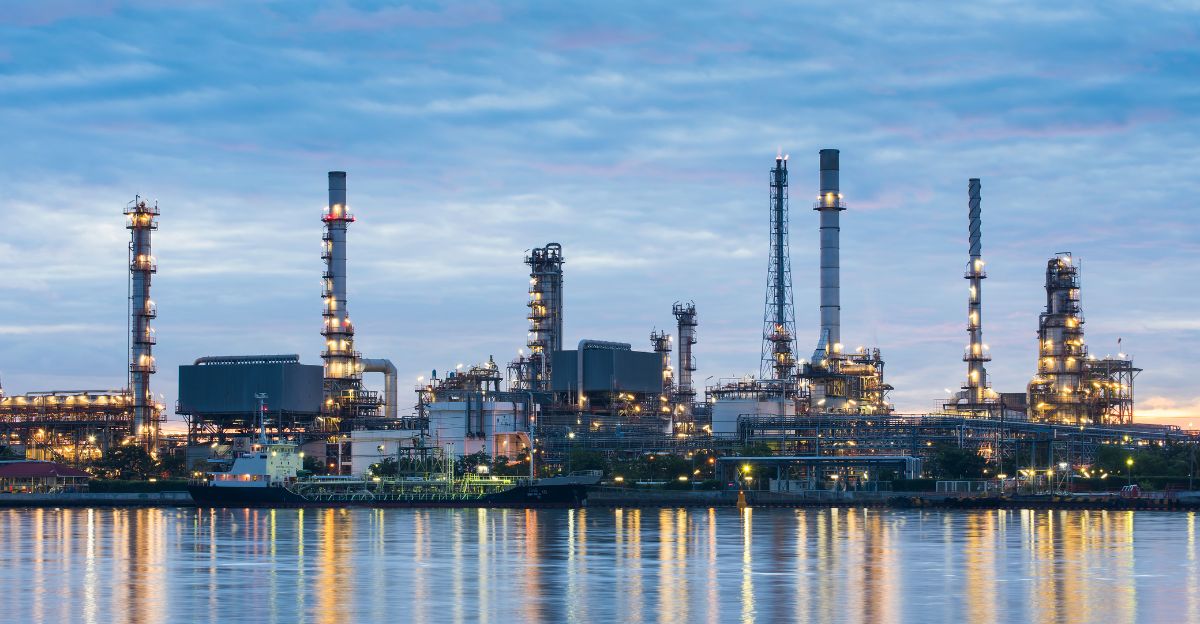
Understanding the sheer volume of the Antarctic oil discovery necessitates an examination of global oil consumption trends. Current estimates suggest that daily global oil consumption hovers around 103 million barrels, making the Antarctic reserves equivalent to approximately 14 years of production based on present demand.
This statistic highlights not only the significance of these resources but also the urgency with which various nations are considering their extraction. The potential to alter global markets and meet rising energy demands creates a competitive environment as countries navigate the delicate balance between economic necessity and environmental sustainability.
The Unfolding Geopolitical Tensions
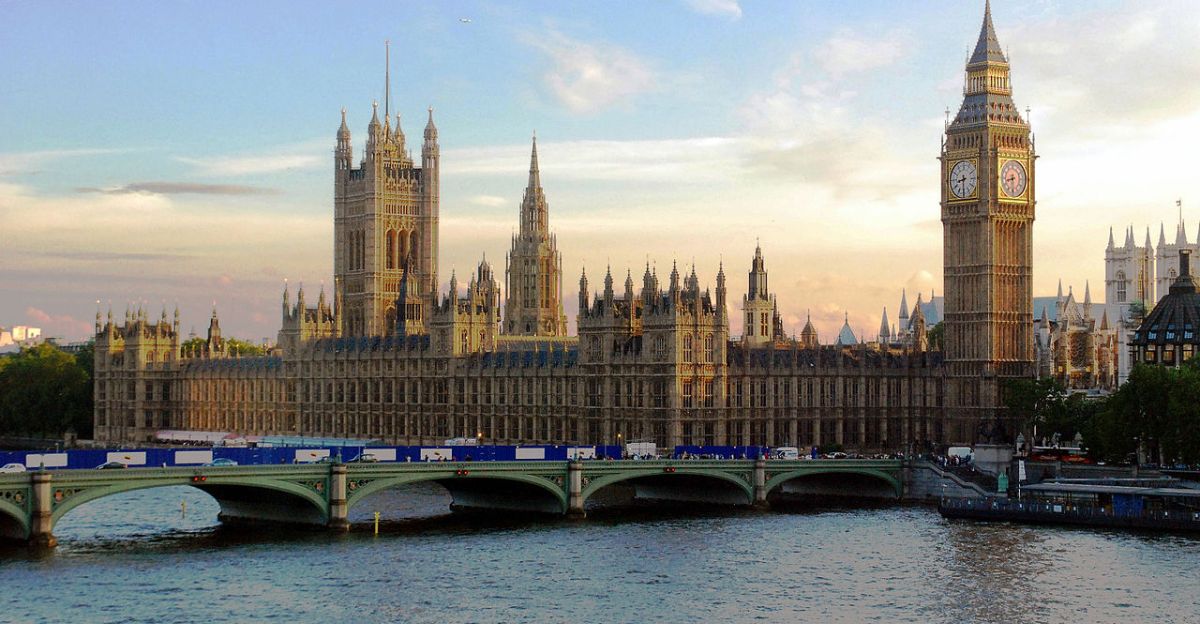
The Antarctic exploration scene has become a focal point of geopolitical tensions, particularly between Russia and Western nations. With ongoing investigations by the UK Parliament into Russian activities, concerns over treaty violations loom large. Countries are positioning themselves for not only possible resource extraction but also leveraging energy independence as a geopolitical strategy.
The atmosphere is charged, reflecting a world increasingly challenged to balance environmental stewardship with the relentless demand for fossil fuel resources. These tensions could reshape alliances and rivalries well beyond the icy borders of Antarctica.
Energy Independence: A Driving Force
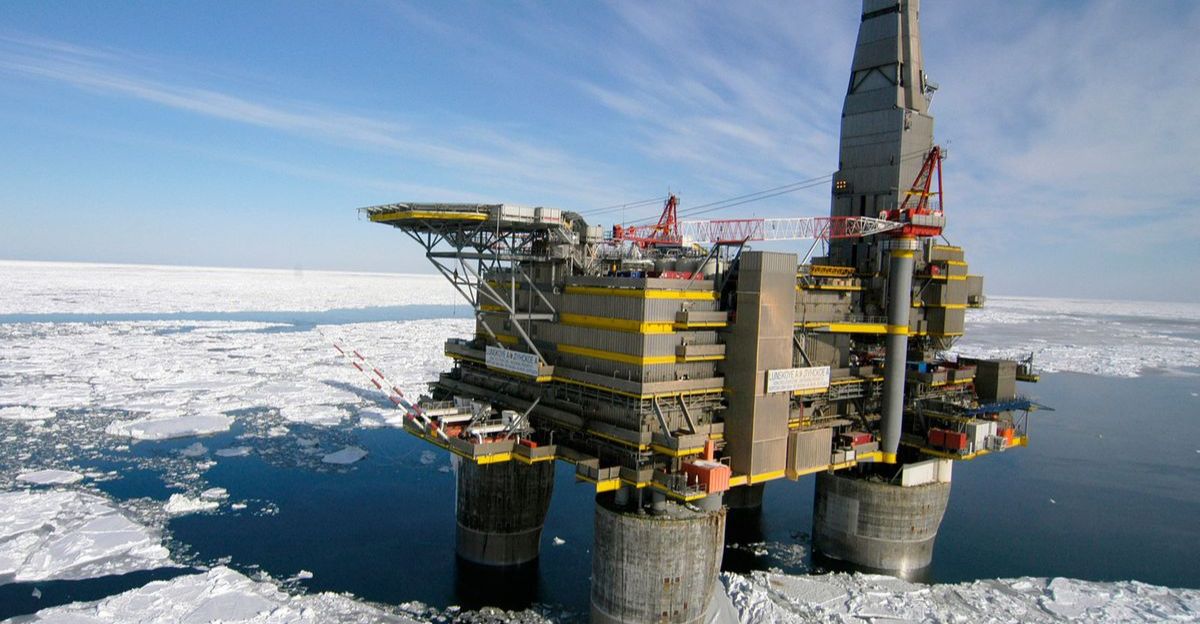
For many nations, the allure of Antarctic oil represents a potential pathway to energy independence. With defense against fluctuations in global oil prices and a growing domestic demand for energy, nations like Argentina and Chile are grappling with the implications of these vast reserves.
The tension between economic benefits and environmental protection intensifies as vulnerable populations advocate for equitable access to resources and environmental protection. As concerns about climate change soar, the question remains: how will countries balance their immediate economic aspirations with the long-term ecological responsibilities inherent in Antarctic stewardship? The global stage is poised for a critical decision.
The Madrid Protocol: Strengths and Weaknesses
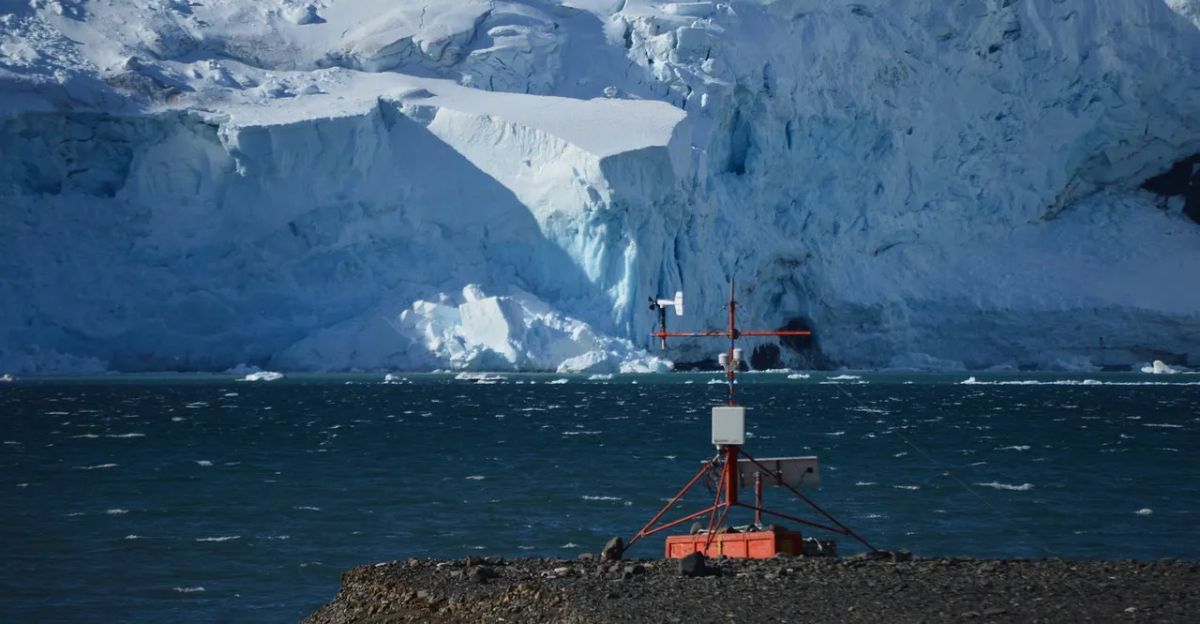
The Madrid Protocol imposes a crucial blanket ban on mineral resource exploration in Antarctica, creating a vital framework for conservation. However, critics argue that its lack of enforcement mechanisms leaves it vulnerable to violations.
Nations may exploit scientific allowances to conduct activities under the guise of research, raising questions about protocol compliance and the future effectiveness of these measures. As pressures mount from economic factors, the resilience of this treaty may be tested like never before. Protecting Antarctica’s delicate ecosystems hinges on the ability of signatory nations to uphold their commitments amidst rising interests in resource extraction.
The Role of Scientific Advocacy
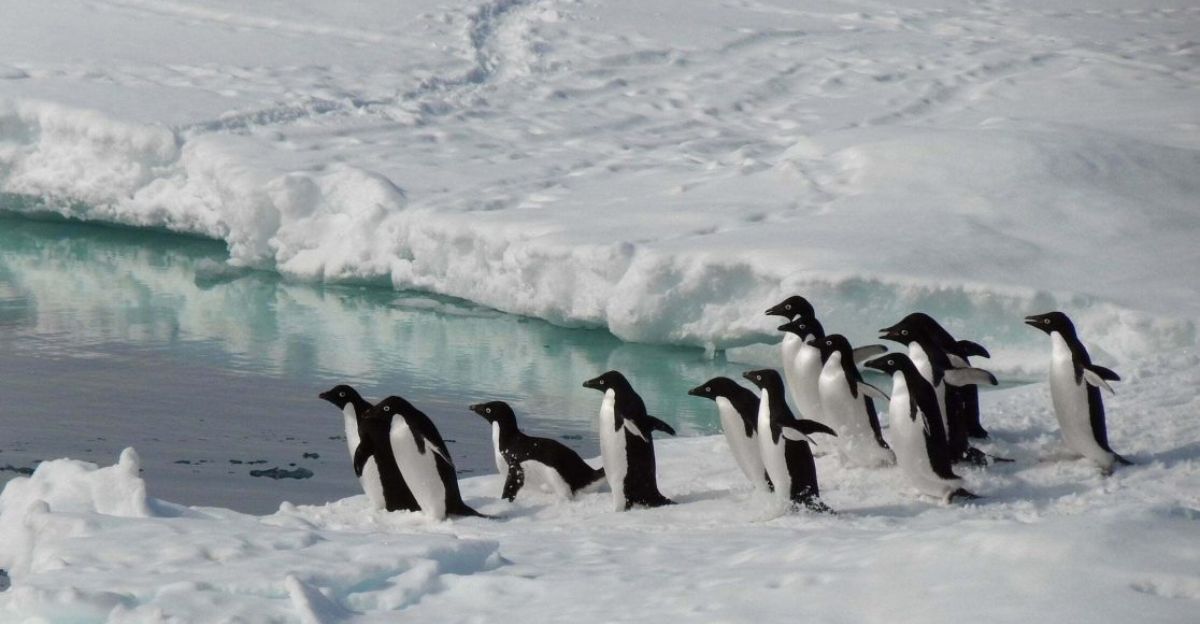
As political and economic pressures intensify, the importance of advocating for scientific integrity in Antarctica remains critical. Organizations and researchers emphasize the importance of maintaining the continent as a sanctuary for scientific exploration and ecological preservation. The Antarctic and Southern Ocean Coalition advocates for a marine protected area in the Weddell Sea, arguing in favor of conservation measures over exploitation.
Their hard-fought campaigns underscore the essential tension between scientific inquiry and the extraction of competitive resources in an increasingly challenging environment. The resistance they provide reflects a collective ambition to prioritize the planet’s health over a short-term energy gain.
The Global Energy Landscape Post-Discovery
The Antarctic oil discovery complicates the global energy landscape in ways that extend far beyond its icy shores. As nations navigate their energy transitions toward sustainability, the prospect of exploiting fossil fuels in Antarctica may tempt countries seeking immediate energy solutions amid escalating climate challenges.
However, this could also catalyze increased pushback from environmentalists advocating for a fossil-free future. The discourse surrounding Antarctic oil exploration will likely shape global energy policy discussions, and decisions made today will have a lasting impact, influencing both environmental stewardship and energy security for generations to come.
Future Challenges: Divided Interests and Climate Concerns
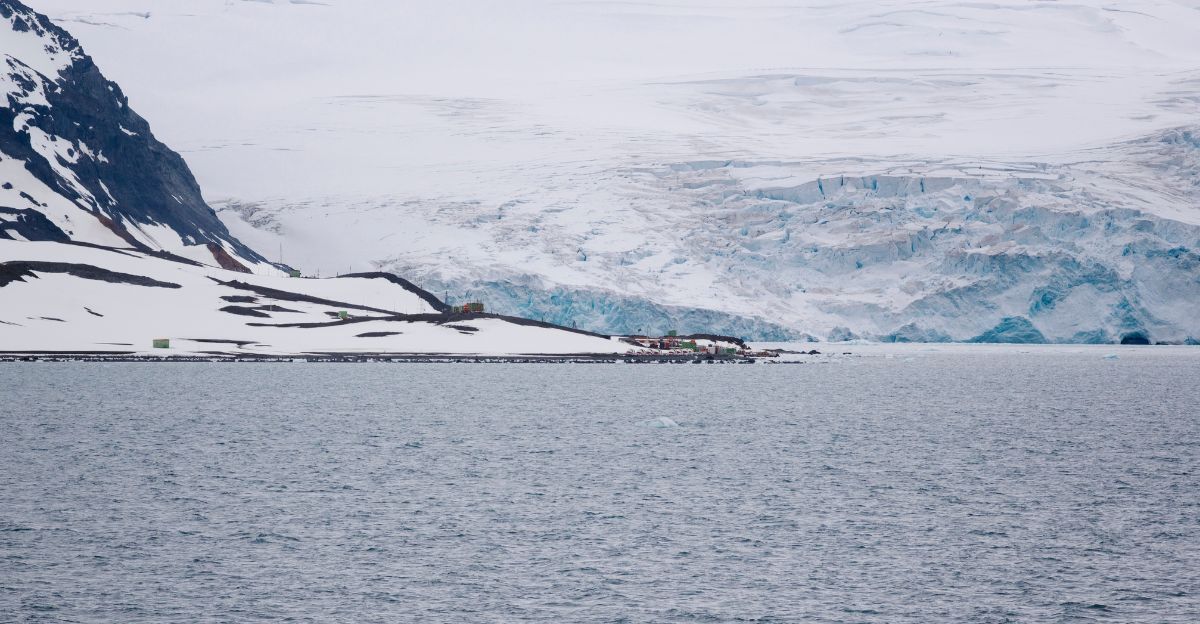
As nations assess their ambitions regarding the Antarctic reserves, diverging interests present hurdles to collaborative governance. Issues of territorial claims, environmental sustainability, and energy demands create a multifaceted conundrum that requires careful navigation.
Countries like China may further complicate the geopolitical landscape, seeking broader involvement in Antarctic activities while driving industry-based initiatives that could threaten environmental guidelines. Finding common ground among nations prioritizing economic growth and climate commitments will be paramount in determining how Antarctica’s future unfolds.
A Call to Action: Upholding the Antarctic Treaty
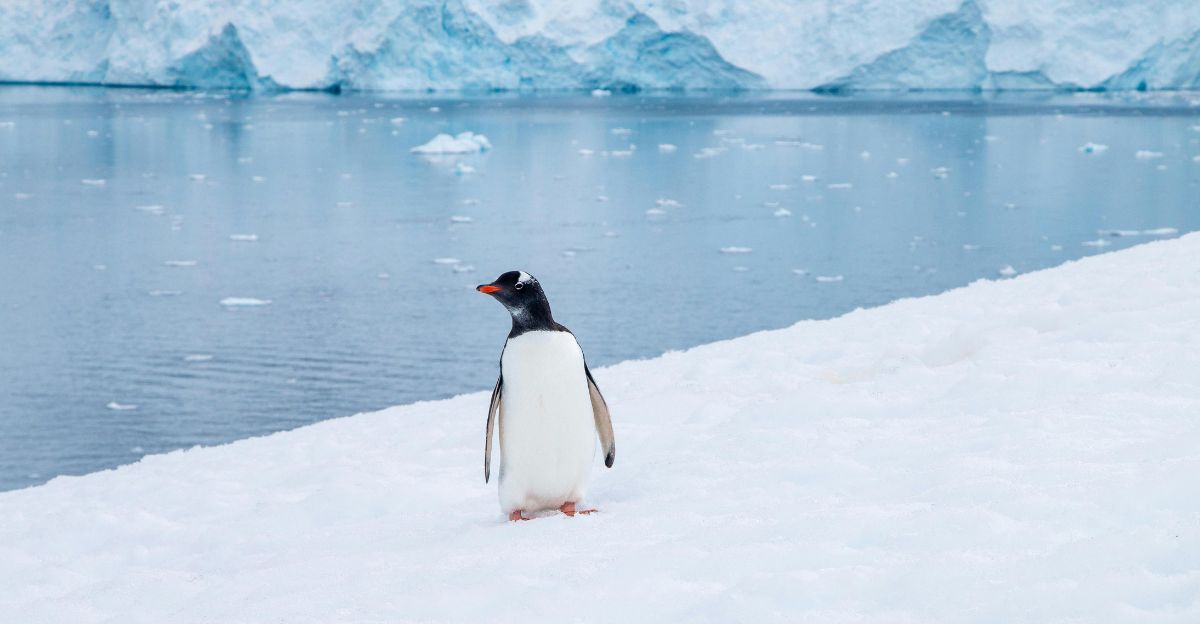
In light of these developments, there is an urgent call to reinforce the principles of the Antarctic Treaty and the Madrid Protocol. Ensuring adherence to these frameworks is vital for preserving Antarctica as a unique global commons.
As global demands shift and tensions rise, stakeholders, including governments, researchers, and activists, must unite to uphold the values of cooperation and conservation established decades ago. Moving forward, the survival of Antarctica and the health of our planet will depend on maintaining the delicate balance between economic aspirations and the moral obligation to protect one of the earth’s last untouched frontiers.