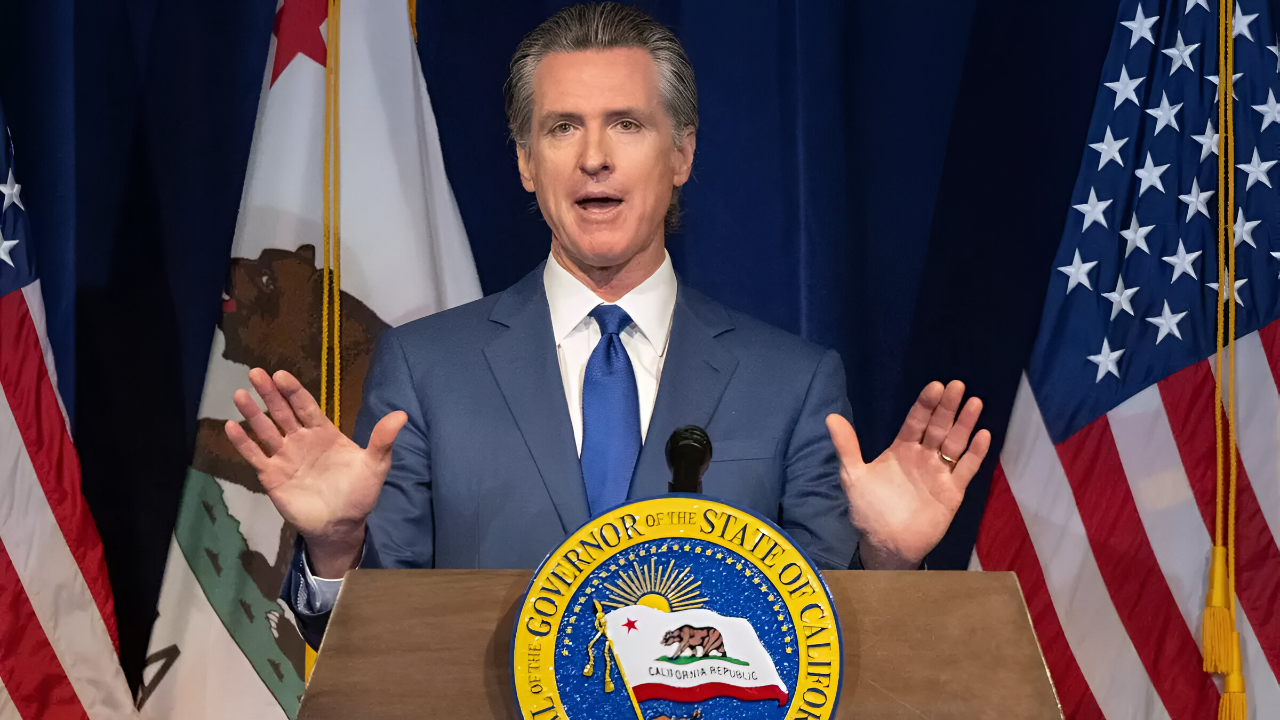
California stands at a historic crossroads with a groundbreaking wealth tax proposal poised for the 2026 ballot. The Service Employees International Union-United Healthcare Workers West (SEIU-UHW West) has championed a one-time 5% tax on fortunes exceeding $1 billion, targeting 255 California-based billionaires and projected to raise over $100 billion. This first-of-its-kind global measure would reshape the state’s economic landscape and set potential precedent worldwide.
What Is the Proposed Wealth Tax?

SEIU-UHW West proposes a one-time 5% tax on fortunes over $1 billion, targeting 255 California-based billionaires and raising $100+ billion. This represents the first wealth tax of its kind globally, set for a 2026 statewide vote. The proposal marks an unprecedented attempt to leverage billionaire wealth for public benefit at the state level.
Why Now? Federal Cuts Spur Action

Recent federal Medicaid cuts have created a $30 billion annual funding gap for California’s healthcare system. Union leaders argue the tax is essential to sustain healthcare and education funding statewide. The measure responds directly to urgent budget shortfalls and aims to prevent devastating service reductions that would impact millions of vulnerable residents.
Who Pays and What’s Included?

The tax encompasses billionaires’ stocks, real estate, art, and intellectual property rights. Individuals would have up to five years to pay the full amount owed. Only net worth above $1 billion is taxed, minimizing potential impact on small business owners and mid-level entrepreneurs while focusing exclusively on ultra-high-net-worth individuals.
Who Would Pay? Notable Billionaires

Mark Zuckerberg, Larry Page, and Sergey Brin would each face billion-dollar tax bills based on their estimated net worth. Entertainment icons including Kim Kardashian, Jay-Z, and Beyoncé would owe millions in combined taxes. Collectively, California’s 255 billionaires control over $1 trillion in wealth, making them the primary revenue source for this historic proposal.
Healthcare Security for 15 Million

The tax revenue aims to preserve Medi-Cal access for 15 million Californians currently enrolled in the program. The measure prevents potential hospital closures and healthcare job losses that would result from budget cuts. Advocates argue it shields the state’s most vulnerable residents from catastrophic coverage reductions and service eliminations.
Behind the Measure: SEIU-UHW West

SEIU-UHW West represents thousands of healthcare workers across California’s hospitals and clinics. Union President Dave Regan has stated the tax is essential to keeping hospitals open and maintaining healthcare employment. For frontline staff, the measure represents a critical lifeline ensuring job security and patient care continuity.
Tech & Entertainment Face the Spotlight

Silicon Valley and Hollywood’s concentrated wealth would see major tax exposure under the proposal. Executives may reconsider California roles or redirect investments to other states with more favorable tax climates. Concerns arise regarding potential impact on technology sectors, talent retention, and entertainment industry ecosystem stability.
Financial Advisors Scramble to Adapt

Wealth managers report surging demand for estate planning, relocation services, and tax minimization strategies. High-net-worth clients actively seek legal methods to reduce their exposure to the proposed levy. Philanthropic giving structures and asset transfer strategies may shift significantly in response to the anticipated tax burden.
Governor Newsom and Political Fallout
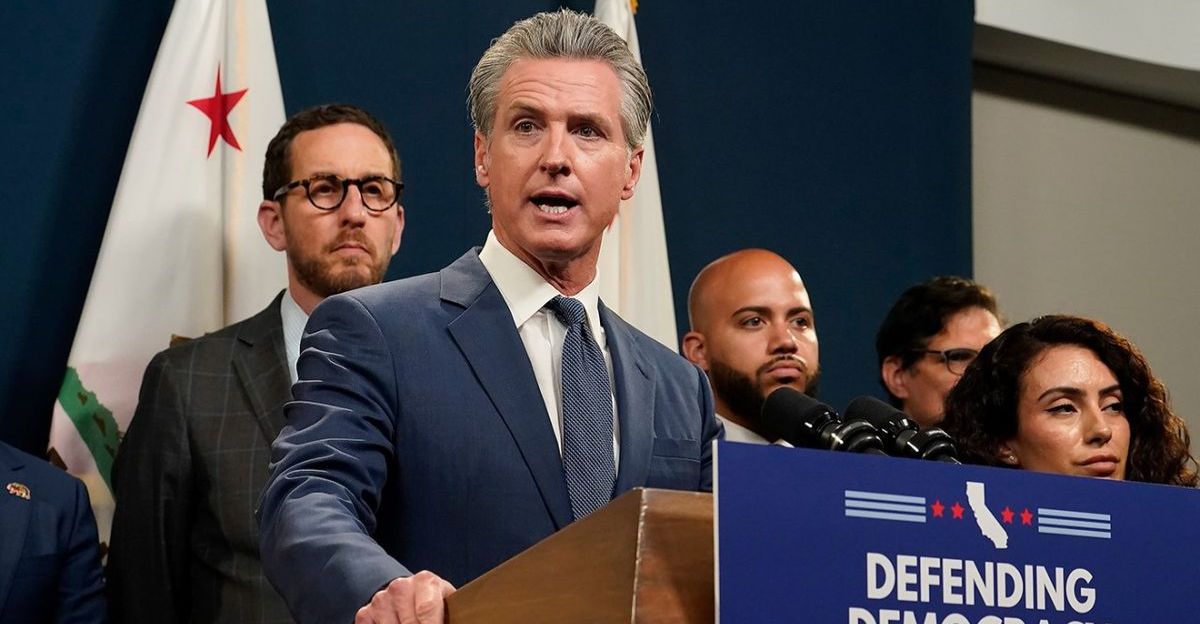
Governor Gavin Newsom publicly opposes the measure, citing threats to economic competitiveness and concerns about capital flight. State lawmakers and advocacy groups remain deeply divided along ideological lines regarding the proposal’s merits. The ballot fight is shaping up as one of California’s most contentious political battles in recent years.
Billionaire Exodus: Real Risk?
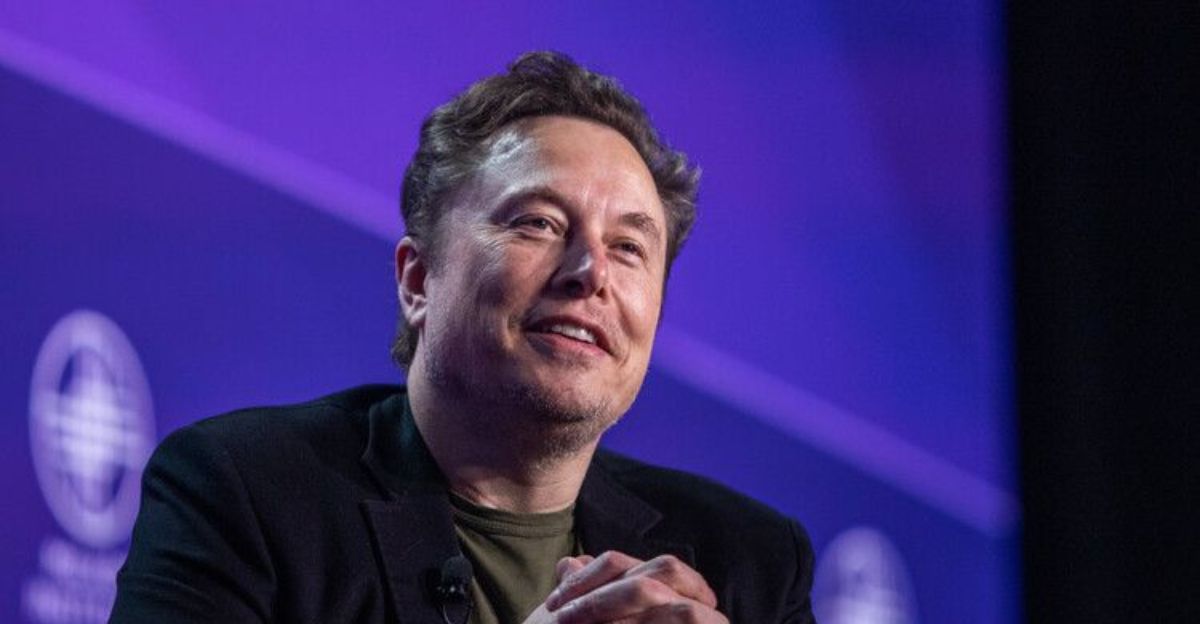
Elon Musk and Larry Ellison have already relocated to Texas, establishing precedent for high-profile departures. Critics warn that further billionaire exits could significantly undermine the state’s tax base and reduce job creation. Loss of ultra-wealthy residents may create cascading economic effects across multiple industries and communities.
Will California Remain a Global Magnet?

International investors and foreign entrepreneurs are closely monitoring California’s wealth tax experiment. Concerns about precedent-setting taxation may alter global perceptions of California’s regulatory and investment climate. Expansion plans could slow or redirect to other states and nations as businesses await the proposal’s outcome.
Retail, Hospitality, and Real Estate Effects

Luxury retailers and high-end service providers may face shrinking revenue as billionaire spending declines. High-end real estate markets could experience reduced demand and downward price pressure. Cities like Miami and Austin are actively attracting wealthy Californians with friendlier tax environments and comparable amenities.
Philanthropy and Innovation at Crossroads

Local foundations and startup ecosystems could see fewer grants and venture capital investments if billionaires depart. Reduced billionaire involvement may diminish mentorship opportunities and entrepreneurial support networks crucial for innovation. Some economic analysts fear a decline in company formation and charitable giving momentum.
Setting a Global Precedent?

Other U.S. states and global regions closely monitor California’s wealth tax initiative. If successful, similar tax measures may emerge in New York, Europe, and Asia. A worldwide rethink of wealth taxation and billionaire accountability could follow California’s experimental lead.
Societal Outcomes: Health and Inequality

Proponents argue the tax will secure vital health benefits for millions of Californians. Opponents warn it could drive innovation out of the state and potentially widen long-term inequality. The debate fundamentally centers on balancing new revenue generation with preserving long-term economic health and competitiveness.
Cultural Debate: Fairness and the Dream

The proposal reignites intense cultural debate on social fairness, opportunity, and wealth concentration. Supporters tout it as addressing extreme wealth inequality and funding essential services. Critics argue it risks undermining California’s historic legacy of entrepreneurship, innovation, and economic growth.
Winners, Losers, and Unintended Effects

Hospitals and public schools may benefit significantly if tax revenues materialize as projected by proponents. Luxury goods sectors, high-end real estate agents, and nonprofit organizations dependent on billionaire donations could lose substantially. Philanthropy and charitable events may shrink as ultra-wealthy individuals reduce California presence and spending.
How Does It Become Law?

The proposal requires approximately 875,000 signatures to qualify for the 2026 ballot. If approved by voters, billionaires’ tax bills would be calculated using their 2025 net worth figures. Collected taxes would be distributed over a five-year period beginning in 2027, allowing payment flexibility for affected billionaires.
California’s Wealth Tax: What’s Next?

California’s $100 billion wealth tax proposal marks a historic crossroads testing core values around fairness, opportunity, and economic policy. Its outcome will profoundly shape debates on wealth distribution, taxation philosophy, and California’s future trajectory. The measure’s success or failure could establish new global standards for taxing ultra-high-net-worth individuals and influence policy discussions worldwide.