
On the night of November 19, 2025, Russia sent an absolutely massive wave of weapons
toward Ukraine. We’re talking about 518 total projectiles, 48 advanced cruise missiles combined with 470 deadly drones, all heading for Ukrainian cities at the same time. It was designed to overwhelm Ukraine’s defenses and destroy power stations that people depend on during freezing winters. But something unexpected happened that night.
A new generation of Western fighter jets scrambled into the dark sky to stop the attack, and what
happened next challenged everything people thought they knew about how modern air warfare actually works. The pilots and their aircraft were about to prove that Ukrainian courage, combined with Western technology, could punch back against overwhelming Russian firepower in dramatic fashion.
The Moment That Mattered
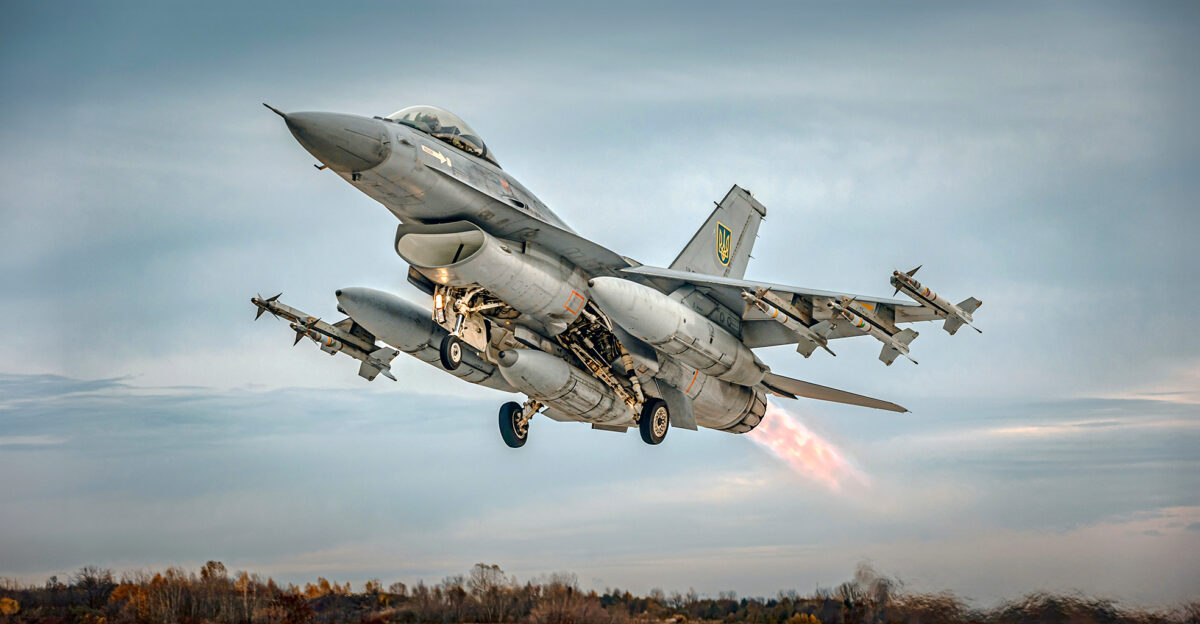
As Russian missiles raced toward cities filled with families and workers, Ukrainian pilots flying F-16s and Mirage 2000 jets executed a perfectly coordinated defense that stopped at least 10 cruise missiles before they could hit their targets. This wasn’t just a small victory, it mattered enormously because every single missile destroyed meant fewer explosions at hospitals, power plants, and neighborhoods where people sleep.
Every interception meant real lives saved. This represented a real turning point in how Ukraine fights back against Russia’s air attacks. The pilots worked together seamlessly, their jets working in tandem like a practiced team, demonstrating real mastery of weapons systems they’d only received a few months earlier.
The Game-Changing Jets Arrive
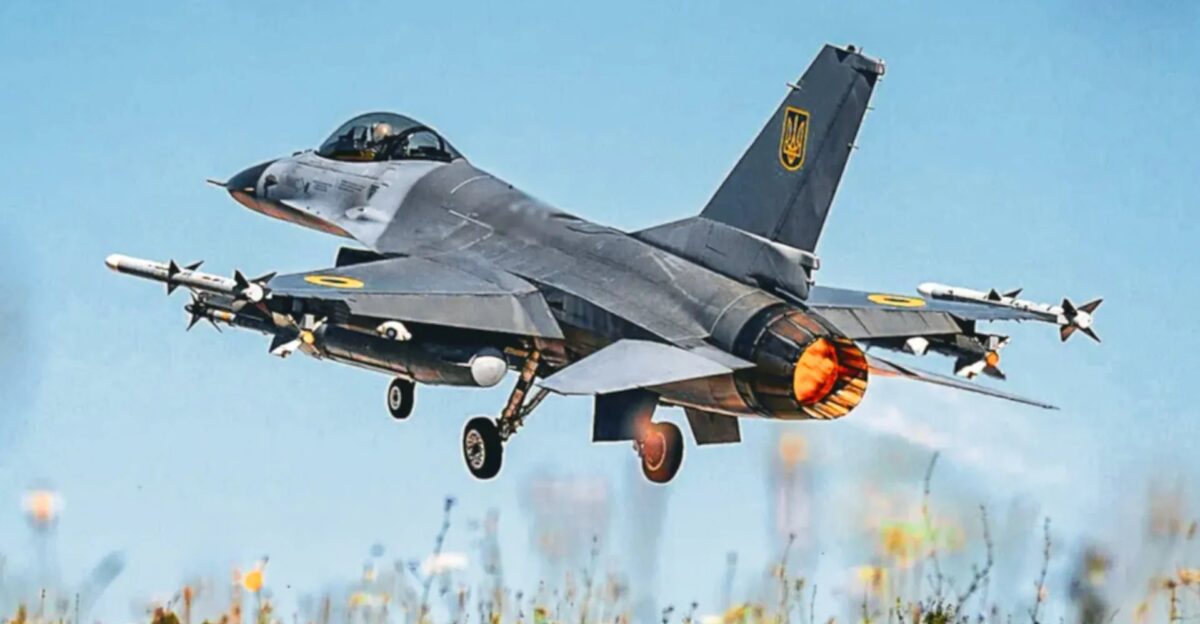
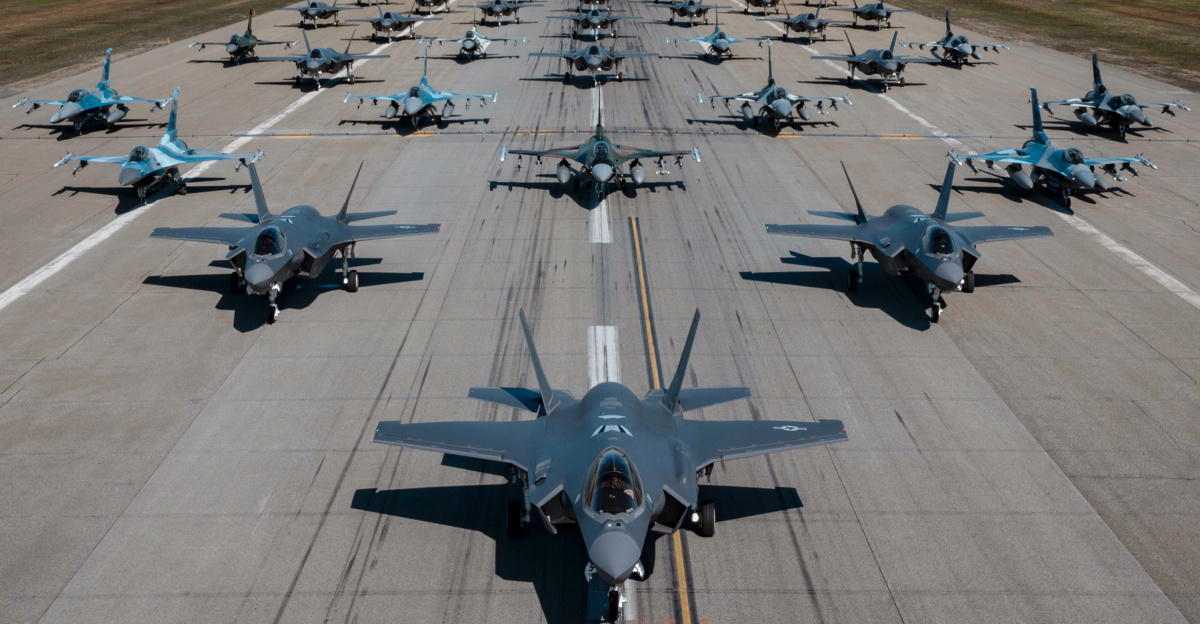
Ukraine’s F-16 fighter jets entered service in August 2024, marking a watershed moment for the Ukrainian Air Force. These American-made jets represented a massive leap forward compared to the old Soviet-era fighters Ukraine had been flying. The F-16 is faster, more maneuverable, and equipped with advanced radar systems that let pilots see targets from much farther away and engage them before being seen themselves.
France then delivered Mirage 2000-5F fighters in early 2025, adding another powerful layer to Ukraine’s air defense. These delta-wing jets brought decades of proven combat experience from operations worldwide. Together, these Western fighters signaled something crucial: the Western world was committed to helping Ukraine resist and defend itself.
Russia Keeps Attacking Harder
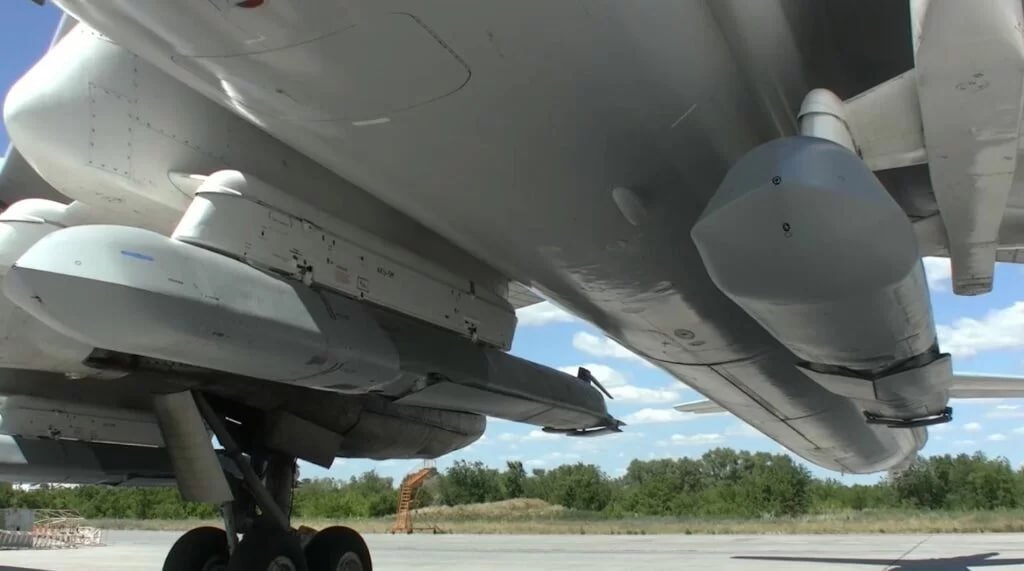
Throughout 2025, Russia’s aerial assault has become increasingly relentless. Moscow is launching combined attacks almost every single day now, mixing cruise missiles, ballistic weapons, and swarms of Shahed drones specifically to exhaust Ukrainian air defenses.
The strategy is clear and brutal, to send so many weapons that Ukraine’s defense systems can’t stop them all. Drain Ukrainian munitions supplies. Force Ukrainian commanders to choose which targets to defend because they can’t protect everything. Russia has deliberately targeted energy infrastructure, especially as winter approaches and people desperately need heat.
The Night Everything Showed
On November 19, 2025, the full scale of Russia’s power became impossible to ignore: 48 cruise missiles and 470 drones attacked Ukraine simultaneously. Ukrainian F-16 and Mirage pilots intercepted and destroyed at least 10 of those cruise missiles, preventing them from reaching Ukrainian cities.
This wasn’t theoretical capability, it was real combat performance happening under extreme pressure, with pilots making split-second decisions that meant the difference between life and death for people below. The Ukrainian Air Force confirmed the interceptions immediately, and the world watched as Western technology, combined with Ukrainian pilot skill and determination, proved effective against one of Russia’s most sophisticated weapons.
Ternopil’s Heartbreaking Cost

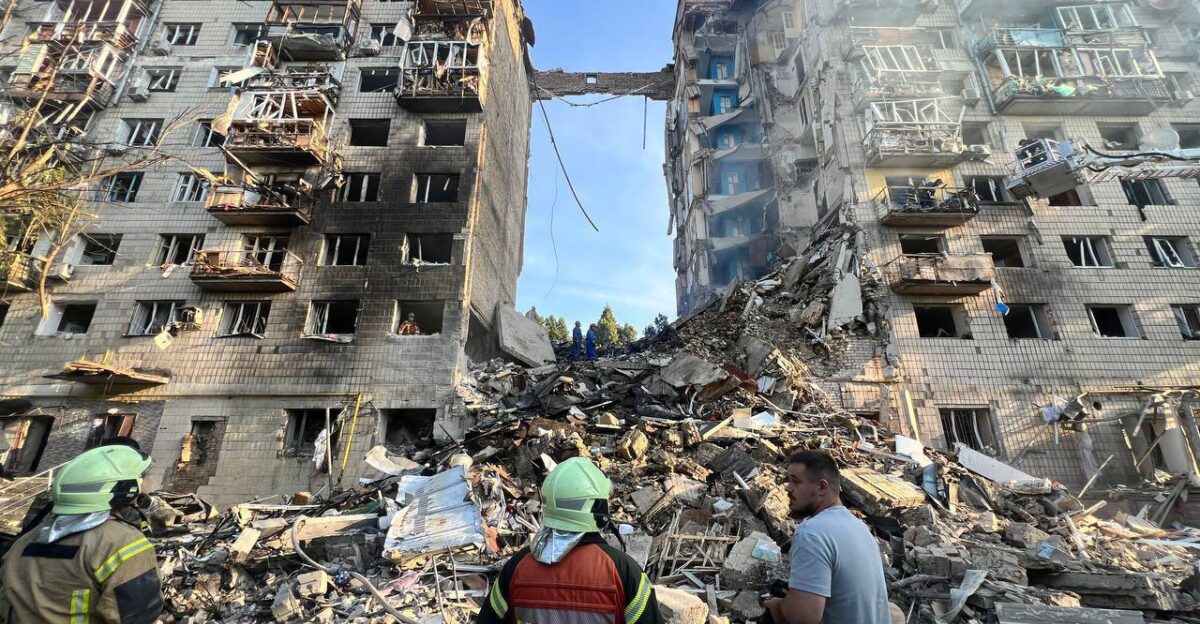
Despite the successful interceptions, Russia’s attack was so massive that some missiles still got through Ukrainian defenses. The city of Ternopil, located in western Ukraine, took the worst hit. Russian missiles slammed into high-rise apartment buildings where families were sleeping, killing 25 people and wounding at least 73 others.
A Kh-101 cruise missile, Russia’s most advanced air-launched weapon, destroyed one of the buildings, killing people inside their homes. This tragedy reveals a harsh and uncomfortable truth that no one wants to hear: even when air defense works incredibly well, it cannot stop every single threat.
The Destruction Spread Across Ukraine
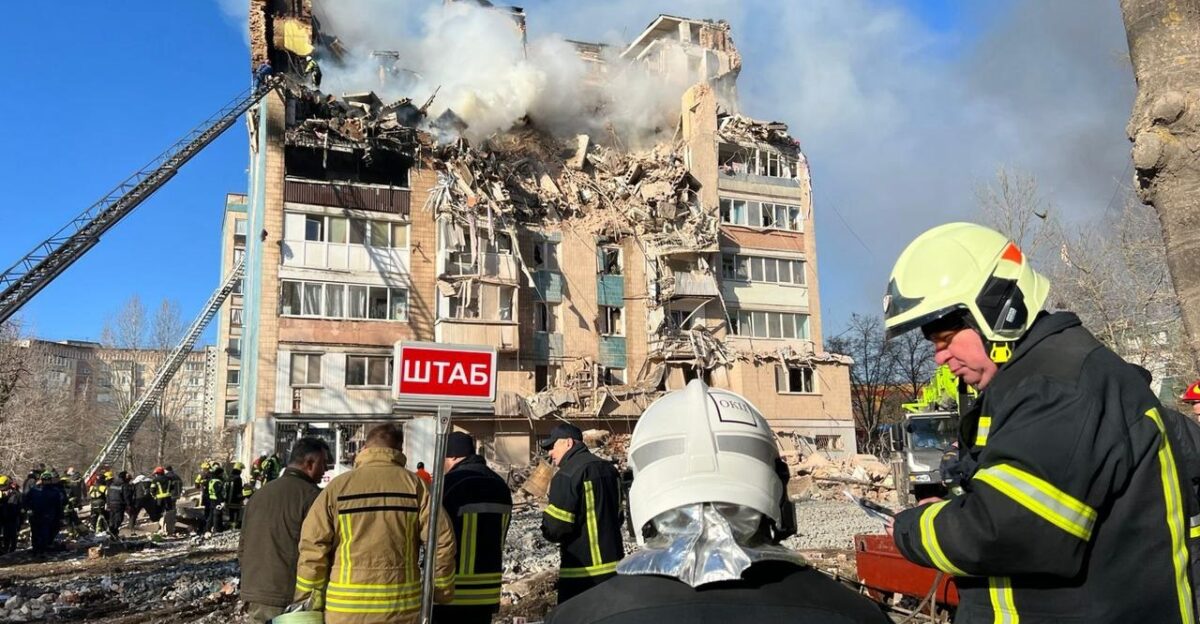
The November 19 barrage didn’t just hit Ternopil, it struck cities and towns across Ukraine
from east to west. Kharkiv, located near the Russian border, reported significant casualties.
Lviv and Ivano-Frankivsk regions in western Ukraine documented wounded. The geographic spread showed Russia’s capability to strike across the entire country almost simultaneously.
When Russian missiles landed in so many places at once, emergency services in every region had to respond at the same time, stretching hospitals, rescue teams, and medical supplies to their absolute limits.
F-16s Prove Their Worth in Combat
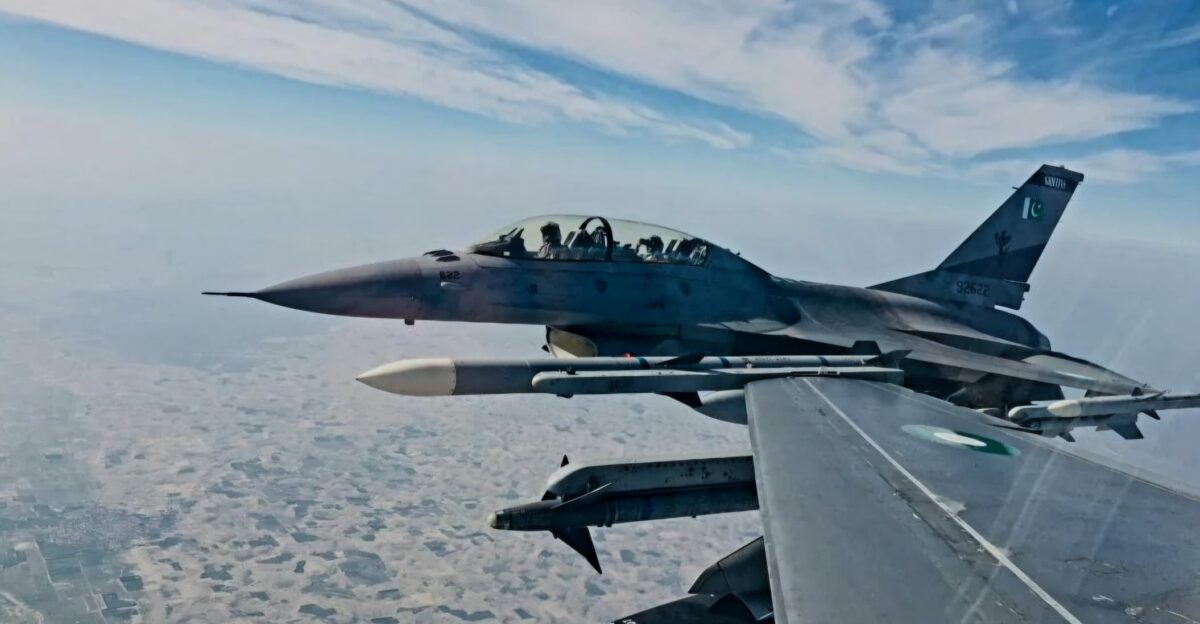
Since entering service in August 2024, Ukrainian F-16s have compiled an impressive combat
record that honestly surprises many military analysts. The fleet has intercepted and destroyed over 1,300 Russian air targets, that includes missiles, drones, and enemy aircraft combined. But F-16s do more than just defend; they also attack.
Ukrainian pilots have struck more than 300 ground targets, destroying hundreds of Russian vehicles, command posts, drone control centers, ammunition depots, and supply facilities. This means F-16s can switch roles rapidly, defending against attacks one moment, then flying offensive missions the next.
French Fighters Add Crucial Powers
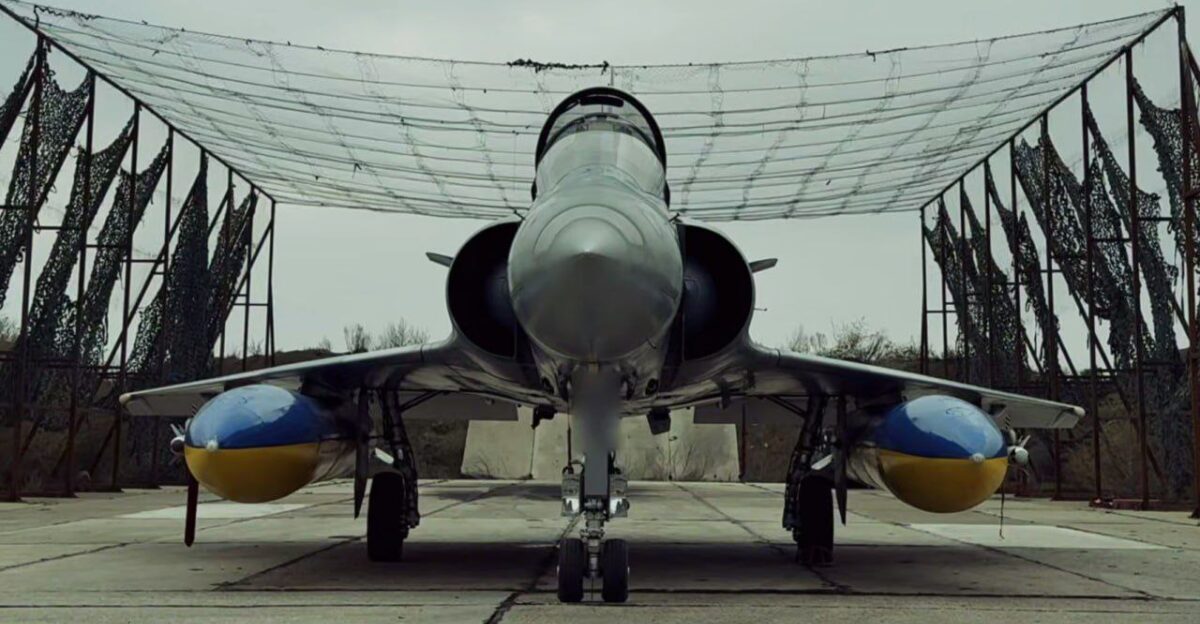
France’s decision to send Mirage 2000-5F fighters added critical depth to Ukraine’s air defense network. Ukraine operates approximately six of these delta-wing jets, each equipped with advanced radar systems and capable of engaging targets at extended ranges.
The Mirage 2000 comes with decades of proven combat history, it flew in the Gulf War, operated in Libya, Syria, and other conflicts worldwide. That legacy meant the platform had been refined and improved through real-world combat experiences. On November 19, Mirage pilots demonstrated perfect integration into Ukrainian air defense alongside F-16 crews, with both types of jets working seamlessly together.
Running Out of Ammunition
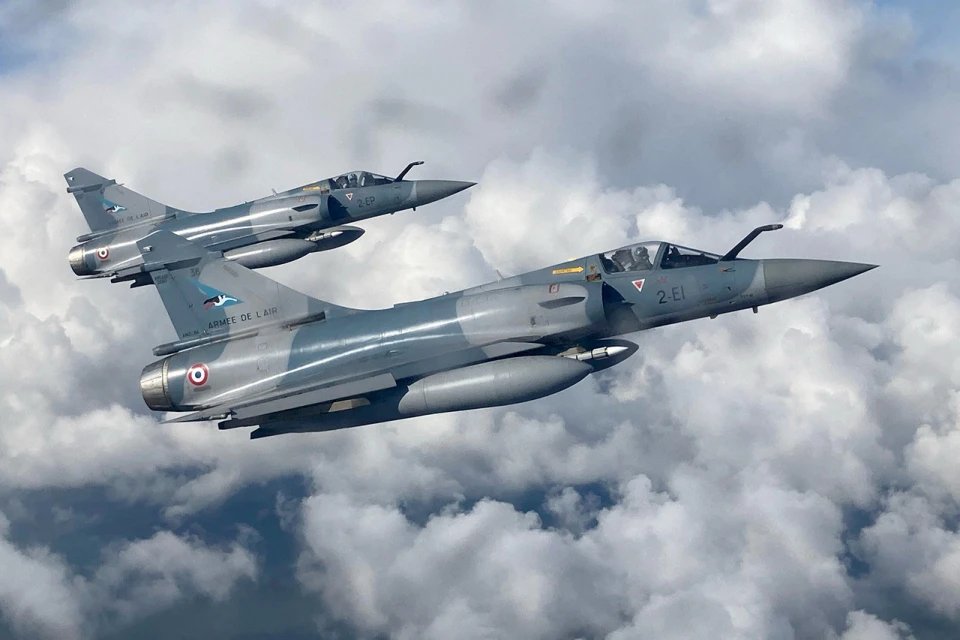
The November 19 interceptions revealed a major problem that nobody talks about much and that’s
ammunition. Advanced jets like the F-16 and Mirage 2000 are incredibly impressive, but without missiles and bombs to fire, they’re basically expensive flying clouds. Every interception burns expensive air-to-air missiles.
Every ground strike consumes precision-guided munitions. The bottleneck isn’t pilot skill or aircraft capability anymore, it’s Western factories producing enough ammunition and supply chains
delivering it across thousands of kilometers through contested airspace. Without solving
this ammunition problem, even the world’s best pilots in the world’s best jets cannot keep
fighting forever.
Pilots Flying in Extreme Conditions
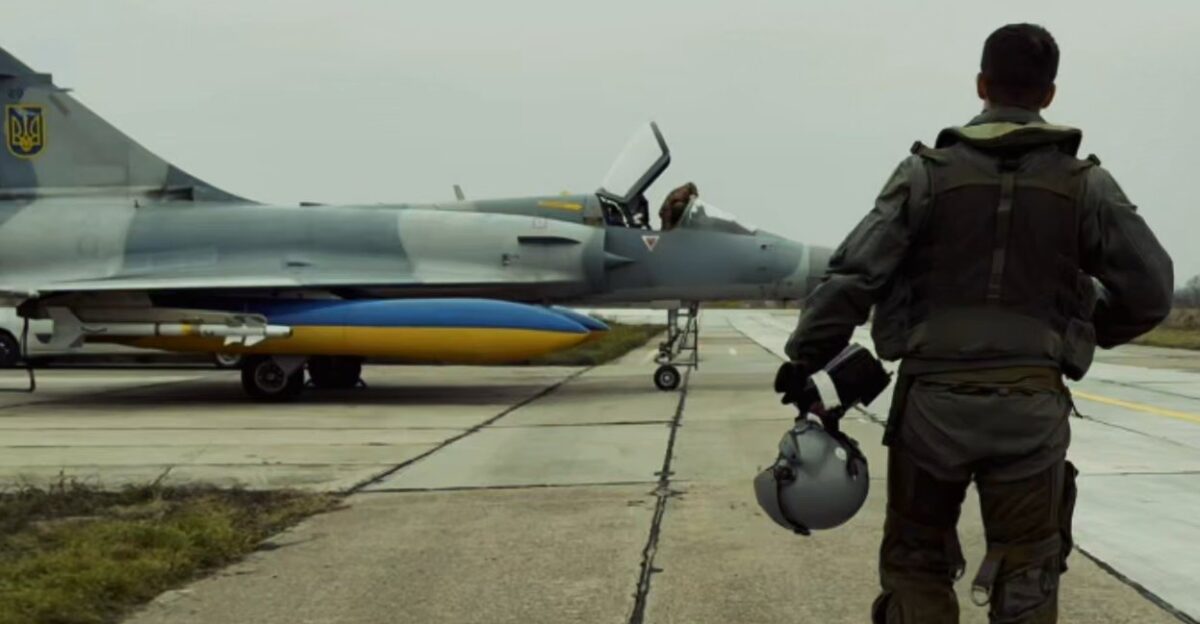
Ukrainian F-16 pilots fly under what they describe honestly as tough and extreme conditions. These are men flying multiple combat missions every single day against a Russian air force that significantly outnumbers them. The frustration in official Ukrainian statements reflects the painful gap between what pilots can do and what resources they have to do it with.
Pilots execute perfect intercepts, shooting down Russian missiles, defending their cities, but then when the next sortie arrives, the missiles are gone. They can’t defend because they’re out of ammunition. Ground crews work under equally brutal pressure, maintaining jets under actual combat conditions with limited spare parts and minimal maintenance facilities.
Western Allies Face a Critical Test
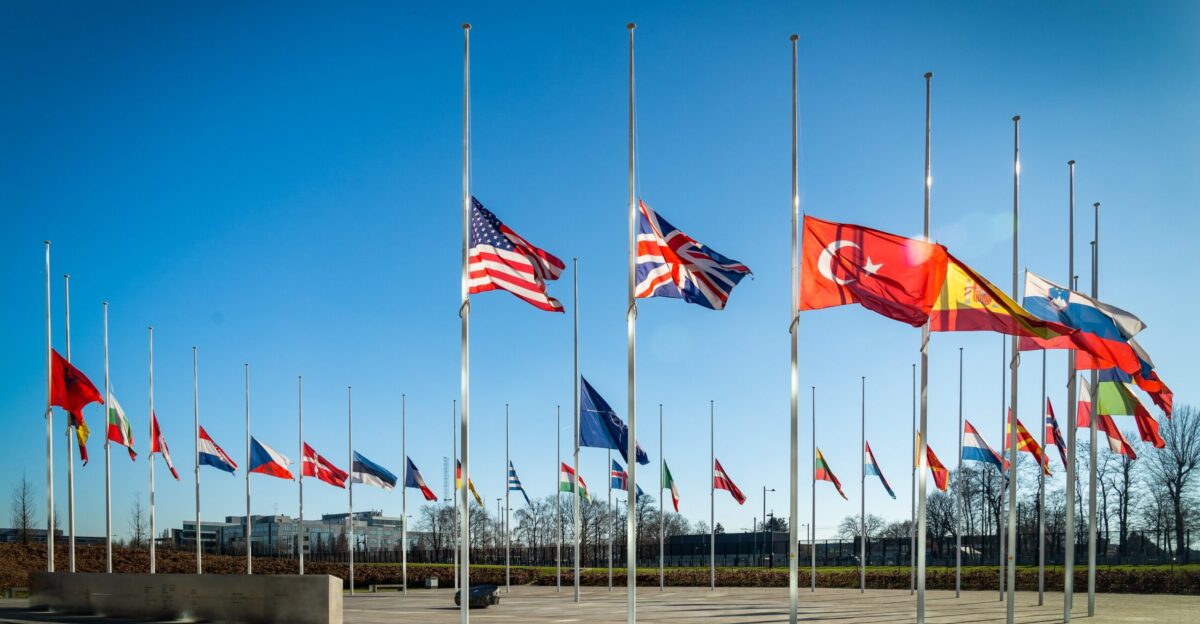
The United States, France, Netherlands, Poland, and other NATO countries had committed to supplying Ukraine’s new fighter fleet, but the reality of sustained combat revealed gaps in their supply plans. Intercepting cruise missiles requires expensive air-to-air missiles and conducting ground strikes requires precision-guided munitions.
The logistics of delivering weapons across thousands of kilometers, often through contested airspace, while other countries also need weapons, created serious bottlenecks. This isn’t a problem of will, it’s a problem of industrial capacity.
The Air War Shifts in Ukraine’s Favor
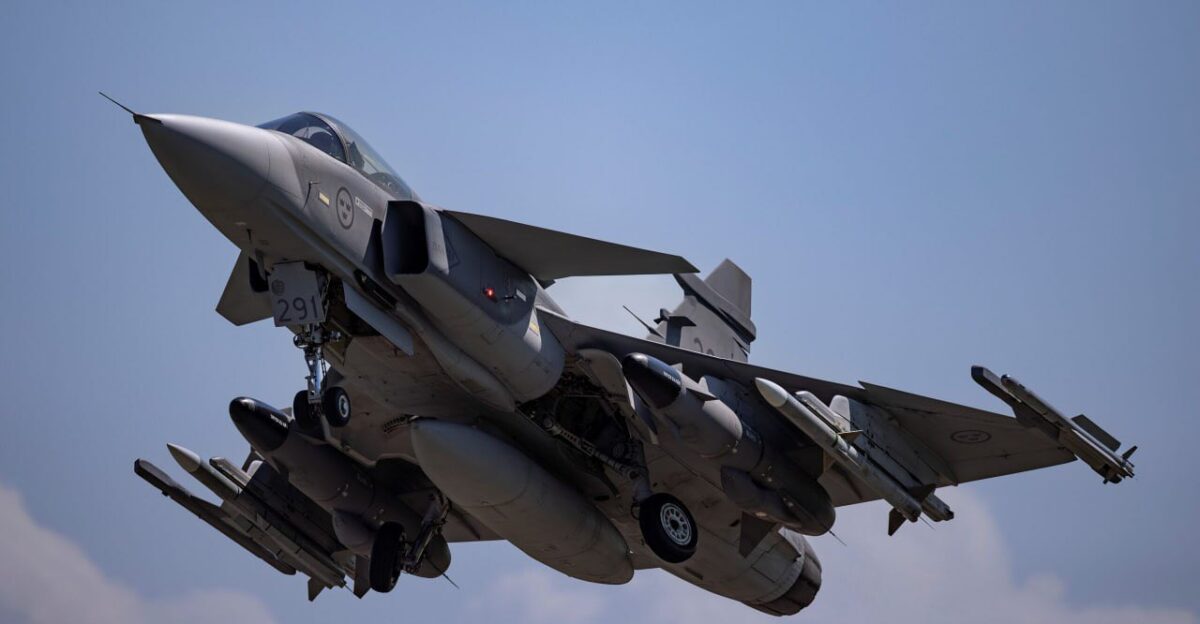
The presence of F-16s and Mirage 2000s forced Russia to fundamentally change how it fights in the air. Russian bombers now have to operate much farther away from Ukrainian territory to avoid being shot down by Western fighters. Flying farther away means less accuracy and burning more fuel.
The Russian tactic of low altitude glide-bomb runs, which had worked well against older Ukrainian aircraft, became extremely dangerous with Western fighters patrolling Ukrainian airspace. Russia responded by building more drones and increasing electronic warfare capabilities to jam Ukrainian air defenses.
Doubts Persist Among Experts
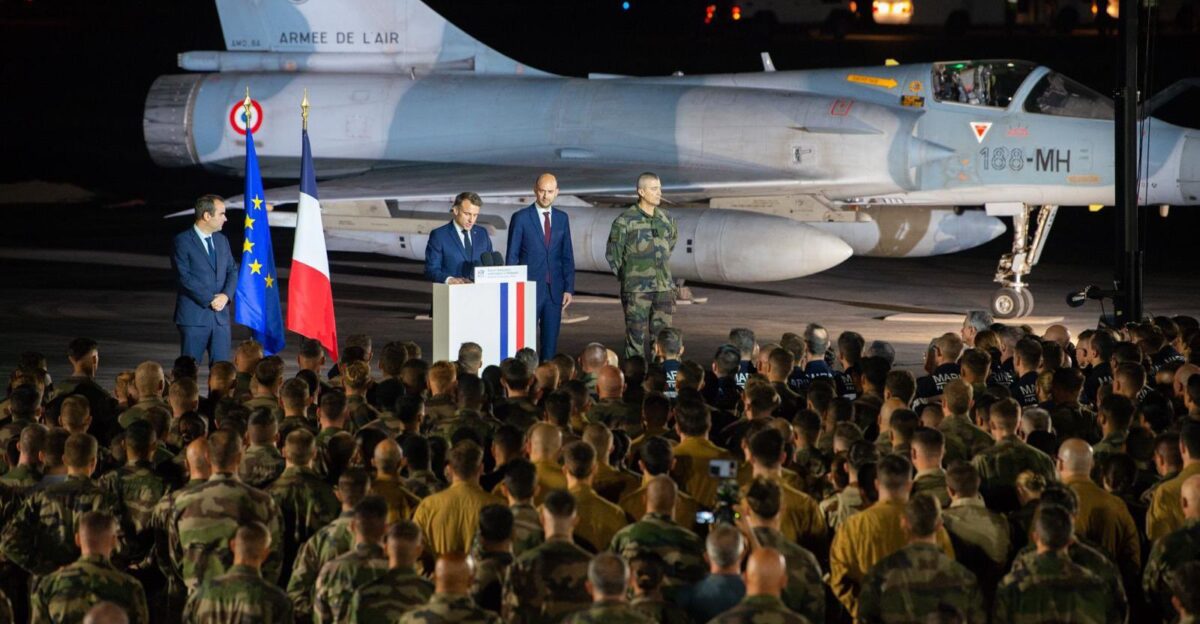
Despite November 19’s genuine success, skepticism lingers among defense analysts and military experts who study these issues closely. Some question whether Ukraine can sustain this operational pace without massive increases in Western munitions production. Others point out that Russia’s numerical advantage in drones and missiles means Ukraine literally cannot afford to miss, it must maintain near-perfect interception rates, which is an unsustainable standard for any military.
Electronic warfare continues advancing on both sides, which means future engagements will become even more complicated and unpredictable. The November 19 victory, while genuinely real and genuinely impressive, may represent a peak rather than the baseline Ukraine can maintain going forward.
The Question That Haunts Everyone
Can Western allies sustain the ammunition supply required to keep Ukrainian F-16s and Mirage 2000s operationally effective? This answer will determine whether Ukraine’s air force remains a credible deterrent or gradually degrades into a symbolic force that lacks the weapons to actually defend.
For now, the outcome remains genuinely uncertain, dependent not on pilot courage, not on aircraft capability, but on political and industrial decisions made in Washington, Paris, Brussels, and other Western capitals.