On July 4, 2005, NASA executed a bold experiment in deep space: a spacecraft traveling faster than any bullet crashed into Comet Tempel 1, piercing its ancient surface. This unprecedented collision, part of the Deep Impact mission, offered humanity its first direct look at the untouched interior of a comet—material unchanged since the solar system’s earliest days. The mission’s findings would upend long-held assumptions about the nature of comets and the origins of our planetary neighborhood.
A Mission to Unmask a Cosmic Time Capsule
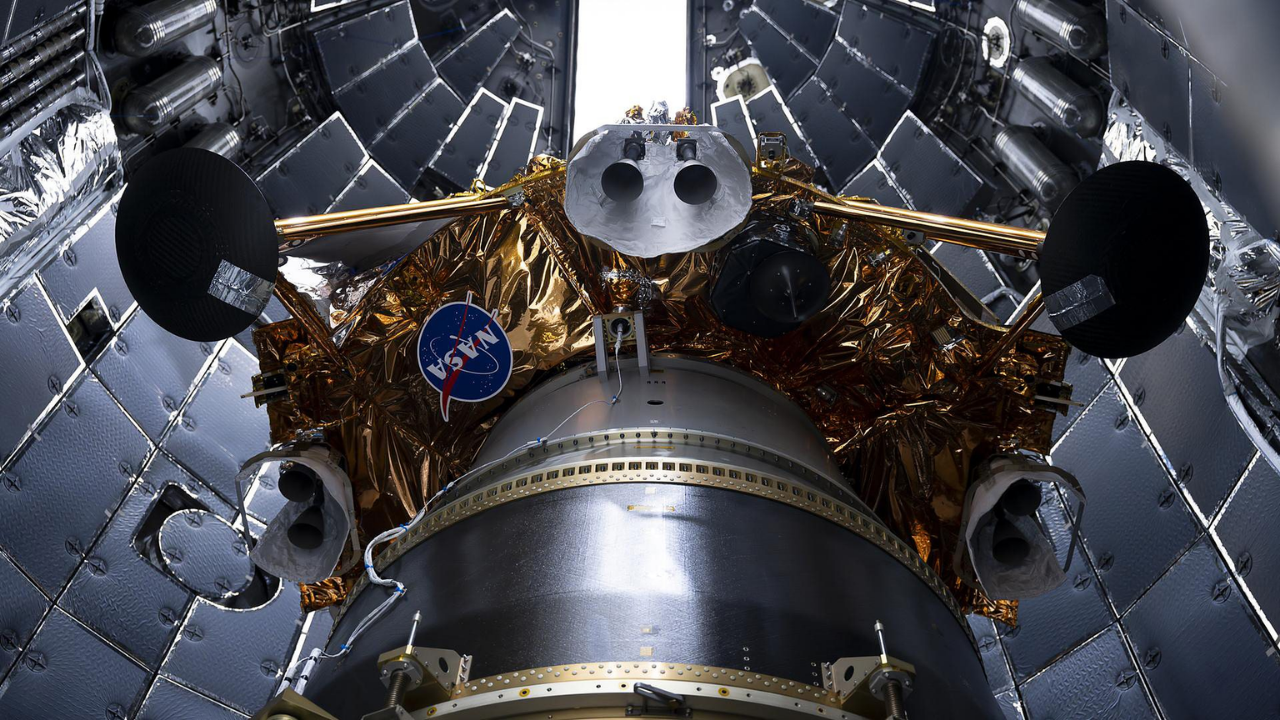
The Deep Impact mission launched from Cape Canaveral on January 12, 2005, after years of meticulous planning. NASA’s goal was to answer fundamental questions about comets: What lies beneath their dusty exteriors? How are they structured, and what are they made of? Led by University of Maryland astronomer Michael A’Hearn, the team designed a daring experiment: to break through a comet’s shell with a high-speed impactor and observe the results.
The spacecraft carried an 816-pound copper impactor, roughly the size of a washing machine. Copper was chosen for its density, maximizing the force of the collision. Hurtling at 37,000 kilometers per hour, the impactor would deliver a kinetic punch equivalent to nearly five tons of TNT. The target, Comet 9P/Tempel 1, was selected for its predictable orbit and scientific value. Discovered in 1867, Tempel 1 completes a circuit around the sun every 5.5 years, making it an ideal candidate for a precisely timed encounter.
A Collision Seen Across the Solar System
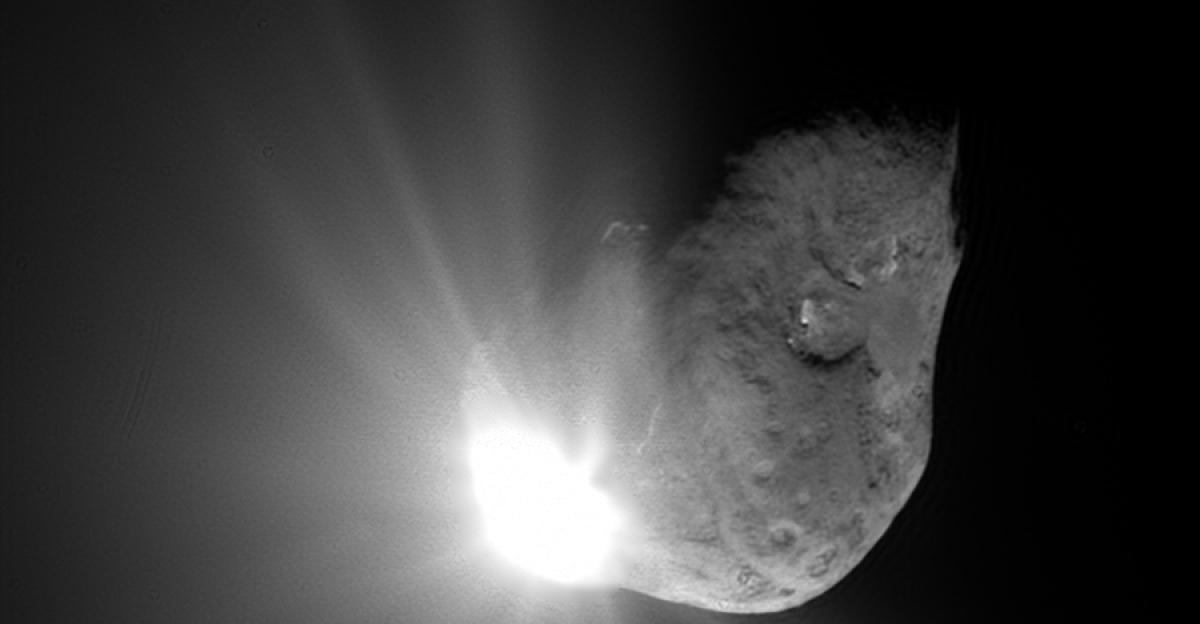
At 05:52 UTC on July 4, 2005, the copper impactor struck Tempel 1, 268 million miles from Earth. The flyby spacecraft, having separated from the impactor hours earlier, observed the event from a safe distance of 310 miles, capturing images and data as the collision unfolded. The impact carved a crater about 500 feet wide into the comet’s nucleus—an opening large enough to reveal the secrets hidden beneath its surface.
The explosion released an estimated 250,000 tons of water, enough to fill 100 Olympic-sized swimming pools. But it was the nature of the ejected material that most surprised scientists. Instead of solid chunks of ice and rock, the debris was composed of extremely fine particles, softer than beach sand—more like talcum powder. This unexpected texture suggested that the comet’s surface was far more delicate than previously thought.
Rewriting the Science of Comets
Analysis of the debris revealed that Tempel 1 was astonishingly porous. Its interior was found to be about 50 percent empty space, while the outer shell was even more fragile, with roughly 75 percent void. Rather than being solid ice balls, comets like Tempel 1 are loosely bound collections of dust and ice, held together by gravity and weak forces—a cosmic snowball barely held intact.
The impact also triggered a dramatic increase in the comet’s activity. NASA’s Swift satellite observed that Tempel 1’s daily water output jumped from 16,000 tons to 40,000 tons after the collision. Even more remarkable, the outburst continued for twelve days, as material from beneath the surface kept venting into space. This prolonged activity provided a rare window into the comet’s internal composition and the processes that shape these ancient objects.
A Second Act: The Hartley 2 Encounter
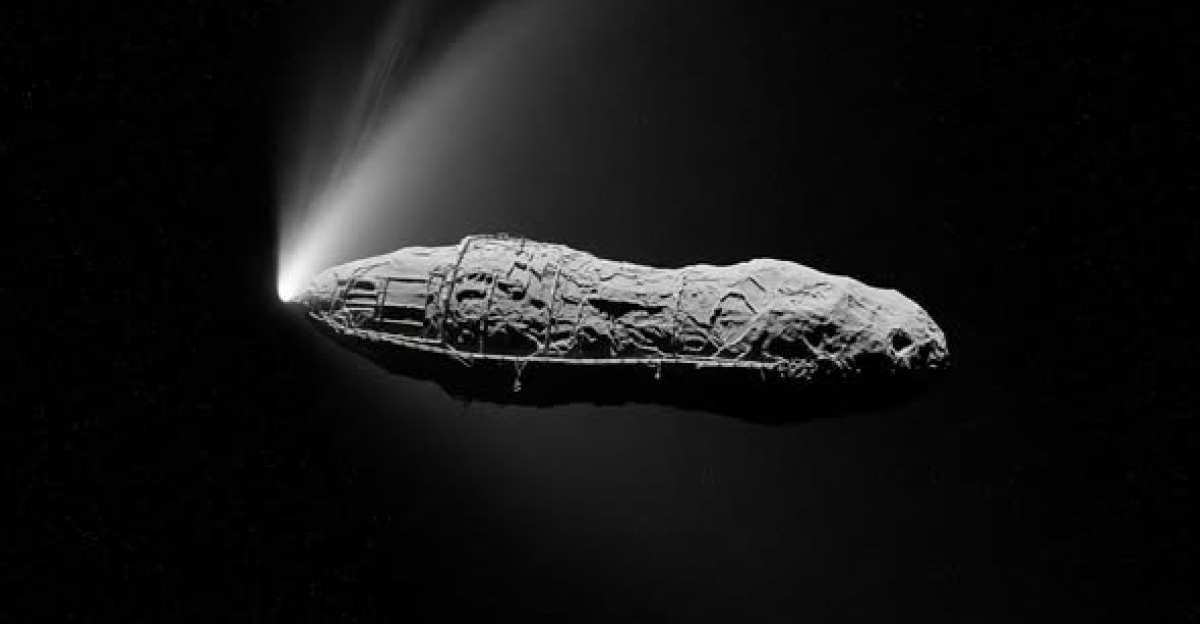
With its instruments still operational, NASA repurposed the Deep Impact spacecraft for a new mission. Renamed EPOXI, it was sent to study Comet Hartley 2, a smaller but more active comet. On November 4, 2010, the spacecraft flew within 435 miles of Hartley 2, capturing images and data that revealed another surprise: the comet’s jets were powered primarily by carbon dioxide, not water. This finding challenged previous assumptions and suggested that comets across the solar system may be more diverse than once believed.
Hartley 2’s jets erupted dramatically from its rough, peanut-shaped ends as sunlight struck the surface, while the smoother middle accumulated fine material. For the first time, scientists could directly link cometary jets to specific surface features, deepening understanding of how these icy bodies evolve.
Legacy of a Daring Mission
Over nine years, Deep Impact traveled 4.7 billion miles, visited two comets, and transmitted half a million images back to Earth. Its journey ended in August 2013, when a software error silenced the spacecraft for good. Yet its legacy endures: Deep Impact transformed scientific understanding of comets, revealing them as fragile, dynamic remnants from the solar system’s formation.
The mission also left a human mark. Before launch, NASA invited the public to submit names to be included on a disc aboard the impactor. More than 625,000 names were vaporized in the collision—a symbolic link between Earth and the ancient wanderers of space.
As astronomers continue to probe the mysteries of comets, the discoveries made by Deep Impact serve as a reminder of the power of bold exploration and the enduring quest to understand our cosmic origins.