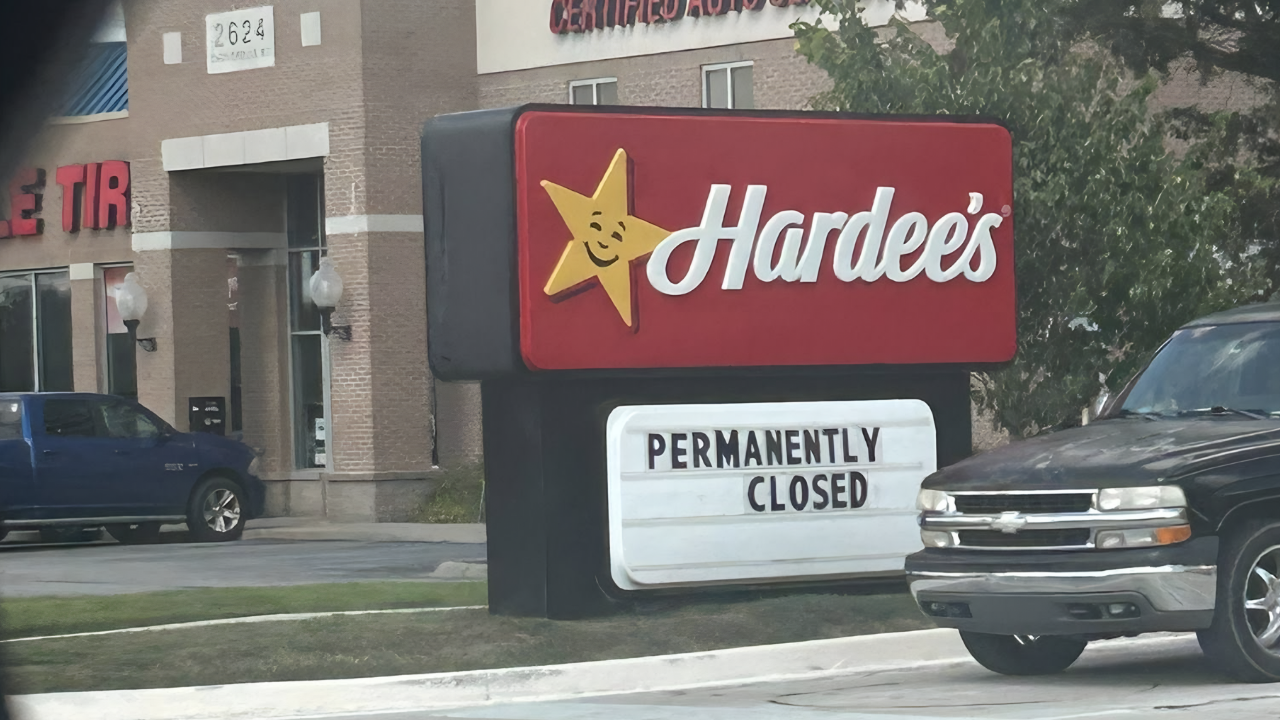
Hardee’s is facing the most significant franchise crisis in decades. Paradigm Investment Group, which operates 76 successful restaurants across the South, is suing the parent company, CKE Restaurants, over aggressive tactics to break franchise agreements and seize locations.
The lawsuit threatens $173 million in franchisee investments and jeopardizes up to 1,900 jobs in small Southern markets, where Hardee’s is a community cornerstone.
This dispute is part of a larger contraction for the brand, which has seen its U.S. locations shrink by nearly 50% from its 1992 peak of over 4,000 restaurants. What’s next for Hardee’s, and how will this reshape the future of the iconic brand?
Why Is This Happening? Franchise Demands Spark Showdown
The crisis erupted after Hardee’s demanded that franchisees extend operating hours past 2 p.m. and adopt costly digital tools, including a monthly technology fee ($150–$160 per restaurant), third-party delivery participation, and in-app loyalty programs.
Paradigm Investment Group refused, arguing these requirements were never part of their original franchise agreements and would make many stores unprofitable. In January 2025, Hardee’s issued a notice of default threatening termination by April 15, 2025, unless Paradigm complied.
Paradigm filed its lawsuit in mid-April, claiming the corporate demands represent unilateral contract amendments disguised as operational updates. The franchisee argues that Hardee’s internal data shows post-2 p.m. business is practically nonexistent—with some locations averaging fewer than 4 customers per hour after 2 p.m. and sales of just $19 per half hour compared to $239 during breakfast hours.
Consumers Face Fewer Choices and Closures
If Paradigm loses the lawsuit, 76 Hardee’s locations across four Southern states will close, eliminating fast-food access for hundreds of thousands of residents in small towns where Hardee’s is often the only major quick-service option.
Many of these communities lack alternative breakfast and lunch destinations, meaning customers will face significantly reduced dining options and longer commutes for convenience food.
The closure cascade would accelerate Hardee’s decades-long contraction and further hollow out America’s rural fast-food landscape.
Corporate Response and Brand Instability

CKE Restaurants, Hardee’s parent company, has responded by threatening to terminate Paradigm’s franchise agreements and seize their locations for a reduced value (approximately $13 million in liquidated damages claimed).
The company insists that uniform hours, digital tools, and fee compliance are essential for brand consistency and competitiveness. However, frequent leadership turnover at CKE—four CEOs in five years, six CFOs, and four CMOs since 2017—has fueled franchisee distrust and operational chaos.
Paradigm describes Hardee’s as a “distressed brand”, dead last in its competitive set for sales per operating hour and drive-thru speed, with lenders unwilling to finance franchise expansion.
Competitors and Adjacent Markets Stand to Gain
With Hardee’s footprint shrinking, rival fast-food chains like McDonald’s, Wendy’s, and Burger King are poised to capture customers displaced by the decline in Alabama, Mississippi, Tennessee, and Florida.
Convenience stores, regional fast-casual brands, and independent diners may also see increased traffic as rural consumers seek breakfast and lunch alternatives.
Private equity-backed competitors with stronger franchisee relations and lower debt loads may exploit Hardee’s vulnerability.
International Trade and Supply Chain Effects
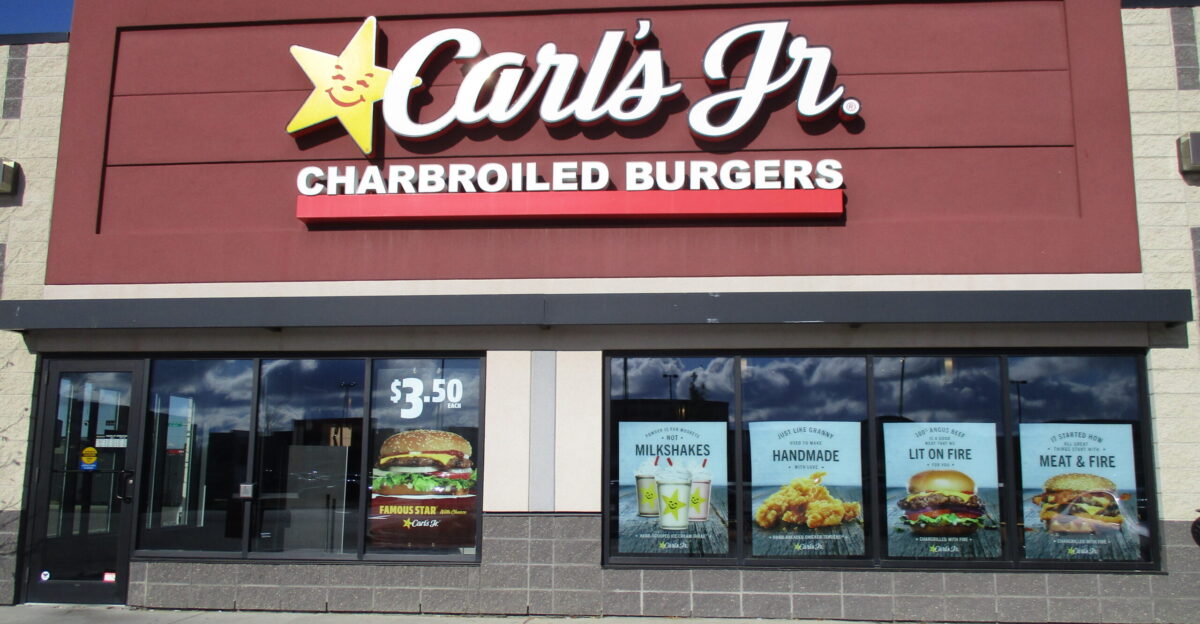
The closure of 76 Hardee’s locations would impact regional suppliers of meat, produce, and packaging materials. Distributors with contracts tied to Paradigm’s stores face significant revenue loss, potentially cascading through agricultural and logistics supply chains.
The contraction further weakens CKE’s bargaining power with national suppliers and could increase per-unit costs across the remaining Hardee’s and Carl’s Jr. network.
Workers and Local Economies in the Crosshairs
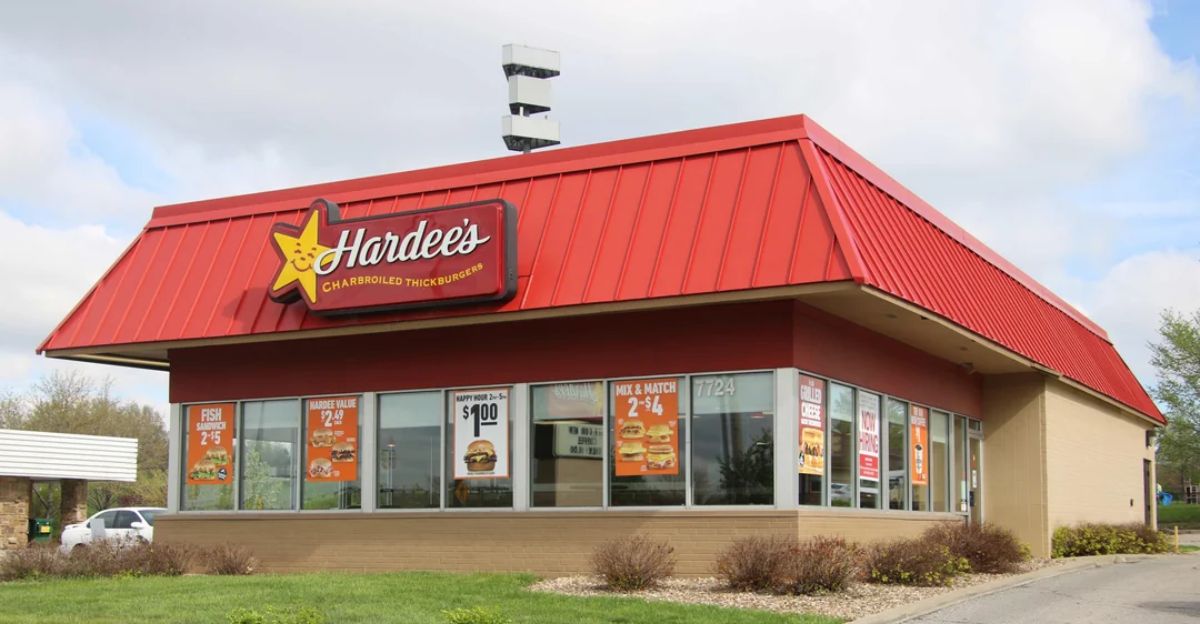
Up to 1,900 jobs are at risk, affecting cooks, cashiers, shift managers, and general managers. Court documents show Paradigm employs around 1,600 workers directly across its 76 locations, with broader economic multiplier effects in small towns where Hardee’s provides stable, year-round employment.
Many employees have worked at Hardee’s for years and rely on these jobs for income and benefits. Local economies, especially in rural Alabama, Mississippi, Tennessee, and Florida, could feel a severe impact through reduced consumer spending, higher unemployment, and pressure on already-tight labor markets struggling with severe workforce shortages (particularly in Alabama, where only 39 workers are available per 100 open jobs).
Policy and Regulatory Scrutiny Intensifies

The dispute highlights growing tensions in the franchise business model, drawing attention from policymakers and industry watchdogs.
Paradigm’s case—one of the largest franchisee fights in Hardee’s modern era, involving $173 million in investment and $87 million in lifetime royalties—demonstrates how aggressively franchisors can amend agreements through operations manual updates.
Lawmakers and the Federal Trade Commission may consider new regulations that clarify franchisee rights and limit unilateral contract modifications by franchisors, particularly as digital mandates become more prevalent across the industry.
Economic and Inflationary Pressures Mount
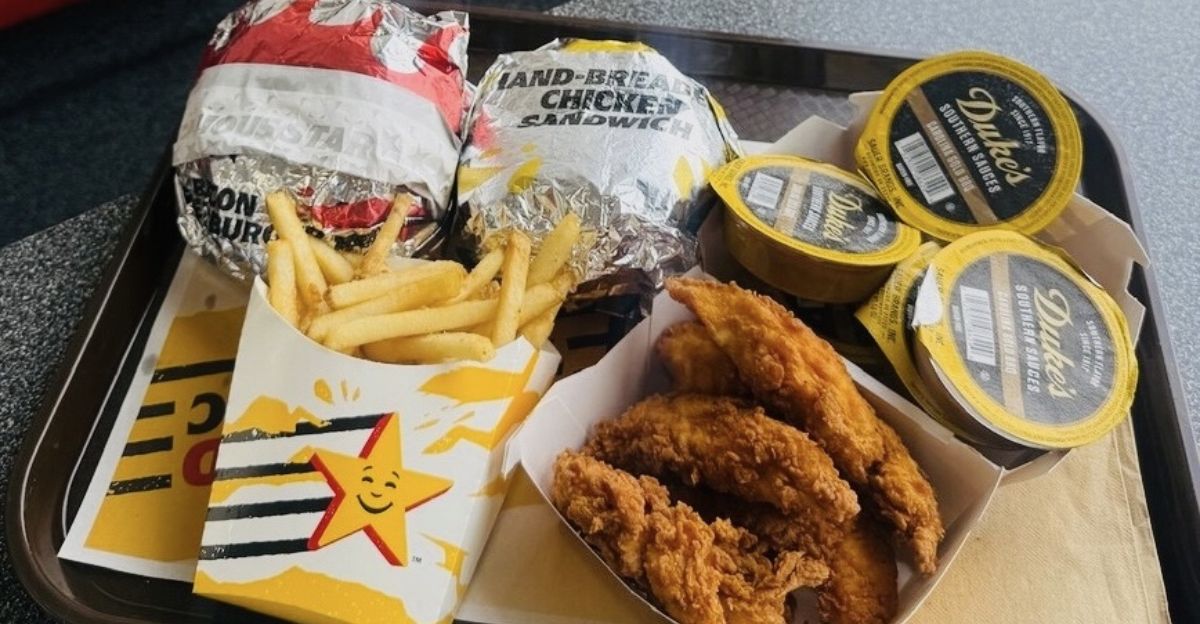
Hardee’s contraction reflects broader economic headwinds in the fast-food industry, including labor shortages, wage inflation, and declining same-store sales.
As franchisors push digital upgrades and extended operating hours, franchisees face higher fixed costs with marginal revenue gains, particularly in post-lunch dayparts.
Paradigm’s data showing sub-$20-per-hour sales after 2 p.m. demonstrates the mathematical impossibility of profitability when labor costs exceed sales. Rising labor costs and inflation could trigger more franchisee defections and closures across CKE’s portfolio.
Lifestyle and Health Choices Shift

With 76 fewer Hardee’s locations, some consumers may shift toward home cooking, meal prep, or healthier dining alternatives.
The closures may accelerate trends toward grocery shopping for breakfast and lunch, particularly in communities with limited fast-food options.
Over time, fast-food consumption in affected areas could decline permanently as consumers adjust their routines and preferences.
The Sustainability of the Fast Food Francise
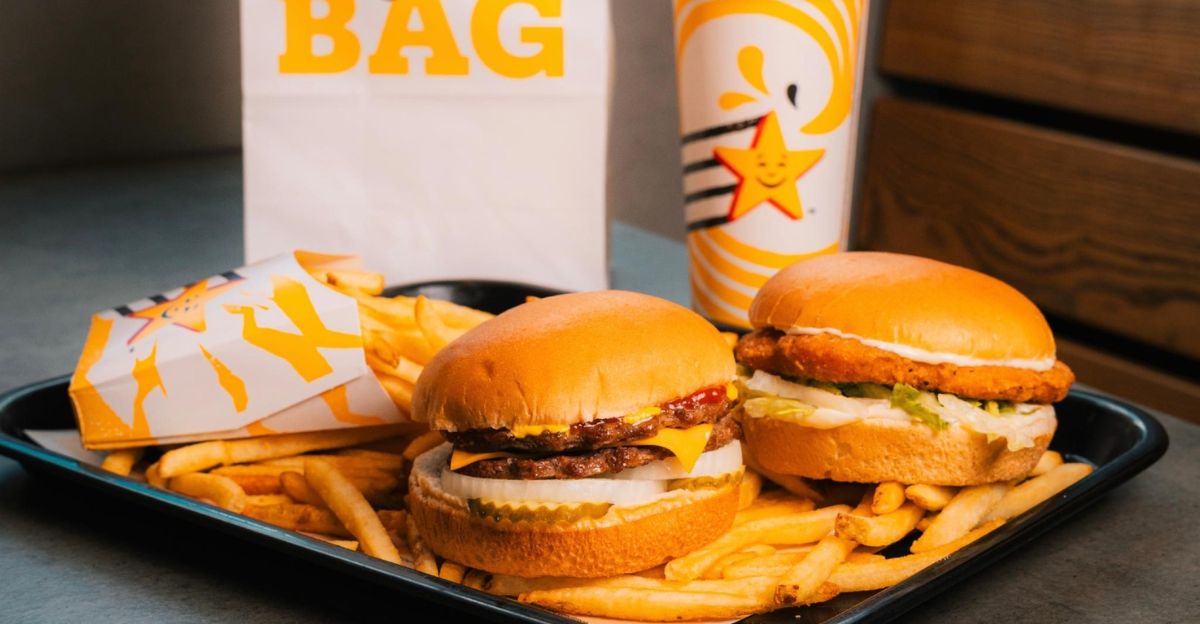
The crisis has sparked debate about the sustainability of the fast-food franchise model. Critics argue that aggressive corporate mandates undermine local business autonomy and community ties, while supporters claim standardization is necessary for competitive survival.
Paradigm’s 25-year operating history suggests that franchisee independence and localized operations can coexist with brand success—a model increasingly at odds with CKE’s centralized digital and operational demands.
Global Perception and Investor Confidence

International observers see the Hardee’s-Paradigm dispute as a cautionary tale for global franchise brands. The combination of aggressive corporate tactics, franchisee rebellion, and brand decline raises questions about CKE’s franchise model abroad.
Investors and lenders are watching closely: if Hardee’s loses this lawsuit or faces further franchisee defections, confidence in CKE’s long-term viability could deteriorate, potentially affecting the company’s ability to raise capital or acquire additional brands.
Unexpected Winners and Losers
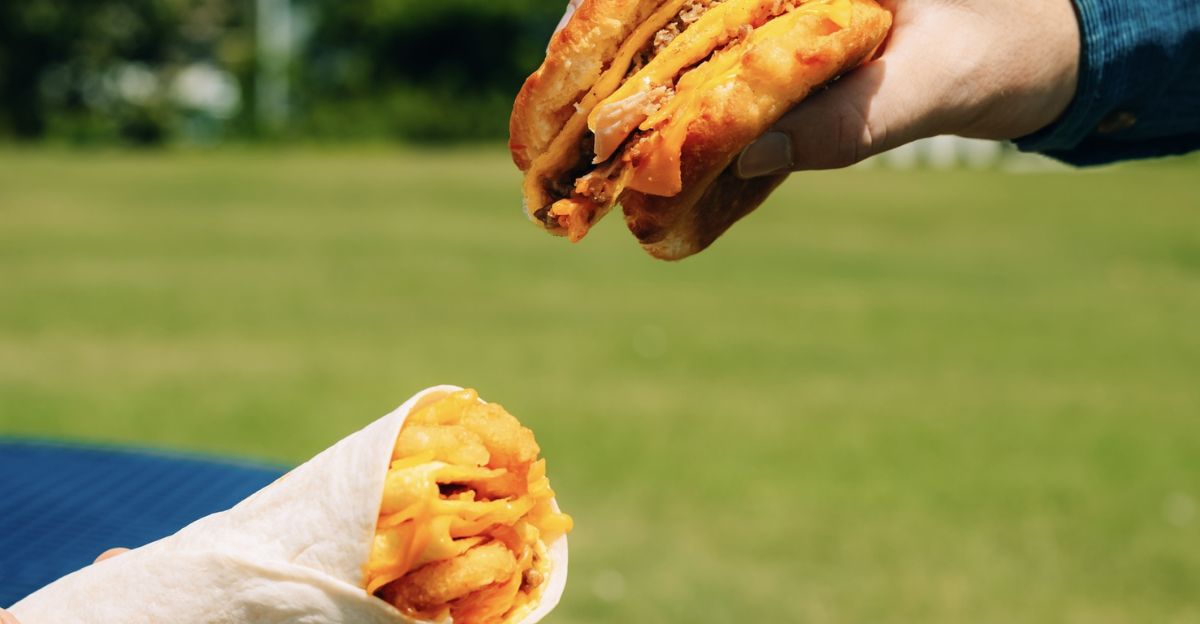
While Hardee’s faces potential contraction, local diners, food trucks, and regional restaurant chains benefit from reduced competition in small Southern markets. Convenience stores and quick-serve competitors gain market share.
Conversely, suppliers and landlords with long-term contracts tied to Hardee’s locations face revenue loss and potential lease defaults. Equipment vendors and local contractors experience reduced service demand as franchisee expansion stalls.
Financial Market Speculation and Consumer Advice

Industry analysts warn that CKE Restaurants’ private equity backing (Roark Capital owns a majority stake) and deteriorating unit economics make the company a riskier investment.
If Paradigm wins or CKE faces additional franchisee lawsuits, the brand’s lender support could evaporate, and debt restructuring may follow.
Consumers should watch for menu changes, price increases, reduced hours, and potential disruptions to loyalty programs as the legal battle unfolds and possible store closures reshape regional availability.
The Future of Hardee’s and Fast-Food Franchising
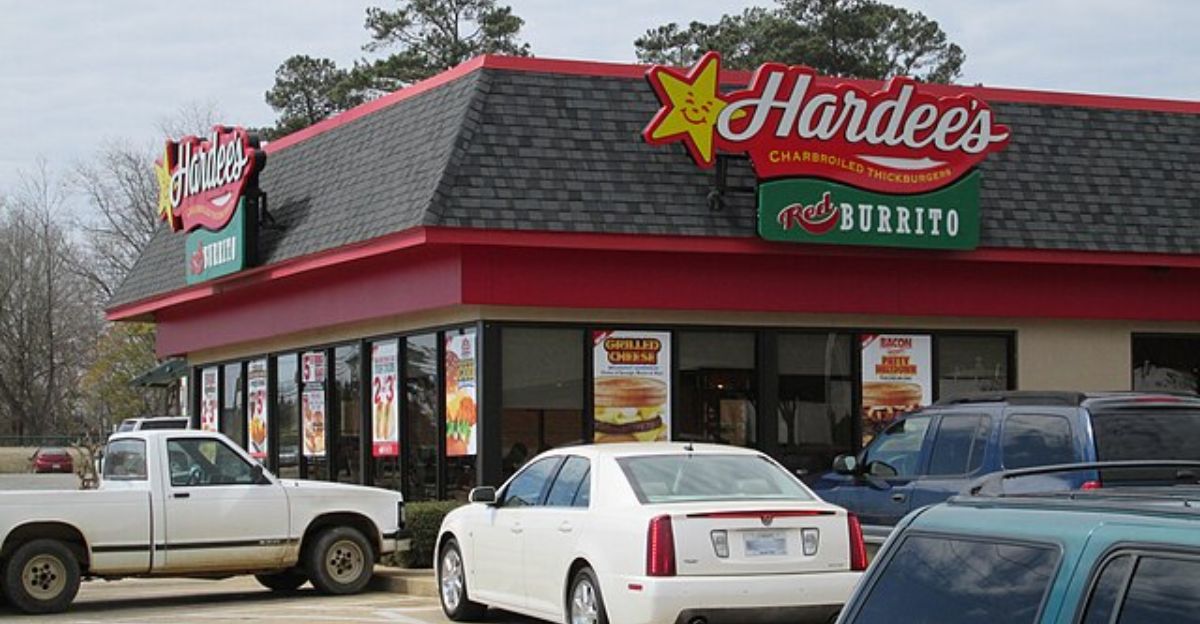
The Paradigm lawsuit outcome could set a precedent for franchise relations nationwide. If Paradigm prevails, franchisees across the industry may gain leverage to resist costly mandates and unilateral contract amendments, forcing franchisors to negotiate rather than dictate.
If CKE wins, aggressive contract interpretation and corporate control could become the norm, accelerating franchisee resistance and brand fragmentation.
The case will also test whether courts view operations manual updates as legitimate business adjustments or material contract breaches. Either way, the outcome will shape franchise model viability and franchisee confidence across the fast-food industry for years to come.