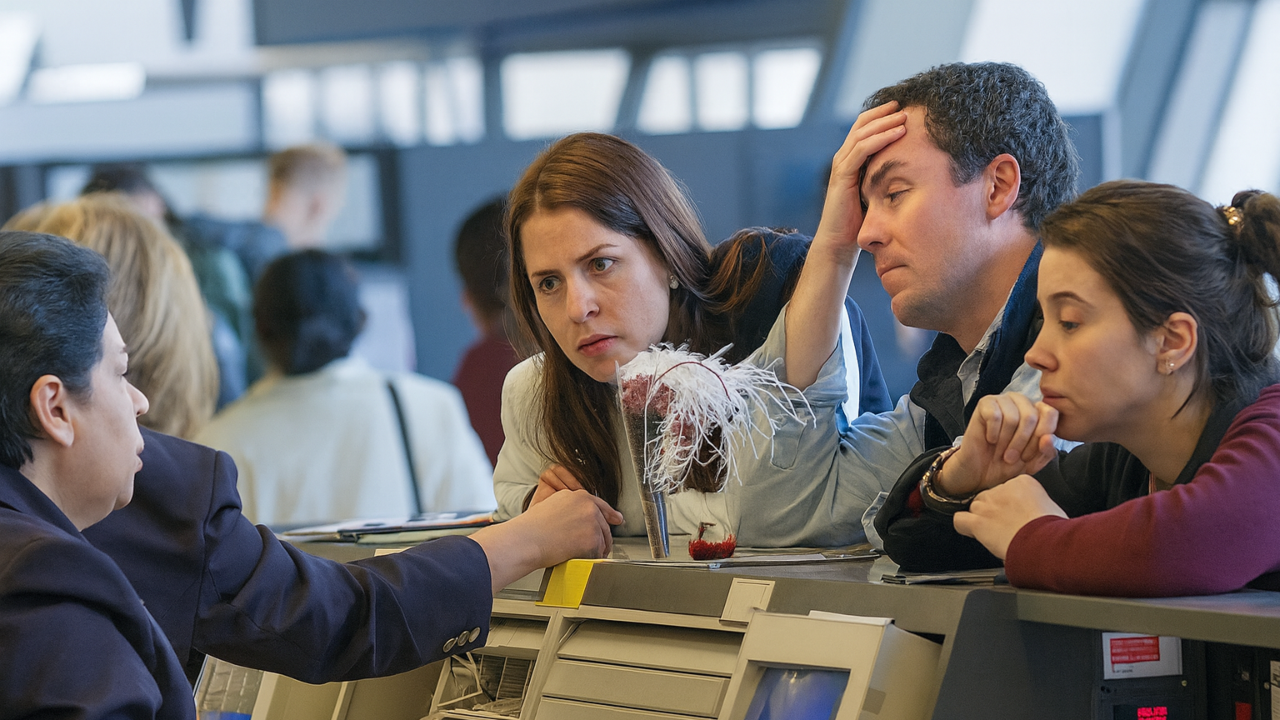
82 million people are racing against the clock all at once. That’s Tuesday. The Transportation Secretary called it “the busiest Thanksgiving that we have on record,” and here’s the terrifying part: two separate storm systems are closing in. One brings tornadoes and 70 mph winds to Texas. The other promises 12 to 25 inches of snow across Michigan’s Upper Peninsula.
They’re converging on the exact moment 52,000 planes are scheduled to take off—the single busiest air travel day in American history. What happens when an immovable object meets an unstoppable force? We’re about to find out.
Witnessing The Collision of Three Impossible Numbers
Start with 31 million passengers—the highest volume in 15 years, according to the Federal Aviation Administration. Layer on 52,000 flights scheduled for Tuesday alone, the single busiest travel day ever recorded.
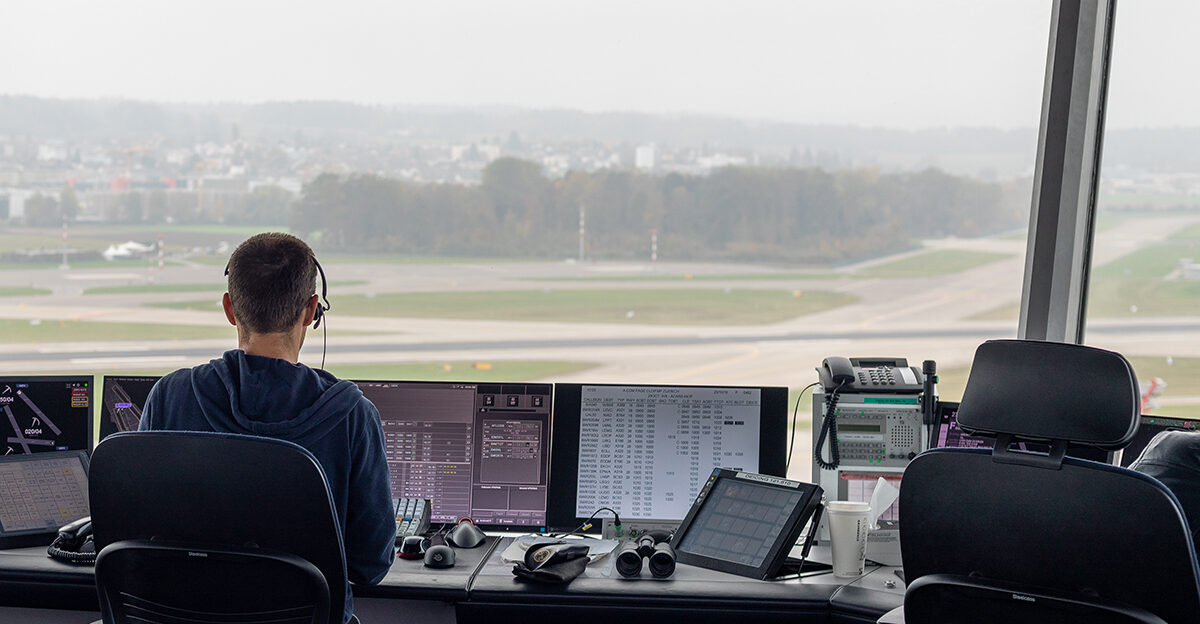
Then add this: Air traffic controllers have just returned to work after 43 days without pay, and their first test comes during a record volume of flights and severe weather. “This is our Super Bowl,” FAA Administrator Bryan Bedford said. Except the stadium is on fire.
The Tornado Watch Hits At Peak Departure Time
A tornado watch over southeast Texas, including Houston, remained active until 7 p.m. CT Monday—right when thousands of travelers sat in departure lounges. Supercell thunderstorms sparked damage reports and conditions for rotating tornadoes. Over 35,374 customers lost power.
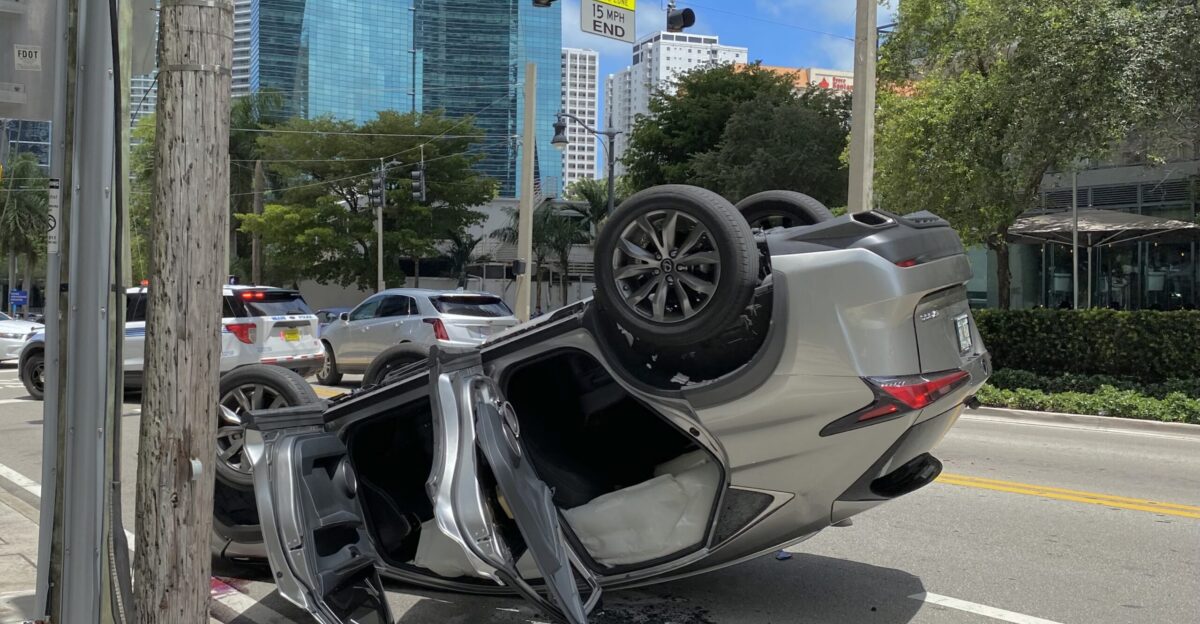
Wind gusts reached 70 mph—strong enough to flip vehicles and down trees blocking highways. Large hail punctured windshields on interstates already clogged with holiday traffic. For families sitting in traffic near Dallas-Fort Worth, the sky wasn’t just dangerous—it was closing in.
Dallas Airports Begin To Hemorrhage
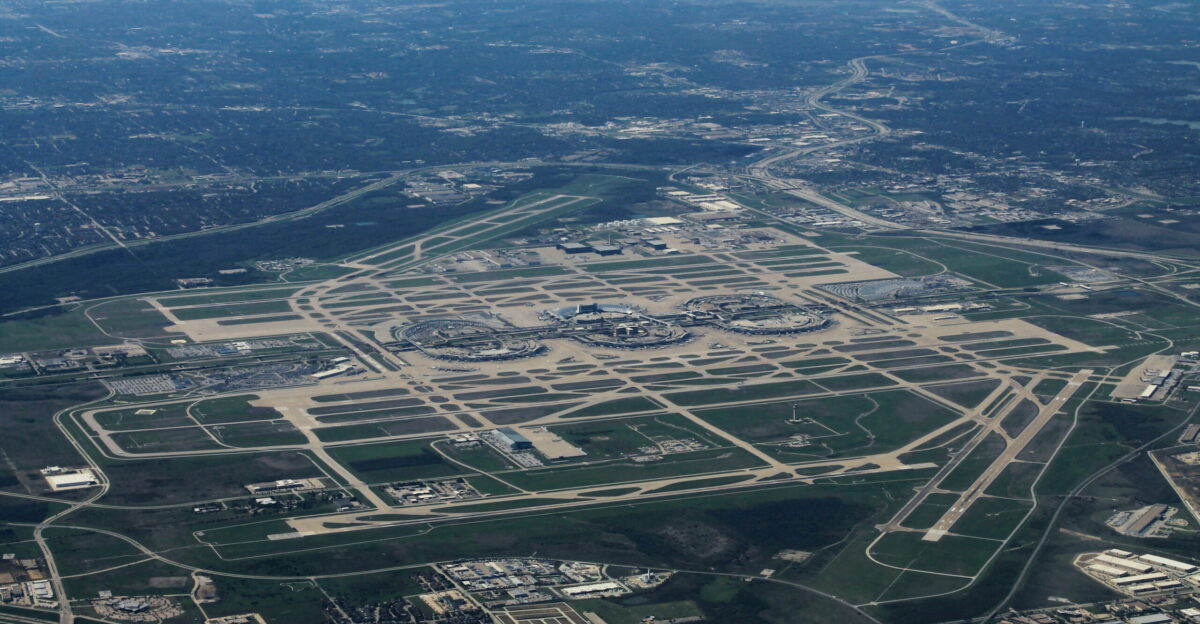
Dallas-Fort Worth International recorded 56 cancellations and 532 delays by early afternoon. Dallas Love Field logged 34 cancellations and 86 delays. FlightAware reported 4,120 flights delayed or canceled nationwide by Monday morning—before the worst weather arrived.
These weren’t random glitches. They were the opening act. For travelers already booked: If Monday’s weather demolishes the schedule, what happens on Tuesday when 52,000 flights try to move through simultaneously?
The Arkansas-Texas Flood Zone
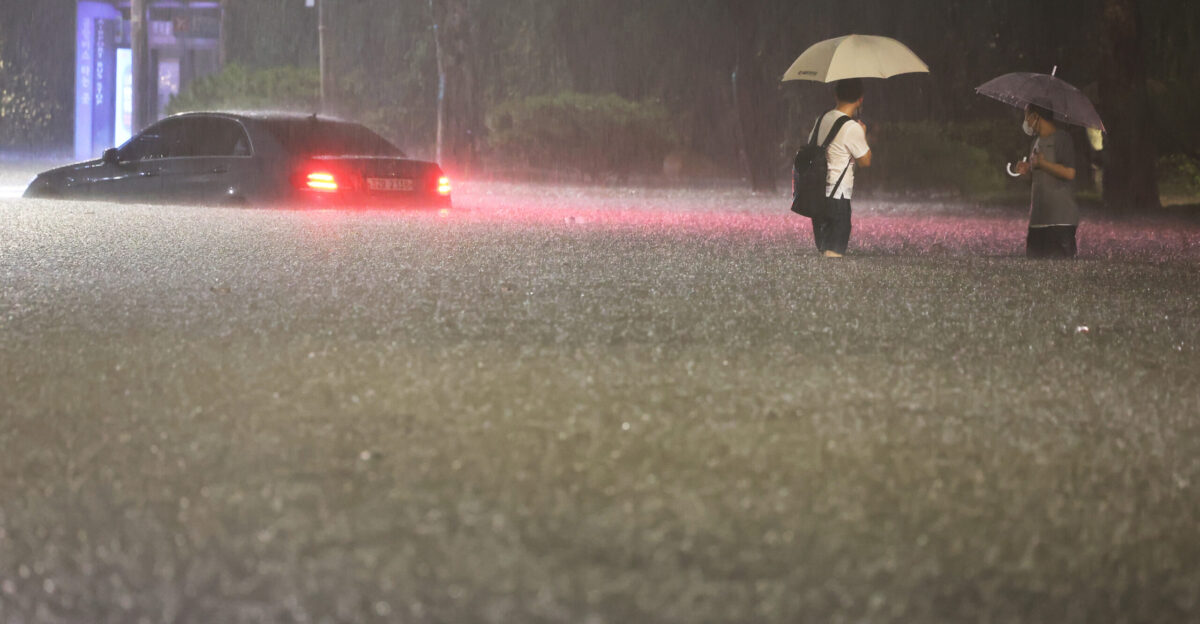
The Ark-La-Tex region was under a Level 2 out of 4 Flash Flood Threat, affecting areas including Dallas, Shreveport, Little Rock, Jackson, and Memphis. A flood watch predicted 1 to 3 inches of rain in a short period over waterlogged ground. The National Weather Service warned: “Repeated rounds of storms will soak the same areas.”
For drivers bypassing airports, flooding wasn’t hypothetical—it was a real risk turning certain roads into rivers. Evacuation routes were becoming impassable.
Winter Storm Arrives Early And Angry
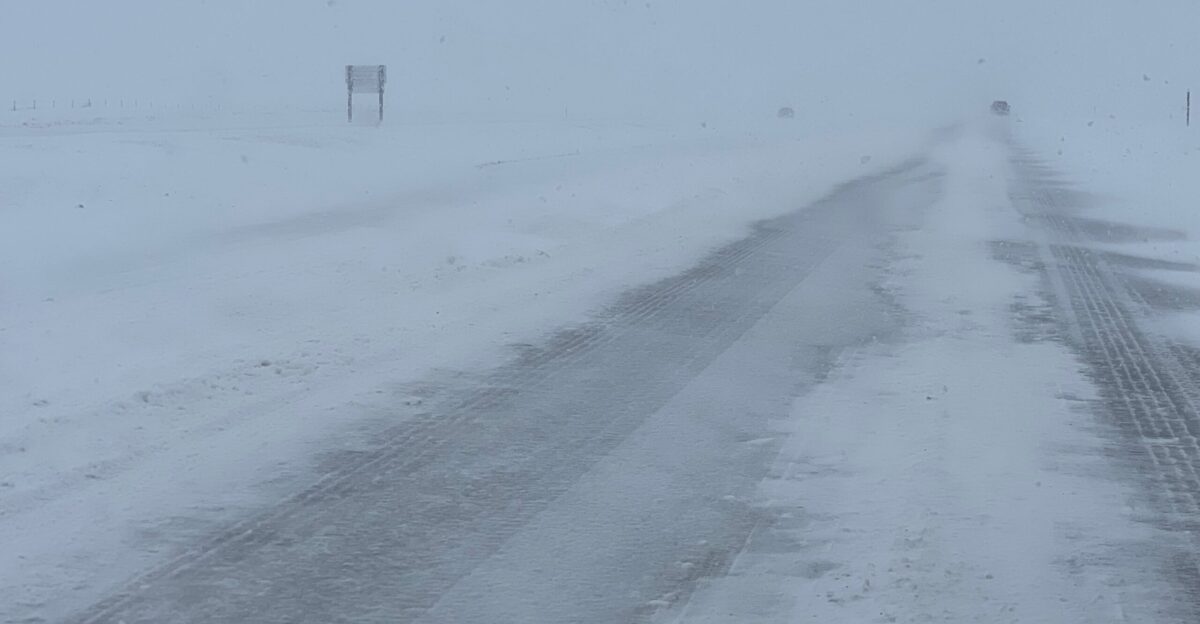
As Texans battled tornadoes and floods, a second weather front hammered the northern states. Montana and western North Dakota received heavy snow on Monday, with forecasters predicting 3 to 6 inches from North Dakota through northern Michigan by Wednesday.
The National Weather Service predicted 12 to 25 inches of possible snow in Michigan’s western Upper Peninsula. “Widespread blowing snow could significantly reduce visibility,” it warned. “Travel could be very difficult to impossible.”
Nine Inches Of Snow Meets Record Airport Traffic
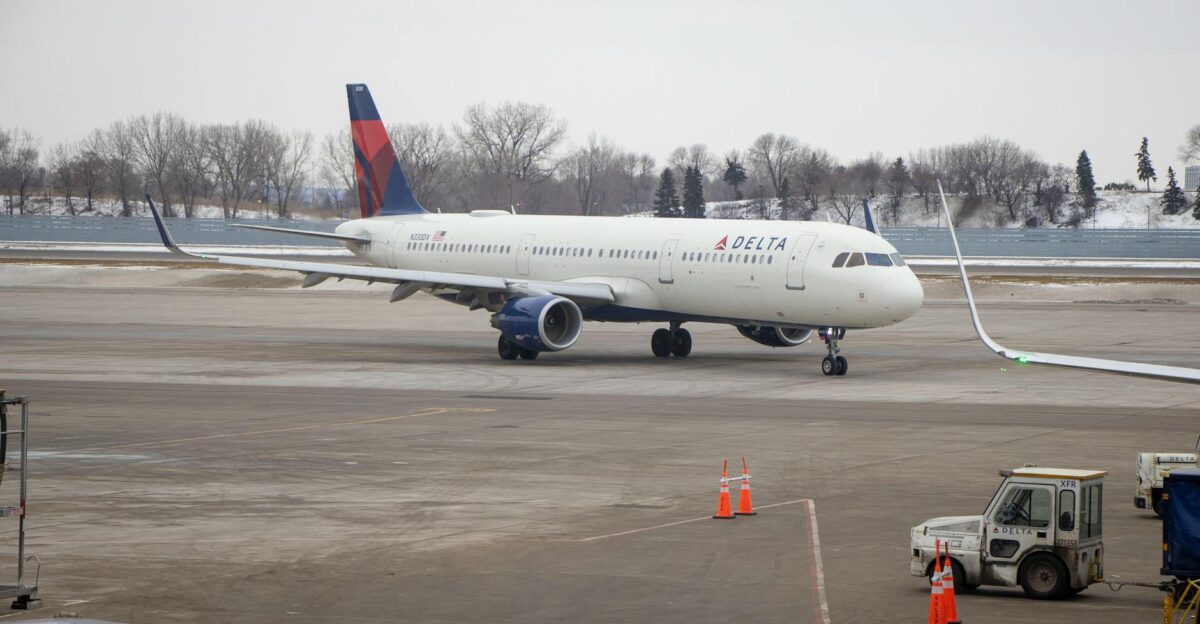
Parts of Minnesota are expected to receive up to nine inches of snow from Tuesday through Wednesday, with the heaviest bands moving through Minneapolis-St. Paul during peak travel hours. The Metropolitan Airports Commission screened 441,000 people between Thanksgiving and December 1—more than any other period.
Record crowds, massive snow accumulation, and reduced visibility all happened simultaneously at one of America’s busiest airports. Runway conditions would deteriorate by the hour. Travelers would be stuck, watching snow accumulate outside the tarmac windows.
The Great Lakes’ Lake-Effect Snow Machine
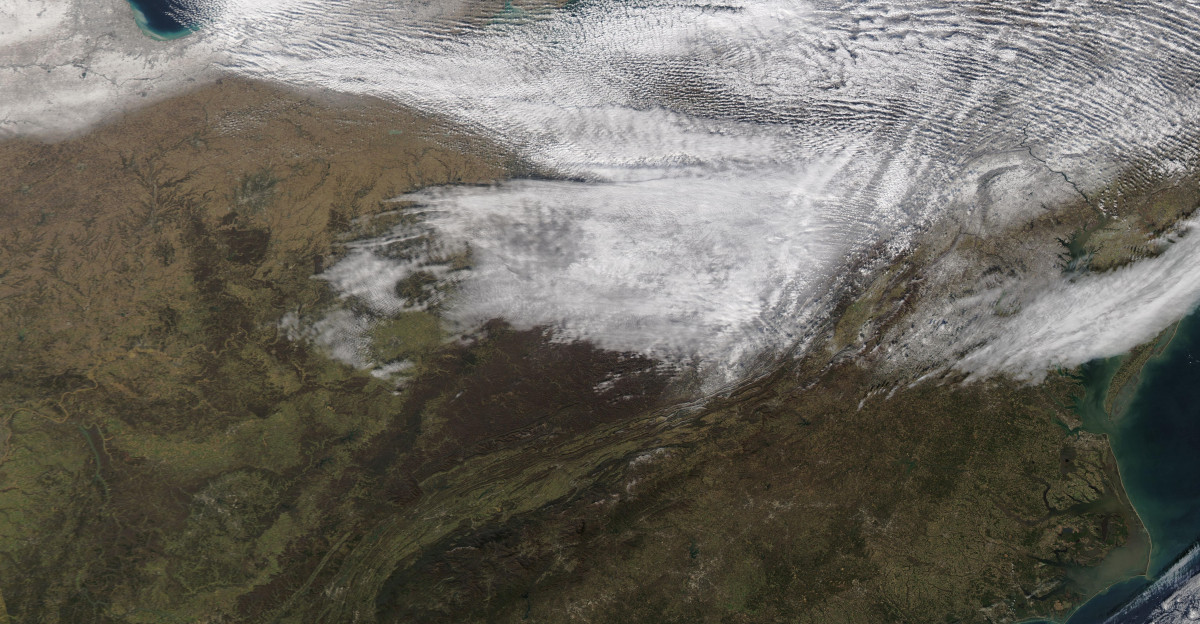
Lake-effect snow is expected to set up on Wednesday evening, potentially delivering up to a foot or more between Tuesday and Thursday morning. “Intense winds could result in whiteout scenarios and snow drifts,” meteorologist Frank Pereira explained. Visibility could drop to near-zero.
Forty-five-mile-per-hour winds would make driving nearly impossible and aircraft operations extremely risky.
What 31 Million Passengers Actually Means
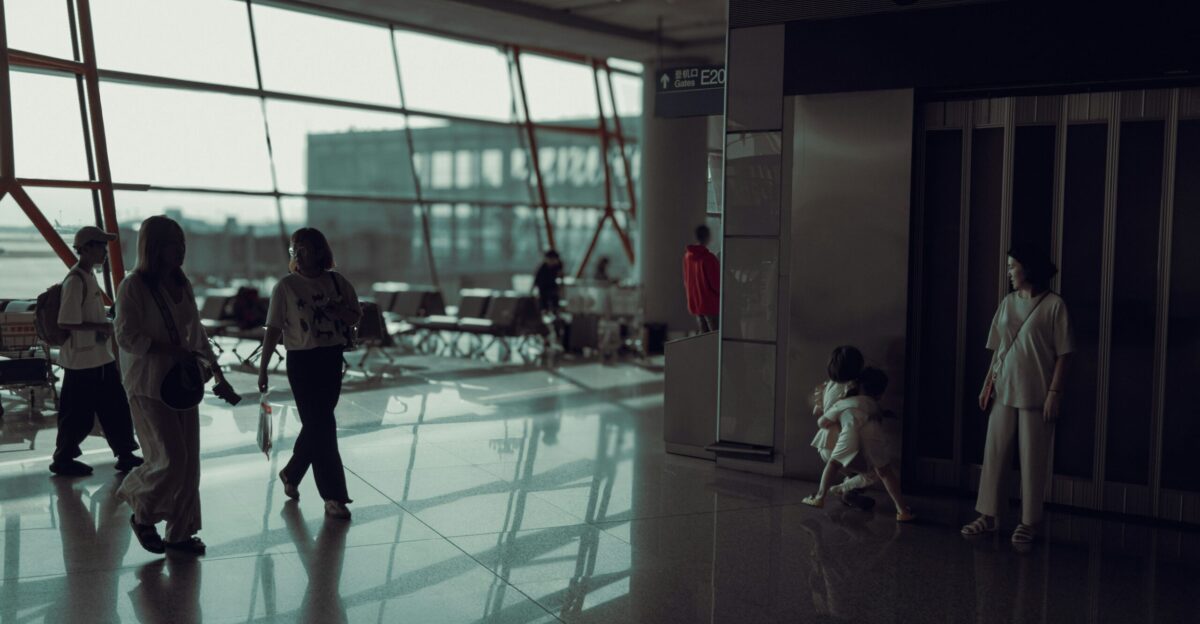
Thirty-one million passengers isn’t an abstraction—it’s families in departure lounges checking phones right now. Children bouncing in seats. Elderly grandparents gripping armrests. People who planned this trip for months with no flexibility left. Airlines for America confirmed this represented the highest volume in 15 years.
United Airlines expected to serve 6.6 million passengers, up more than 4 percent compared to last year. American Airlines planned 80,759 flights—more than any carrier. These numbers suggest chaos at every gate, every checkpoint, every tarmac.
Why Tuesday Is The Perfect Storm
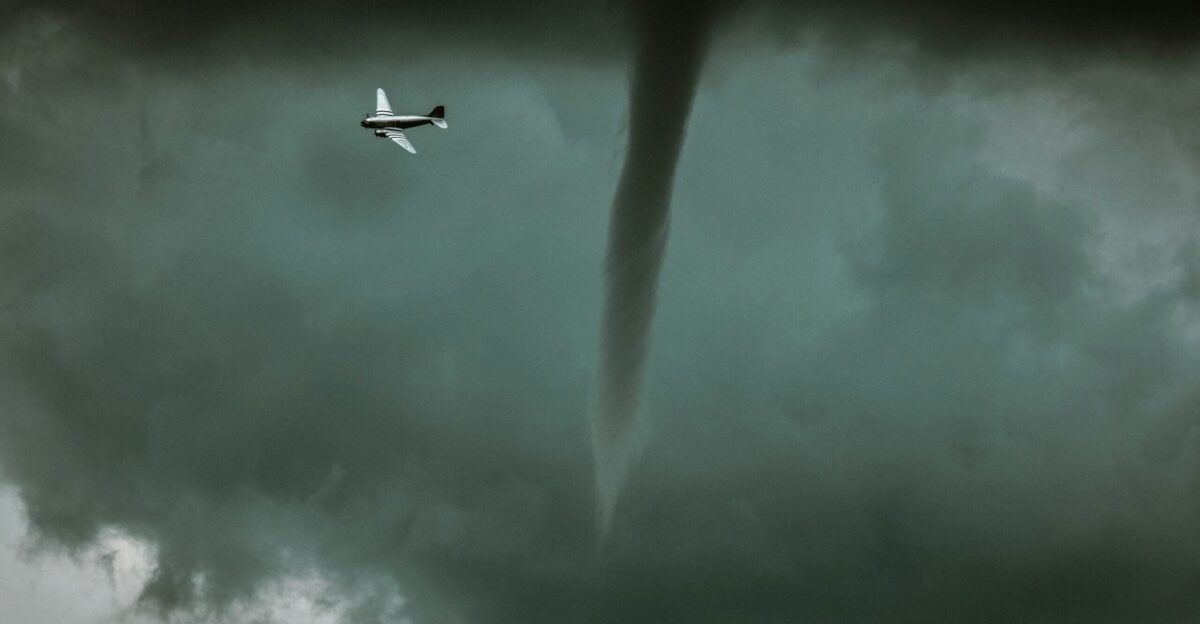
The FAA confirmed 52,000 flights scheduled for November 25, the single busiest travel day in history. Yet, weather models showed that the worst conditions would collide with peak hours. Winter storms were intensifying in the Upper Midwest. Tornado watch areas remained active.
Flight delays ripple like dominoes—one canceled flight means connecting passengers miss their next, which cancels a flight downstream. By Tuesday afternoon, cascading failure is mathematically possible. Transportation Secretary Sean Duffy said: “The stakes are high.”
Peak Weather, Record Crowds Colliding
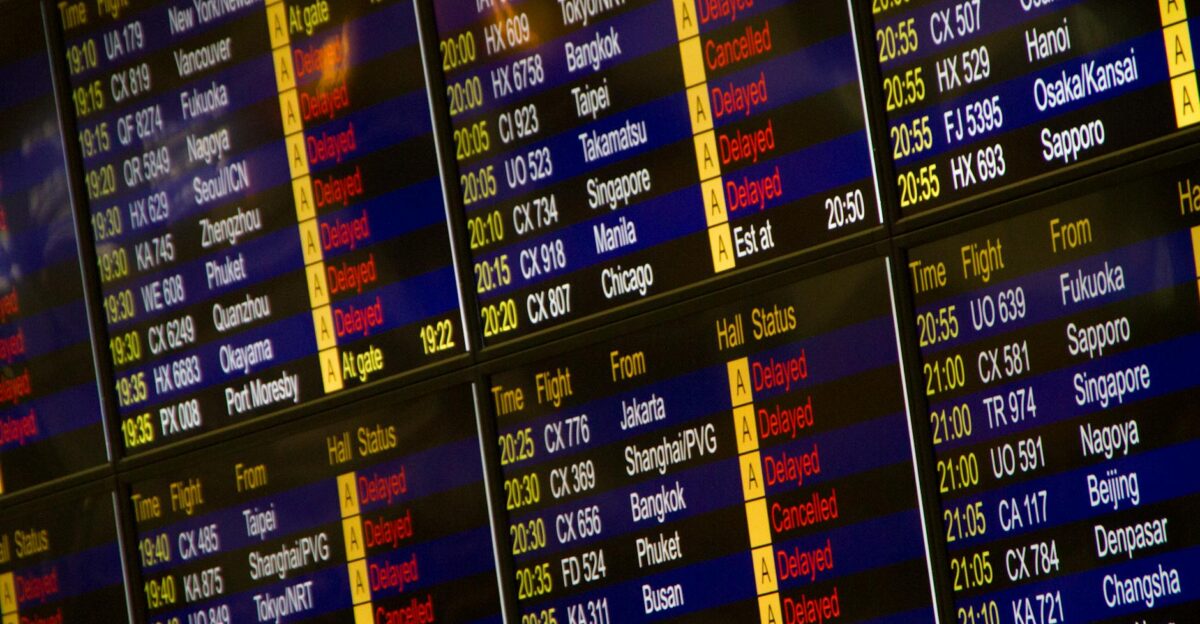
All three factors converged simultaneously: record passenger volume, peak weather intensity, and exhausted air traffic control staff managing the aftermath of a 43-day shutdown. This wasn’t just heavy weather disrupting busy travel. This was a system operating at absolute capacity, facing an external shock it couldn’t absorb.
Every cancellation would trigger downstream consequences. Every delay would compress time further. One system failure could cascade into a regional shutdown. The math was stark: 52,000 flights, zero margin for error.
Air Traffic Controllers Return After 43 Days Without Pay
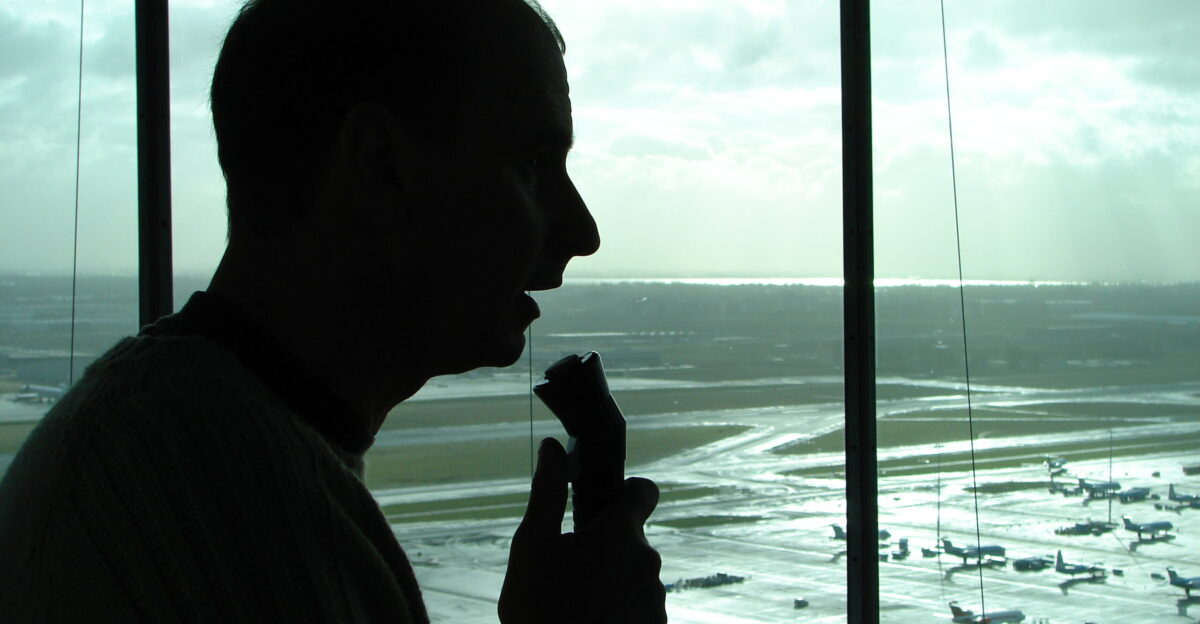
These controllers have just returned to work after being absent for 43 days without pay. During that period, some called out, forcing the FAA to reduce flights by 4 to 10 percent at major airports to maintain safety. Now they faced managing record volume while the weather created instant decisions with zero margin for error.
The Trump administration offered $10,000 bonuses for perfect attendance, a tacit admission that burnout threats were real. Controllers were exhausted, underpaid for months, and suddenly asked to orchestrate America’s busiest Thanksgiving air travel period.
When Weather Isn’t The Only Thing About To Explode
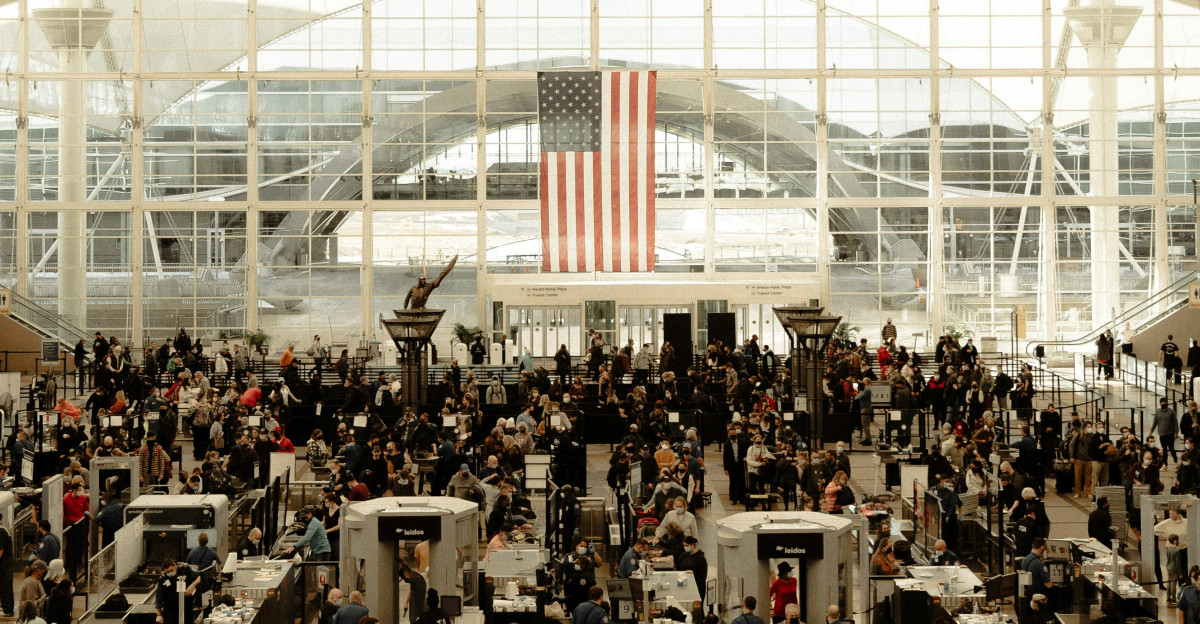
Transportation Secretary Sean Duffy urged Americans to be “aware and courteous” during travel, saying, “We need to wear jeans, not pajamas.” The Transportation Department launched a civility initiative aimed at reducing incidents of unruly passengers. When crowds exceed capacity and weather threatens schedules, human patience evaporates.
Gate agents would face fury over cancellations they didn’t cause. Flight attendants would manage already-stressed passengers. Security lines would stretch for hours. The weather was one problem. Human behavior might be another.
73 Million Choose Highways
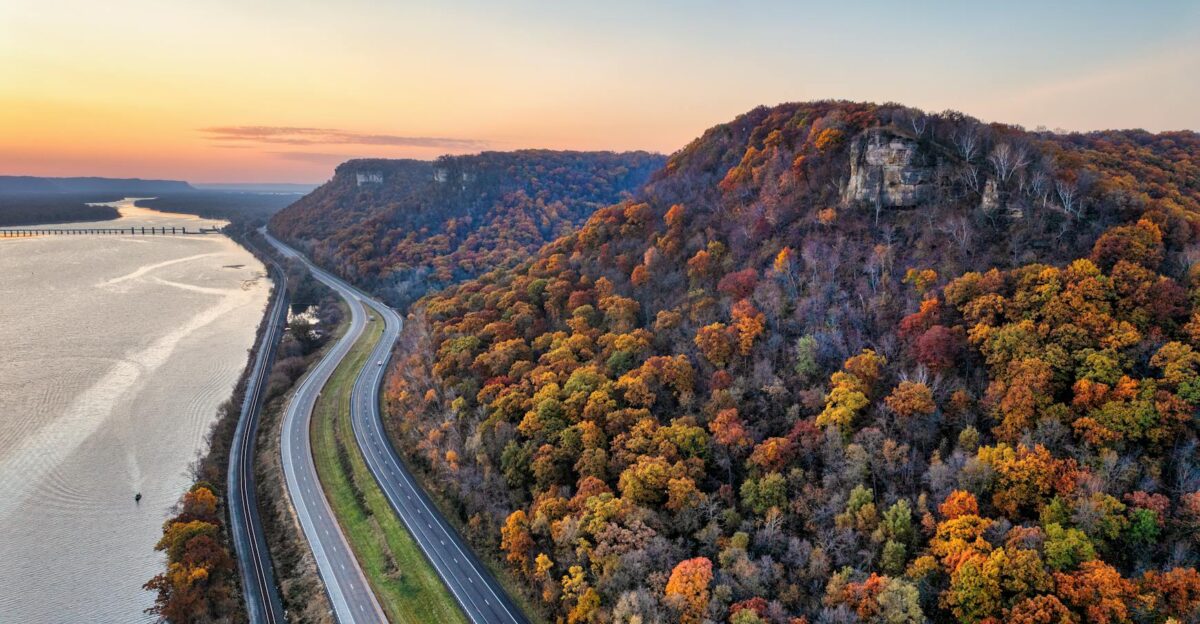
Roughly 90 percent of Thanksgiving travelers chose to drive—approximately 73 million people. That sounds wise. Why gamble on airports? The answer is that you can’t control the weather. Roads through tornado watch zones were dangerous. Highways crossing the Ark-La-Tex region faced potential washouts due to the threat of flooding. Northern routes through Minnesota and Michigan would become snow-packed.
AAA predicted that the heaviest road travel would peak on Tuesday and Wednesday—the exact periods when roads were most hazardous. Suddenly, 73 million drivers weren’t safer—just differently exposed.
The Flood Zone Spreads
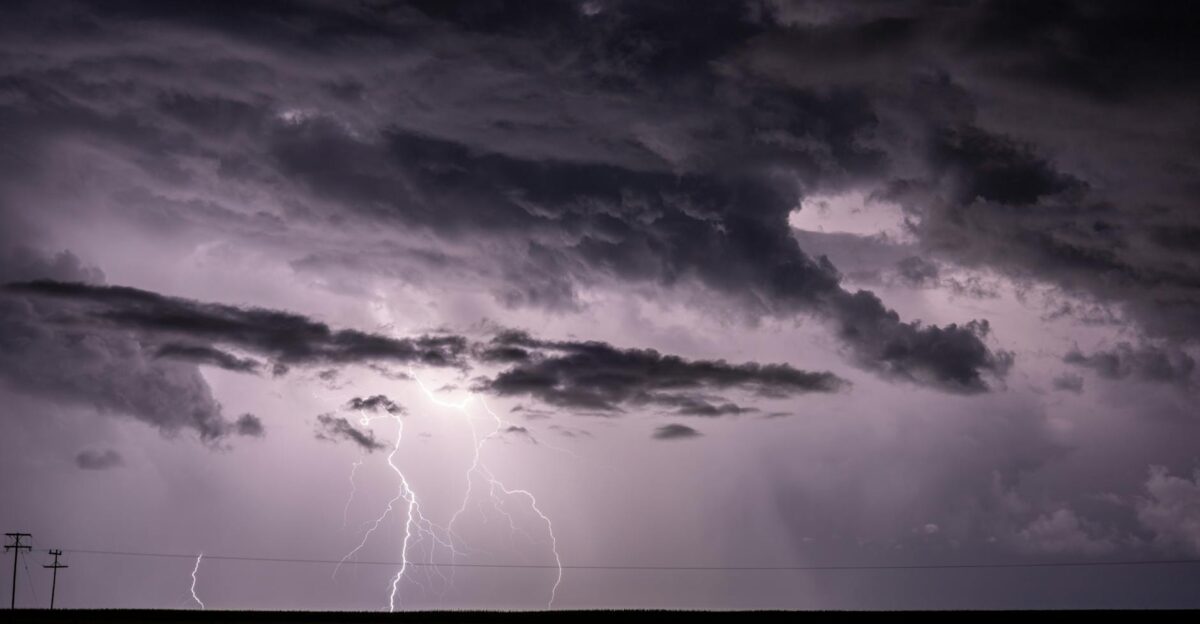
NOAA’s Weather Prediction Center issued a Level 2 out of 4 Flash Flood Threat spanning Dallas, Shreveport, Little Rock, Jackson, and Memphis. Repeated storm systems would target the same saturated zones. Ground already at saturation limits would receive 1 to 3 inches in short bursts. Interstate 20 from Shreveport to Alexandria faced the highest risk of rapid flash flooding.
For families on the highways, flooding wasn’t distant—it was a real possibility, turning routes into dead ends.
FAA’s “Variety Of Strategies”
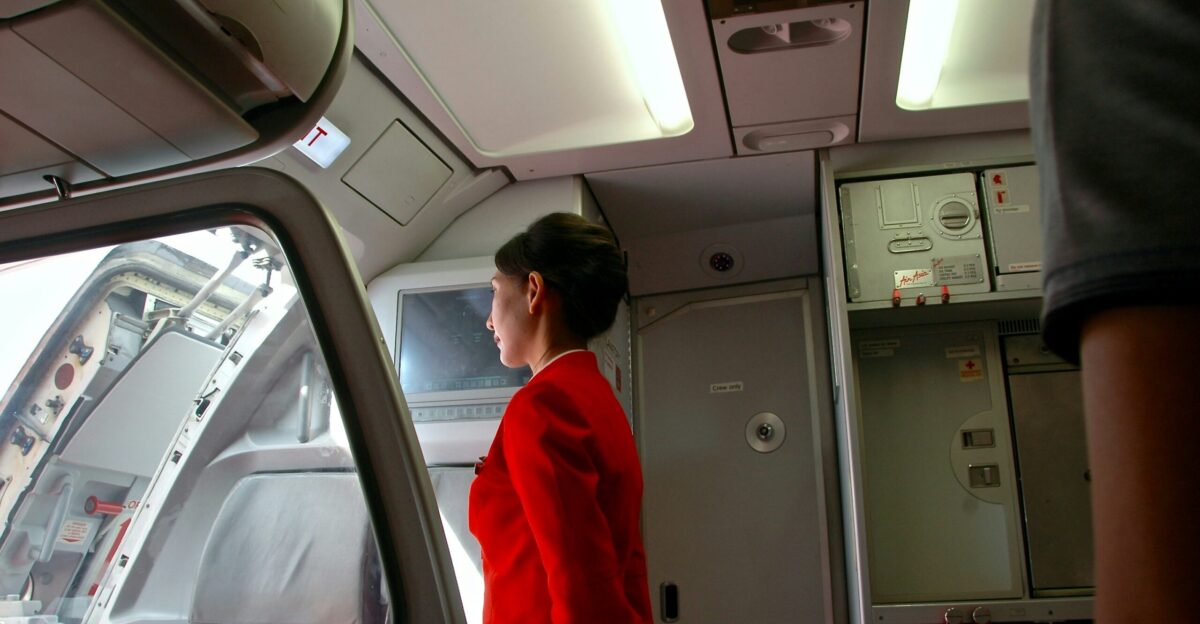
FAA Administrator Bryan Bedford is committed to employing “a variety of strategies” to route planes through chaos—translation: controlled disruption to prevent uncontrolled disaster. The FAA couldn’t prevent weather or add runways. What it could do was slow things strategically—paradoxically, canceling more flights to save the system itself.
Bedford’s appeal was frank: “Be patient, be kind, and follow crewmember instructions.” When the FAA asks for kindness, you know the situation is dire.
This Isn’t Just Tuesday—It’s A Week Of Jeopardy

Three hundred sixty thousand flights are scheduled across the entire Thanksgiving season, according to FAA data. Tuesday might be peak, but Wednesday was nearly as busy. Thanksgiving itself—Thursday, November 27—could see thousands of families stranded, missing dinner entirely.
Disruptions could extend through the weekend, affecting Sunday’s return travel. This wasn’t a one-day crisis. It was a five- to seven-day collision affecting tens of millions simultaneously.
The Last-Minute Survival Guide
Transportation Secretary Duffy offered practical guidance: “Stay connected with airlines and monitor flight statuses using the airlines’ apps.” Arriving at airports earlier was essential to navigate longer security lines and potential rebooking. Flexibility has become a currency; those without backup plans risk being stranded.
Cash for meals and device chargers weren’t luxury—they were survival gear for hours or days of delays. The difference between making it home and being stuck might come down to decisions made right now.
Thursday Brings Relief—But Only For Survivors
Conditions are expected to clear by Thanksgiving Day, Thursday, November 27, except for lingering lake-effect snow in the Northeast and gusty winds in the Pacific Northwest. The worst disruptions would concentrate on Monday through Wednesday—a brutal 72-hour window. Meteorologist Frank Pereira offered a grim perspective: the system would move through, but “snow drifts” and “intense winds” would persist until Wednesday evening.
For those who made it through, Thanksgiving Thursday could actually arrive. For others stranded, it would come and go while they sat in airports.
The Thanksgiving That Weather Stopped America

This week will be remembered as the moment America’s travel system faced its most severe test. Eighty-two million people, one record-breaking surge, two storm systems—all colliding. Some families will celebrate by Thursday night. Others will celebrate over airport Wi-Fi. Some will turn around and head home.
Sean Duffy’s words captured the magnitude: “This is the busiest Thanksgiving that we have on record.” The following 72 hours would determine whether the system broke or bent just enough to hold