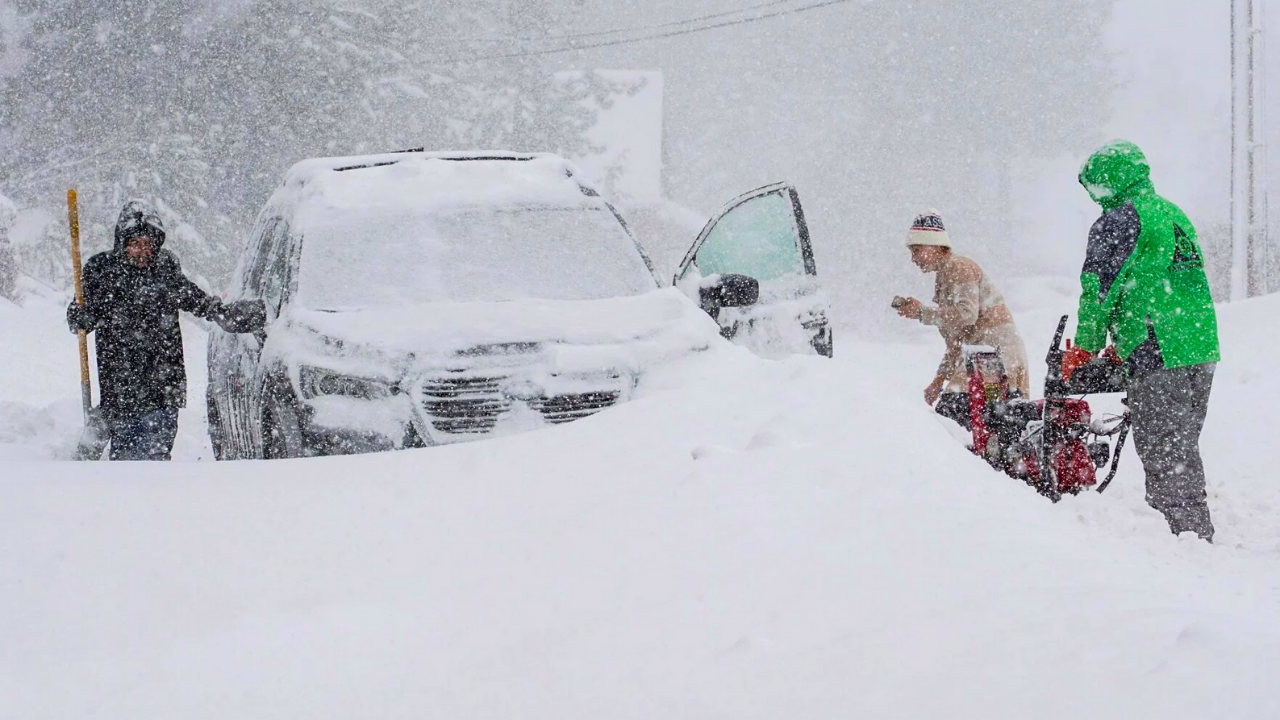
As the nation gears up for Thanksgiving, the Midwest faces unprecedented travel challenges. The National Weather Service has issued a dire warning for Minnesota, Wisconsin, and Michigan, labeling travel conditions as “very difficult to impossible.” With blizzard warnings overtaking the region, officials anticipate worsening weather, including severe blowing snow and whiteouts overnight.
Wind gusts exceeding 45 mph are forecasted, reducing visibility to near zero and rendering routine travel extremely hazardous. With families eager to reunite for the holiday, the grim prospect that roads could soon be utterly impassable hangs ominously in the air.
Danger Escalates
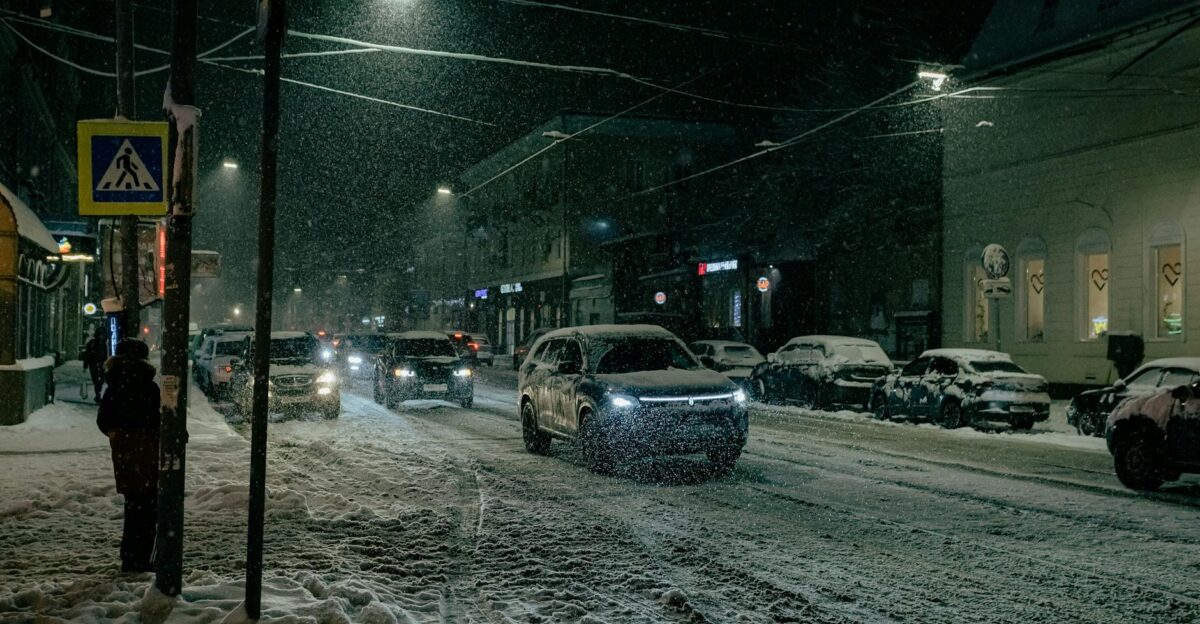
Compounding the situation, meteorologists have identified a “potent upper-level wave” coinciding with critical surface fronts. This unique atmospheric setup is expected to unleash the heaviest snow bands on the Twin Cities, St. Cloud, and northern Wisconsin. The timing couldn’t be worse, as peak Thanksgiving travel coincides with snowfall rates nearing an inch per hour.
To combat this impending disaster, state emergency management crews have activated crisis protocols, strategically positioning salt trucks and mobilizing warning crews. The intersection of heightened travel demands and extreme winter weather creates a perilous scenario for thousands across the region.
History Repeats
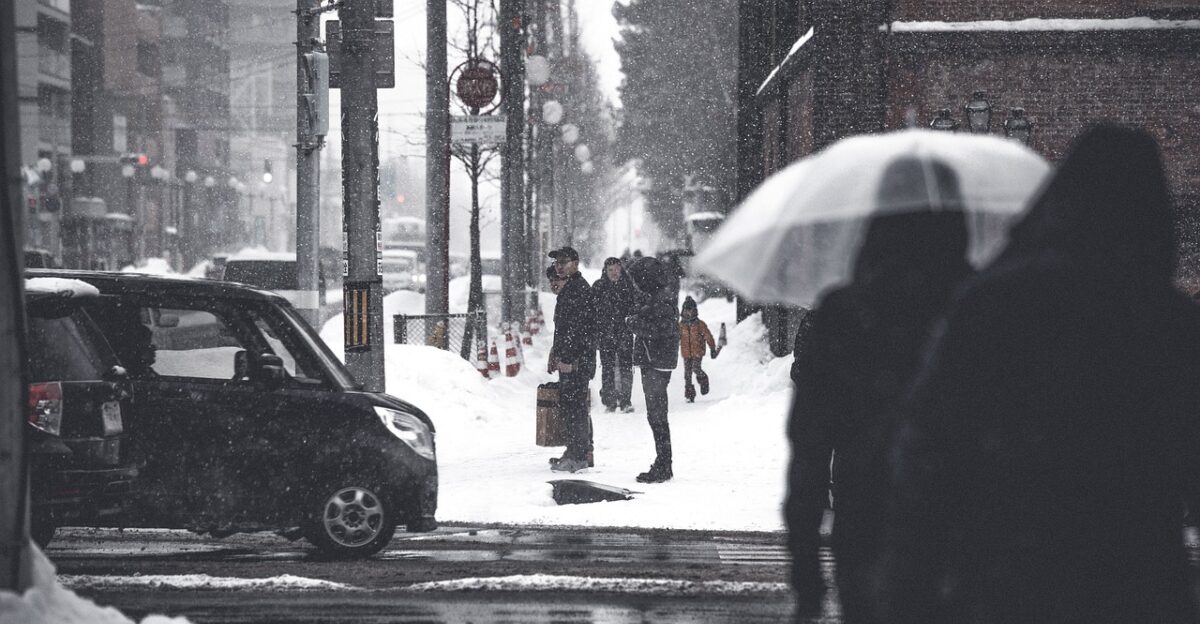
The Midwest is no stranger to disastrous Thanksgiving storms, with an extensive snowfall history dating back to 2019, when Duluth was buried under 21.7 inches, effectively stranding travelers on Interstate 35 for hours. Such blizzards often recur, serving as haunting reminders of holiday chaos.
This year’s warnings echo those past events, raising the pivotal question: Will Thanksgiving 2025 mirror that catastrophic legacy or merely fall short yet still be one for the history books? With the specter of “impossible travel,” forecasters are acutely aware of the major implications behind such significant winter weather.
Pressure Mounts
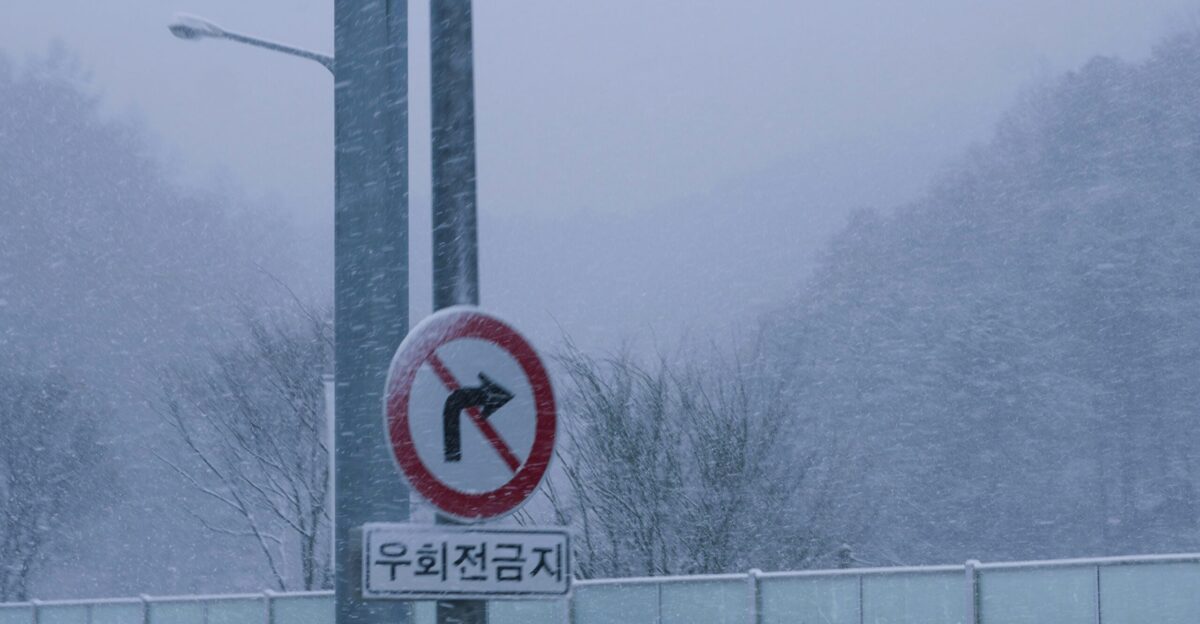
As the storm system descends from Canada, the already substantial snowpack complicates matters considerably. The combination of existing heavy snow and fierce winds dramatically elevates the risks. Government forecasters have predicted snowfall accumulations of up to 25 inches in Michigan’s Upper Peninsula and 16 inches in northern Wisconsin.
In central Minnesota, up to 7 inches could fall before the storm concludes. Such quantities pose a significant threat to emergency services and snowplow resources, which are already operating at peak capacity, potentially crippling response efforts throughout the worst of the conditions.
Blizzard Unleashed
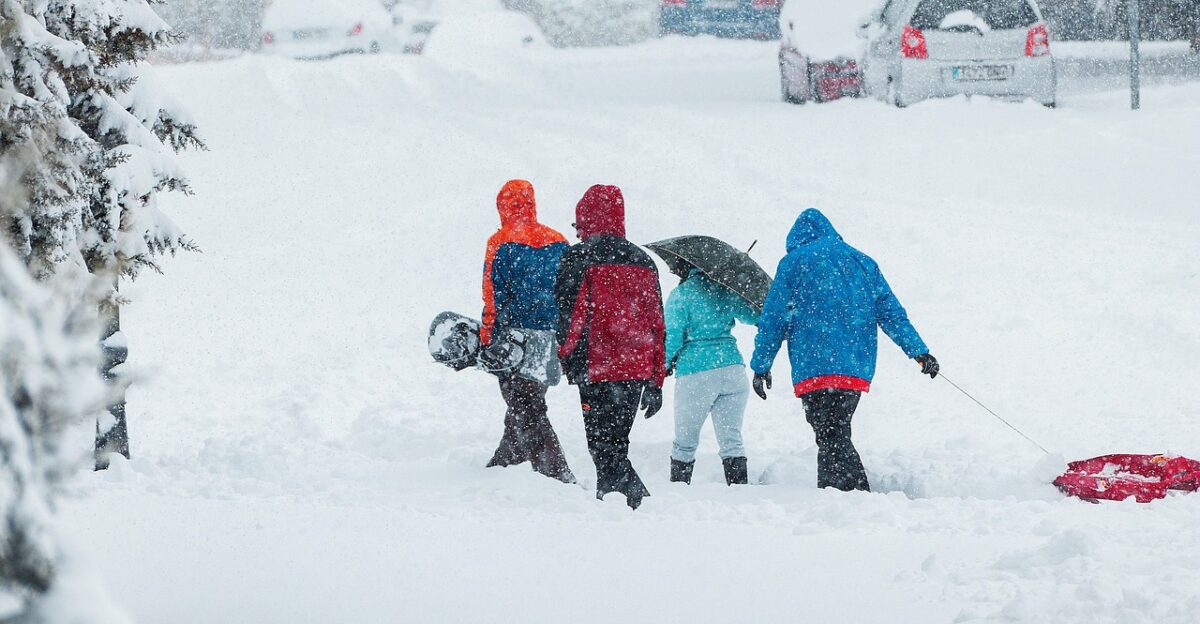
In a stark warning issued on November 25, 2025, the National Weather Service urged, “Travel could be tough to impossible” as snow began to close in on highways and visibility plummeted to below a quarter mile across multiple counties.
Blizzard Warnings blanket Douglas, Todd, Morrison, Mille Lacs, and Kanabec counties as conditions escalate through late Tuesday into Wednesday morning. By evening, whiteout conditions emerged, leaving residents in shock as visibility plummeted to near zero. Forecasters’ grim predictions came to fruition as life across the Upper Midwest ground to a halt under treacherous winter conditions.
Central Minnesota Gripped
The impact was notably severe across Douglas and Todd Counties, where quick snowfall accumulated to nearly 7 inches paired with wind gusts clocking in at 45 mph. Authorities issued urgent pleas, appealing to residents to stay off the roads and opening emergency shelters for those unexpectedly caught in the storm’s fury.
Stranded vehicles frequently lined Interstate 94 and Highway 212, as many travelers abandoned their cars in search of safer havens. The perfect storm of heavy snow and fierce winds rendered even seasoned drivers powerless to navigate the emerging chaos.
Holiday Plans Collide

Families intending to gather for Thanksgiving found roadways blocked in multiple counties, prompting distressing decisions: to turn back, stay put, or risk hazardous crossings. One traveler conveyed frustration to Newsweek, recounting how they were stuck on the interstate for over two hours with children in the vehicle, unable to see beyond the windshield while observing others’ vehicles skid off the road ahead.
Emergency response teams received a surge of calls reporting stranded motorists as the festive holiday quickly morphed into a survival ordeal for thousands caught off-guard by the storm’s ferocity.
Statewide Ripple

Amid this crippling weather event, Governor Tim Walz proactively urged residents to avoid all travel. He cited the staggering strain being placed on emergency services, which are already stretched thin. Public safety announcements highlighted that resources would be devoted to responding to emergencies rather than supporting holiday travel.
The vision of families reuniting for Thanksgiving gave way to a collective need for safety, as state officials balanced holiday traditions against the life-threatening conditions created by the blizzard.
Economic Toll
The economic consequences of the storm extended well beyond travel disruptions. Businesses in affected areas were stifled as consumer traffic plummeted amidst dangerous driving conditions. Local and state economies alike faced income losses during what is traditionally one of the year’s busiest shopping periods.
Moreover, repair costs related to highway maintenance from snow and damage rose sharply. Emergency response and recovery expenditures further added to the growing economic burden, setting the stage for significant financial implications for both community and state budgets.
Ripple Effects

The extensive impact of the Thanksgiving storm resonates throughout communities, resulting in widespread disruption that extends beyond travel delays. Businesses struggling with reduced customer volume faced layoffs and financial uncertainty. Many local farmers were left stranded, unable to deliver goods or access markets.
The interconnectivity of transportation, commerce, and essential services becomes evident amid such disasters. As responses unfold and services aim to stabilize, the ripple effects of this blizzard are far-reaching, prompting critical discussions about infrastructure and preparedness in the region.
Pattern Emerges

As officials evaluate the havoc unleashed during this Thanksgiving season, a distressing pattern emerges. Extreme weather events during the holiday season are increasing in frequency and intensity in the Midwest. Research shows that incidents of severe storms and challenging winter weather have risen significantly over recent years.
Many experts view this as intertwined with climate change, suggesting that urgent attention is needed to develop robust contingency protocols to address escalating weather extremes during holiday travel seasons.
Stakeholder Frustration
As communication continues in the aftermath of the blizzard, frustrations arise among various stakeholders, including emergency services, residents, and local businesses. Many voiced dissatisfaction regarding the level of preparedness and resources allocated by authorities.
Regional leaders have called for re-evaluations of strategies related to snow management and crisis communication. From emergency responders on the ground to everyday citizens navigating the storm’s aftermath, everyone is feeling the pressure. Constructive dialogues are emerging as communities assess their response to the crisis.
Leadership Changes
Given the storm’s overwhelming impact, discussions surrounding leadership and decision-making processes intensify. Calls for accountability are surfacing among residents frustrated by perceived slow response times and late weather advisories.
Leaders in emergency management, transportation, and municipal governance are urged to take actionable steps to improve protocols for crisis management, thereby safeguarding vulnerable populations more effectively. This weather event may signal a tipping point, prompting the re-evaluation of operational procedures for future extreme weather events.
Recovery Efforts

Recovery efforts are underway as communities begin to assess the damage inflicted by the Thanksgiving blizzard. Emergency crews are working around the clock to clear roadways and restore essential services that the extreme weather has disrupted.
Shelters remain open for those who find themselves without housing following the storm. Local officials are focusing on connecting vulnerable populations with resources to support their recovery. These combined efforts demonstrate the community’s resilience as they come together to help one another in the face of challenging circumstances.
Expert Skepticism & Looking Ahead
While the immediate recovery continues, expert skeptics emphasize that the lessons learned from this storm must be applied going forward. The National Weather Service highlights growing trends in extreme weather patterns that necessitate proactive measures.
Enhancing resilience against such events is crucial, especially as travelers seek safer routes and communities strive for stability in the face of uncertain weather. As public discussions unfold, the focus will shift towards preparedness and innovation, highlighting the importance of adapting to a changing climate landscape.