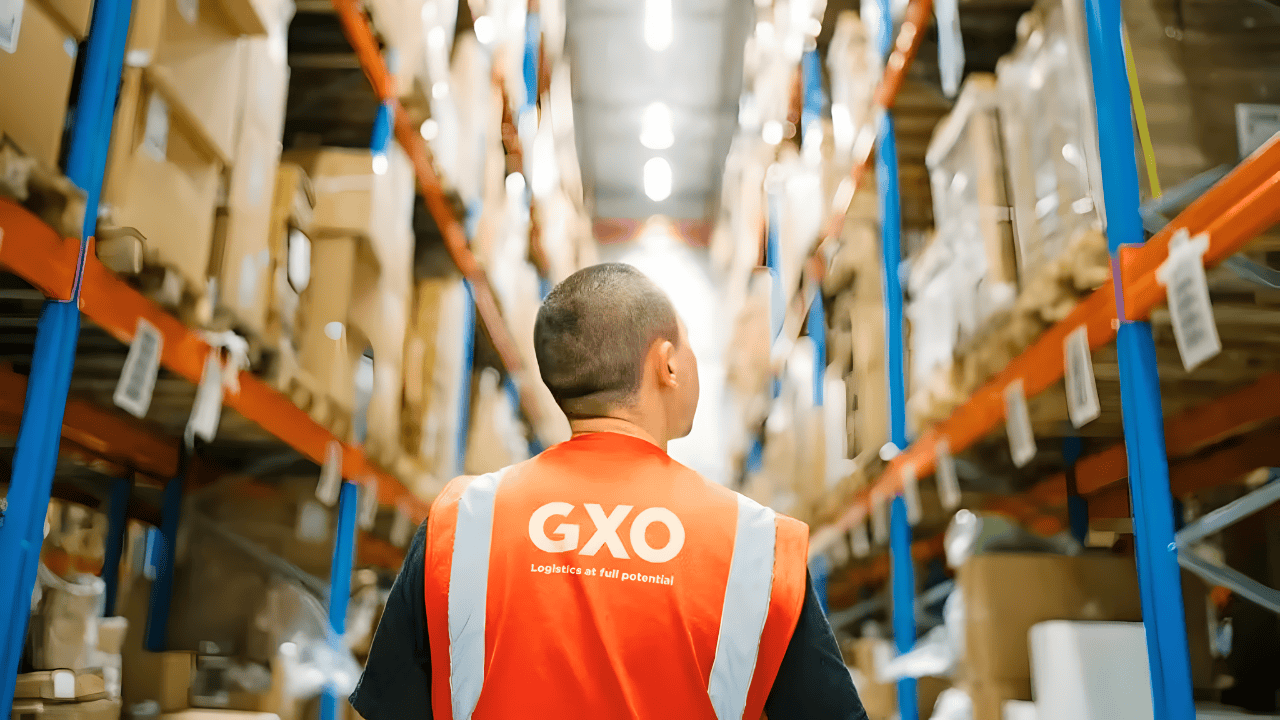
One of America’s largest warehouse companies is pulling out of Pennsylvania’s Midstate region. GXO Logistics, which operates more than 1,000 warehouses across 27 countries worldwide, is shutting down three facilities in just 14 months. This marks the biggest logistics job loss in Cumberland County’s recent history.
The closures will strip the area of critical warehouse capacity and steady income that hundreds of families depend on. This situation shows how vulnerable local economies can be when large corporations make decisions based on distant customer demands. Community leaders are now asking tough questions about how to protect the region’s economic future.
Carlisle Warehouse Closing Soon
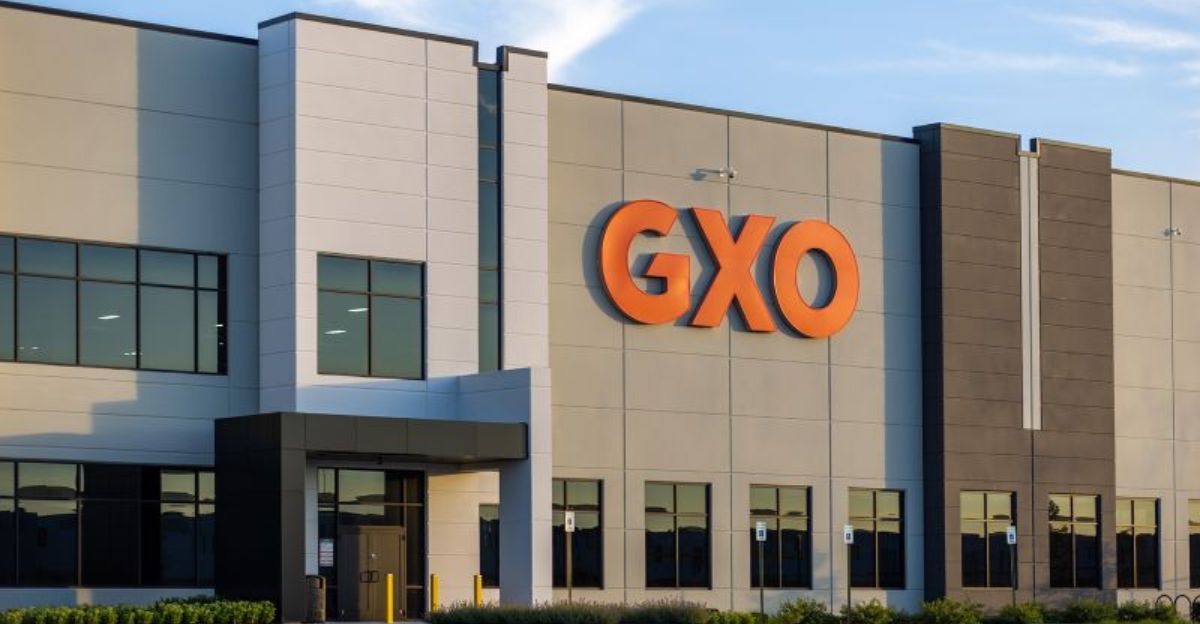
GXO Logistics announced that its warehouse at 100 Carolina Way in Carlisle will close in 2026. This facility is one of three locations shutting down in the region within just 14 months, signaling serious trouble for local logistics operations.
The Carlisle closure represents a major blow to Cumberland County’s employment landscape. Located in a strategic logistics hub, this warehouse has provided stable jobs and contributed to the local economy for years. The company’s decision to walk away from this site raises questions about why GXO chose Pennsylvania’s Midstate region as a target for closures.
Legal Notice Filed with State
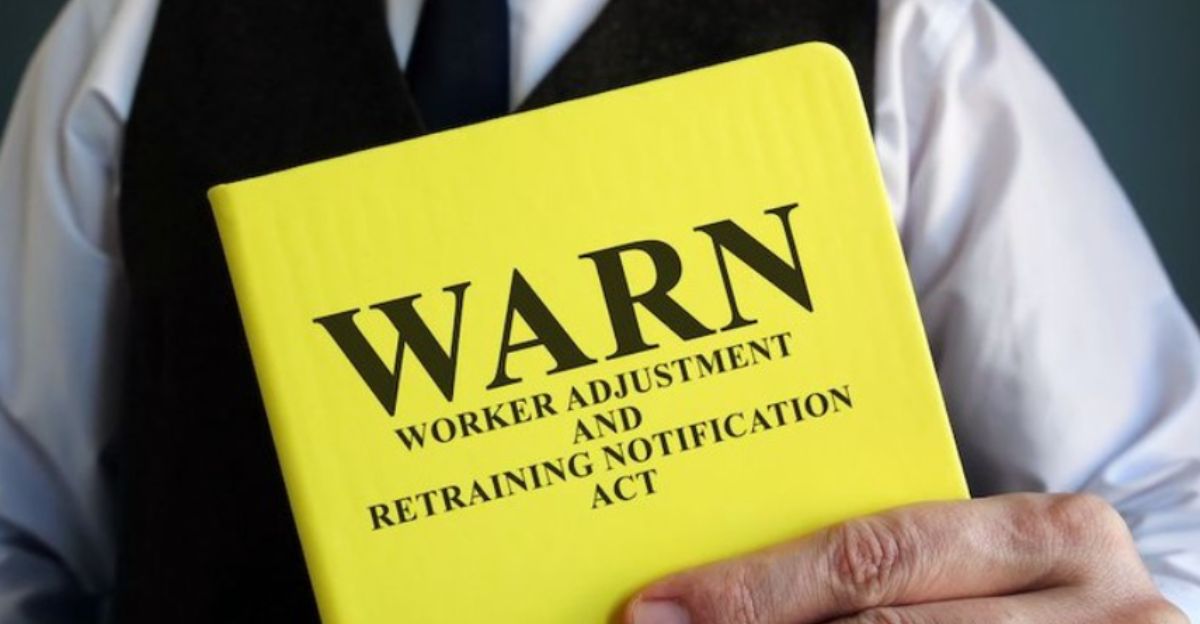
In November 2024, GXO filed a formal WARN notice with Pennsylvania’s Department of Labor and Industry. This federal requirement gives companies a legal responsibility to notify workers at least 60 days before major layoffs. According to the filing, layoffs at the Carlisle facility will start on January 12, 2026, and continue through May 30, 2026.
This five-month period means workers and their families face months of uncertainty just when they should be planning for the holidays. The WARN notice is a legal document, but it’s also a reality check, these layoffs are officially happening.
69 Workers Losing Their Jobs
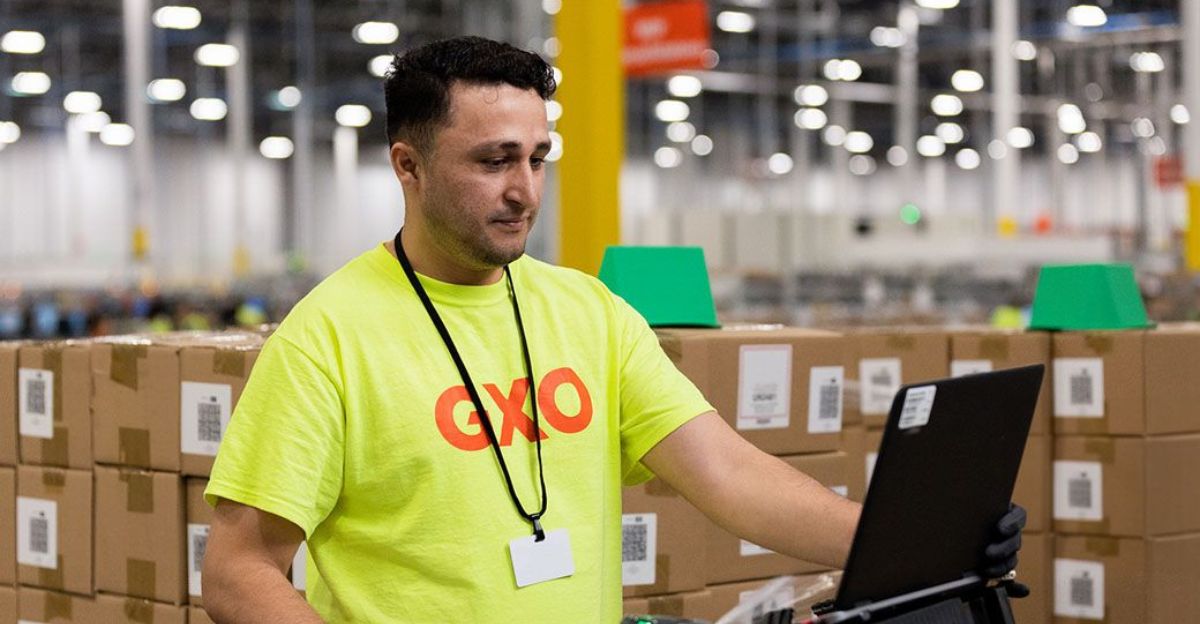
The Carlisle warehouse employs 69 workers whose livelihoods now hang in the balance. These aren’t just statistics, they’re skilled warehouse operators, logistics coordinators, managers, and support staff who have built careers at GXO. Many have families depending on their paychecks, mortgages to pay, and children in local schools.
The layoff timing makes matters worse, it happens right after the holiday season when families typically recover financially from winter expenses. Finding new work at comparable wages will be difficult in the region’s competitive job market.
Two More Sites Already Closing
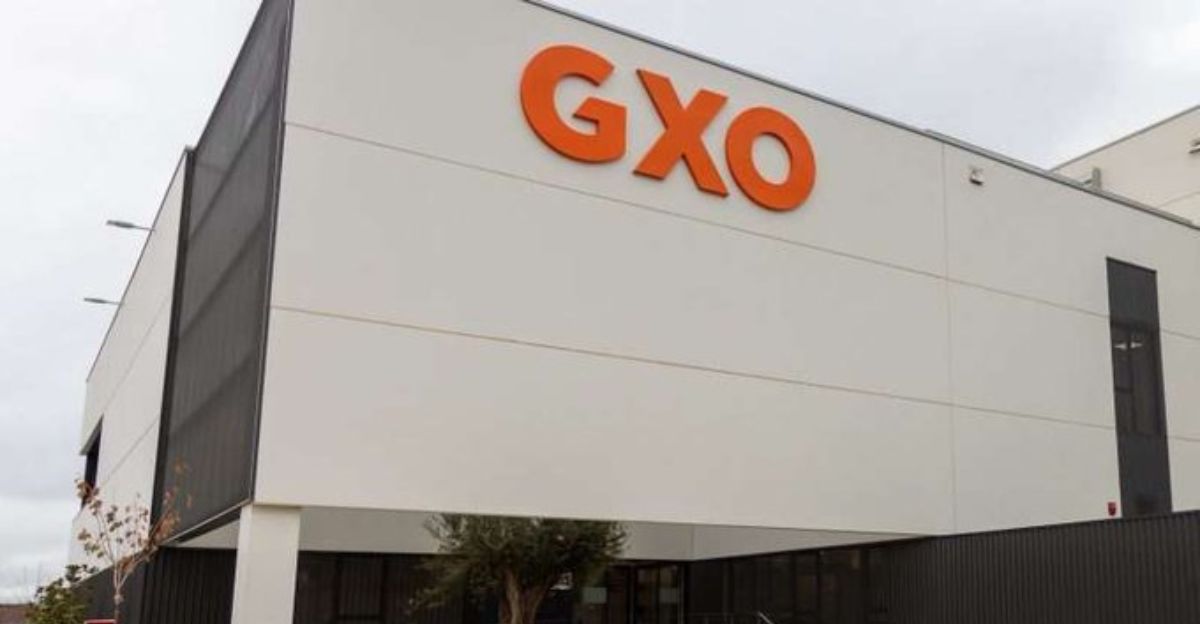
The Carlisle closure isn’t GXO’s first strike against the region. In March 2025, the company shut down its Mechanicsburg facility at 336 Heinz Street, eliminating 85 jobs. Just weeks later in April 2025, the Middletown warehouse at 200 Capital Lane closed its doors, cutting another 91 positions. These two earlier closures already devastated hundreds of families and local businesses.
Combined, they eliminated 176 jobs before the Carlisle announcement even came. Now, with a third major closure incoming, communities that are still reeling from the first two shutdowns face a compounding crisis. The pattern shows this isn’t random, it’s a coordinated strategy by GXO to exit the region entirely.
245 Jobs Gone in 14 Months
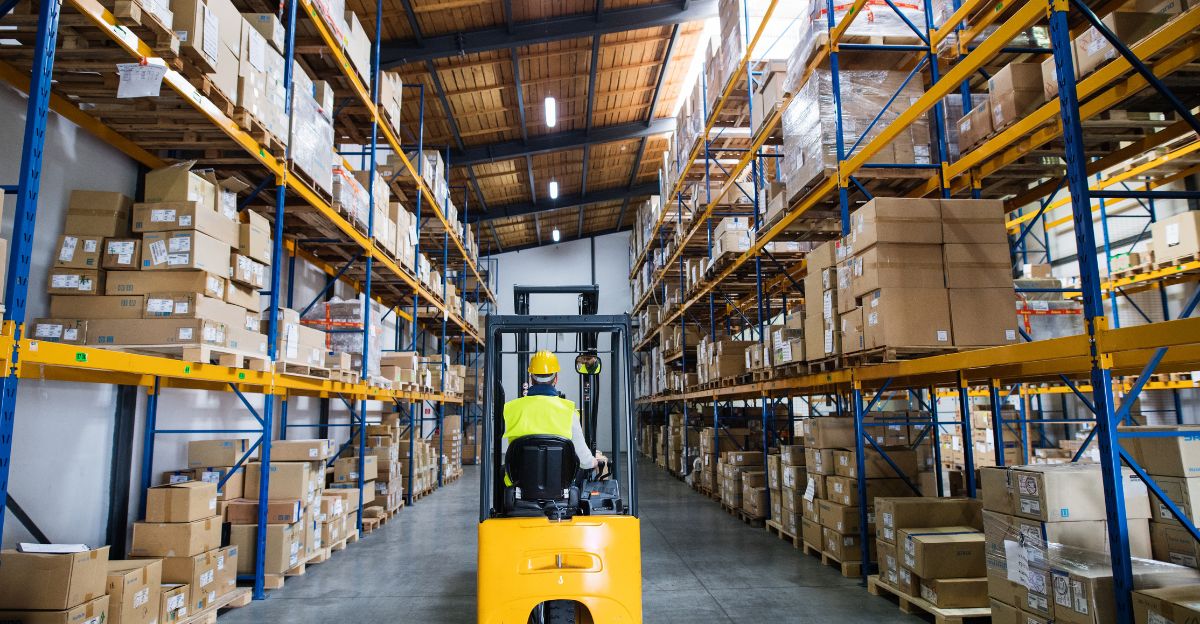
When you add them all up, three GXO warehouses closing in just 14 months means 245 jobs disappearing from Cumberland County. That’s not a minor business adjustment, it’s a major economic earthquake. For context, these three closures represent the largest single-company logistics job loss in the county’s modern history.
In a region where logistics and warehousing have long provided stable, middle-class employment, losing 245 positions at once creates a vacuum that local businesses and the community will struggle to fill. Some economists estimate that for every job directly lost, the local economy loses another 0.3 to 0.7 additional jobs in supporting businesses and services.
Millions in Lost Wages

The financial impact goes far beyond job counts. The Carlisle closure alone is estimated to strip between $3.5 and $5 million in annual payroll from the local economy. When you include all three closures, the total wage loss could reach $12 to $17 million per year. That’s real money that workers spent at local restaurants, grocery stores, car dealerships, and schools. Families used those wages to pay mortgages, invest in their homes, and build savings.
Now, that spending power simply vanishes. When hundreds of workers suddenly stop spending in their communities, local businesses suffer. Restaurants see fewer customers. Retail stores lose sales. Even property values can decline when unemployment rises significantly. The economic damage spreads far beyond the warehouses themselves.
Huge Storage Capacity Lost
Beyond jobs and wages, these three closures eliminate between 200,000 and 300,000 square feet of warehouse and logistics space. That’s an enormous amount of storage capacity that local manufacturers, shippers, and e-commerce businesses depend on for their operations. When this capacity disappears, companies face difficult choices: relocate to distant areas with available warehouses, pay higher prices to use remaining facilities, or move their operations entirely out of Pennsylvania.
This capacity loss hurts local businesses that rely on regional warehousing. A manufacturing company in Harrisburg might use one of these facilities to store parts and finished goods. Losing that option forces them to make expensive changes to their supply chain. Some businesses might decide the hassle isn’t worth it and relocate.
Global Giant Abandons Region
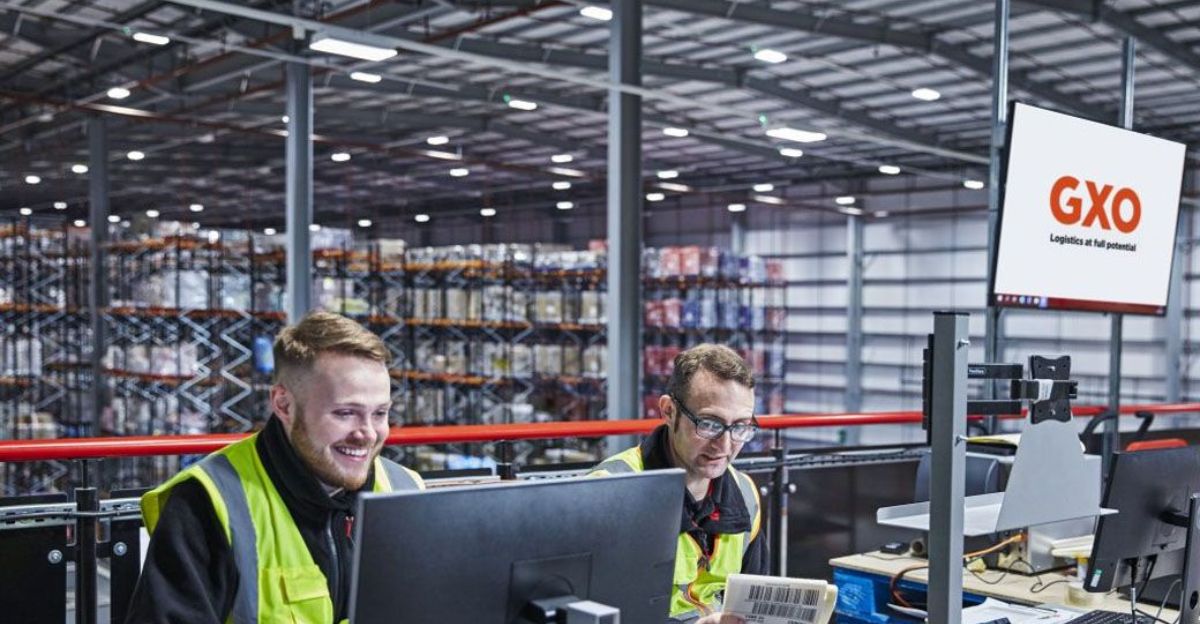
GXO Logistics is not a small startup struggling to survive. The company operates over 1,000 warehouses across 27 countries worldwide, making it one of the world’s largest logistics companies. With massive global reach and resources, GXO should theoretically have the financial strength to maintain operations in Pennsylvania’s Midstate. Yet the company chose to close three regional facilities instead.
This fact raises troubling questions about the state’s competitiveness. If a massive, profitable global logistics company can’t make warehouses work in Pennsylvania, what does that say about the region’s economic environment? This sends a concerning message to other companies considering investing in the region. Community leaders must understand why a global logistics leader decided to retreat and develop strategies to reverse that trend.
Big Customers Shift Their Contracts
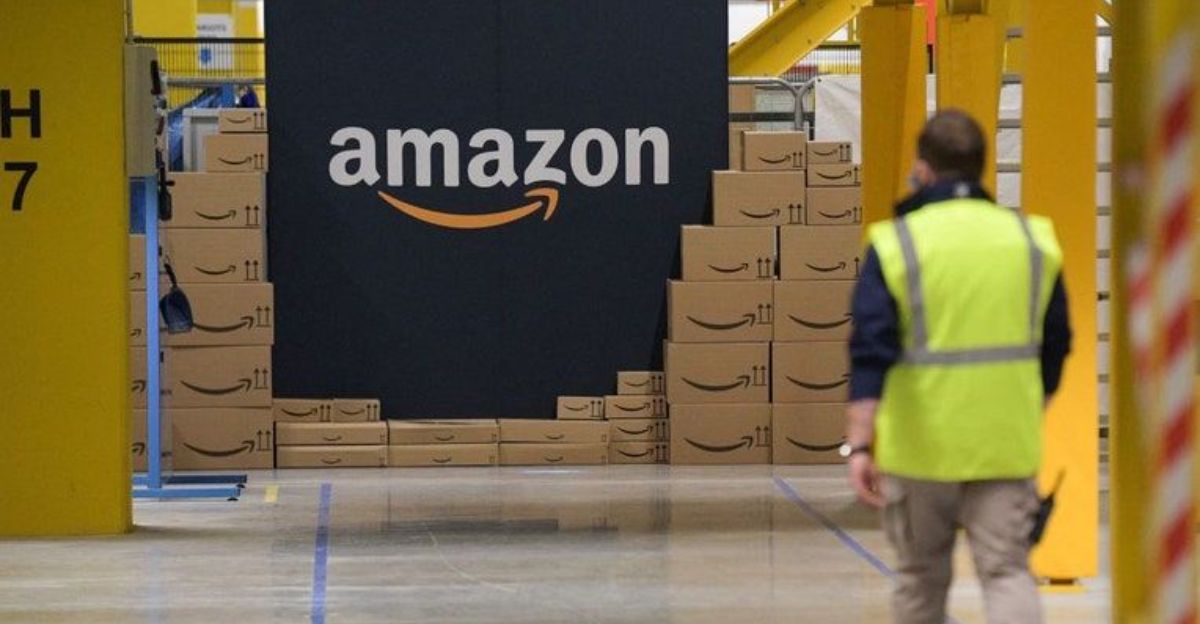
GXO officially attributes the closures to changes made by customers, meaning major clients like Amazon, Walmart, Target, and other large retailers restructured their warehouse contracts. When enormous retailers change their supply chain strategies, consolidating operations, moving to different regions, or bringing services in-house, logistics companies like GXO must adjust.
If a major customer decides to use a different warehouse provider or move their distribution to Texas instead of Pennsylvania, GXO loses that business. With revenues lost, the company can no longer justify keeping those facilities open. This situation illustrates a critical weakness in relying on warehouse and logistics jobs: they’re completely dependent on what major corporations decide to do.
Layoffs Begin in Just Seven Weeks
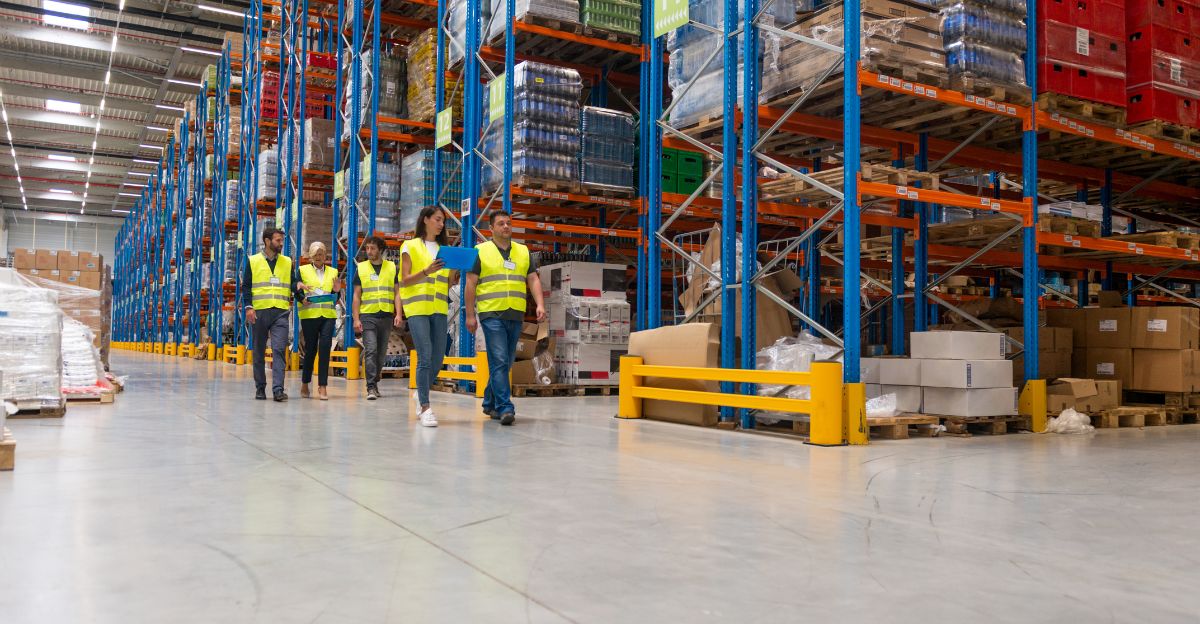
The WARN notice was filed in November 2024, and layoffs at the Carlisle facility began on January 12, 2026. That’s only seven weeks between the public announcement and when workers start losing their jobs. For employees, seven weeks isn’t enough time to process the shock, update resumes, network aggressively, and find comparable positions.
Many warehouse jobs require specific training and experience, so workers can’t simply walk into another facility and start immediately. The layoff process stretches from January through May 2026, meaning workers face five months of uncertainty. Some will be let go in January, others in March, and the final group in May.
Thousands More Affected Than Just Workers

While 245 workers directly lose their warehouse jobs, economic researchers estimate that 10,000 to 15,000 local residents are affected through ripple effects. This includes family members who depend on those wages, small business owners who lose warehouse worker customers, landlords who collect rent from displaced workers, and service providers like doctors and dentists whose patient base shrinks.
This interconnectedness means that factory and warehouse closures aren’t just problems for displaced workers, they’re community-wide economic crises that affect people in ways they might not immediately recognize.
Limited Help for Displaced Workers

GXO announced that HR teams will support affected workers through the closure process. In practice, this typically means access to career counseling, resume workshops, and information about unemployment benefits. While these resources have some value, they’re rarely sufficient when the local job market offers few comparable positions. Workers often end up in lower-wage jobs, different industries, or must relocate entire families.
Many economists and policy experts recognize that corporate-provided support typically falls far short of what displaced workers actually need. Better solutions might include: extended severance packages, job retraining programs funded by the company, relocation assistance for workers who need to move for employment, or continued health insurance for a longer period.
The Broader Logistics Decline
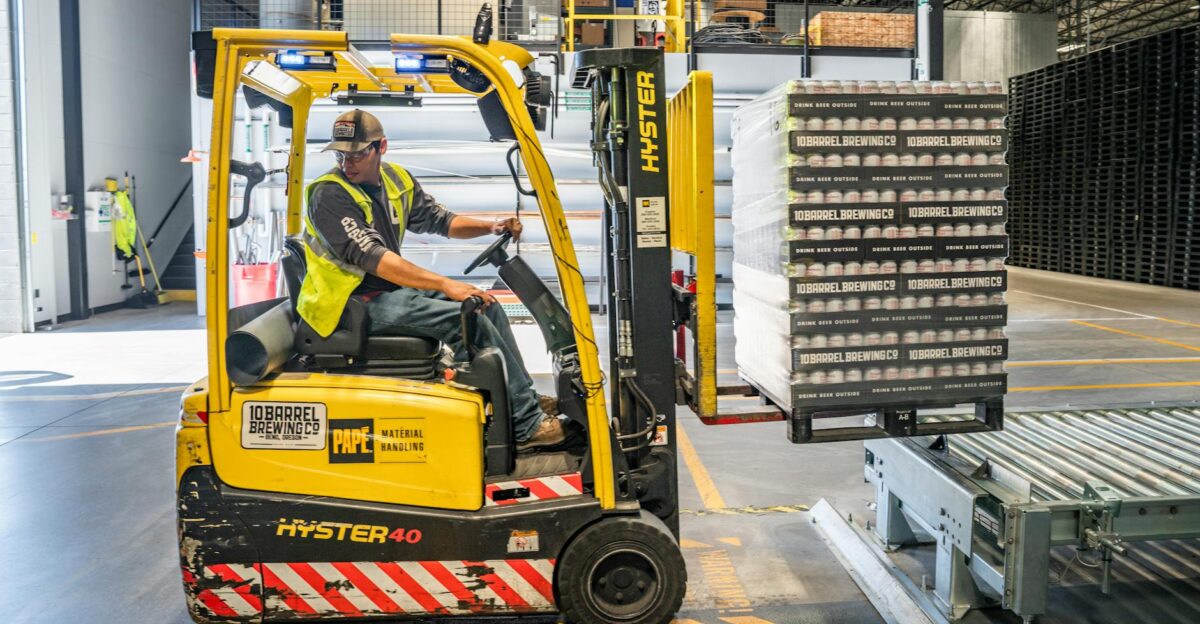
During the COVID-19 pandemic, warehousing was a major winner. E-commerce exploded, and companies scrambled to expand storage capacity everywhere. Jobs were plentiful, wages were competitive, and the future looked bright. Now, as the economy normalizes and pandemic-driven online shopping surge subsides, the industry faces a reversal. Demand for warehouse space is shrinking, inventory levels are declining, and major retailers are consolidating operations.
Existing supply chain models focused entirely on cost efficiency now appear vulnerable. Supply chain experts emphasize that companies must prioritize resilience over just cutting costs. This industrial contraction hits regions like Pennsylvania’s Midstate particularly hard because they’ve become dependent on logistics jobs.
Lessons for Tomorrow
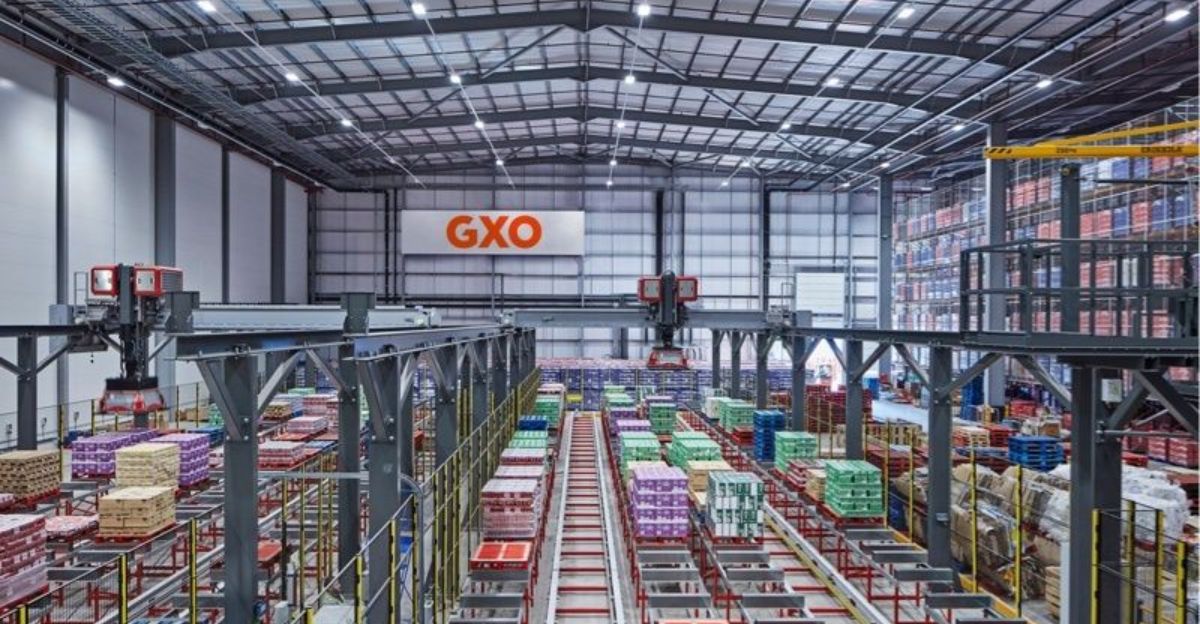
The GXO closures represent the largest logistics job loss in Cumberland County’s recent history. This wave of closures will remain a cautionary tale for leaders seeking to build economic security. When communities rely too heavily on a single industry or a few major employers, they become vulnerable to sudden disruptions.
The path forward requires economic diversification, investment in education and retraining, support for entrepreneurship, and policies that encourage multiple industries to thrive locally. This moment offers Cumberland County an opportunity to learn from what happened and build a more resilient, diversified economy that doesn’t depend entirely on the decisions of distant warehouse companies.