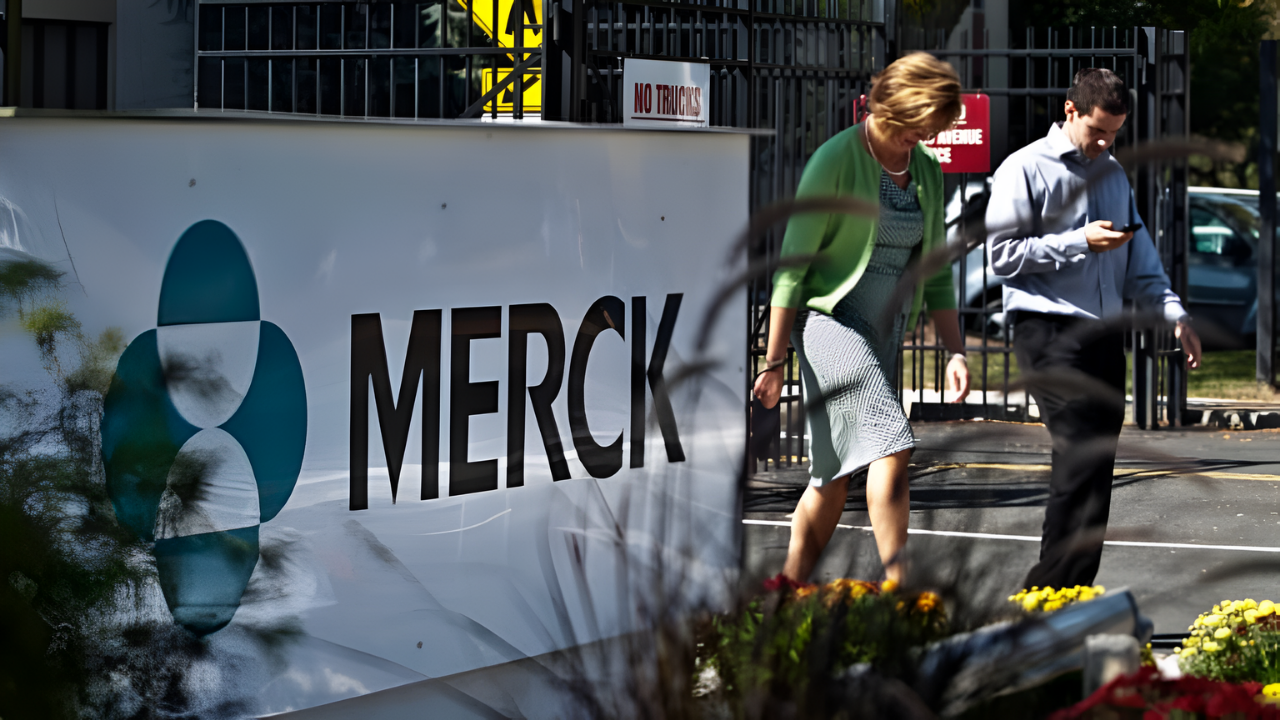
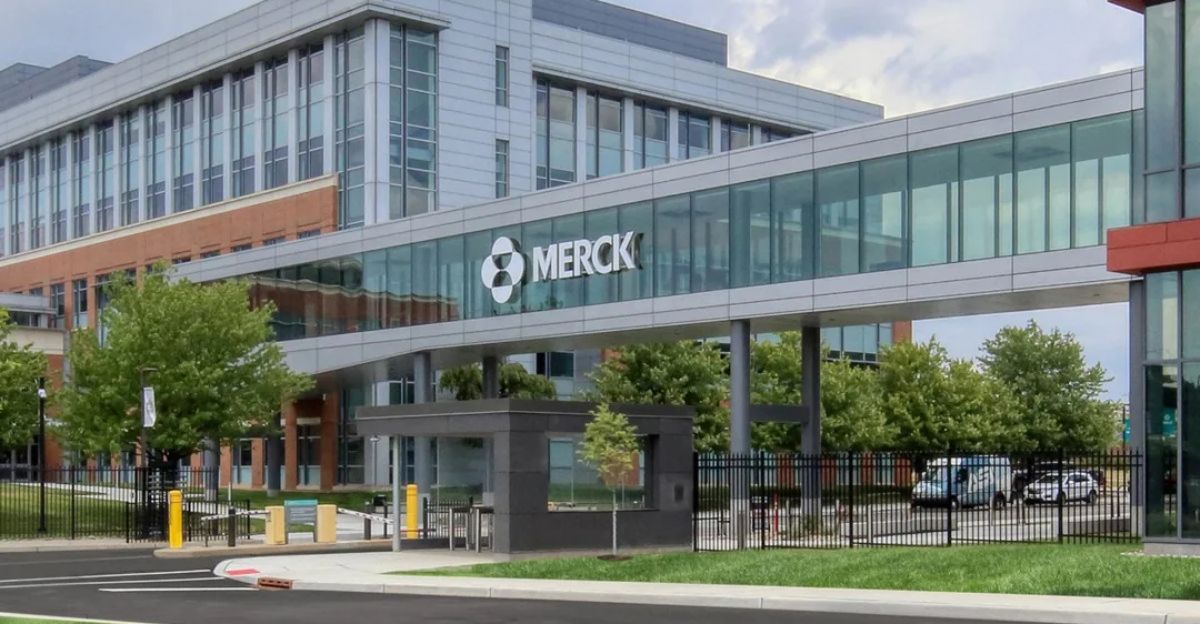
Merck & Co., the 133-year-old drug titan headquartered in Rahway, New Jersey, has triggered major industry alarm after announcing 204 layoffs at its Rahway campus effective February 2026.
The cuts—disclosed in a November 2025 WARN notice—are the latest step in a sweeping plan to eliminate 6,000 jobs worldwide. Merck aims to secure $3 billion in annual cost savings by 2027, marking its largest restructuring drive in years and signaling deeper disruption across the pharmaceutical sector.
Why Merck Is Cutting Jobs Now

Merck cites several converging pressures: $200 million in tariff expenses in 2025, rising global operating costs, and the coming expiration of patents on its two top moneymakers—Keytruda and Gardasil, both losing exclusivity in 2028. CEO Rob Davis stresses the urgency: Merck faces potential revenue erosion of approximately $18 billion over the next five years as patents expire and generics enter the market.
Despite strong Q3 2025 earnings, the company argues decisive action is required to survive the looming patent cliff.
The Direct Impact on Workers

The 204 workers losing their jobs in Rahway face sudden upheaval, especially after Merck already cut 58 positions in August 2025. Globally, the company plans to eliminate roughly 8% of its 75,000-person workforce.
Employees must now navigate WARN Act protections, job searches, and uncertainty in an increasingly competitive biopharma labor market. These layoffs—occurring despite Merck posting $5.79 billion in Q3 net income—signal a fundamental shift in how even highly profitable firms handle workforce stability.
Restructuring Beyond Job Cuts
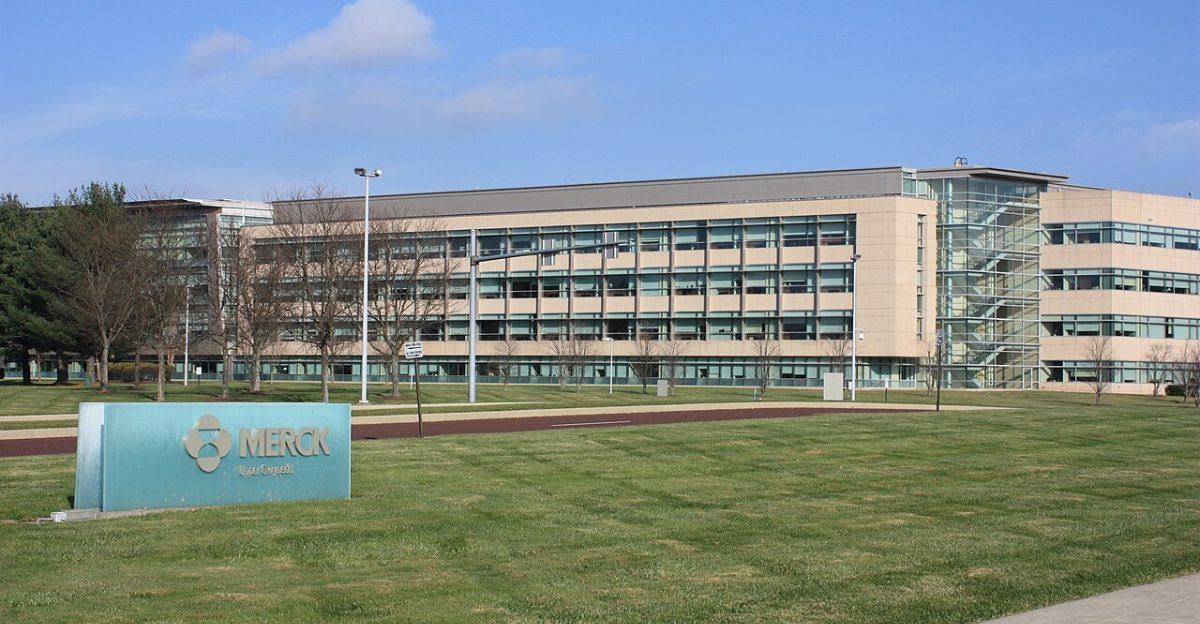
Merck’s restructuring is more than headcount reduction. The company is consolidating operations at its Rahway headquarters—now home to over 6,000 employees—while shrinking its global real-estate footprint. The shift follows Merck’s move from its former Kenilworth campus, which it sold to CoreWeave for $322 million in 2025.
Streamlining aims to redirect capital toward high-growth pipelines, including programs like WINREVAIR, and support efficiency gains expected to generate $1.7 billion in annual restructuring savings by 2027.
Suppliers and Partners Brace for Disruption

Merck’s consolidation is creating ripple effects across adjacent markets. Suppliers of lab equipment, packaging, logistics, and facility services tied to Rahway must now anticipate reduced orders or delayed contracts.
Service providers embedded within Merck’s ecosystem—consulting firms, research partners, clinical-trial contractors—are preparing for tighter budgets and shifting procurement patterns. Local businesses that rely on Merck’s steady demand may feel immediate pressure as the company cuts costs to shore up future revenue volatility.
Tariffs and the Trade Pressure Behind the Cuts

Tariffs have become a major financial drag: Merck absorbed $200 million in tariff costs in 2025, driven by U.S. trade policies involving China, Canada, and Mexico. The company’s global supply chain—built on cross-border sourcing—has grown more expensive and less predictable.
In response, Merck has poured $12 billion into U.S. manufacturing since 2018, with another $9 billion committed through 2028. These investments reflect a long-term effort to shield operations from geopolitical and tariff-related risk.
The Human Toll: Families and Local Communities
Behind the numbers are families suddenly forced into emergency planning. Many Rahway employees have spent decades at Merck, making these 204 layoffs especially painful. Schools, landlords, and small businesses that rely on Merck workers will feel the economic shock.
With two rounds of layoffs in less than a year, morale has declined across New Jersey communities long tied to the company’s success. The restructuring illustrates how corporate strategy transforms into real-world hardship for households and neighborhoods.
Political Scrutiny and Policy Questions
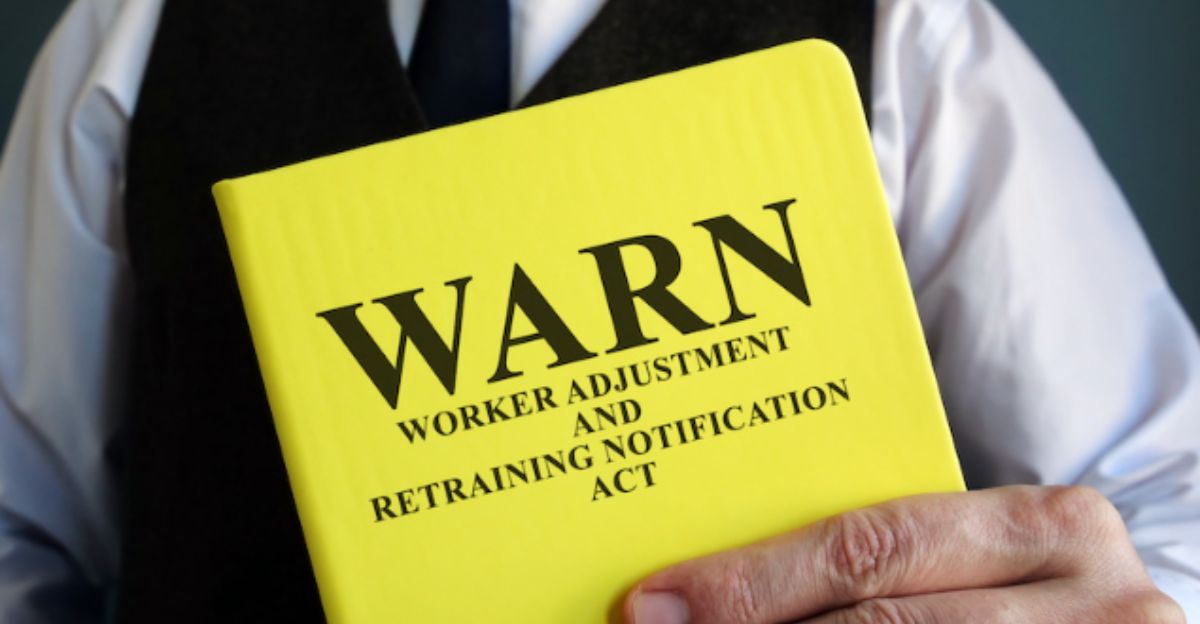
New Jersey lawmakers are demanding answers on whether Merck followed all labor-law requirements—especially the mandated 60-day WARN Act notice. With Merck being one of the state’s largest employers, local officials are pressing for workforce-transition support and regional economic-stabilization measures.
The layoffs also intersect with national drug-pricing debates, as policymakers question how a company with rising profits and $64.2 billion in 2024 revenue justifies such deep cuts while continuing major acquisitions.
Part of a Larger Industry Layoff Wave
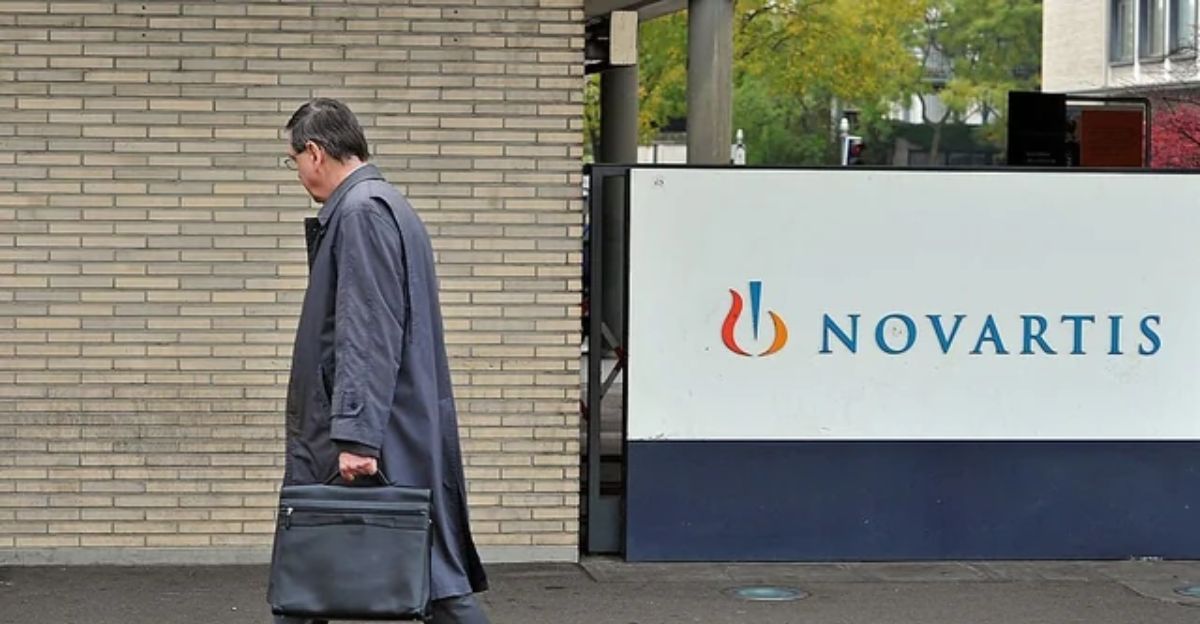
Merck’s restructuring mirrors a pharma-wide downsizing trend. Moderna, Novartis, Bristol Myers Squibb, and several others have announced significant cuts, with more than 39,000 industry layoffs expected between 2024 and 2026.
Patent cliffs, shifting R&D priorities, and rising manufacturing costs have triggered a new era of defensive cost-cutting. Merck’s move is one of the largest and most visible examples of Big Pharma bracing for structural revenue declines tied to expiring exclusivities.
How Retailers and Providers May Adjust

Pharmacies and healthcare providers may need to brace for possible supply-chain shifts as Merck consolidates production and reprioritizes product lines. Retailers could diversify suppliers, increase inventory buffers, or rely more heavily on competing generics and biosimilars.
While no major shortages are confirmed, analysts warn that restructuring often leads to temporary bottlenecks. Providers may also need to prepare for changes in pricing strategy as Merck repositions itself ahead of its 2028 patent expirations.
Local Business and Hospitality Hit Hard

Restaurants, cafés, hotels, and service shops around Rahway—many of which rely heavily on Merck’s workforce—are preparing for a drop in customer traffic. Losing 204 employees in early 2026 means fewer daily commuters, fewer business lunches, and fewer corporate events.
Some establishments may reduce hours or scale back staffing to survive. The layoffs highlight how a single large employer influences the broader micro-economy of an entire community over generations.
Pressure on Supporting Industries
Merck’s suppliers in packaging, lab instruments, IT services, and outsourced research could face immediate order reductions. Real-estate investors may also feel pressure as Merck sheds facilities after relocating to Rahway.
Local governments risk losing tax revenue tied to the company’s footprint and employee spending. These secondary effects underscore how a major restructuring radiates outward—from corporate balance sheets to downstream industries that depend on large, predictable procurement cycles.
Global Consumers and Drug Availability
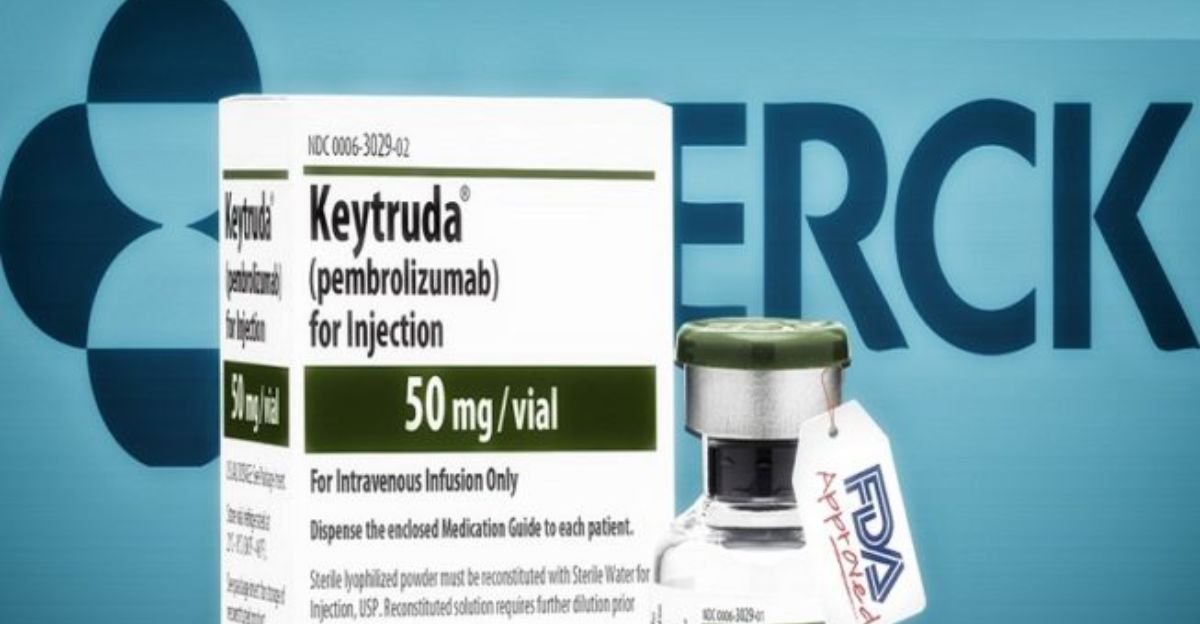
Merck’s future product mix may shift as it prepares for revenue losses from Keytruda ($29.5 billion in 2024 revenue) and Gardasil ($8.6 billion in 2024) once patents expire in 2028.
As manufacturing and distribution are adjusted, certain markets may see pricing changes or evolving access dynamics. While the company aims to maintain supply stability, countries dependent on Merck’s oncology and vaccine products are monitoring potential fluctuations as generic competitors prepare to enter the market.
How Patients Might Feel the Changes

If restructuring impacts production timelines or pricing, some patients may need to switch therapies, explore biosimilars, or navigate new insurance hurdles. Providers could face challenges ensuring treatment continuity, particularly for cancer patients reliant on Keytruda.
As Merck transitions toward a post-2028 market, healthcare systems may need to adjust care pathways to accommodate changing product availability and cost structures amid the shift toward generic alternatives.
Renewed Debate Over Big Pharma Responsibility
The layoffs have reignited a debate about pharmaceutical companies’ obligations to workers, patients, and communities. Critics argue Merck is prioritizing shareholder value over job stability. Supporters counter that preparing early for the largest patent cliff in the company’s history is necessary to preserve long-term innovation.
CEO Rob Davis emphasized the need for global pricing reform, stating that U.S. consumers unfairly shoulder higher costs than patients in other countries—an issue he aims to address collaboratively.
Unexpected Winners and Losers
While New Jersey communities face losses, biotech startups and mid-sized pharma firms may gain access to highly skilled scientists and manufacturing talent. Meanwhile, small businesses, contractors, and local suppliers tied to Merck’s Rahway presence may suffer the sharpest setbacks.
The restructuring reshuffles the regional economic ecosystem, benefiting competitors and emerging drug developers while disadvantaging the very communities that anchored Merck’s 133-year history.
Investors React to Merck’s High-Stakes Strategy

Merck’s aggressive cost-cutting and its recent $19.2 billion acquisition spree—including Verona Pharma ($10 billion) and Cidara ($9.2 billion)—have fueled intense investor speculation. Some analysts believe the moves position Merck to rebuild revenue streams before 2028.
Others warn that replacing the projected revenue losses may require even more acquisitions. Market volatility is expected as investors evaluate whether Merck can offset looming losses from the industry’s most consequential patent cliff.
Advice for Consumers and Workers

Patients using Merck medications should stay alert to potential changes in pricing, supply, or insurance coverage. Speaking with healthcare providers early about therapeutic alternatives may help avoid disruptions. Workers impacted by layoffs should review their rights under the WARN Act, seek retraining support, and monitor state and federal assistance programs.
With restructuring accelerating across Big Pharma, both consumers and employees should prepare proactively for a more fluid, unpredictable healthcare marketplace.
What’s Next for Merck and the Industry
Merck’s restructuring is likely just the beginning. As the 2028 patent cliff approaches for both Keytruda and Gardasil, pharmaceutical companies worldwide are embracing automation, consolidation, and massive M&A to remain competitive.
Merck’s 2025 acquisitions signal a strategy built around pipeline replenishment and therapeutic diversification. The company’s future—along with much of Big Pharma—depends on whether these investments can generate sustainable revenue fast enough to soften the impending decline from expiring exclusivity.
A New Era of Change for Healthcare
Merck’s layoffs show how a single corporate decision can reshape entire ecosystems—from workers and suppliers to patients and governments.
As the company races to save $3 billion annually by 2027 and brace for its historic 2028 patent cliff, the ripple effects are already being felt globally. With rising tariffs, cost pressures, and massive revenue risks, the pharmaceutical industry is entering a new era defined by consolidation, volatility, and relentless adaptation across every layer of healthcare.