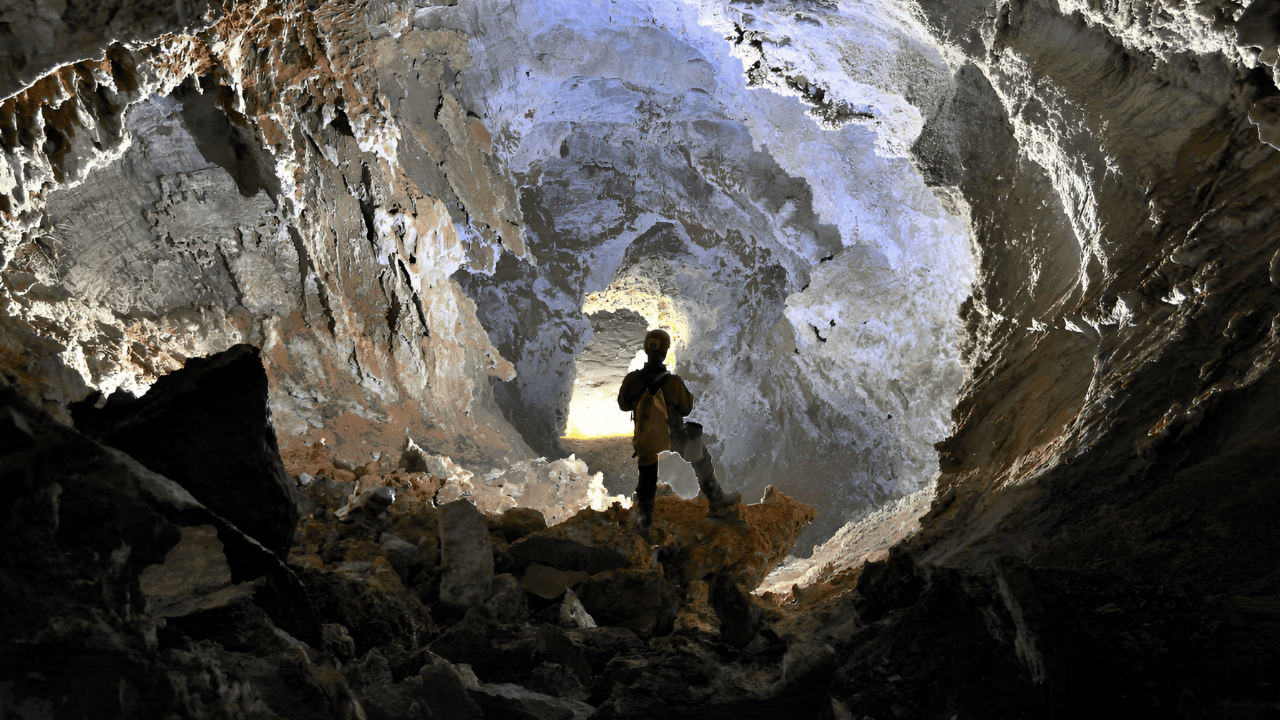
Beneath the rugged peaks of Spain’s Sierra de las Nieves, explorers have uncovered a vast underground labyrinth that reshapes the region’s geological map. After decades of meticulous surveying, the Underground Exploration Group of the Excursionist Society of Málaga revealed in September 2024 that two previously separate caves are, in fact, part of a single, sprawling supercave. This newly mapped Nevero-Aire complex stretches for 16.4 miles—making it the longest known cave system in Andalusia and a landmark discovery for European speleology.
Mapping the Hidden Depths
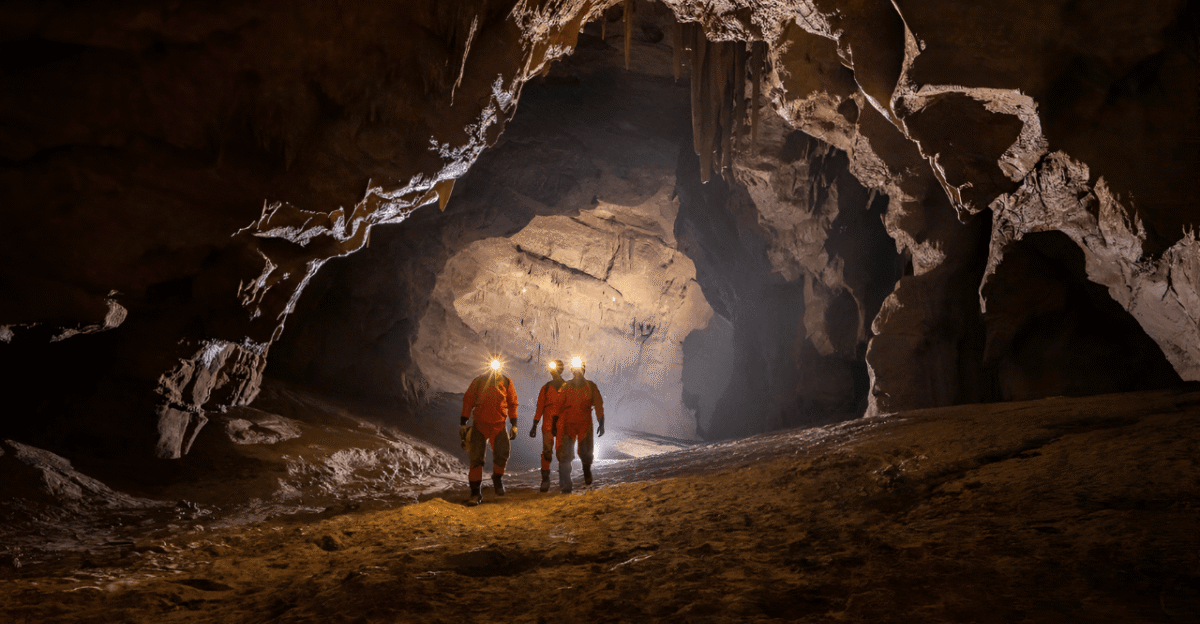
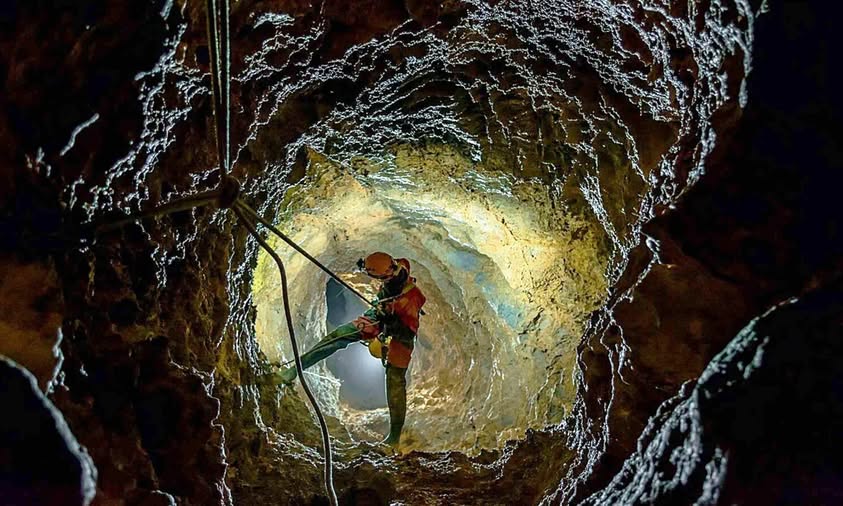
The scale of the Nevero-Aire supercave is staggering. Its passages wind for over 26 kilometers, surpassing the length of Manhattan Island. The cave system plunges through solid limestone, dropping as much as 955 meters—over 3,100 feet—into the earth. Navigating this subterranean maze requires explorers to descend steep shafts, squeeze through narrow corridors, and traverse vast chambers where artificial light barely reaches the ceiling. The cave’s intricate network includes a water cave, hinting at even more undiscovered branches below the surface. If additional connections are found, the mapped system could expand to nearly 31 miles, rivaling Europe’s largest underground networks.
The breakthrough came after more than thirty years of patient work. Survey teams, approaching from opposite ends, unknowingly mapped routes that converged within a narrow, overlooked zone. Small errors in compass readings and station placements had concealed the junction for years. Only when explorers revisited side passages and tight chimneys—previously dismissed as dead ends—did the true scale of the system emerge. The discovery was not the result of high-tech equipment or government-funded research, but of dedicated volunteers who spent countless weekends extending survey lines and verifying measurements in the darkness.
A Fragile Wilderness Under Protection
The Sierra de las Nieves, home to the supercave, is recognized as a UNESCO Biosphere Reserve. This status highlights the area’s unique biodiversity and delicate karst habitats, which have evolved over millennia. Strict regulations govern access to the caves, requiring prior authorization for visitors to protect both the scientific value and ecological integrity of the underground wilderness. The permit system helps manage human impact, ensuring that only those with appropriate expertise enter sensitive zones.
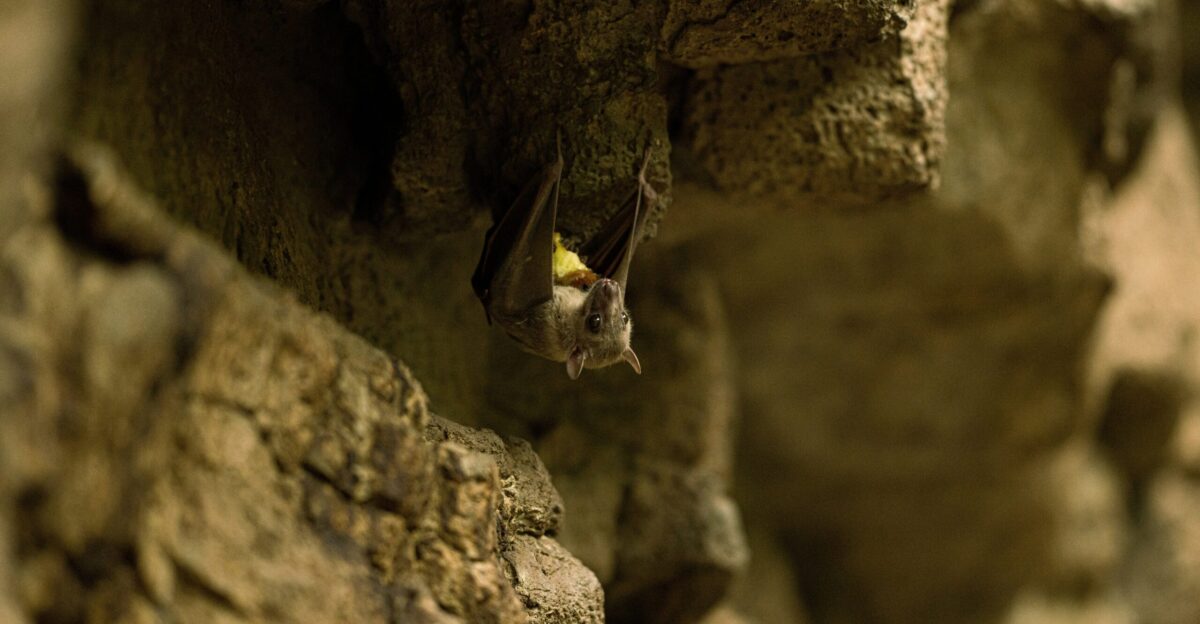
Conservation is paramount in these environments. Even minor disturbances—such as increased light, noise, or physical contact—can disrupt fragile food webs and damage formations that took thousands of years to develop. The cave ecosystem depends on steady temperatures and scarce nutrients, with bat guano providing the foundation for a chain of life that includes fungi, bacteria, millipedes, crustaceans, beetles, spiders, and salamanders. Many of these creatures, known as troglobionts, have adapted to total darkness by losing pigmentation and eyesight, relying instead on heightened senses of touch and smell.
A Window Into Earth’s Past and Present
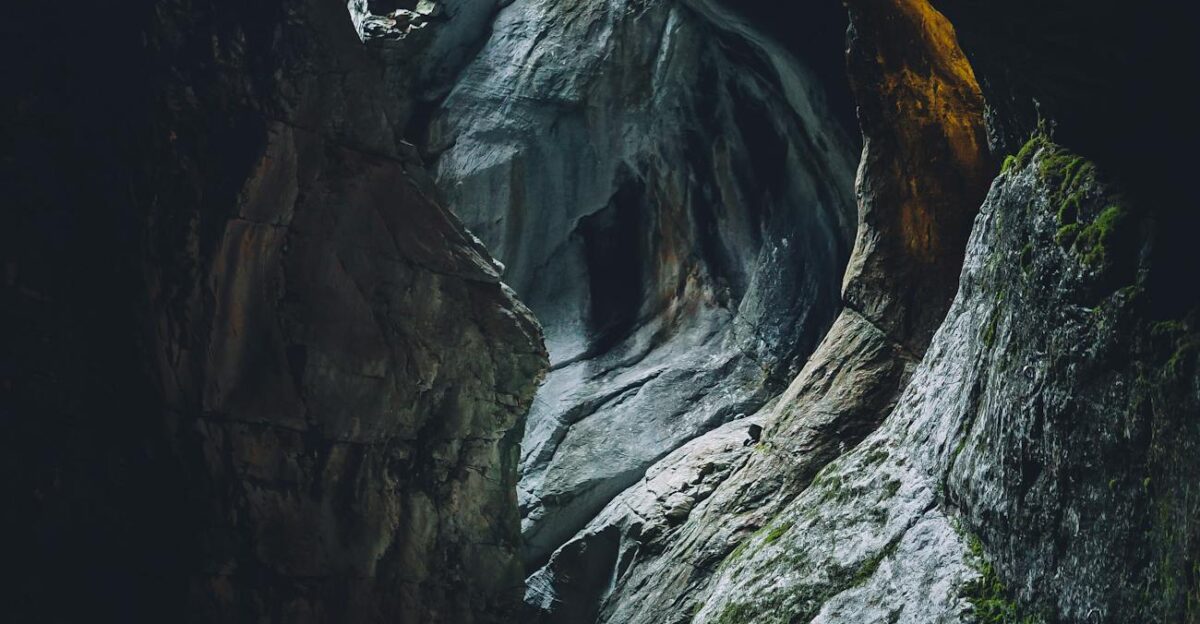
Beyond its geological marvels, the Nevero-Aire cave system offers scientists a rare glimpse into the mountain’s hidden hydrology. Water enters through surface sinkholes, travels through the cave’s passages, and emerges at distant springs—revealing how entire rivers can vanish underground and reappear miles away. Studying these drainage patterns helps researchers understand the karst aquifer beneath Sierra de las Nieves, which plays a crucial role in flood management and water supply for surrounding communities.
The cave’s mineral formations—stalactites and stalagmites—serve as a natural archive of Earth’s climate history. Each layer of calcium carbonate, deposited by dripping water, captures the atmospheric conditions of its time. By analyzing isotopes within these bands, scientists can reconstruct temperature and precipitation patterns stretching back thousands of years. The slow growth of these formations, averaging just 0.13 millimeters per year, underscores the patience required to unravel the cave’s secrets.
Risks and Challenges of Exploration
Exploring deep cave systems is fraught with danger, especially during periods of heavy rain. Sudden flooding can transform benign passages into deadly traps, with underground streams rising rapidly and blocking escape routes. Rescue operations in such environments are complex and demanding, often requiring large teams and specialized equipment to navigate narrow passages and vertical drops in complete darkness.
The Sierra de las Nieves also contains the GESM shaft, one of Europe’s deepest vertical caves, descending over 1,098 meters. Its entrance sits at high elevation, plunging through massive drops and ending in underground lakes that have never seen daylight. The region’s geology—dominated by limestone and peridotite—creates ideal conditions for the development of extreme karst features that attract speleologists from around the world.
Looking Ahead: The Promise of Further Discovery
The connection of the Nevero-Aire supercave marks a turning point in the exploration of southern Spain’s underground world. Yet, the mapped 16.4 miles may represent only half the story. Speleologists believe that with continued surveys, the network could extend to 31 miles or more, as explorers push into tight, flooded, or debris-choked passages. Each expedition brings new opportunities to uncover hidden junctions and expand our understanding of the subterranean landscape.
As teams prepare for future surveys, the stakes remain high. Protecting these fragile environments while advancing scientific knowledge requires careful balance. The discovery stands as a testament to the perseverance of volunteer explorers and the enduring mysteries that lie beneath the mountains—reminding us that even in well-trodden landscapes, the unknown still waits in the darkness.