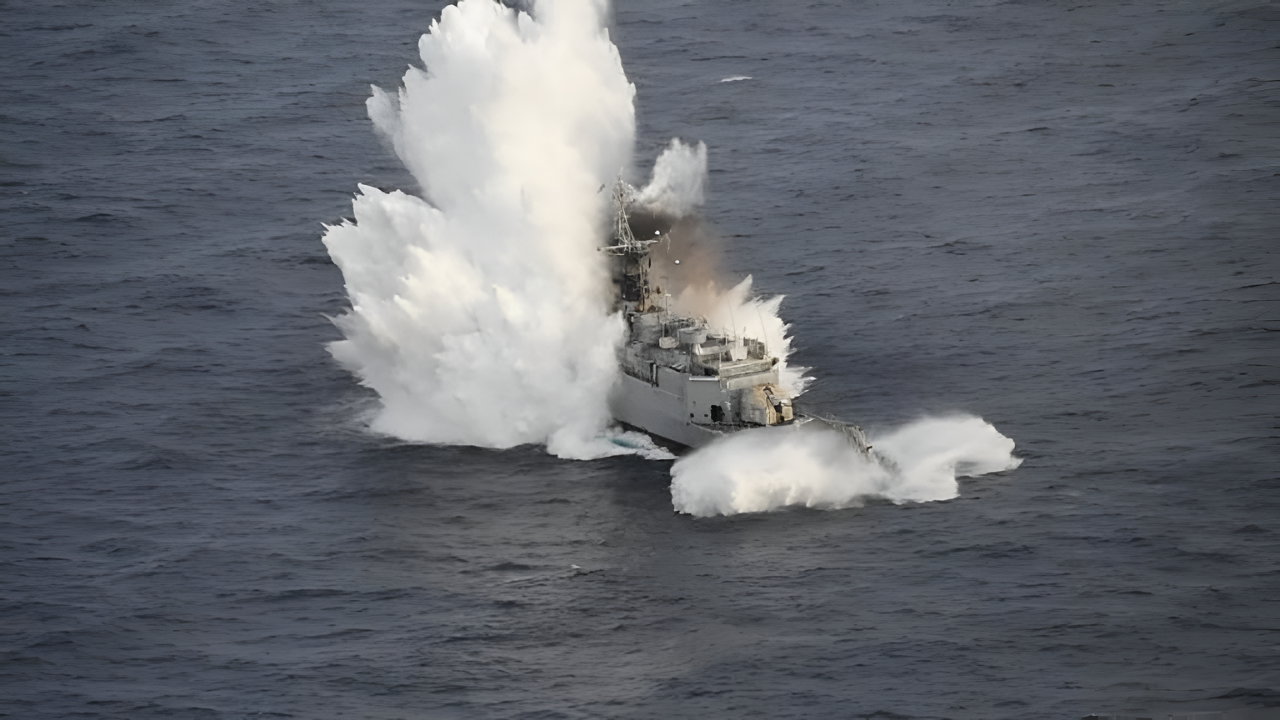
Viewers could be forgiven for thinking NATO’s new torpedo video shows a real combat strike rather than a controlled test off northern Norway. According to NATO’s Allied Joint Force Command, the dramatic footage originates from Exercise Aegir 25, a September 2025 drill in which a Norwegian submarine fired on a decommissioned frigate near Andøy.
The clip only surfaced publicly in mid-November 2025, instantly grabbing attention online.
Single Shot Lifts Frigate Out Of The Water

The most striking moment in the video is a single underwater explosion that blasts the Norwegian frigate KNM Trondheim’s hull clear of the sea before the ship quickly breaks apart and sinks. NATO officials say the target was deliberately packed with containers and equipment to better capture the impact of the heavyweight torpedo during the training shot.
No crew members were on board, and the sinking was fully planned.
Inside-The-Ship Camera Angle Stuns Viewers

The footage does more than show a warship exploding from a distance. Cameras mounted inside the decommissioned Trondheim capture the moment shockwaves slam through interior compartments as the torpedo detonates nearby.
According to NATO’s video release, the internal view was designed to help analysts understand how blast effects travel through modern hulls. For general audiences, it highlights how little warning a targeted ship might receive.
Norwegian Submarine KNM Uthaug Fires The Shot
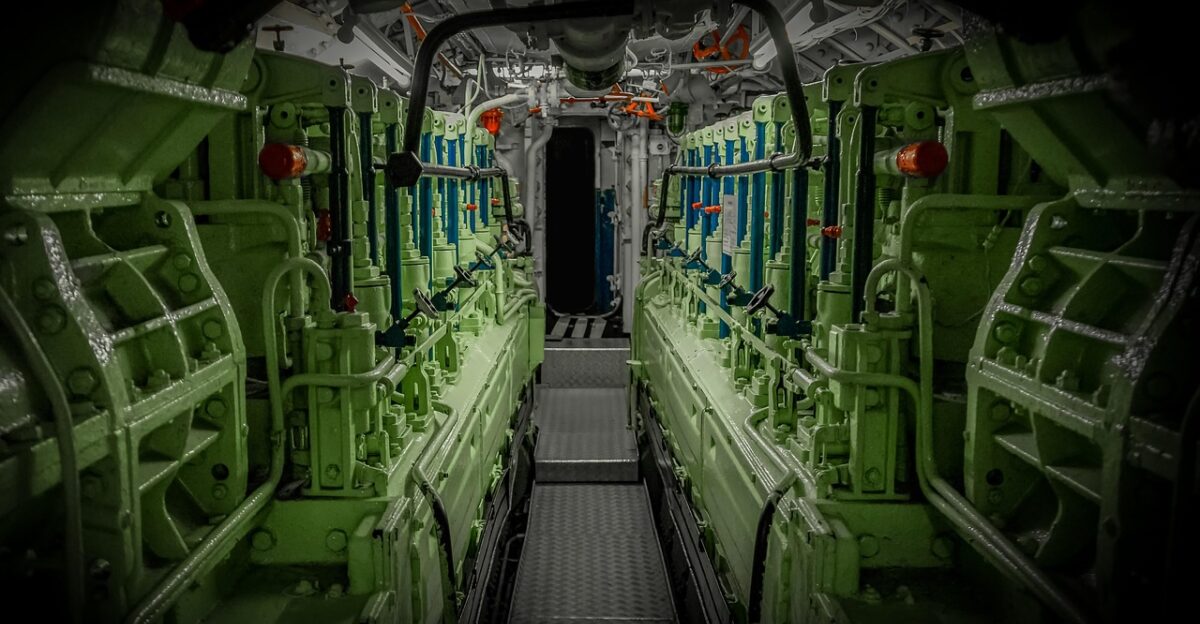
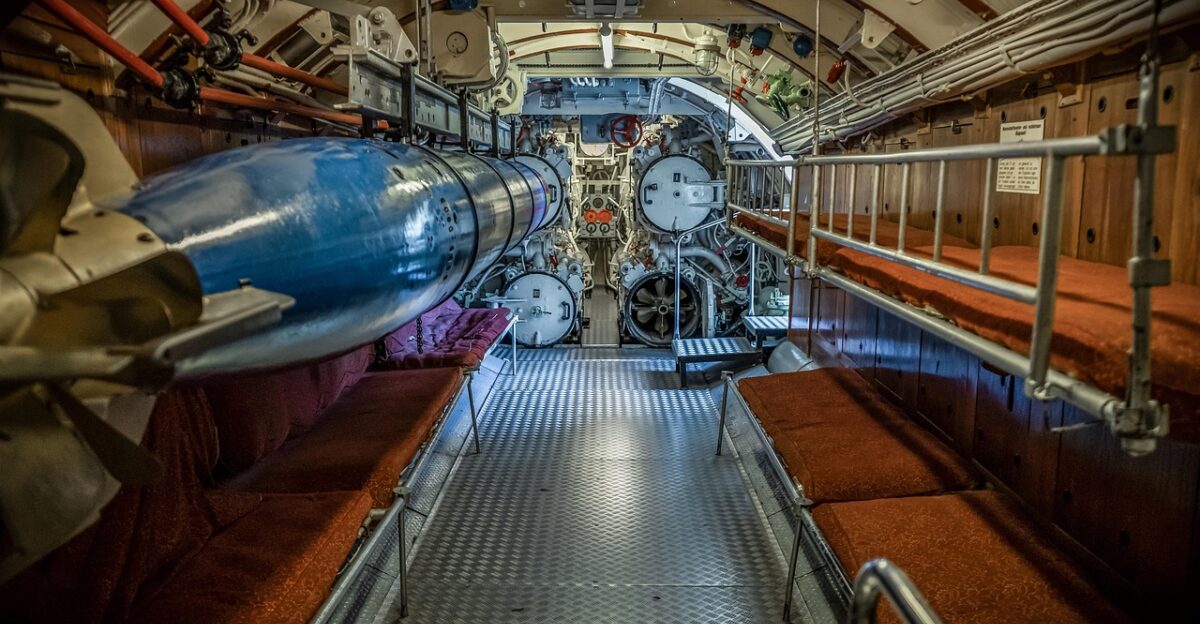
NATO identifies the attacking vessel as the KNM Uthaug, a diesel-electric Ula-class submarine that has been serving in the Royal Norwegian Navy since the early 1990s. Ula-class boats are compact, quiet, and tailored for operations in the shallow, complex waters off Norway’s long coastline.
Norwegian defense references note that six submarines in this class remain in service on extended life programs while the country awaits newer Type 212CD replacements.
Exercise Aegir 25 Brings NATO Allies North
The torpedo shot was part of Exercise Aegir 25, a broader Arctic-focused naval drill staged off Andøy in northern Norway. Norwegian officials say the exercise brought together units from Norway, the United Kingdom, and Poland to test how allied forces operate in harsh northern waters.
The torpedo test capped a series of live-fire events that also included missile launches by Royal Navy and Norwegian ships in the region.
NATO Command Calls Submarines “Unique” Battlefield Players
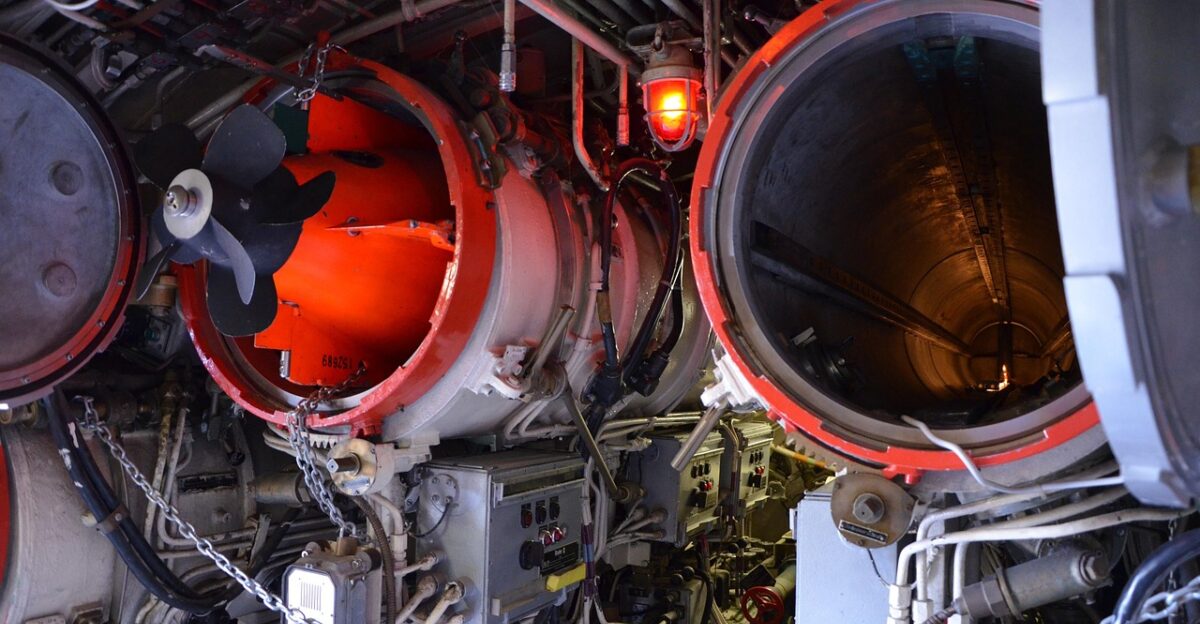
In a statement accompanying the video, NATO’s Allied Joint Force Command said the purpose of the shot was to “verify and demonstrate the striking power that the weapon and the submarine represent.” The command added that a submarine has long endurance, operates covertly, and has a “unique ability to dictate the battle,” underscoring how a hidden boat can choose when and where to strike.
The exercise was framed as reassurance training, not a direct message to any one country.
From Viral Clip To Reminder Of Torpedo Power
On social media, the short video has been shared under punchy captions suggesting a surprise kill or exercise gone wrong, but NATO materials stress that nothing about the sinking was accidental.
Maritime analysts interviewed by defense outlets say the clip visualizes what navies have long known: a modern heavyweight torpedo is designed to break a ship’s back, not just punch a hole in the side.
How Heavyweight Torpedoes Tear Ships Apart
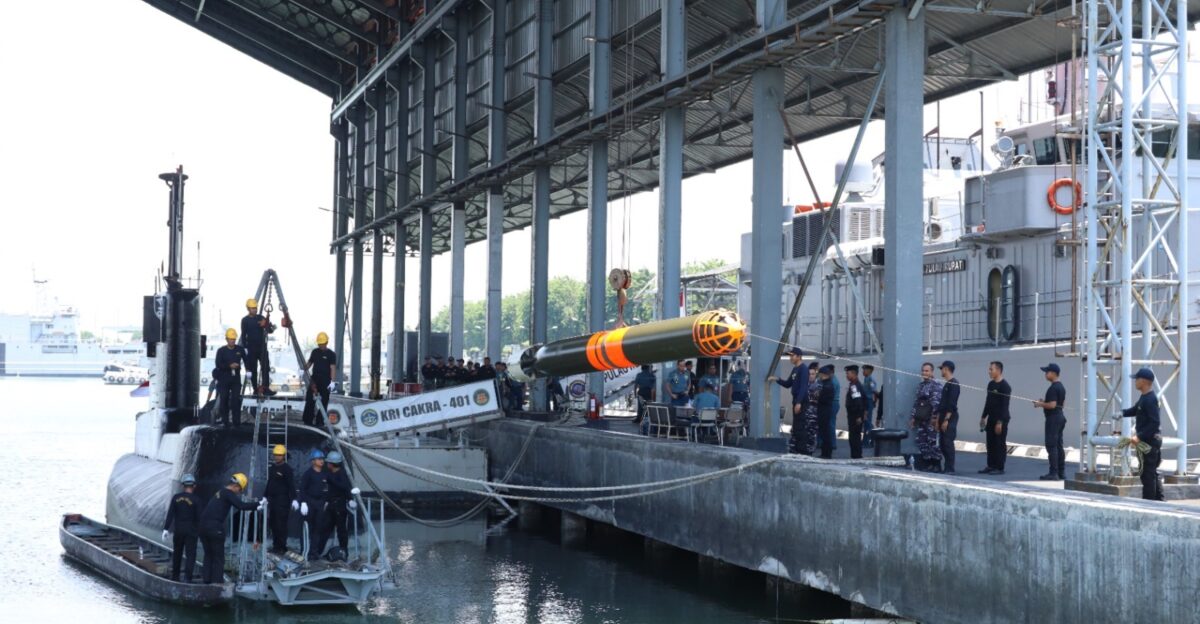
Defense experts explain that such torpedoes typically detonate beneath a ship’s keel, creating a gas bubble that violently lifts and then drops the hull, causing it to stress until it snaps. According to naval weapons studies, this under-keel blast method can sink large surface combatants with a single well-placed shot, especially if they lack modern torpedo defenses.
The Trondheim video provides a rare real-world demonstration of this effect outside of classified testing.
Why Use A Retired Frigate As A Test Target
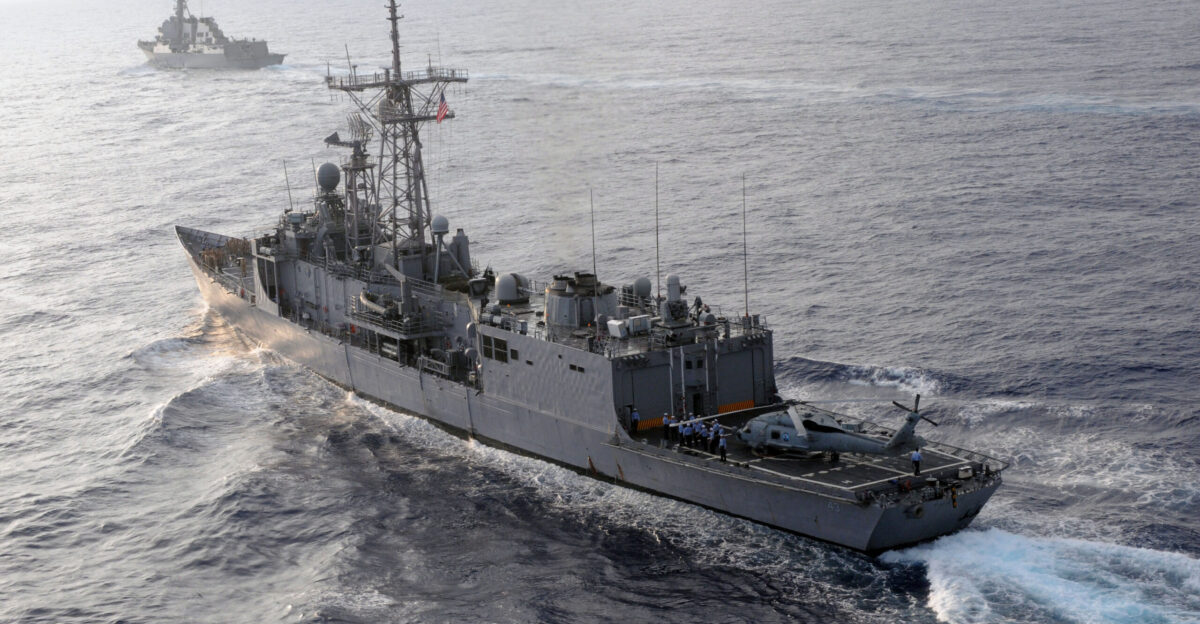
Norway retired KNM Trondheim from frontline service years ago, making it a candidate for use as a live-fire target in controlled conditions. Naval authorities often prefer decommissioned ships over purpose-built targets because they reveal how real hulls, internal structures, and fittings respond to blasts.
In this case, containers loaded onboard helped simulate weight and compartments without risking lives or wasting active combat assets.
A Routine Drill, Not A Hidden Incident
Despite the dramatic visuals, Norwegian media and defense outlets present the sinking as routine training rather than a mishap or secretive incident. Reports indicate that safety zones were established, the area was cleared of other traffic, and environmental monitoring was conducted during the exercise.
Officials describe such tests as necessary to validate weapons, tactics, and crew performance before any real-world contingency.
Thirty-Plus Years Of Quiet Ula-Class Patrols
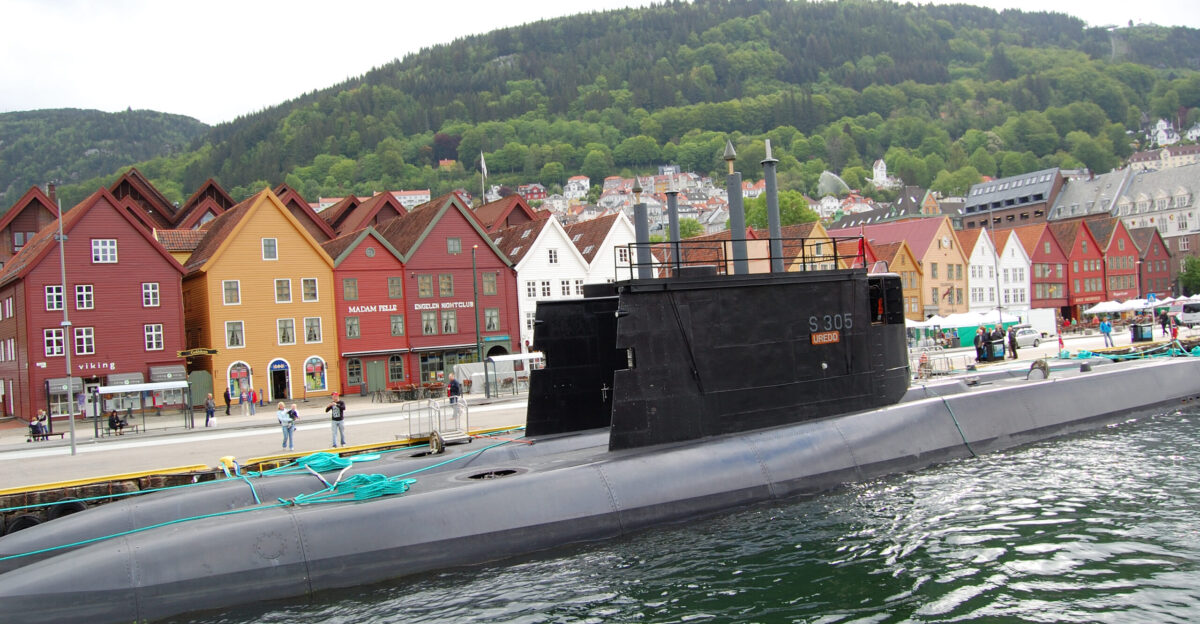
The Ula-class submarines that carried out the strike have been patrolling northern waters for roughly three and a half decades. Built in cooperation between Germany and Norway, they are optimized for stealth in coastal and Arctic conditions, utilizing diesel-electric propulsion and sophisticated sonar to stalk targets.
Military references often describe the class as small but difficult to detect, making them valuable for surveillance and deterrence in close-to-home waters.
Life Extension Until New Type 212CD Boats Arrive
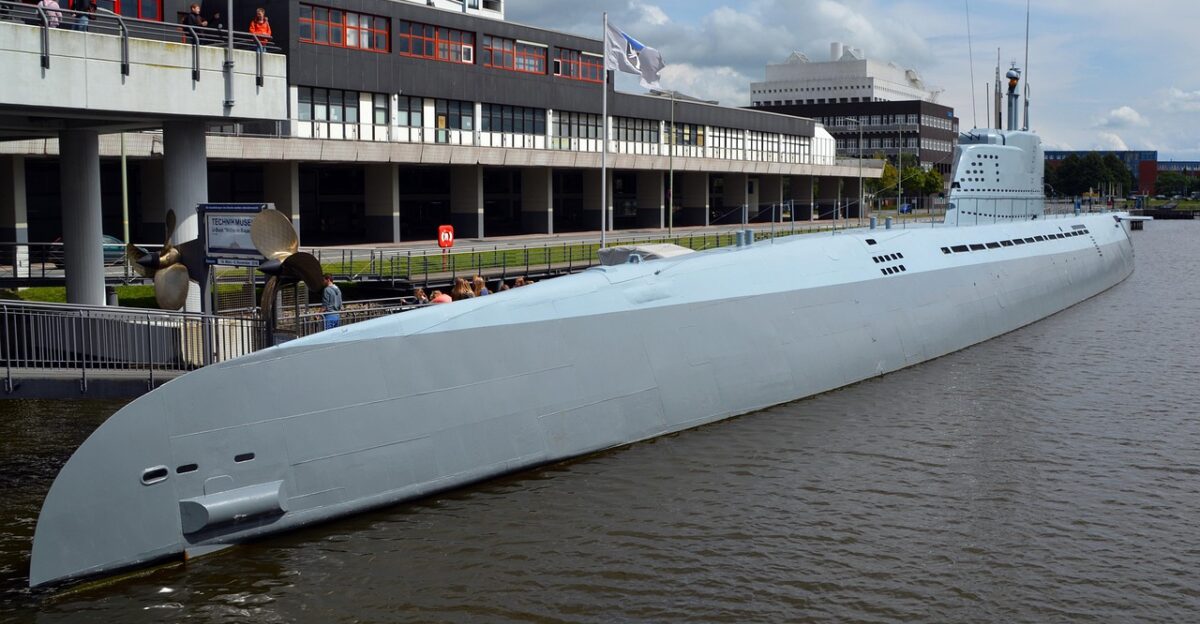
Norway has already ordered next-generation Type 212CD submarines, developed jointly with Germany, to replace the aging Ula fleet. According to program updates, the new boats are expected to enter service around 2029, bringing improved stealth and air-independent propulsion for enhanced underwater endurance.
Until then, the existing six Ula-class submarines are undergoing upgrades to ensure their continued effectiveness.
Arctic Waters As A Strategic Testing Ground

The choice of Andøy and the surrounding northern seas is not accidental. NATO planning documents describe the High North as a key corridor for Russian and allied submarines, which move between the Atlantic and Arctic.
Exercises like Aegir 25 build on broader drills such as Nordic Response 2024, where allies practiced defending sea lanes and reinforcing northern Europe in cold, dark conditions.
How Allies Share Lessons From Aegir 25
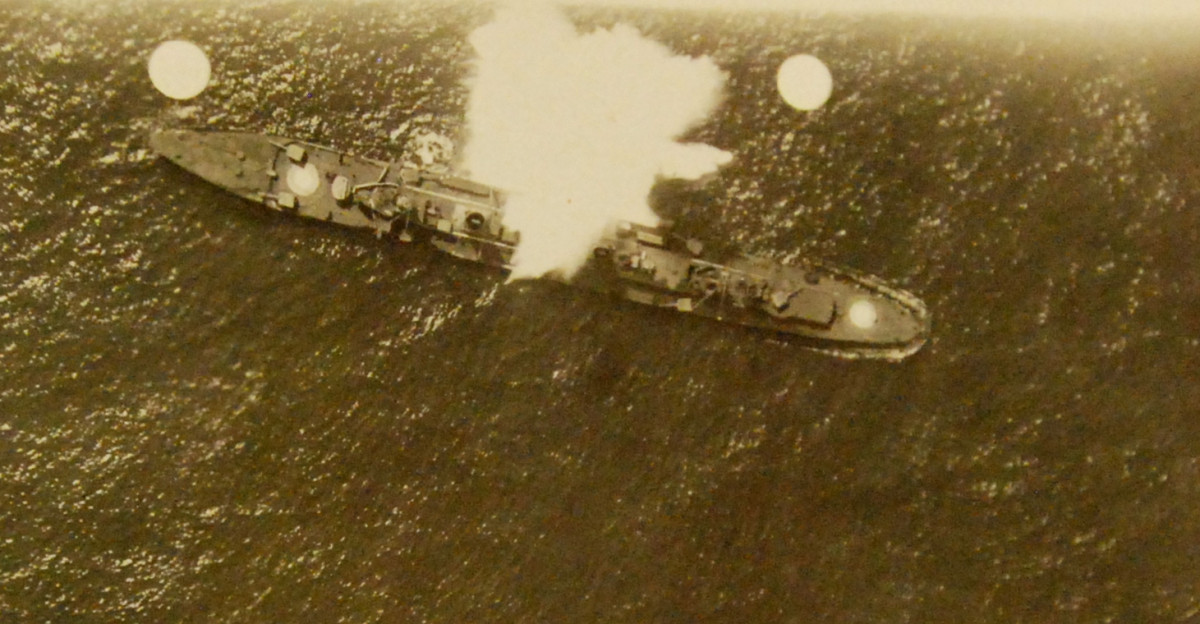
The Norwegian defense industry releases a note stating that Aegir 25 has also validated other weapons, including the Naval Strike Missile, while providing allied crews with experience in coordinating across ships, submarines, and aircraft.
After-action reports and footage like the Trondheim sinking are used in NATO classrooms and simulators to refine tactics and highlight the risks of operating near hostile submarines. Officials say this collective learning is central to alliance deterrence.
No U.S. Ships Involved, But Message Still Resonates
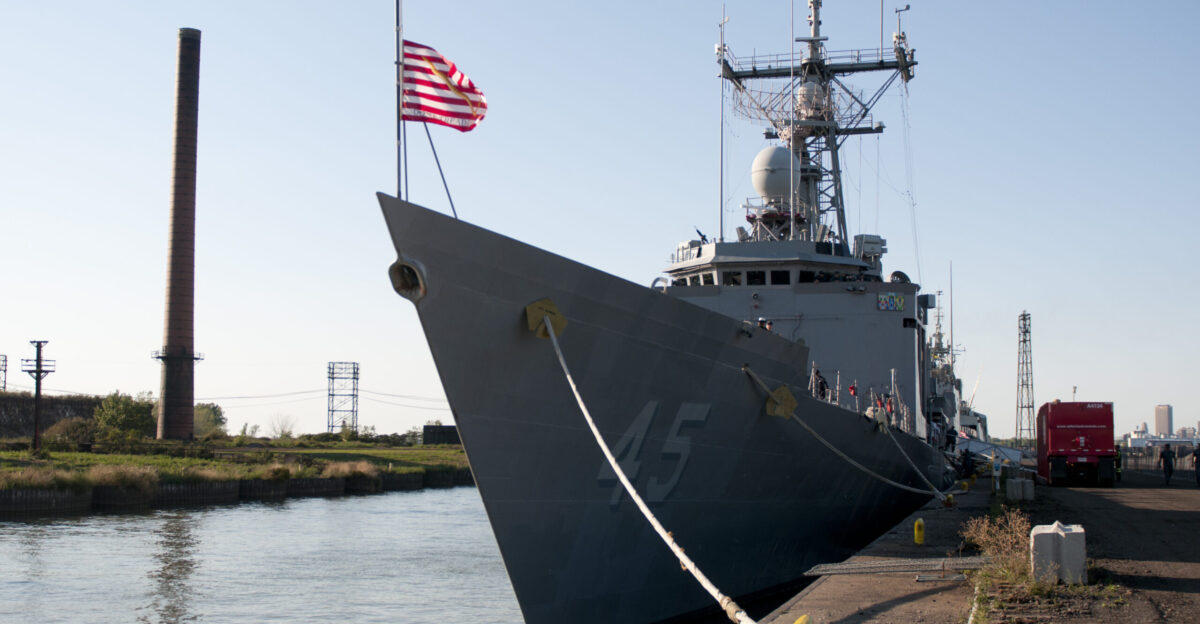
Although no American ships or personnel were directly involved in the Trondheim torpedo test, U.S. networks have shared the footage widely as a vivid example of undersea warfare.
Analysts interviewed by English-language outlets note that many allied fleets, including the U.S. Navy, rely on similar heavyweight torpedoes and tactics, making the lessons broadly applicable.
Why The Clip Feels So Different From Usual Military PR
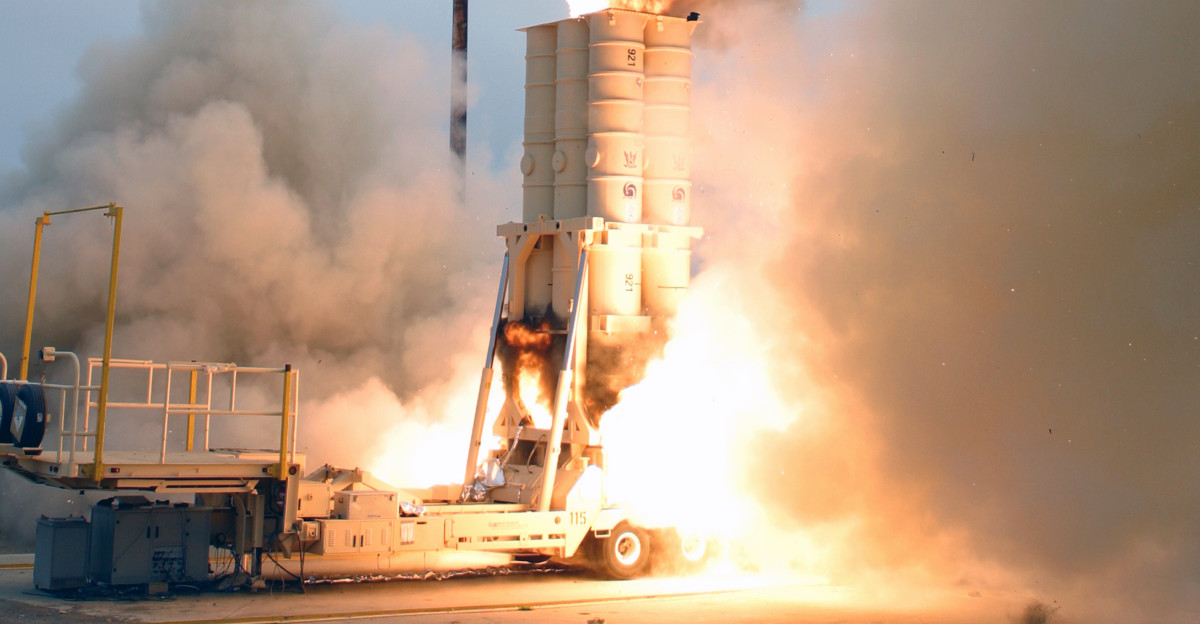
Typical military highlight reels feature missile launches or jet flyovers, but the Trondheim video lingers on the eerie stillness before the blast and the violence of the under-keel explosion.
Commentators note that the internal camera angle, in particular, strips away any sense of distance from the weapon’s effects. That intimacy may explain why the clip has spread beyond the usual defense enthusiast circles.
What This Shows About Modern Naval Vulnerability
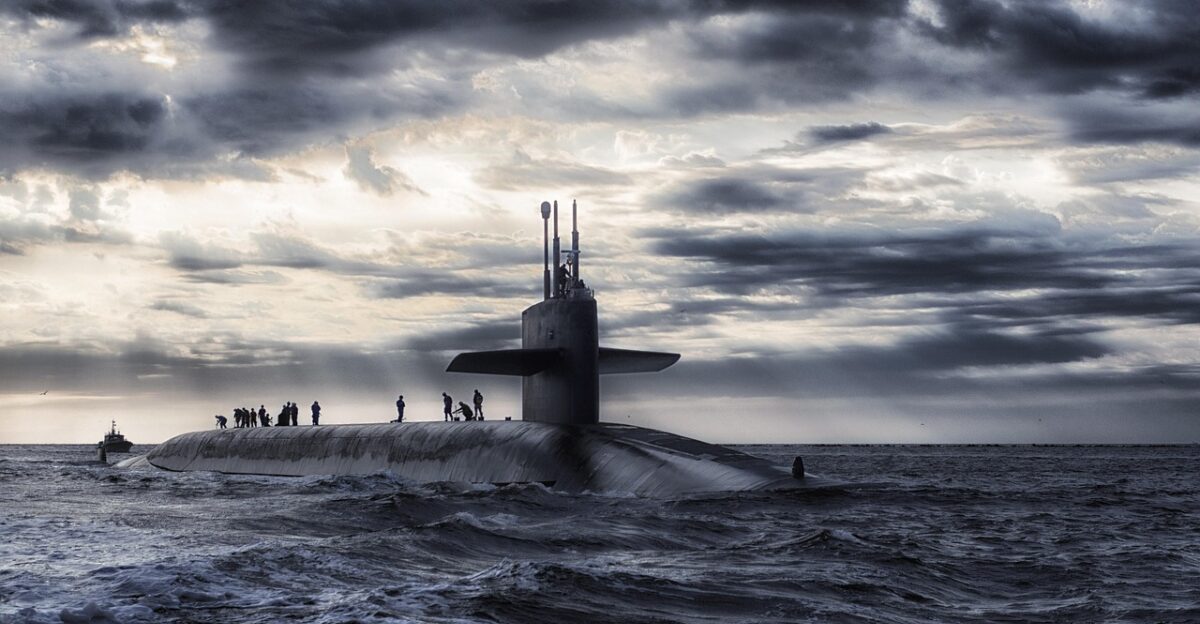
Naval strategists say the Trondheim sinking reinforces a simple truth: even large surface ships can be perilously exposed if they fail to detect an approaching submarine. Articles on Europe’s undersea “capability gap” warn that aging fleets and limited anti-submarine warfare assets could leave vital sea lanes vulnerable in a crisis.
Exercises like Aegir 25 aim to highlight those vulnerabilities in peacetime, when adjustments can still be made.
Norwegian Public Reacts To Sinking Of Old Frigates
Local coverage in Norway has focused less on the shock value and more on debates over using decommissioned frigates as live-fire targets. Some critics question whether sinking multiple former warships is the most effective use of resources, while naval officials argue that it yields data that no simulator can match.
The Trondheim test thus sits within a broader conversation about fleet renewal and defense spending in a small but strategically placed navy.
A Rare Glimpse Behind The Curtain Of Undersea Warfare
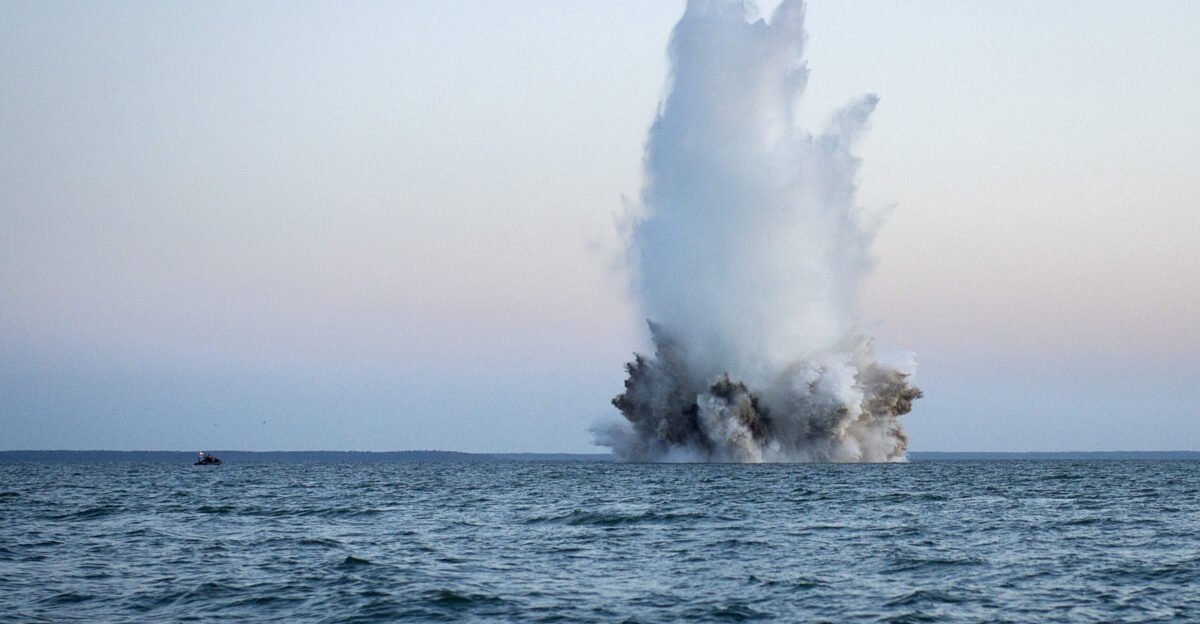
For most people, submarine operations remain out of sight and out of mind, conducted in deep water and classified reports. The KNM Uthaug’s torpedo shot against the KNM Trondheim briefly changes that, turning a usually hidden test into a viral, high-definition case study.
NATO officials say that was partly the point: to show allies and potential adversaries alike what a single well-placed torpedo can do to a modern warship