
Forget the stereotype that aging means decline. Harvard Medical School research shows older adults often outperform younger peers in judgment, emotional balance, and perspective. A well-trained brain in its sixties can be sharper, calmer, and more resilient than many at 30.
Each challenge, setback, and triumph trains the brain to adapt. What once looked like limits now appear as advantages, shaping a mind built for strength and resilience, ready to tackle complex problems and stay alert in an ever-changing world.
Why Age Can Boost Mental Power

Neuroscientists say some abilities improve with age rather than fade. A Nature Human Behaviour study found vocabulary and knowledge accumulate well into later life, while emotional stability rises steadily. Wisdom, resilience, and adaptability often peak in the sixties.
This doesn’t mean aging is effortless; it means experience and intentional habits pay off. The following eight signs reveal how a thriving brain at 60 doesn’t just keep pace but often outshines younger generations, showing that age can be a hidden cognitive advantage.
1. Lifelong Learning Ability – Curiosity in Action

Curiosity fuels the thriving 60-year-old brain. Imagine someone learning Italian, exploring digital photography, or trying a new coding language. Research in Frontiers in Psychology has found that older adults who embrace new skills form fresh neural pathways, keeping the mind flexible and engaged.
Unlike some younger adults who avoid discomfort, older learners actively pursue challenges. This drive maintains problem-solving, creativity, and adaptability. The spark for learning never truly fades; it evolves.
Cultivating curiosity is enjoyable; it’s a proven cognitive booster, helping the brain stay active, resilient, and sharp past the so-called “prime” years.
Lifelong Learning Ability

Learning at 60 isn’t about speed but depth and persistence. Research has found that older adults can master new subjects effectively when given time and motivation. Unlike in youth, where pace is prized, older learners leverage experience, patience, and strategy.
The brain forms durable connections by adopting new technology, hobbies, or professional skills. Lifelong learning shows the mind is adaptable, curious, and capable. Those who embrace new experiences prove that age strengthens cognitive ability rather than diminishes it, keeping the brain ahead of many younger peers.
2. Wisdom and Good Judgment – Wisdom You Can’t Google

Wisdom is forged through lived experience, not just data memorization. Psychologist Igor Grossmann notes older adults excel in “practical wisdom,” blending perspective, emotional regulation, and sound judgment. A younger person may see two options; a 60-year-old brain often recognizes multiple solutions.
Life’s challenges refine this skill, creating an internal compass for decisions. Guiding loved ones or navigating crises becomes almost instinctual. Accumulated insight transforms into a cognitive superpower, allowing older adults to respond with clarity and confidence where younger individuals might hesitate.
Wisdom at this age is tangible, measurable, and a clear sign of a strong mind.
Wisdom and Good Judgment

Every choice over decades hones judgment. Research shows that older adults often integrate experience and long-term perspective into their decision-making. At 60, impulse gives way to perspective, allowing decisions to consider broader consequences. This ability to integrate experience and knowledge improves problem-solving in complex situations.
A 30-year-old may act quickly without full analysis, but a 60-year-old approaches challenges strategically. Being decisive, thoughtful, and measured is a hallmark of a strong brain in later life, reflecting the power of accumulated life experience.
3. Rich Vocabulary and Knowledge – A Mind Rich in Words

Think of your brain as a growing library. Each conversation, book, or experience adds new volumes. Research has confirmed that vocabulary and crystallized intelligence peak later in life. Many older adults excel in crosswords, storytelling, or discussions that demand depth.
Knowledge accumulation allows them to communicate more effectively and think critically. Unlike younger adults, whose exposure is still limited, 60-year-olds often have broader and more profound expertise.
This richness demonstrates that experience and curiosity expand the brain’s capabilities, making mental sharpness one of age’s hidden advantages.
Rich Vocabulary and Knowledge

By 60, vocabulary reflects precision, context, and creativity. Studies show older adults outperform peers in word recall and general knowledge tasks. This strengthens problem-solving, communication, and critical thinking. A wide-ranging mental library allows them to draw connections that younger adults may overlook.
Expanding knowledge over decades compounds brain strength rather than letting it stagnate. Achievements like debating, storytelling, or mastering new topics reflect resilience and growth. A strong vocabulary is a clear marker of cognitive health, showing that decades of curiosity and learning leave the brain sharper than many expect.
4. Emotional Regulation – Calm in the Midst of Chaos

Stress is inevitable, but how we handle it improves with age. Stanford research shows that older adults experience fewer spikes in negative emotion and recover faster from conflict. Life experience trains the brain to stay balanced, turning challenges into lessons. While younger adults may ruminate or react impulsively, many 60-year-olds maintain perspective and composure.
This emotional steadiness enhances relationships, decision-making, and overall well-being. Calm under pressure is a sign of resilience built over decades, demonstrating that aging doesn’t dull mental capacity but refines the brain’s ability to navigate complex emotional landscapes.
Emotional Regulation

Emotional regulation strengthens with experience. Studies in Psychology and Aging show that older adults activate both hemispheres when managing emotions, improving control, empathy, and decision-making. Where a younger person may act on impulse, a 60-year-old evaluates and responds thoughtfully.
Handling anger, disappointment, or stress with poise reflects a brain that integrates logic and emotion. Emotional regulation is a tangible advantage that affects both personal and professional life. Those who master this skill exhibit one of the clearest markers of a healthy, resilient brain, proving that experience can enhance mental faculties often underappreciated in youth.
5. Cognitive Super Aging- Memory That Stays Sharp

“Superagers” are older adults whose memory matches people decades younger. Massachusetts General Hospital research found that their hippocampus and prefrontal cortex remain thick and active. These adults maintain active lifestyles, social engagement, and lifelong learning, supporting retention and recall.
At 60, remembering names, details, and events demonstrates that memory can remain strong. Active engagement, curiosity, and purposeful living are critical. Far from inevitable decline, memory can thrive well into later life, challenging the stereotype that aging equates to forgetfulness.
Cognitive Super Aging

If you recall details as sharply as younger peers, you may be a “superager.” Northwestern University studies found that superagers retain thicker brain regions linked to memory and focus. This resilience is strengthened by exercise, social engagement, and mental challenge. Superagers show that memory doesn’t have to fade, and that brains can remain agile, adaptable, and strong.
Maintaining this level of recall at 60 is rare but achievable with the proper habits. Cognitive super aging proves the brain’s potential to outperform expectations, often surpassing those in their so-called “prime.”
6. Cognitive Flexibility – Flexibility in a Changing World

Change is constant, but many 60-year-olds handle it with ease. Research has found that older adults can outperform younger peers in problem-solving under new conditions. Adaptability reflects the brain’s ability to pivot strategies without stress. Years of experience allow older adults to navigate unexpected challenges smoothly.
Flexibility enhances resilience, mental agility, and relevance in a rapidly changing world. At 60, adjusting without losing focus demonstrates one of the most valuable cognitive traits, showing that mental rigidity is not an inevitable part of aging.
Cognitive Flexibility

Strong cognitive flexibility allows older adults to switch strategies effectively, reducing stress and improving outcomes. Studies in Neuropsychology Review show that this skill enhances problem-solving, planning, and innovation. Unlike superficial multitasking, true flexibility involves shifting focus and adapting thoughtfully.
A 60-year-old can turn unexpected events into opportunities, using experience to guide decisions. This adaptability is a hallmark of a healthy brain, demonstrating resilience and agility honed over decades. Cognitive flexibility ensures continued effectiveness and engagement, keeping the mind active, sharp, and capable of navigating complex environments.
7. Ability to Form New Memories – The Brain Still Writes New Pages

Memory doesn’t stop forming new connections at 60. Research shows older adults continue encoding new experiences when focused. Learning isn’t about speed—it’s about depth. Picking up hobbies, traveling, or attending classes builds new neural pathways. Every novel experience strengthens the brain and enhances cognitive resilience.
Aging doesn’t mean reaching a mental ceiling; it’s a phase where deliberate learning and engagement reinforce mental vitality. Staying curious and actively involved in life ensures the brain continues to grow and adapt, making the sixties a time of mental expansion, not decline.
Ability to Form New Memories

Your hippocampus remains active, storing new information when you stay engaged. Studies in Learning & Memory show older adults maintain a strong capacity for encoding new experiences, whether in class, a conversation, or a skill. Memory may require more attention than at 30, but retention remains impressive.
The brain’s adaptability proves age doesn’t block learning; it enhances it through reflection and focus. At 60, forming new memories indicates continued neural growth and cognitive resilience, countering stereotypes and showing that curiosity and effort keep the mind vibrant.
8. Lifestyle – Habits That Build Brainpower

Strong brains aren’t accidental; they are cultivated daily. The Alzheimer’s Association highlights exercise, balanced diets, social engagement, and mental challenge as protective against cognitive decline. Older adults recognize that lifestyle choices matter more than youth itself. Walking, volunteering, or reading actively fortifies the brain.
Prevention isn’t just avoidance; it’s proactive growth. Decades of good habits manifest in memory, judgment, and emotional balance, showing that a 60-year-old brain can outperform younger peers whose routines neglect mental upkeep. These practices turn everyday choices into powerful tools for cognitive resilience and longevity.
Lifestyle-Driven Brain Health

Your habits are your brain’s foundation. A Lancet Public Health study showed that combining physical activity, social engagement, and cognitive stimulation can significantly reduce cognitive decline risk. At 60, these routines sustain focus, memory, and adaptability. Unlike some younger adults, who rely on youth as a buffer, proactive lifestyle choices produce measurable brain strength.
Maintaining an active, engaged, and healthy lifestyle is more than preventative—it’s a way to expand mental capacity. Lifestyle-driven health demonstrates that decades of thoughtful practice translate directly into superior cognitive function.
The Strength Hidden in Age

The sixties are a period of growth, not decline. Yale researchers emphasize that resilience, adaptability, and purpose make older brains uniquely powerful. Each of the eight signs proves the same point: Your brain evolves with age.
Emotional stability, sharp memory, and wise judgment often peak now. Many assume decline is actually growth with hidden strengths revealed with time. Aging provides mental advantages that younger adults may lack, showing that life experience is a potent enhancer of cognitive capacity and performance.
A Future of Growth, Not Loss
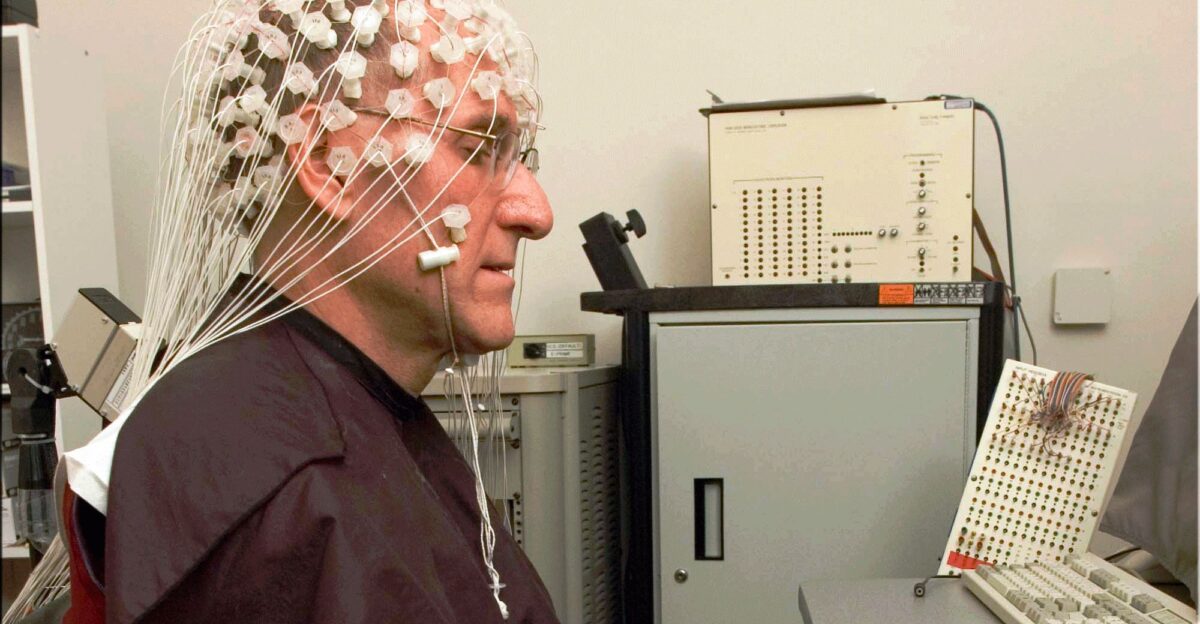
Your brain at 60 is defined by what it’s gained from insight, perspective, and resilience. Neuroscience confirms that curiosity, social ties, and healthy habits protect and expand mental function. Aging is not an ending; it’s an opening for peak cognitive performance.
With intentional learning, emotional balance, and proactive habits, the mind at 60 can be sharper, more capable, and even outperform younger adults. The lesson is clear: age strengthens the brain, offering some of the wealthiest, most capable years of cognitive life.