
The largest tech employer in Oregon is over 3,000 jobs at its Hillsboro hub, a move that will reshape thousands of households and the region’s economy. Intel made the cuts while expanding aggressively in Ohio and Arizona with major CHIPS Act support. This split reveals a shifting national strategy. Here is what is unfolding and why the story is bigger than one company. Here is where things begin to take shape.
What Is Happening in Oregon
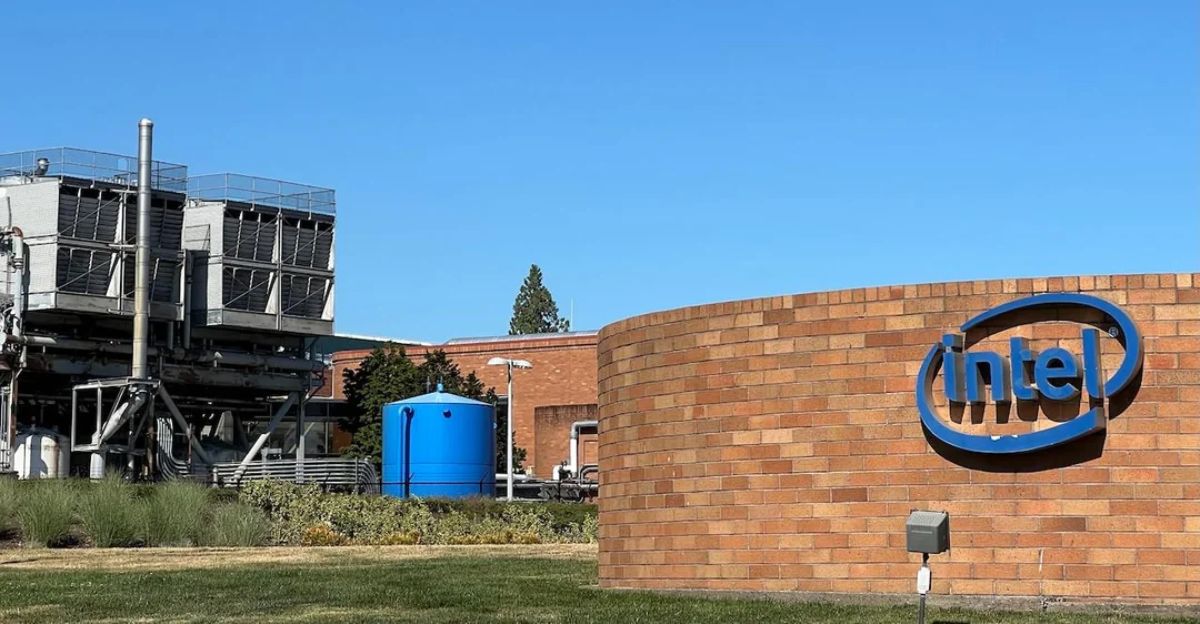
Intel is cutting 3,100 jobs at its Hillsboro operations, the company’s biggest American hub and Oregon’s largest private employer. These cuts affect manufacturing, engineering, and support roles, marking one of the state’s most significant tech contractions in years.
The reductions ripple far beyond Intel’s campus, touching households, suppliers, and the regional economy. But the scale becomes clearer when looking at the workforce numbers that led up to this moment.
Oregon’s Workforce Shrinks Sharply

Intel previously employed 22,000 to 23,000 workers in Oregon. After the cuts, the remaining staff is estimated at 17,000 to 18,000. This sharp decline signals a restructuring effort that shifts Intel’s center of gravity away from the Pacific Northwest.
Local communities now face heightened uncertainty as long-stable employment patterns shift. Understanding which groups feel the impact most reveals the depth of change ahead.
How Many People Are Affected
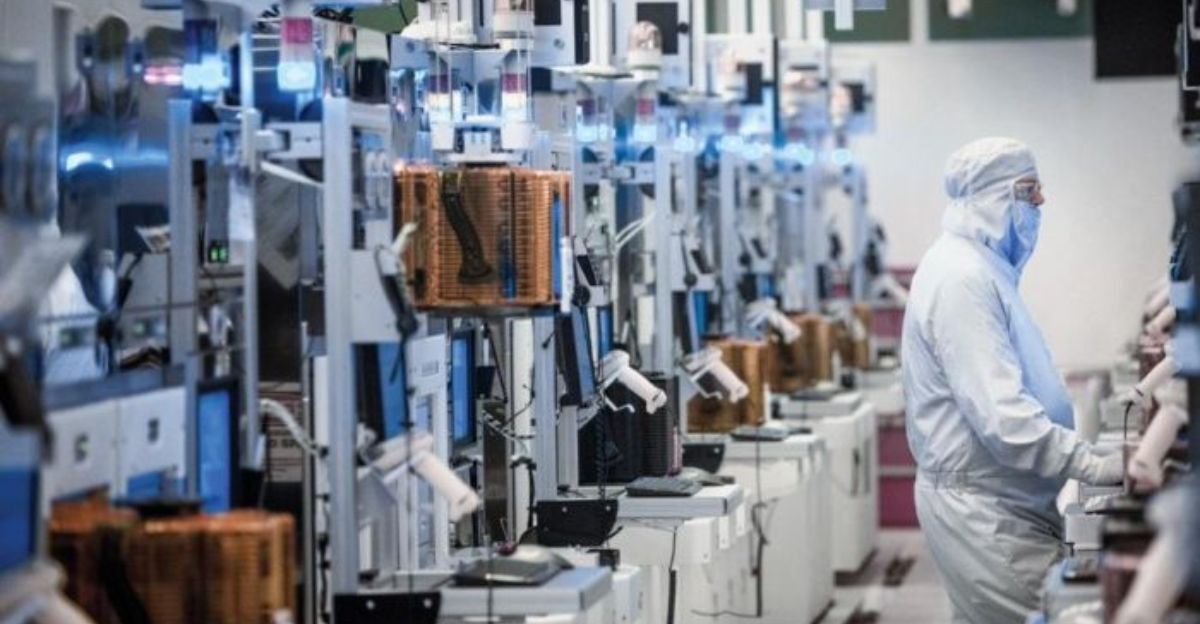
Approximately 10,000 to 15,000 households are directly or indirectly affected by these layoffs. The number includes employees, spouses, children, and dependents whose financial stability is supported by Intel’s payroll.
These household-level effects compound rapidly across Washington County. The broader implications appear more visible when examining how small businesses respond to Intel’s pullback.
Small Businesses Feel the Strain

Local restaurants, shops, clinics, transportation providers, and home-service companies depend heavily on Intel workers. Research suggests as many as 9,300 to 15,500 indirect jobs could be at risk as spending tightens.
The pressure also reaches supply chains that rely on Intel contracts. The next area reveals how deep that supply chain exposure runs.
Suppliers Brace for Losses

High-tech equipment firms, utility providers, logistics companies, and maintenance services face declining orders and reduced budgets. These partners play essential roles in keeping Intel’s Oregon operations running, and any slowdown quickly impacts their revenues.
As the supply chain braces for change, the story shifts to why Intel is moving resources to other states at this moment.
Why These Cuts Are Happening
Intel reported a 19 billion dollar net loss last year, its worst performance since 1986. This financial strain prompted the company to launch a $ 10 billion annual cost-cutting plan, paired with a 15 percent global workforce reduction.
These pressures explain the urgency behind the Oregon cuts. Yet the company’s investments elsewhere suggest an even more significant realignment.
Profits Drive New Investment Priorities
Intel views Oregon’s older, higher-cost operations as less suited for new high-volume manufacturing. Ohio and Arizona, by contrast, offer lower costs and freshly built sites supported by large incentives.
This strategic shift frames the company’s next moves. Intel’s own stated reasoning reinforces what comes next.
Intel’s Leadership Explains the Strategy

“Intel’s leadership has made clear that it must restore profitability and competitiveness in advanced nodes to justify the massive capital outlays that CHIPS incentives are helping to unlock, and that means trimming costs in legacy operations even as it hires in new locations.” This analysis echoed comments from CEO Pat Gelsinger earlier in the year.
The logic behind this move becomes clearer when examining the size of federal incentives in play.
Billions Flow to Ohio and Arizona
Ohio is securing $ 20 to $ 28 billion to build two large chip fabs, with the potential to expand to eight. These projects are expected to create more than 3,000 permanent jobs and about 7,000 construction roles.
These investments redefine Intel’s domestic footprint. The company’s expansion in Arizona adds yet another layer to the transition.
Arizona Expands With Major Backing
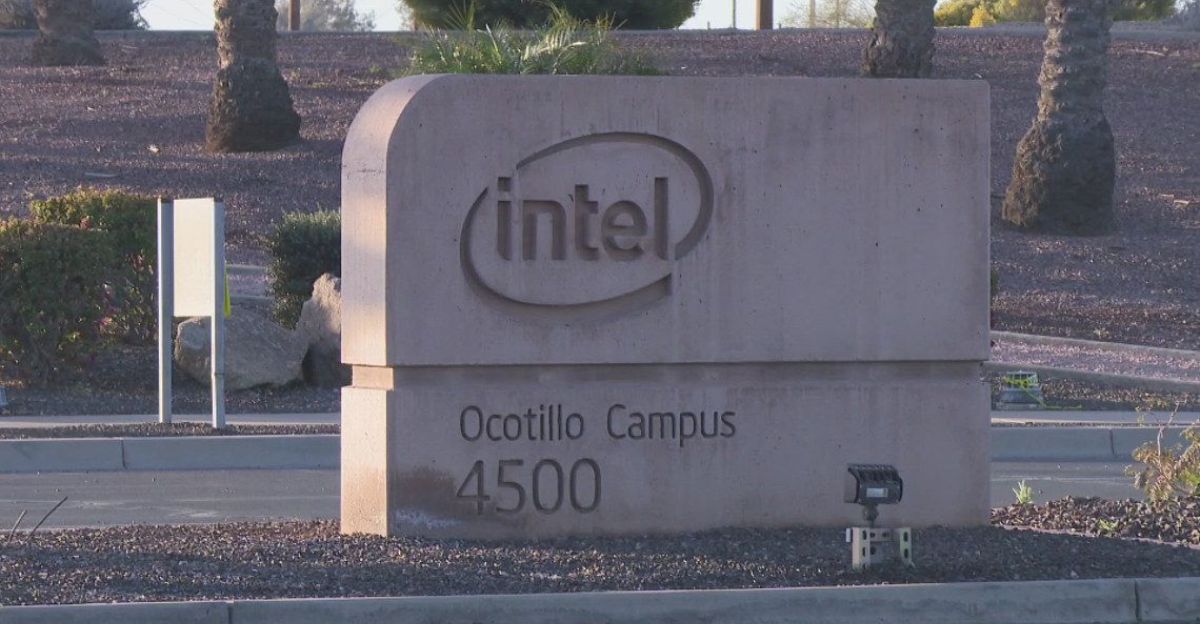
Arizona is receiving $34.5 billion for capacity expansion and upgrades to leading-edge manufacturing. These funds support thousands of high-tech roles and reinforce the state’s growing importance to Intel’s strategy.
With so much capital shifting to other states, Oregon’s allocation stands out for a different reason.
Oregon’s Funding Has Limits
While Intel is investing $ 36 billion in Oregon, the money focuses on modernizing older R&D facilities rather than creating new manufacturing jobs. The goal is to keep the site relevant in process development, not expand production.
This distinction shapes the employment outlook. The timeline of layoffs shows how the changes unfolded.
How the Layoffs Rolled Out

The first major round of layoff notices appeared in the summer. Approximately 2,500 positions were identified, followed by an additional 669 roles scheduled to conclude by the end of the year.
These steps began long before Intel’s subsidy awards were finalized. That timing reveals a key misunderstanding about the cuts.
Cuts Preceded CHIPS Awards

Intel’s layoffs started months before its $7.86 billion CHIPS Act award was finalized. The sequence contradicts claims that federal funding triggered the job reductions.
Instead, the cuts reflect deeper structural decisions. A closer examination of Oregon’s aging facilities reveals why those choices were made.
Why Oregon Lost New Manufacturing

Intel’s 40-year-old campus has higher utility and operating costs than newer builds in Ohio and Arizona. These cost differences make Oregon less competitive for next-gen high-volume fabs.
This dynamic exposes a policy challenge. The CHIPS Act created benefits, but not evenly across states.
The Policy Paradox
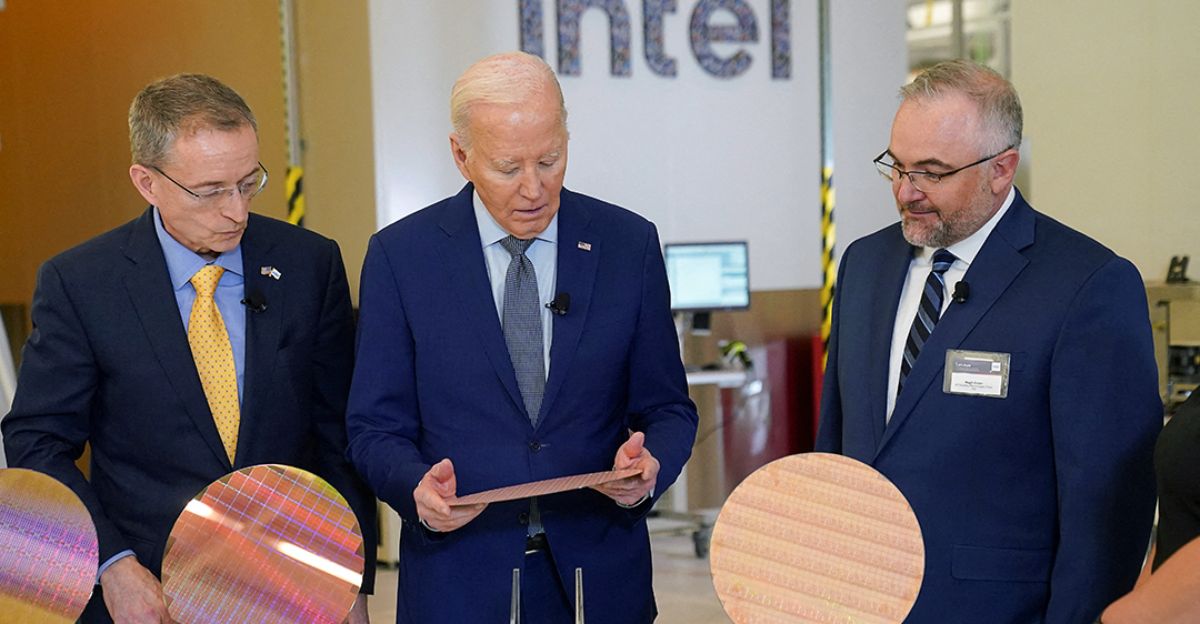
The CHIPS Act aims to revive US chipmaking, yet its incentives favor new greenfield projects over existing ones. Legacy hubs like Oregon face disadvantages even while anchoring vital research and development.
This tension shapes Intel’s broader restructuring. The way the layoffs were implemented shows the human side of the shift.
How the Cuts Affected Workers

Employees received severance and job transition support. Many high-skilled workers cannot find new roles locally and now face relocation to Ohio or Arizona, moves to smaller regional competitors, or exit the chip industry altogether.
These choices add pressure to the region’s economy. That pressure becomes more visible when examining local financial impacts.
The Economic Ripple Effect

Each lost Intel job jeopardizes up to five additional regional jobs. Local payroll losses may reach between 357 million and 558 million dollars. Tax revenues for local governments could fall by 50 million to 100 million dollars.
Communities are now mobilizing responses. These actions offer a glimpse of how leaders hope to slow the fallout.
How the Region Is Responding

Washington County and state leaders are launching retraining programs, job fairs, and support for small businesses. They are also working to reduce the risk of a tech talent exodus from the region.
These responses face an uphill climb. Understanding the historical context helps explain why.
A Historic Turning Point for Oregon

This is the largest retrenchment in Oregon’s semiconductor history. For a state that helped define US chipmaking, the cuts signal a shift in the national industry’s geography, shaped by costs, incentives, and market forces.
This turning point raises broader questions about the future. The perspective behind this story underscores why it matters nationally.
What This Shift Means for America
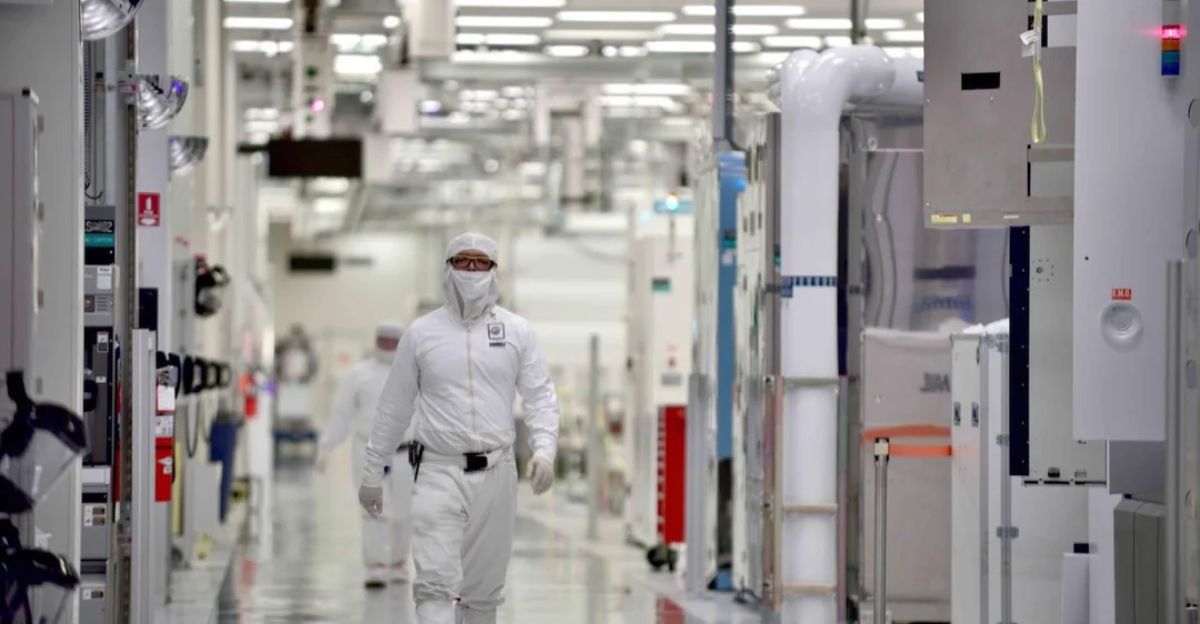
Intel’s restructuring marks a realignment of US chipmaking toward new hubs and newer fabs. While federal billions build facilities in Ohio and Arizona, longtime centers like Oregon face downsizing and uncertainty. National competitiveness rises, but regional stability weakens.
This tension remains unresolved, leaving readers to consider what long-term balance the industry will choose next.