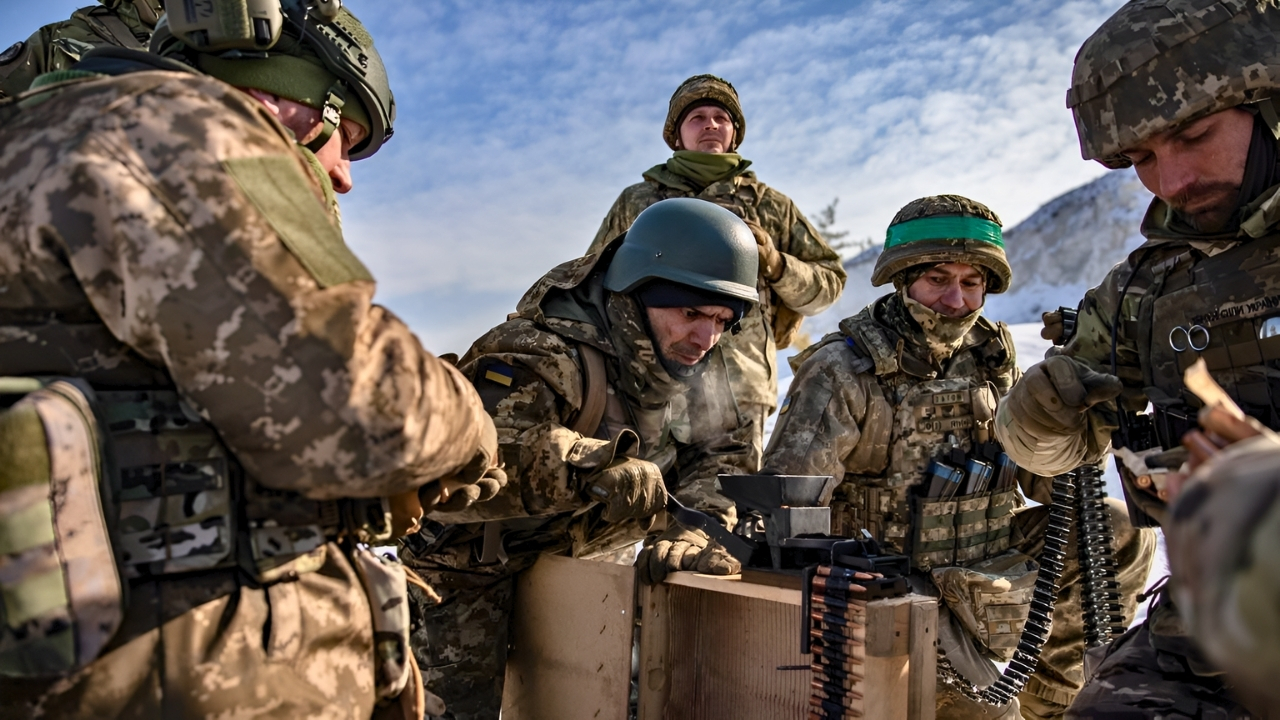
Military trucks rolled through Crimean streets before sunrise. Men vanished from homes, bus stops, and markets. No warning. No choice. Russia has forcibly conscripted 46,327 Ukrainians from occupied territories since February 2022—transforming neighbors into enemies, sons into soldiers fighting their own country.
According to Dmytro Usov, Ukraine’s prisoner-of-war coordinator, military intelligence confirmed these numbers. Russia later verified them. Fifty-three people were seized daily for nearly three years. This is conscription as weaponized coercion—Europe’s largest forced draft in modern history.
Crimea: The Peninsula That Became a Conscription Factory
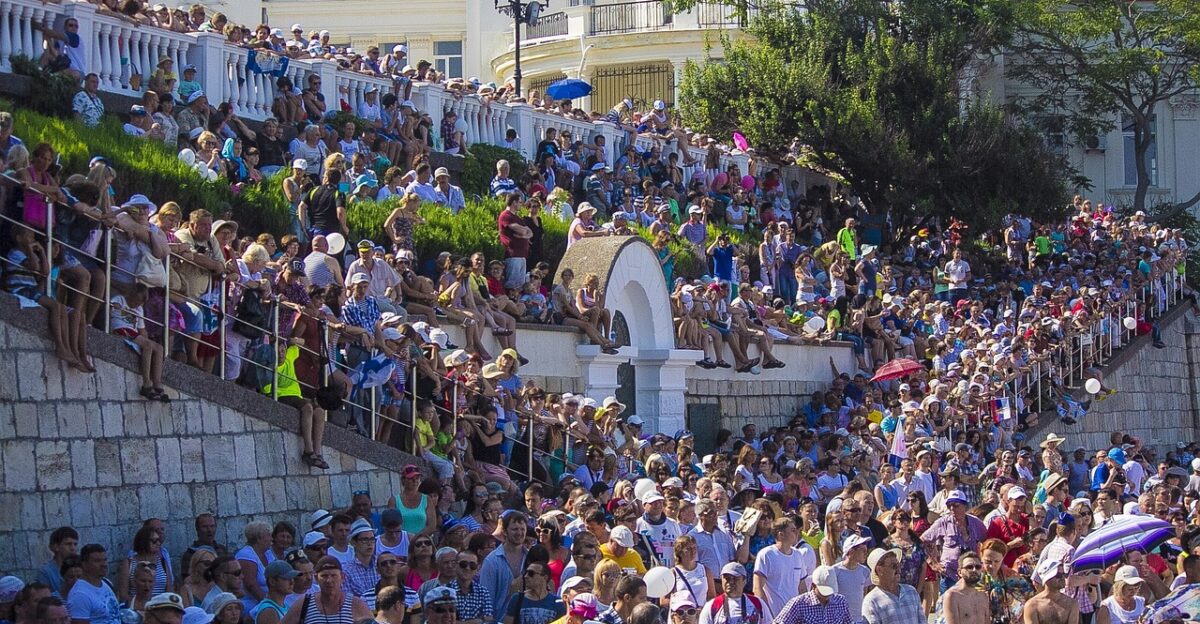
Seventy-six percent came from one place: Crimea. Russia extracted 35,272 conscripts from Crimea proper, another 5,368 from Sevastopol. The peninsula, annexed in 2014, transformed into Moscow’s primary military manpower reservoir. Between 2014 and 2021, Russia had already conscripted 30,000 Crimean men.
The current decade-long toll stands between 42,000 and 43,000. Crimea’s residents didn’t just lose sovereignty—they became expendable soldiers in an army occupying their homeland. The disproportionate targeting reveals a calculated strategy: to exploit the most vulnerable and the longest occupied.
The Machine Spread Across Every Occupied Region
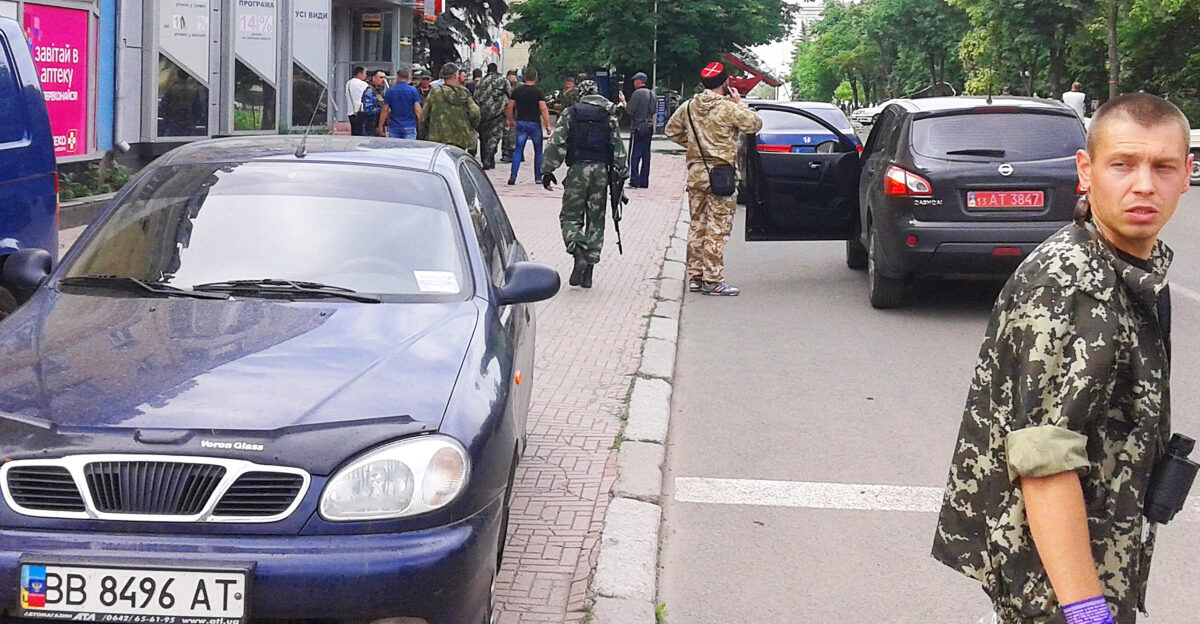
Donetsk supplied 5,368 conscripts. Luhansk added 4,650. Zaporizhzhia and Kherson contributed 560 and 478, respectively. From February 2022 through July 2024, Russia systematized forced mobilization across occupied territories. This wasn’t opportunistic—it was industrial. The 29-month campaign transformed temporary battlefield control into permanent conscription machinery.
Every captured city became a drafting center: every occupied village, a hunting ground for military-age men. Temporary military control evolved into systematic human extraction, processing Ukrainian bodies into Russian military assets.
Russia Made It Legal—Year-Round, No Escape
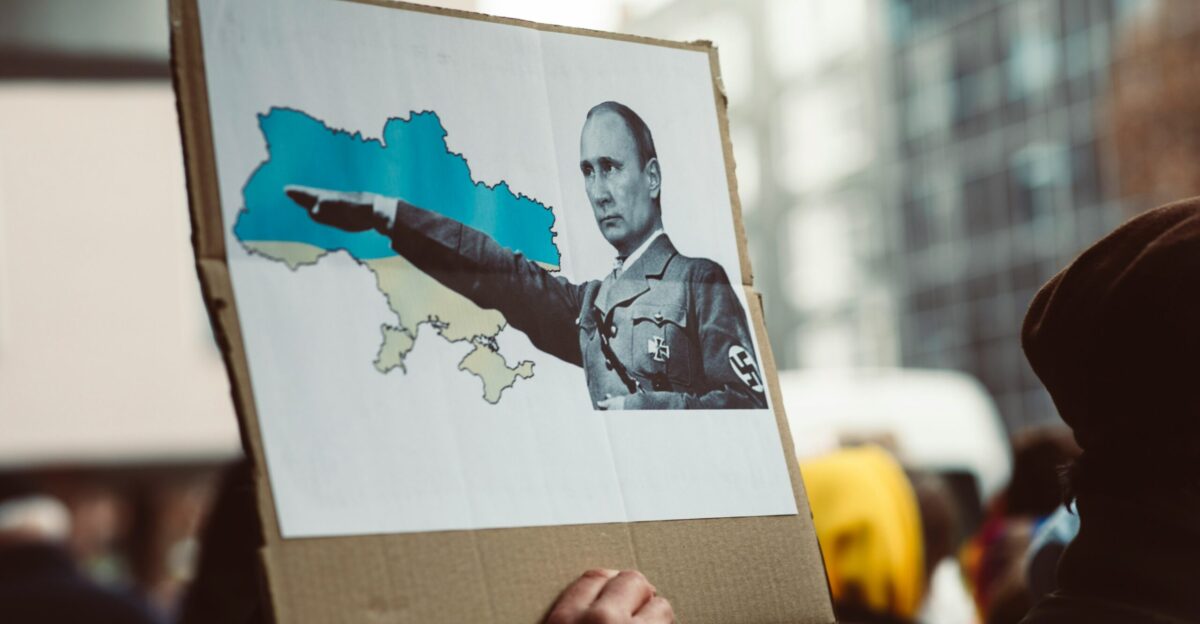
Russian lawmakers didn’t hide their intentions. They passed legislation legalizing military conscription year-round—January 1 through December 31—formally applying to occupied Ukrainian regions. No seasonal reprieve. No bureaucratic pause. Occupation authorities established quotas, deployed permanent drafting teams, and formalized the process of extraction.
The law signaled long-term commitment: these territories belong to Russia, these men belong to Russia’s military. Conscription-age men faced a perpetual threat. Spring conscription season became all seasons. The safe months vanished.
The Passport Trap: Choose Survival or Freedom
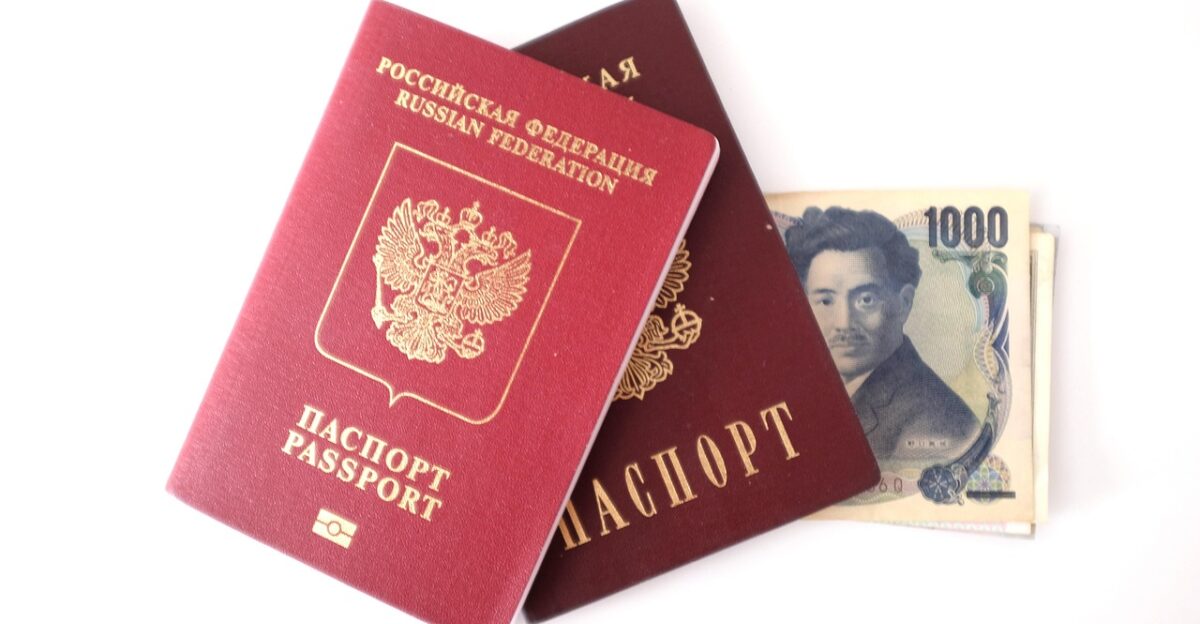
Russia engineered the perfect coercion mechanism: passportization. By March 2024, Russian passports became mandatory for accessing healthcare, receiving retirement income, utilizing social services, and proving property ownership. Interior Minister Vladimir Kolokoltsev reported that 3.5 million passports have been issued to Ukrainians by March 2024, with an additional 700,000 since then.
Refuse the passport, lose medical treatment for your child. Refuse, lose custody rights. Refuse, face imprisonment. Accept the passport—automatically become conscription-eligible. The choice wasn’t really a choice. Survival demanded self-identification as a potential Russian soldier. The document in your pocket became a conscription warrant.
Resist and Face Prison—Or Disappear Entirely
Draft evasion carried a two-year prison sentence. At least 583 criminal proceedings have been launched in Crimea since 2015 alone. But prosecution was only half the system. Human rights researchers documented systematic kidnappings: military convoys surrounding neighborhoods at dawn, soldiers confiscating phones, men forcibly loaded into trucks headed for conscription centers.
September-October 2022 saw coordinated sweeps—military and police encircling entire Crimean districts, pulling residents from homes, and grabbing men off the streets for immediate processing. Some never returned home. Fear-based compliance wasn’t a side effect—it was the foundation.
Ukrainian Courts Say “Not Guilty”—But Victims Stay Trapped

Ukrainian judges faced unprecedented cases: Ukrainian citizens in Ukrainian prisoner-of-war camps, captured while wearing Russian uniforms. Courts began issuing acquittals, acknowledging these men were forcibly conscripted. Dmytro Usov confirmed the verdicts recognized coercion, not collaboration. Legal vindication meant everything and nothing.
Acquitted men remained imprisoned on Ukrainian territory—acknowledged victims with nowhere to go. Returning home meant returning to occupied territory and re-conscription. Courts acknowledged the war crime. The system offered no sanctuary. Justice without freedom is just documentation.
16 Percent of Ukrainian POWs Are Ukrainian
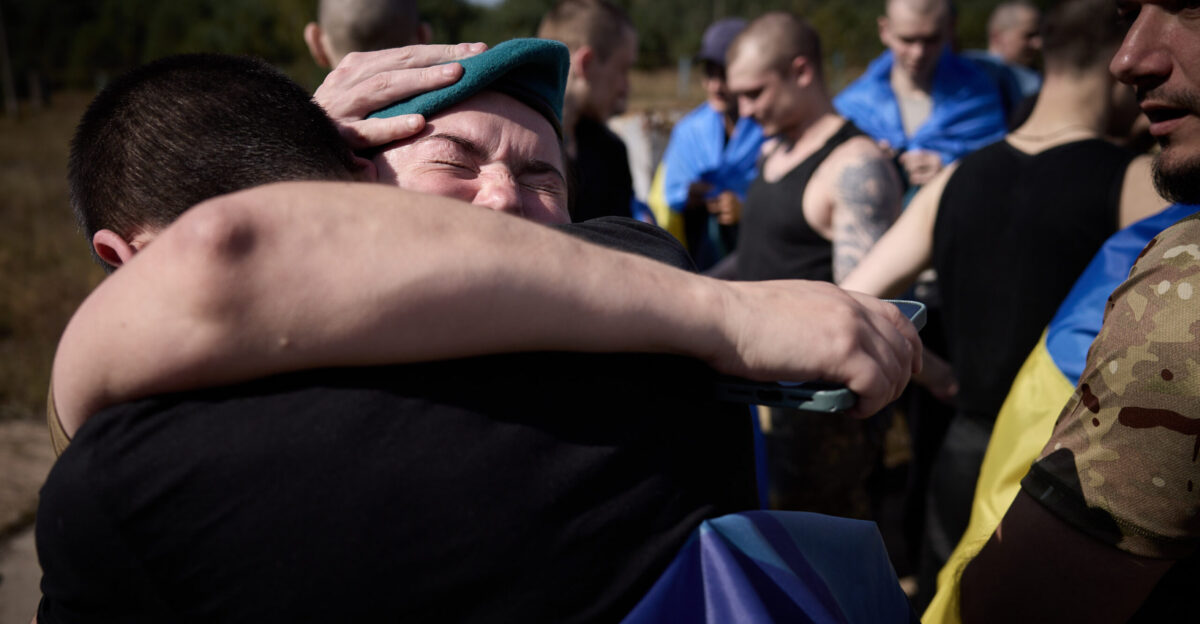
Sixteen percent of prisoners in Ukrainian camps are Ukrainian citizens. Not collaborators. Victims. Forcibly conscripted by Russia, captured fighting their own countrymen. Six percent are from Crimea. Ukrainian military facilities hold thousands of their own people, men forced into Russian uniform at gunpoint, now imprisoned behind Ukrainian wire.
The statistic transforms prisoner-of-war accounting into a moral nightmare. “Enemy combatants” are war crime victims. The system created a category that shouldn’t exist: Ukrainians captured fighting Ukraine because Russia made them.
The Exchange Dilemma: Trading Ukrainians for Ukrainians
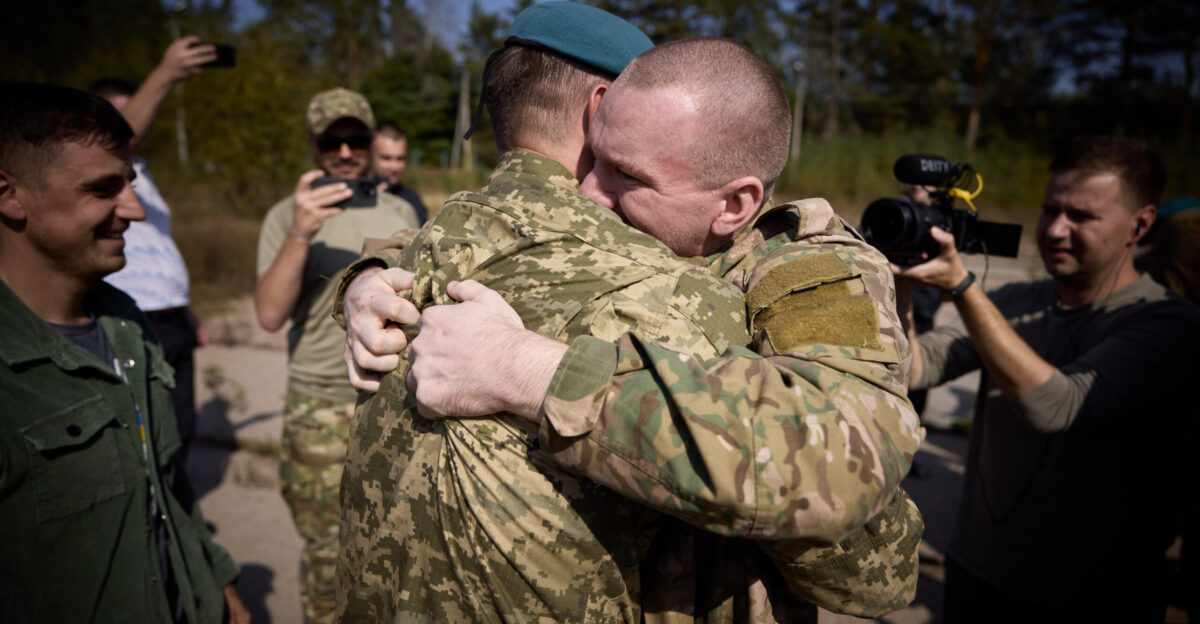
Every prisoner exchange negotiation brings fresh agony. Trade Ukrainian soldiers for forcibly conscripted Ukrainians and send war crime victims back to Russian territory, where they face punishment or re-conscription. Dmytro Usov described the impossibility: “Ukrainians being swapped for Ukrainians.” Western prisoner-exchange frameworks never anticipated this.
Accept the trade, preserve military personnel, condemn conscription victims. Refuse the trade, protect victims, and abandon leverage for Ukrainian soldiers. Neither choice is acceptable. Both options are necessary. The moral calculus breaks down completely when occupation creates enemies from your own citizens.
New Laws, Unprecedented Protection
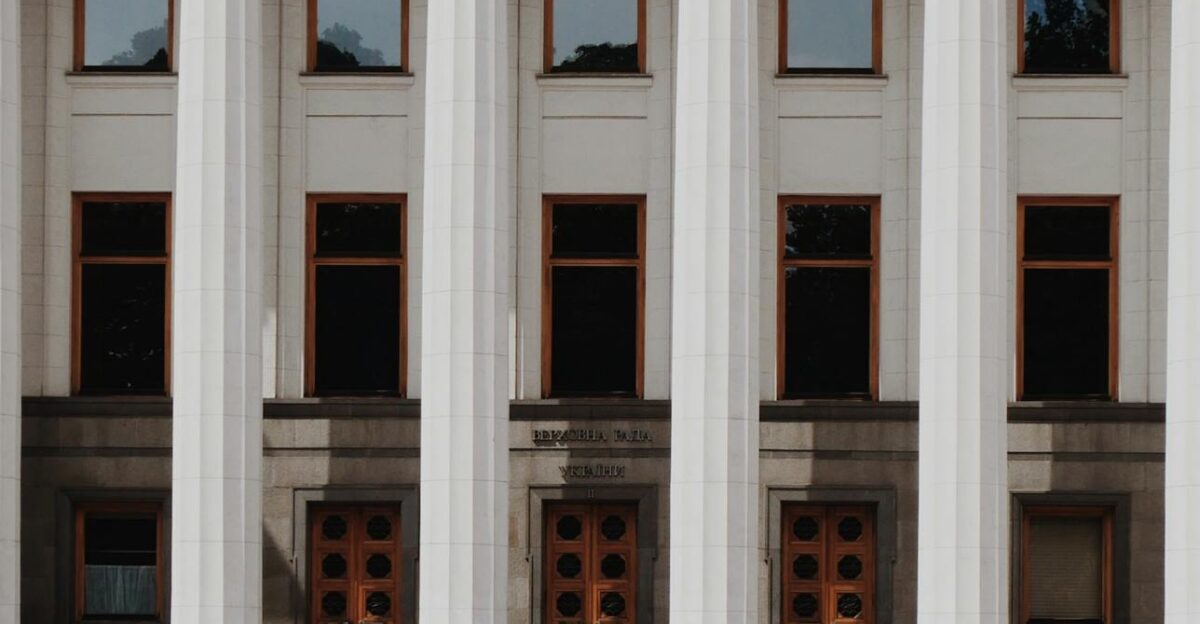
Ukraine moved urgently. Usov announced plans for Verkhovna Rada amendments preventing forcibly conscripted Ukrainians from returning to Russia during exchanges. The proposed law creates a new category: protected persons who cannot be traded or sold. Usov emphasized the stakes: “We must do everything to prevent them from being sent back to Russia and ensure they remain in Ukraine.”
The legislation transforms war crime victims from negotiable assets into protected citizens. It’s unprecedented—creating legal protection for people who fought against you because they had no choice—compassion embedded in wartime law.
International Law Says “Forbidden”—Russia Says “Watch Us”
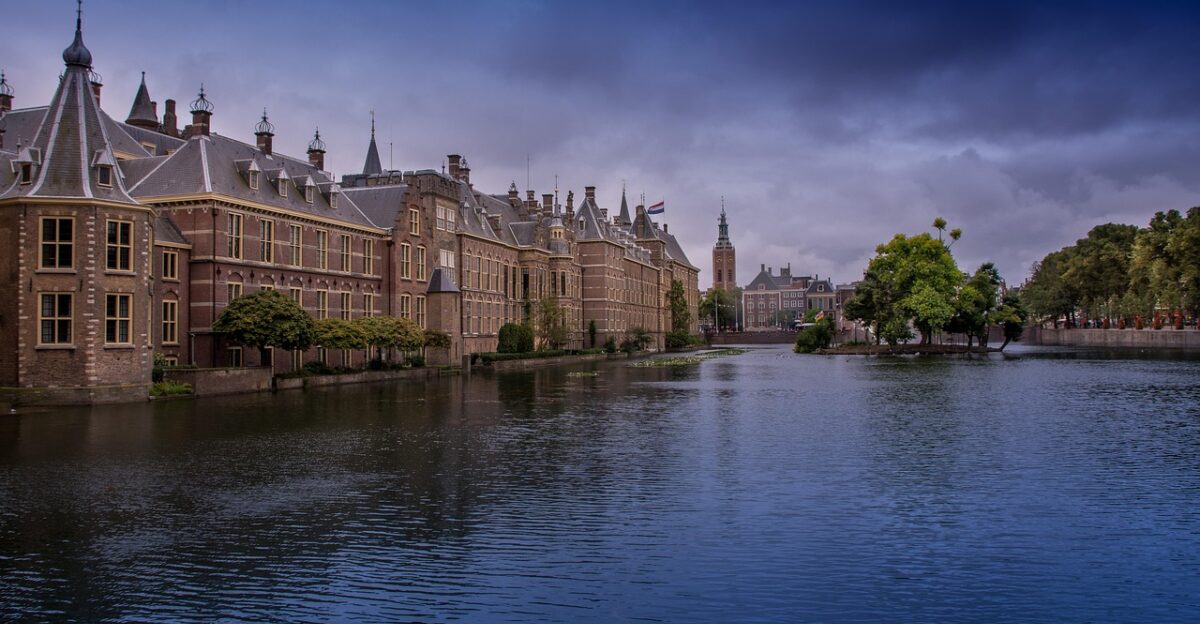
The Hague Regulations of 1907 explicitly prohibit this. The Fourth Geneva Convention explicitly prohibits this. International humanitarian law experts confirmed forced conscription violates both treaties and constitutes war crimes under the Rome Statute. The law is crystal clear. The enforcement is nonexistent. Russia proceeded without consequence, without intervention, without a meaningful international response.
A legal prohibition existed; however, mechanisms to prevent it did not. Russia demonstrated the brutal truth: declaring conduct illegal offers zero protection when military necessity overrides legal restraint. The law exists. The violations continue. The gap between prohibition and prevention remains unbridged.
A Decade of Evidence
Olha Skrypnyk, head of the Crimean Human Rights Group, has tracked every conscription campaign since 2014. She documented approximately 6,000 Crimeans conscripted annually through biannual campaigns before 2022—numbers that exploded after the full-scale invasion. Skrypnyk emphasized what international law confirms: conscription violates humanitarian law and constitutes war crimes.
Her most chilling documentation: drafted, unarmed Ukrainian conscripts deliberately placed in front of regular Russian units during combat. Human shields. Deployed en masse in 2022. Forced to fight, forced to die first. Her records will outlive the perpetrators. Documentation for future trials—if trials ever come.
46,000 Is Just What We Can Prove
While 46,327 represents documented forced conscription, the true scale exceeds this dramatically. The Eastern Human Rights Group reported that Russia mobilized approximately 300,000 men from occupied territories since February 2022. That suggests tens of thousands were coerced through pressure, fear, economic starvation, and passportization into “voluntary” military service.
The distinction between forced conscription and coerced “volunteering” becomes meaningless when survival depends on compliance. The confirmed number is horrifying. The probable number is catastrophic. Some “volunteered” at gunpoint. Some “volunteered” to feed their families. None were free.
600,000 Casualties, Endless Need for Bodies
Russia’s escalating conscription reveals military desperation. American officials reported that the number of Russian dead and wounded reached approximately 600,000 by October 2024. Spring 2025 saw Russia order 160,000 men aged 18–30 conscripted—the highest rate in 14 years. Facing unsustainable casualties, Russia turned increasingly to the occupied territories as a manpower reservoir.
Conscripting Ukrainians represented strategic efficiency: deploy expendable foreign conscripts in high-casualty operations, preserve ethnic Russian reserves, and maintain plausible deniability through occupation authority structures. Forced conscription became a logistics solution. Ukrainian bodies became Russian military assets. The casualties create demand. The occupation provides supply.
Justice Remains a Distant Promise

The 46,327 forcibly conscripted constitute Europe’s largest modern forced-conscription campaign. Each number represents someone’s son, brother, or father. They were stripped of citizenship choice, military allegiance, and territorial belonging. Some died fighting their own country. Some remain imprisoned but legally vindicated. Some are still fighting in Russian uniforms, waiting for liberation.
International law forbids what Russia executed. Courts acknowledge crimes. Yet perpetrators remain unpunished, victims remain displaced, and the conscription machinery continues grinding. Documentation accumulates. Justice remains elusive. Accountability requires enforcement mechanisms that currently don’t exist. Until then, the stolen soldiers wait.