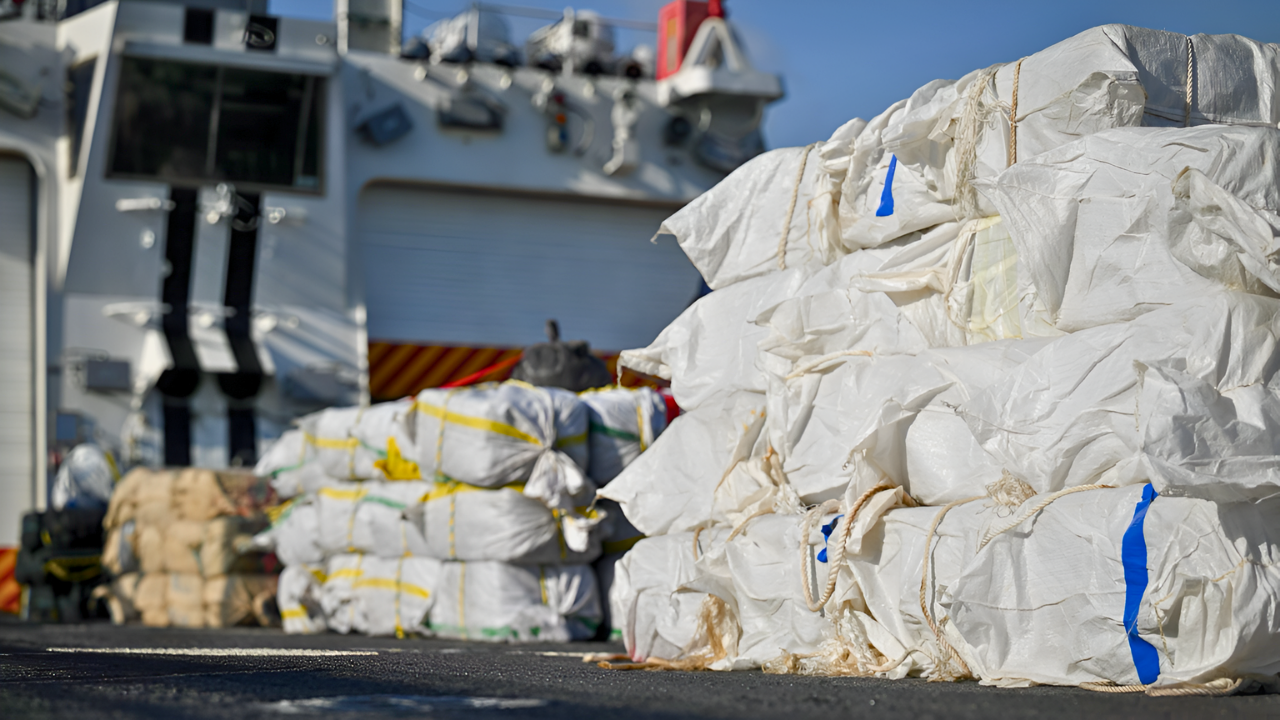
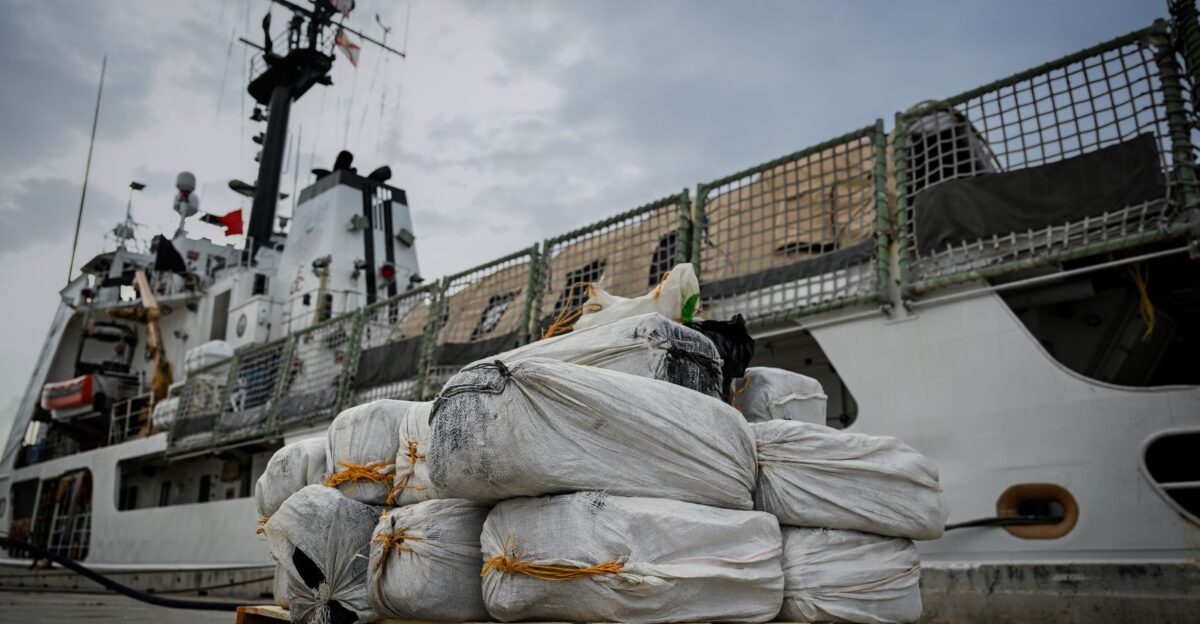
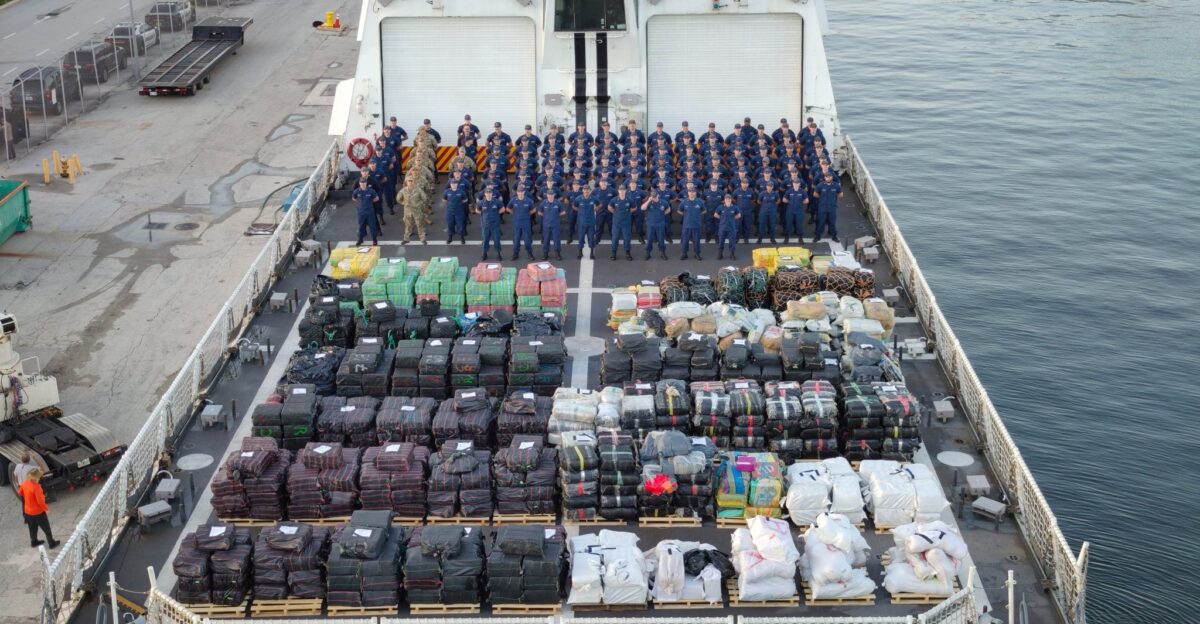
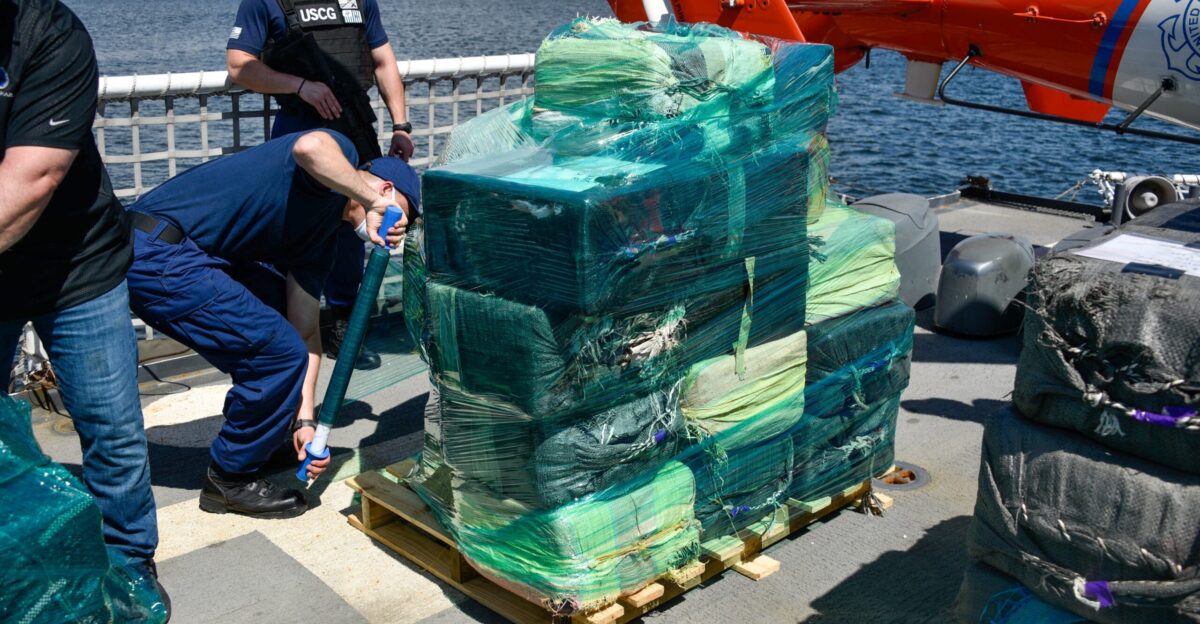
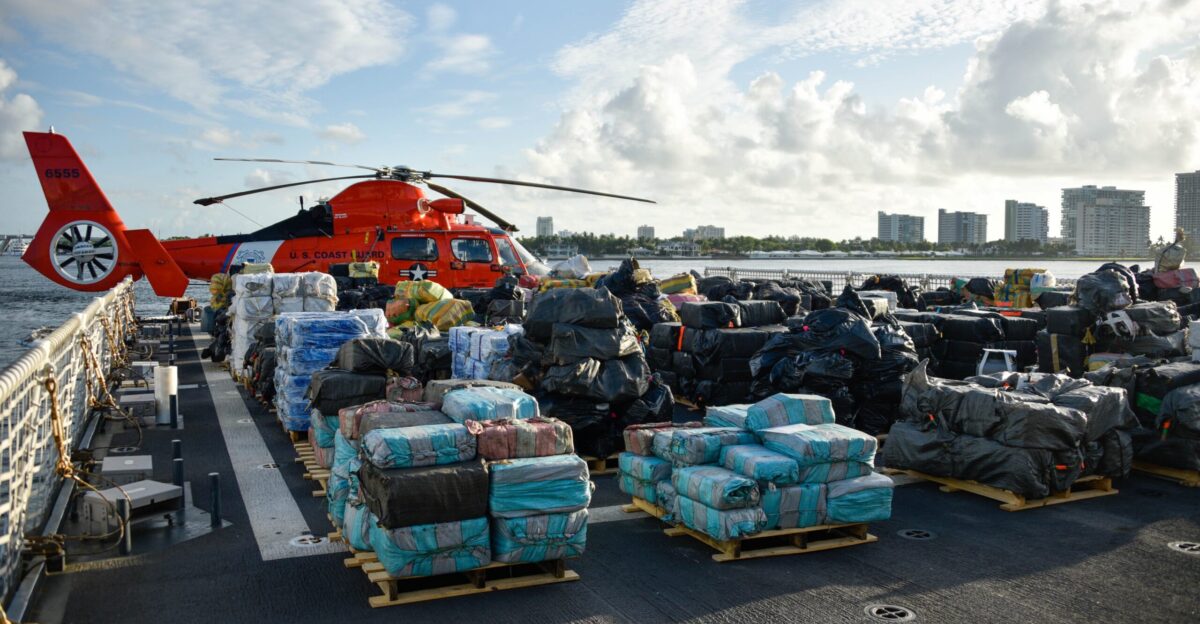
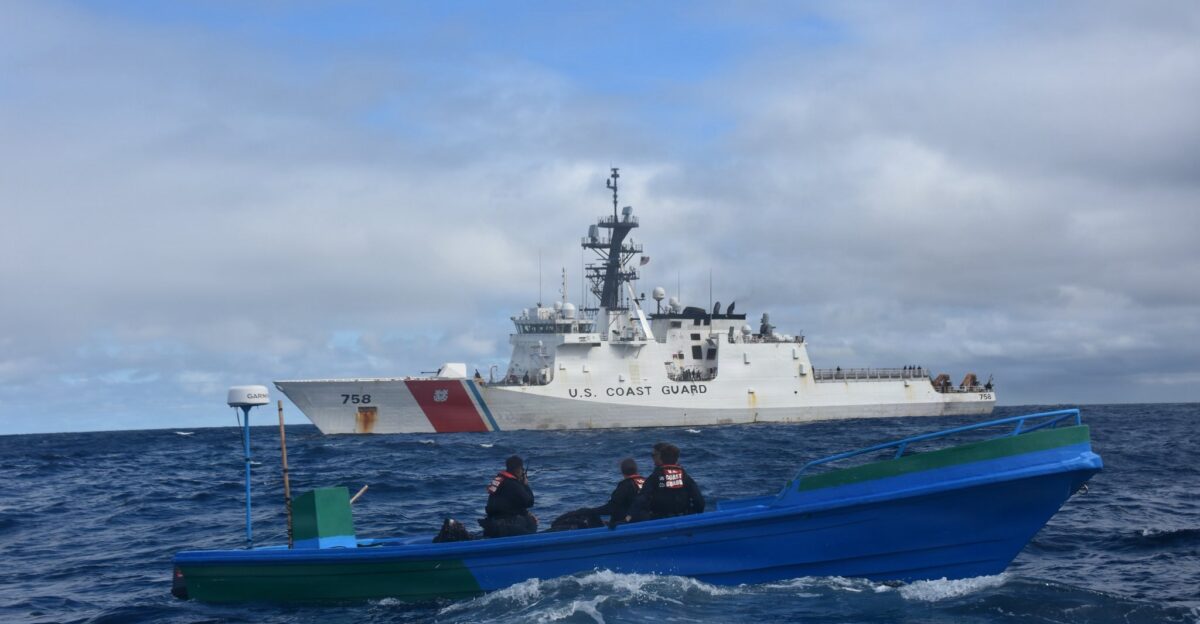
A powerful blast of wind whipped across the eastern Pacific, as the U.S. Coast Guard cutter Stone pulled alongside a dock in Port Everglades, Florida, offloading 49,000 pounds of cocaine. The sheer scale of the operation was staggering—$362 million worth of drugs seized in a single patrol, the largest cocaine haul ever by a single cutter. Coast Guard personnel moved swiftly, unloading the massive amount of contraband as the gravity of the mission set in. This was no ordinary bust—it was a monumental step in the ongoing battle against transnational criminal organizations.
What led to this record-breaking operation, and what will happen next in the fight to secure U.S. waters?
Enhanced Capabilities Drive Success
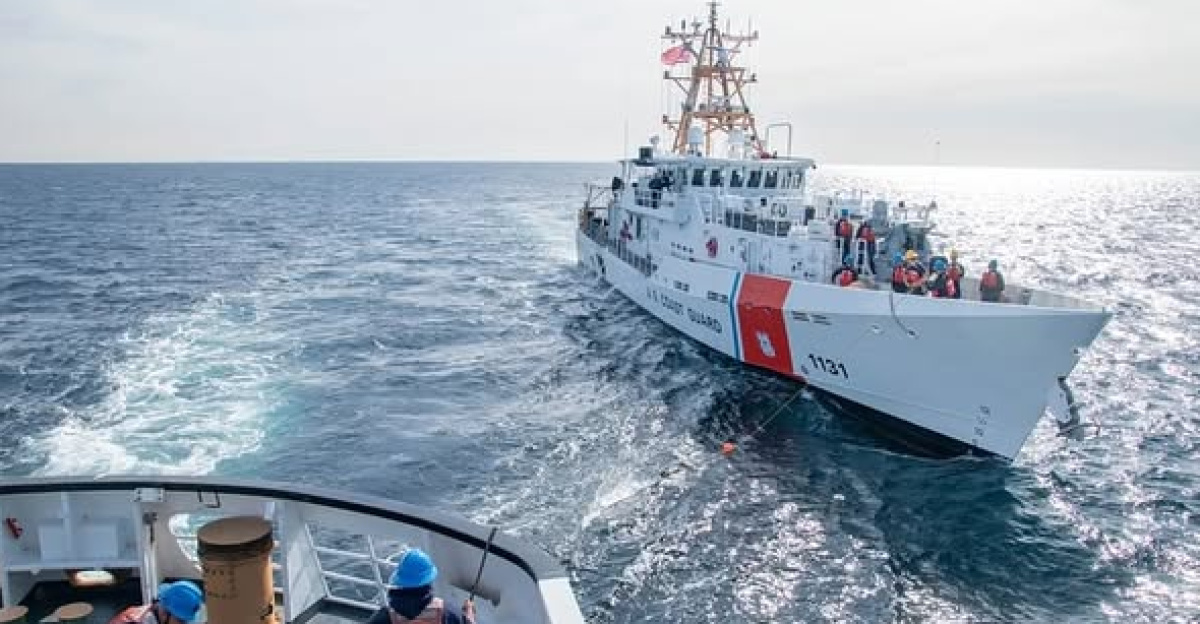
The historic cocaine haul is a result of the Coast Guard’s upgraded resources, including enhanced cutters, sophisticated surveillance technology, and better intelligence coordination.
These improvements allowed for the successful interdiction of 15 drug boats operating along high-risk trafficking routes in the Eastern Pacific.
A Major Win Against Public Health Threats
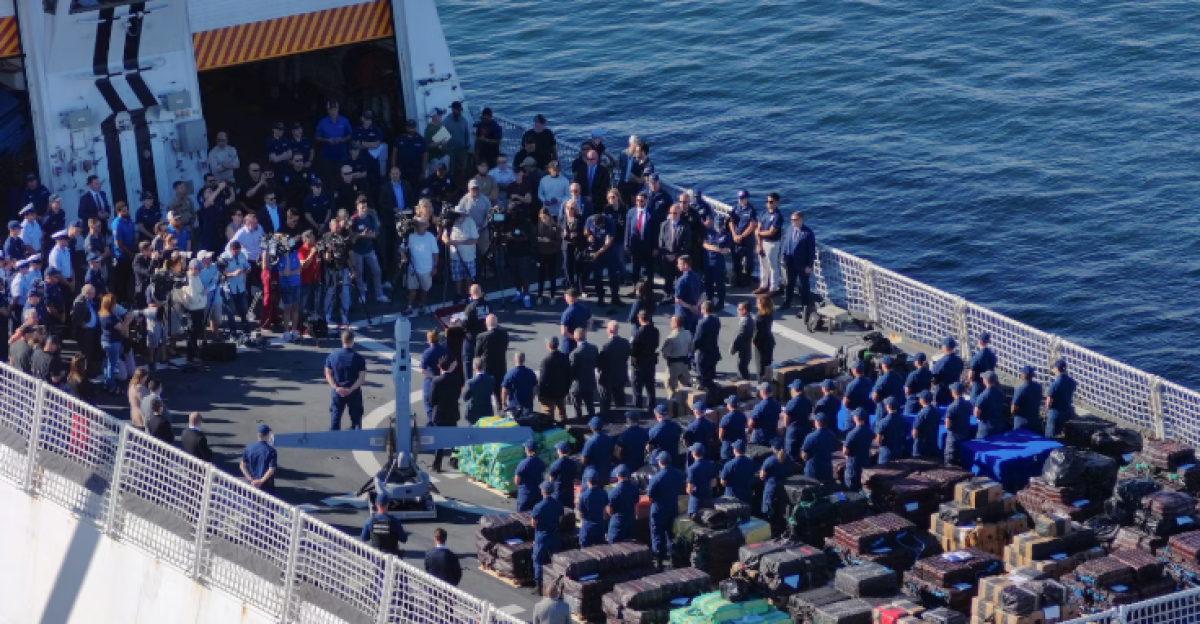
Nearly one million potential doses of cocaine were stopped from reaching U.S. streets.
This substantial seizure directly impacts public health, limiting the availability of illicit drugs and reducing the overdose risks faced by American communities. The operation was a critical blow to organized narcotics distribution.
Maritime Security: A Growing Concern
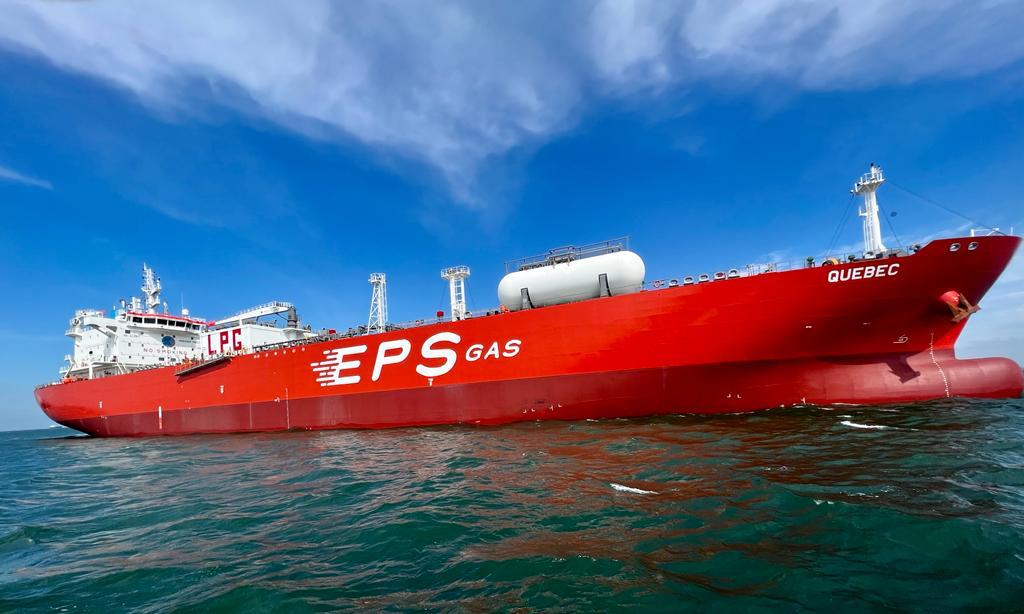
Shipping companies operating in the Eastern Pacific are reassessing their security measures in response to the increasing frequency of Coast Guard patrols.
With more scrutiny on maritime cargo, these firms are investing in enhanced tracking technologies and stricter compliance protocols to avoid potential delays and suspicions.
Cartels Shift Strategies
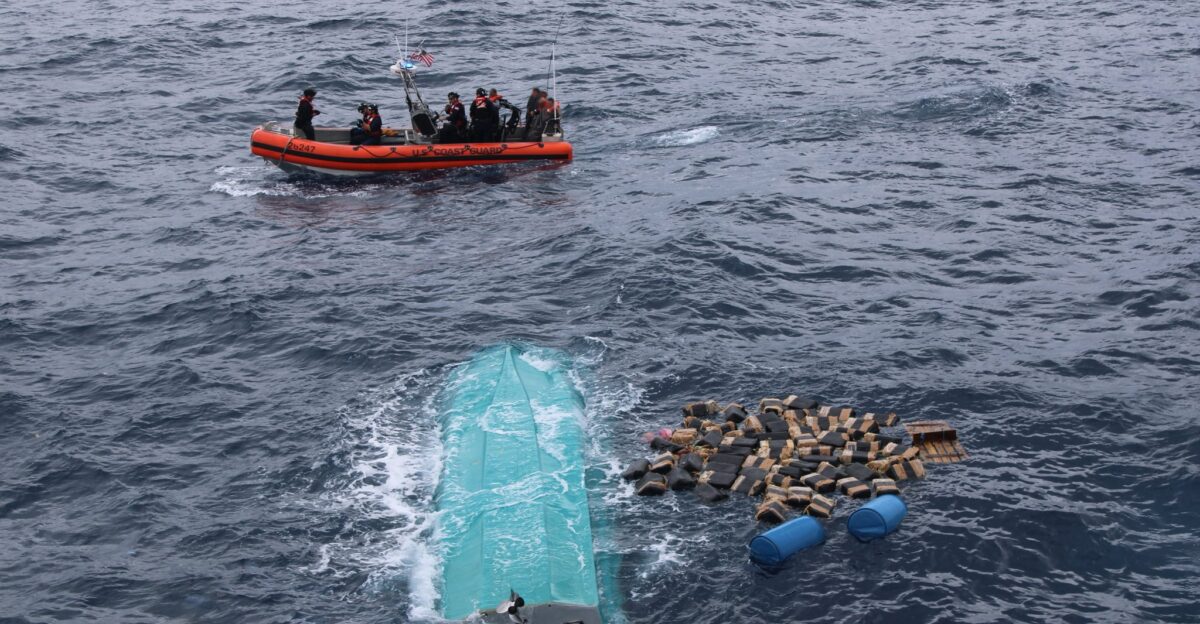
The major cocaine interception is expected to drive traffickers to adapt by exploring new smuggling routes or shifting to other illicit substances.
Law enforcement officials are anticipating that cartels may turn to synthetic drugs or increase trafficking operations in other regions, potentially impacting global drug markets.
Global Cooperation Steps Up
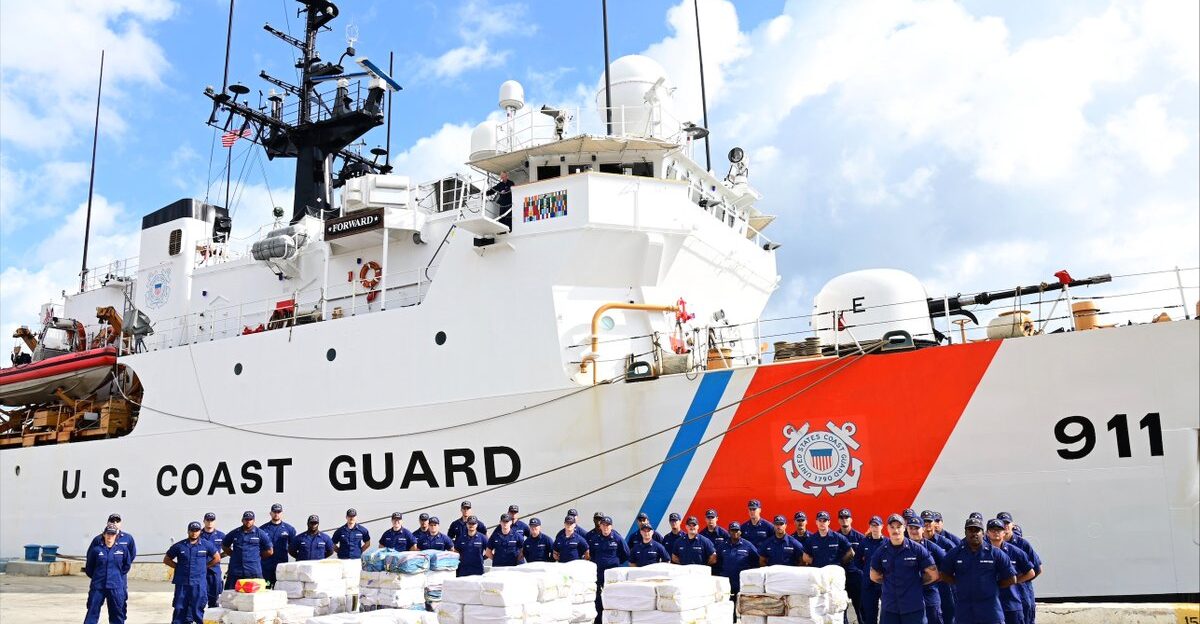
The seizure disrupted a large transnational criminal network operating between South America and the U.S.
Countries like Colombia and neighboring regional navies are ramping up efforts, increasing joint patrols and intelligence sharing to thwart evolving trafficking tactics. This operation highlights the power of international collaboration in combating narcotics smuggling.
Crew Heroes and Traffickers

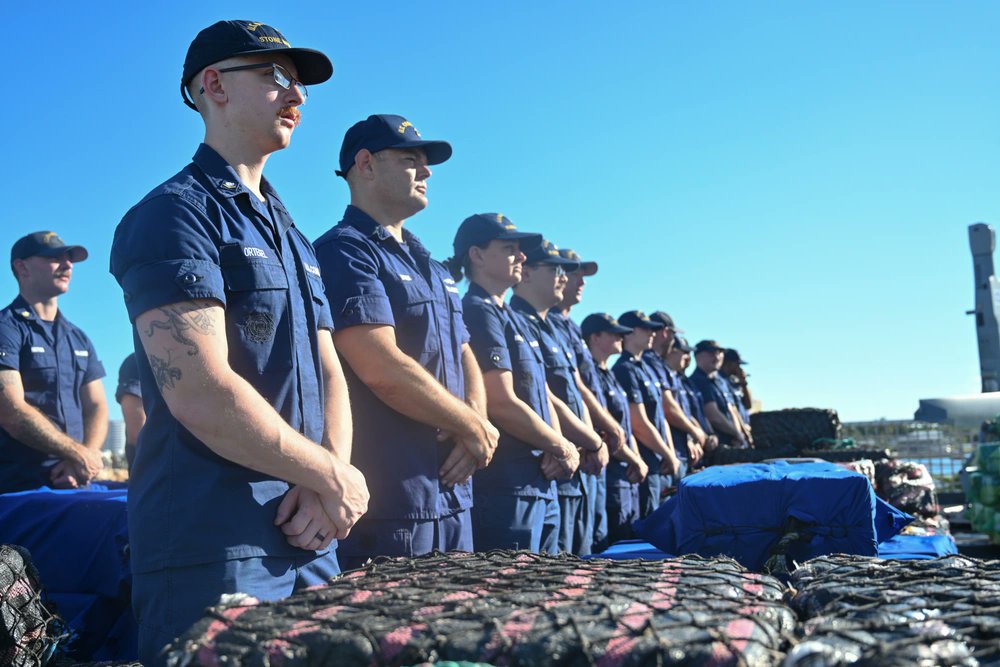
Capt. Anne O’Connell, the commanding officer of Stone, praised her crew for their outstanding efforts in executing 15 successful interdictions.
Alongside U.S. law enforcement agencies, global partners, and intelligence officials, traffickers are now facing the legal consequences of their actions, while families in affected countries grapple with the fallout.
Political Rhetoric Heats Up
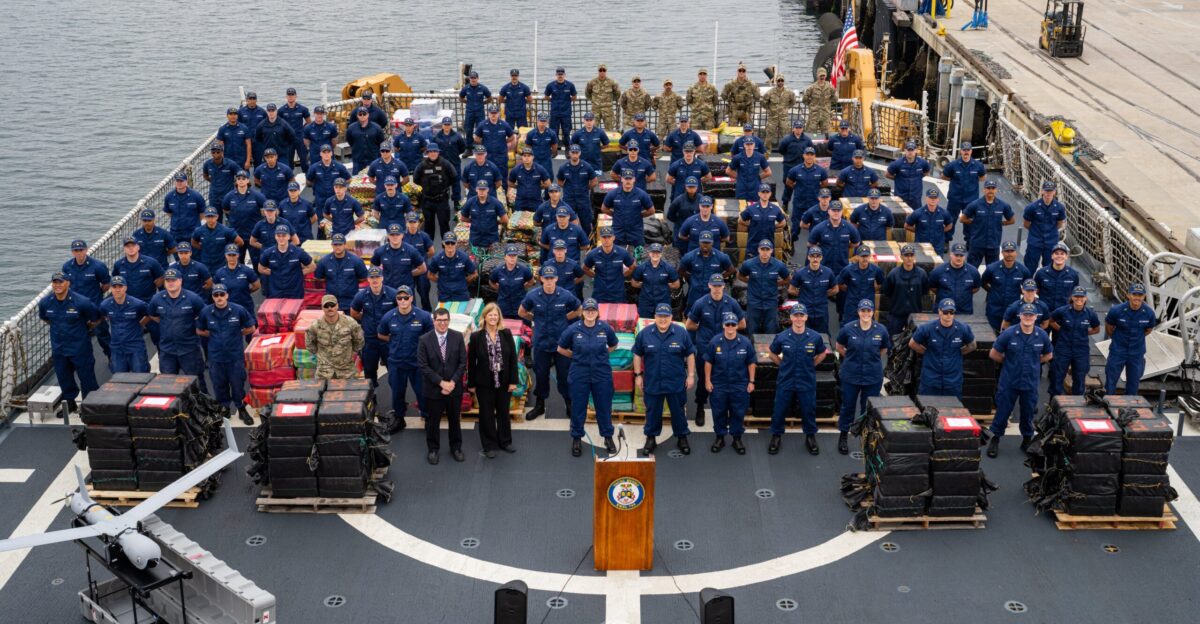
This massive narcotics seizure has become a focal point in political rhetoric, with U.S. officials highlighting the success of anti-drug efforts.
However, despite these victories, Coast Guard representatives note the ongoing challenges in disrupting the continuous flow of cocaine into the U.S., underscoring the persistent fight against drug trafficking.
Economic Impact of Narcotics Disruption
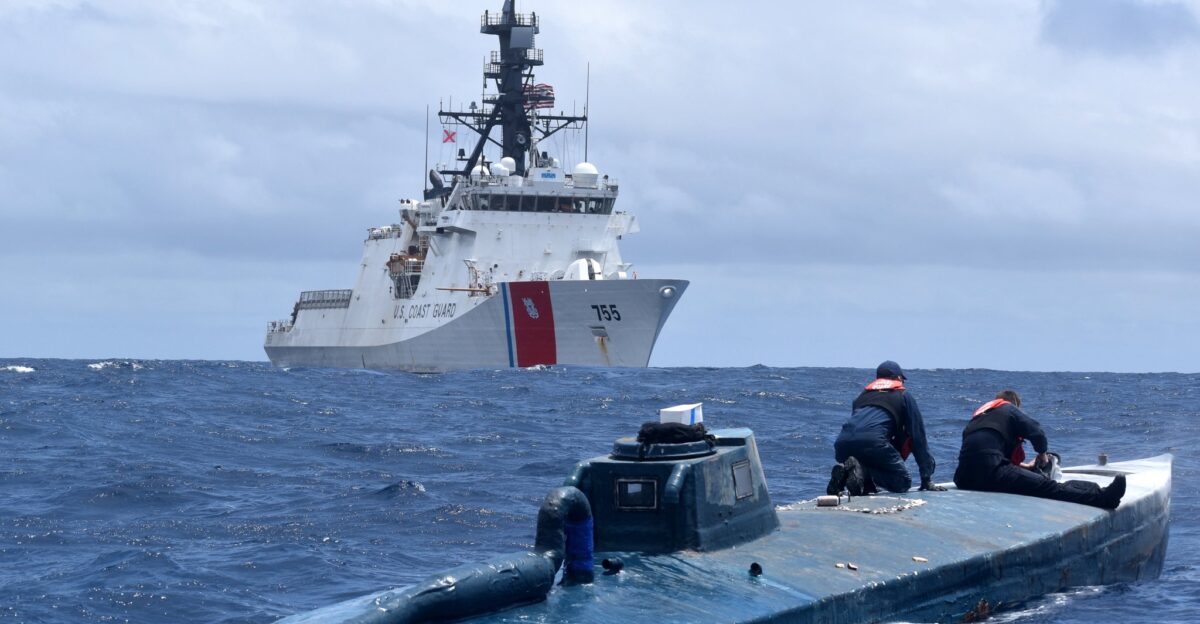
The removal of over $362 million worth of cocaine from the market is expected to temporarily disrupt the illicit drug market.
Experts predict that scarcity could drive up prices, creating ripple effects throughout affected regions, and potentially fueling crime or pushing consumers toward alternative substances.
Retailers Prepare for New Risks
With narcotics operations being dismantled, criminal organizations may shift their focus to new revenue streams.
Retailers, particularly in high-risk regions, are enhancing security protocols to protect against potential increases in theft, fraud, or the circulation of counterfeit goods, collaborating with law enforcement for real-time intelligence.
Hospitality Sector Faces New Safety Pressures
Businesses in areas like Fort Lauderdale are reviewing safety protocols in light of heightened law enforcement activity.
Hospitality establishments are training staff to recognize signs of trafficking and cooperate with authorities to help safeguard their operations and guests amid the crackdown on narcotics smuggling.
The Role of Forensics and Security Tech
The record-breaking seizure emphasizes the importance of forensic analysis and security technologies.
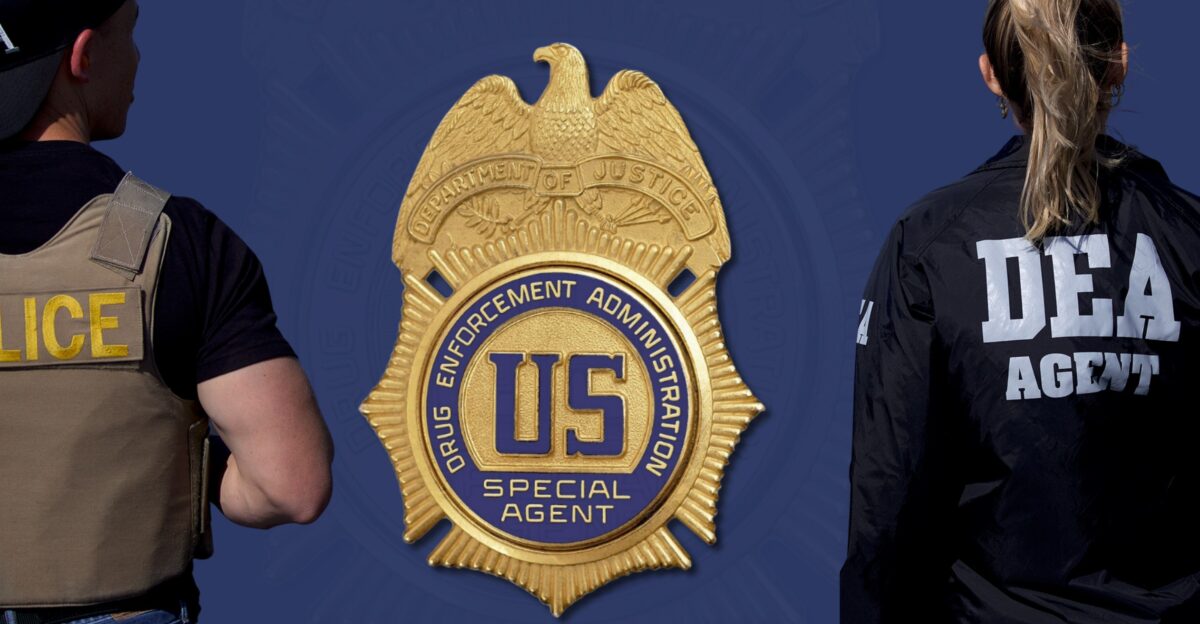
Drug analysis labs, especially those within the DEA, play a crucial role in ensuring the prosecution of traffickers, while the demand for advanced detection and tracking tools is growing across the maritime and border enforcement sectors.
A Global Impact: Changes to Drug Supply Chains
The effects of this narcotics seizure could ripple through international drug markets. Traffickers may look for new ways to smuggle substances or change drug purity, affecting consumers worldwide.
As law enforcement intensifies its efforts, criminal organizations might retaliate, escalating violence or smuggling attempts.
Public Awareness on Drug Abuse Rises
The Coast Guard’s successful operation has sparked a renewed focus on drug use and addiction prevention.
Public health agencies are using the news to promote treatment resources and raise awareness of the dangers of illicit drug use, urging communities to take preventive action to combat substance abuse.
War on Drugs: A Complex Debate

While many praise the Coast Guard’s efforts, critics argue that large-scale interdictions may not be the ultimate solution to the drug problem.
They advocate for a more balanced approach, emphasizing demand reduction and rehabilitation efforts while also acknowledging the environmental impact of aggressive maritime enforcement strategies.
Winners and Losers in the Fight Against Drugs
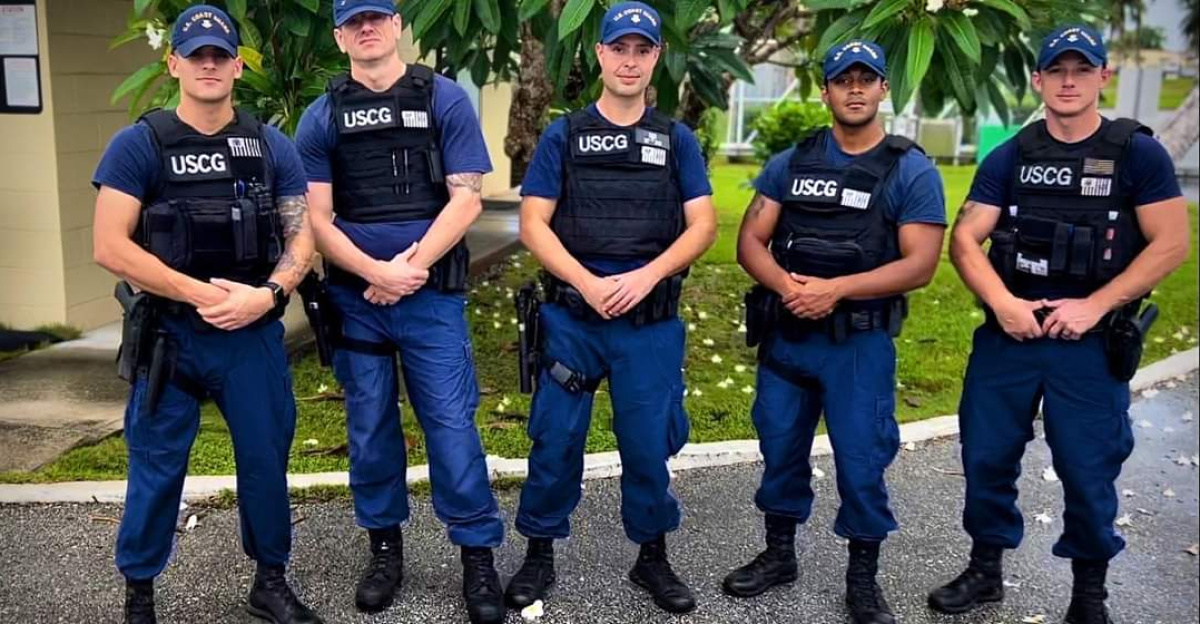
Law enforcement and security companies benefit from heightened funding and visibility due to the success of this operation.
However, traffickers, certain port workers, and communities relying on illicit economies face greater risks and economic challenges as authorities tighten their grip on narcotics flows.
Stock Market Reactions to Drug Seizures

Investors are closely monitoring stocks of companies involved in security technologies and surveillance systems, anticipating a surge in government spending on anti-narcotics operations.
Insurance companies are revising their risk models for shipping and logistics in drug-affected regions, factoring in the growing security challenges.
Consumer Tips for Staying Safe
Consumers, particularly in port cities, are being advised to stay alert to rising criminal activity. Authorities urge people to report suspicious behaviors and seek out community resources for drug addiction prevention.
Businesses are also encouraged to review and strengthen their security measures to mitigate potential risks.
Adaptation of Trafficking Tactics
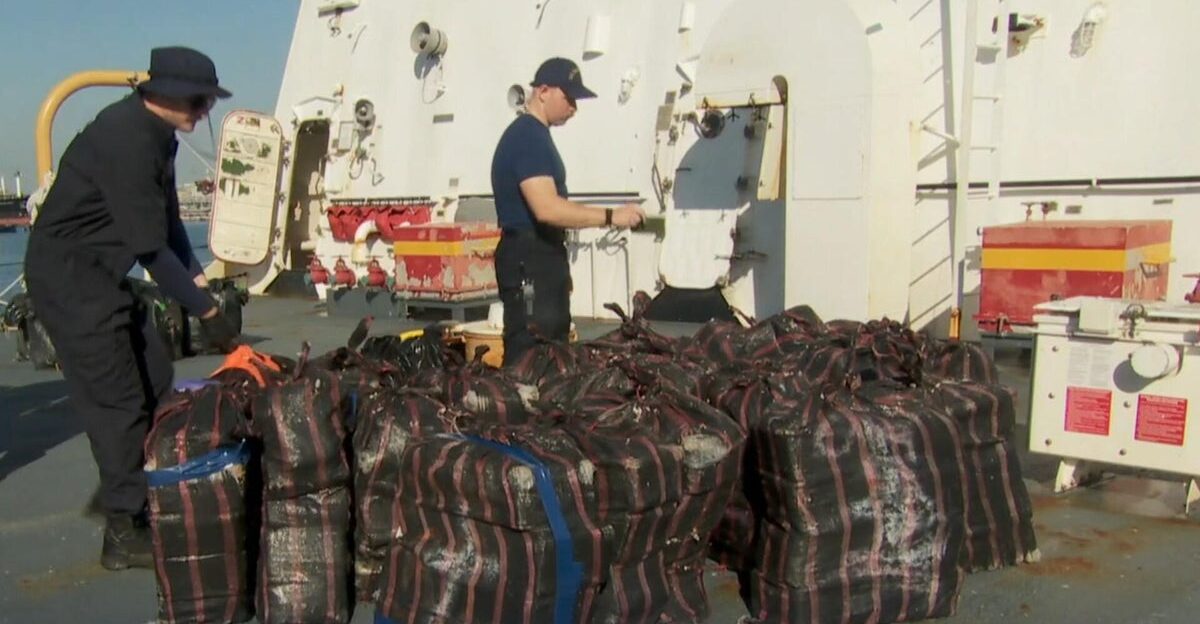
Law enforcement officials caution that while this record-breaking seizure is a significant success, traffickers will quickly adapt, seeking new routes and methods.
The Coast Guard and its partners are expanding their surveillance capabilities and intelligence-sharing efforts to stay ahead of evolving criminal strategies.
Broader Implications of the Seizure
The record-breaking cocaine haul is more than just a law enforcement success—it reflects the larger, interconnected challenges of combating global transnational crime.
The ripples from this operation will affect communities, businesses, and governments, illustrating the ongoing fight against illicit drug trafficking on a global scale.