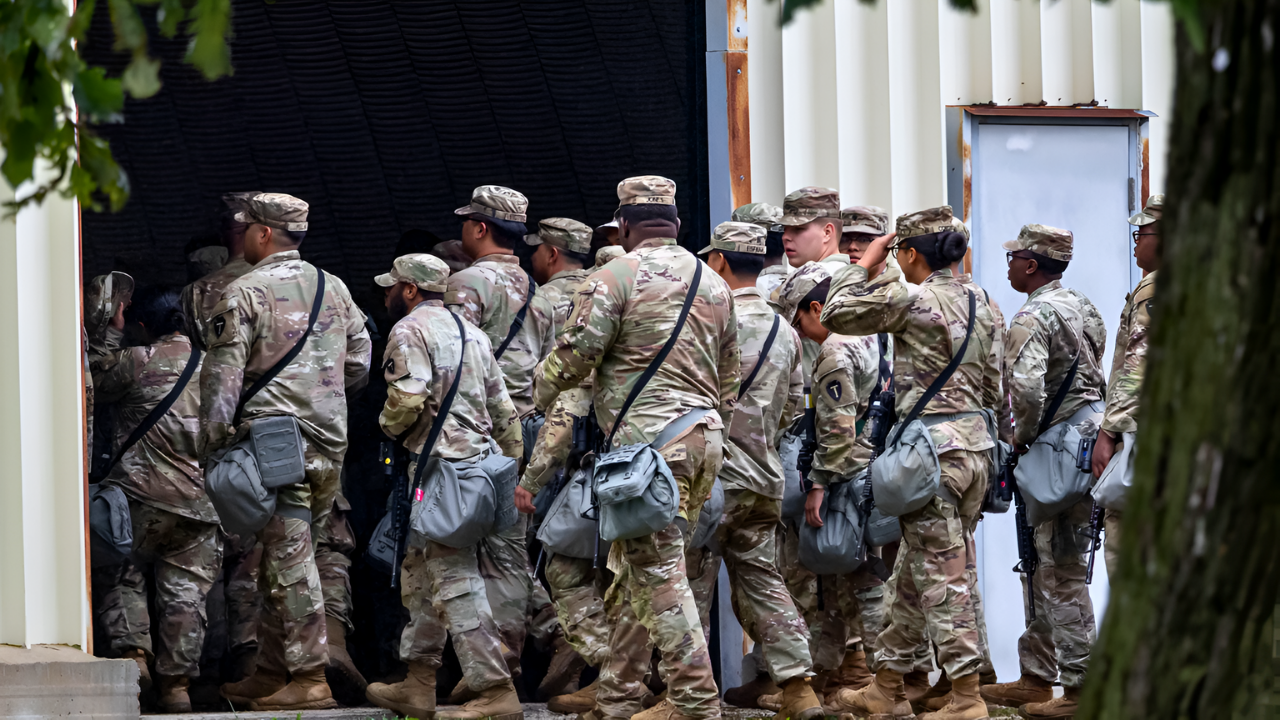
President Trump’s declaration of a “rebellion or danger of a rebellion” in late September 2025 set off a wave of National Guard deployments and legal battles across the United States. The unprecedented federalization of state troops in cities like Portland and Chicago sparked constitutional disputes, disrupted daily life, and left communities and businesses grappling with the consequences.
Federal Troops Arrive, Cities React
The Trump administration justified the deployment of National Guard units by citing the need to protect federal property and support U.S. Immigration and Customs Enforcement (ICE) personnel. On October 5, Pentagon officials confirmed that troops from Oregon, Illinois, and California were reassigned to unfamiliar cities, including Portland and Chicago, under federal command. The move was met with immediate resistance from local leaders. Oregon Governor Tina Kotek insisted there was “no rebellion in Portland,” while Illinois Governor JB Pritzker opposed the military presence in Chicago. Their objections foreshadowed a series of legal challenges that would soon unfold.
Courts Challenge Federal Authority
Judges in multiple jurisdictions quickly intervened. On November 7, U.S. District Judge Karin Immergut permanently blocked the federalization of Oregon’s National Guard, ruling that the president lacked lawful grounds under Title 10 of the U.S. Code. The 7th Circuit Court of Appeals upheld a similar block in Chicago, emphasizing that lawful protest did not amount to rebellion. In Washington, D.C., Judge Jia M. Cobb halted the deployment of over 2,000 National Guard members, citing violations of local governance rights. These rulings underscored the constitutional tension between federal authority and state sovereignty, with the Supreme Court poised to weigh in on the limits of presidential power.
Impact on Soldiers and Communities

The rapid redeployment of troops upended the lives of hundreds of National Guard members. Many found themselves living in temporary quarters, awaiting legal decisions that would determine their next move. Retired Major General Richard Hayes noted that abrupt mission changes forced soldiers to rely on their training and adaptability. Meanwhile, the presence of federalized troops in cities like Portland and Chicago had a profound psychological and operational impact. Although most troops remained confined to bases, their arrival unsettled residents and altered the rhythms of daily life.
Economic Fallout for Local Businesses
The economic consequences of the deployments rippled through affected neighborhoods. In Chicago’s Little Village, business owners reported sales drops of up to 60 percent as federal enforcement operations deterred customers and staff. Restaurants and shops closed temporarily, and supply chains faltered. The financial strain extended to vendors, employees, and local tax revenues, raising concerns about the long-term recovery of these communities. In Portland, the cost of the operation reached approximately $15 million over two months, while Chicago’s deployment cost $12.8 million, with estimated daily per-troop expenses of approximately $647.
Legal and Constitutional Stakes
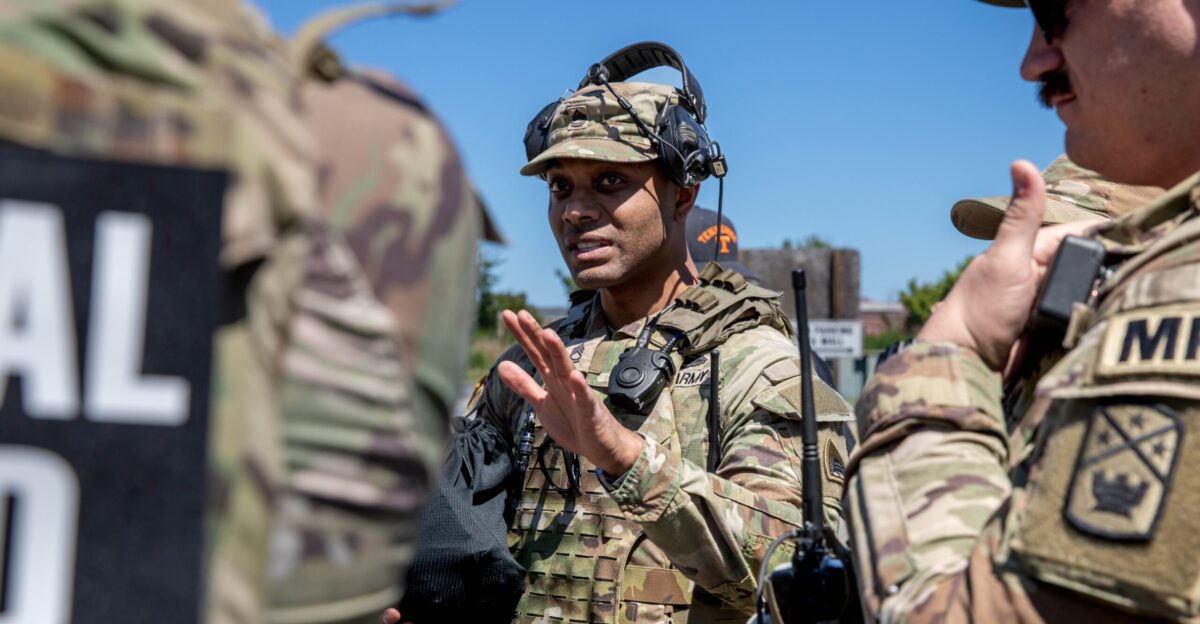
At the heart of the controversy was the rarely used Title 10 provision, which allows the president to federalize the National Guard in cases of invasion, rebellion, or when regular forces are insufficient to enforce the law. Legal scholars warned that cross-state deployments—such as Texas troops sent to Chicago and California troops to Portland—could violate the 10th Amendment and undermine state sovereignty. Courts repeatedly found that the protests in Portland and Chicago, which began in June and were largely peaceful, did not meet the legal threshold for rebellion. Judges ruled that the federalization of the Guard violated both Title 10 and the Constitution, setting a precedent for future limits on presidential authority.
Looking Ahead: Unresolved Questions

By mid-November, hundreds of troops began returning to their home states, but court-ordered stays delayed a complete withdrawal. The Supreme Court’s pending decision on the scope of federal power left cities, soldiers, and residents in a state of uncertainty. Meanwhile, U.S. Northern Command’s plans suggested a possible permanent federal footprint, even as visible troop numbers declined. As legal, economic, and social debates continue, the outcome of this conflict may shape the rules for domestic military deployments for years to come.